


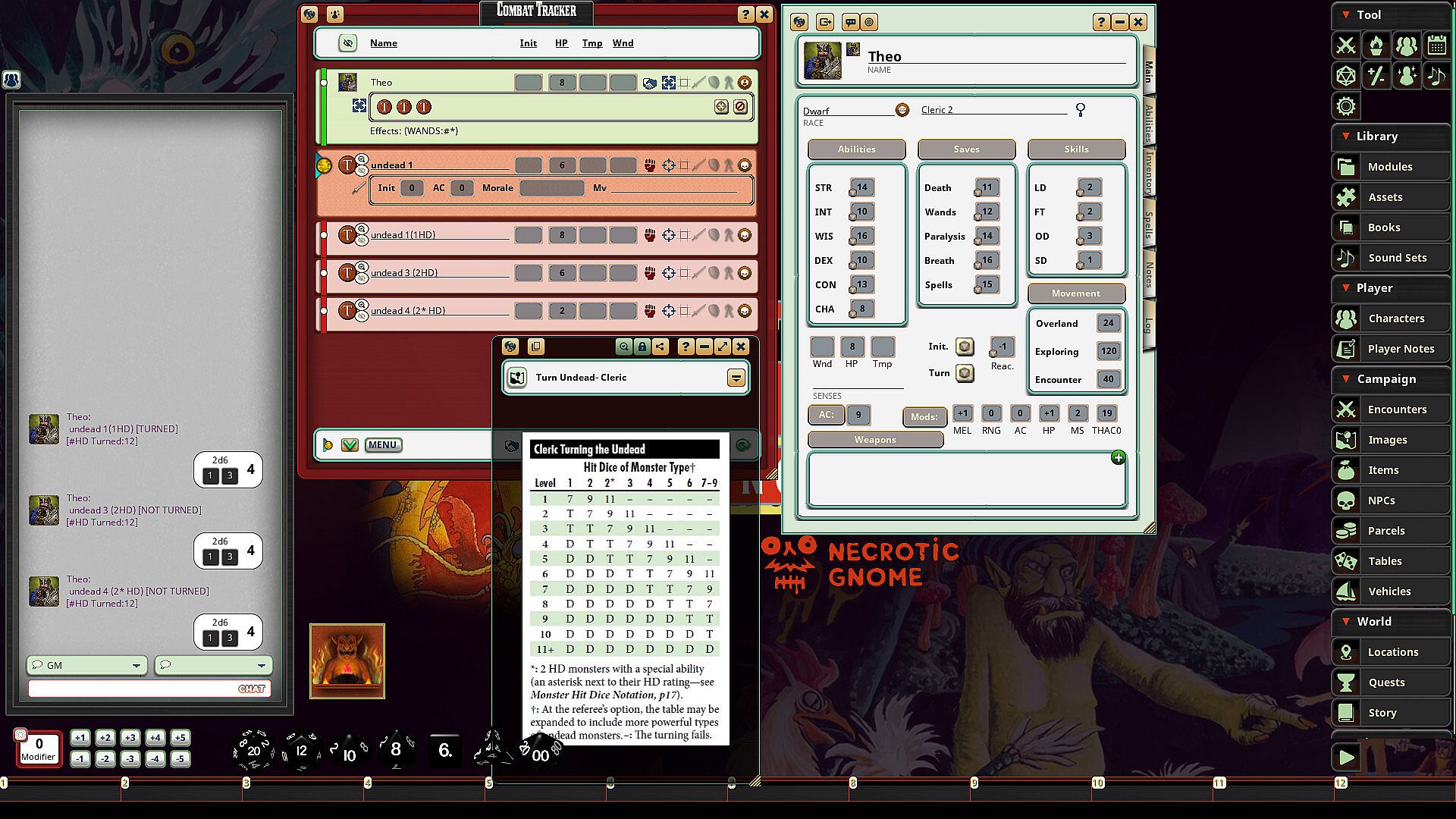
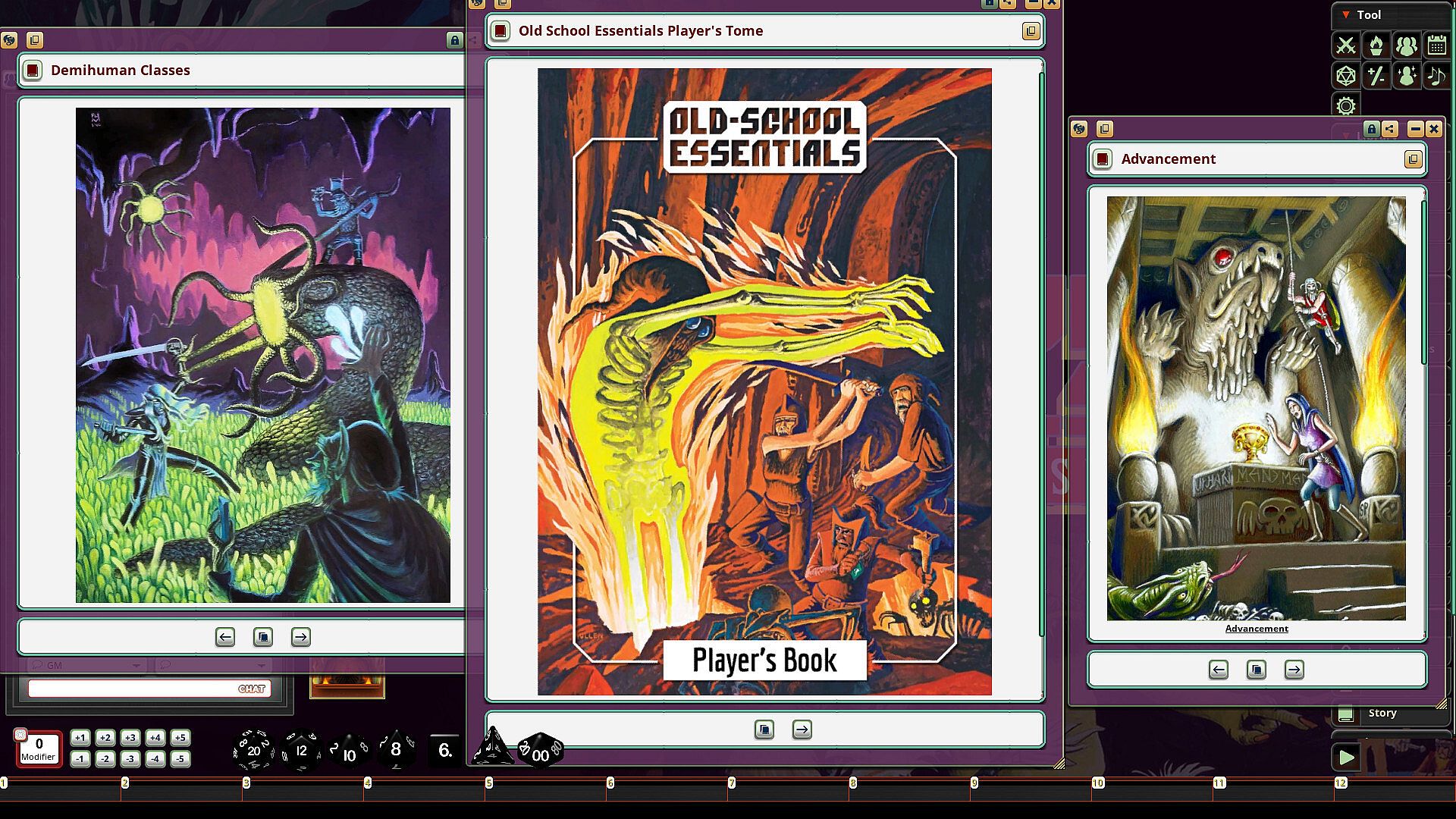
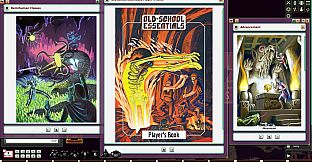
Fantasy Grounds - Old School Essentials Player's Book delivers the complete player rules for Old-School Essentials, a rules-light role-playing game set in classic fantasy worlds. Available on PC through the Fantasy Grounds virtual tabletop platform, this module equips players with everything needed to create characters and participate in adventures without requiring additional core rulebooks for the player side.
Gameplay
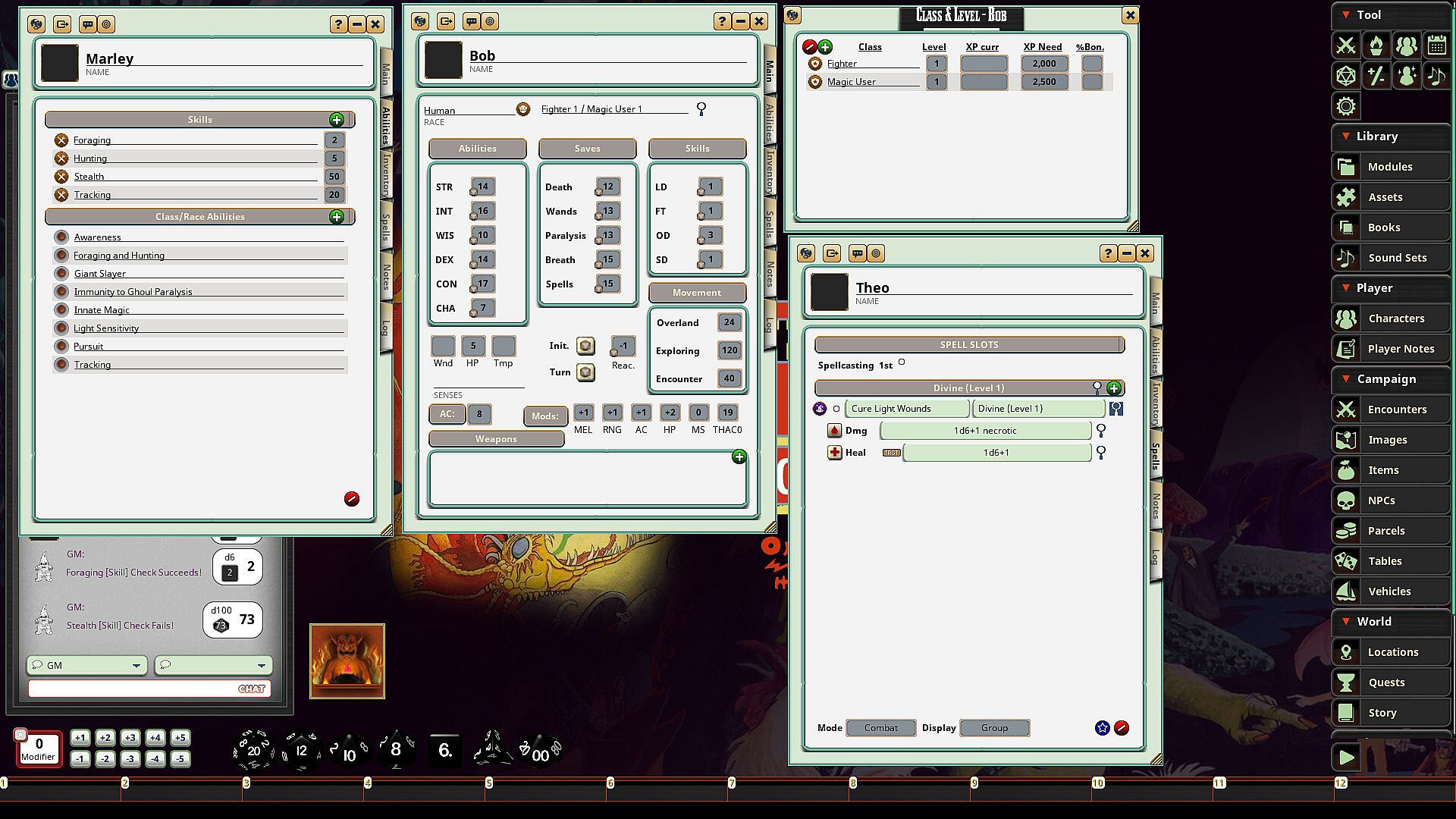
The core loop revolves around character creation followed by exploration and problem solving in dangerous environments. Players roll six ability scores using 3d6 in order to determine Strength, Intelligence, Wisdom, Dexterity, Constitution, and Charisma. From there, selection among available classes and races shapes the character, with options including the cleric, fighter, magic-user, and thief as foundational choices alongside demihuman options such as dwarf, elf, and halfling in the classic presentation.
Rules emphasize simplicity to keep focus on shared imagination and quick resolution. Ability checks succeed when a d20 roll equals or falls below the relevant score, adjusted by circumstances. Combat follows a phased sequence with group initiative, movement, missile fire, spells, and melee, often proving fast yet lethal at lower levels. Resource management plays a key role through tracking of time in ten-minute turns, light sources, encumbrance, and morale for both sides.
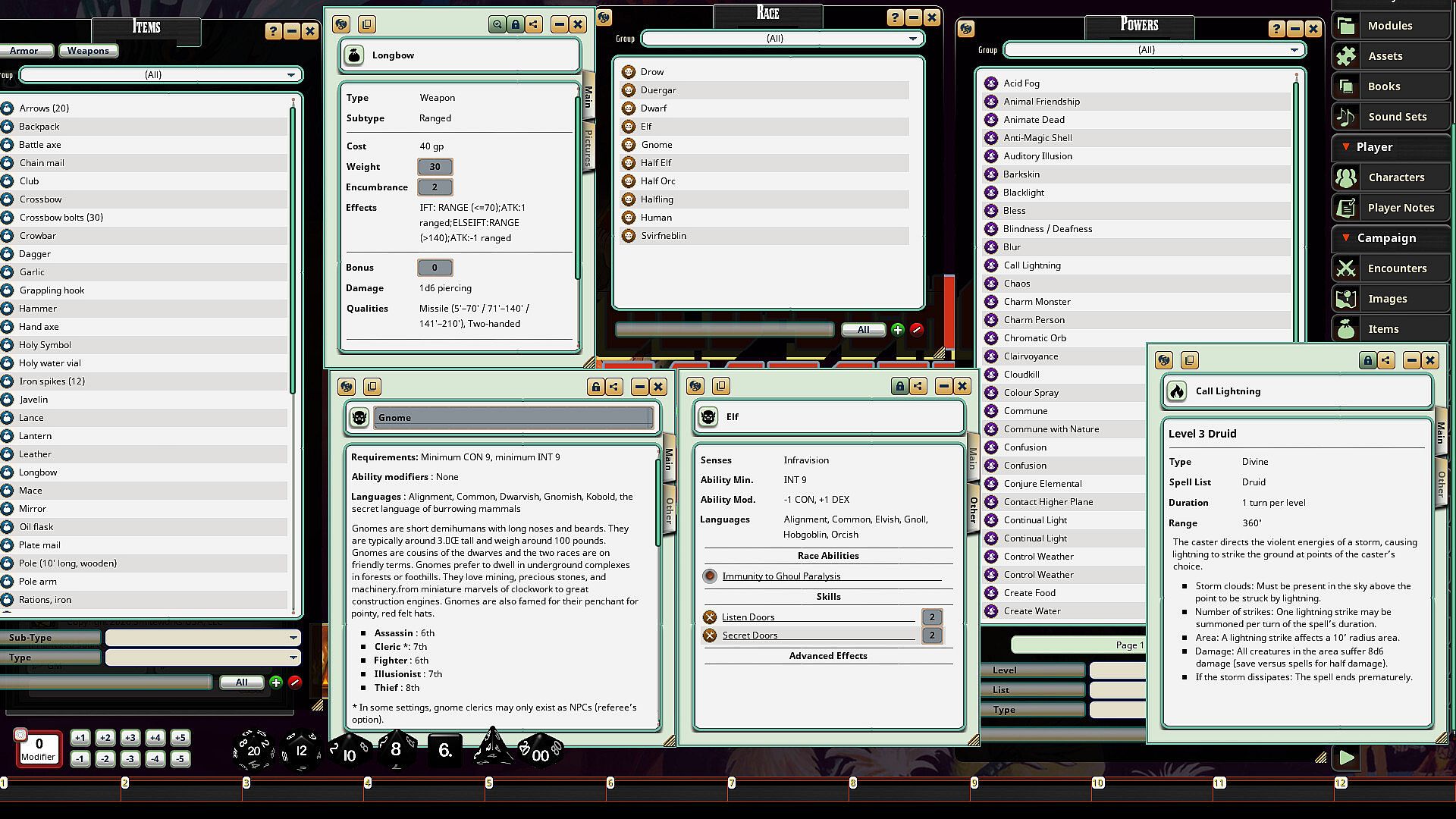
Spellcasting follows strict preparation and memorization limits, with over two hundred spells listed across cleric, magic-user, and related lists in the advanced options. Equipment lists cover weapons, armor, adventuring gear, vehicles, mounts, and hirelings, while rules for stronghold construction appear for higher-level play. The presentation uses clear two-page spreads for quick reference during sessions.
Game Modes
Play occurs through Fantasy Grounds sessions that support both one-shot adventures and ongoing campaigns. Groups typically include one referee managing the world and multiple players controlling characters, with the virtual tabletop handling maps, tokens, dice rolls, and shared reference materials from the module.
Adventures commonly involve delving into dungeons, traversing wilderness areas, or undertaking sea voyages, all supported by the underlying rules for exploration, encounters, and hazard navigation. The system accommodates both classic fantasy elements and expanded options when the advanced content is active, allowing flexibility in session length and complexity without altering the lightweight core mechanics.
Character Options and Progression
The module includes thirteen classes in its advanced form, expanding beyond the core four with additions such as acrobat, assassin, barbarian, bard, druid, illusionist, knight, paladin, and ranger. Ten races provide further variety, including drow, duergar, gnome, half-elf, half-orc, and svirfneblin alongside the standard human, dwarf, elf, and halfling selections. Optional rules permit separating race from class for greater customization.
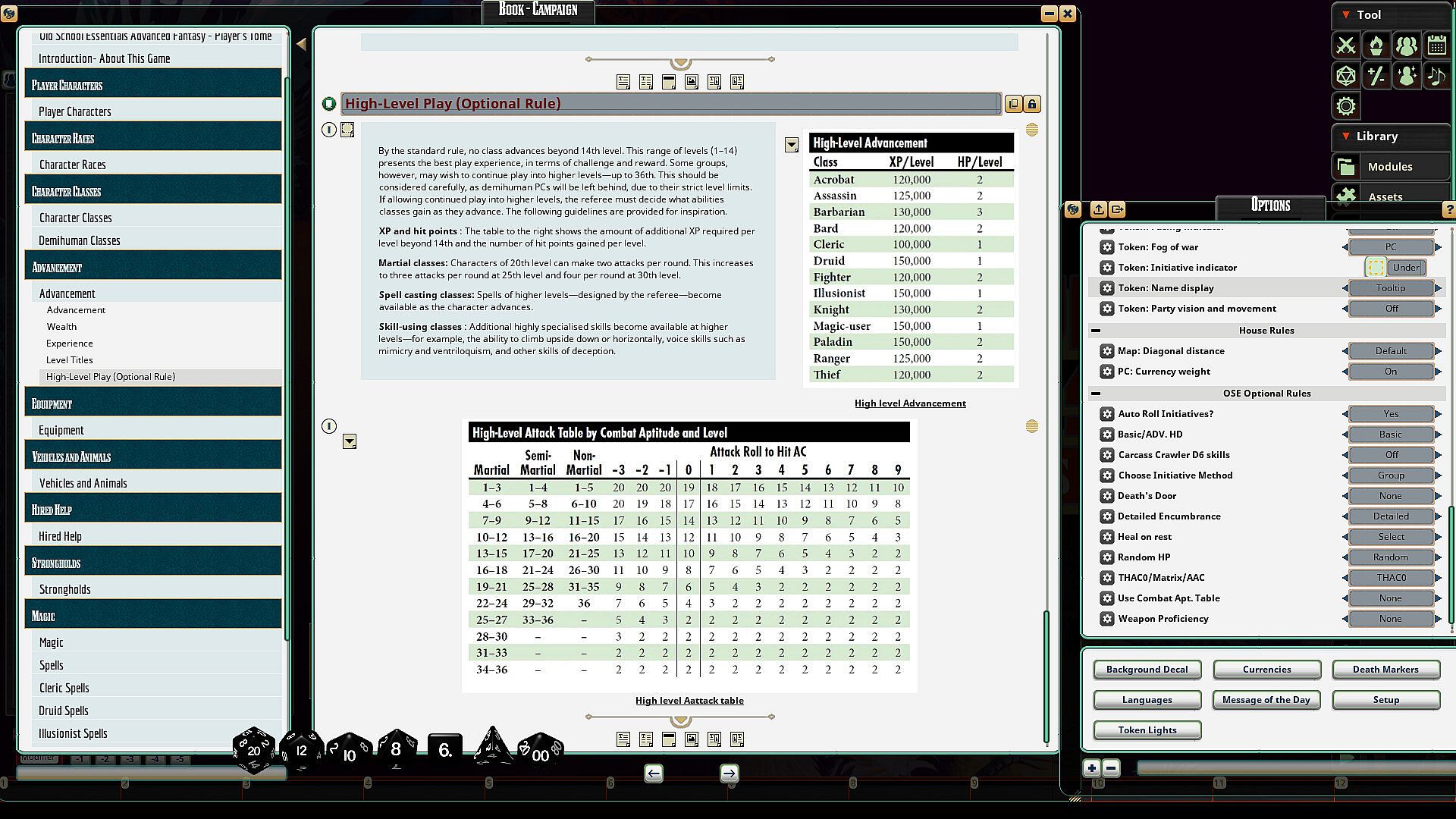
Progression follows experience point thresholds tied to treasure recovery and monster defeats, with level limits differing by class and race in the classic style. Players manage spell books, research, and domain-level activities at higher tiers, all documented within the provided rules and lists.
Is It Worth Playing?
This module suits players interested in old-school fantasy role-playing through a virtual tabletop interface. The streamlined rules reward careful planning, creative problem solving, and group coordination over complex character builds or extensive skill systems. Compatibility with decades of existing adventures and supplements extends its longevity for those already familiar with 1980s-era designs.
Those seeking a modern presentation of classic mechanics will find the clear layout and Fantasy Grounds integration helpful for remote or hybrid play. The free basic ruleset allows initial testing before committing to the full player's content, making it accessible for groups exploring this style of game.