

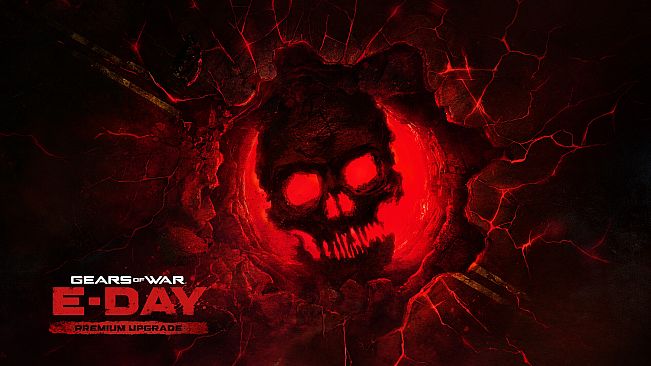
Gears of War: E-Day is a third-person shooter that places players in the midst of Emergence Day, the catastrophic event that launched the Locust invasion on the planet Sera. The game follows Marcus Fenix and Dominic Santiago as they confront the sudden eruption of the Horde from underground, turning a desperate defense into a fight for survival. Available on PC through Steam and Xbox platforms as well as day-one on Game Pass, the title blends a focused campaign with substantial multiplayer options built around cover-based combat and intense encounters.
Gameplay
The core loop centers on third-person cover shooting refined from the ground up in Unreal Engine 5. Movement carries weight and momentum while allowing fluid transitions between positions, and the rebuilt cover system supports varied heights, types, and actions that reward reading the battlefield. Players rely on the classic Gears pillars of positioning behind cover, selecting the right weapon for the moment, and managing enemy threats that range from standard Locust forces to more aggressive variants. Combat emphasizes deliberate choices, where a misplaced advance leaves a squad exposed and quick thinking with available tools turns the tide. The campaign integrates these systems into narrative-driven sequences set during the first hours of the invasion, while multiplayer modes extend the same mechanics across larger scales.
Game Modes
Two primary multiplayer pillars define the experience. Horde Siege supports up to twelve players divided into three squads of four on expansive maps set in the city of Kalona. Each squad pursues its own objectives against Locust waves, with opportunities for squads to intersect, share resources, or assist one another. Sub-playlists include shorter Blitz missions focused on one or two objectives, standard Siege runs with multiple goals, and the longer Horde format built around defending a single location through ten waves. Classes such as Assault, Marksman, Medic, and Breacher shape squad roles within these sessions.
Versus delivers competitive 4v4 player-versus-player matches across six launch maps. All participants begin with identical loadouts and no weapon modifications, so success hinges on map control and power weapon pickups. The four core modes are Team Deathmatch, where teams deplete a shared life pool with dynamic respawn points; Conquest, which involves holding active zones long enough to score; Demolition, centered on securing and detonating a neutral bomb at enemy sites; and Crucible, which requires carrying a Power Core into a moving, shrinking zone while using its charge against opponents. Social playlists offer relaxed play with bot options, while Ranked tracks skill divisions after placement matches.
Campaign and Setting
The single-player campaign serves as an origin story set fourteen years before the events of the first Gears of War. It follows Marcus Fenix and Dominic Santiago through the initial Locust emergence, highlighting the horror and brutality of that day. Environments reflect the sudden collapse of order in urban and military locations, with combat encounters that test the refined movement and cover mechanics in story-specific contexts. The experience emphasizes squad coordination and survival against overwhelming odds rather than open exploration.
Is It Worth Playing?
Early reviews placed the game in the high 80s on aggregate sites, with critics noting strong campaign pacing and the depth of the updated multiplayer systems. The title launched with full support for both solo campaign play and the two multiplayer pillars, plus post-launch seasonal content that adds customization packs and limited-time modes. Availability through Game Pass removes the upfront cost barrier for subscribers, making it accessible for those interested in third-person shooters that reward cover tactics and team coordination. Players who enjoy structured objective modes alongside competitive 4v4 matches will find the most consistent engagement, while the campaign provides a self-contained narrative focused on the franchise's foundational event. The current state includes active playlists and progression systems that continue to receive updates after the October 6, 2026 release.