






Kyoto Xanadu the Blooming Phantom to action RPG od Nihon Falcom, łączący eksplorację w stylu side-scrolling z sekwencjami walki. Gracz wciela się w ucznia, który porusza się po współczesnym Kioto i zagłębia w labirynt Xanadu, by stawić czoła nowym zagrożeniom i odkryć ukryte sekrety.
Rozgrywka
Podstawę stanowi przemierzanie rozległych labiryntów w dwuwymiarze. Odblokowywane umiejętności, takie jak pchnięcia w powietrzu, odbicia od ścian i wielokrotne skoki, otwierają dostęp do kolejnych ścieżek i sekretów. Punkty zdobywane podczas eksploracji zasilają systemy ulepszeń Soul-Device oraz towarzyszy Guardianów, pozwalając na rozwój statystyk i zdolności poprzez codzienne aktywności i postępy w lochach.
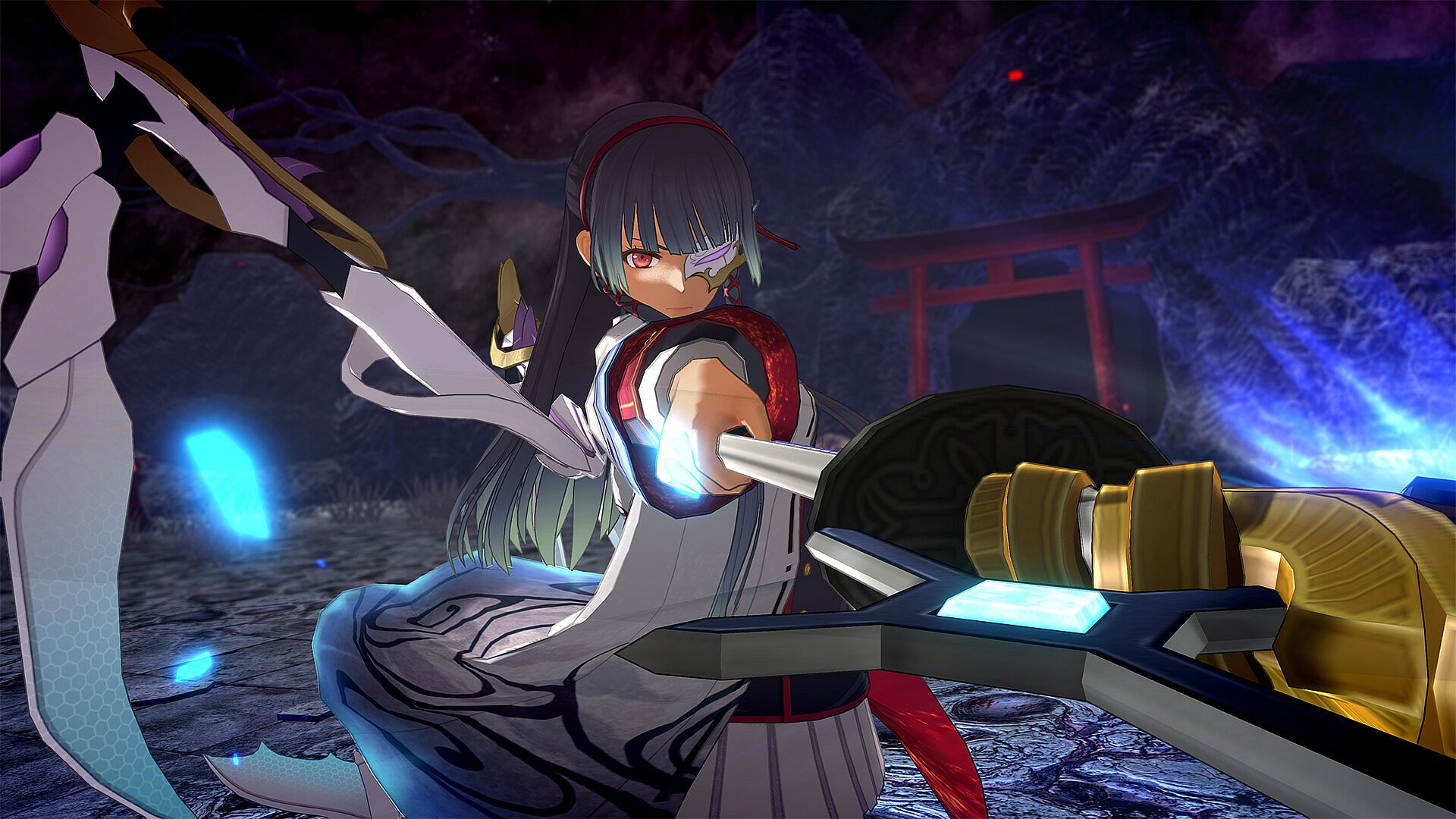
Walka rozpoczyna się po wejściu przez bramy pojawiające się w labiryncie. Akcja przenosi się wtedy do aren 3D, gdzie gracz wykonuje ataki umiejętności, techniczne manewry i skoordynowane uderzenia. System stawia na wyczucie czasu i pozycjonowanie, łącząc precyzję klasycznych side-scrolli z przestrzenną świadomością w trzech wymiarach.
Fragmenty życia szkolnego przeplatają się z wyprawami do lochów. Lekcje i egzaminy przybierają formę karcianej minigry opartej na interakcjach społecznych i znaleziskach z eksploracji. Gracz musi rozsądnie rozdzielać zasoby, by osiągnąć wymagane wyniki, co zachęca do regularnych wizyt zarówno w akademii, jak i w labiryncie.
Transformacja Greed wyposaża postać w specjalne elementy: maskę, skrzydła i ogon. Dzięki nim dostępna staje się alternatywna forma, zmieniająca możliwości ruchu i walki. Przedmioty te pozyskuje się z ekwipunku i aktywuje w menu ochrony, by natychmiast wykorzystać je w terenie.
Tryby gry
Eksploracja stanowi główny element rozgrywki i przebiega w stylu Metroidvanii - labirynty stopniowo się powiększają wraz z nowymi umiejętnościami. Gracz mapuje przestrzeń w pionie i poziomie, zbiera surowce oraz aktywuje bramy walki.
Sekwencje bojowe rozgrywają się wewnątrz bram jako samodzielne starcia 3D. Skupiają się na wykorzystaniu umiejętności i rozpoznawaniu wzorców przeciwników, dostarczając precyzyjnych wyzwań powiązanych z rozwojem postaci.
Codzienne obowiązki w akademii pełnią rolę dodatkowego cyklu. Lekcje i wydarzenia towarzyskie w formie karcianej dostarczają materiałów i ulepszeń, które zwiększają skuteczność w labiryncie, tworząc pętlę między rutyną a wymagającymi wyprawami.
Fabuła i świat
Akcja dzieje się w alternatywnym Kioto, gdzie pod akademią rozciąga się labirynt Xanadu - centralna zagadka fabuły. Uczniowie łączą zwykłe szkolne obowiązki z badaniem pochodzenia labiryntu i anomalii, jakie on wywołuje. Postacie towarzyszące wspierają bohatera zarówno w codziennym życiu, jak i podczas walk.
Czy warto zagrać?
Gra przypadnie do gustu fanom action RPG, którzy cenią połączenie eksploracji Metroidvanii, ustrukturyzowanej walki i elementów symulacji społecznej. Gracze chwalą responsywne poruszanie się w 2D, płynne przejścia do bitew 3D oraz przystępne tempo, które nie przytłacza nadmiarem mechanik. Transformacja Greed wprowadza dodatkowy styl gry, zachęcający do eksperymentowania z ruchem i atakami.
Tytuł otrzymuje aktualizacje poprawiające balans i stabilność, dzięki czemu pozostaje aktualny dla nabywców podstawowej wersji. Najlepiej trafi do miłośników gier Falcom lub podobnych hybrydowych action RPG, którzy preferują stały rozwój nad ogromną skalę. Osoby szukające spójnej kampanii single-player z wyraźnymi systemami progresji znajdą tu konsekwentnie angażującą rozgrywkę.