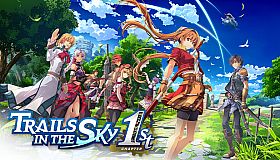




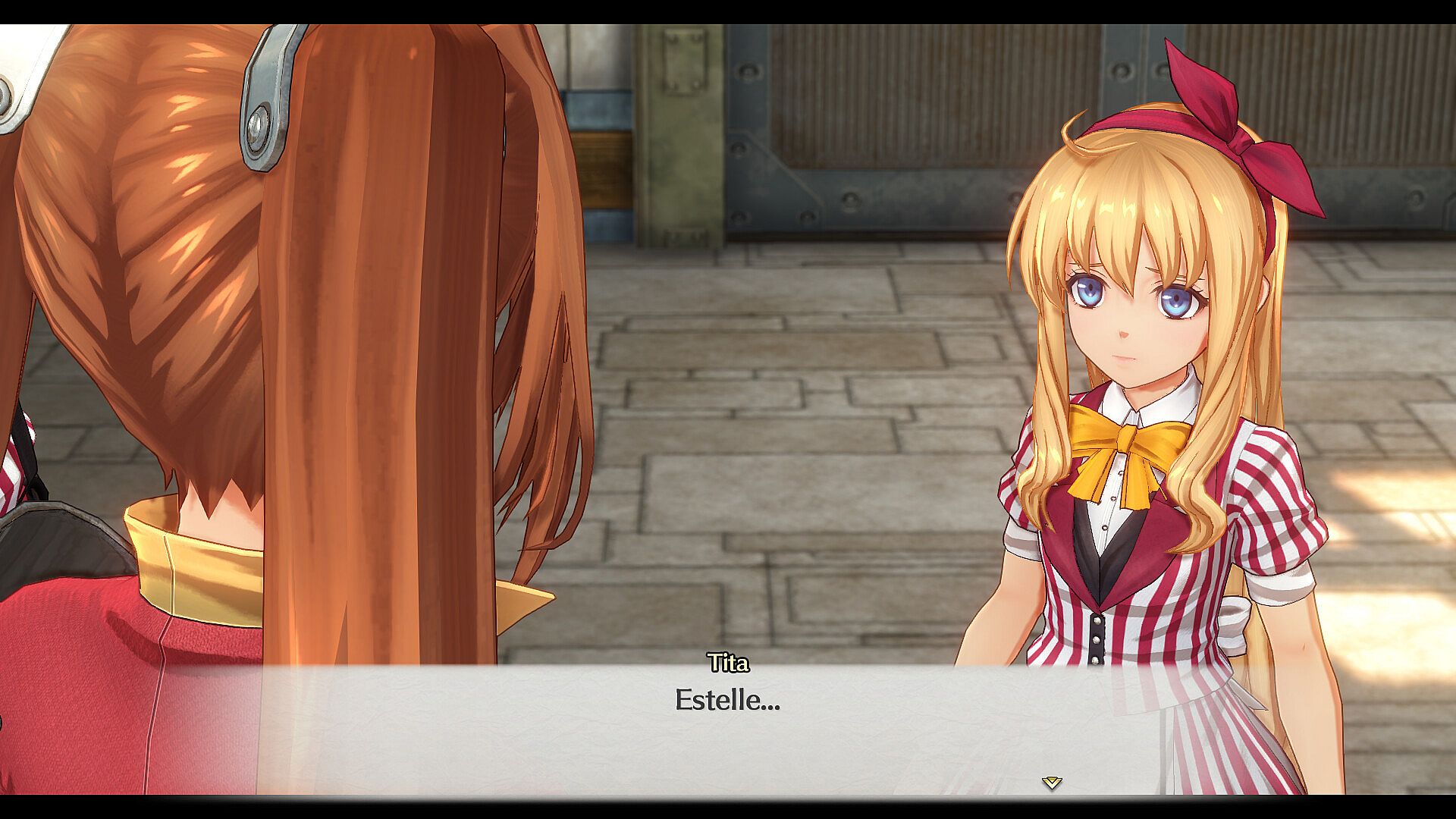
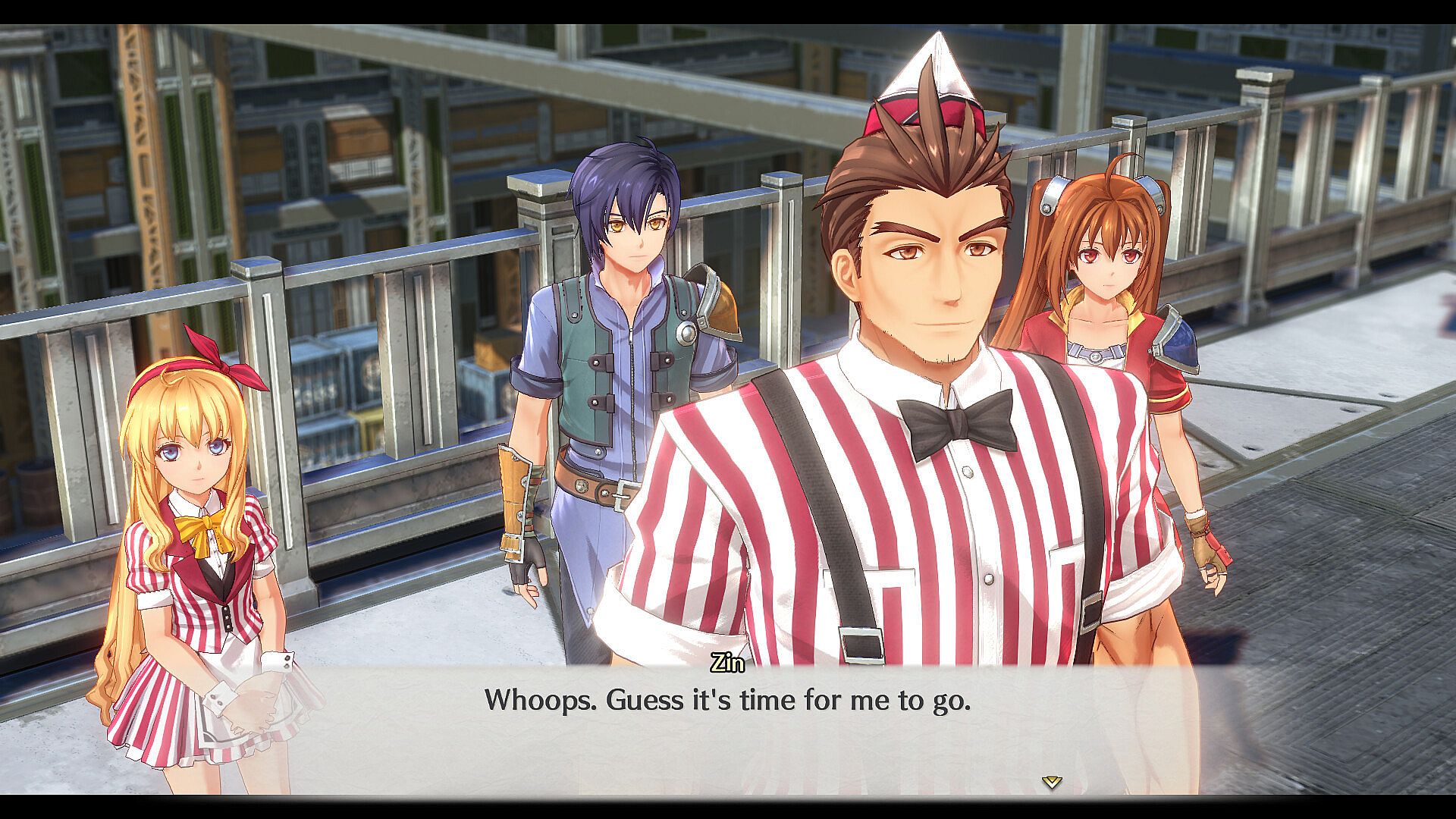

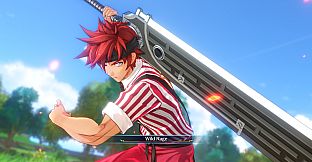
Trails in the Sky 1st Chapter is a single-player RPG that blends action and traditional turn-based elements in a story-driven adventure set in the Liberl Kingdom. Players follow Estelle Bright and her adoptive brother Joshua as they train to become senior bracers, taking on quests that involve monster hunts, investigations, and unraveling larger threats to the realm.
Gameplay
The core loop centers on exploration across connected regions, completing guild-assigned tasks, and engaging in combat against field enemies. Movement feels fluid in the updated 3D environments, with options for high-speed traversal and limited fast travel within each chapter's area. Side activities include gathering information from townsfolk and managing a Bracer Notebook to track progress and ranks.
Character advancement relies on the Orbment system. Equipping quartz crystals customizes each party member's stats and grants access to Arts, which function as magical abilities. Crafts serve as unique physical or support skills that consume Craft Points, replenished through combat actions. Super Crafts unlock as powerful finishers later in the adventure.
Game Modes
The game operates as a continuous single-player campaign divided into chapters that advance the main narrative. Side quests appear in each region and contribute to guild ranking, though they carry time limits tied to story progression. No separate competitive or cooperative modes exist beyond the primary experience.
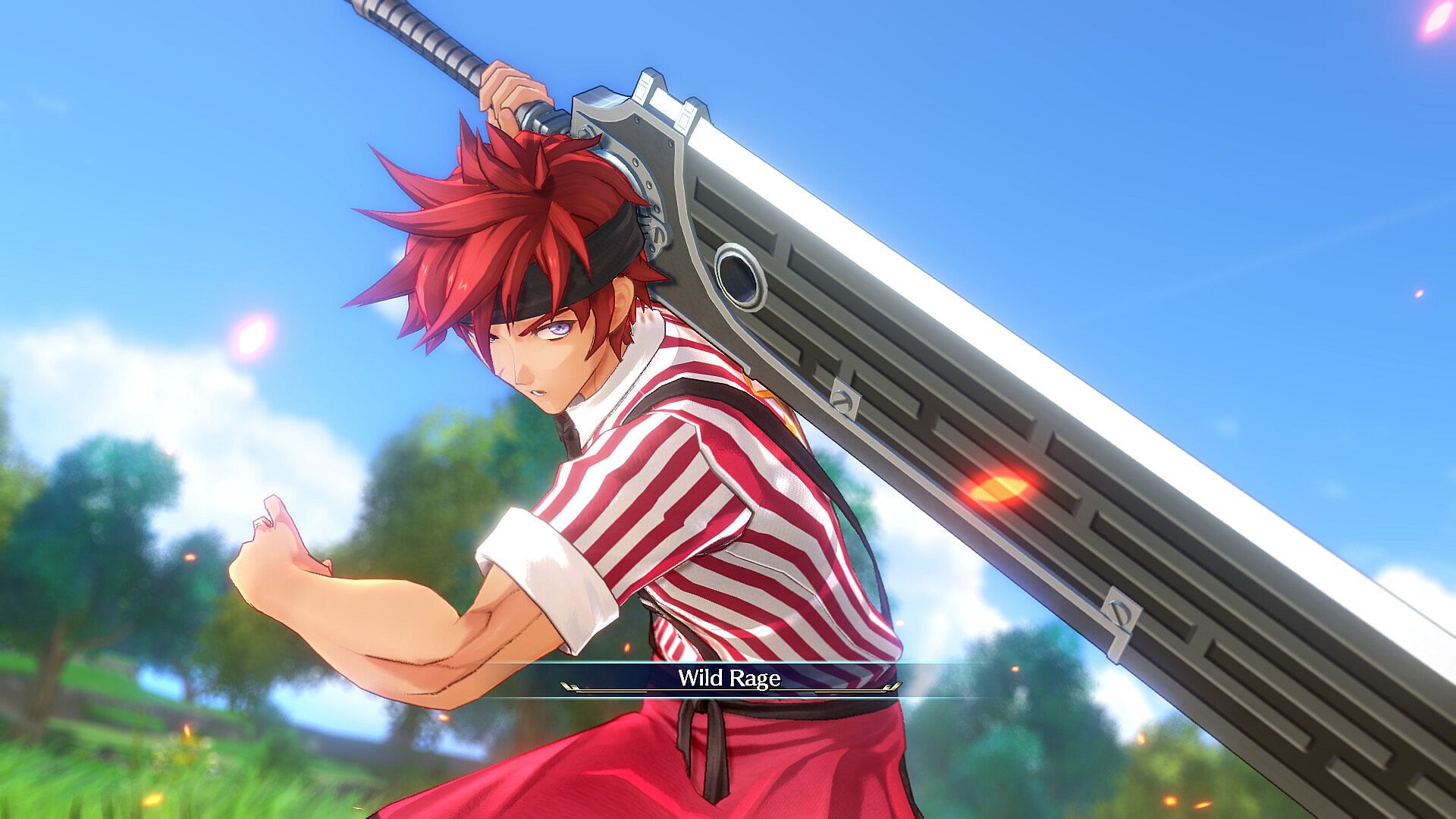
Combat integrates two styles that players switch between on the fly. Field Action allows real-time engagement with enemies using normal attacks, charged strikes, and timed dodges to build advantage or stun foes. Command Battle shifts to a turn-based format where positioning, Arts, and Crafts become central, with bonuses available after successful stuns from the action phase.
Exploration and Progression
Traveling the roads and towns of Liberl reveals a mix of linear paths and elevated terrain that encourages detours. Quests often require returning to the local Bracer Guild for reports, steadily raising the player's standing. Difficulty settings can be adjusted at any time, and failed battles offer a retry option with reduced enemy strength to maintain momentum.
Orbment customization encourages experimentation with quartz combinations for different Arts and stat boosts. Party composition changes as new characters join, each bringing distinct Crafts that influence tactical choices in longer encounters.
Is It Worth Playing?
Recent player reviews on major platforms rate the title overwhelmingly positive, with praise focused on the hybrid combat flow and faithful story presentation. The remake updates the original's structure with modern visuals and quality-of-life features while preserving the emphasis on character interactions and world details.
This experience suits players who enjoy narrative-heavy RPGs that reward steady quest completion and thoughtful combat switching. Those seeking pure action or multiplayer elements may find the single-player campaign less aligned with their preferences, but the accessible difficulty options and retry system lower barriers for newcomers to the series.