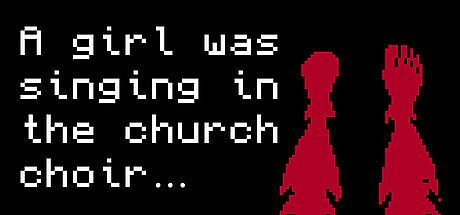


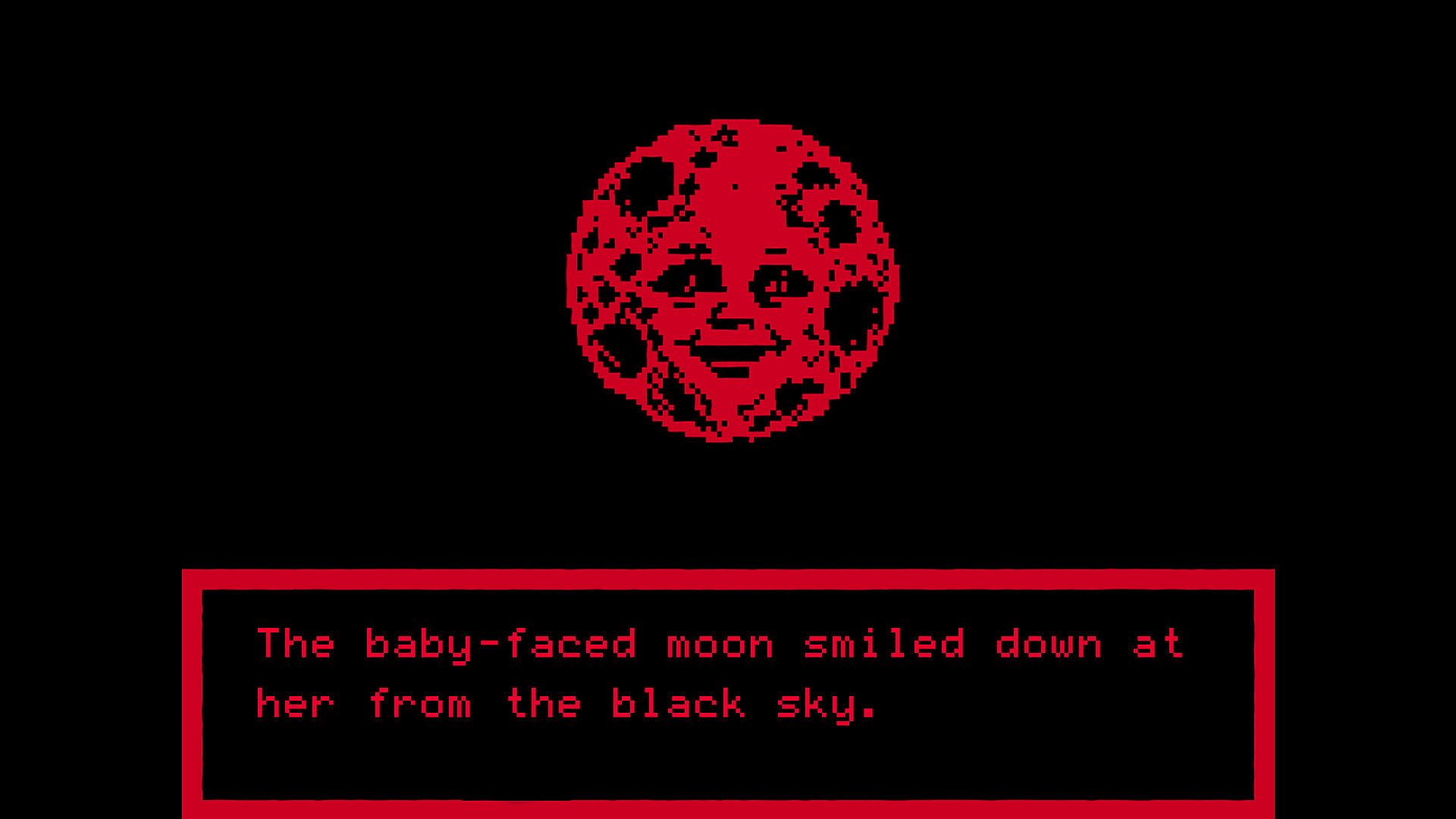

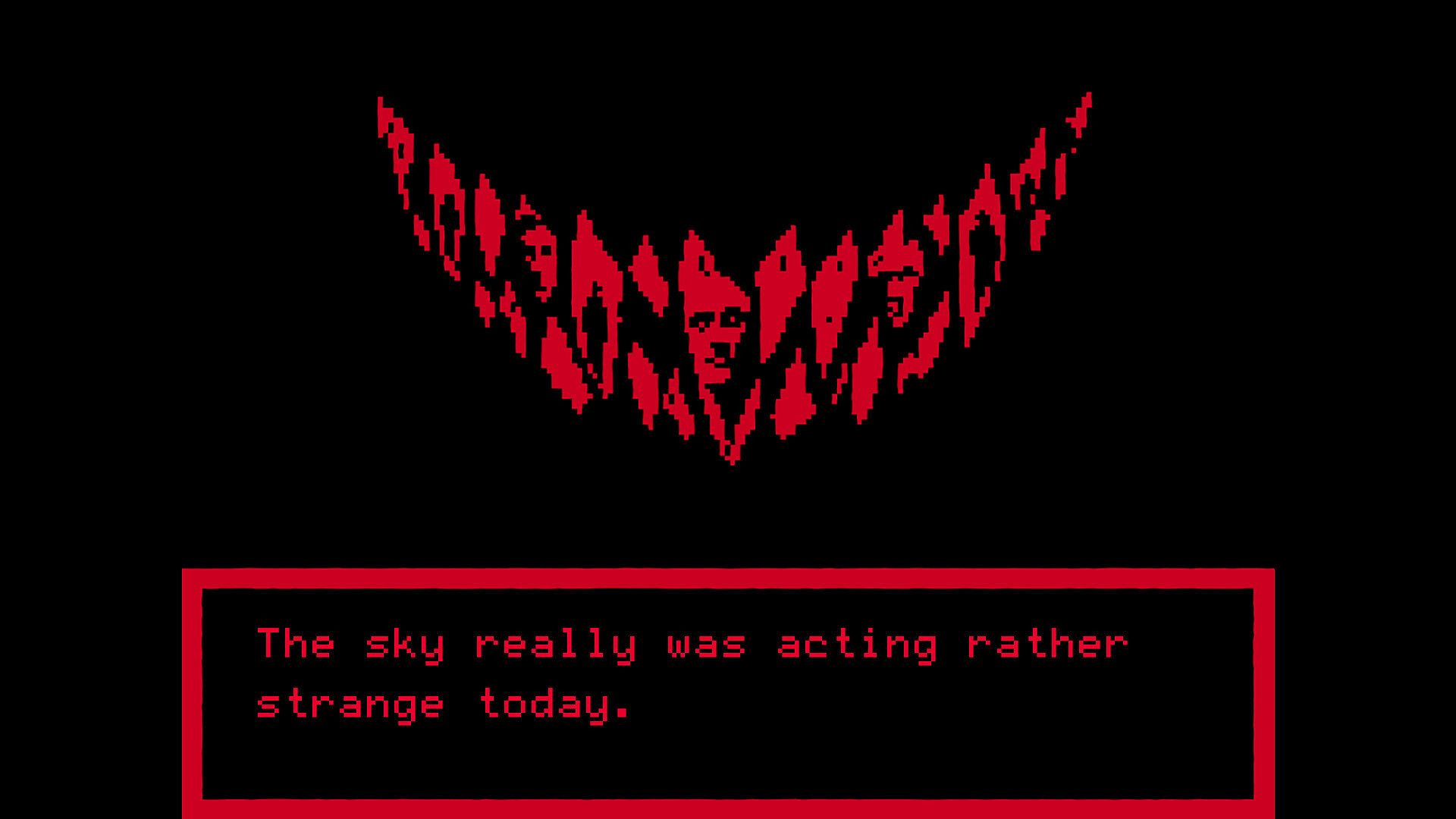
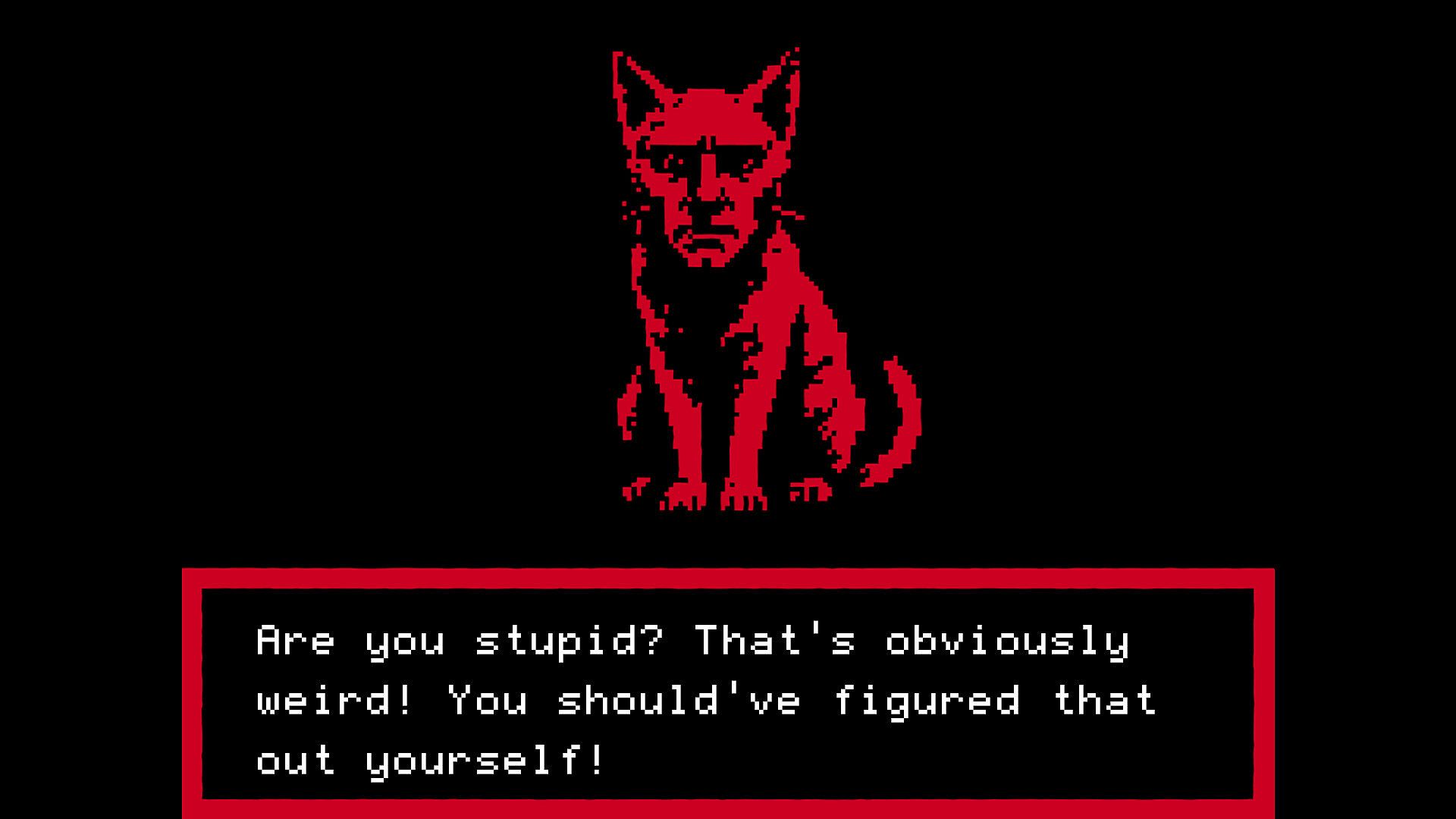
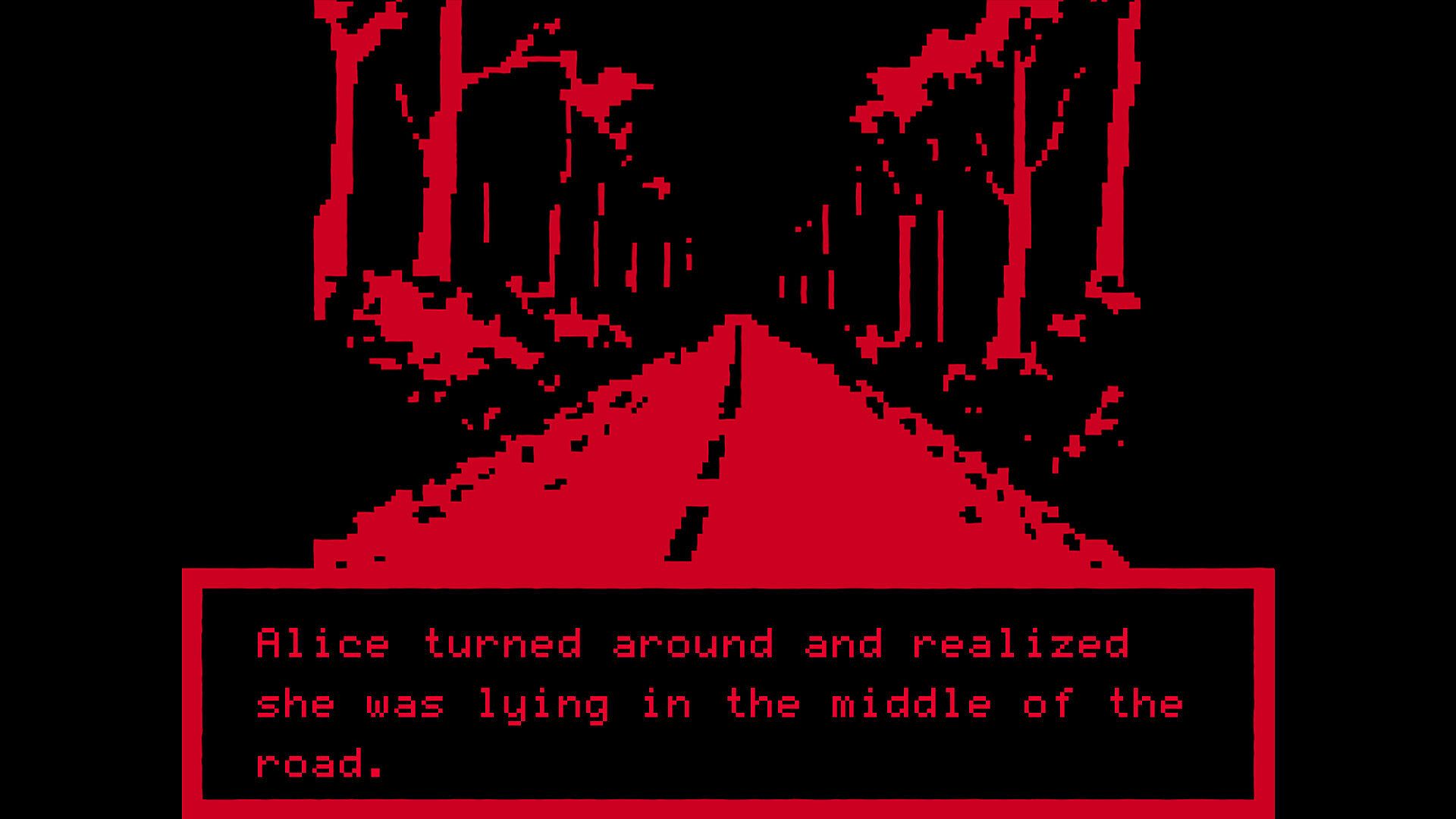
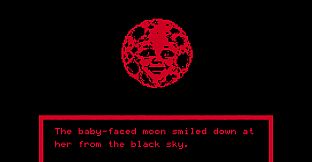

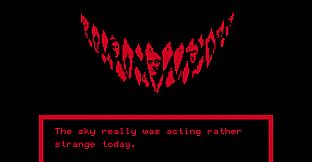
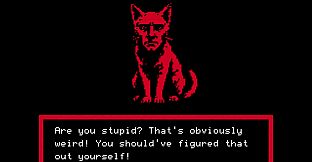
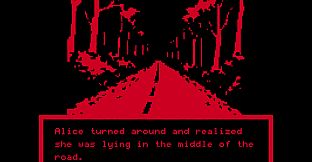
A girl was singing in the church choir is a short indie visual novel that blends casual adventure elements with a focused narrative experience on PC. The game follows a young woman who wakes up on a road in the middle of a forest, where strange events begin to unfold around her. Developed as a kinetic visual novel, it presents a linear story without player choices, aiming to examine the workings of the human mind through circumstances drawn from real people's experiences.
Gameplay
The core loop centers on reading through the narrative at a steady pace. Players advance the text and observe the unfolding events as the protagonist navigates her disorienting situation in the forest setting. The experience emphasizes introspection and psychological elements rather than action or puzzle mechanics. Visuals and text work together to convey the sense of something unusual happening to the central character, keeping the focus tightly on her internal state and the surrounding mystery.
Because the title is kinetic, progression remains straightforward. There are no decisions to make or alternate paths to unlock. This structure suits the short format, allowing the story to build steadily toward its conclusion without interruptions or side content. The approach draws directly from personal accounts to ground the narrative in relatable human experiences under pressure.
Game Modes
The game offers a single primary experience: the complete linear narrative. As a kinetic visual novel, it does not include branching routes, multiple endings, or selectable difficulty levels. Players simply follow the protagonist's journey from start to finish in one continuous session.
This single-mode design aligns with the casual adventure genre classification. It removes any need for replaying sections or experimenting with different outcomes, directing all attention to the core story and its exploration of mental processes. No additional modes such as free play, challenges, or multiplayer options exist.
Story and Themes
The narrative opens with the young woman regaining consciousness in an isolated forest road. From there, events take on an unsettling quality that prompts reflection on perception and reality. The writing seeks to interpret what individuals encounter in specific, often disorienting situations, using the protagonist's perspective as the lens.
Themes revolve around the human mind's response to the unexpected. Inspiration from actual stories lends a grounded quality to the psychological elements, avoiding abstract fantasy in favor of more immediate, personal insights. The forest setting reinforces the sense of isolation and gradual revelation as the tale progresses.
Length and Accessibility
Playtime ranges from ten to fifteen minutes, making the title accessible for short sessions or as an introduction to visual novel storytelling. The compact length keeps the experience focused and easy to complete in one sitting on a PC.
Controls remain minimal, limited to advancing text and perhaps basic menu navigation. This simplicity fits the casual category while delivering the adventure through narrative progression alone. The game runs on standard PC hardware without demanding additional setup or peripherals.
Is It Worth Playing?
This visual novel suits players seeking a brief, linear story that examines psychological themes in a straightforward manner. Its short duration and absence of complex systems make it suitable for those interested in quick narrative dives rather than extended campaigns or replay value.
Reception centers on its ability to deliver a complete, self-contained tale inspired by real accounts within a minimal timeframe. For audiences who appreciate indie titles that prioritize focused storytelling over expansive features, the game provides a direct and unadorned experience. Those preferring choice-driven adventures or longer play sessions may find the format too limited, while others will value its concise approach to exploring the mind under unusual circumstances.