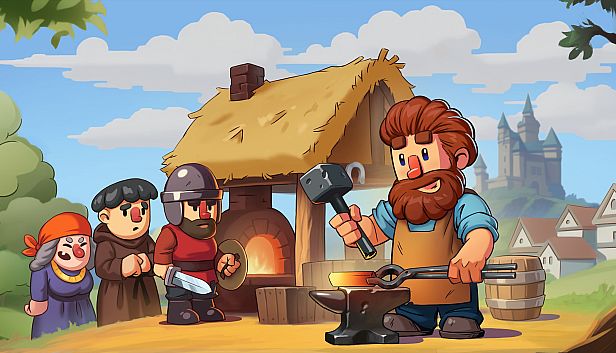



Anvil Saga is an indie simulation RPG where players manage a blacksmith shop during the Hundred Years' War in France. The experience centers on turning a basic forge into a thriving business through careful resource management, worker oversight, and strategic choices that shape relationships with rival groups.
Gameplay
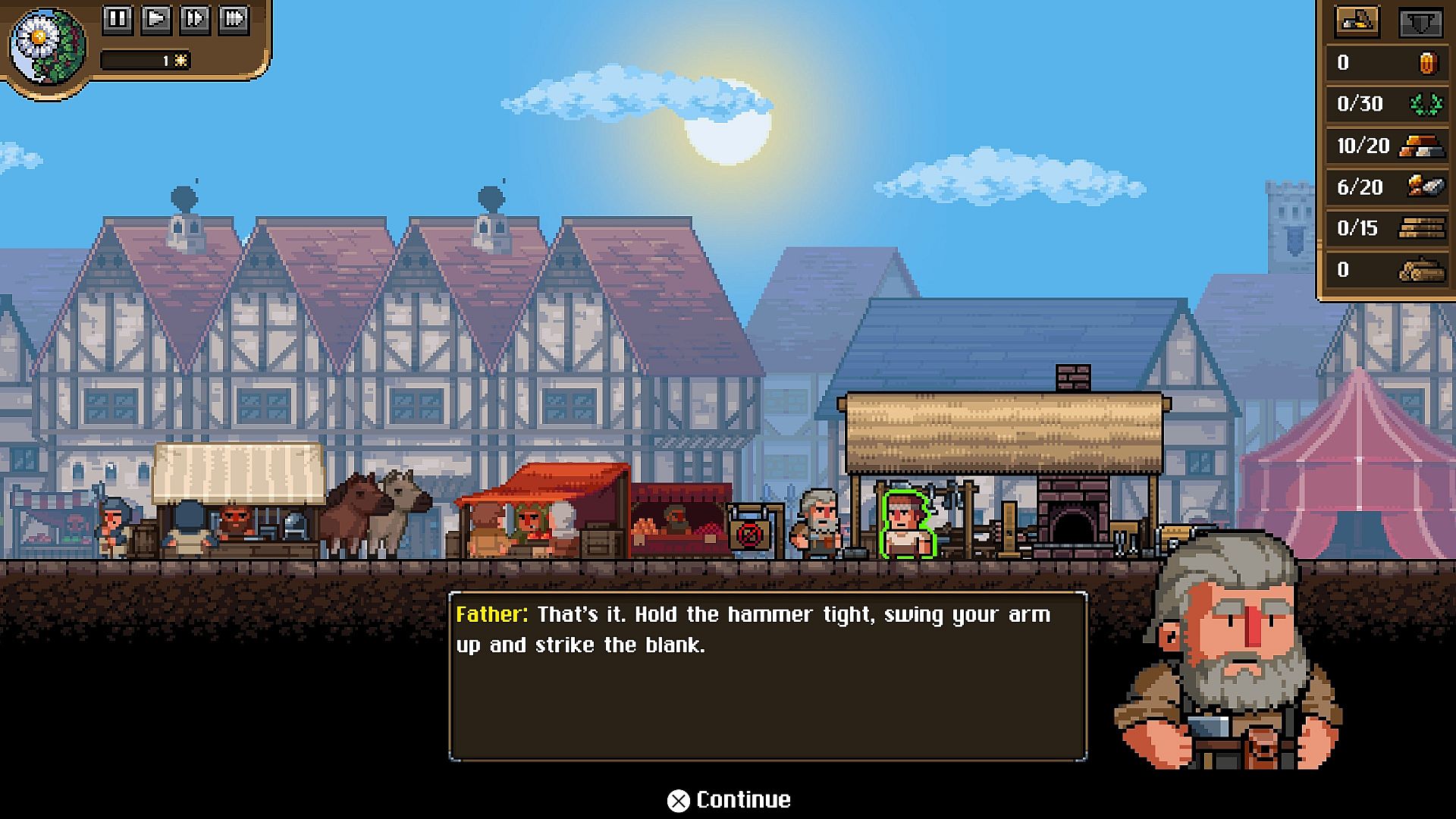
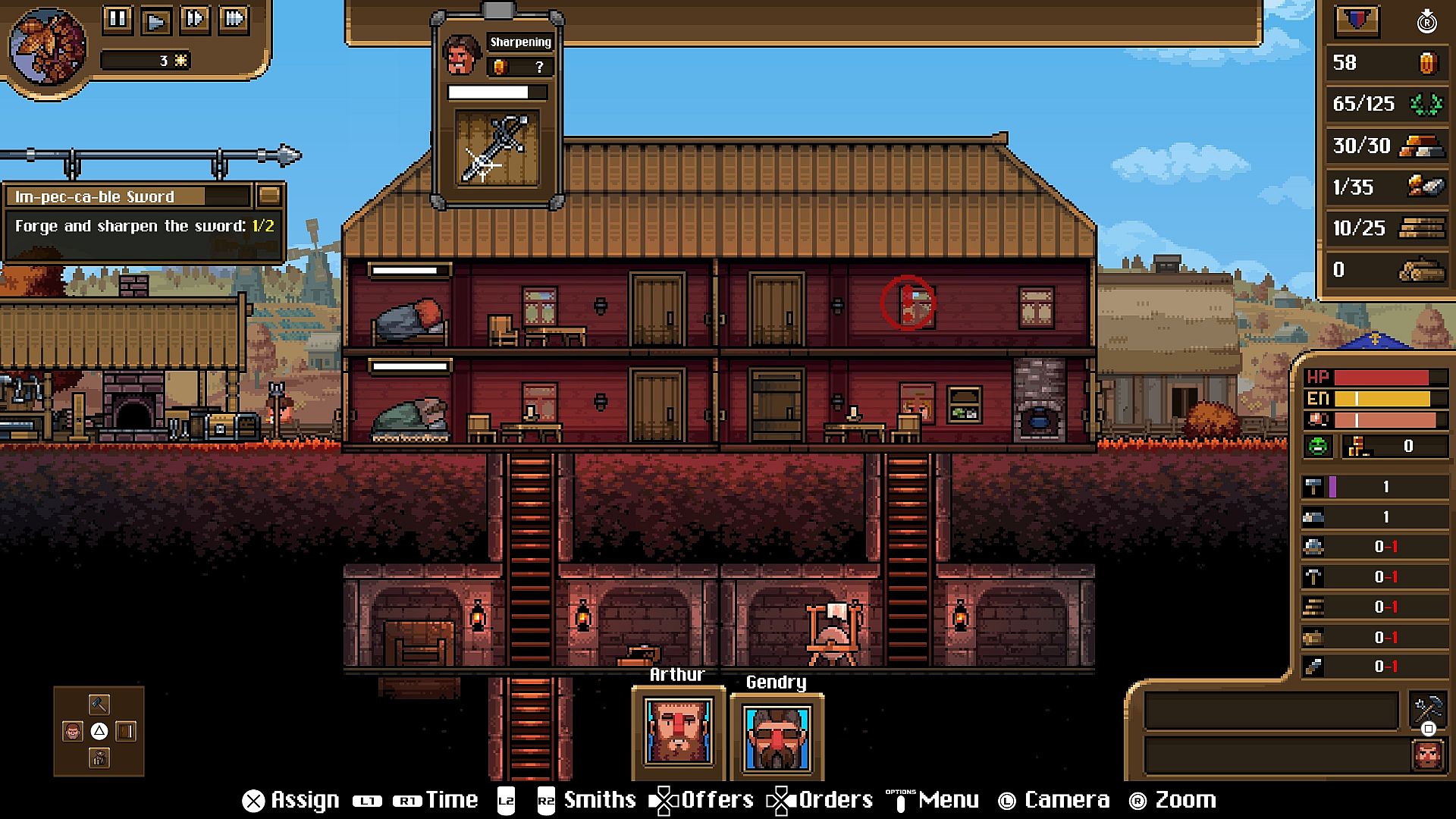
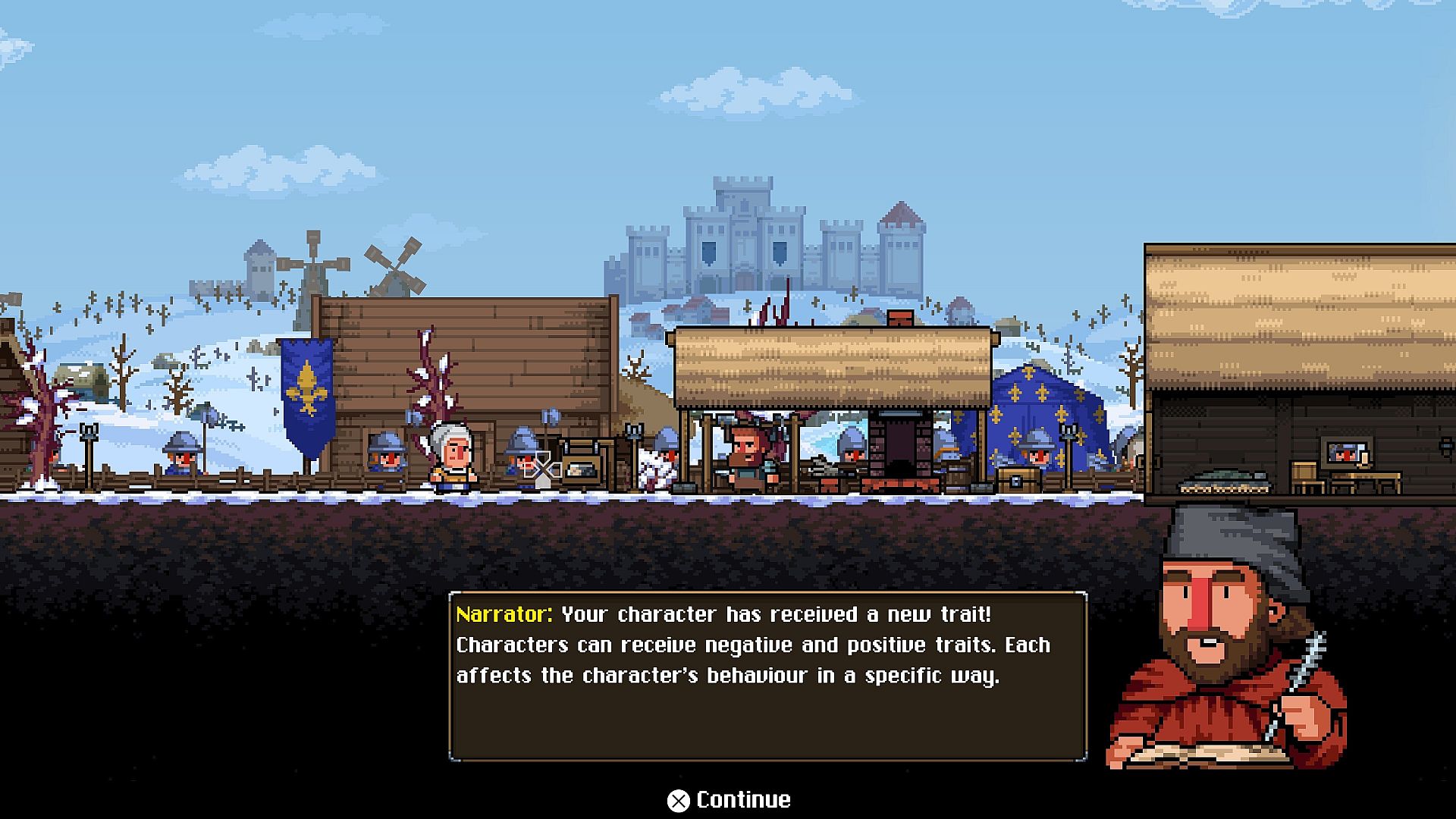
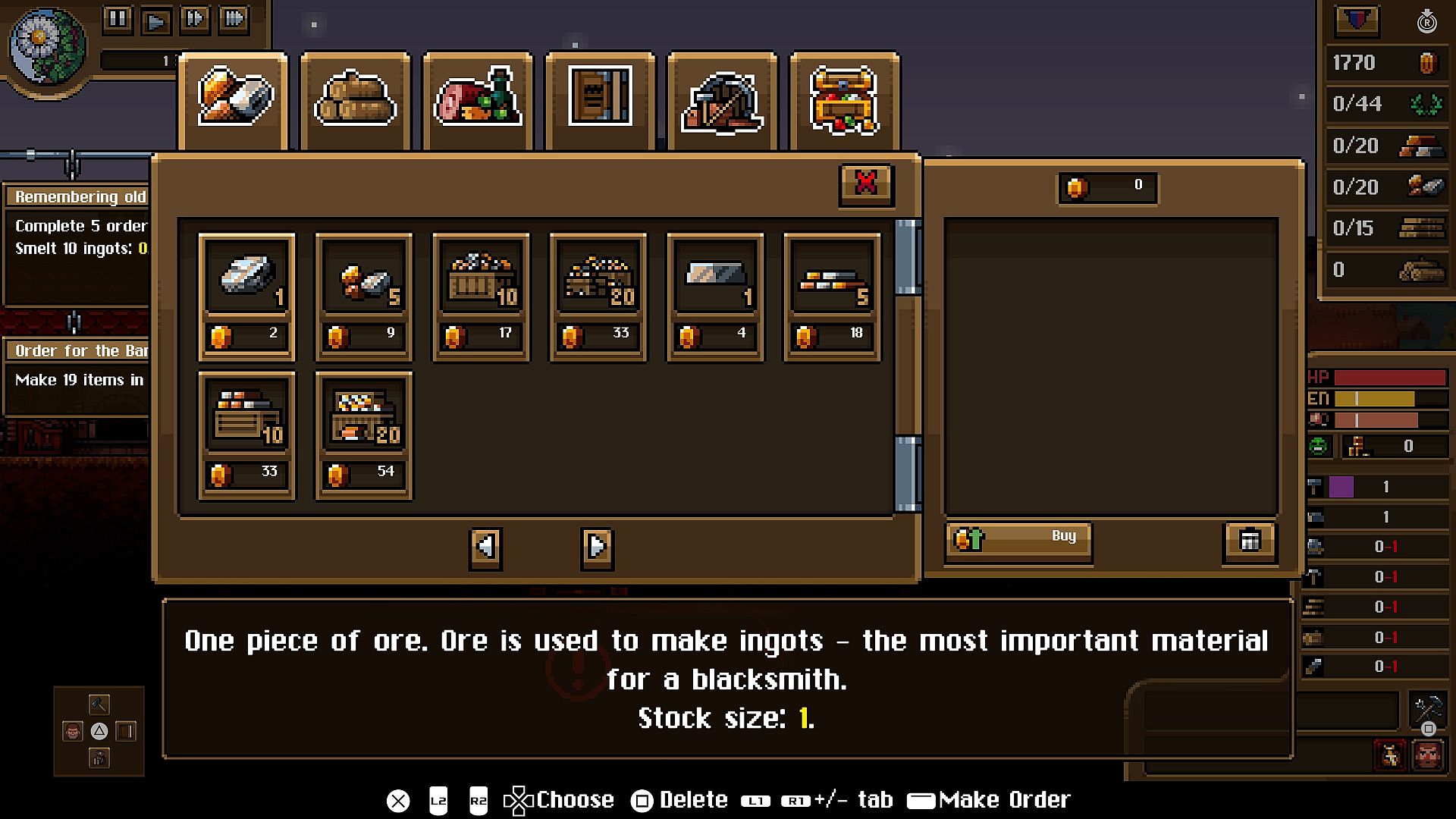
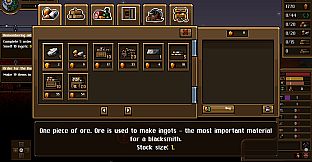
The core loop revolves around gathering materials, crafting items, and fulfilling customer orders while expanding operations. Players mine ore or acquire ingots, smelt them in forges, and use anvils to produce goods ranging from basic nails and horseshoes to armor, weapons, and specialized requests. Each day brings new orders with deadlines, and success depends on balancing production speed with quality to maintain income and reputation.
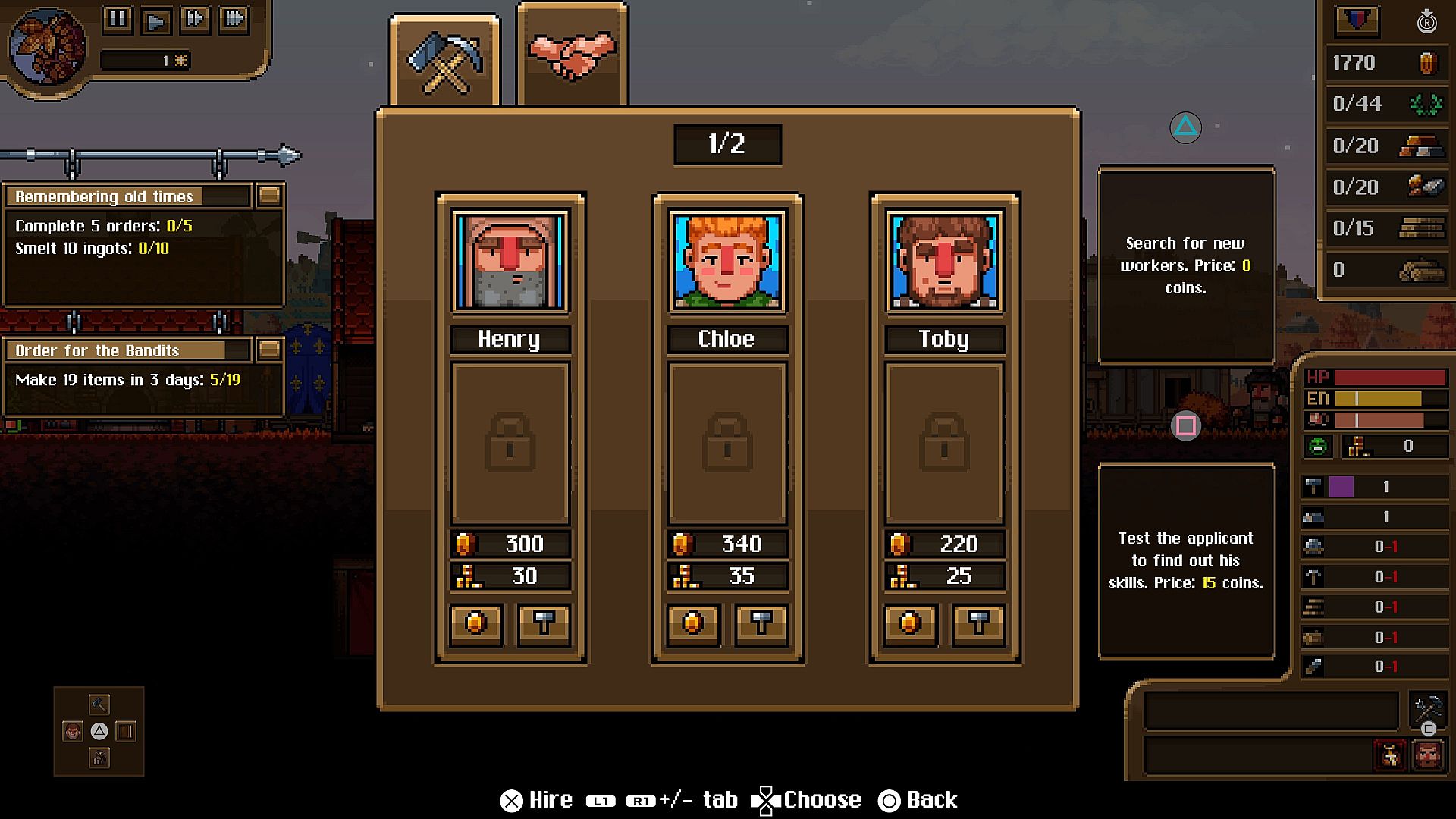
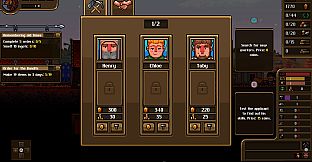
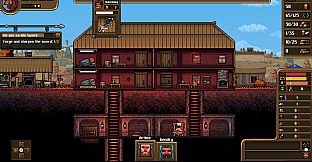
Expansion involves constructing additional rooms and underground facilities such as mines, kitchens, bedrooms, libraries, and workshops. These spaces require furniture, tools, and decorations to function effectively and support larger teams. Workers with unique skills, salaries, and personalities handle tasks like smelting, forging, and sharpening, but they need regular food, rest, and amenities to avoid mistakes that lower product quality.
Prestige levels rise through consistent order completion and attract higher-paying clients, including nobles seeking custom pieces like ornate rings or distinctive swords. Tools and books improve worker efficiency and unlock advanced techniques, while decorations draw better customers to the stall.
Game Modes
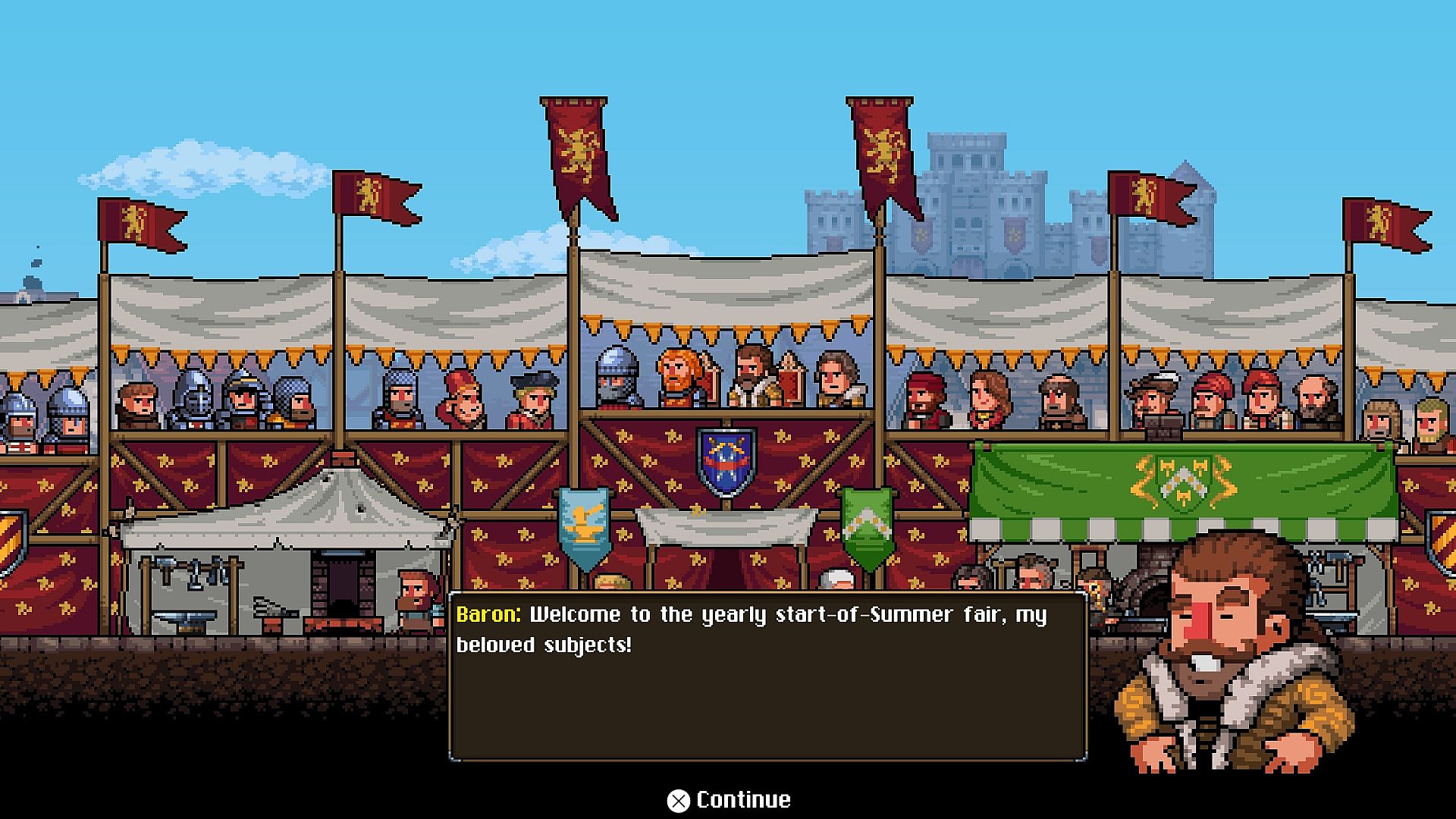
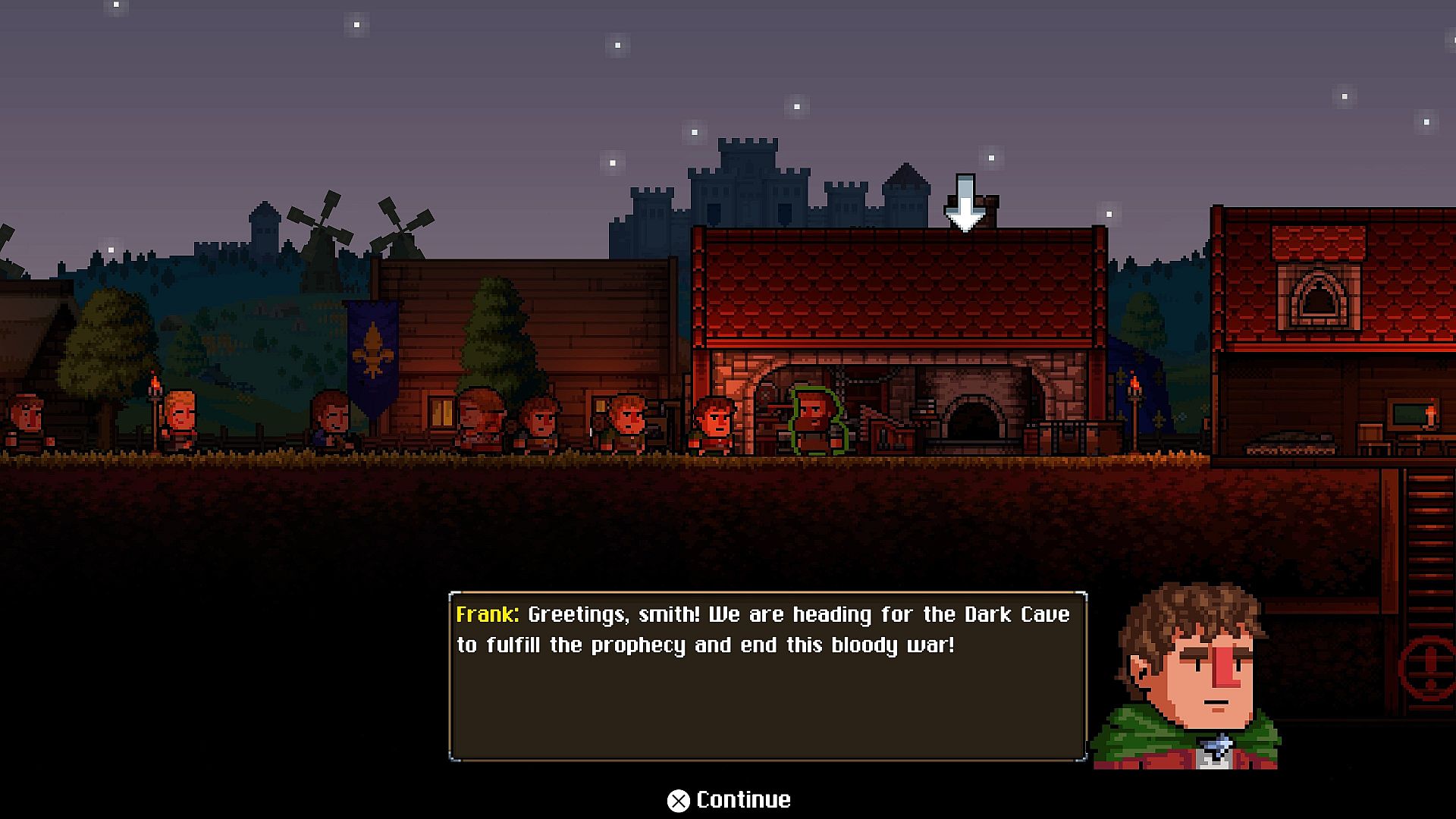
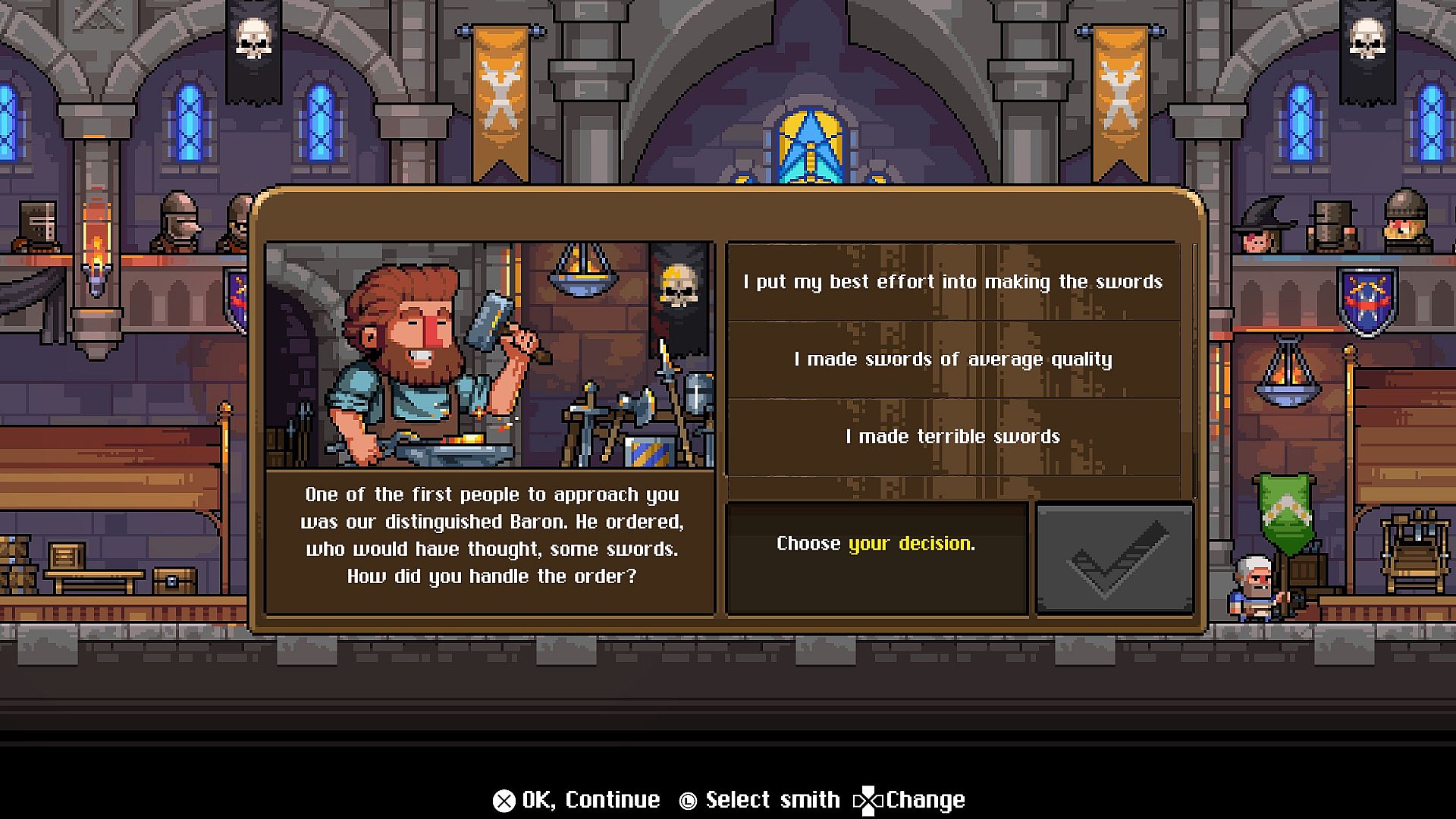
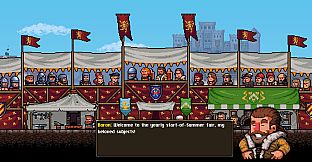
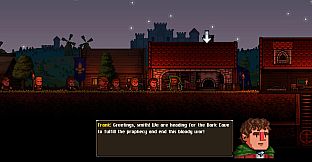
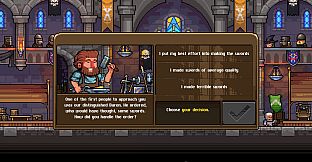
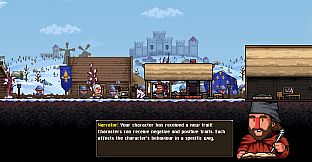
Two primary modes structure the experience. Story mode follows a campaign narrative filled with plot-driven events and branching decisions that alter the game world. Players navigate conflicts involving French and English soldiers, local bandits, merchants, priests, and witches, where alliances provide temporary bonuses like protection or reduced costs but risk antagonizing opposing groups.
Sandbox mode removes narrative pressure and faction reputation tracking, allowing focus on unrestricted building, crafting, and business growth. Both modes include difficulty options: an easier setting for smoother progression through the story and a harder setting that reduces earnings while increasing the challenge of choices and resource management.
Building and Managing the Smithy
Progression emphasizes steady facility upgrades to handle more complex orders. Starting with basic smelting and forging stations, players add mines for independent ore supply, living quarters for staff comfort, and training areas to boost skills. Worker happiness directly affects output, requiring attention to salaries, rest schedules, and specialized equipment.
Reputation mechanics add depth as decisions about which orders to accept influence standing with factions. Supporting one group may yield perks such as intimidation of rivals or tax relief, yet it shifts the balance of power and triggers varied story outcomes ranging from alliances to conflicts.
Is It Worth Playing?
Anvil Saga suits players who enjoy management simulations blended with light RPG decision-making. The pixel art style and historical setting provide a consistent backdrop for the blacksmithing loop, and the interplay between faction choices and business expansion creates meaningful replay value across modes.
Reviews highlight an engaging core loop of production and expansion alongside charming character interactions, though some note repetition in daily tasks and occasional technical issues. The game reached full release on PC in 2023 with console versions following in 2025, and it maintains a mostly positive reception from players who appreciate the balance of crafting, management, and narrative consequences. Those seeking a focused single-player experience centered on building a medieval enterprise will find the systems rewarding, particularly when experimenting with different faction alignments in story mode.