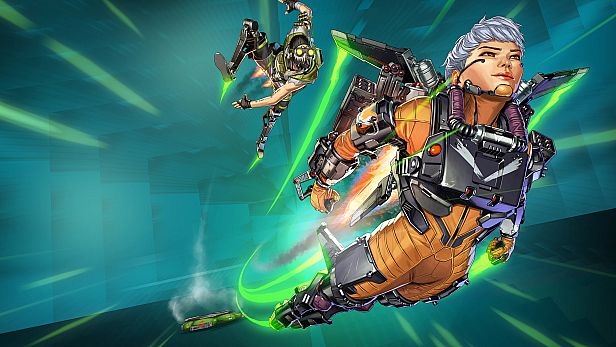




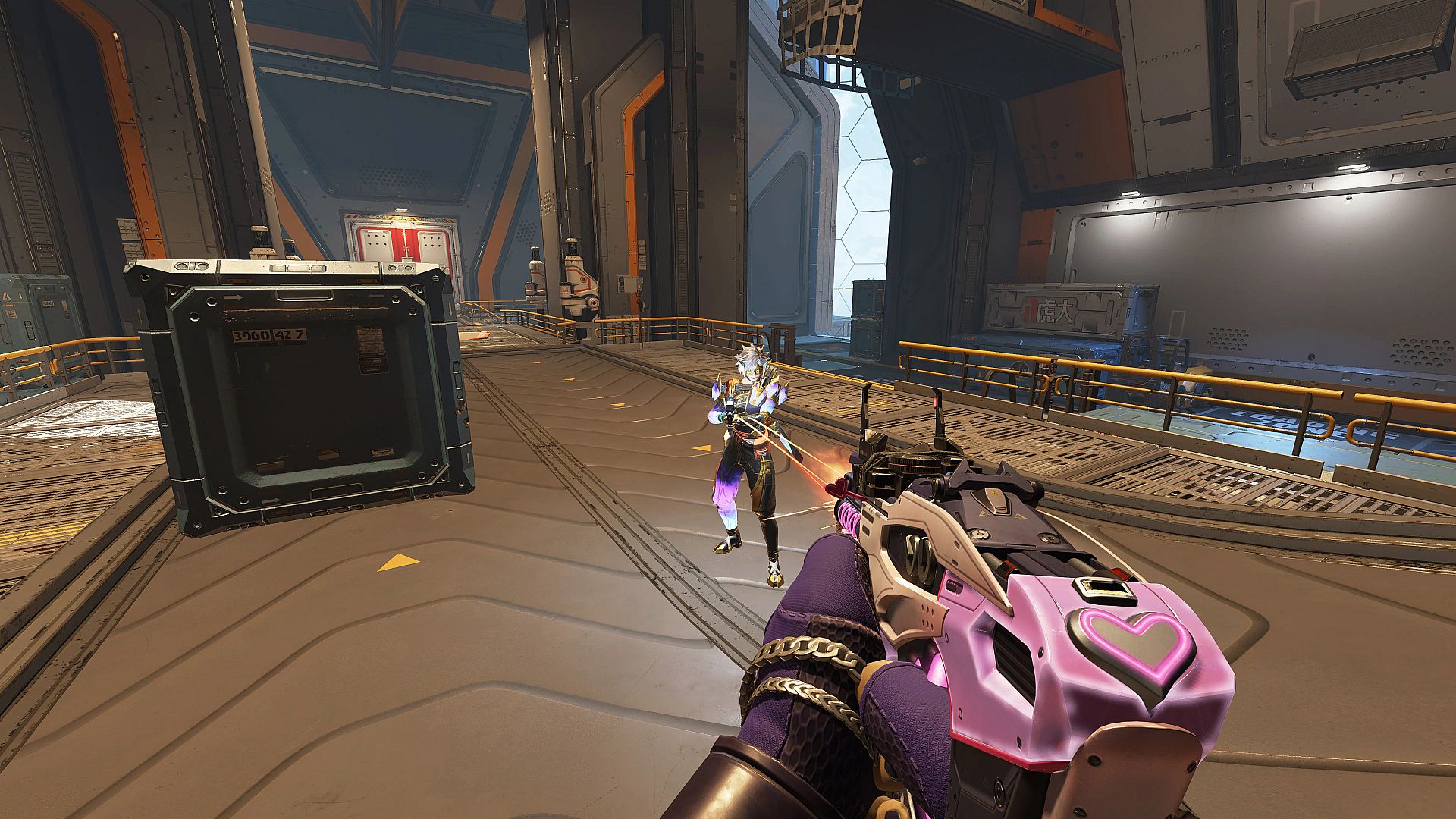



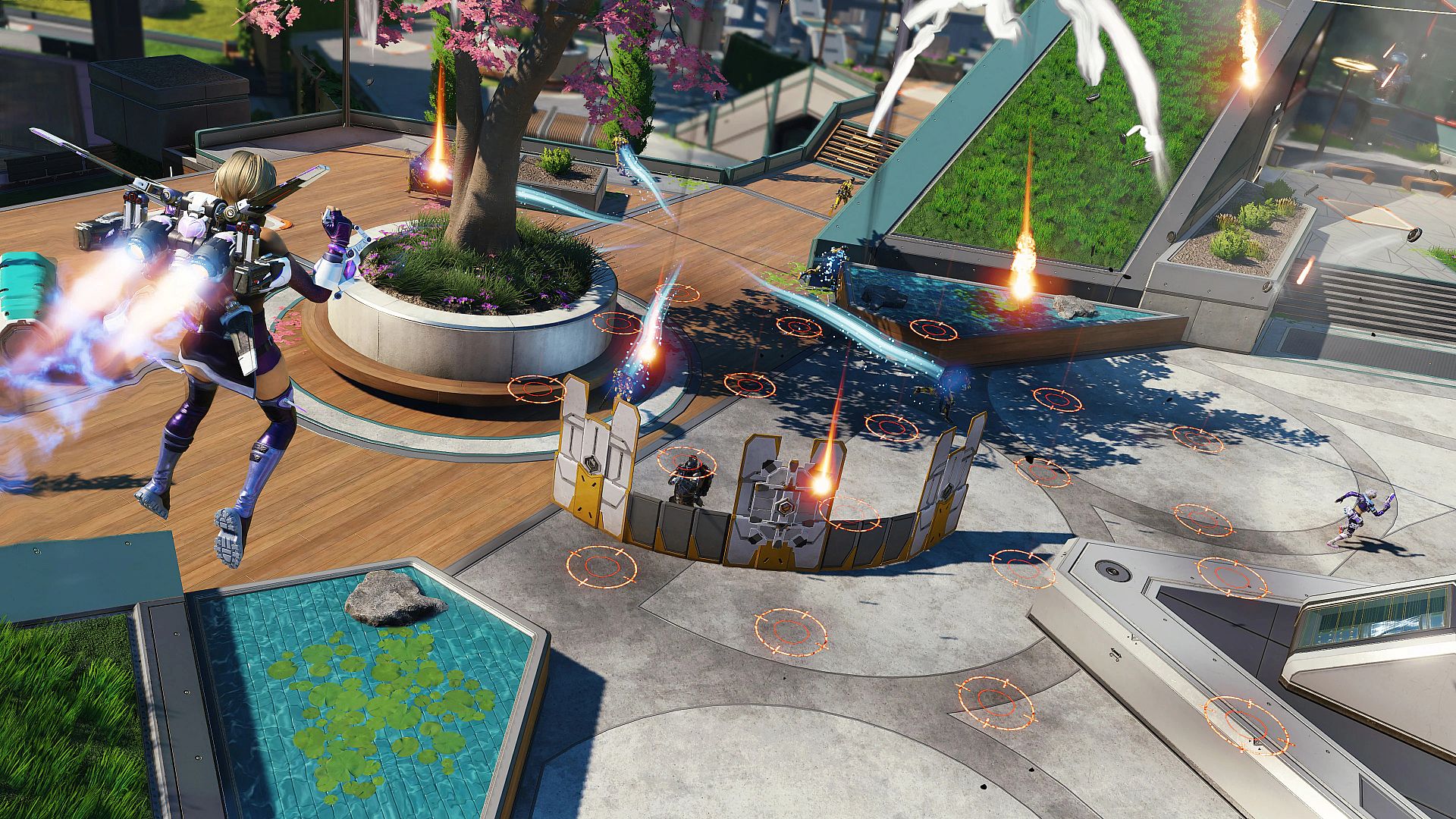





Apex Legends is a free-to-play hero shooter that blends battle royale fundamentals with character-driven abilities and squad tactics. Available on PS4 and PS5, the game places players in fast-paced matches where teams of legends compete across varied maps for victory. The core loop centers on dropping into expansive arenas, gathering gear, and outmaneuvering opponents through precise shooting and coordinated plays.
Gameplay
Matches begin with a dropship flight over the map, allowing squads to choose landing spots before the playable area shrinks via a closing ring. Players loot weapons, armor, and items from the environment while managing resources like shields and health. Combat emphasizes movement speed, recoil control, and positioning, with legends providing unique tactical options through their abilities.
The hero shooter elements shine through an expanding roster of legends, each equipped with distinct passives, tacticals, and ultimates that encourage team composition strategies. Squad coordination relies on a built-in communication system for marking enemies, locations, and plans without voice chat. Upgrades via damage dealt or collected orbs enhance armor and grant perks, adding progression within individual matches.
Weapon handling rewards practice in the firing range, where players test loadouts and attachments. The emphasis on third-person awareness and quick decision-making makes every engagement feel deliberate rather than chaotic.
Game Modes
Apex Legends organizes its offerings into core competitive playlists and freestyle options for different playstyles. Battle Royale Trios forms the foundation, with twenty squads of three competing to be the last team standing on rotating maps. Duos reduces squad size to two while maintaining the same 60-player scale and shrinking zone mechanics.
Ranked Leagues applies skill-based matchmaking to Trios, tracking progress through tiers based on placement and eliminations. Unranked serves as the casual counterpart for practice without rating pressure. Mixtape rotates through arena-style formats including Control for point capture with respawns, Team Deathmatch for direct 6v6 kills, and Gun Run where squads progress through weapon tiers via eliminations.
Wildcard delivers a streamlined battle royale variant limited to 30 players on condensed maps. It features simplified looting, automatic healing outside combat, self-revive kits, and special perks that shift focus toward immediate action over extended scavenging. Limited-time modes and events periodically introduce variations that rotate in and out.
Legends and Progression
Legends fall into categories that support different roles, such as assault for frontline pressure or support for team sustain. New additions and balance adjustments arrive with seasonal updates, keeping the roster dynamic. Players earn experience and complete challenges to progress battle passes and unlock cosmetics or currency for in-game items.
Regular seasons introduce map changes, weapon tweaks, and new mechanics while maintaining the core free-to-play structure with optional purchases for virtual goods. The game receives ongoing patches addressing balance, anti-cheat measures, and quality-of-life improvements.
Is It Worth Playing?
Apex Legends suits players who enjoy tactical squad shooters with hero abilities and high-skill movement systems. Its free entry point allows easy access to the full roster and modes, supported by consistent seasonal content and map rotations that maintain variety. Reception highlights strong gunplay and teamwork depth, though some note frustrations with matchmaking or monetization elements common to the genre.
Those seeking competitive battle royale experiences with character variety will find substantial depth here. The presence of both ranked progression and casual playlists, alongside rotating Mixtape options, accommodates different session lengths and skill levels. Ongoing developer support through updates keeps the experience current for dedicated players.