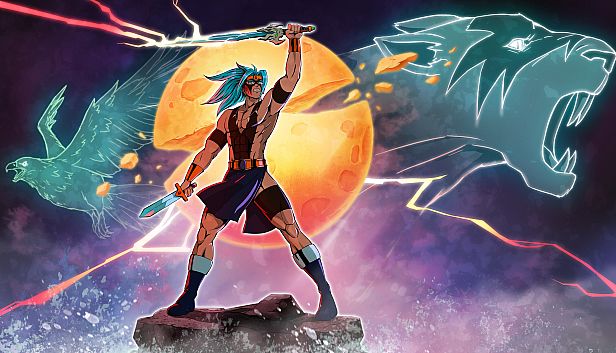


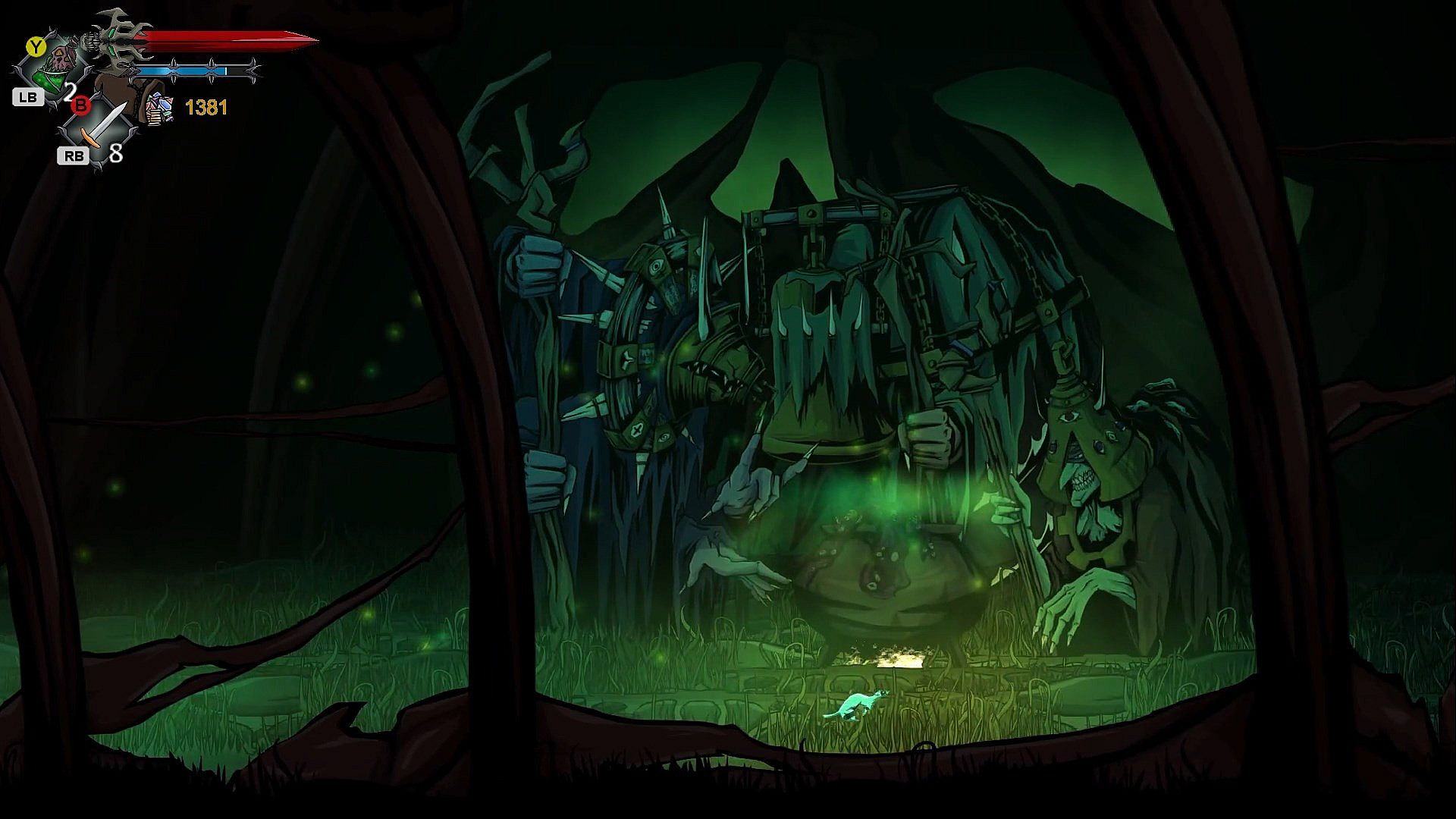
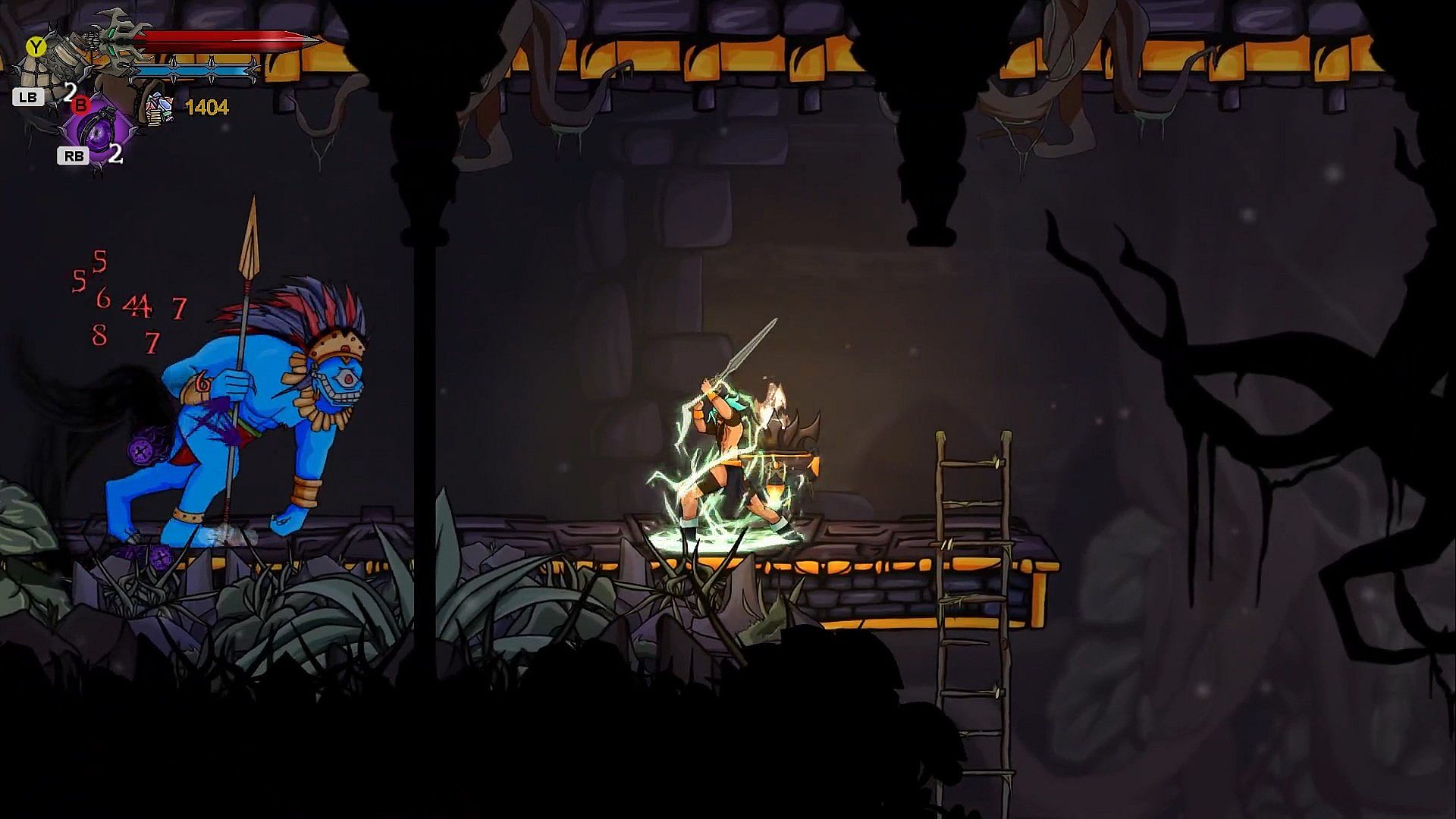
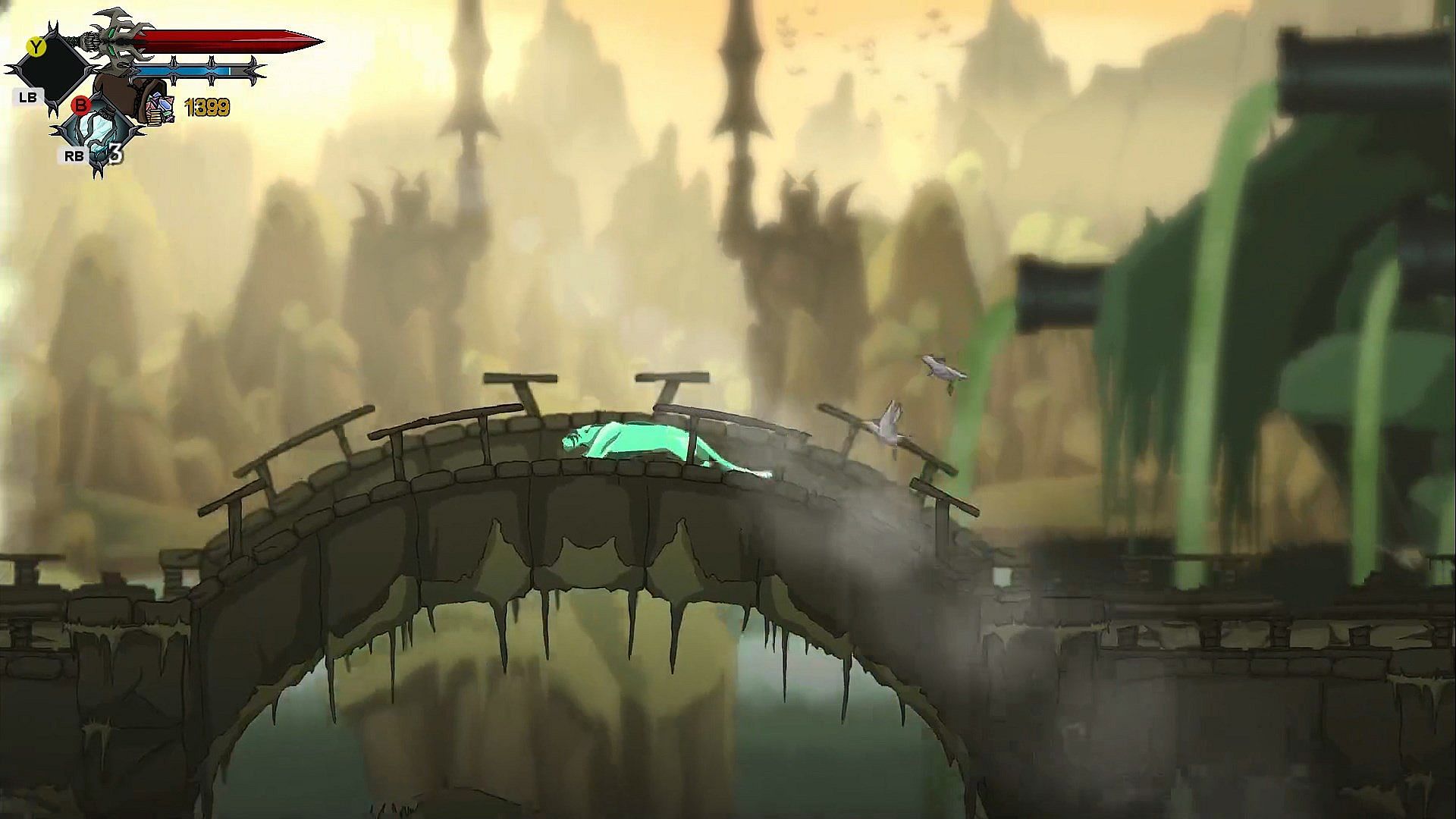
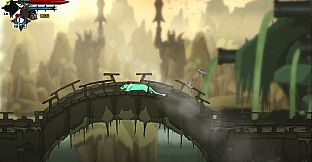
Barbarian Saga: The Beastmaster is a 2D action Metroidvania adventure game developed by Dormidin Studio and published by Selecta Play. Released on September 9, 2026, for Xbox Series X|S along with other platforms, it places players in the role of the last Beastmaster in the war-torn land of Arborea. The title blends hand-drawn visuals with sword combat, creature transformations, and interconnected exploration in a setting inspired by classic sword-and-sorcery themes.
Gameplay
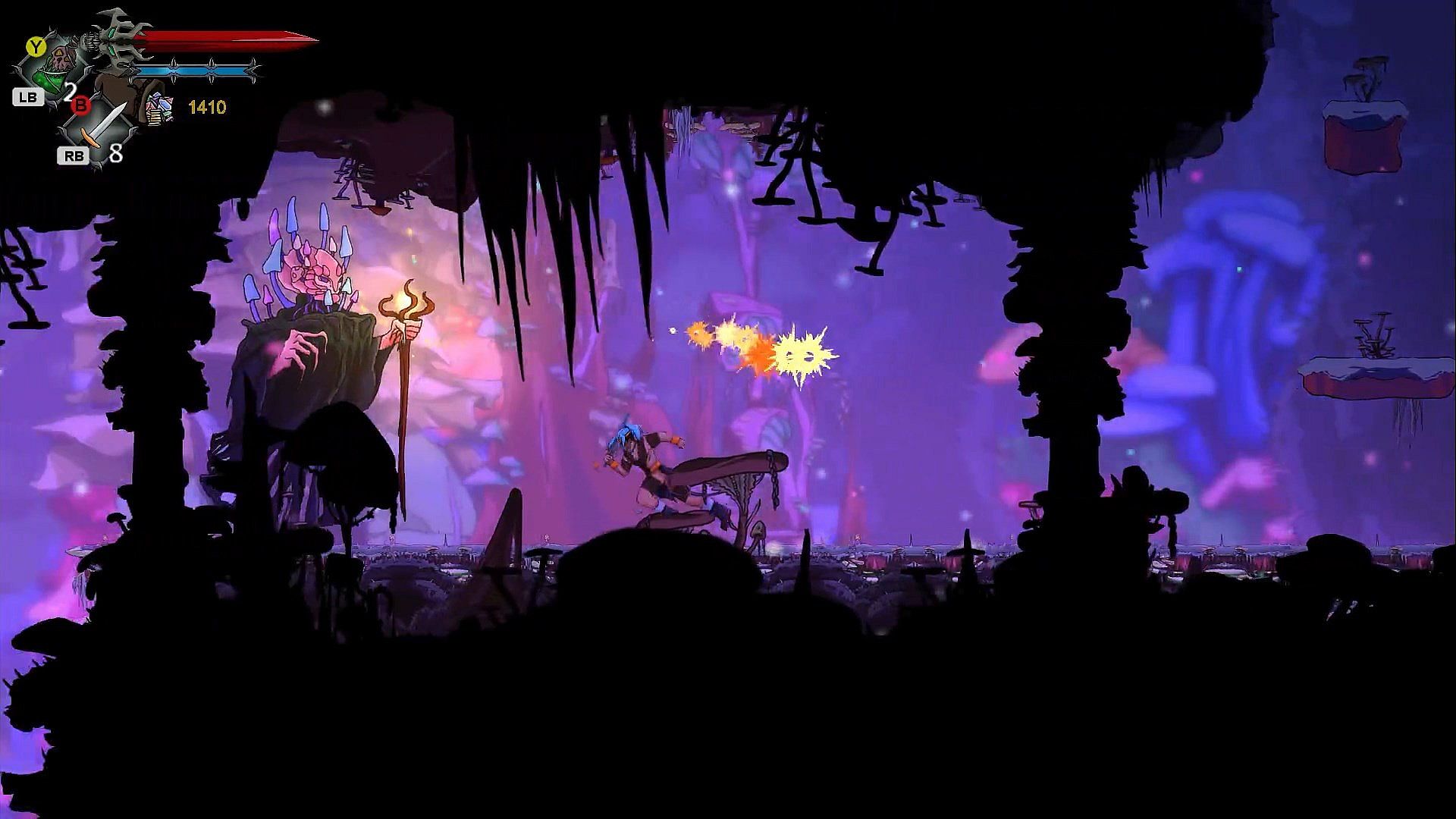
The core loop centers on exploration of a continuous, non-linear map where new abilities open previously inaccessible paths. Players wield the Heart-Eater sword for standard attacks and a downward thrust that interacts with the environment. Combat emphasizes timing and positioning, with responsive controller inputs that support precise platforming and enemy encounters.
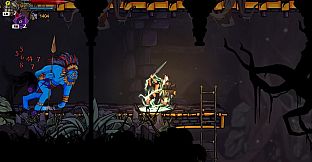
Beastmaster transformations form the standout mechanic. Absorbing souls from animals and creatures grants temporary forms that alter movement, combat options, and access to new areas. These changes integrate directly into progression, requiring players to revisit earlier sections with fresh capabilities. Additional customization comes through a ritual necklace system. Collecting beads, fangs, amulets, and plant roots modifies attack power, vitality, or mana reserves.
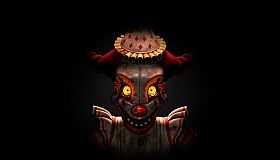
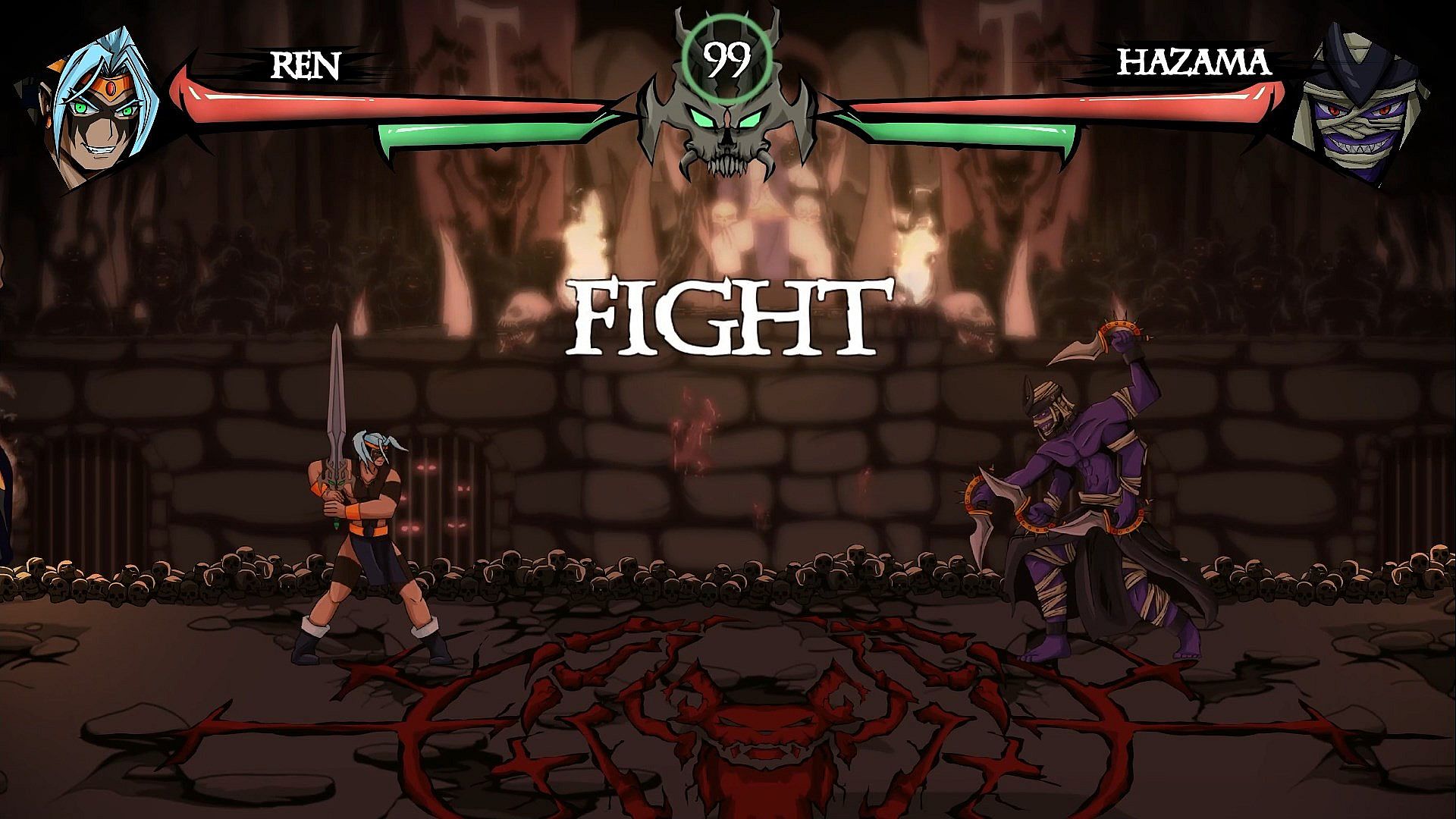
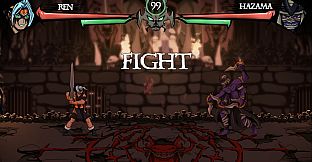
Further depth arrives via sword techniques learned from a former sensei, alongside magic potions, summons, and curses. Certain encounters shift into arena-style duels with a closer camera angle and energy bars reminiscent of fighting games. These fights allow skill upgrades and item rewards while breaking up regular exploration. The world features hand-drawn environments, varied enemy designs that mix cartoonish and darker elements, and save rooms that function as fast-travel points to ease backtracking.
Game Modes
The experience remains strictly single-player throughout. The main campaign follows a Metroidvania structure of ability-gated exploration, boss encounters, and gradual world expansion. Arena duels appear as integrated challenges within this structure rather than a separate mode, offering focused combat tests with their own rewards and progression benefits.
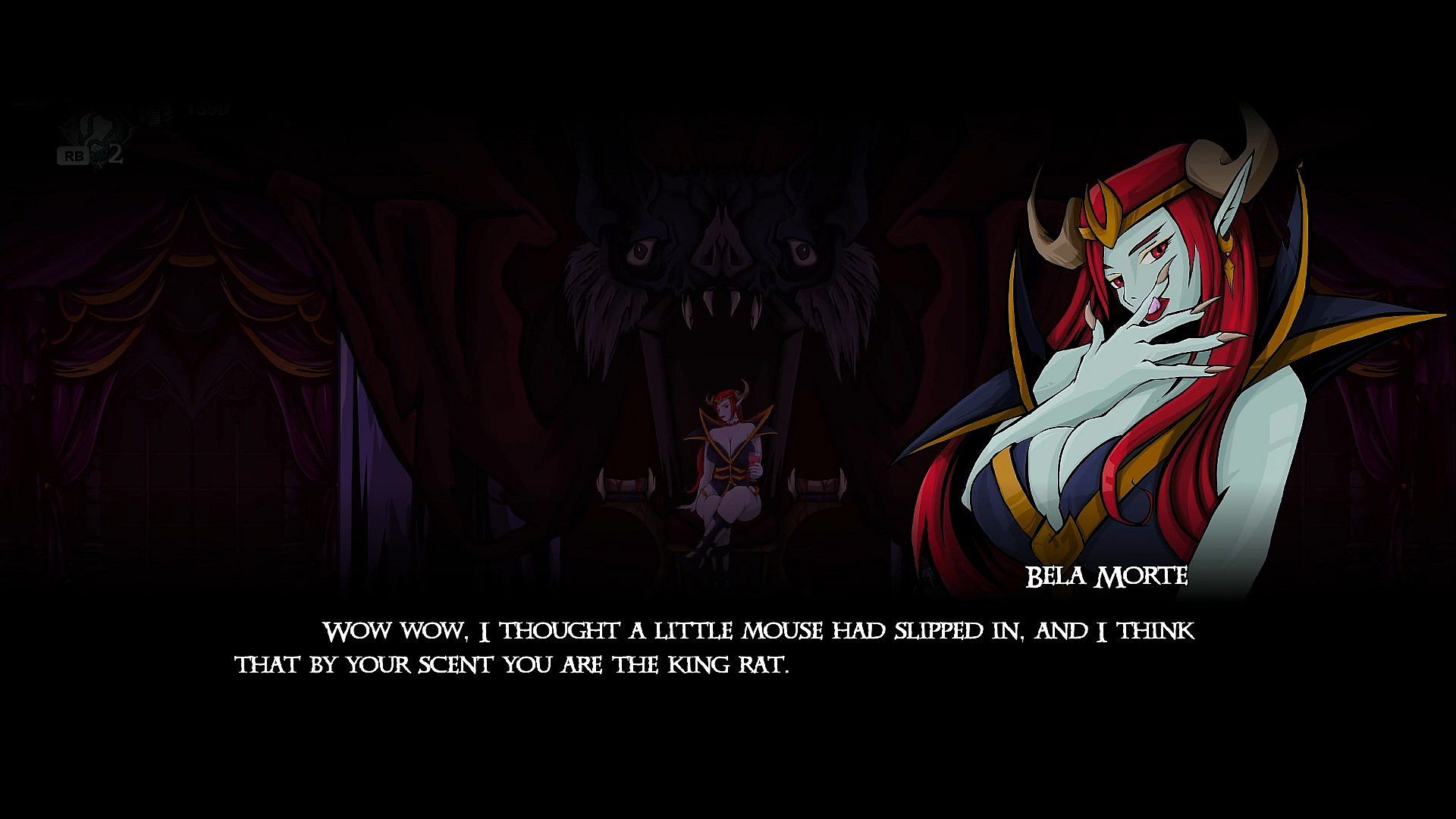
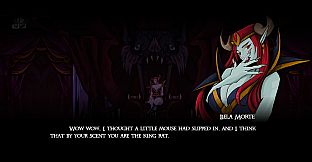
NPC interactions add optional layers through side missions and narrative branches. These elements contribute to multiple possible endings based on choices and completed arcs, encouraging replay for different outcomes without altering the fundamental single-player focus.
The World of Arborea
Arborea serves as the backdrop for a conflict between human kingdoms and non-human inhabitants. The story draws from the aftermath of the Portal Wars and the involvement of the wizard Trece XIII in escalating tensions. Players navigate ruins, natural landscapes, and domains marked by sorcery while uncovering secrets tied to the prophecy of uniting men and beasts.
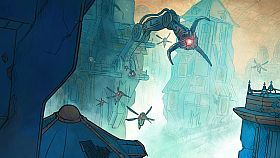
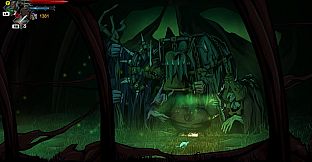
Hand-drawn art brings characters, creatures, and settings to life with detailed animations. The tone leans into gritty, retro fantasy aesthetics with elements of brutality and mysticism. Hidden paths, environmental hazards, and varied biomes reward thorough exploration as abilities expand the reachable map.
Is It Worth Playing?
Barbarian Saga: The Beastmaster suits players who enjoy skill-based 2D Metroidvanias with strong emphasis on exploration and ability-driven progression. Its tight controls and transformation mechanics deliver satisfying moments of discovery and combat adaptation. The hand-drawn presentation and arena duels provide visual and mechanical variety within the single-player campaign.
Early feedback highlights responsive gameplay and creative enemy designs as strengths, though some note that limited healing options and a lighter narrative focus may not appeal to everyone. As a recently released indie title on Xbox Series X|S, it offers a complete adventure without ongoing seasonal content or multiplayer elements. Those drawn to classic Castlevania-style games or transformation-focused platformers will find the most value here, particularly if they appreciate backtracking and multiple endings through NPC-driven choices.