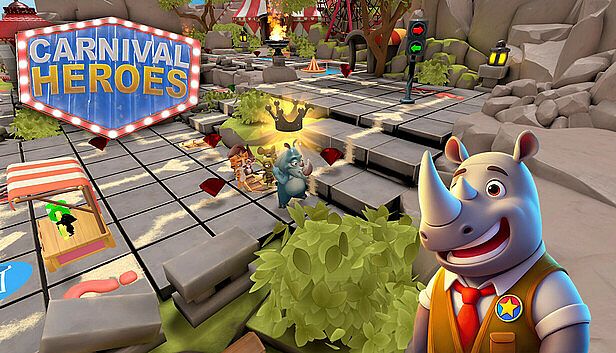





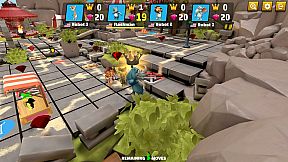
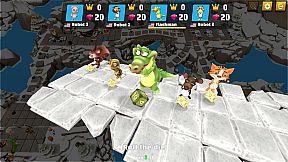
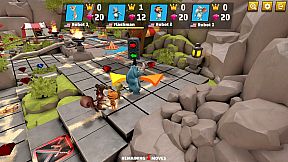

Carnival Heroes - Super party minigames is a cross-platform party board game for two to four players that blends turn-based board movement with a collection of 24 distinct minigames. Players select from eight animal avatars, each equipped with a unique special die option alongside the standard one-to-six roll, then navigate a shared board to gather gems, purchase crowns, and compete through skill-based challenges. The game supports both online matches against real opponents and solo sessions against AI, delivering a complete experience on PC without requiring additional purchases for core features.
Gameplay
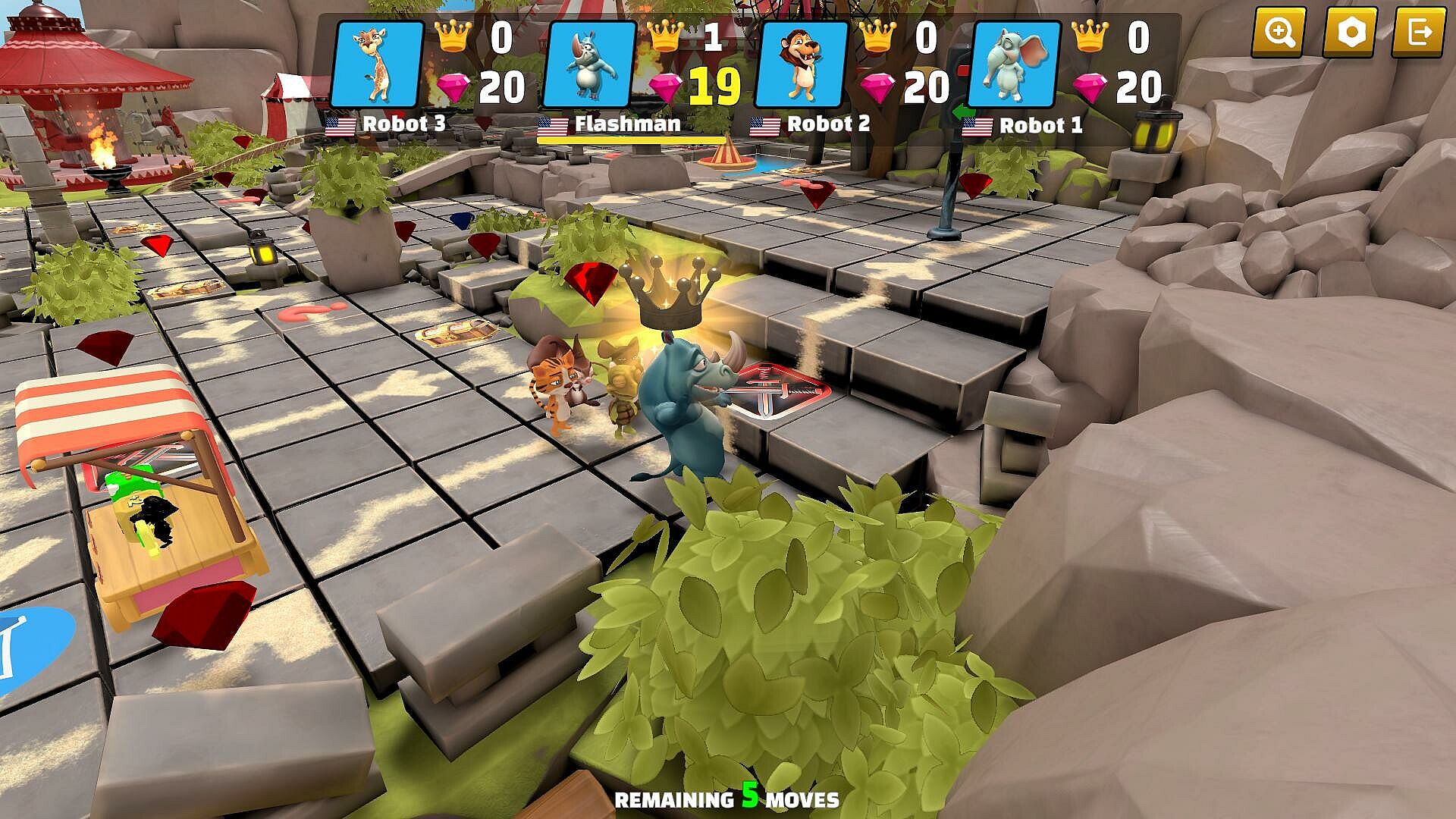
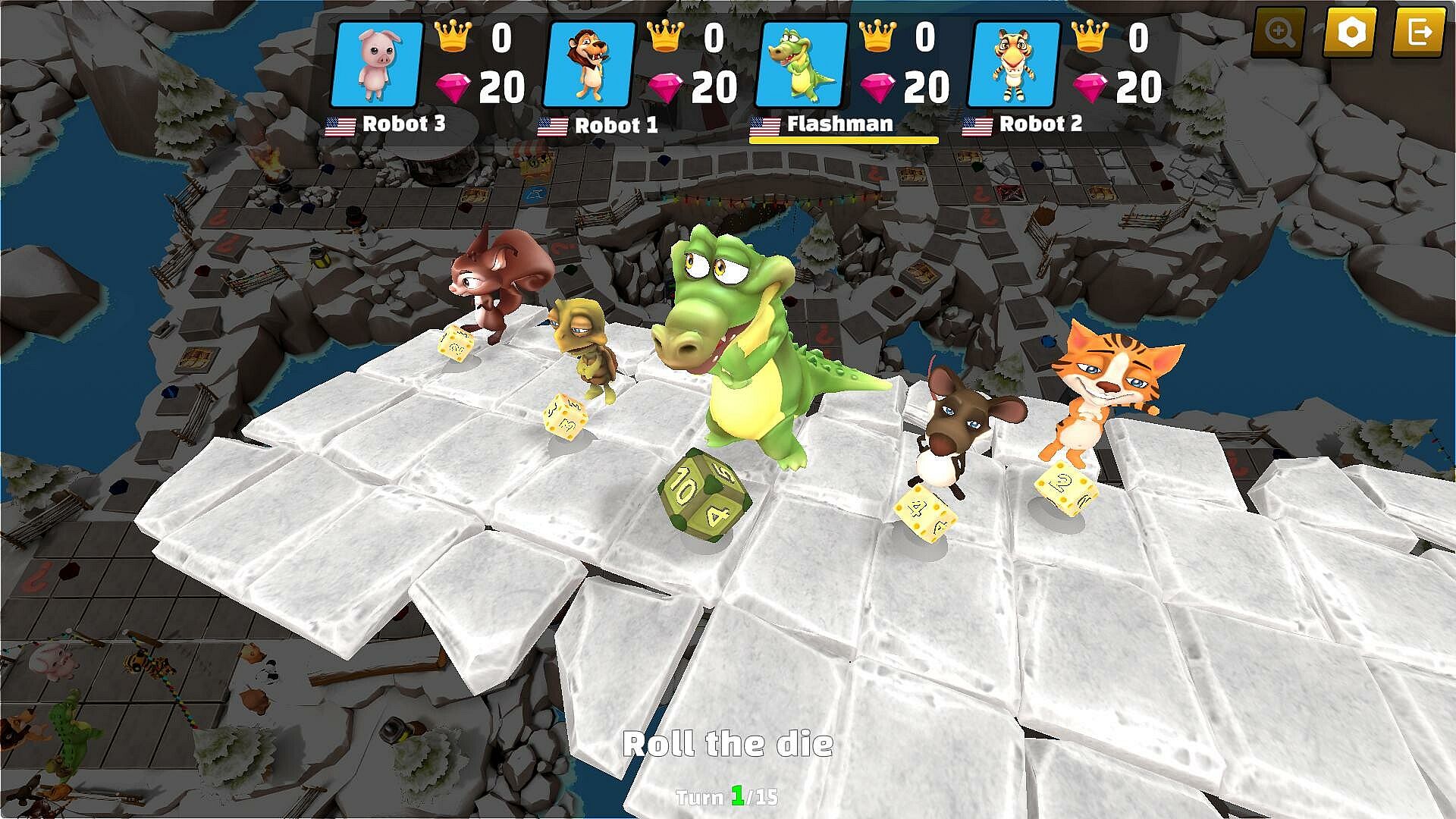
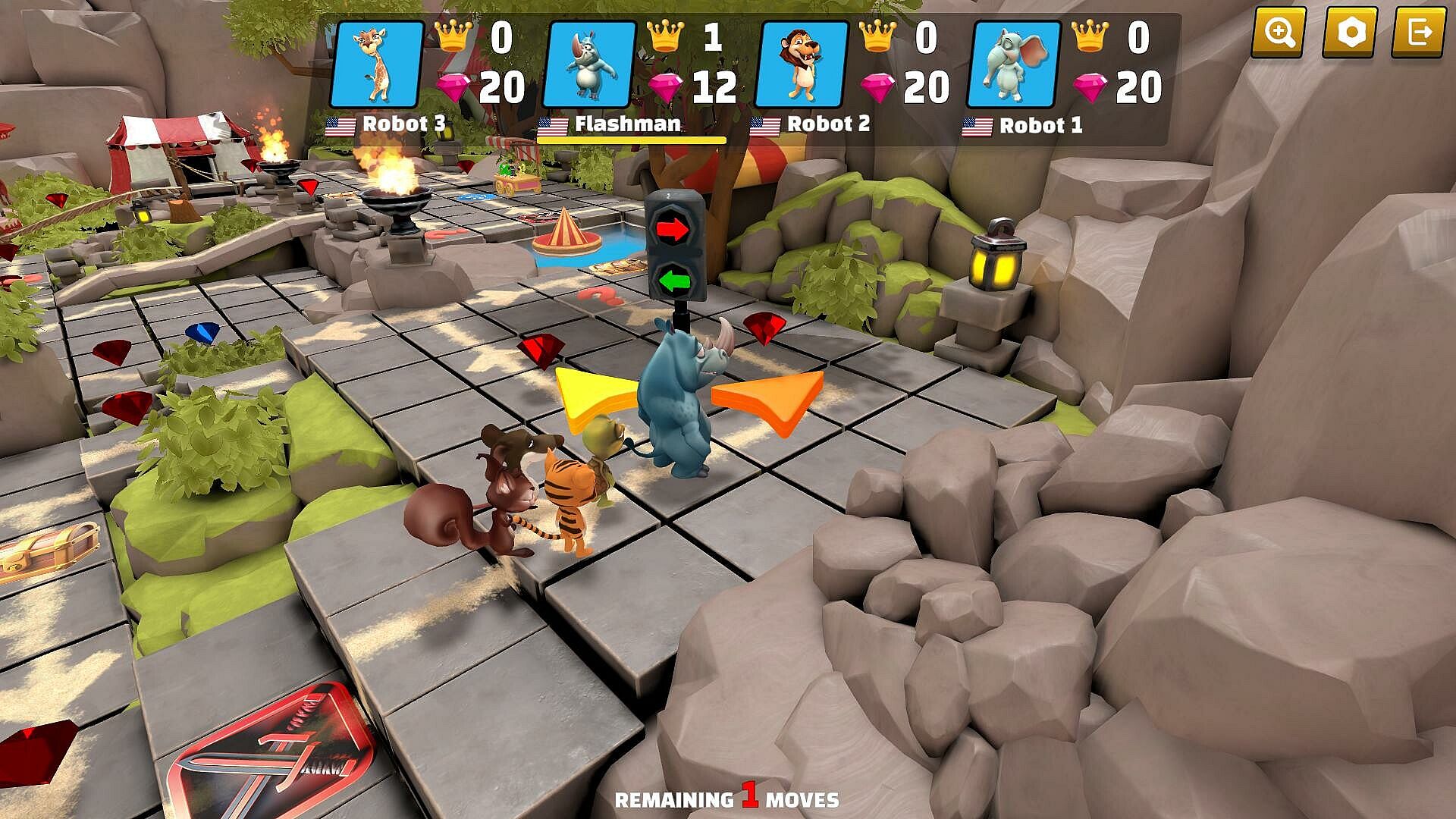
Turns proceed in an order set by the highest initial dice roll. On each turn a player rolls the die, optionally activates a collected item, and moves across the board to land on gems, chests, or other features. Gems come in three colors worth one, two, or three units and serve as currency for crowns and store items. Crown prices start at ten gems and rise to fifteen or twenty as the game advances, making timing and resource management essential. Mates follow the player and award extra gems when opponents are passed, while also contributing their own small dice rolls to the total movement value. Chests yield random items or gems, events trigger immediate effects such as teleports or route changes, and battle spaces force all participants to wager gems before entering a randomly selected minigame. Hidden gifts remain invisible until landed on and can deliver positive rewards or penalties. Traffic lights offer a free or paid route with escalating costs, cracked tiles accumulate damage until the final passer pays a small repair tax, and stores allow purchases of items priced between two and five gems with automatic restocking once depleted.
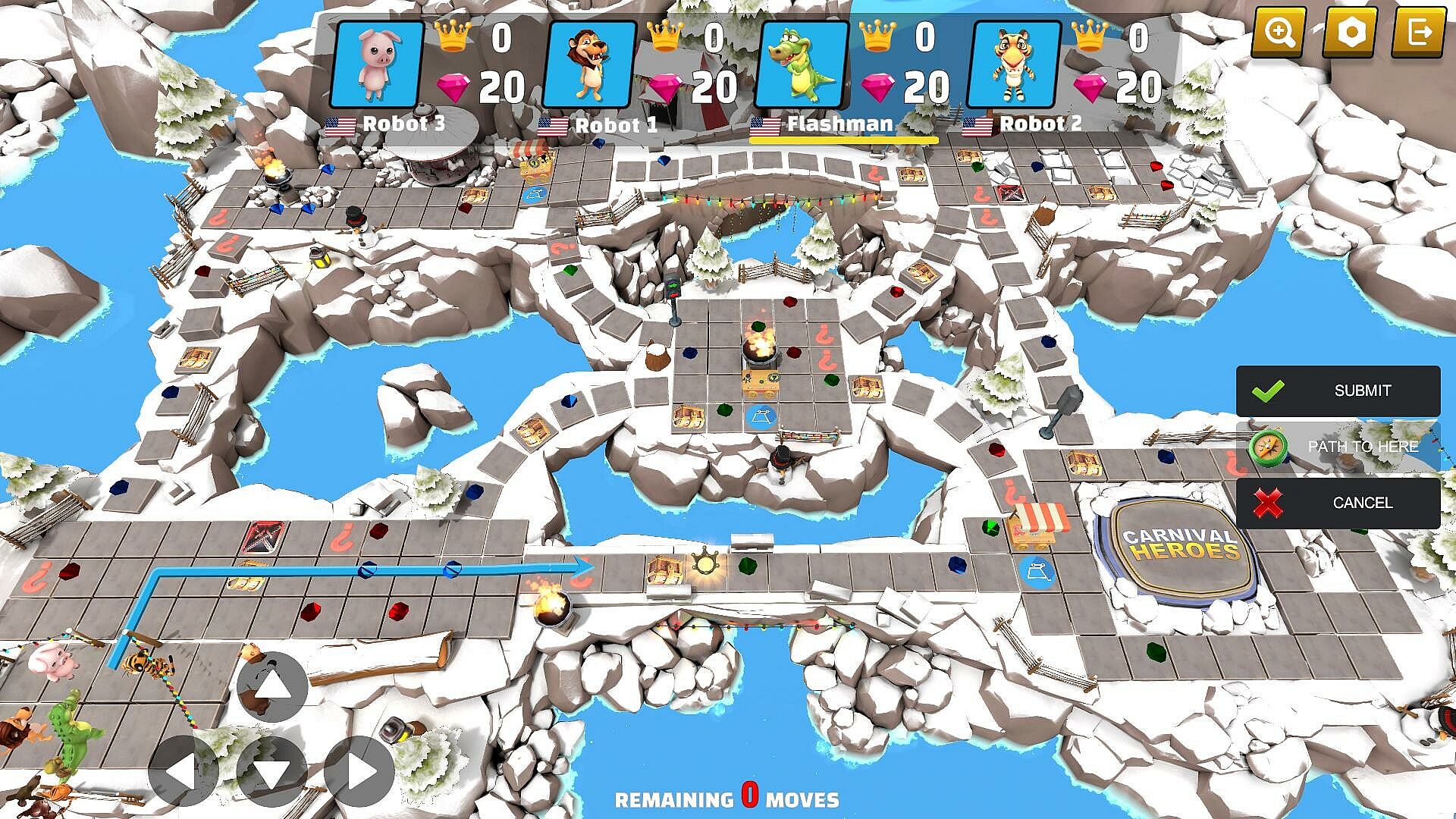
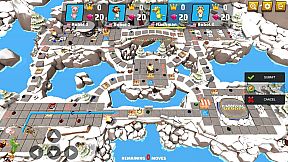
Board navigation splits into two distinct systems. Fixed mode follows preset paths with directional choices only at intersections. Free mode lets players draw a custom route in advance, rewarding careful planning that maximizes gem collection and item landings while avoiding hazards. Eight animal avatars provide variety through their optional special dice, which replace the standard roll when selected. Items collected throughout a session offer tactical advantages such as dice modifiers or portals that can be deployed on later turns.
Game Modes
The primary distinction lies between online play against human opponents and solo matches versus adjustable AI. Online sessions emphasize direct competition for crowns through board positioning and minigame performance, while solo mode allows practice or relaxed sessions without network requirements. Both modes use the same core rules and full set of board elements. Sessions conclude after a set number of turns, at which point three bonus crowns are awarded based on randomly selected criteria such as strongest minigame record or greatest distance traveled. The player with the most crowns wins, with total gems serving as the tiebreaker.
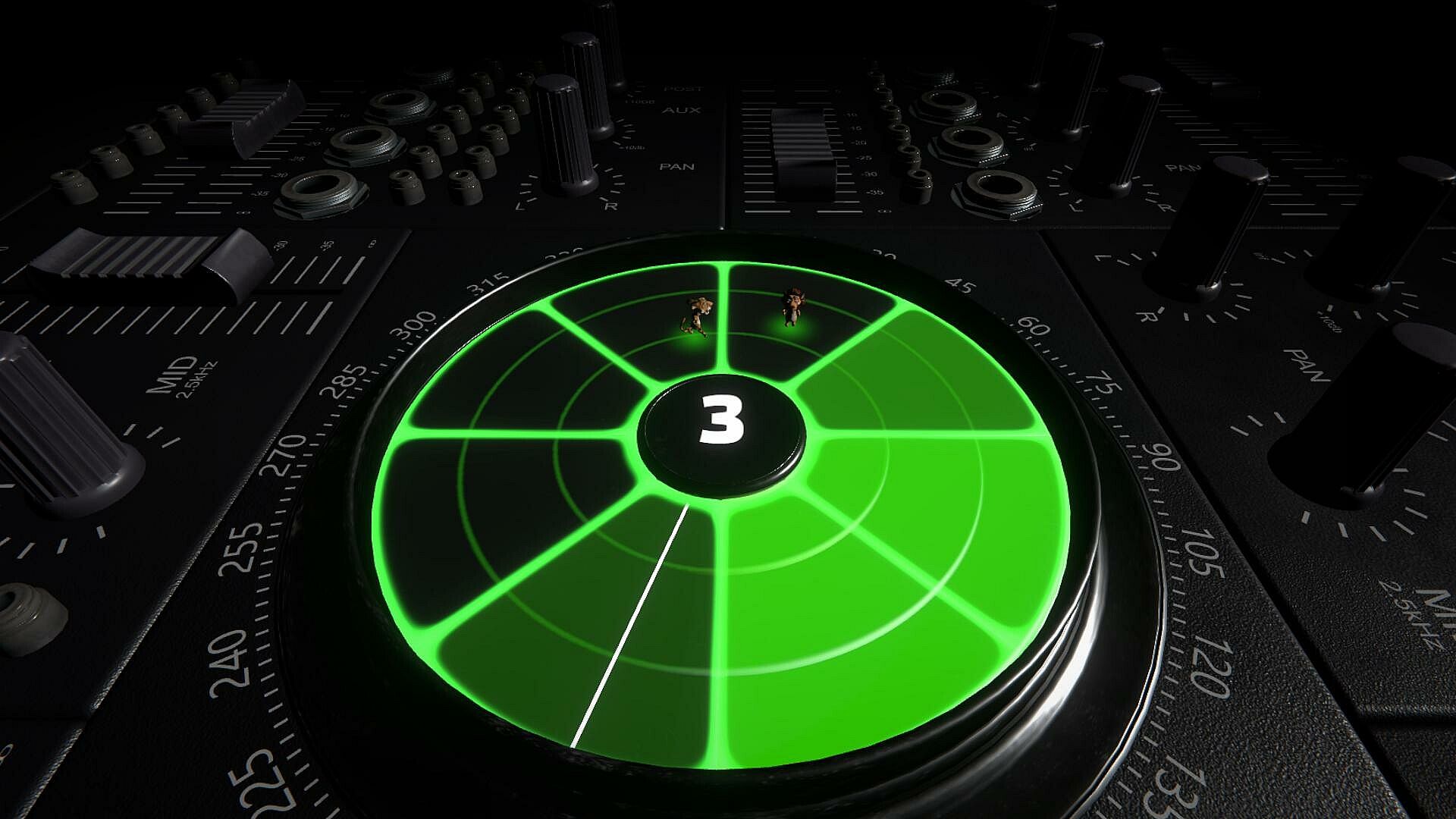
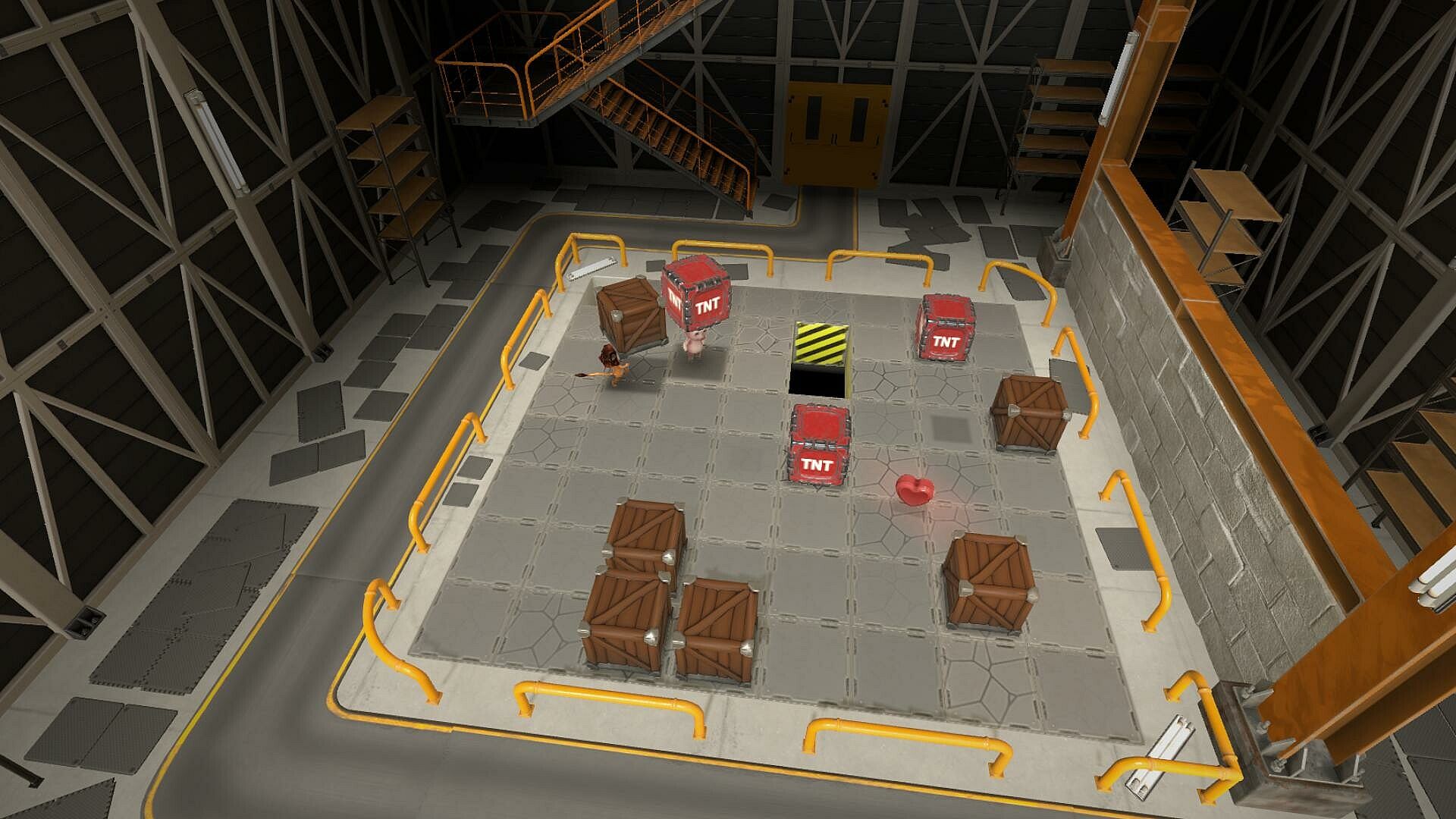
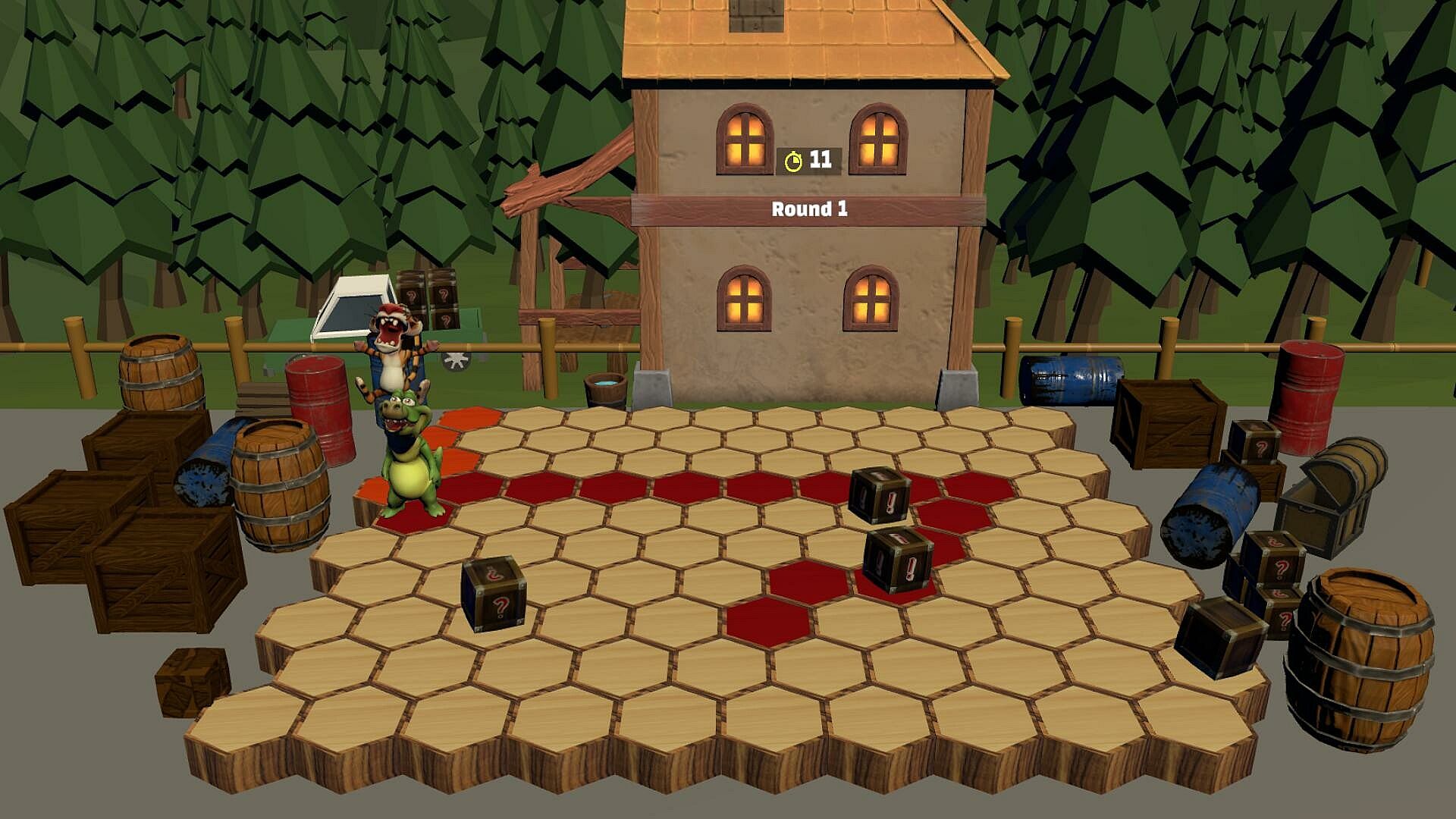
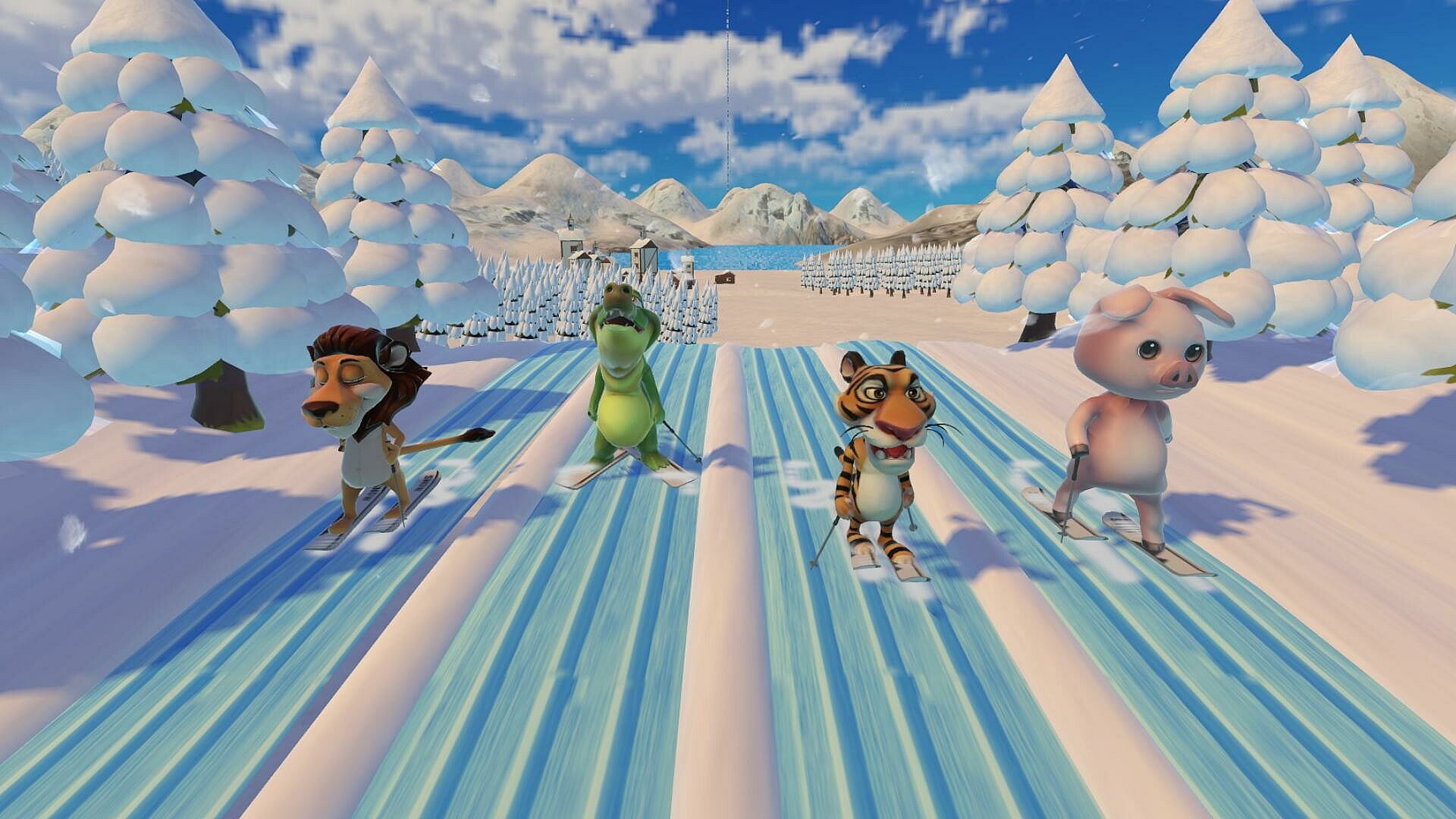
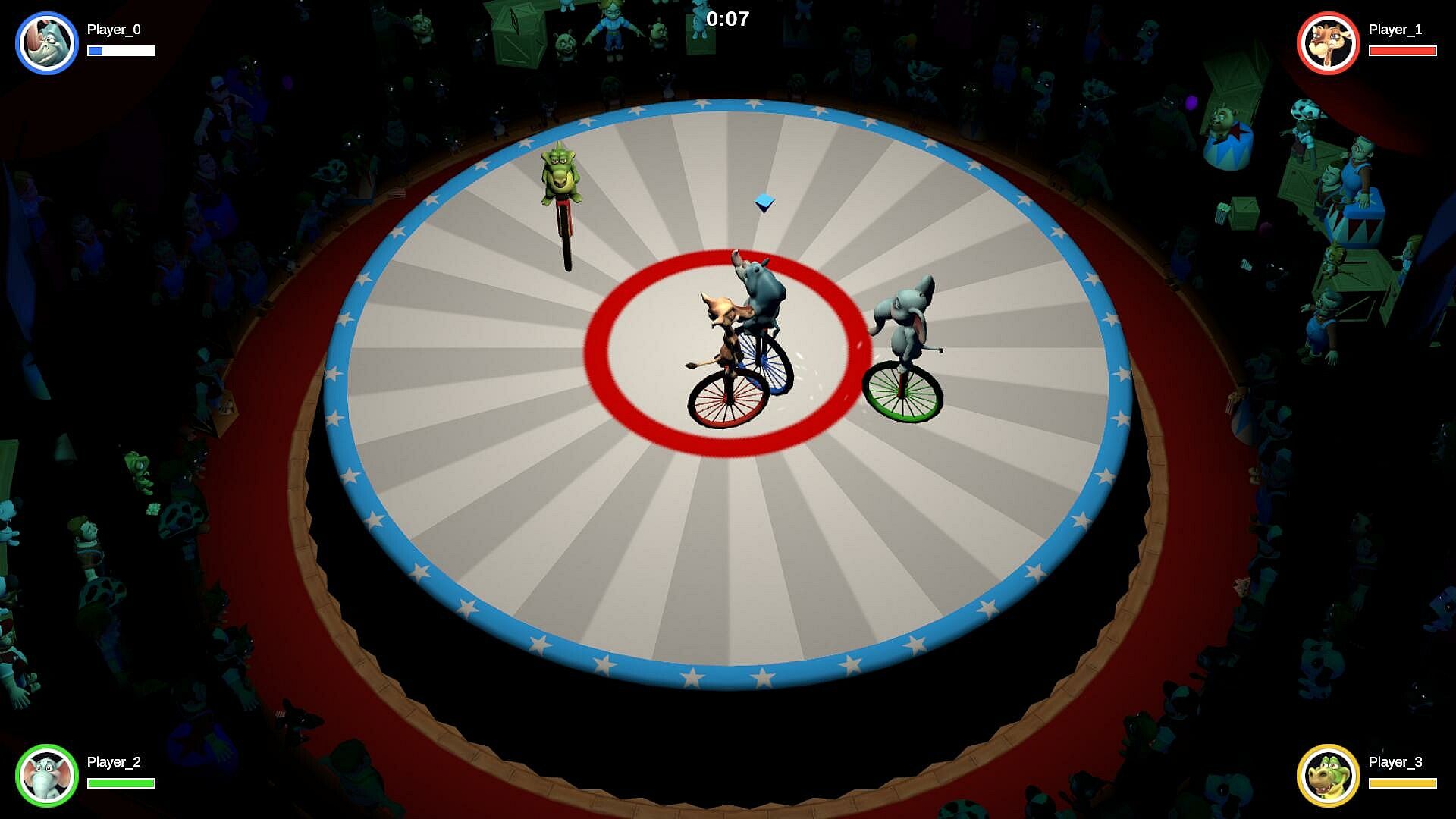
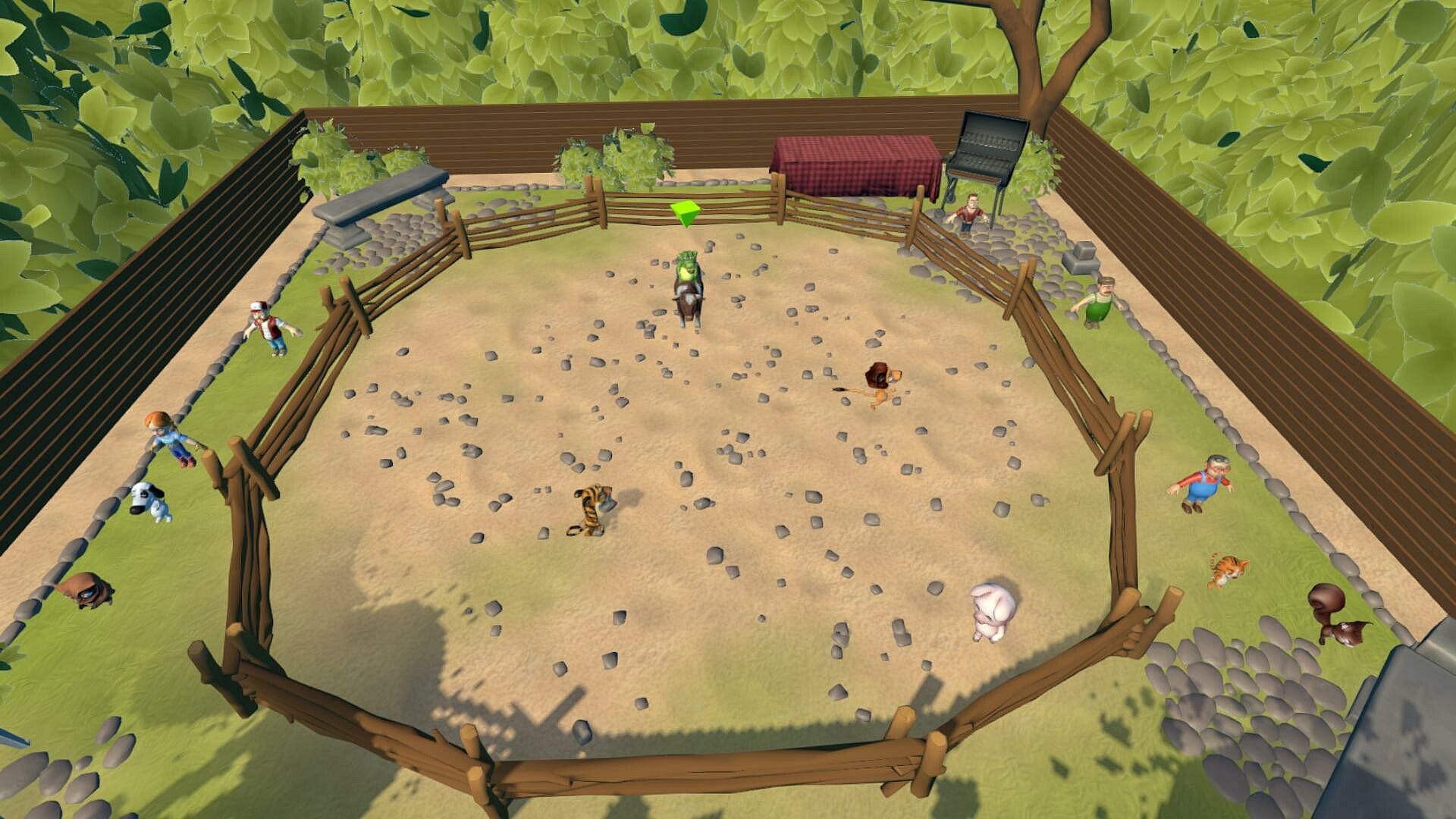
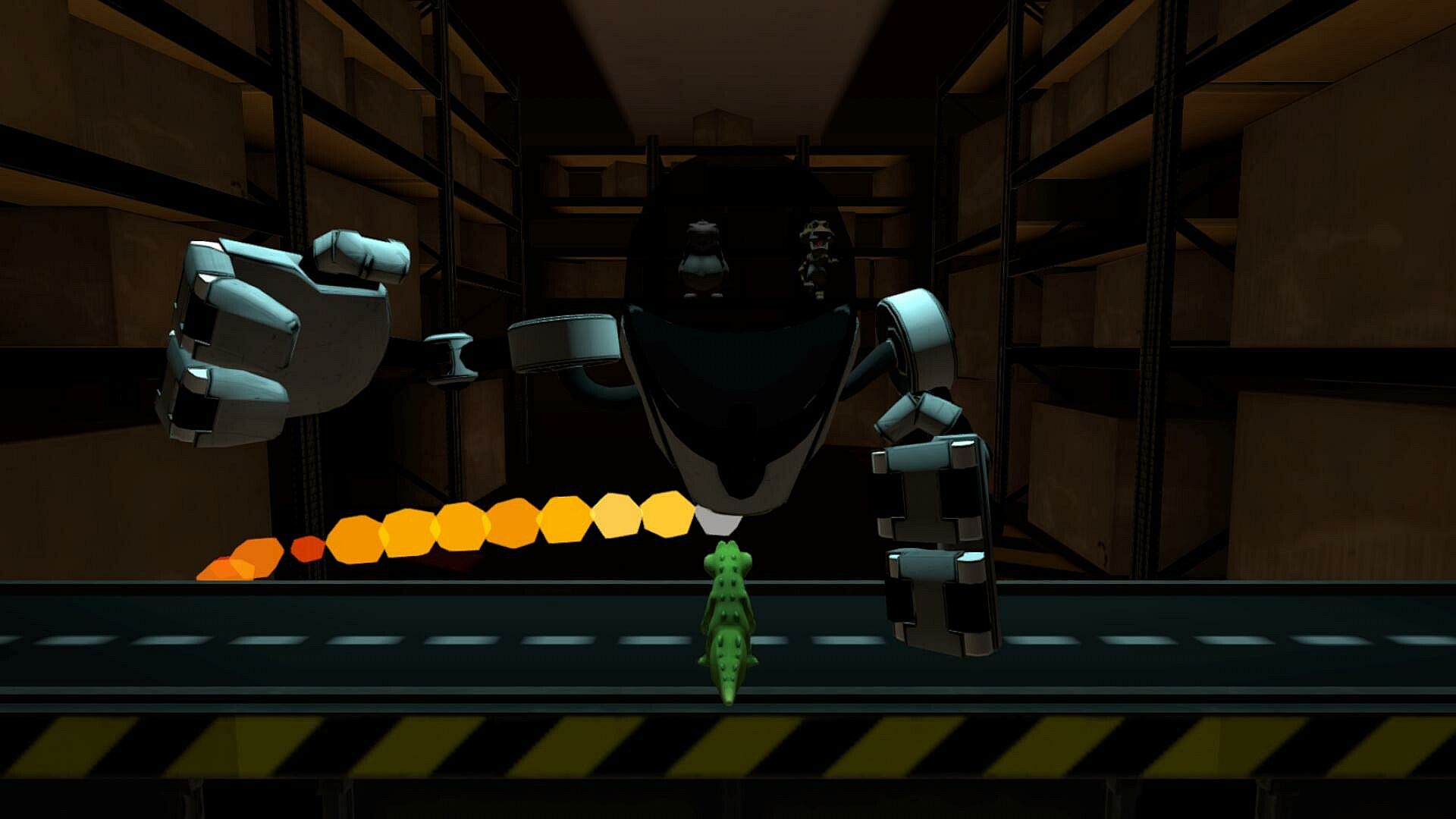
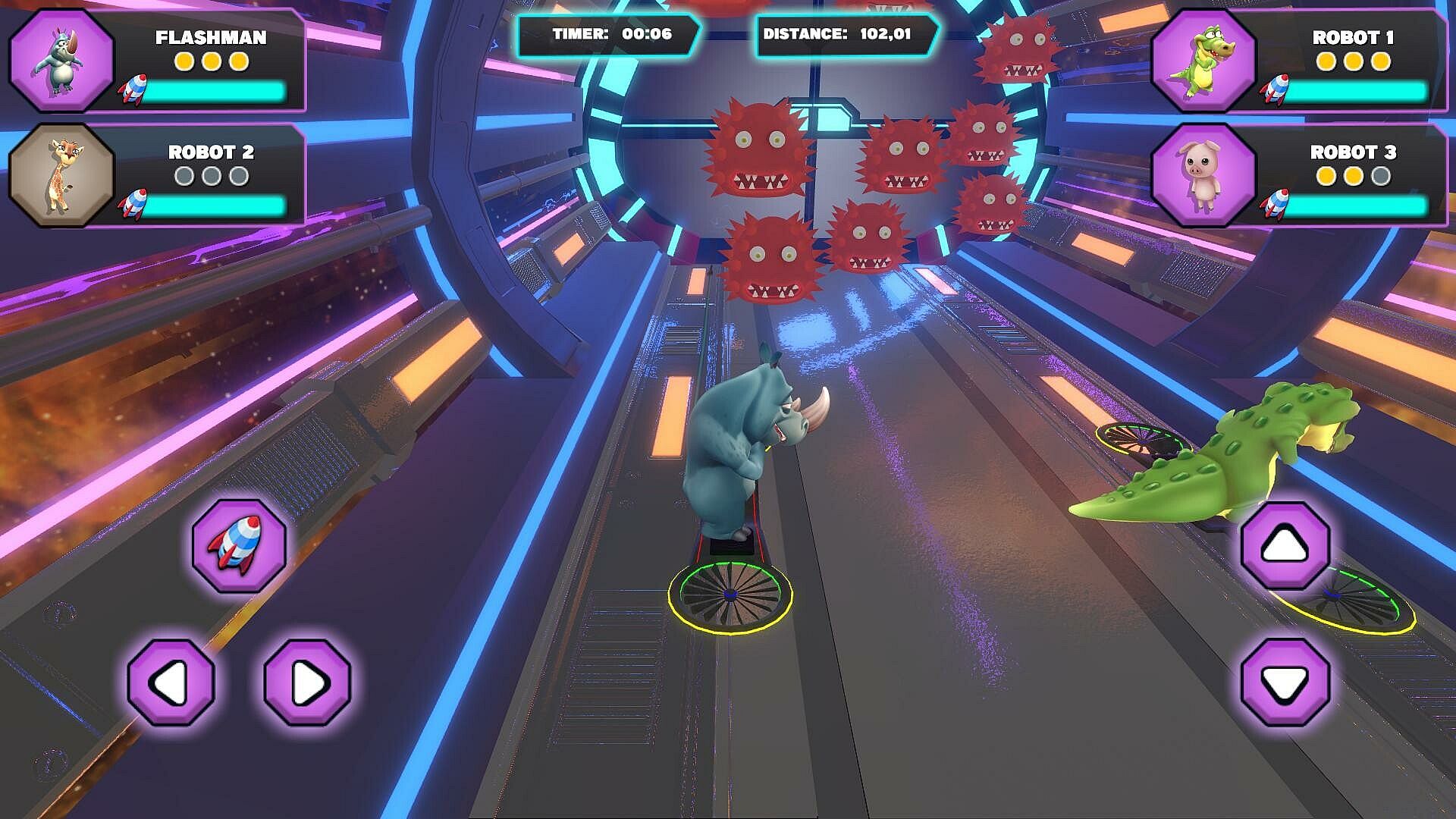
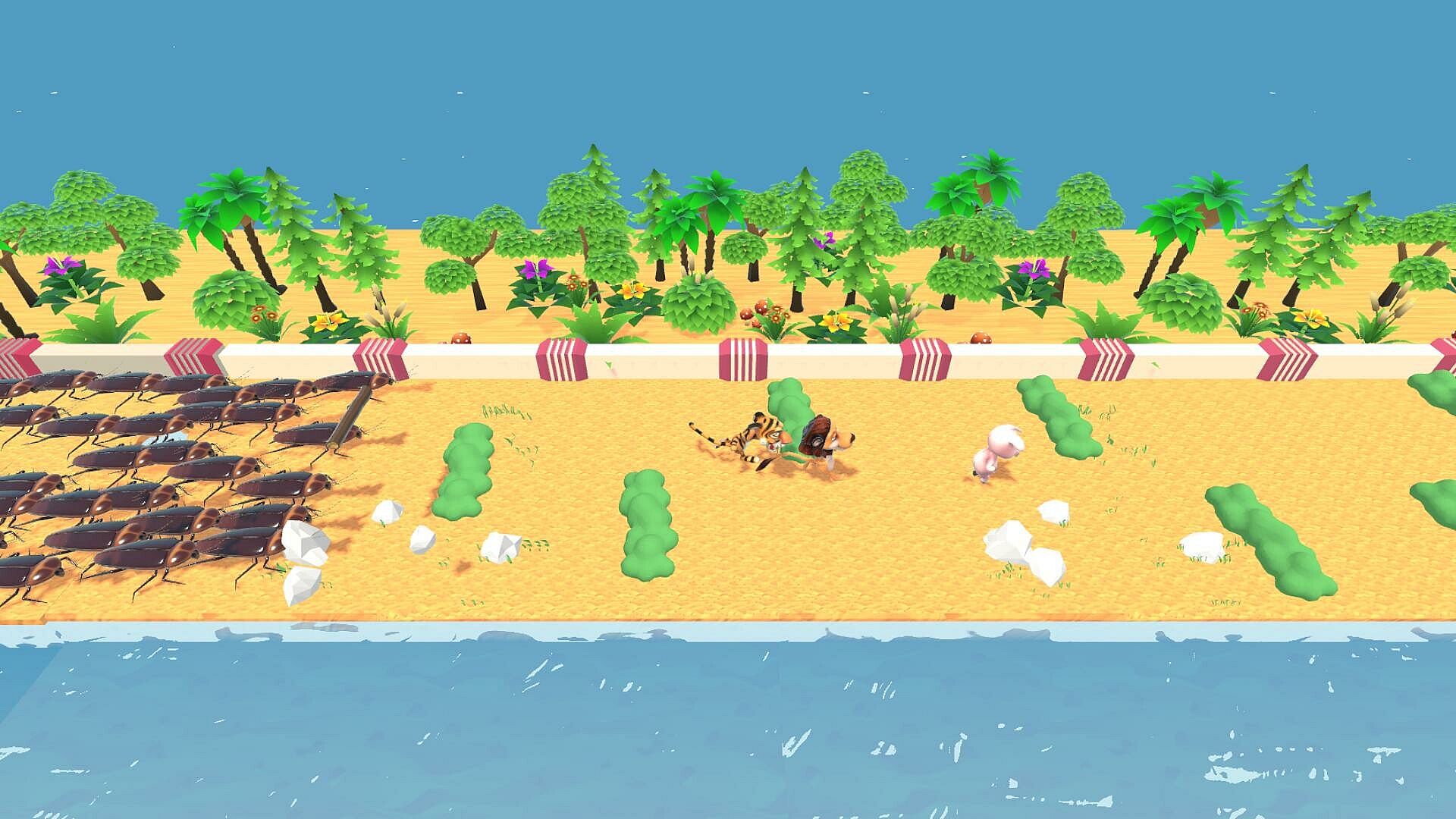
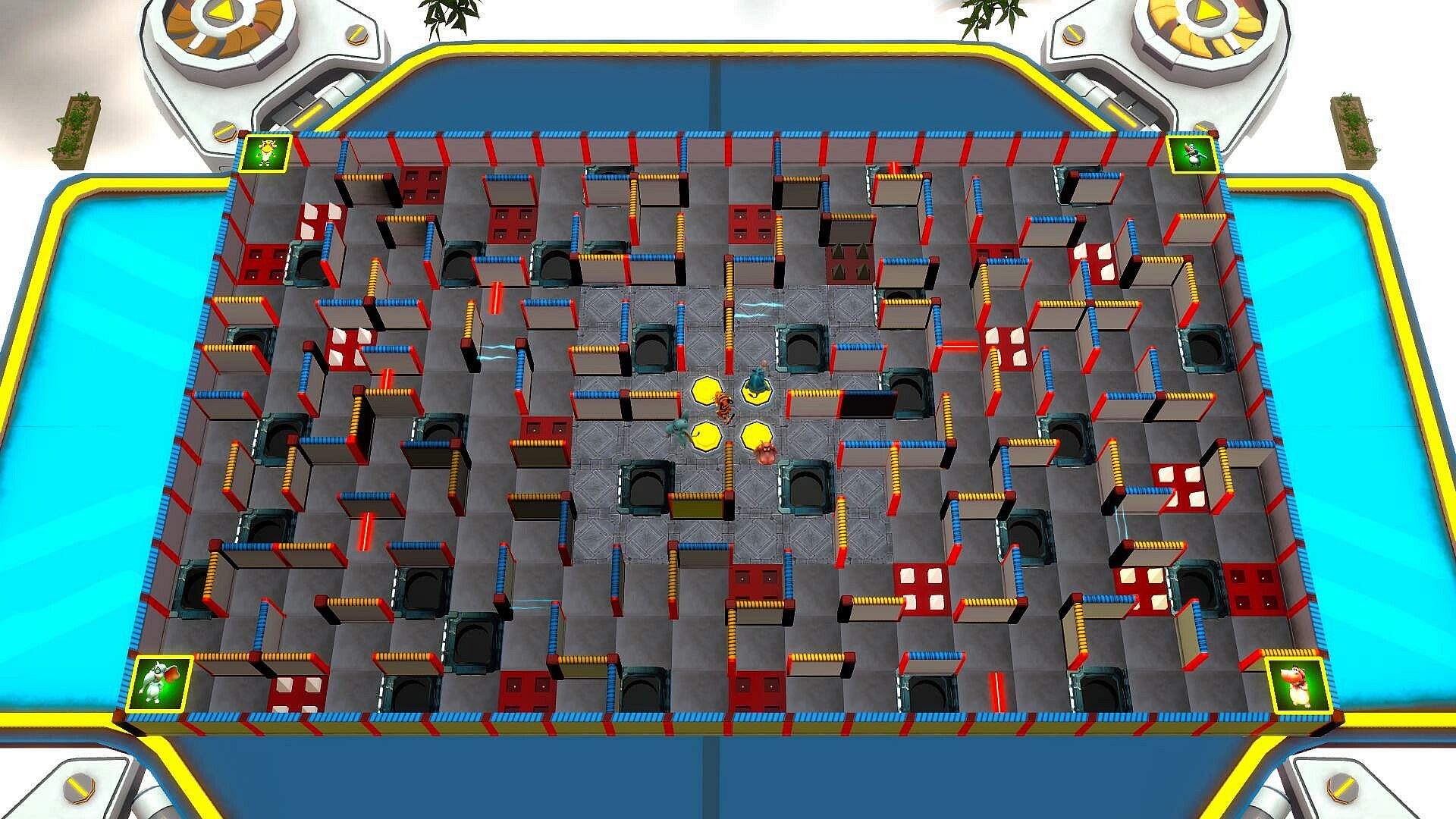
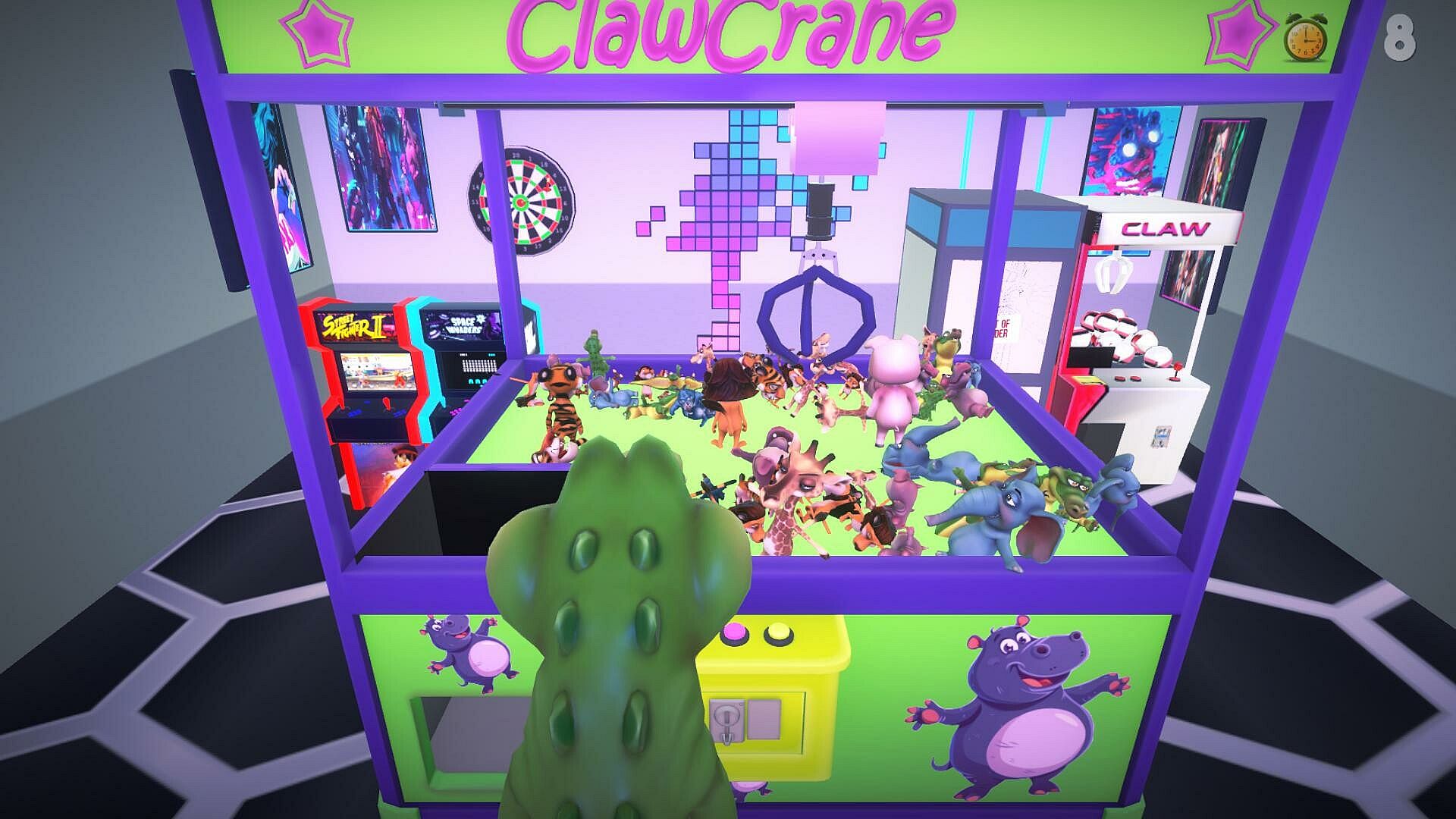
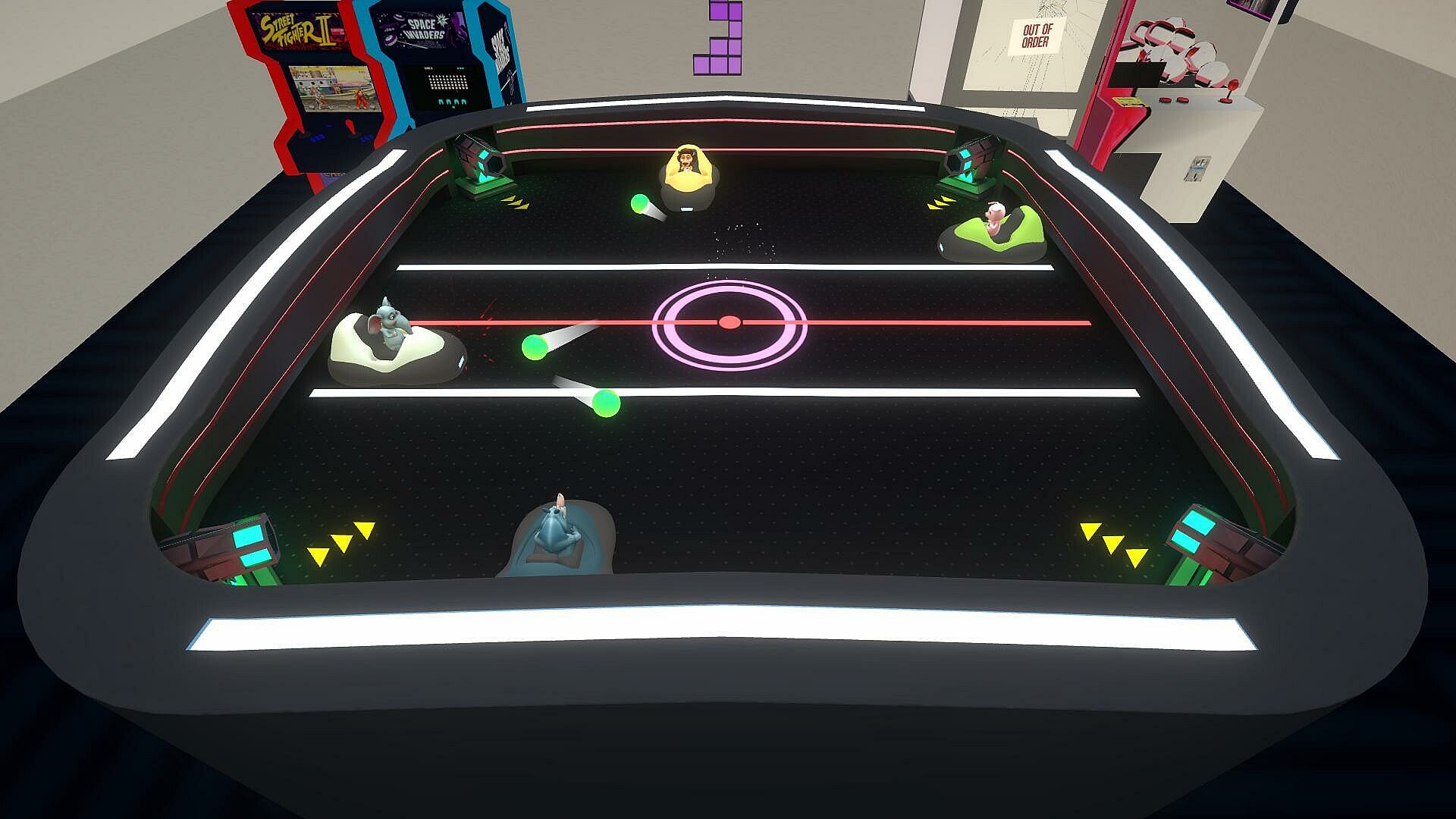
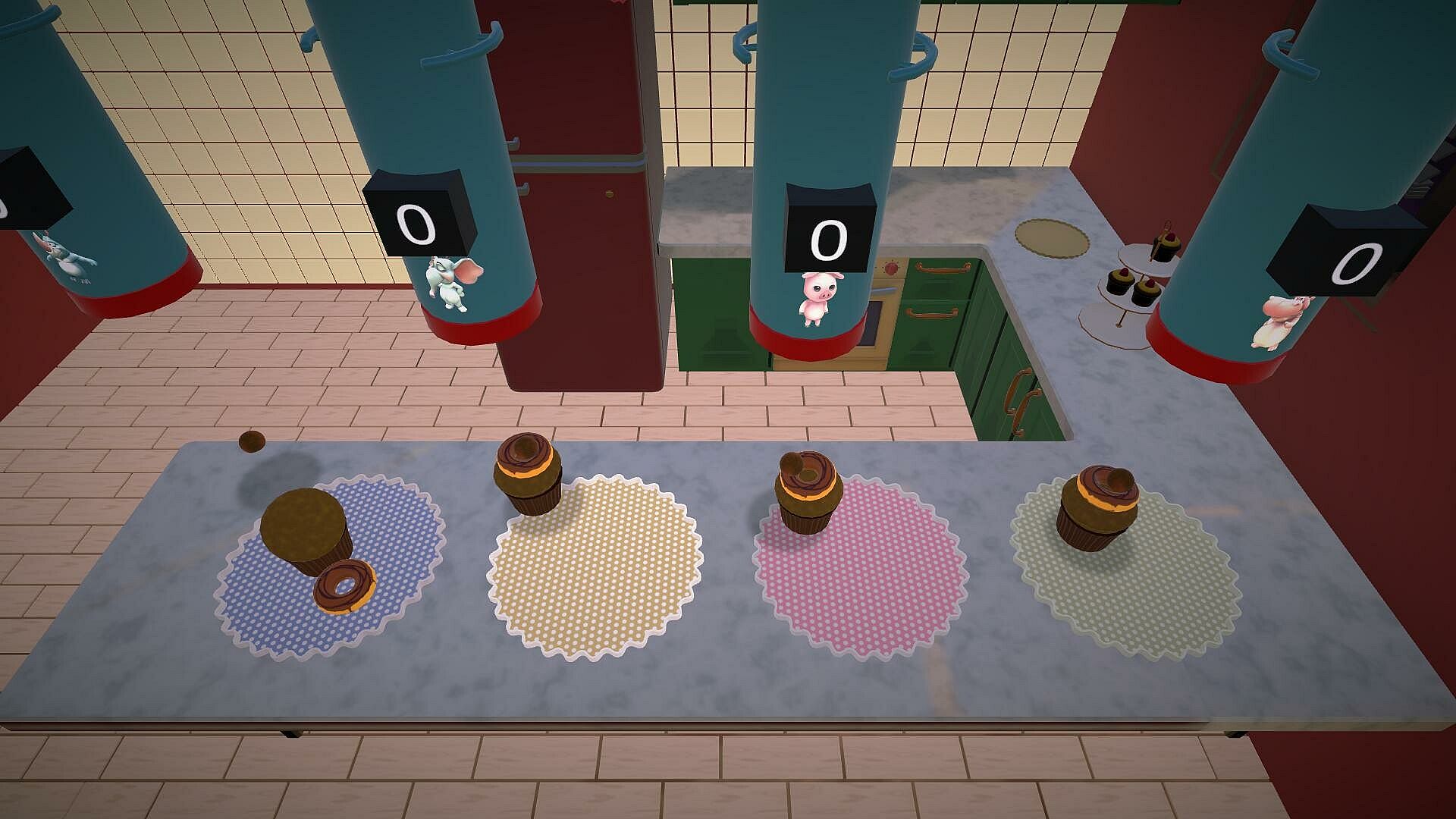
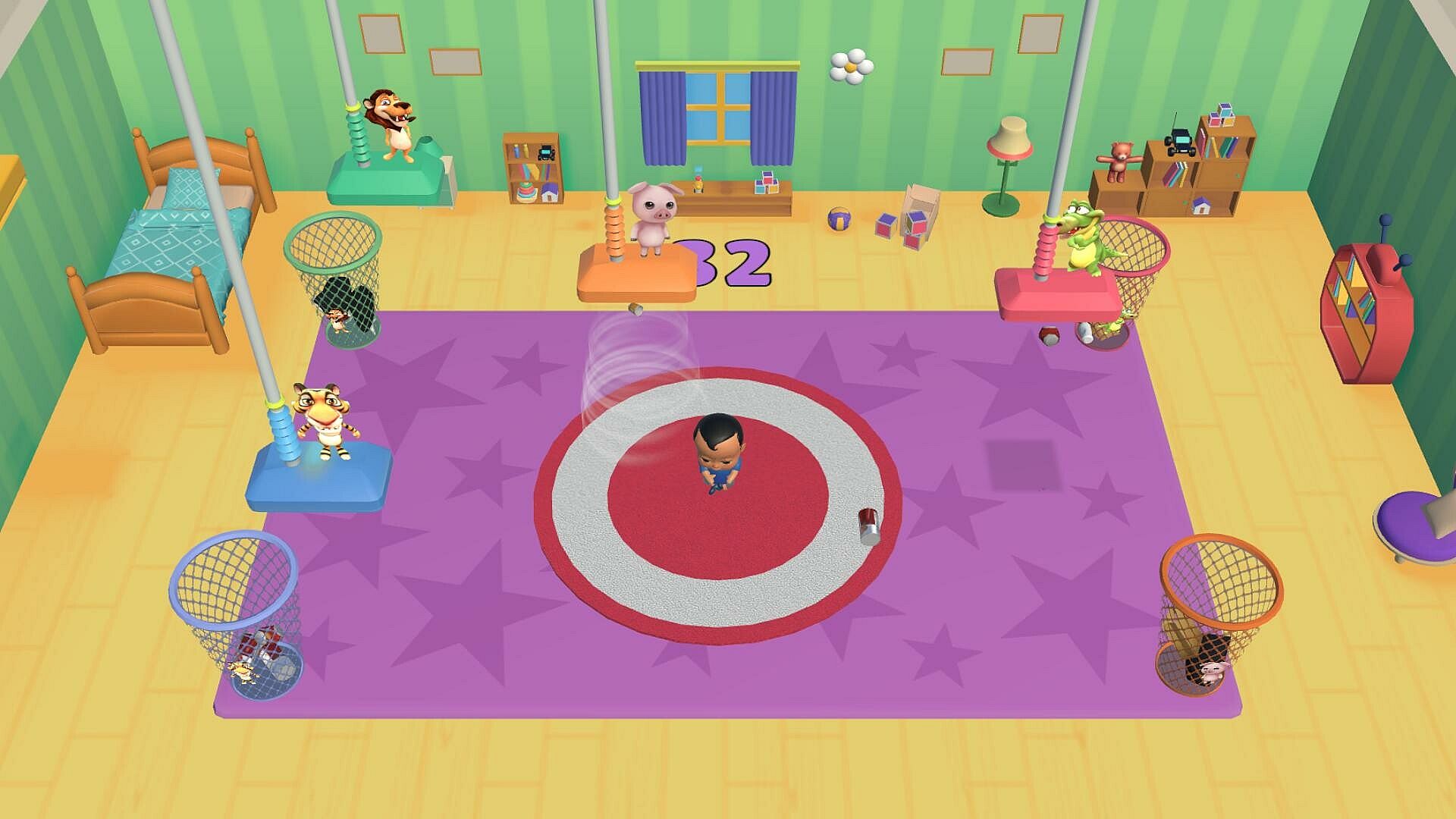
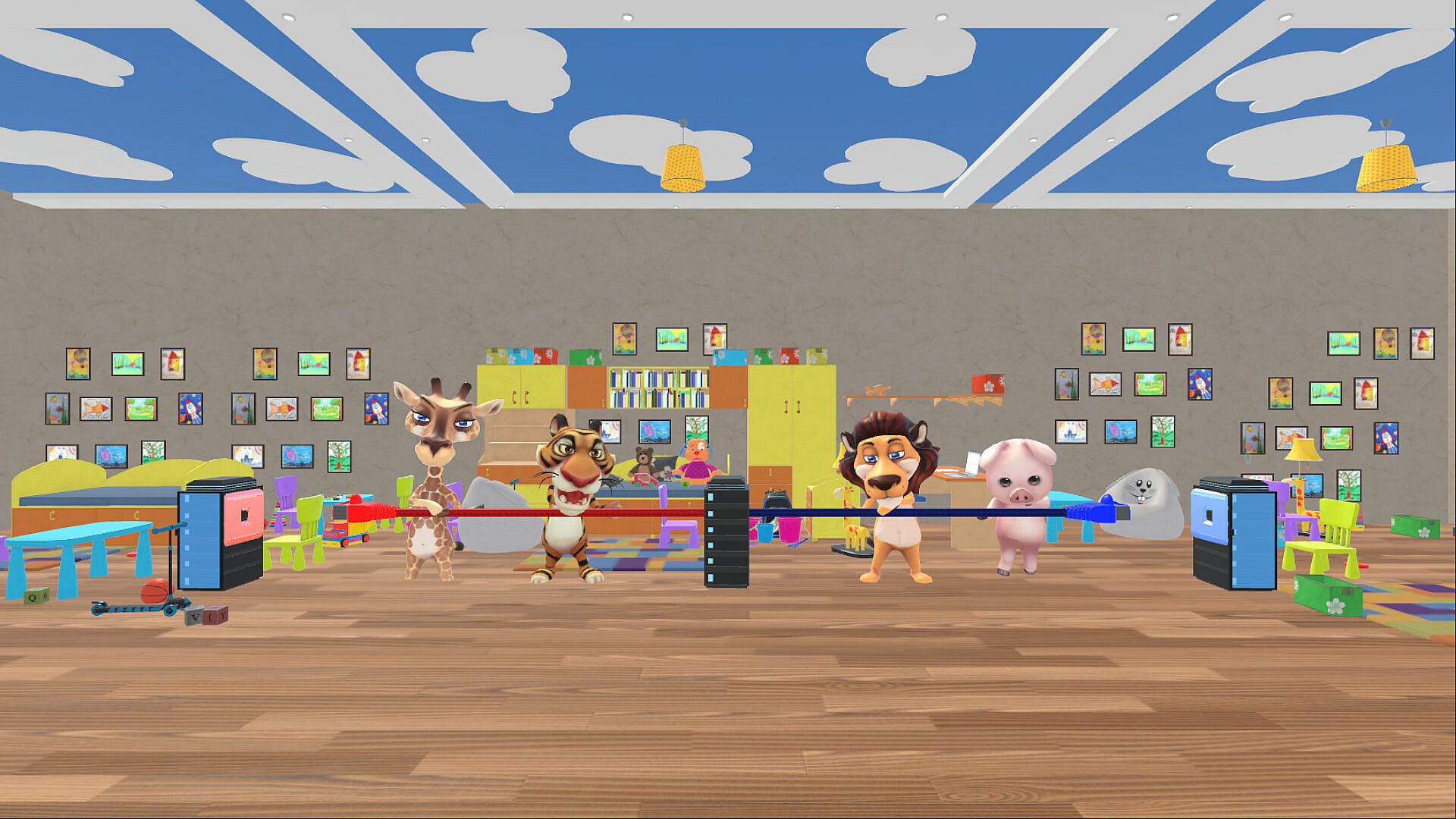
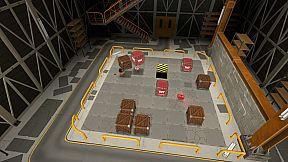
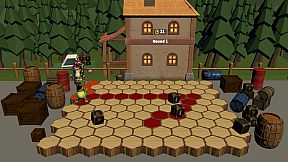
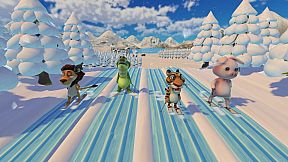
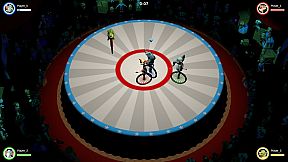
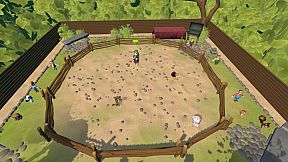
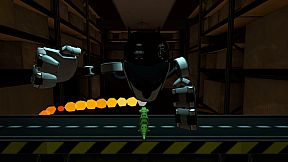
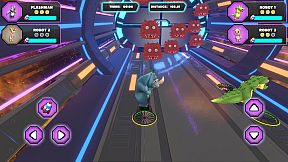
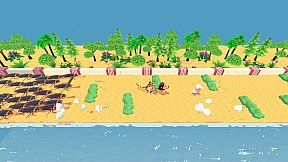
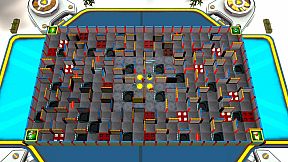
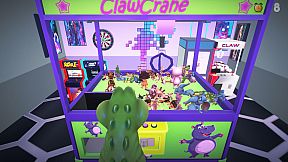
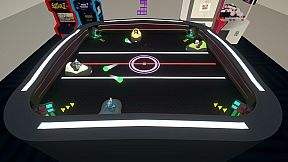
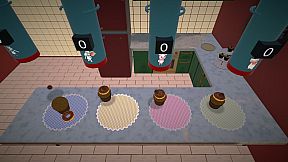
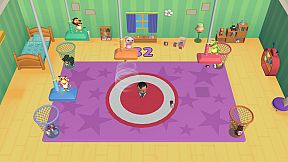
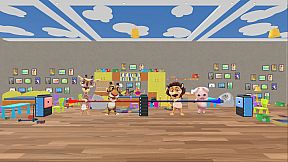
Minigames integrate directly into the board experience rather than serving as separate side activities. Examples include Aether Drift, where players pilot through a 3D space station while dodging aliens and racing to the finish; aMaze Memory, requiring quick navigation of a trap-filled maze before time expires; Bombastic, focused on precise timing to kick an exploding bomb away; BoomBox, involving armored boat combat with mines in a shifting arena; BullsOut, in which one player rides a bull to knock others out of a circular ring; and Crane Picker, pitting a claw-machine operator against runners inside a confined box. Additional challenges test memory sequences, fruit collection under falling hazards, sound-based kicking precision, team cable-pulling, robot assembly-line evasion, sonar dodging, obstacle running, ski-slope button mashing, cannonball timing, tire-based boosting, physics-based tower construction, and vacuuming scattered trash. Each minigame emphasizes different skills including reflexes, strategy, agility, and accuracy, ensuring variety across repeated plays.
Board Features and Strategy
Success depends on balancing aggressive gem gathering with defensive item use and minigame performance. Landing on stores or chests provides ongoing advantages, while avoiding or exploiting cracked tiles and hidden gifts adds layers of risk and reward. The combination of fixed and free movement options encourages different approaches: fixed routes favor quick decisions at junctions, whereas free routes reward foresight in path optimization. Mates amplify movement potential and provide passive income, making their collection a worthwhile secondary objective alongside crown purchases. Events and battles introduce unpredictability that can shift standings late in a session.
Is It Worth Playing?
Steam user reviews stand at 97 percent positive from forty ratings, reflecting appreciation for the accessible party format and minigame variety. The game suits groups seeking short-to-medium sessions of competitive board play mixed with quick challenges, as well as individuals wanting solo practice against AI. Cross-platform support extends potential opponents, and the complete feature set remains available without further cost. At a modest price point it functions well as an occasional multiplayer diversion or casual single-player option, particularly for players who enjoy resource management layered onto party-game structures. Those preferring high-production visuals or deeper strategic systems may find it lighter, yet the consistent positive feedback indicates reliable entertainment value for its intended audience of two to four participants.