














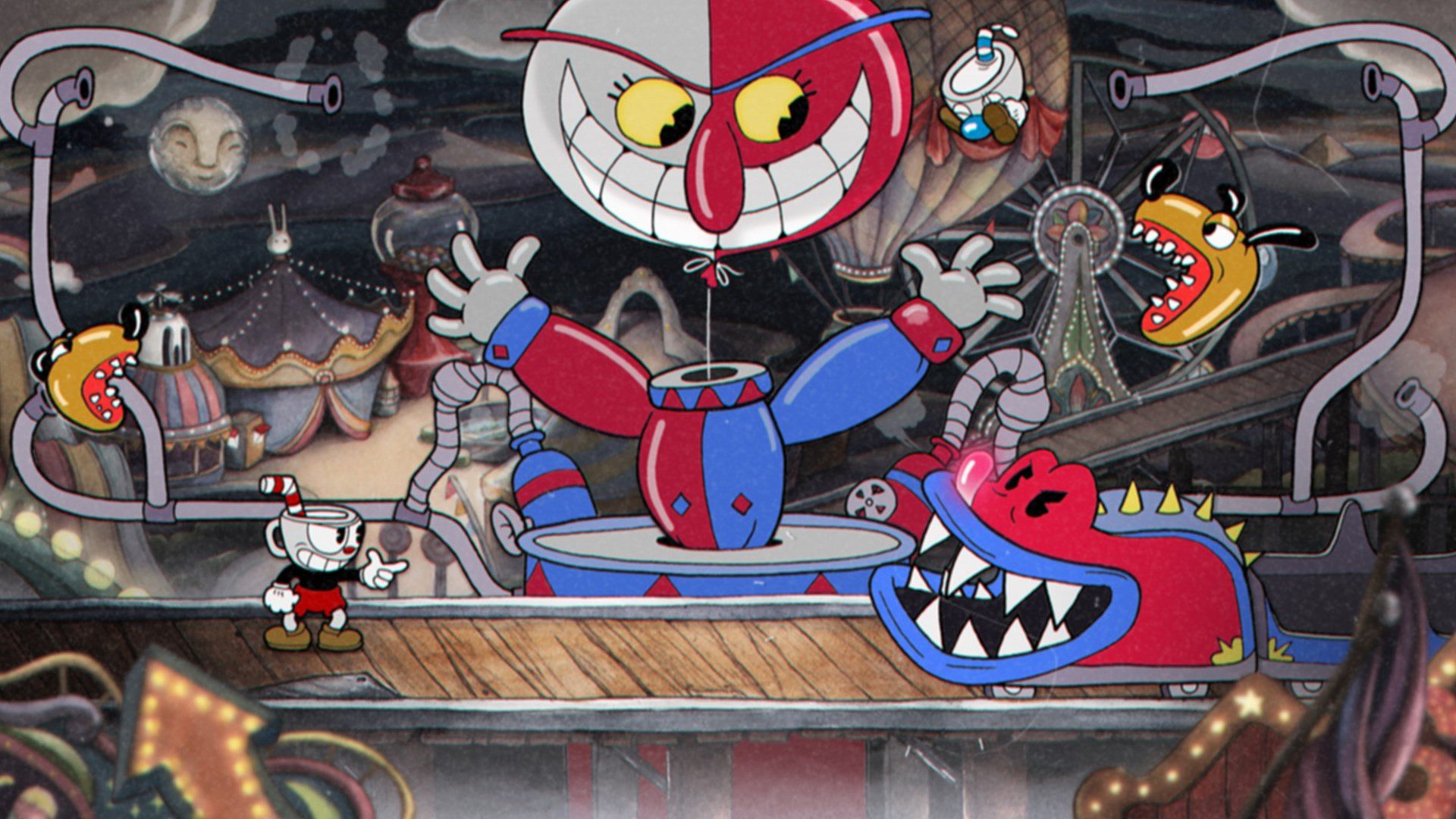
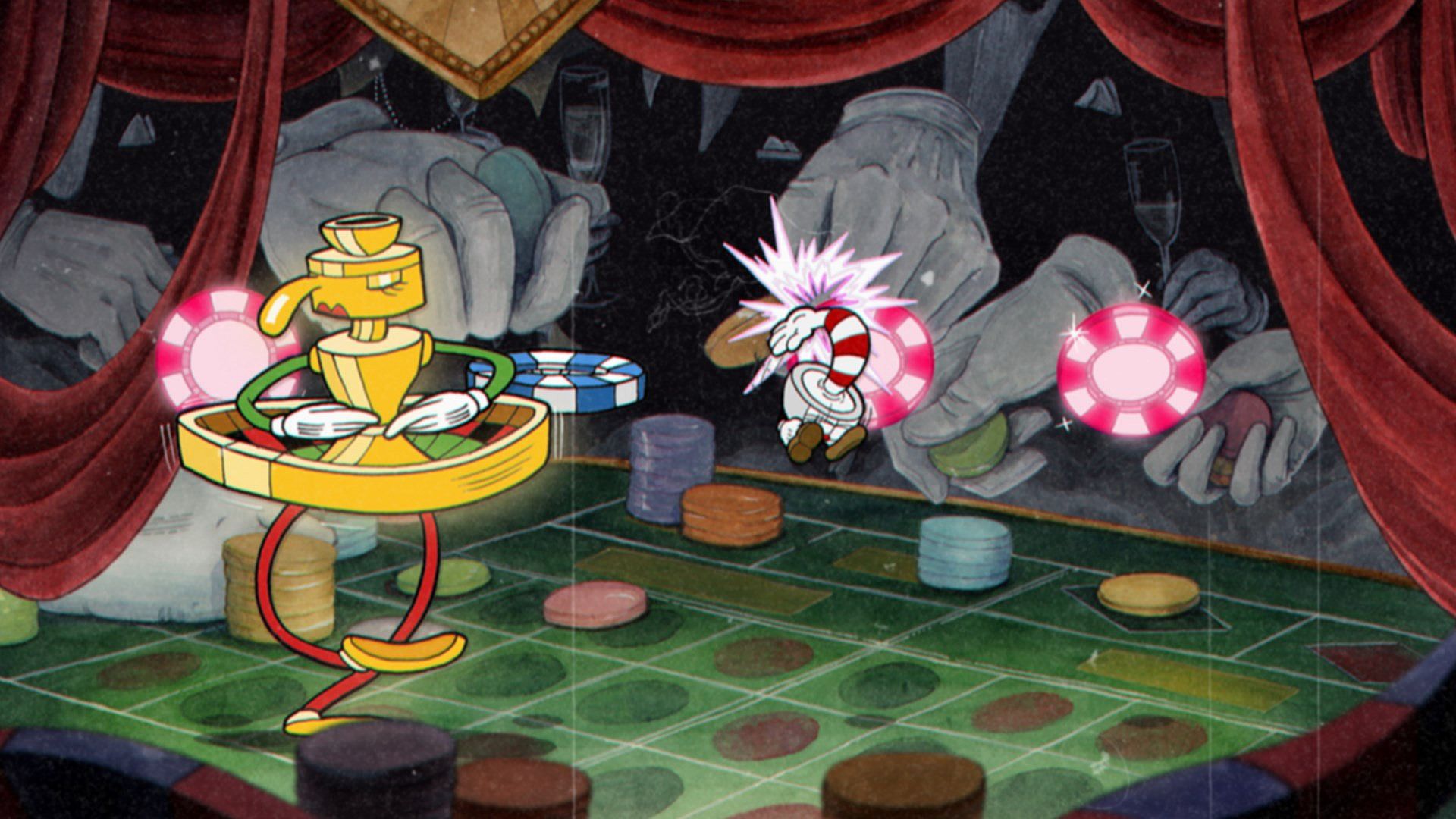
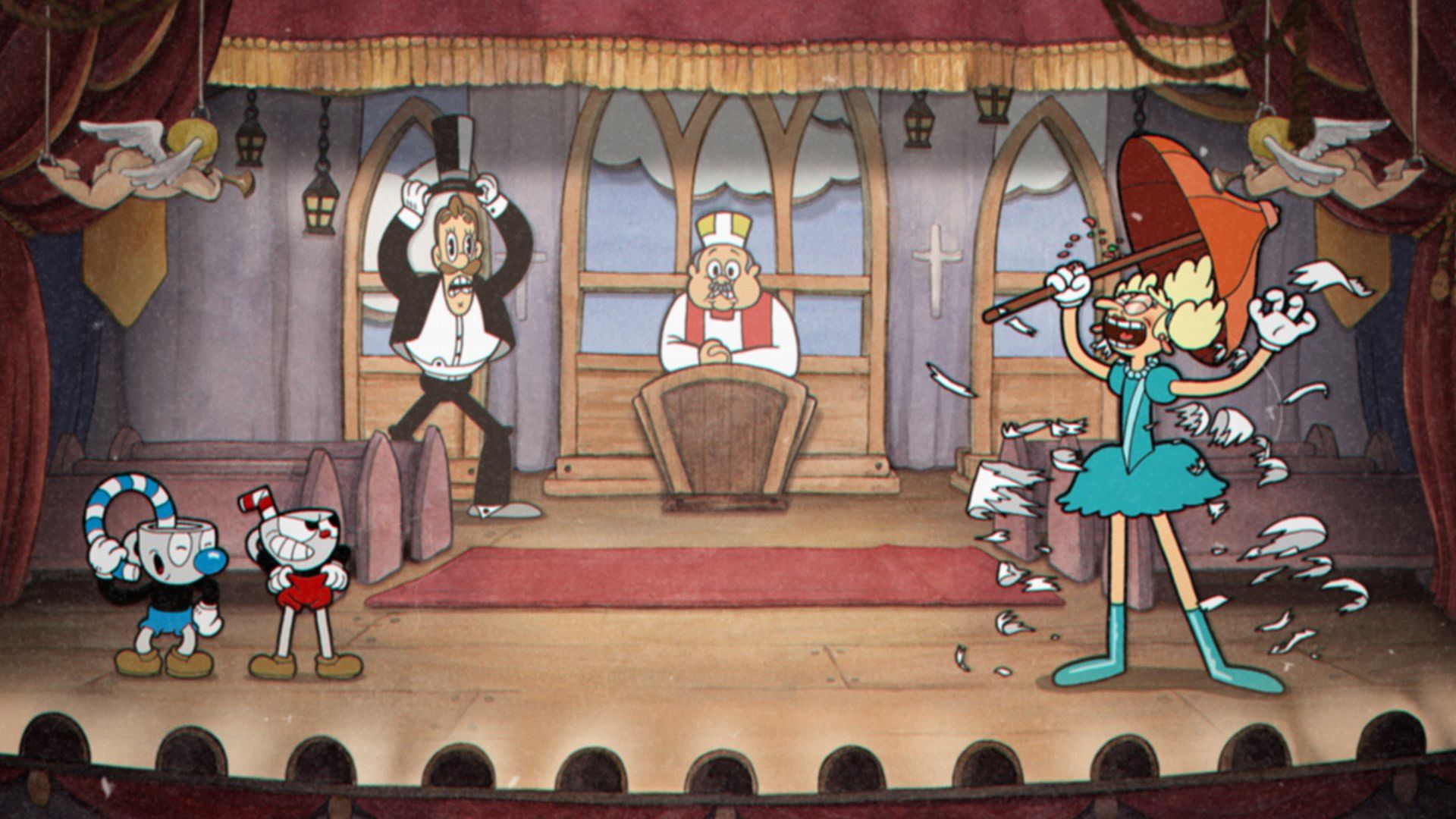
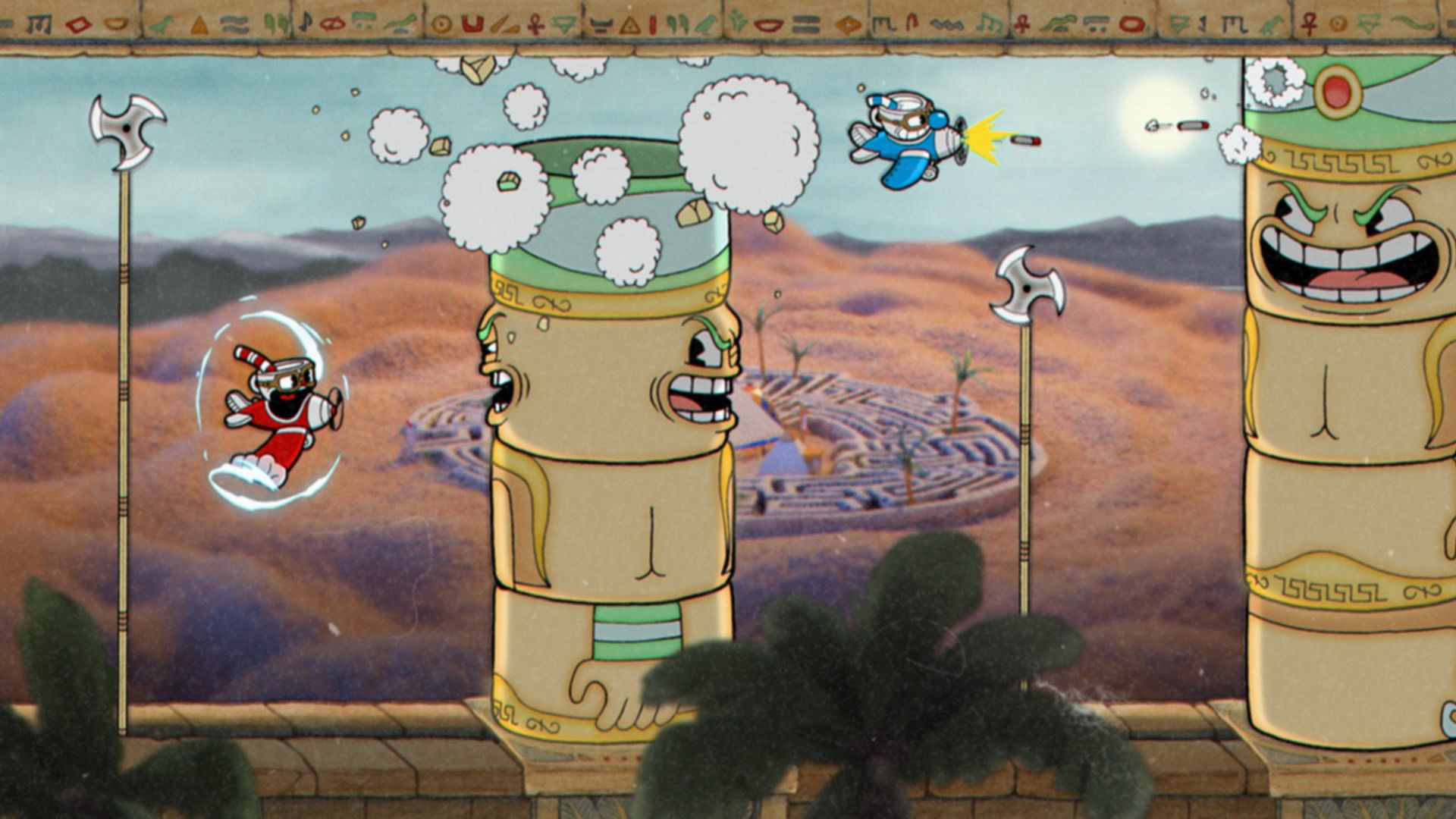
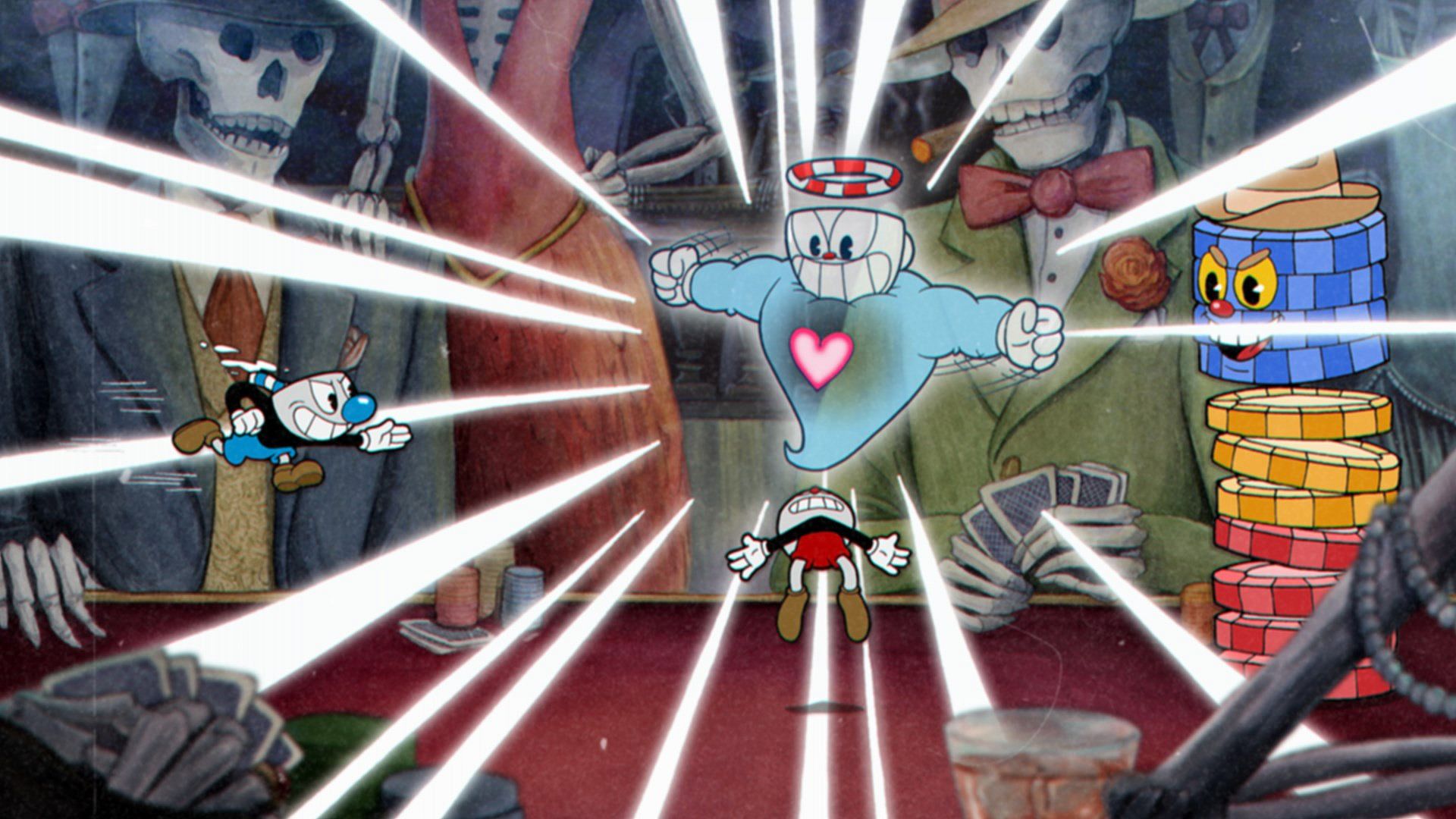
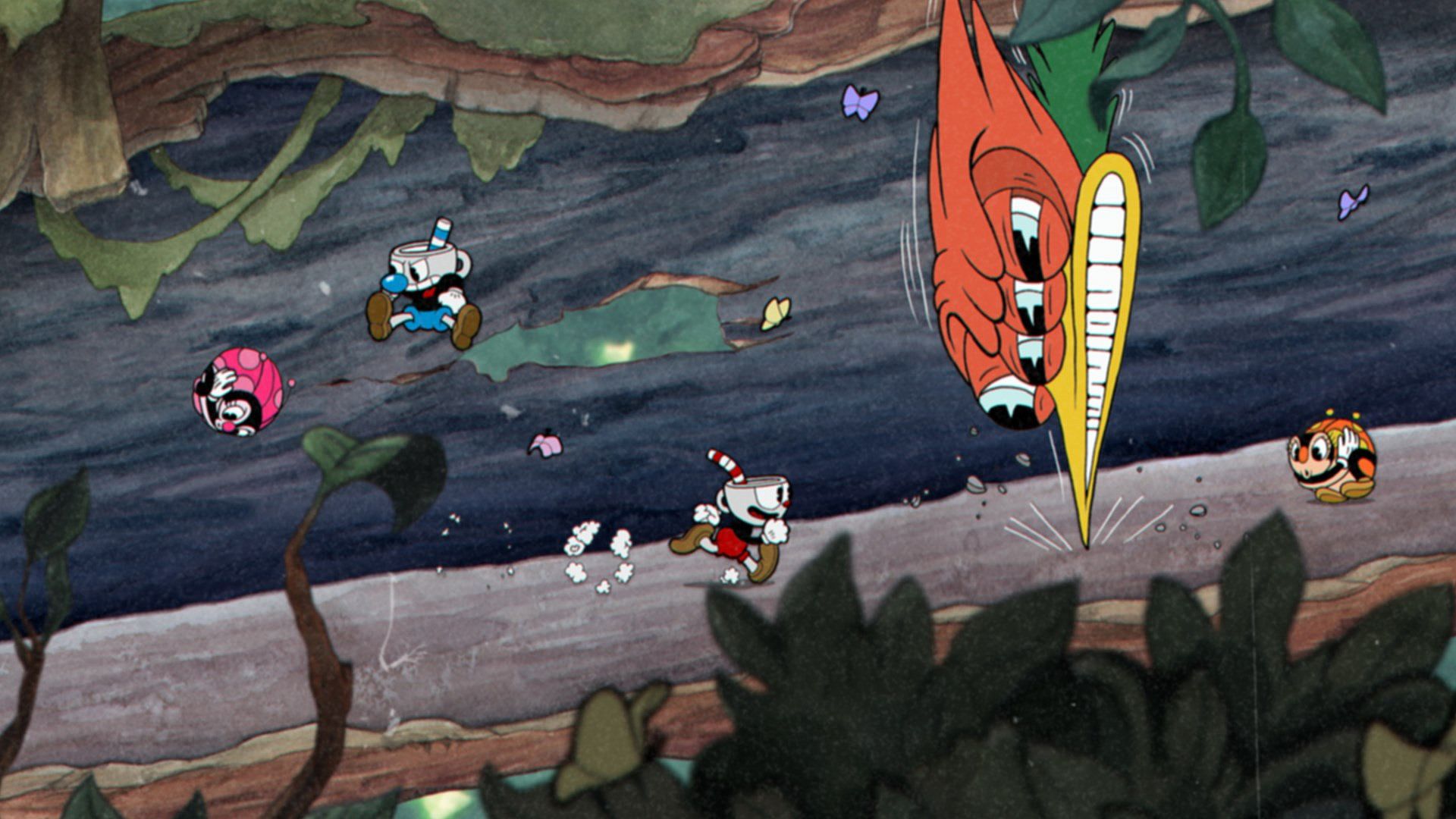
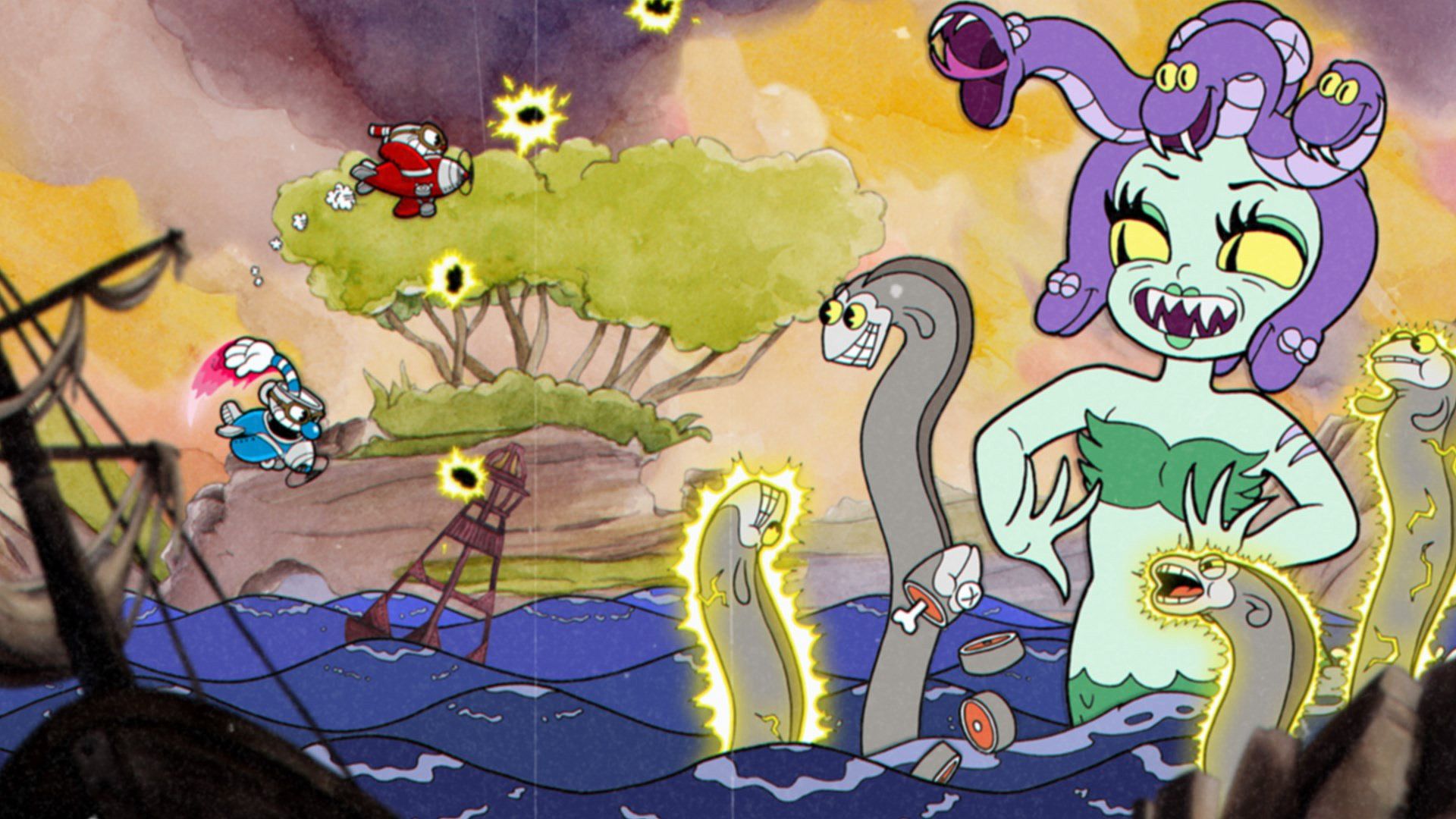
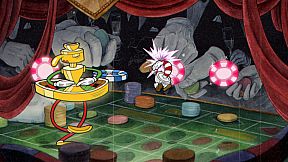
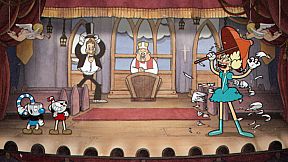
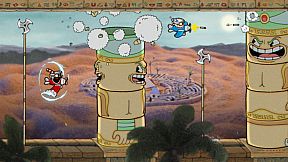
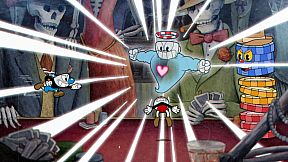
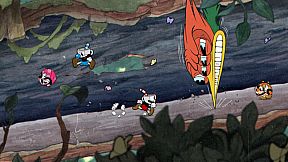
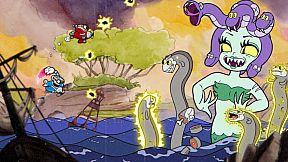
Cuphead stands out as a run and gun action game that places its emphasis squarely on intense boss encounters. Developed with a strict adherence to 1930s animation techniques, the title uses hand-drawn cel animation for characters, watercolor backgrounds for environments, and original jazz recordings for its soundtrack. Players take control of Cuphead or Mugman to explore interconnected worlds while collecting soul contracts to settle a debt with the devil.
Gameplay
The core loop revolves around side-scrolling movement combined with shooting and dodging. Most progression happens through boss fights that feature multiple phases, where enemies change forms and introduce new attack patterns. These encounters demand precise timing and pattern recognition rather than raw reflexes alone. Between major confrontations, shorter run and gun stages let players collect coins by navigating platforming sections filled with enemies and hazards.
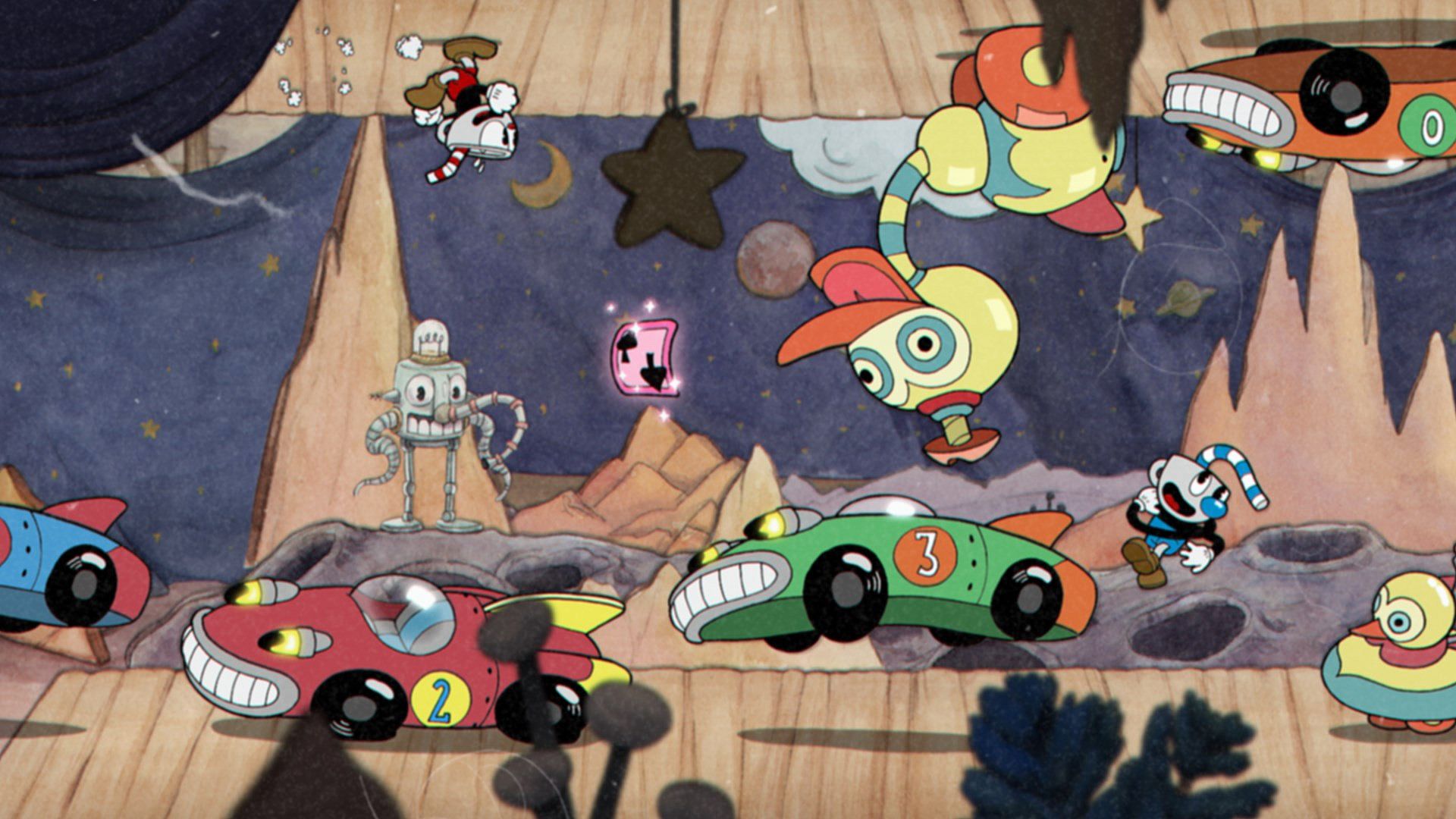
A parry mechanic allows players to slap pink objects or attacks to build a super meter. Filling this meter unlocks powerful super moves that deal heavy damage or clear the screen. Weapons can be swapped on the fly, and new ones become available through a shop system funded by coins earned in the run and gun levels. Charms provide additional passive abilities that alter playstyle. The game grants infinite lives while preserving all acquired equipment and progress upon death, which keeps the focus on learning rather than repetition of earlier sections.
An overworld map connects the levels in a branching structure. Players move between islands and hidden areas, choosing the order of challenges to some degree. This setup encourages exploration for secrets and optional content without forcing a linear path.
Game Modes
Cuphead supports single-player sessions where one character handles all tasks. Local co-op lets a second player join as the other brother on the same screen, sharing the same boss fights and levels. Both modes use the same core systems, with co-op allowing one player to focus on parries or support while the other handles primary shooting.
Most boss fights include three difficulty settings: simple, regular, and expert. Simple mode reduces certain attack complexities for accessibility, while expert increases speed and adds new patterns. The final bosses omit the simple option. Run and gun stages remain consistent across difficulties but reward higher scores and coins on tougher settings.
Visuals and Audio Design
Every frame adheres to traditional animation principles from the 1930s, including rubber-hose limbs, exaggerated expressions, and fluid motion. Backgrounds use layered watercolor paintings that scroll independently to create depth. The jazz soundtrack features live recordings with brass, piano, and percussion that sync to on-screen action, shifting tempo and intensity during boss phases.
These elements combine to produce a consistent aesthetic across all stages. Character designs draw from vintage cartoon tropes while introducing original creatures and machines that fit the era's style. Sound effects emphasize punchy impacts and cartoonish reactions that match the visual tone.
Is It Worth Playing?
Cuphead delivers a focused experience centered on mastering boss patterns and platforming precision. Its difficulty curve rewards persistence and observation, making it suitable for players who enjoy challenging action games with clear feedback on mistakes. Local co-op adds a cooperative layer that can ease some encounters or introduce friendly competition in scoring.
The game remains available on Xbox and PC with its full content intact, including the base campaign and later expansion. No ongoing seasonal content or live service elements apply, so the experience stays exactly as released. Those drawn to retro-inspired visuals paired with demanding combat will find consistent engagement across its worlds. Players seeking lighter platformers or online multiplayer may find the local-only co-op and steep learning curve less appealing. Overall, the title suits dedicated sessions where learning attack sequences leads to satisfying victories.