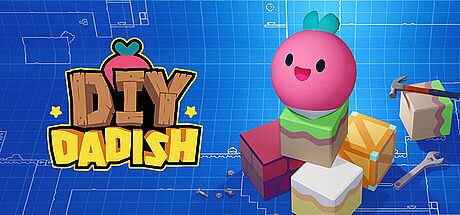


DIY Dadish is an action, indie, and adventure game on PC that centers on user-generated platforming content built around the radish dad character. Players design custom levels, add dialogue, and share their work while exploring creations from others in a community-driven experience.
Gameplay
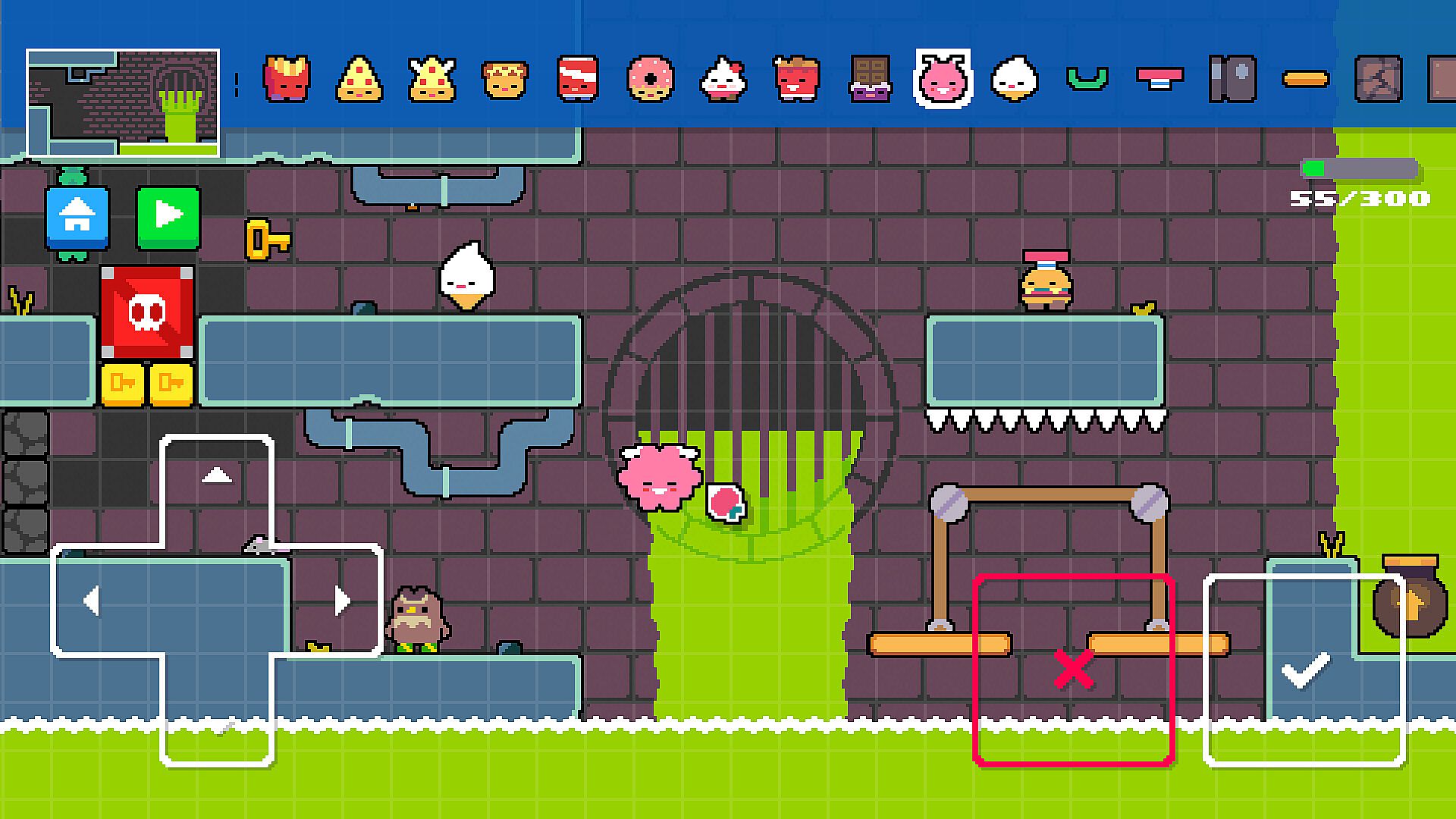
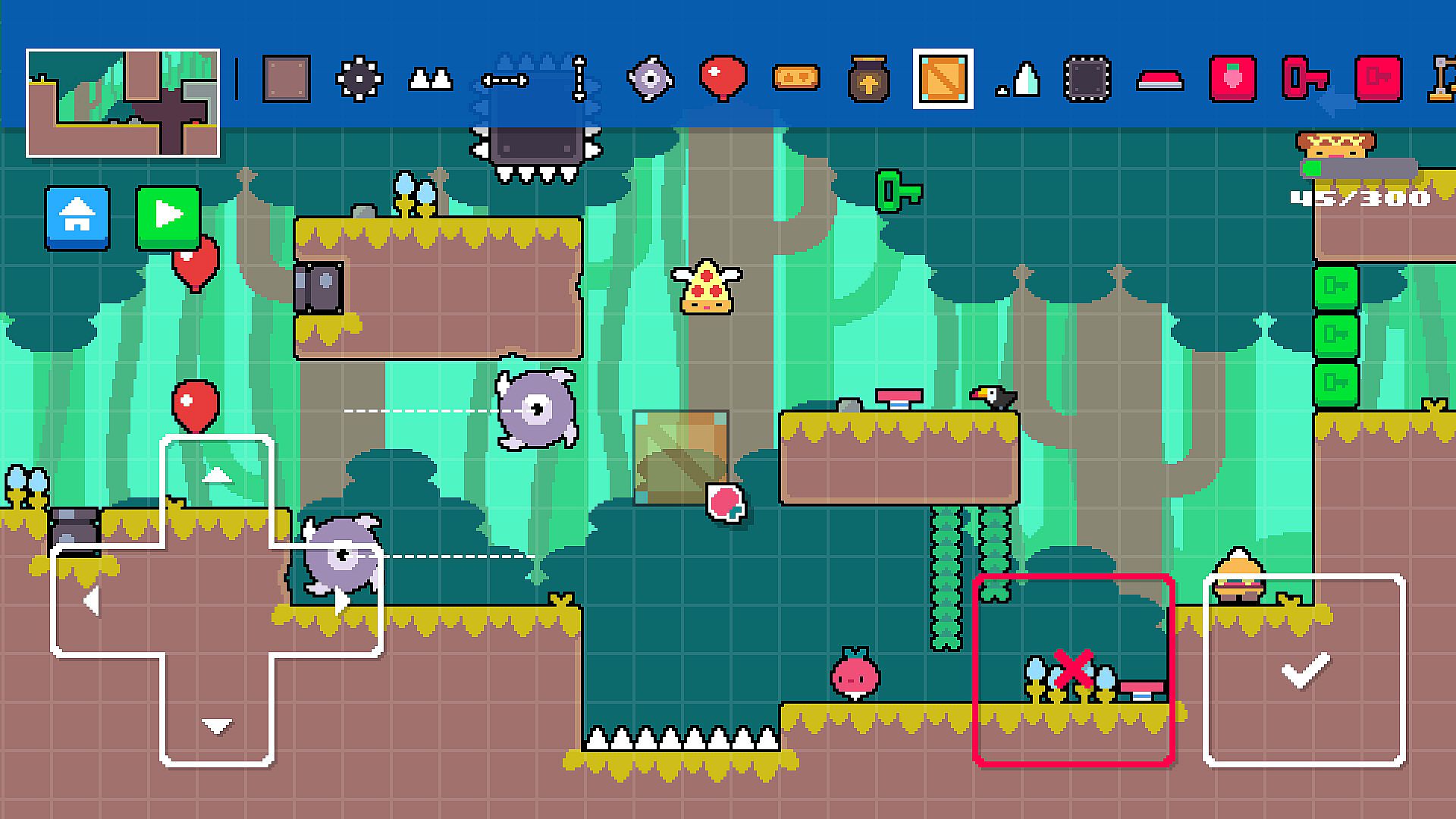
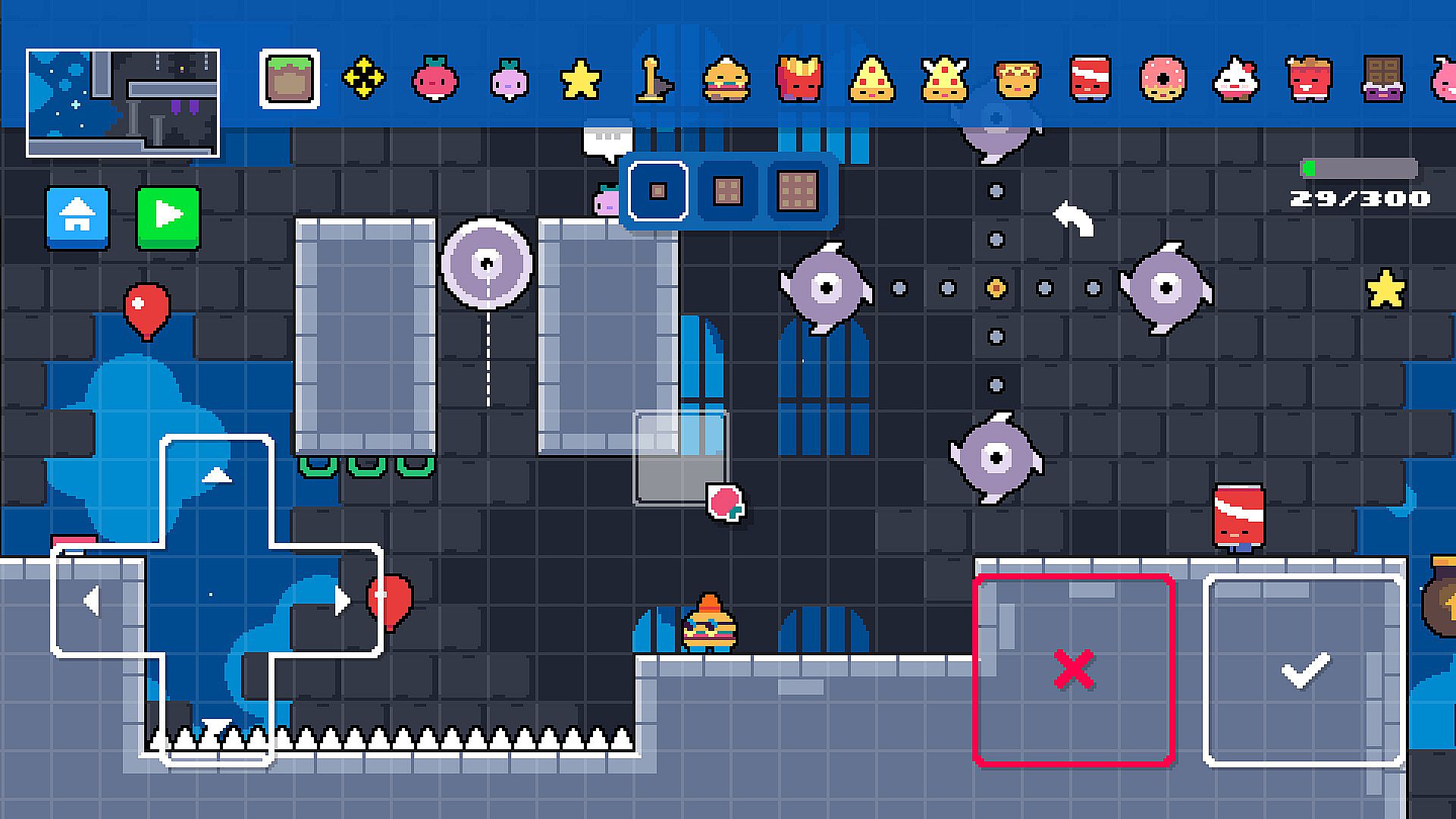
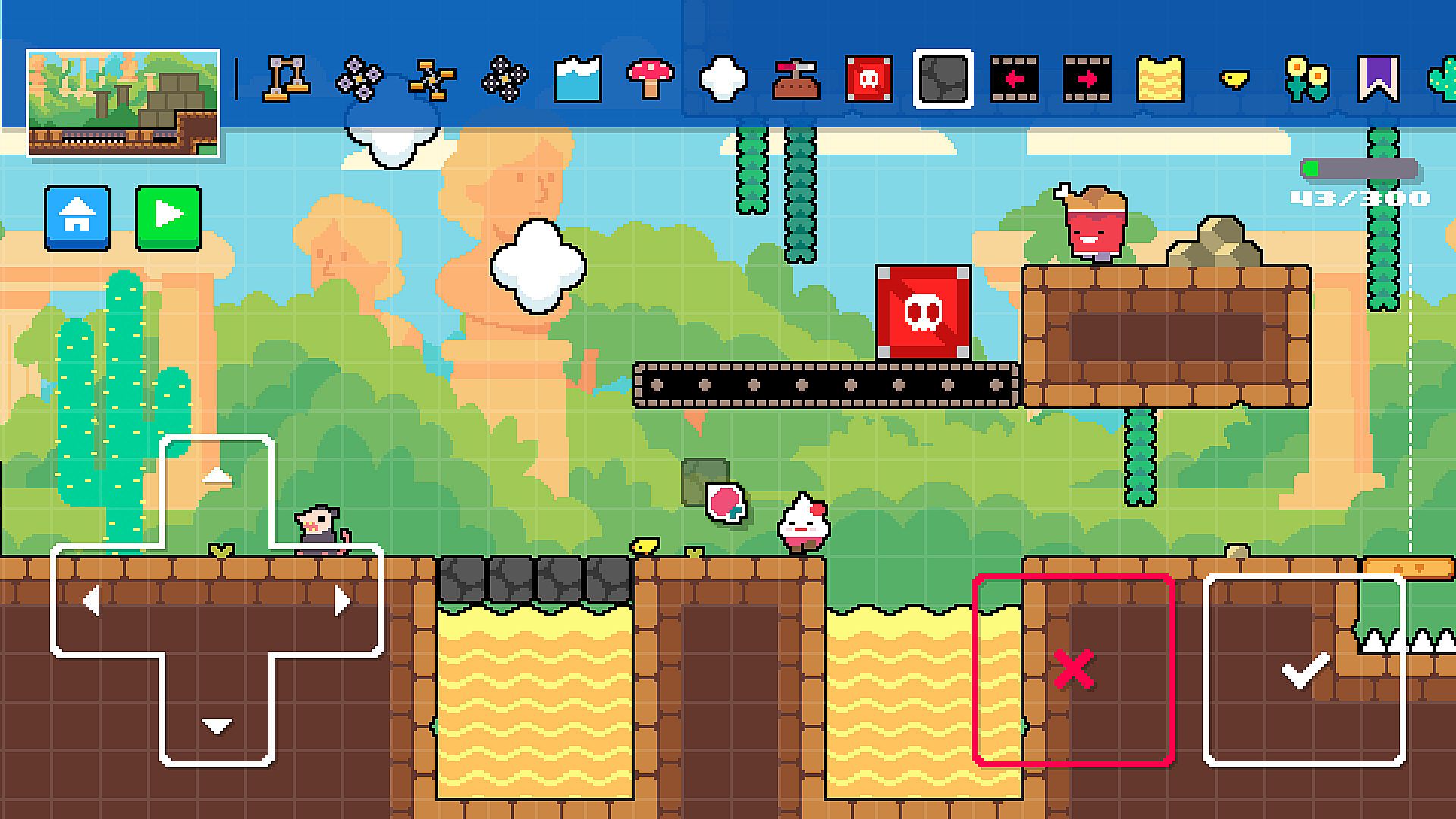
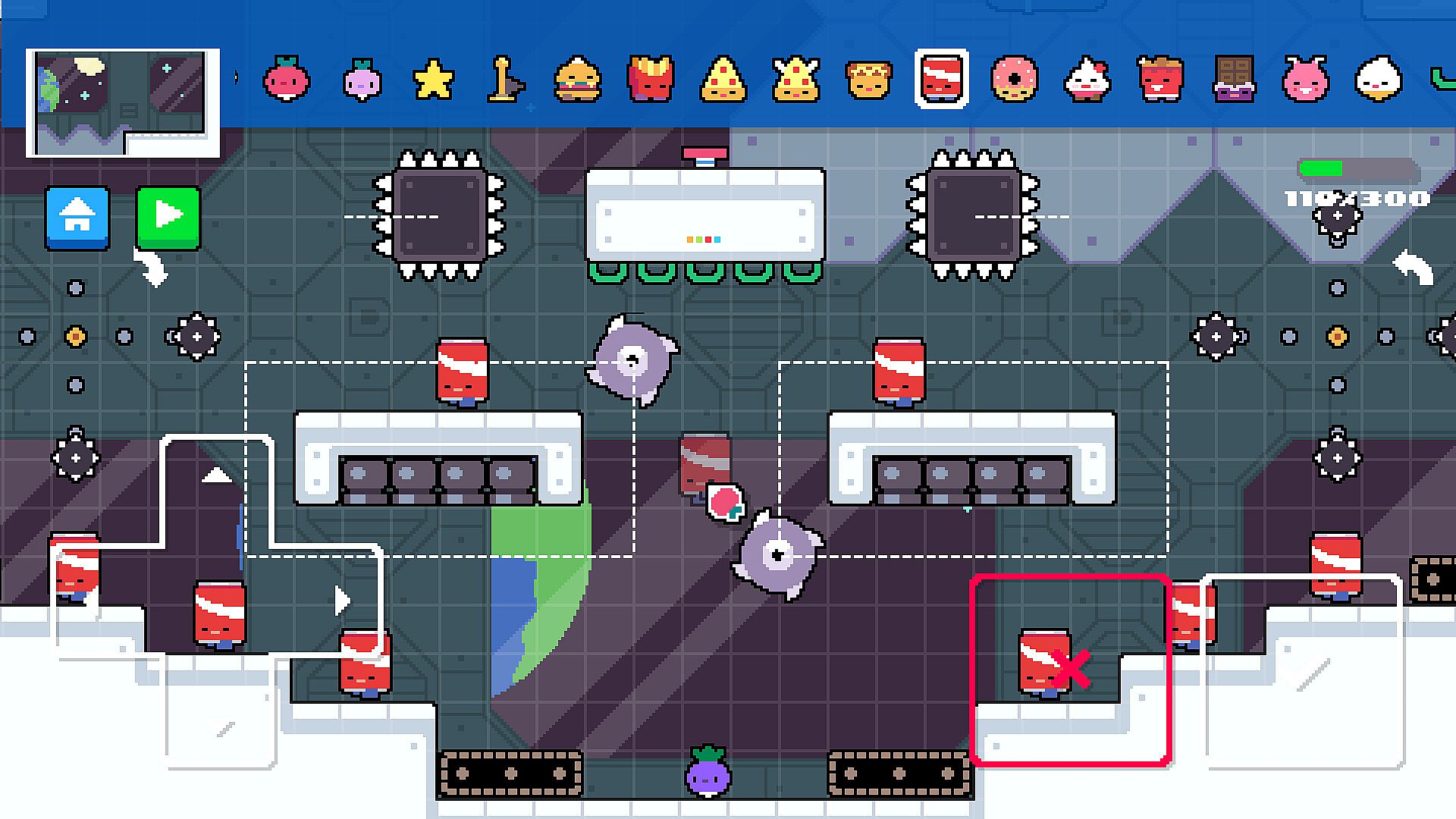
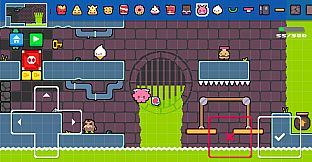
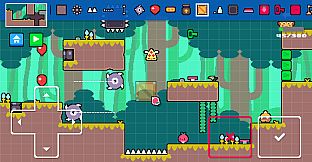
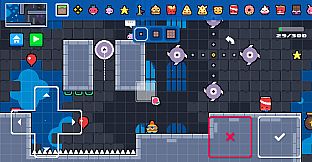
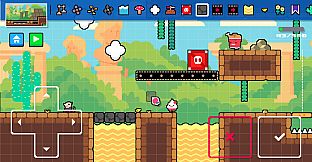
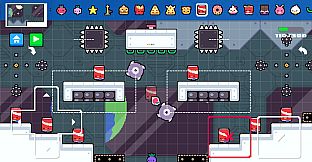
The core loop revolves around building platforming stages with a simple editor interface suited to younger players and long-time fans alike. Over 100 placeable objects fill each stage, including exploding soda cans, hostile hamburgers, spikes, saws, cannons, and additional hazards that create varied challenges. Fifteen different level themes provide visual variety, while twelve playable characters let creators swap in different protagonists for each run.
Dialogue tools allow writers to script funny exchanges between Dadish and his kids at key points in a level. These conversations add personality without requiring advanced scripting knowledge. The editor keeps controls straightforward so new users can place elements, adjust layouts, and test runs quickly.
Platforming remains the foundation, with precise jumps, enemy avoidance, and object interactions forming the basis of every stage. Creators test their designs in real time before finalizing them for sharing.
Game Modes
Level creation serves as the primary activity. Players start with a blank canvas and populate it using the available objects and themes to form complete adventures. The process supports both short, simple stages and more complex sequences with multiple hazards.
Sharing lets creators upload finished levels for others to download and play. Friends or global users can access these stages directly through the built-in browser. Playing community levels forms the second half of the experience, turning the game into an ongoing collection of user-made content.
No traditional single-player campaign exists. Instead, the focus stays on the cycle of building, sharing, and discovering new stages that keeps the adventure fresh through constant additions from the player base.
Level Design Features
The editor includes enough variety to support different play styles. Basic hazards like spikes and saws handle core platforming difficulty, while interactive items such as cannons and exploding cans introduce timing and positioning elements. Themes change backgrounds and overall atmosphere without altering core mechanics.
Character selection adds replay value to completed stages. Switching protagonists can alter how a level feels even when the layout stays the same. Dialogue creation gives each stage a personal touch that reflects the creator's sense of humor.
Younger players benefit from the streamlined placement tools that avoid complex menus or advanced options. The same system scales for experienced users who want to experiment with denser obstacle arrangements across the fifteen themes.
Is It Worth Playing?
DIY Dadish appeals most to players who enjoy creative platformers and community content. The combination of easy-to-use tools and a wide selection of objects supports both quick experiments and detailed builds. Those who like the original Dadish games will find familiar elements in the platforming and character interactions.
Reception centers on its accessibility for all ages and the endless supply of new stages through sharing. Some levels stand out for clever design while others remain basic, matching the range expected from user-generated content. The game suits anyone seeking a relaxed way to engage with platforming mechanics without a fixed story or set progression.
Overall it delivers a solid option for families or solo creators who value building and exploring over polished single-player campaigns. The focus on simple controls and sharing keeps the experience approachable and ongoing.