












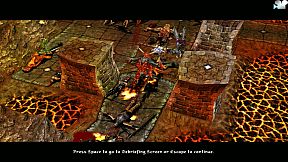
Dungeon Keeper 2 is a real-time strategy game centered on dungeon management where players construct and defend an underground lair against invading heroes. Released originally in 1999 and reissued on modern platforms, the title places emphasis on building infrastructure, recruiting sinister creatures, and expanding an evil empire through careful resource allocation and tactical defense.
Gameplay
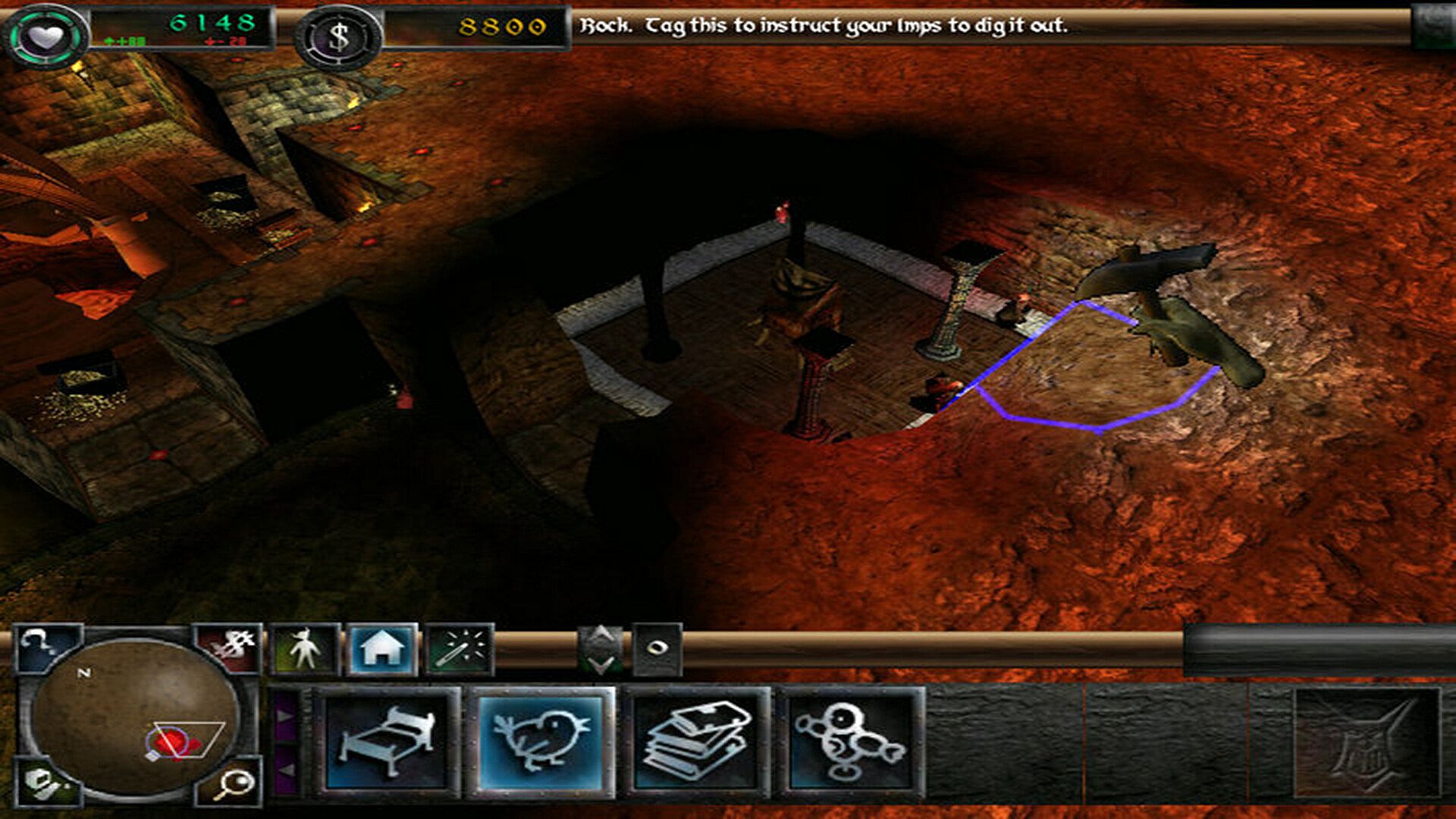
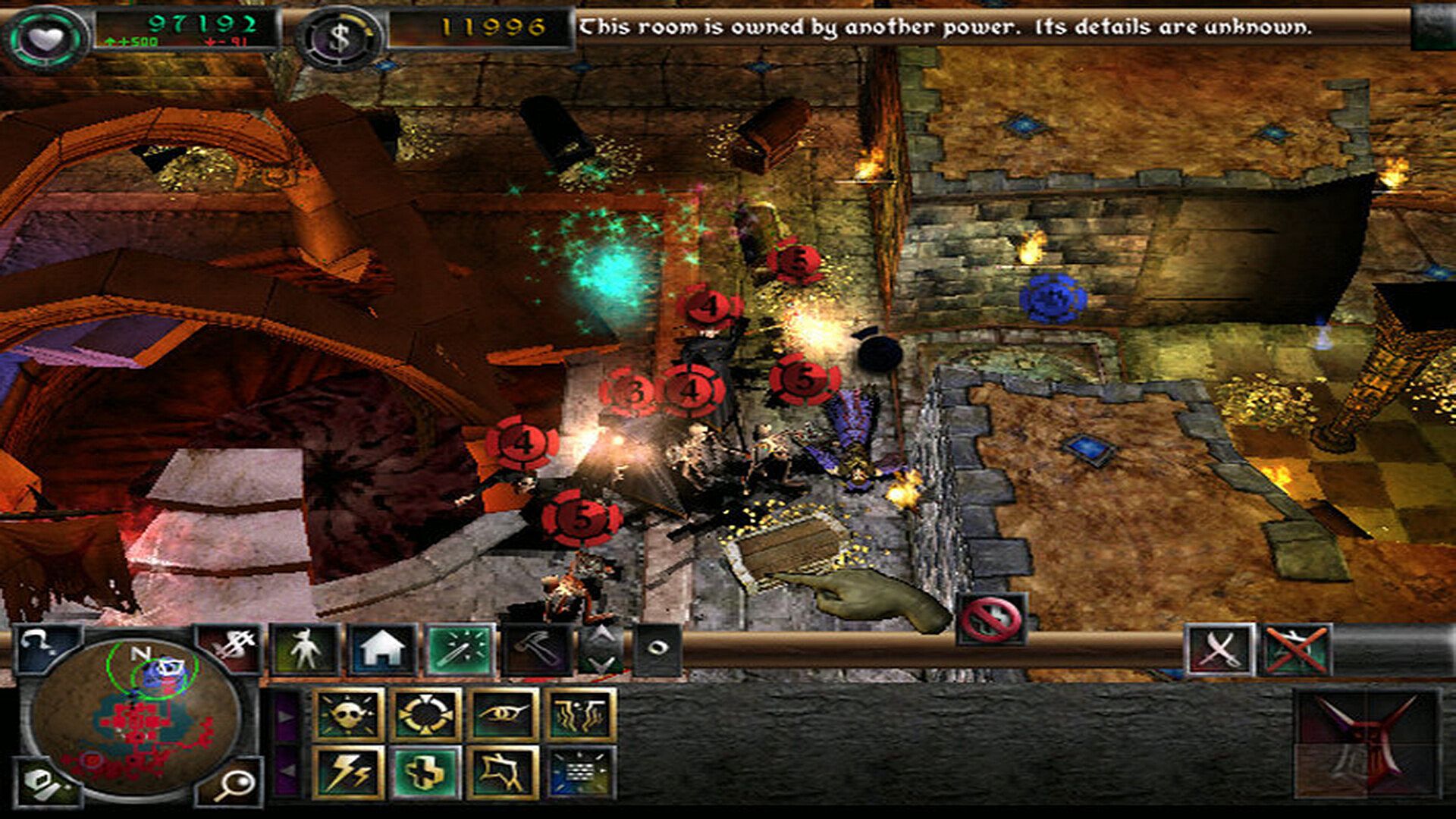
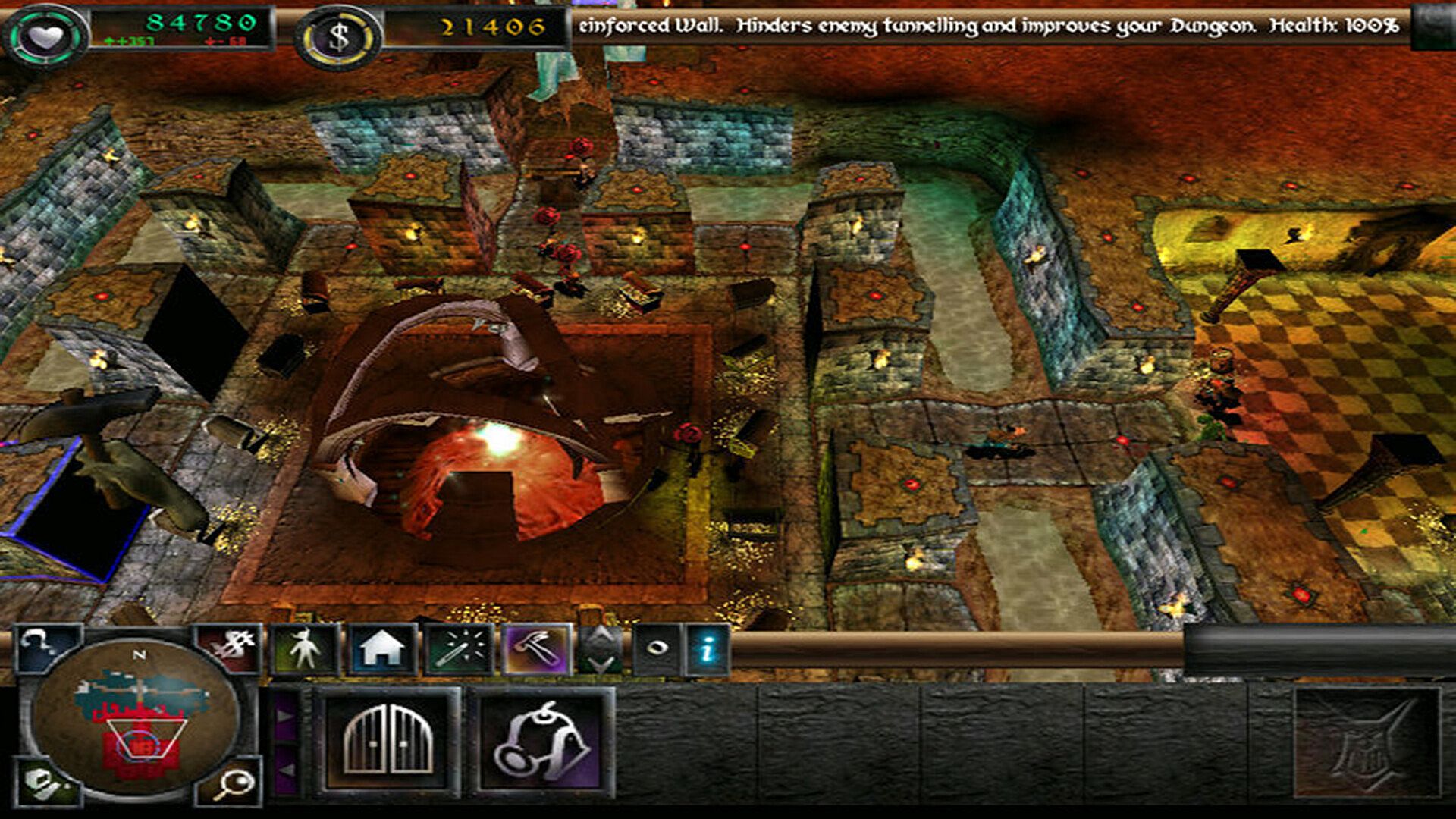
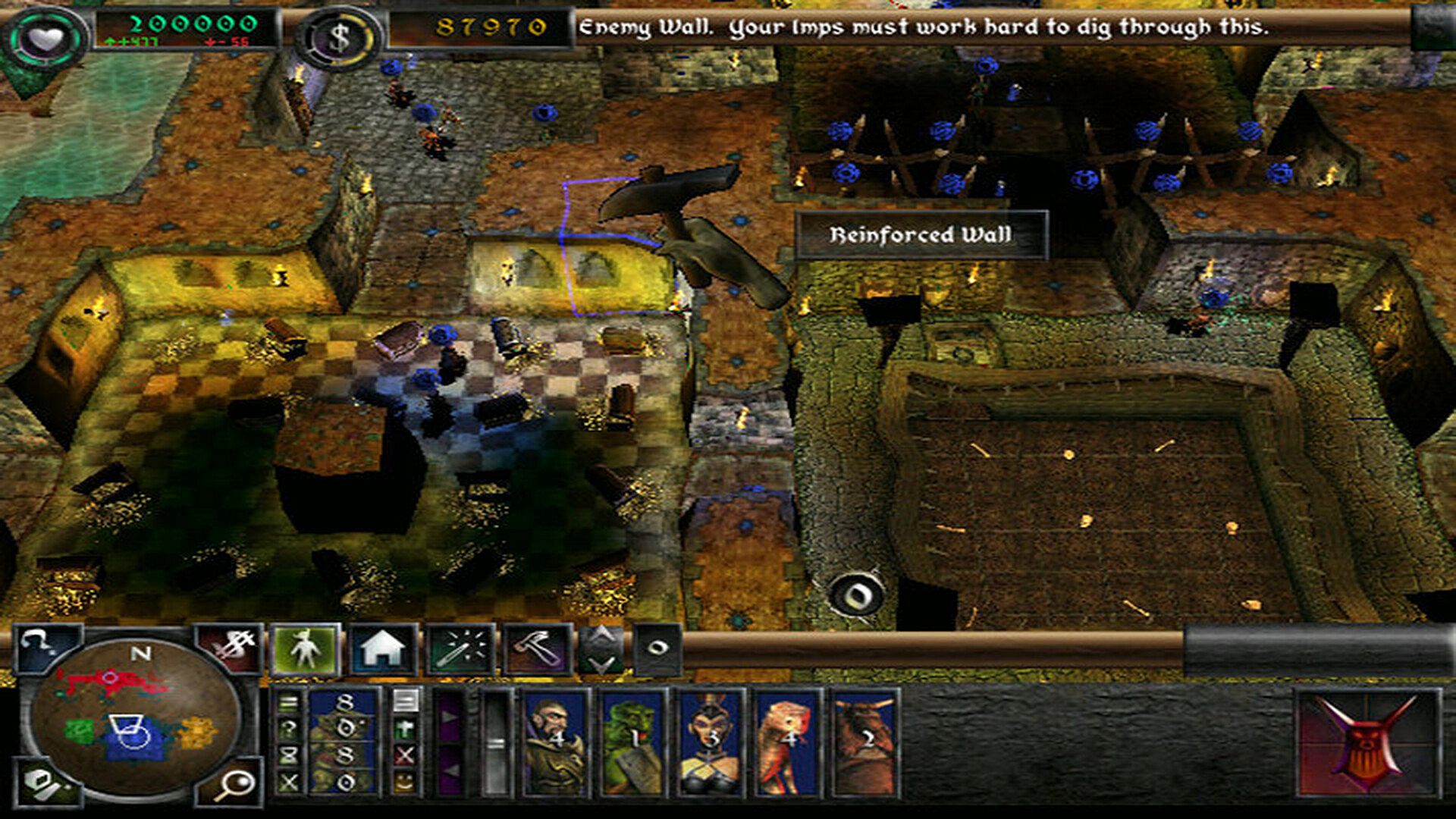
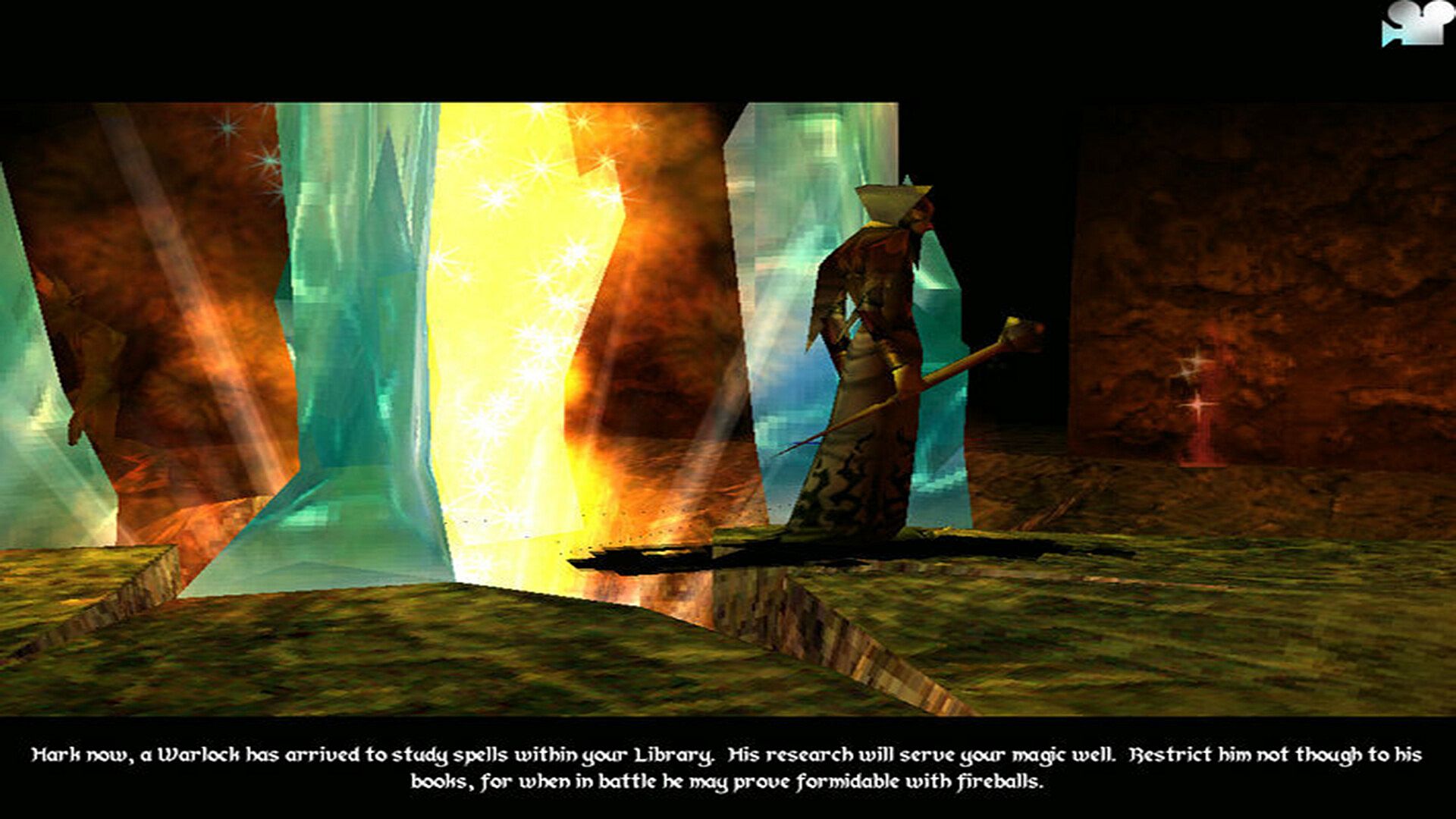
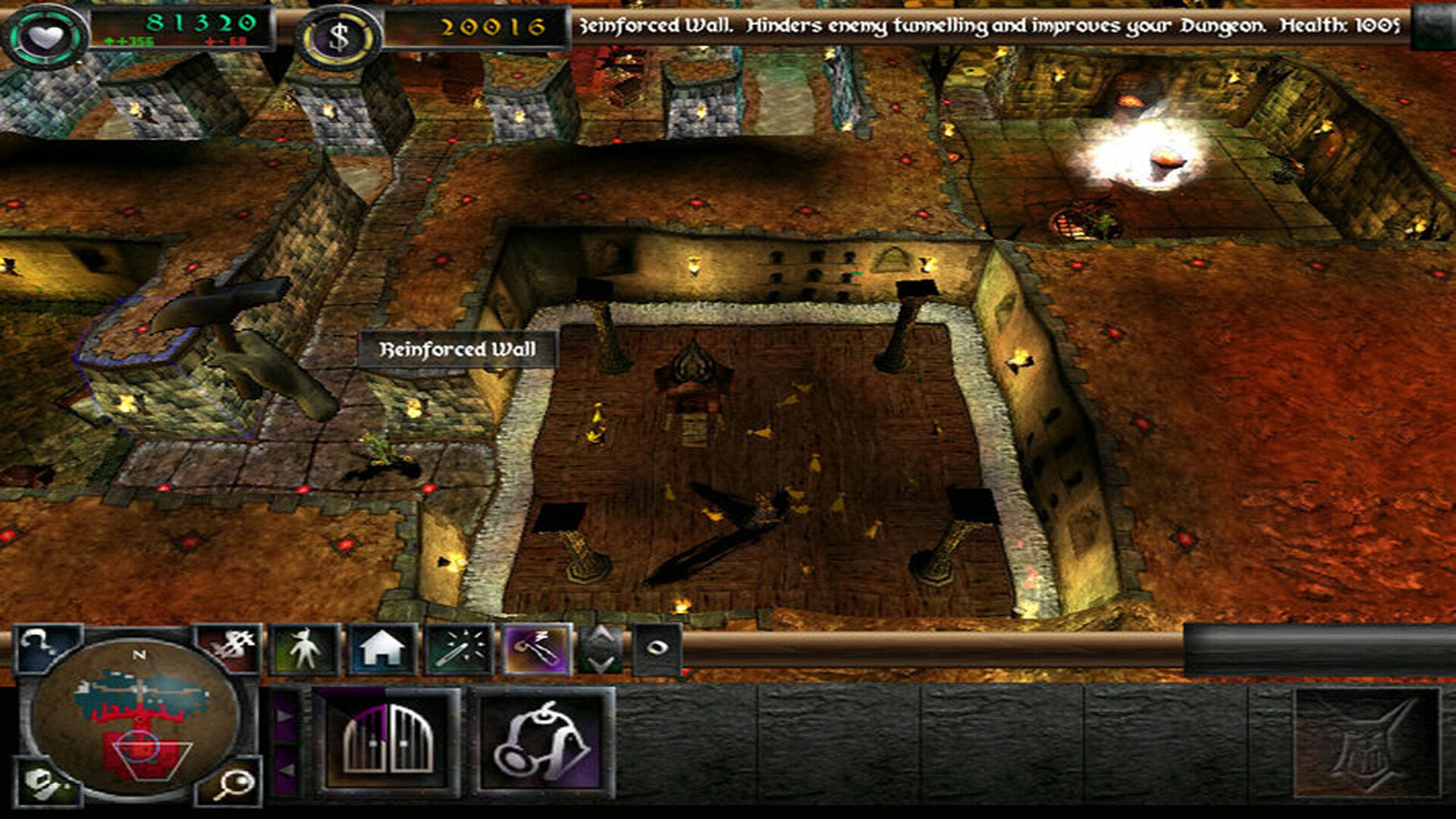
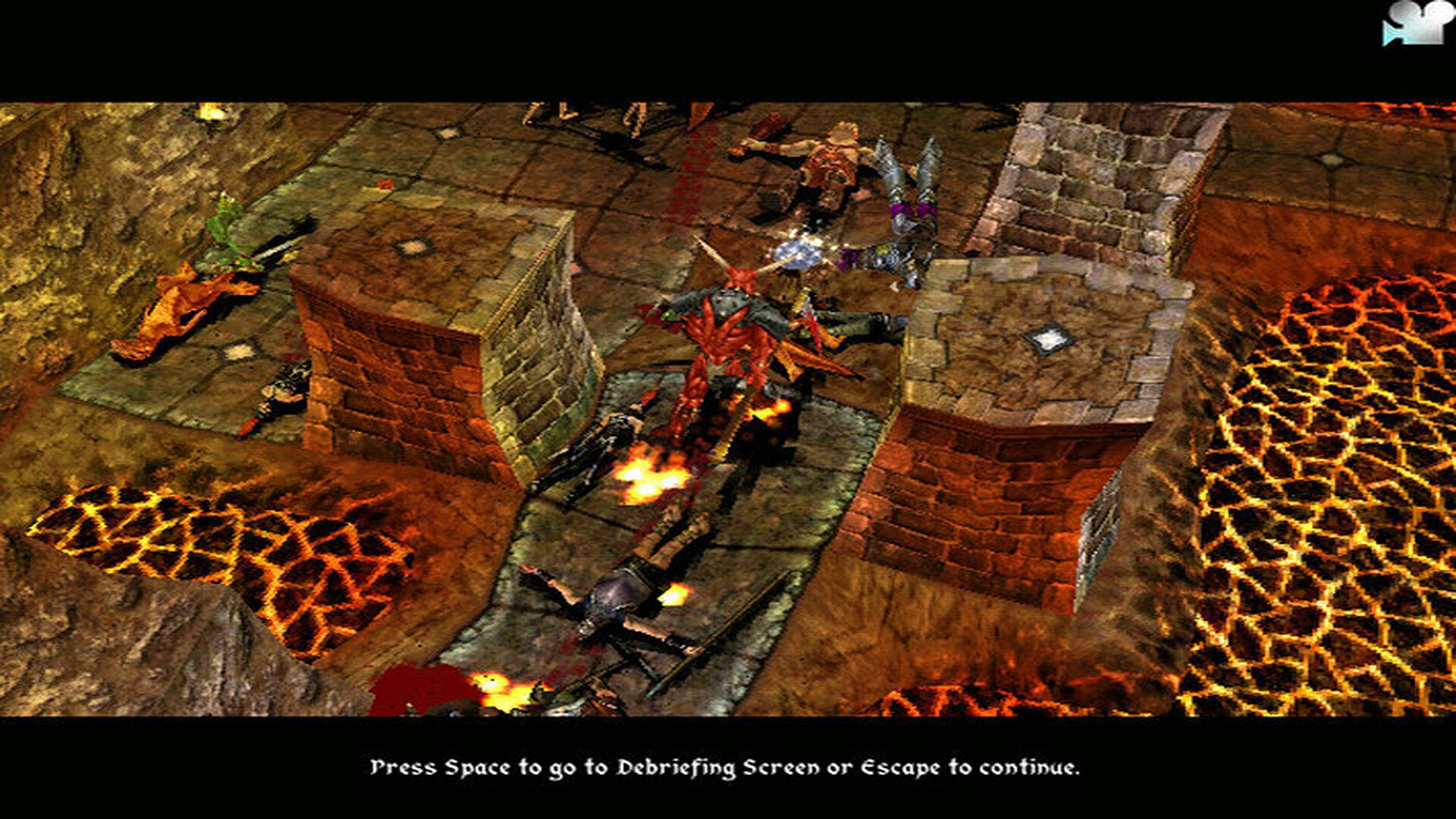
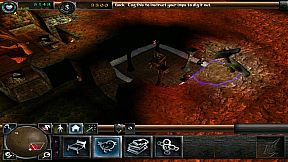
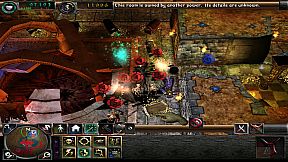
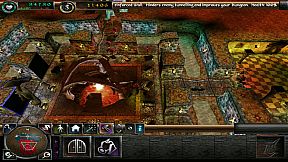
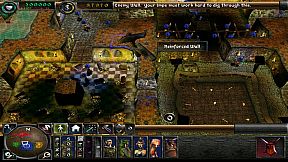
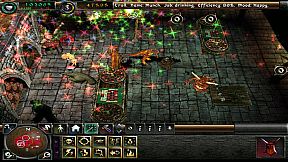
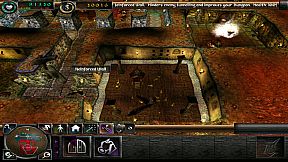
The core loop revolves around carving out dungeon spaces, placing functional rooms, and attracting a variety of creatures that perform different roles. Minions require either steady pay or firm intimidation to stay productive, and players balance these approaches while expanding territory. Traps and specialized devices allow for layered defenses that punish hero incursions, while a magic system provides direct intervention options during conflicts. The Horned Reaper serves as a key ally for larger operations, helping push into surface realms once portal gems are secured. Direct control of individual units or the overall view supports flexible command styles, and the three-dimensional presentation improves visibility of multi-level layouts compared with earlier entries in the series.
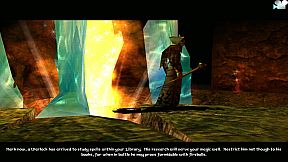
Resource management extends beyond gold to include creature happiness and room efficiency. Well-designed layouts encourage creatures to train, rest, and reproduce, strengthening the dungeon over time. Players must also contend with rival keepers in certain scenarios, adding layers of competition for limited underground space and surface access points.
Game Modes
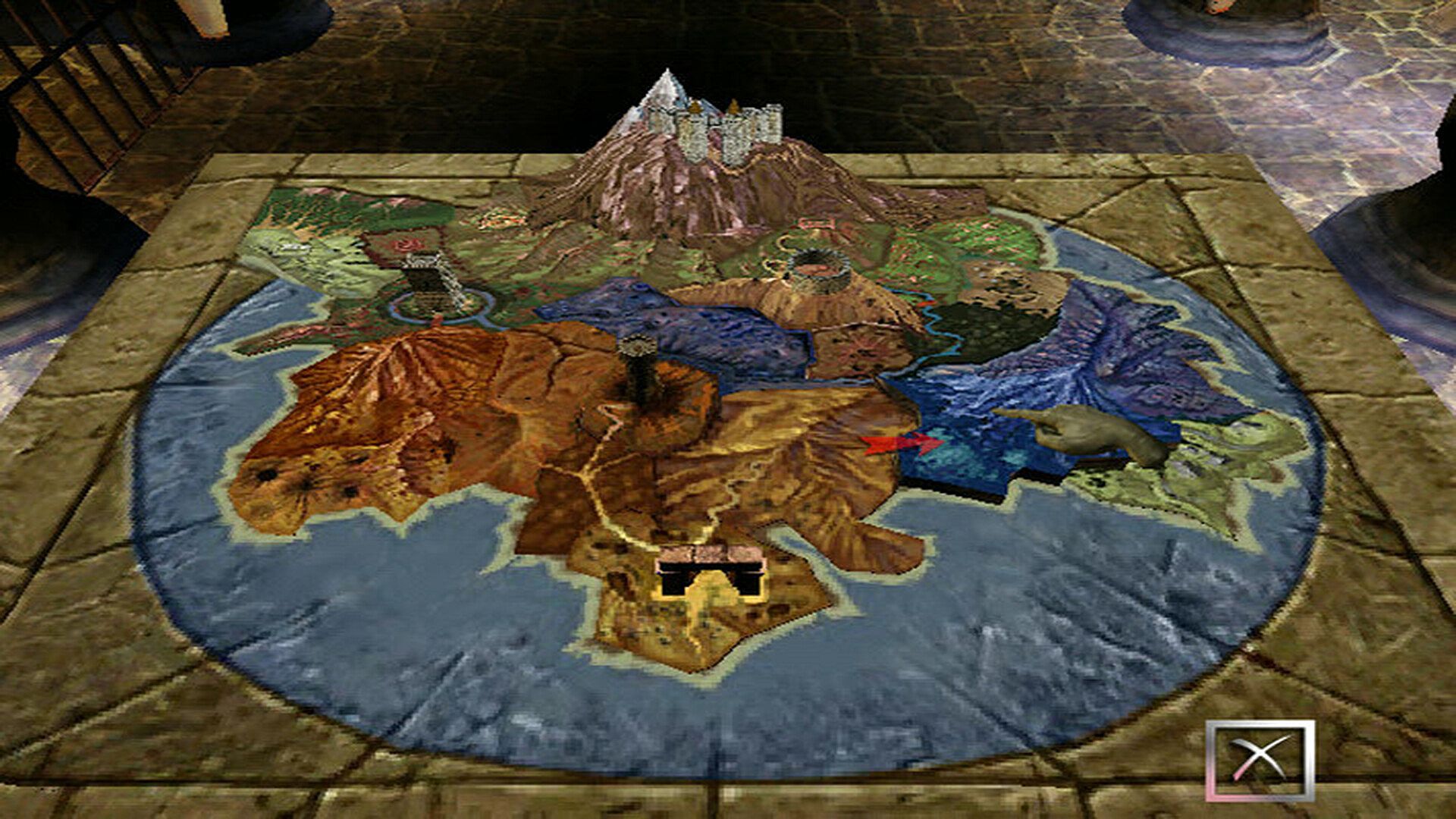
Campaign mode structures the main experience across twenty levels. Each stage tasks the player with recovering portal gems while fending off hero attacks and completing secondary objectives that advance the overarching story of conquest. Progress unlocks new rooms, traps, and creature types that expand strategic options in later stages.
My Pet Dungeon functions as a free-form construction mode. Here the player builds without rigid campaign goals and can adjust the frequency and strength of hero invasions to test different layouts and defenses. This sandbox approach highlights experimentation with room combinations and creature management.
Skirmish and multiplayer options support competitive play. Up to four participants can engage over local networks or online connections, each managing their own dungeon in head-to-head matches that reward efficient building and aggressive tactics. These modes emphasize direct rivalry between keepers rather than scripted hero encounters.
Dungeon Management and Defense
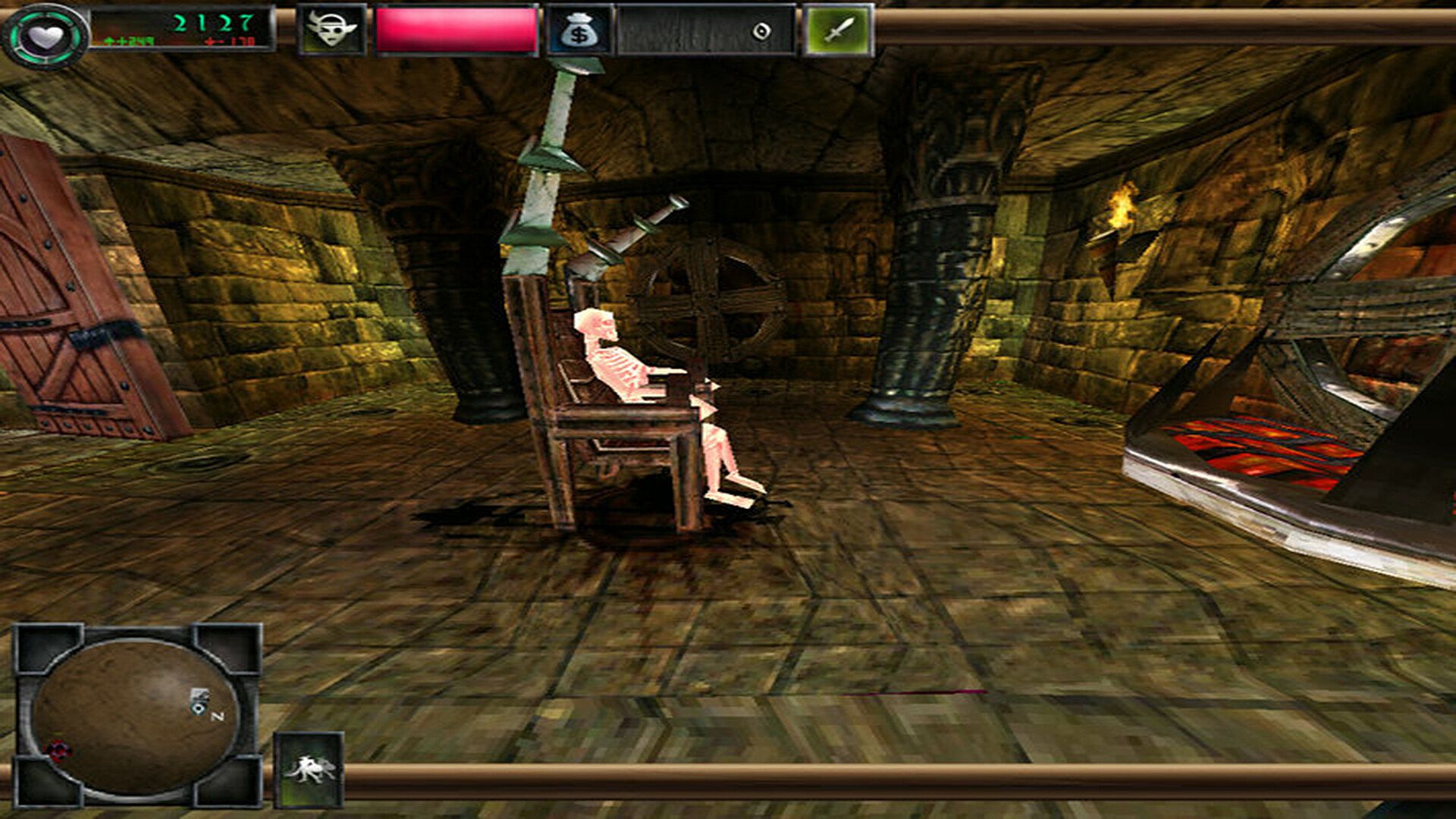
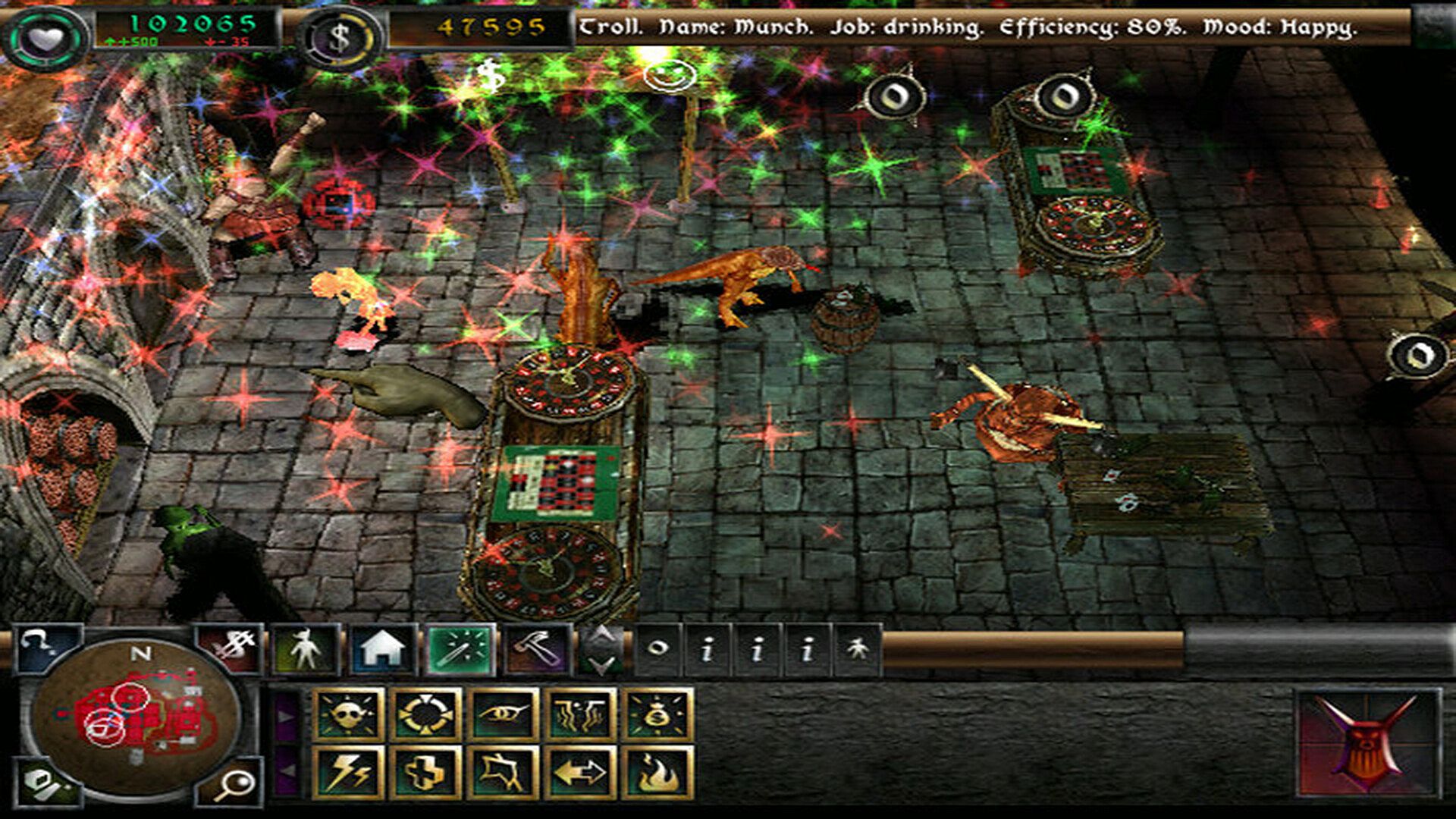
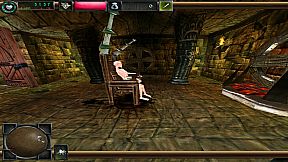
Effective play depends on thoughtful placement of rooms such as casinos, arenas, and guard posts that serve distinct purposes in sustaining the dungeon population. Torture chambers and other specialized facilities provide additional tools for converting captured heroes or extracting value from prisoners. The magic system allows keepers to cast spells that bolster defenses or disrupt enemy advances at critical moments. Balancing creature recruitment with infrastructure growth prevents bottlenecks, while strategic trap placement turns corridors into lethal choke points. These systems reward iterative refinement of dungeon designs across multiple play sessions.
Is It Worth Playing?
Player feedback consistently highlights the game's addictive quality and dark humor, with many noting strong replay value through varied mode options and creative building challenges. On current distribution platforms the title maintains very positive overall ratings from thousands of reviews, reflecting enduring appeal for strategy enthusiasts. The re-release ensures compatibility with modern systems, though the original 1999 design shows its age in interface and pacing compared with contemporary titles. It suits players who enjoy real-time base building, villainous themes, and managing autonomous units without heavy emphasis on fast-paced action. Those seeking a classic dungeon keeper experience with campaign progression, sandbox freedom, and competitive multiplayer will find the core systems intact and engaging. Availability through subscription services further lowers the barrier for sampling the gameplay loop before committing to a purchase.