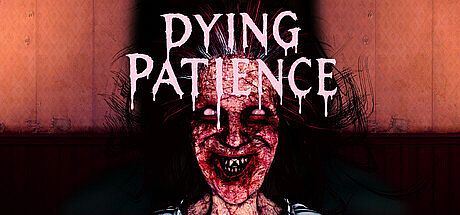


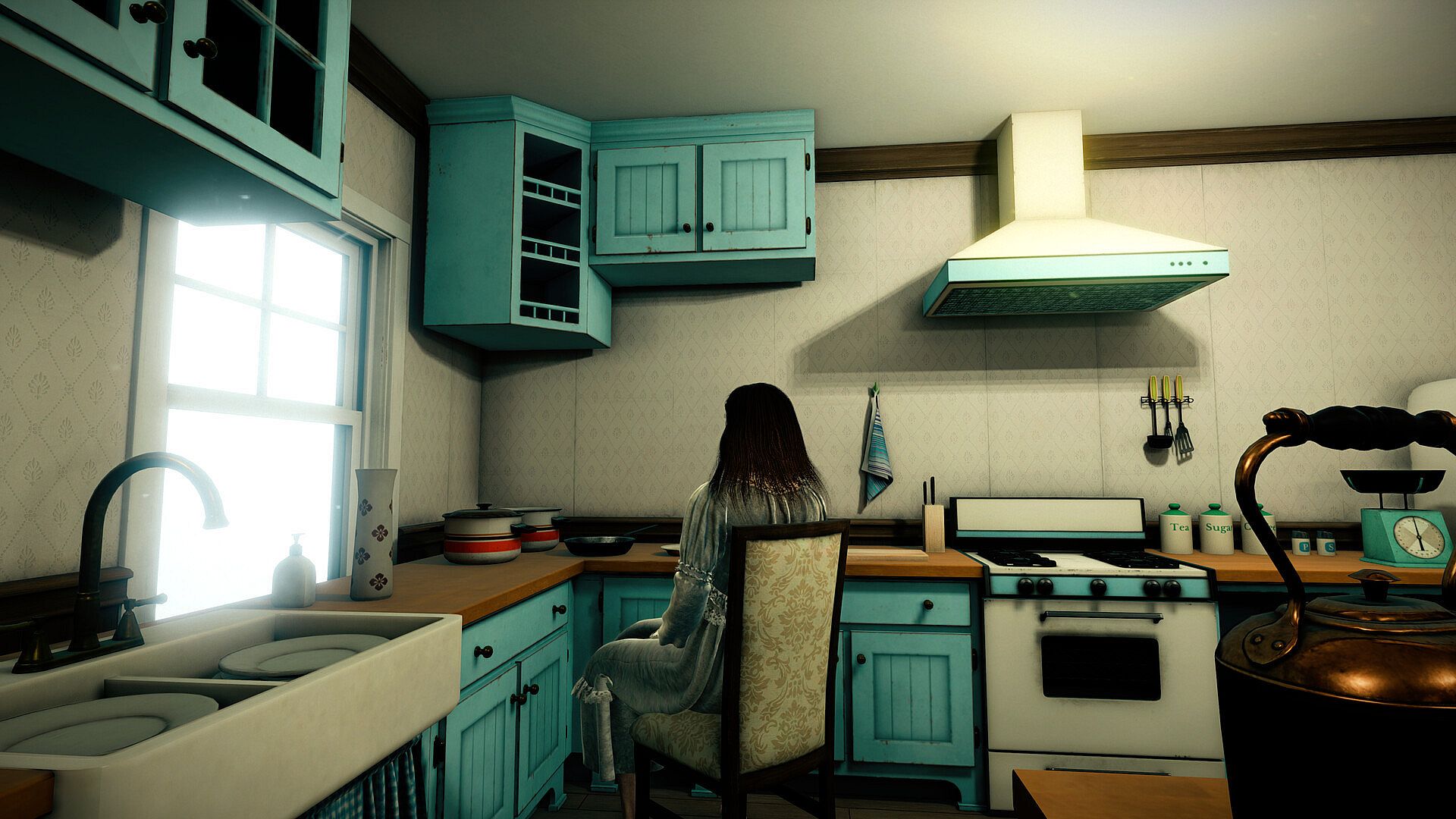

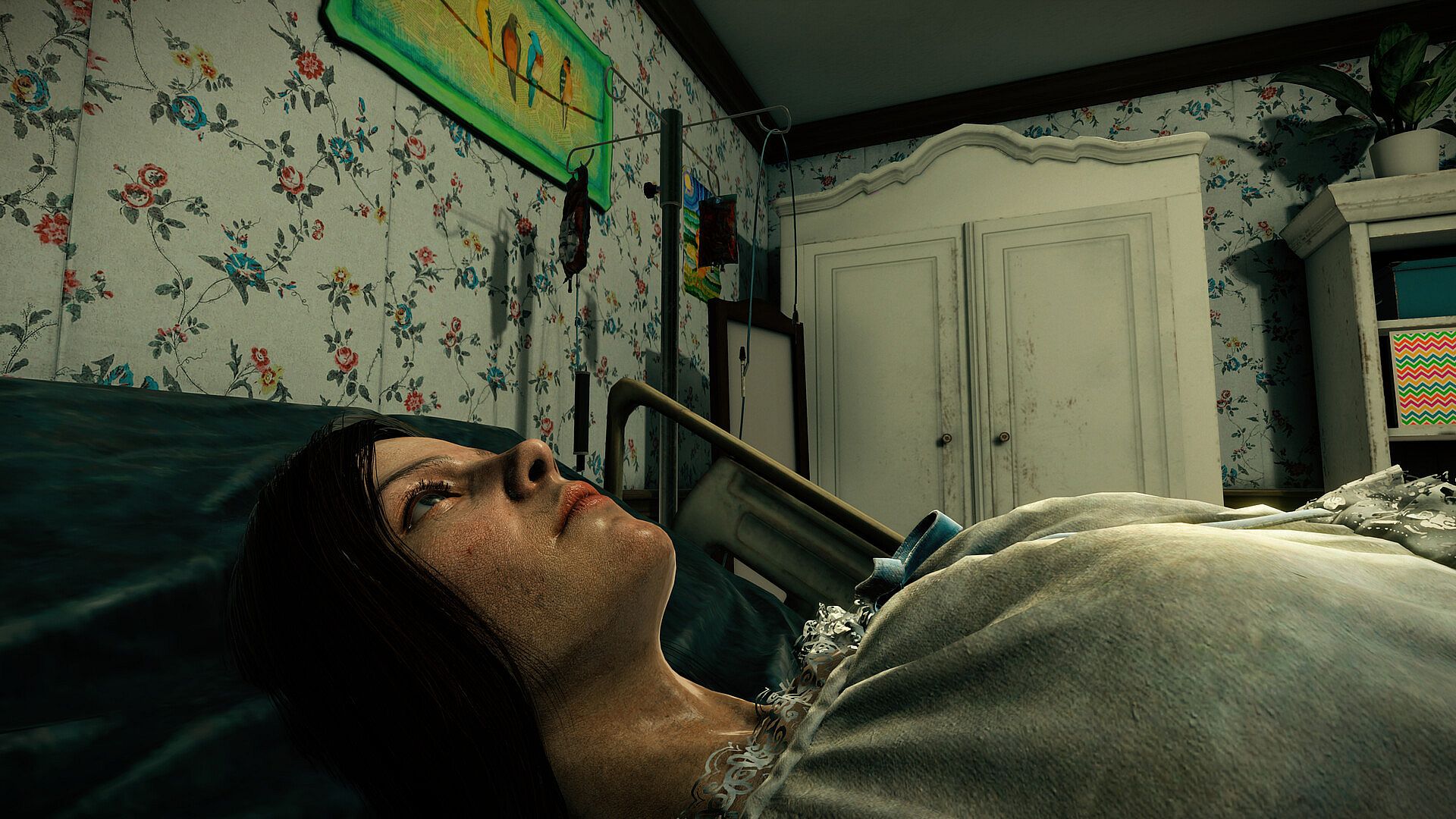
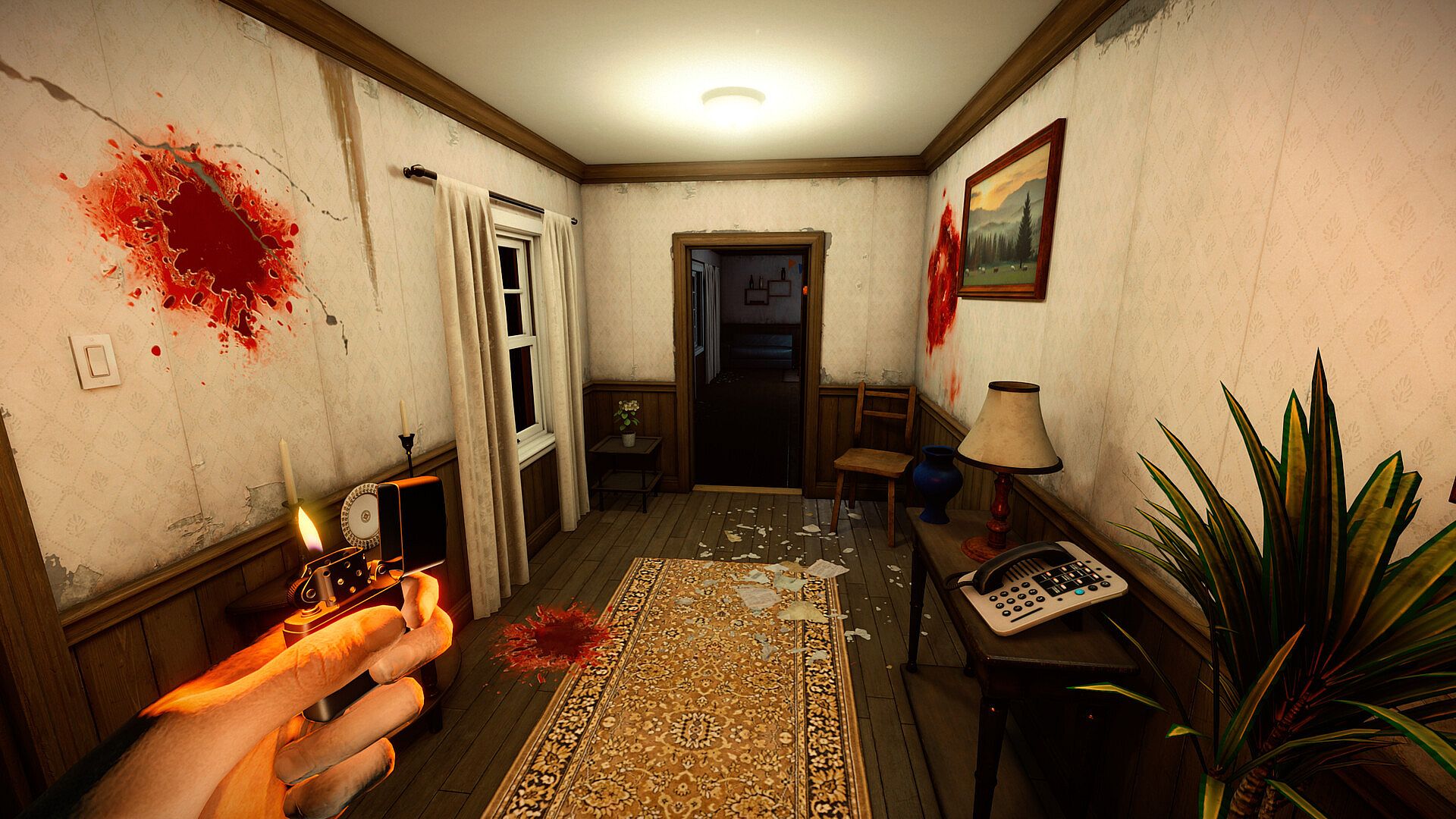





Dying Patience is a first-person psychological horror adventure game developed for PC. Players step into the role of a son who has spent years caring for his ailing mother, only to confront the weight of guilt, burnout, and suppressed wishes as the domestic environment begins to fracture under the strain of memory and illness.
Gameplay
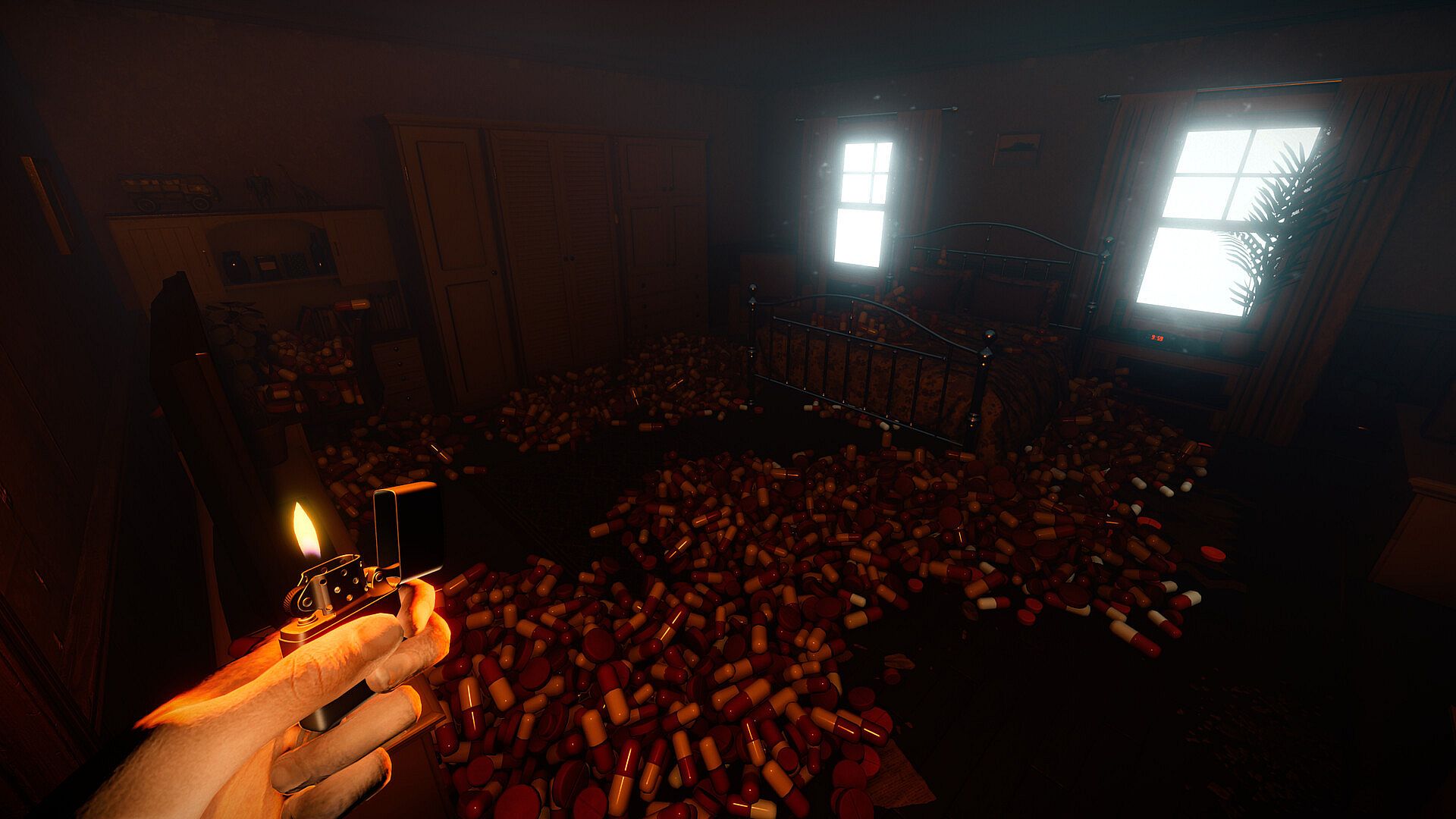
The core loop centers on first-person exploration of a house that shifts and distorts with each new memory uncovered. Everyday tasks such as navigating rooms, interacting with objects, and managing the space become vehicles for narrative progression. A handheld lighter provides the primary source of illumination in darkened areas, casting flickering light on cluttered corridors and familiar yet unsettling domestic details. The experience emphasizes atmosphere and slow revelation over direct confrontation, with the environment itself serving as the main antagonist through its changing layout and hidden details.
Short story episodes interweave with exploration to reveal fragments of the protagonist's past and his relationship with his mother. These segments surface through environmental storytelling, interactive objects, and gradual shifts in the house's appearance. Puzzles and tasks arise naturally from the need to progress through distorted spaces or access locked areas tied to specific recollections. The farther players advance, the more the boundaries between past and present blur, forcing repeated returns to altered rooms where new paths or obstructions appear.
Game Modes
Dying Patience offers a single-player narrative experience with no multiplayer components or separate game modes. Progression follows a linear story structure divided into episodic memory sequences that unfold within the evolving house. All gameplay elements, including exploration, interactive tasks, and puzzle resolution, serve the central story without branching paths or competitive elements. The design remains focused on solitary immersion in the protagonist's psychological state.
Narrative and Themes
The story examines the toll of long-term caregiving and the complex emotions that arise when illness reshapes family dynamics. Players piece together events through discovered memories that alter the house's layout and reveal previously hidden connections. Themes of guilt, denial, and the desire for release emerge gradually as the protagonist confronts what he once tried to ignore. The narrative avoids overt exposition, instead relying on environmental changes and subtle interactions to convey the weight of unspoken feelings.
Is It Worth Playing?
Dying Patience suits players who seek atmospheric psychological horror centered on personal stories rather than action or jump scares. Its strength lies in the way the house transforms to mirror internal conflict, creating a focused single-player journey through guilt and memory. With only a teaser available so far and no release date confirmed, the game remains in early development, but the confirmed pillars of exploration and narrative delivery align with the input description of a story about burnout and difficult admissions. Those drawn to indie adventures that prioritize emotional depth and environmental storytelling will find the premise compelling once it launches.