




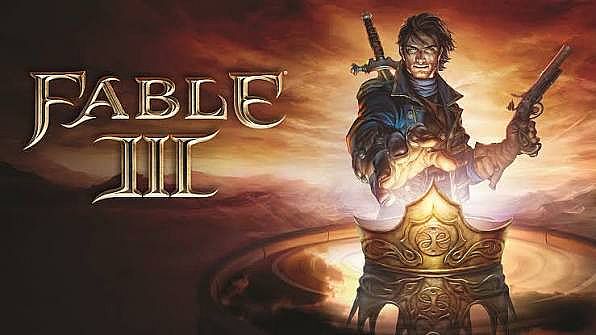












Fable III is an action role-playing game set in the fantasy world of Albion. Players take on the role of a hero who rises from relative obscurity to claim the throne and shape the kingdom through a series of personal and political decisions. The experience centers on exploration, combat encounters, and narrative branches that respond to player actions over the course of a single campaign.
Gameplay
Combat mixes melee strikes, firearms, and spells in real time. Each approach feels distinct in weight and visual impact, allowing players to switch styles fluidly during fights against bandits, creatures, and larger threats. A loyal dog accompanies the hero throughout most of the adventure, assisting in battles and locating hidden items. Progression avoids traditional stat screens in favor of direct upgrades purchased or earned in the world, keeping advancement tied to in-game activities such as quests and property management.
After the initial portion of the story, the hero ascends to rule Albion. Decisions made as monarch directly influence the state of towns, the economy, and the lives of citizens. These choices range from infrastructure projects to moral dilemmas that alter relationships and future events. The system encourages replay consideration because different paths produce noticeably different outcomes in later sections.
Game Modes
The primary experience is a single-player campaign that follows the hero's journey from adventurer to ruler. A two-player co-operative mode supports both local split-screen and online sessions. The second participant joins as a full hero with independent customization options for appearance and equipment, and progress carries over between sessions for both players.
On PC the game includes a Hardcore mode that increases challenge through stricter resource management and enemy behavior. This variant alters pacing without changing core systems, offering a different approach for players seeking greater difficulty after completing the standard campaign.
World and Progression
Albion features a mix of open countryside, settlements, and dungeons that players traverse on foot or by fast travel once unlocked. Property ownership forms a key loop outside combat, with buildings that generate income and can be upgraded or sold. These mechanics tie into the later ruling phase, where funds and public opinion determine what changes the monarch can enact.
Character customization covers clothing, hairstyles, tattoos, and expressions that evolve based on actions and time spent in the world. Moral alignment influences how non-player characters react, adding another layer to social interactions and quest resolutions without requiring separate tracking menus.
Is It Worth Playing?
Reception has been generally positive for the narrative focus and the impact of player choices, particularly the shift to ruling mechanics in the second half. The simplified combat and occasional technical issues draw criticism from some players who prefer deeper systems. On PC the title runs with mouse-and-keyboard controls that adjust combat input to a more modal style compared with the original console version.
The game suits players who enjoy story-driven action role-playing with strong emphasis on decisions and humor rather than complex builds or competitive multiplayer. Those seeking a complete single-player campaign with optional co-op support will find the core loop intact years after release. Availability on modern Windows systems remains possible through community adjustments, though the experience stays faithful to the 2011 release without ongoing seasonal content or major patches.


