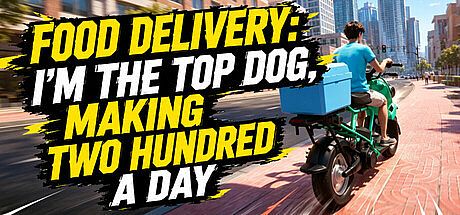




Food delivery: I'm the top dog, making two hundred a day puts players in the role of a crowdsourced delivery worker on PC. This indie simulation blends casual management elements with adventure-style progression as you build daily earnings through realistic order handling. The core loop centers on balancing time, distance, and payouts to reach the target of two hundred dollars in a single shift.
Gameplay
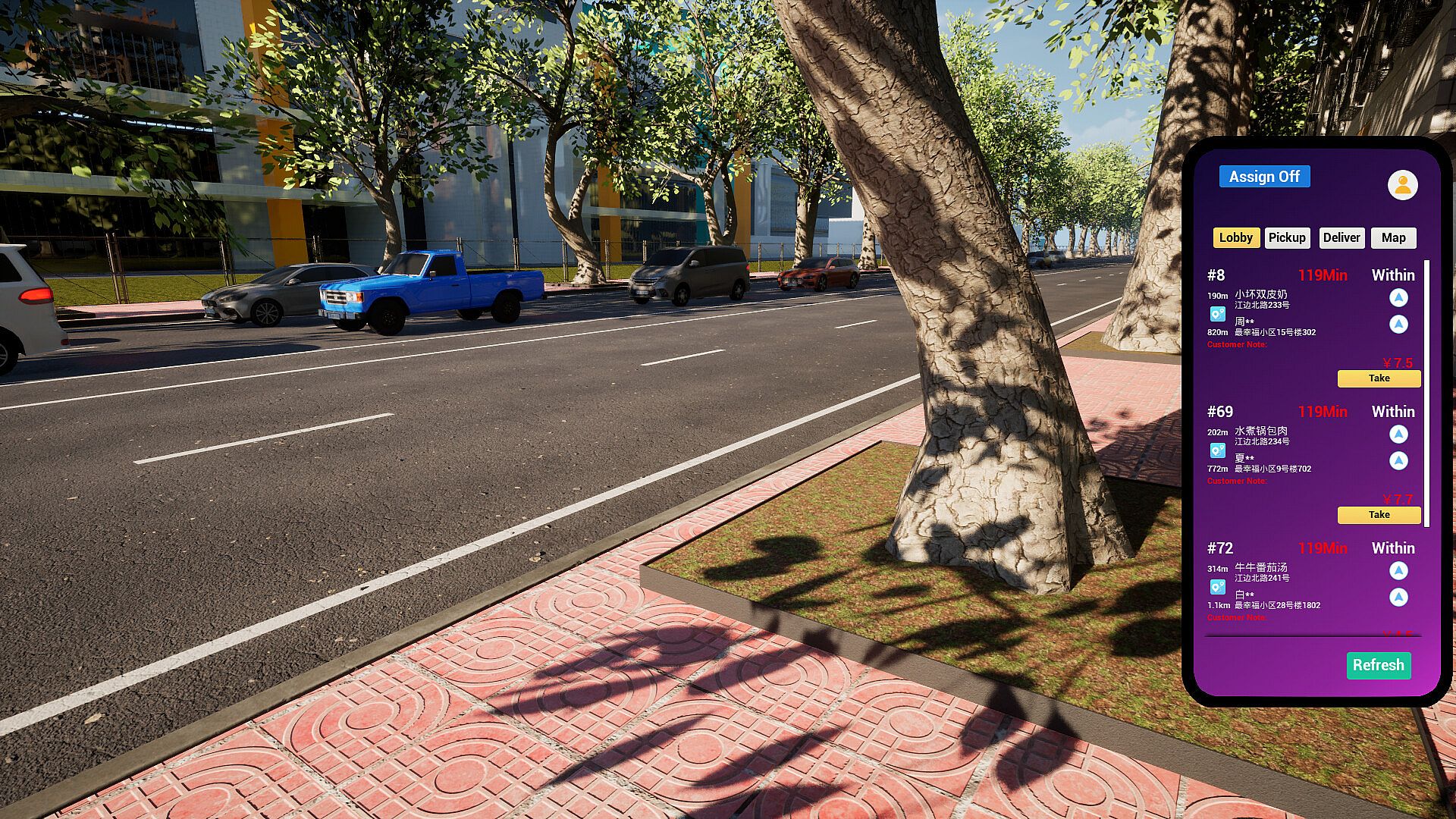
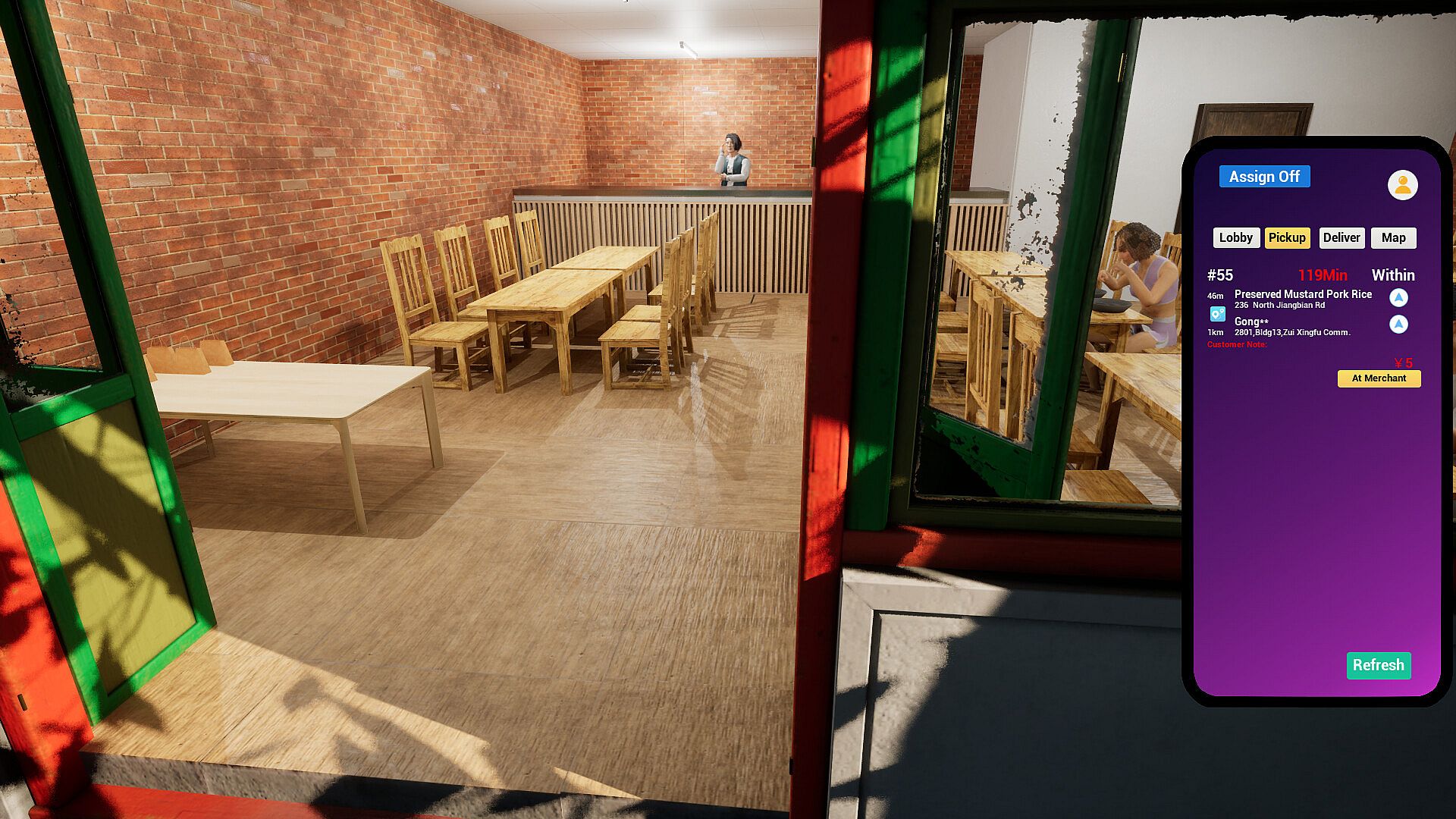
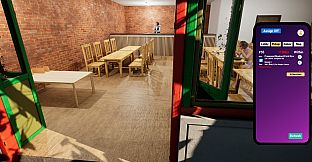
The experience revolves around a straightforward yet detailed delivery cycle. Players begin by reviewing incoming orders on a virtual phone interface. Each request shows distance to the merchant, time limits for completion, and the payout amount, allowing decisions on whether to accept based on efficiency and risk of penalties.
After accepting, the next step involves collecting meals at merchant locations. Orders are identified by number, and multiple pickups can be combined for a single route when locations align. Accuracy matters, as selecting the wrong item triggers deductions from earnings.
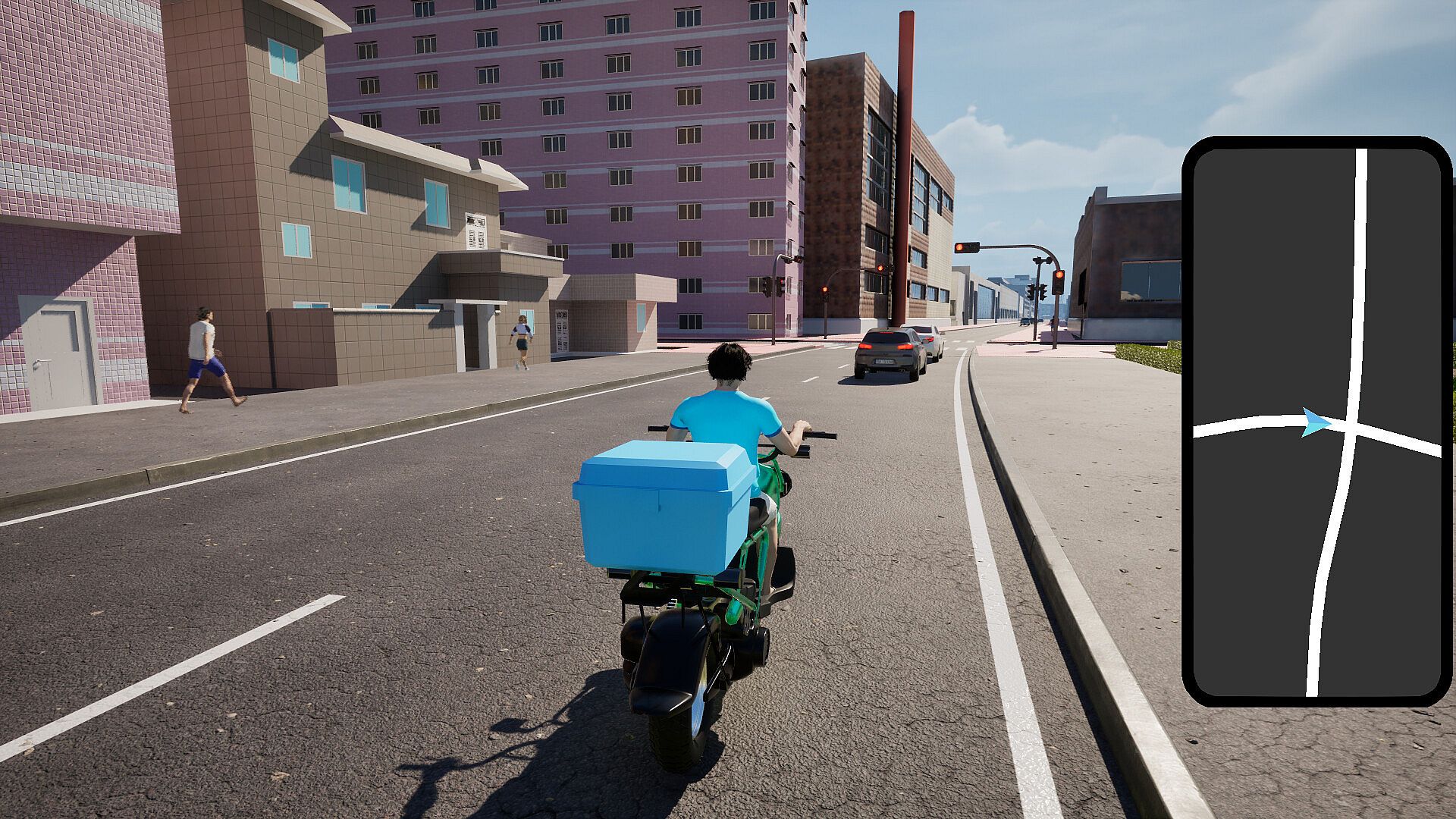
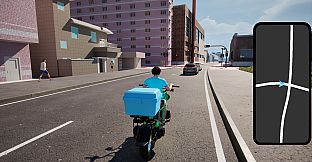
Once loaded, navigation leads through city streets on an e-scooter or motorbike. Delivery requires handing items directly to customers or placing them in lockers before confirming completion. Order volume and rates shift throughout the day, encouraging strategic choices about active hours and route planning to maximize income without excessive travel or delays.
Success depends on grouping nearby drop-offs and maintaining steady pace across varying conditions. The simulation emphasizes practical choices rather than combat or complex skill trees, fitting its casual and simulation genres while incorporating light RPG progression through repeated shifts and earnings milestones.
Game Modes
The game operates as a single-player simulation without separate competitive or cooperative modes. All activity takes place in the main delivery workflow, where players manage their own schedule and order selection in a persistent work environment. Time periods influence order availability and pay, creating natural variety across sessions without named sub-modes or factions.
Progression ties directly to cumulative earnings and efficiency improvements. Players refine their approach over multiple days by learning peak times and optimal grouping strategies, building toward the daily goal of two hundred dollars. This structure keeps focus on the core simulation loop rather than branching game types.
Daily Challenges and Progression
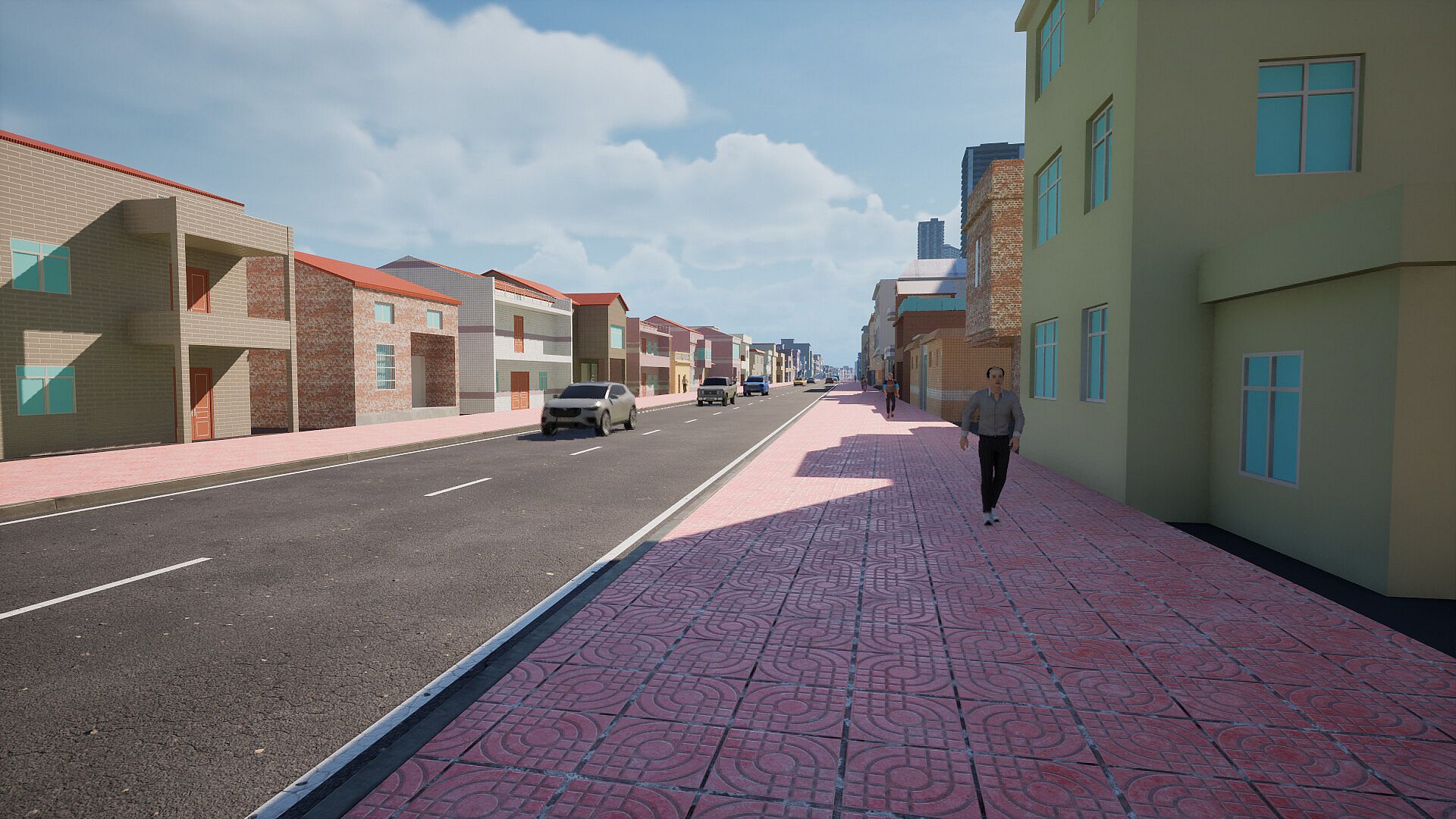
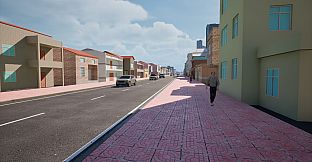
Each shift presents fresh combinations of orders that test decision-making under time pressure. Factors like delivery deadlines and payout rates change, rewarding those who plan routes carefully and avoid mistakes during pickups. The adventure element emerges from navigating the city layout and adapting to fluctuating demand.
Longer play sessions reveal patterns in order distribution, allowing gradual refinement of working habits. Casual players can complete short shifts, while those seeking deeper engagement track overall earnings across multiple days. No additional systems such as vehicle upgrades or social features appear in the core design.
Is It Worth Playing?
This title suits players interested in realistic job simulations with management depth. The straightforward mechanics deliver a focused experience centered on efficiency and route optimization, appealing to fans of casual and simulation genres who enjoy building routines without overwhelming complexity.
With its recent release on PC, the game remains in an early state with potential for future refinements based on player feedback. Those who enjoy methodical gameplay loops and incremental progress toward financial targets will find the delivery cycle engaging. It offers a direct test of whether consistent strategy can consistently hit the two-hundred-dollar mark in one day.