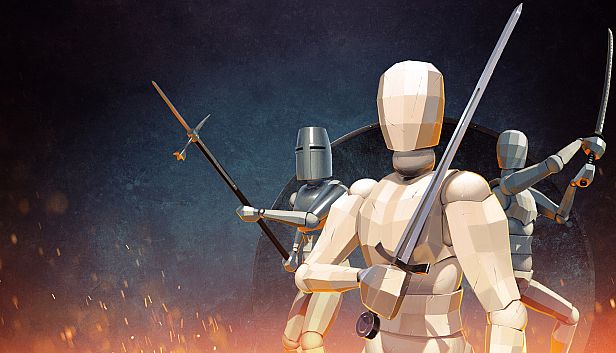


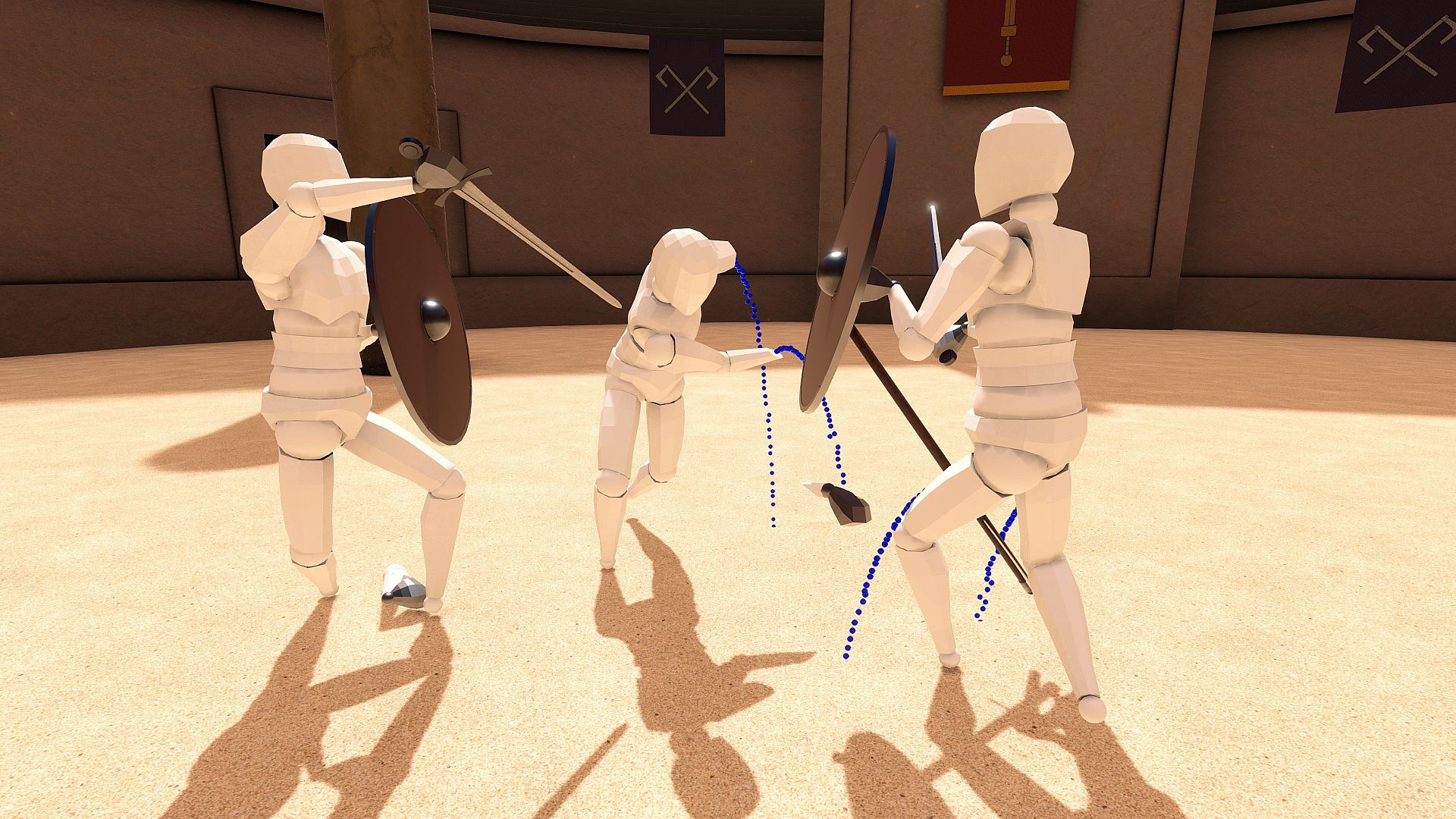
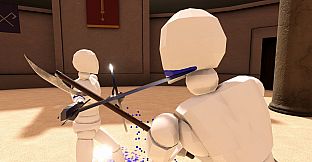
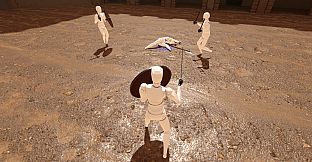
Gladio Mori is a physics-driven action and simulation fighting game set in a gladiator arena. Players engage in tactical, brutal combat where every strike affects specific body parts rather than relying on traditional health bars. The experience emphasizes precision, strategy, and player creativity through customizable moves and realistic weapon interactions. Available on PlayStation 5, the game supports both solo play and competitive multiplayer battles.
Gameplay
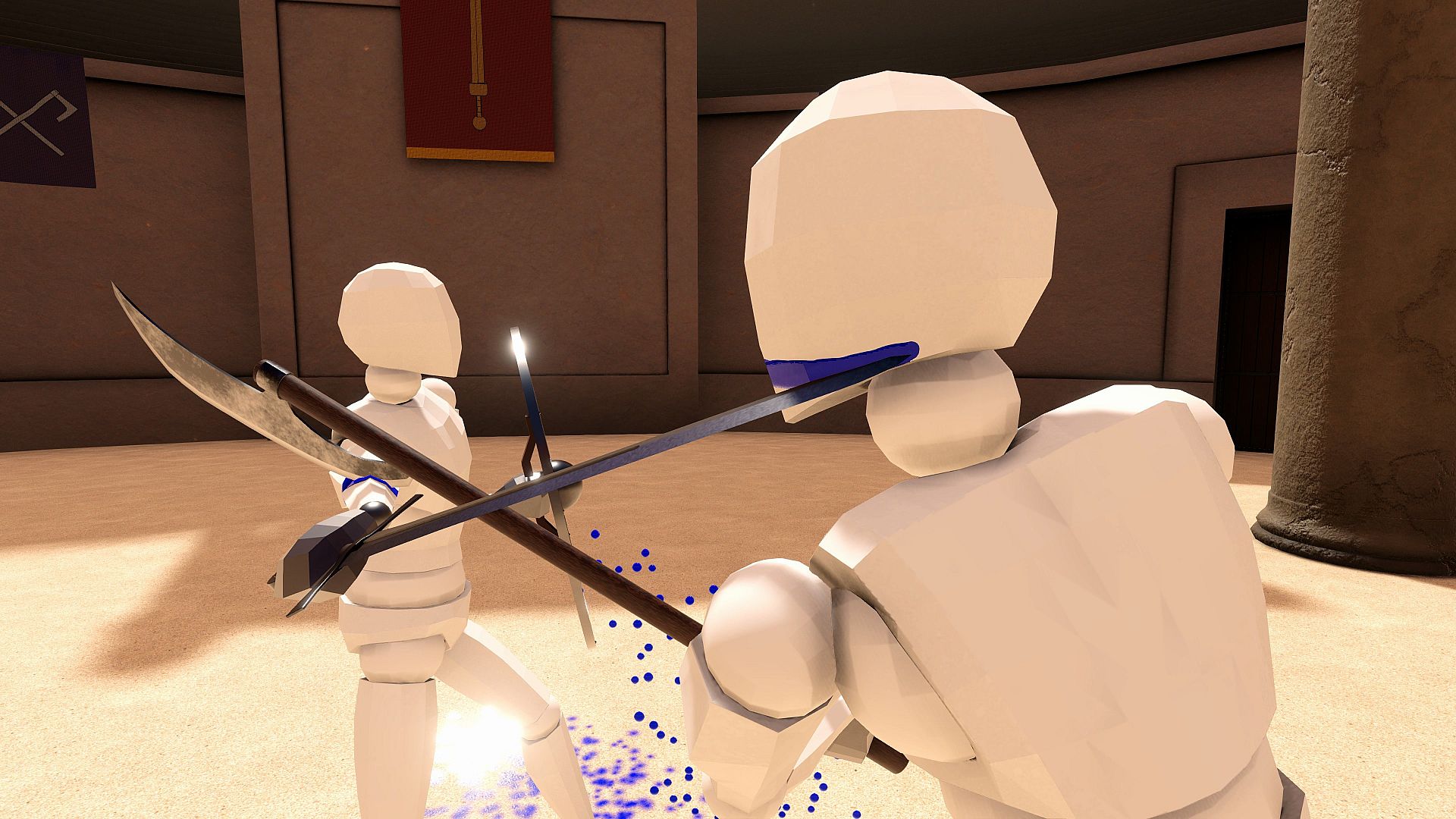
Combat in Gladio Mori revolves around a detailed physics system that tracks damage to muscles, arteries, and vital organs. An injured muscle reduces the power of strikes from that limb, while a severed artery leads to gradual blood loss that weakens the fighter over time. Piercing a vital area results in immediate defeat. This approach replaces standard health systems and forces players to target weaknesses while protecting their own exposed areas.
Weapons and armor behave according to their physical properties. Plate armor can deflect blows to covered sections but leaves gaps that skilled opponents can exploit. There are dozens of historically inspired weapons available, ranging from swords and spears to heavier options like halberds and clubs. Players select equipment that matches their preferred fighting distance and style.
A move editor allows creation of custom animations and attack sequences. These movesets control the character's physical actions and can be shared or combined with community contributions through integrated mod support. Fighters can also adjust appearance details such as paint and materials on their character model.
Game Modes
The solo campaign presents a series of arena encounters against AI opponents across varying difficulty levels. Players progress through gauntlets of battles, adapting strategies as they face different weapon and armor combinations. Practice tools and adjustable game speed help refine techniques in a low-pressure environment.
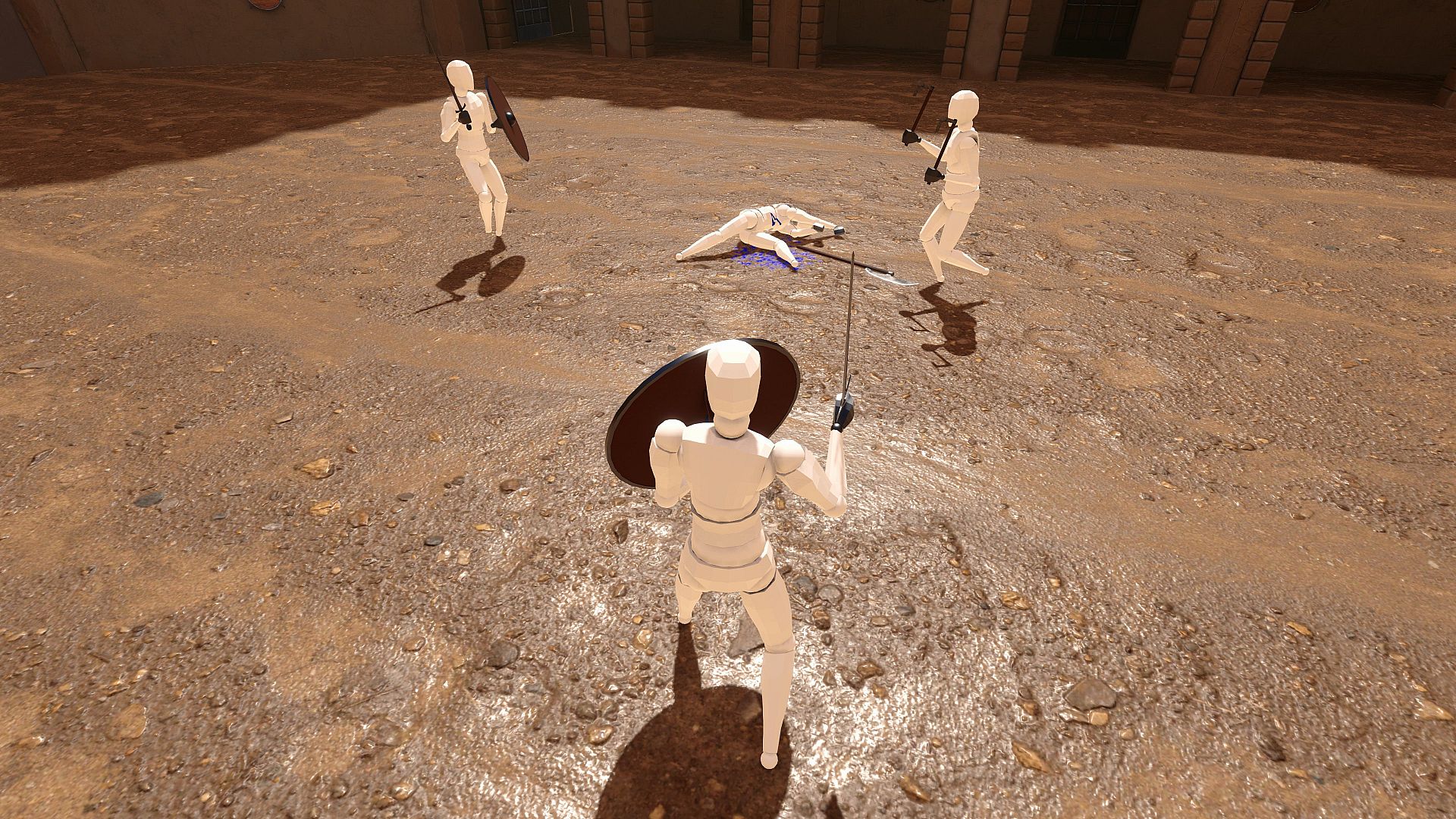
Multiplayer supports up to four participants in online sessions with cross-platform play or local split-screen matches. Core player-versus-player battles follow a last-man-standing format in lobbies that can include AI fillers. Three main variants shape the rules: Classic restricts participants to default movesets and movement, Creative permits full use of custom animations without limits, and Limitless applies the same creative freedom while boosting overall character strength.
Additional options include a tournament setting that tracks rounds to determine a champion and the ability to save and review combat replays from multiple camera angles. These modes encourage repeated matches to test new movesets and counter strategies.
Customization and Progression
Players build personal fighting identities by mixing individual moves into complete movesets and selecting from a range of armor pieces that provide targeted protection. Community-created content expands options further, allowing experimentation with animations inspired by various sources or entirely original designs. This system rewards iterative refinement as fighters learn which combinations perform best against specific threats.
Progression occurs through repeated arena fights that unlock additional equipment and moves. The emphasis remains on mechanical skill and tactical decision-making rather than numerical upgrades.
Is It Worth Playing?
Gladio Mori appeals to players who enjoy skill-based fighting games with deep mechanical systems and creative freedom. The organ-specific damage model and physics interactions create tense, unpredictable encounters that differ from conventional health-bar combat. Those interested in designing their own movesets or competing in small-scale multiplayer lobbies will find substantial depth here.
Reception has been positive, with strong user ratings across platforms reflecting appreciation for the core combat loop and customization tools. The full release includes a completed solo campaign alongside robust multiplayer features. Fans of tactical gladiator-style action or physics-driven fighters should consider trying the experience, particularly if they value strategic targeting and community-driven content over fast-paced arcade styles.