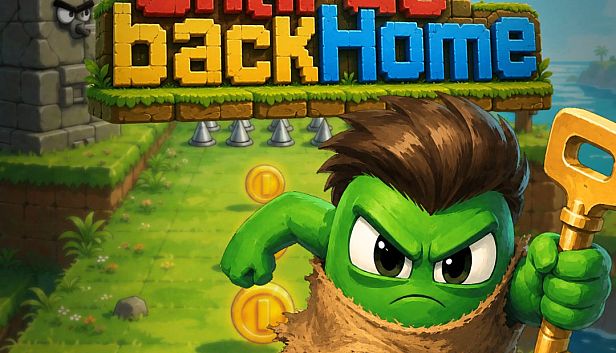


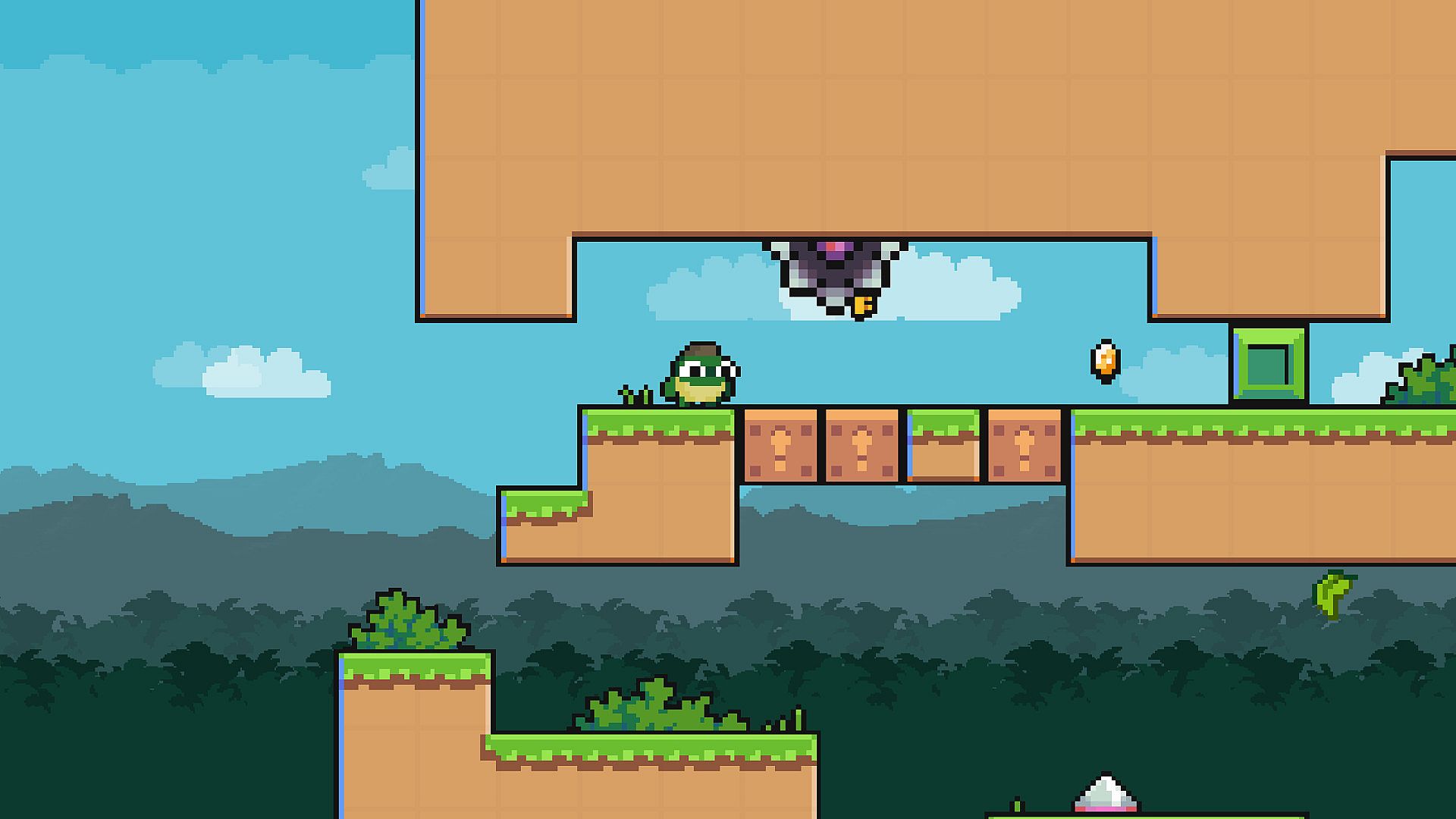
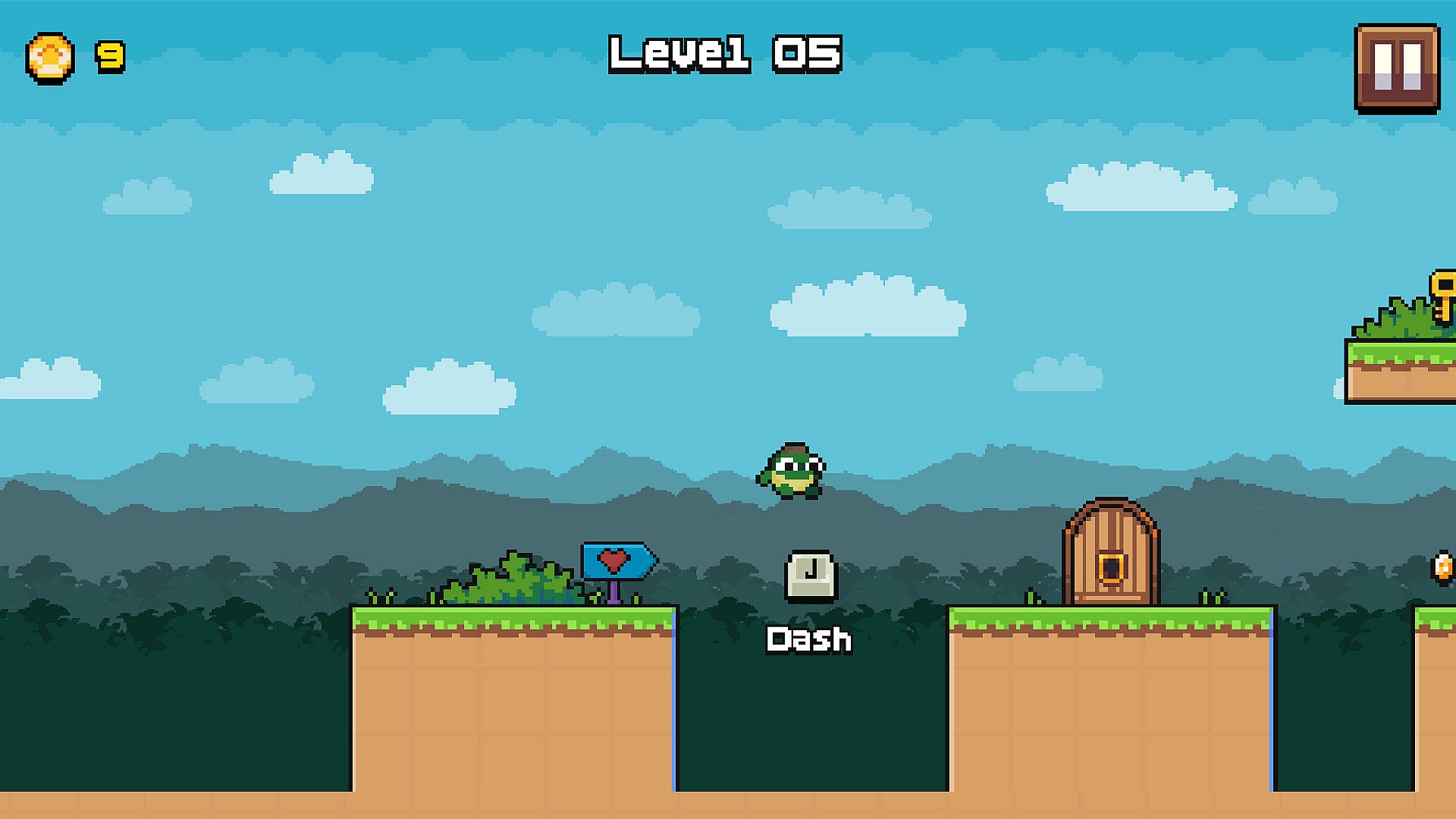
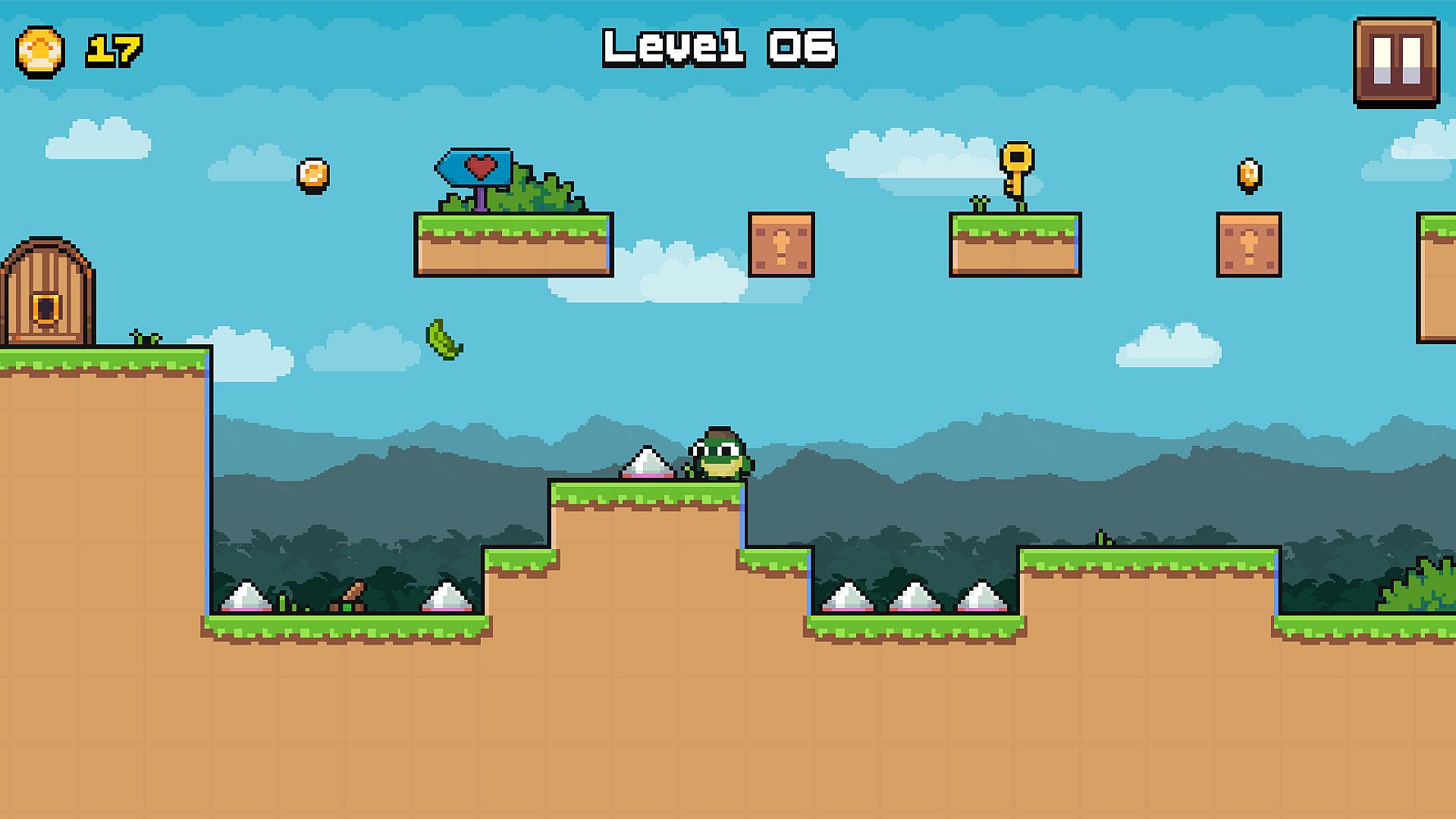
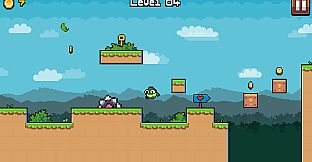
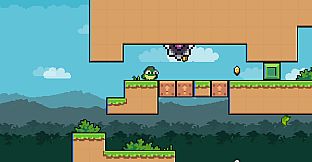
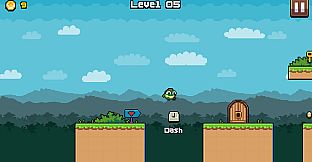
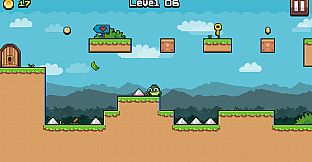
Gnardo back Home is a precision platformer developed for Xbox Series X|S in the action and casual genres. Players control a grumpy old man named Gnardo as he navigates a series of obstacles on his way home, relying on accurate jumps and movement to progress through each stage.
Gameplay
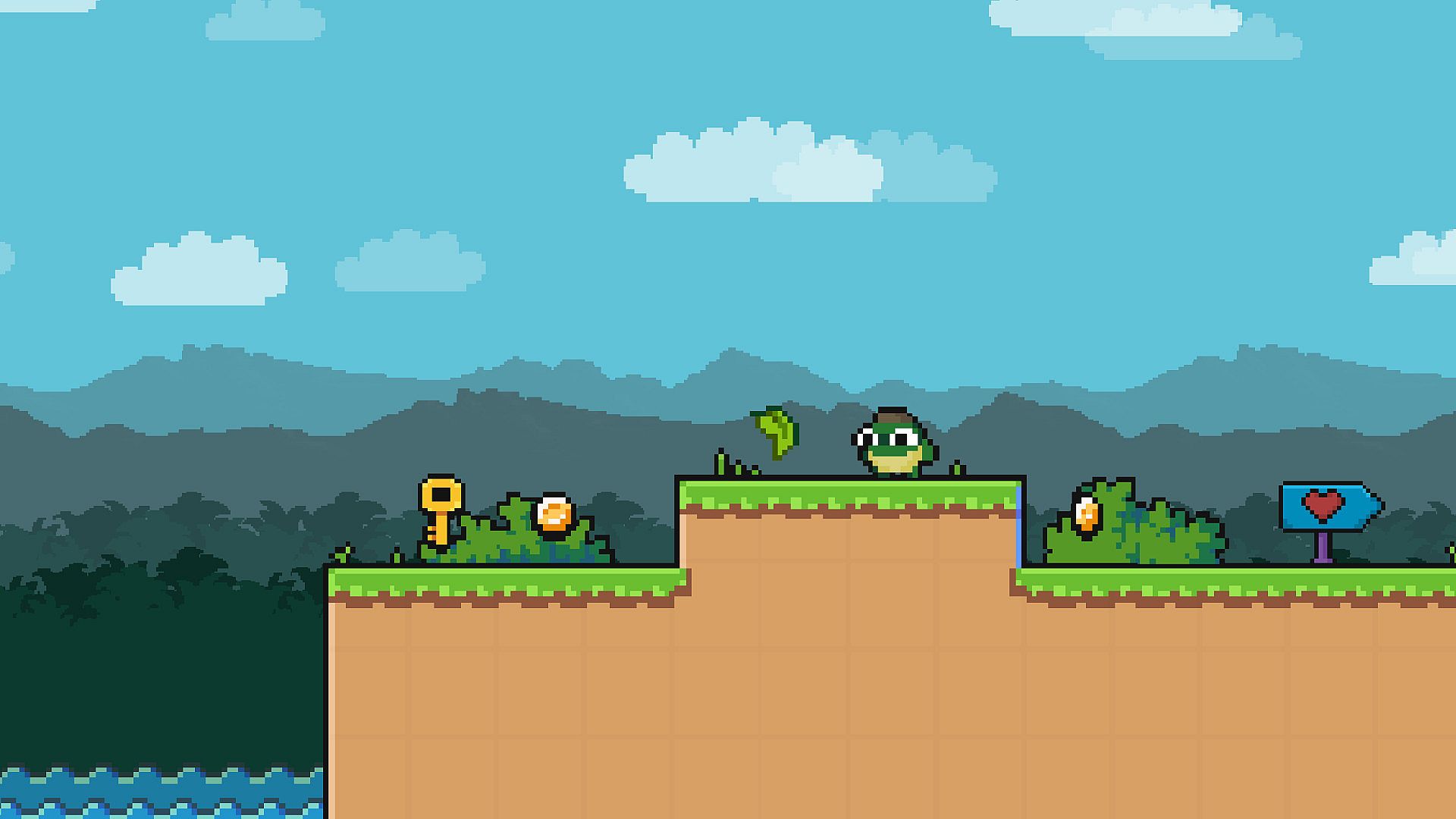
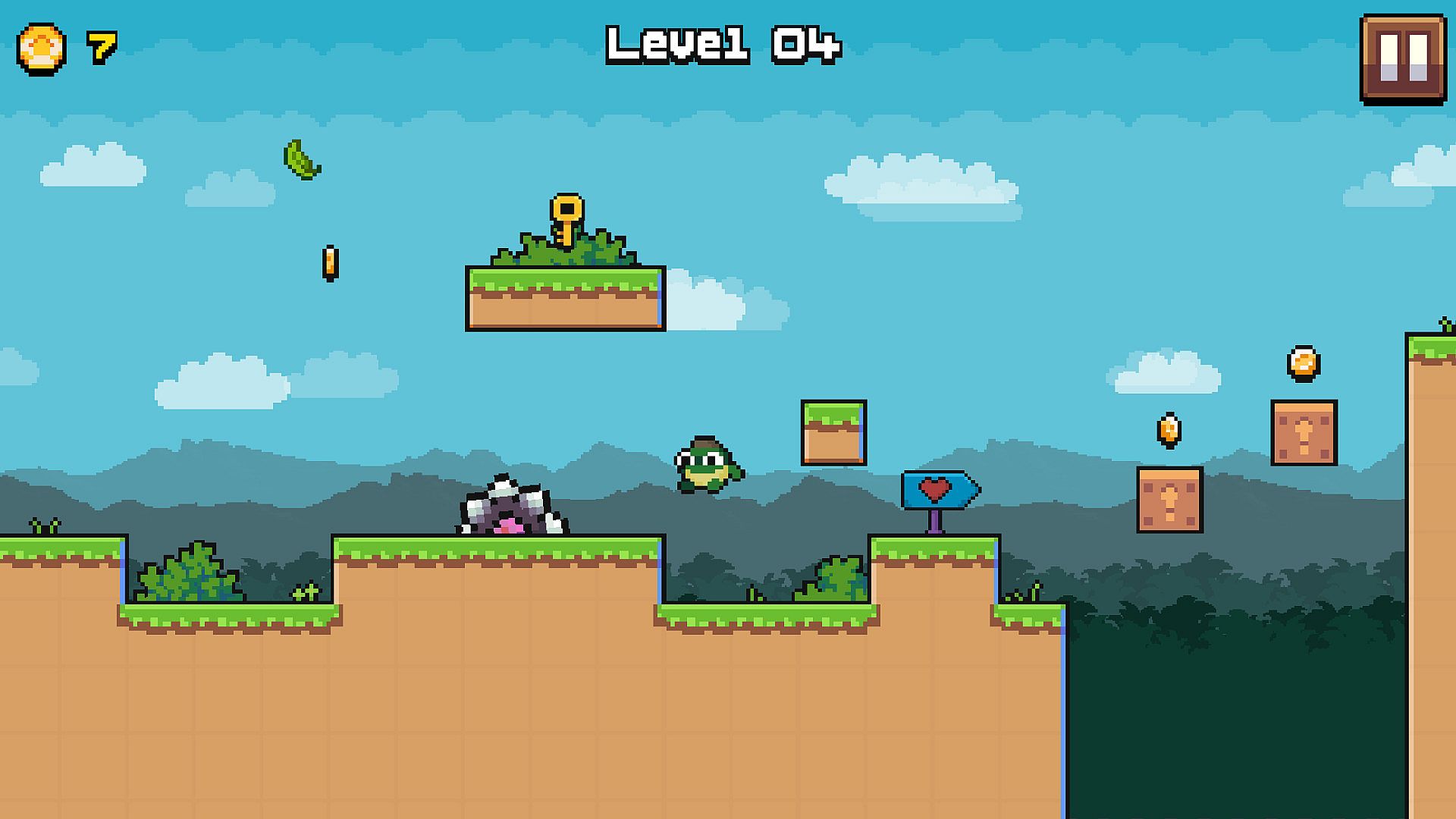
The core loop centers on guiding Gnardo across 40 handcrafted levels filled with hazards that require precise timing and deliberate control. Spikes punish rushed decisions, collapsing floors give way under careless steps, moving platforms demand exact positioning, and locked doors send players searching for keys placed at distant points in the stage. The dash ability remains available at all times and serves as the key tool for both careful navigation and faster traversal. Casual players can pause to assess each section and execute measured actions, while those with more experience chain dashes and jumps into fluid sequences that reward mastery of the physics.
Teaching happens entirely through level design rather than external instructions. New mechanics appear gradually as the environments grow more complex, introducing elements such as false floors that collapse only after contact, levers that must be triggered before advancing, and falling blocks that restrict paths if activated prematurely. Coins appear as optional items scattered throughout the stages, encouraging detours and risk assessment without altering the main path. The focus stays on full player agency over movement, with no interruptions or overlaid guidance to break the flow.
Game Modes
Gnardo back Home functions as a single-player experience built around sequential level completion. There are no separate modes or variations listed beyond the main progression through the 40 stages. Players advance by completing each level in order, with the dash mechanic available consistently across all content to support different pacing preferences within the same structure.
Level Design and Progression
Each of the 40 levels builds directly on the last by layering additional obstacles without repeating earlier patterns exactly. Early stages introduce basic spike and platform interactions, while later ones combine multiple hazards simultaneously, such as timed collapses paired with moving elements and key hunts. The absence of tutorials forces immediate engagement with the rules as they appear, fostering a steady increase in demanded skill. Exploration for coins adds a secondary layer of challenge for those who want to test boundaries without affecting completion of the primary objective.
Is It Worth Playing?
Gnardo back Home suits players who enjoy precision platformers that emphasize personal discovery and repeated attempts at difficult sections. The consistent availability of the dash mechanic supports both methodical and high-speed approaches within the same levels, making the experience adaptable to different comfort levels. With its focus on handcrafted stages that introduce mechanics organically, the game delivers a straightforward test of timing and control for those drawn to the genre on Xbox Series X|S. New releases in this style often appeal most to dedicated fans of tight platforming rather than broad audiences seeking variety or multiplayer elements.