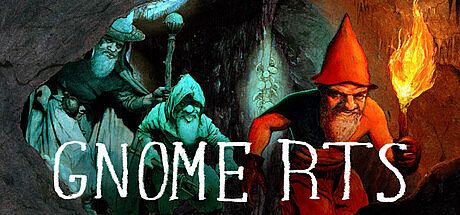


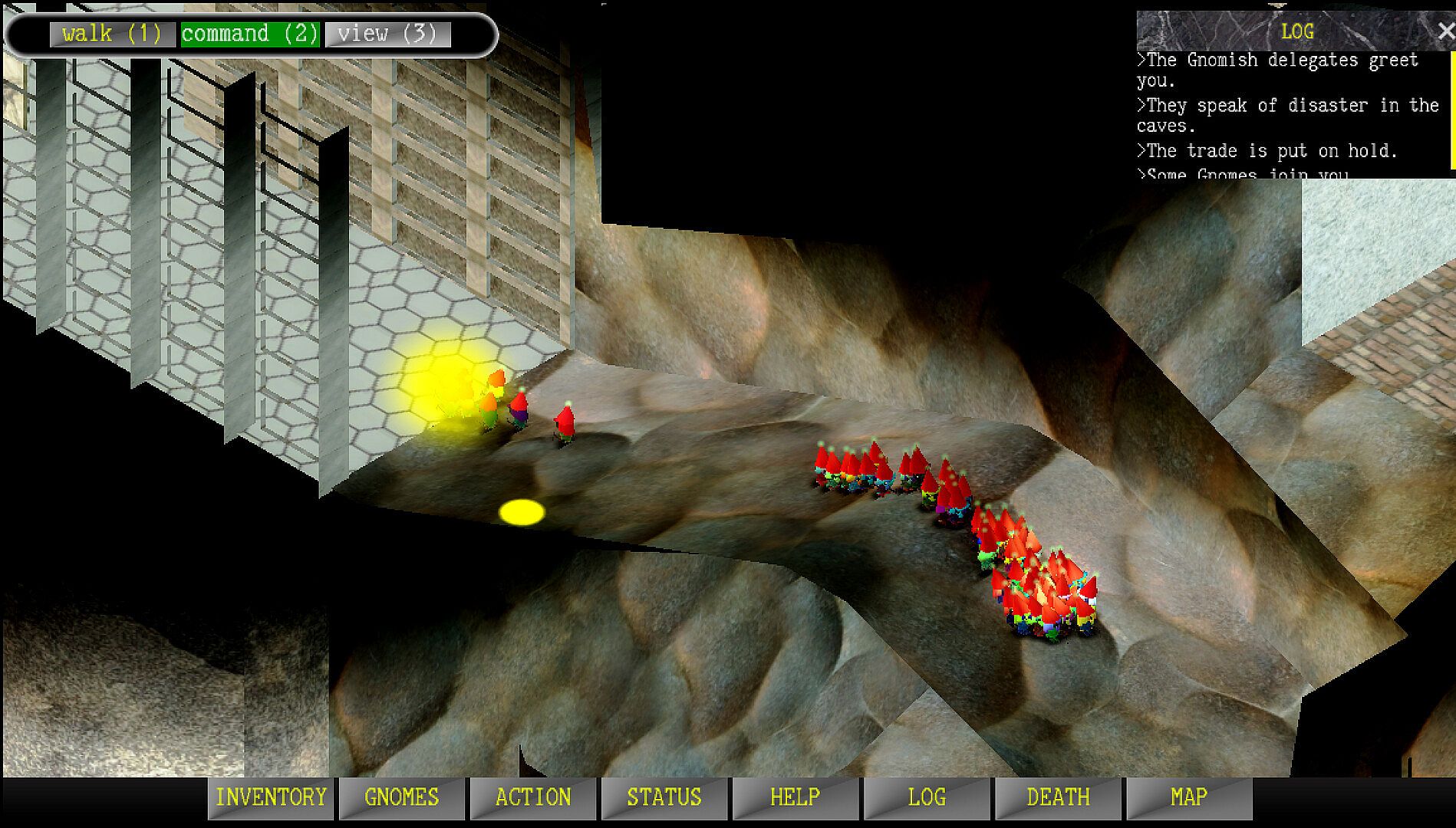
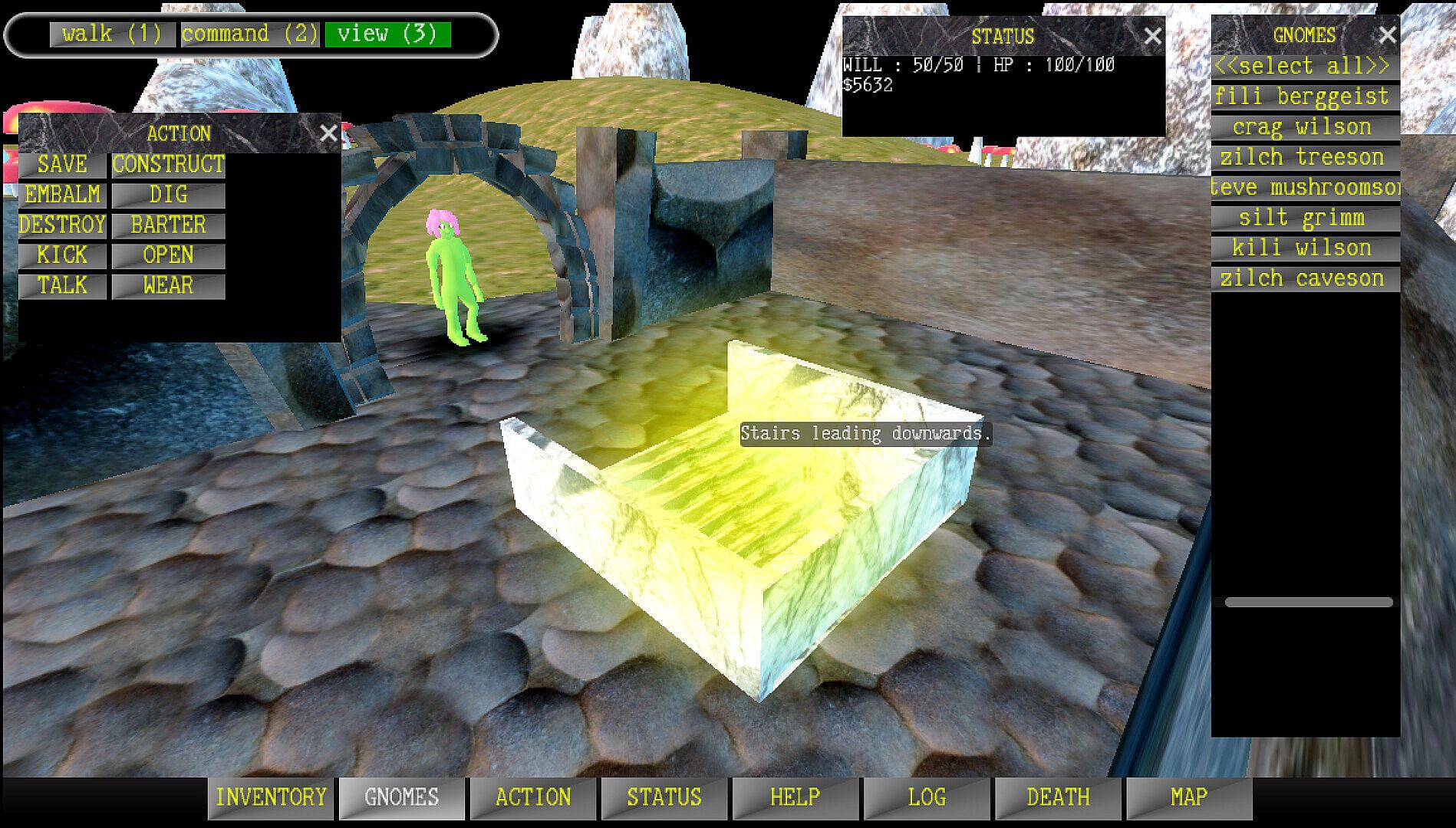
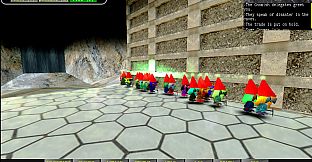
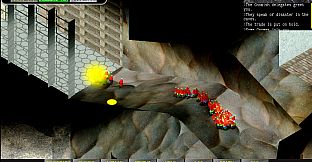
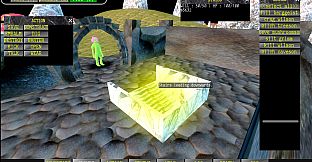
Gnome RTS is a real-time strategy game that combines dungeon crawling with colony management and simulation elements. Players guide a group of gnomes through a cursed underground labyrinth, issuing commands to clear paths, gather resources, and push toward the surface. The experience centers on directing a small community of these characters as they handle exploration, combat, and infrastructure needs in an underworld setting.
Gameplay
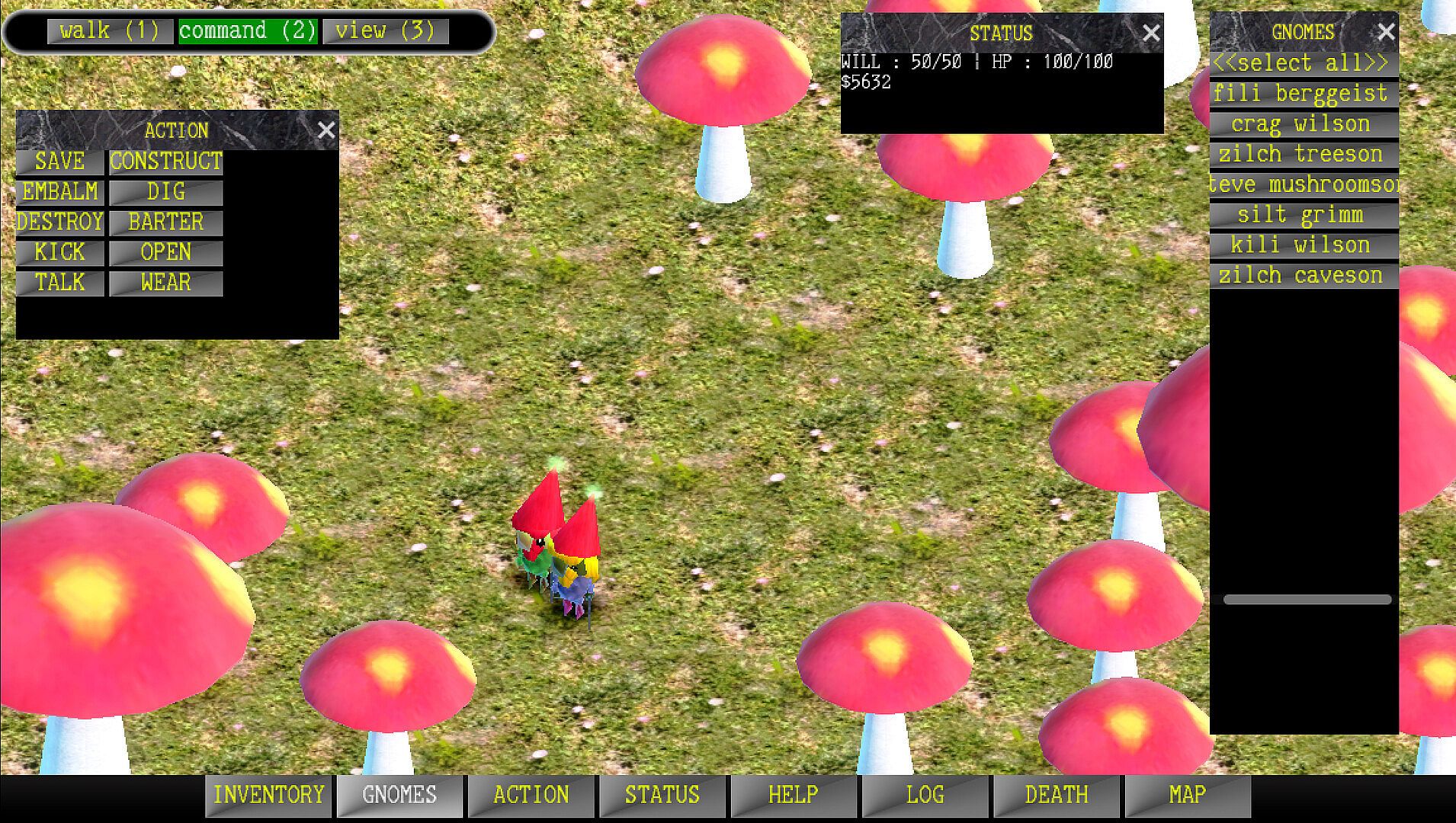
The core loop revolves around assigning tasks to individual gnomes and monitoring how those assignments play out over time. Players can delegate work such as mining, fighting, or construction, then step back to observe the results as the colony advances through successive areas. This setup allows for both active direction and periods of passive watching as gnomes carry out routines.
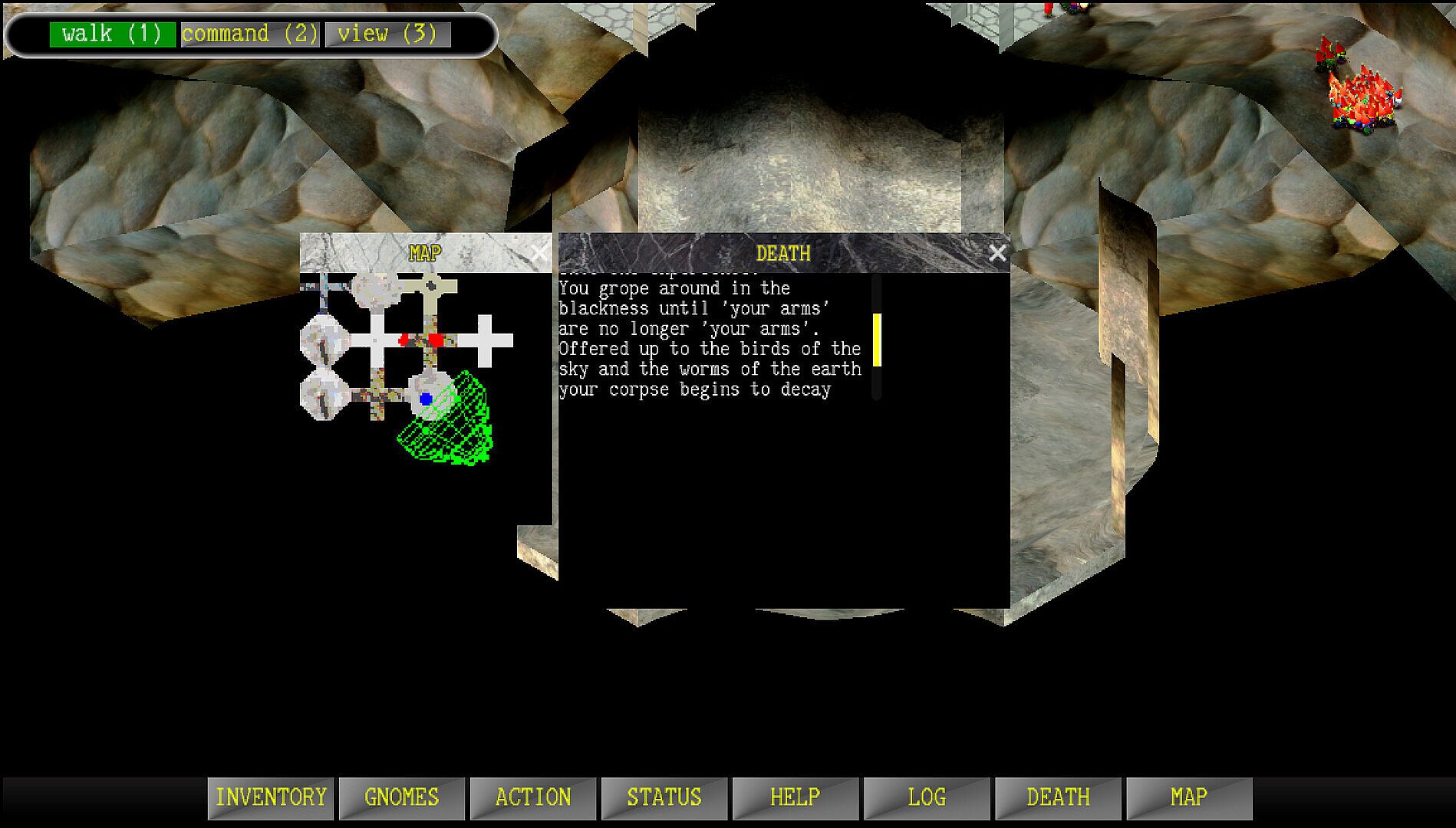
Combat occurs against local threats including imps and goblins that inhabit the caves. Encounters emphasize positioning and timing rather than direct unit control, with gnomes using tools and improvised tactics to overcome obstacles. Resource management ties directly into survival, as players must balance immediate threats with longer-term needs like food and rest stations.
Building plays a supporting role by creating routes and maintenance points that keep the colony functional across multiple levels. Structures help sustain gnomes during extended stays in one area. When excess workers become available, they can be reassigned to adjacent zones, freeing the main group to focus on tougher sections ahead. A custom character creator lets players define their own appearance and starting attributes before entering the labyrinth.
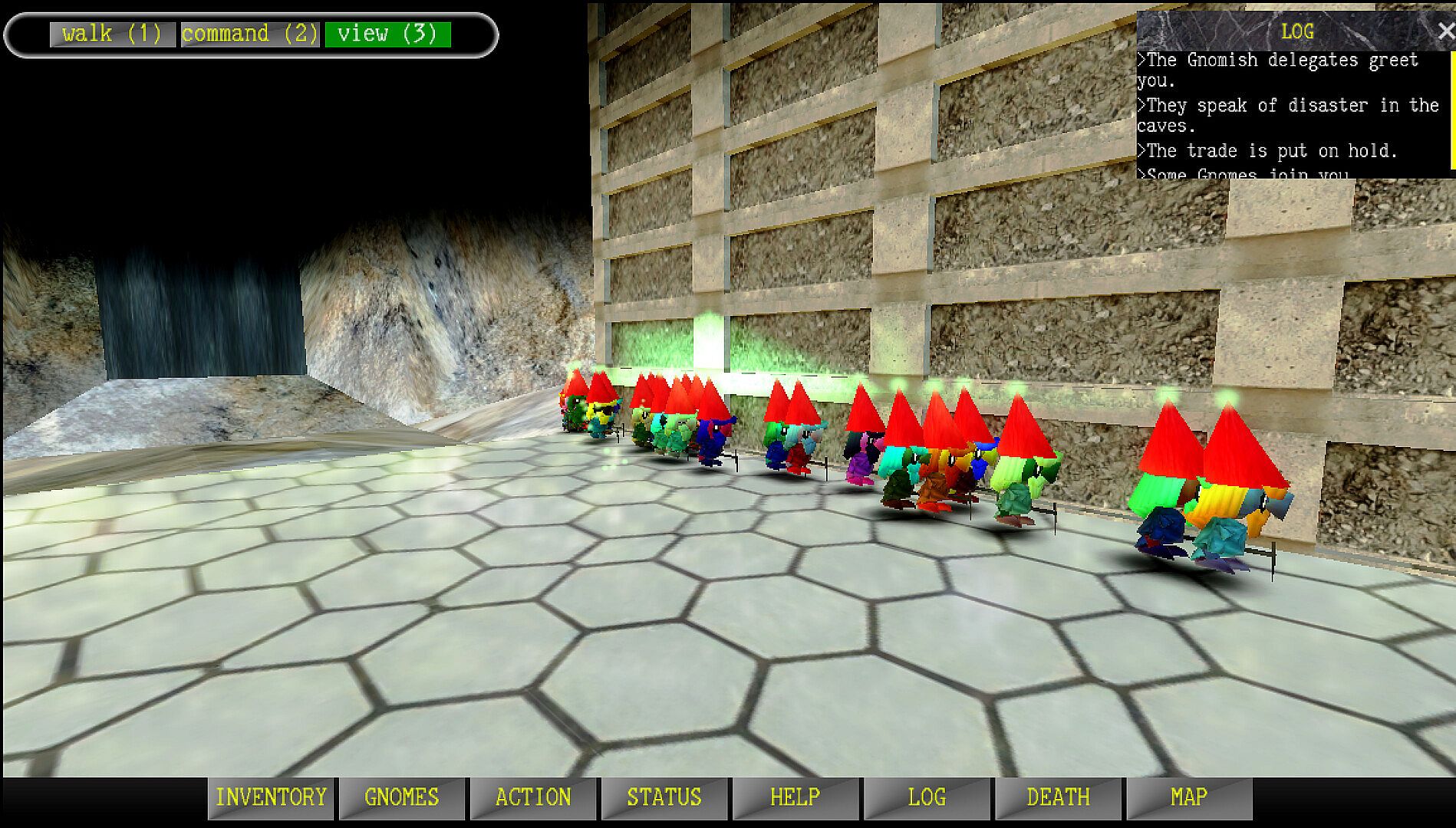
Exploration extends to a subterranean settlement where gnomes can trade goods and gather information. This hub serves as a break from the main progression, offering opportunities to acquire items or upgrades that influence how the colony operates deeper underground. The overall pace mixes deliberate planning with moments where systems run on their own.
Game Modes
The game presents its content as a continuous single-player campaign focused on labyrinth progression. Players advance level by level, adapting colony strategies to new environments and enemy compositions. No separate competitive or cooperative modes appear in the available details, keeping the emphasis on individual management of the gnome group.
Within the campaign, the experience blends direct commands with automated behaviors. Gnomes handle routine duties once assigned, which creates opportunities to shift focus between different parts of the operation. This structure suits players who prefer overseeing a growing settlement rather than micromanaging every action.
Story and Setting
The narrative follows the colony's journey to recover the Boulder of Fate and restore the forests above ground. The cursed labyrinth serves as the primary environment, filled with hidden treasures and hostile inhabitants that test the gnomes' resourcefulness. Progression through the underworld gradually reveals more of the setting while tying colony actions to the larger goal of escape and restoration.
World-building elements appear through the Gnomish town and the various cave-dwelling creatures encountered along the way. These details reinforce the simulation aspects, where daily gnome life intersects with larger strategic decisions about survival and advancement.
Is It Worth Playing?
Gnome RTS targets fans of real-time strategy who enjoy colony simulation and the ability to watch automated systems unfold. Its focus on task delegation and level-to-level gnome transfers offers a distinct approach within the genre, particularly for those interested in indie titles that mix management with light role-playing elements.
The game remains in a pre-release state with a planned launch date still to be announced. No player reviews or update history exist yet, so expectations should center on the described mechanics of gnome direction, structure building, and underworld exploration. Individuals who value strategic oversight over fast-paced action may find the combination of active commands and passive observation appealing once it becomes available on PC.