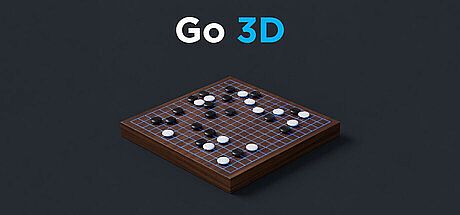


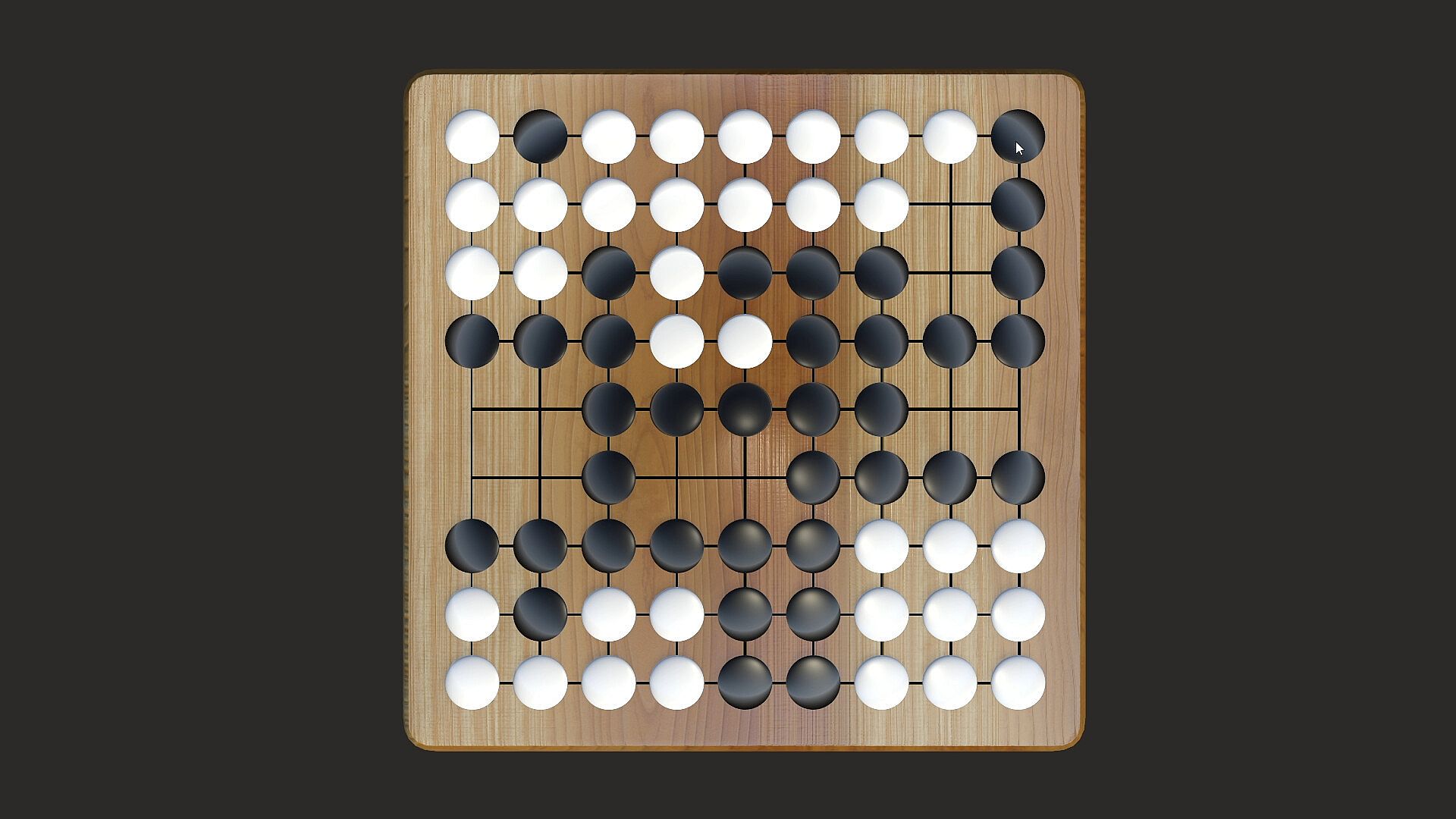
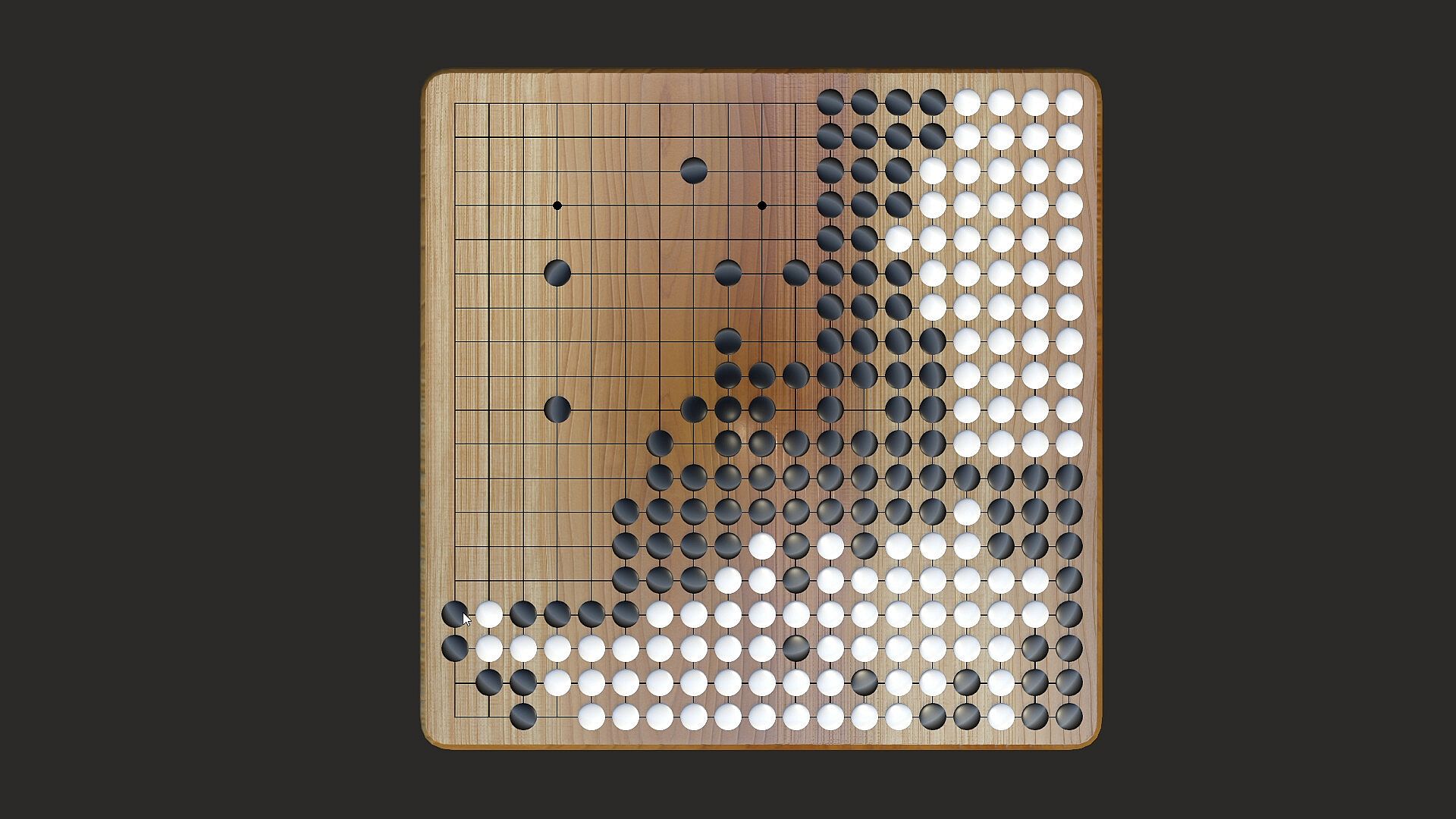
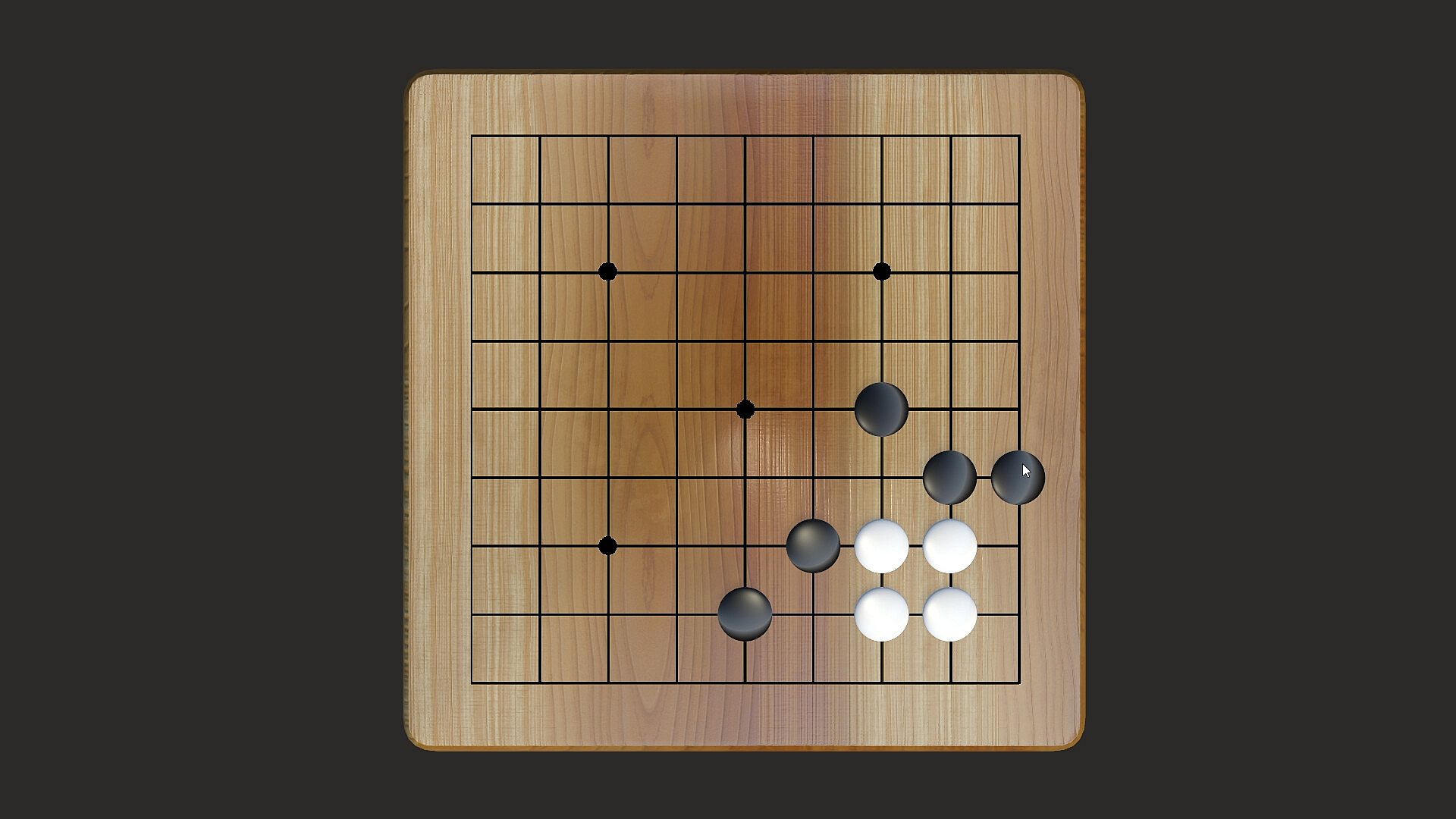
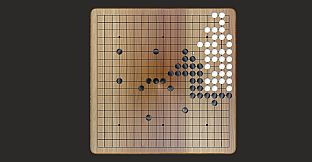
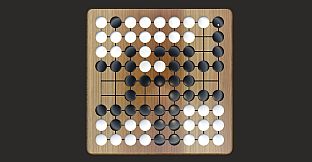
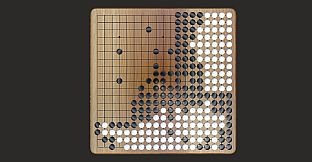
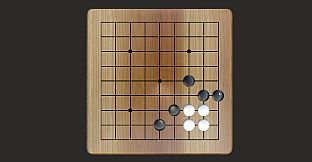
Go 3D is a strategy and casual game for PC that adapts the ancient board game of Go into a three-dimensional format. Players engage in matches that focus on placing stones to surround territory and outmaneuver an opponent controlled by the computer. The title emphasizes deliberate decision-making and long-term planning over fast action, making it suitable for those who appreciate thoughtful gameplay sessions.
Gameplay
Core play revolves around positioning stones on a grid to enclose empty spaces and remove opposing stones that lack liberties. Each placement alters the balance of control across the board, requiring players to anticipate several turns ahead. The three-dimensional presentation shows stones with depth and shading, which helps distinguish layers of influence during extended matches.
Matches proceed at a measured pace, with no timers forcing quick choices. This setup encourages repeated evaluation of the current position before committing to a move. The system supports both beginners testing basic patterns and more experienced players refining complex formations on larger grids.
Visual feedback highlights stone placement and captures clearly through the rendered board. Adjustments to viewing angle allow inspection of the layout from multiple perspectives, aiding in the identification of potential threats or opportunities that a flat view might obscure.
Game Modes
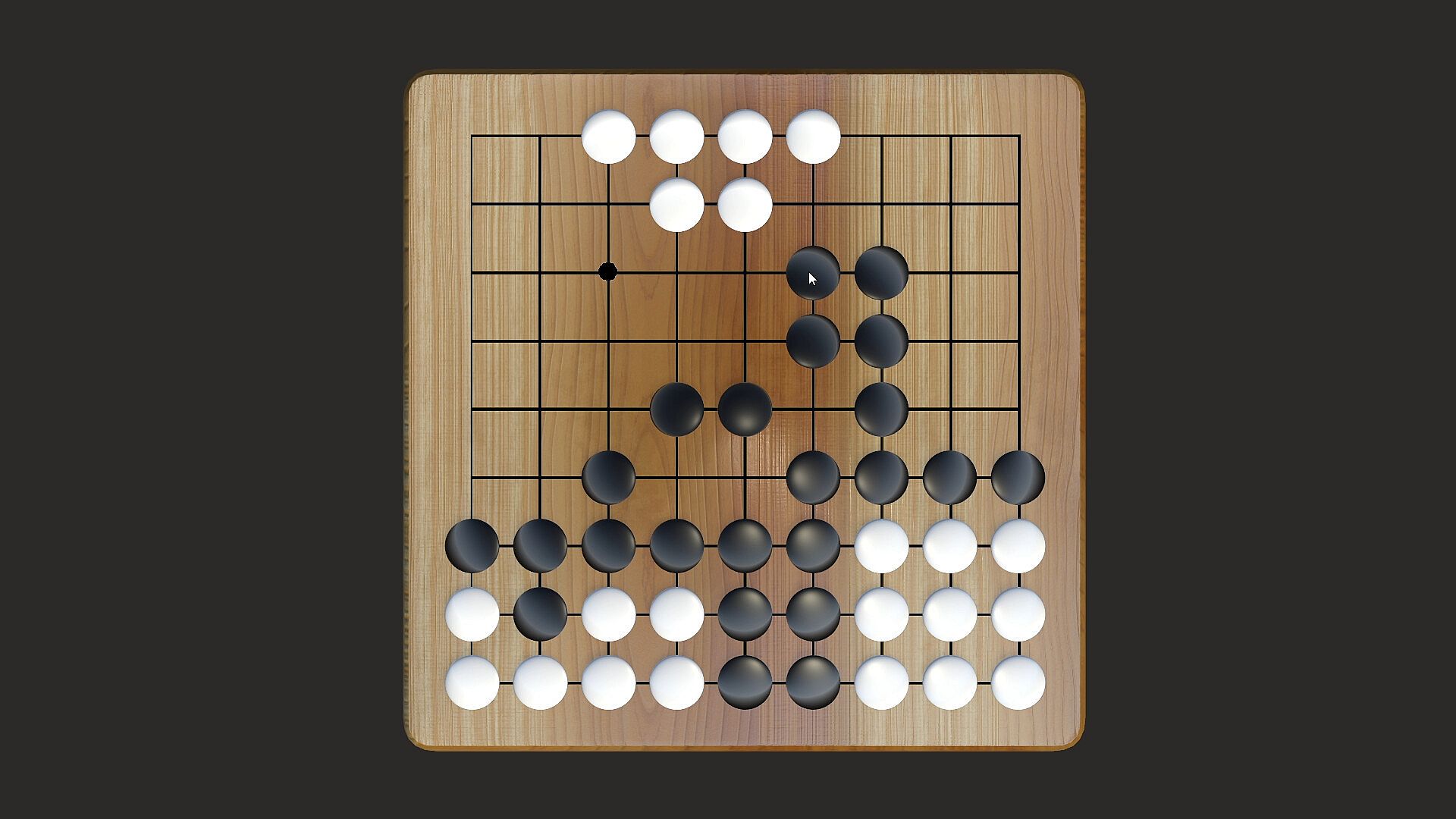
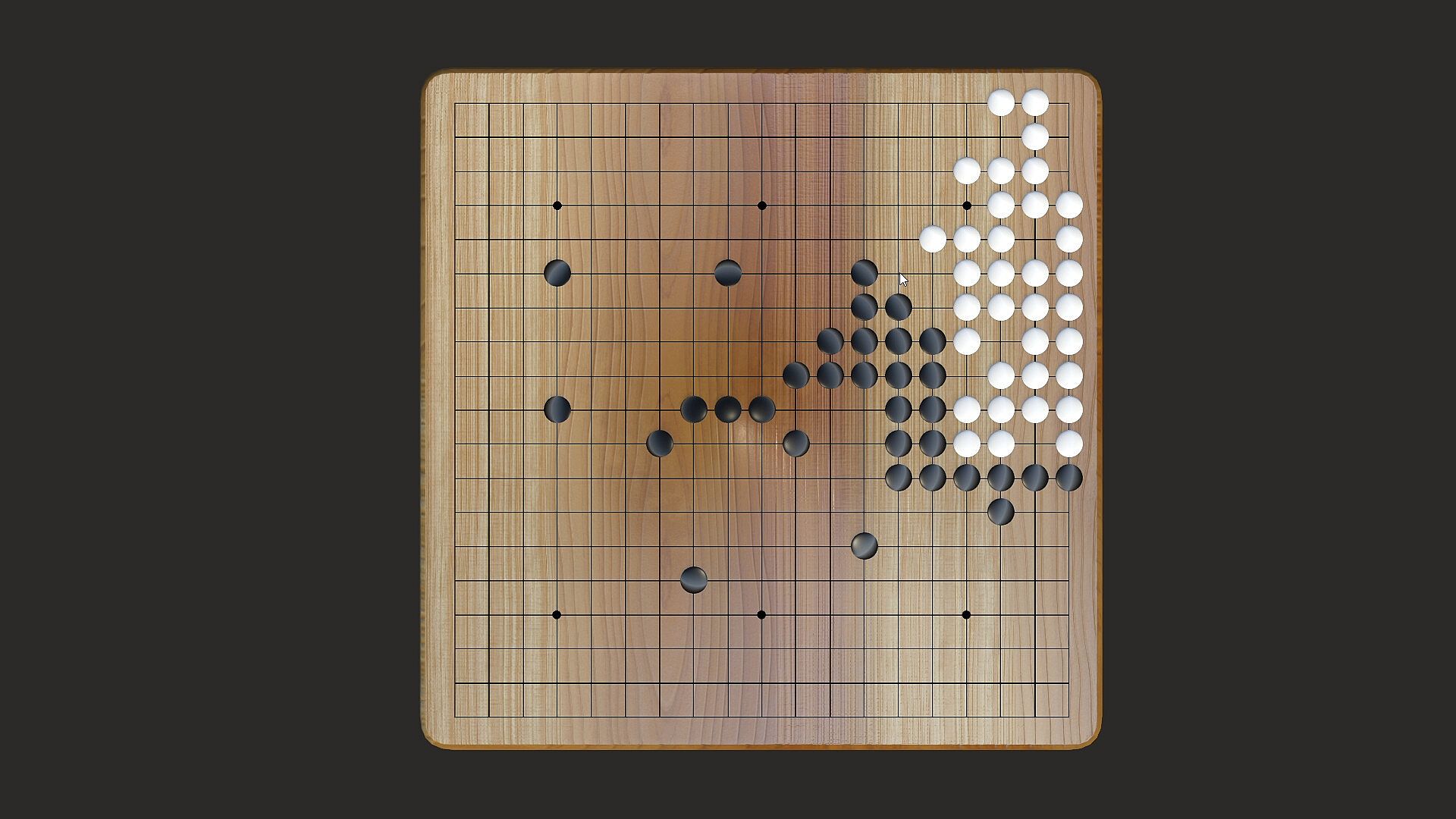
Competition centers on single-player encounters against the computer AI. Two board sizes provide distinct experiences. The 9x9 grid offers shorter sessions ideal for practice and understanding fundamental tactics. The 19x19 grid delivers the traditional scale where territory control unfolds over many more moves and demands greater strategic depth.
Players select the board size at the start of each match. The AI opponent maintains consistent rules across both sizes, allowing direct comparison of performance as skills develop. No additional variants or alternate rule sets appear in the available options.
Strategic Elements
Success depends on balancing offense and defense. Surrounding opponent groups while securing personal territory forms the central tension in every game. Early moves often focus on establishing influence in key areas, while later stages involve resolving disputed regions through precise captures or connections.
The 3D board does not alter the fundamental rules but changes how players perceive connections and liberties. Stones appear stacked in space, which can reveal blocking patterns or escape routes more intuitively than a two-dimensional layout in some cases. This presentation supports repeated review of the same position from fresh angles.
Patience remains essential. Rushed placements frequently leave weaknesses that the AI can exploit. Consistent attention to the overall shape of groups leads to stronger results than isolated local fights.
Is It Worth Playing?
Go 3D suits individuals seeking a digital version of the classic strategy game with an emphasis on visual clarity and single-player practice. The two board sizes accommodate different time commitments and skill levels without requiring external opponents. Those who value methodical thinking and the satisfaction of gradual board control will find repeated value in refining their approach across multiple sessions.
The experience stays focused on core mechanics rather than additional layers of progression or customization. Players interested in exploring Go through repeated matches against a reliable computer opponent can use the title as a consistent training tool. Availability on PC keeps the interface straightforward for extended play periods.