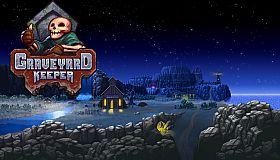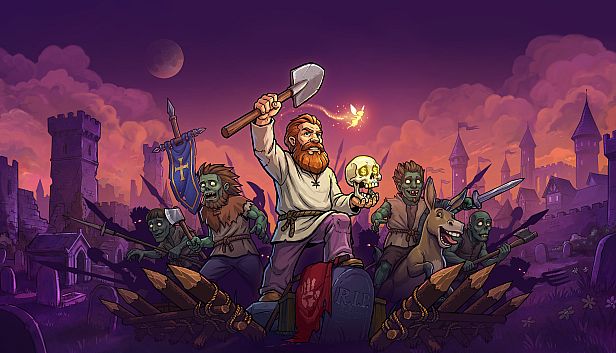



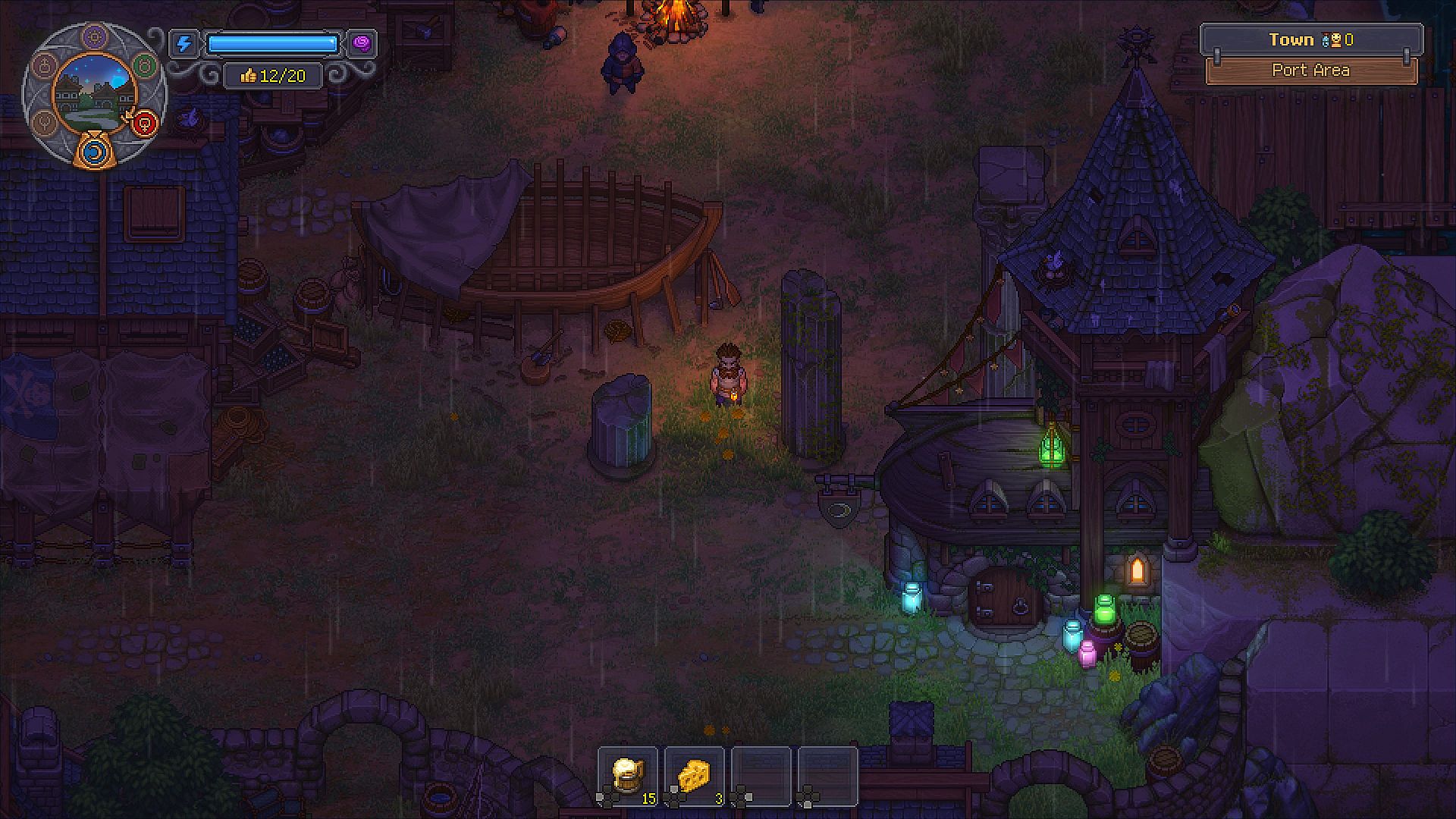
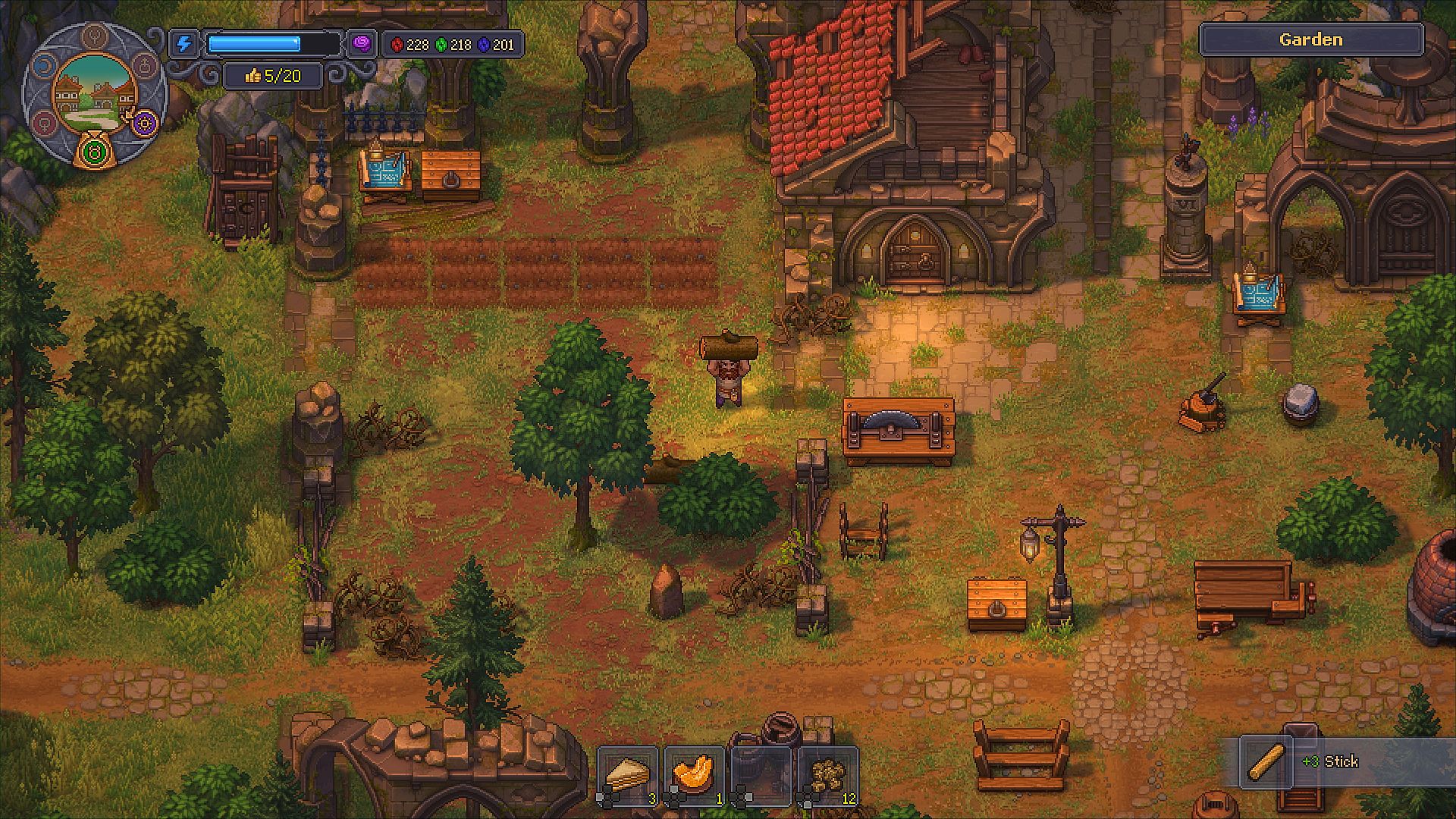
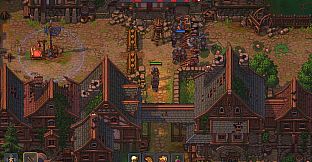
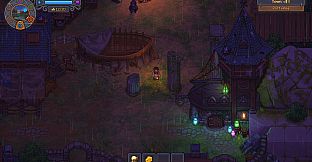
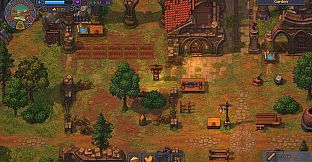
Graveyard Keeper 2 is a strategy RPG simulation adventure game set in a medieval world threatened by a zombie apocalypse. Players take on the role of the Grand Inquisitor, tasked with managing a graveyard while rebuilding a nearby town and commanding an undead army to push back the hordes. The experience blends resource management, automation, crafting, and combat elements into a single-player loop focused on expansion and profit.
Gameplay
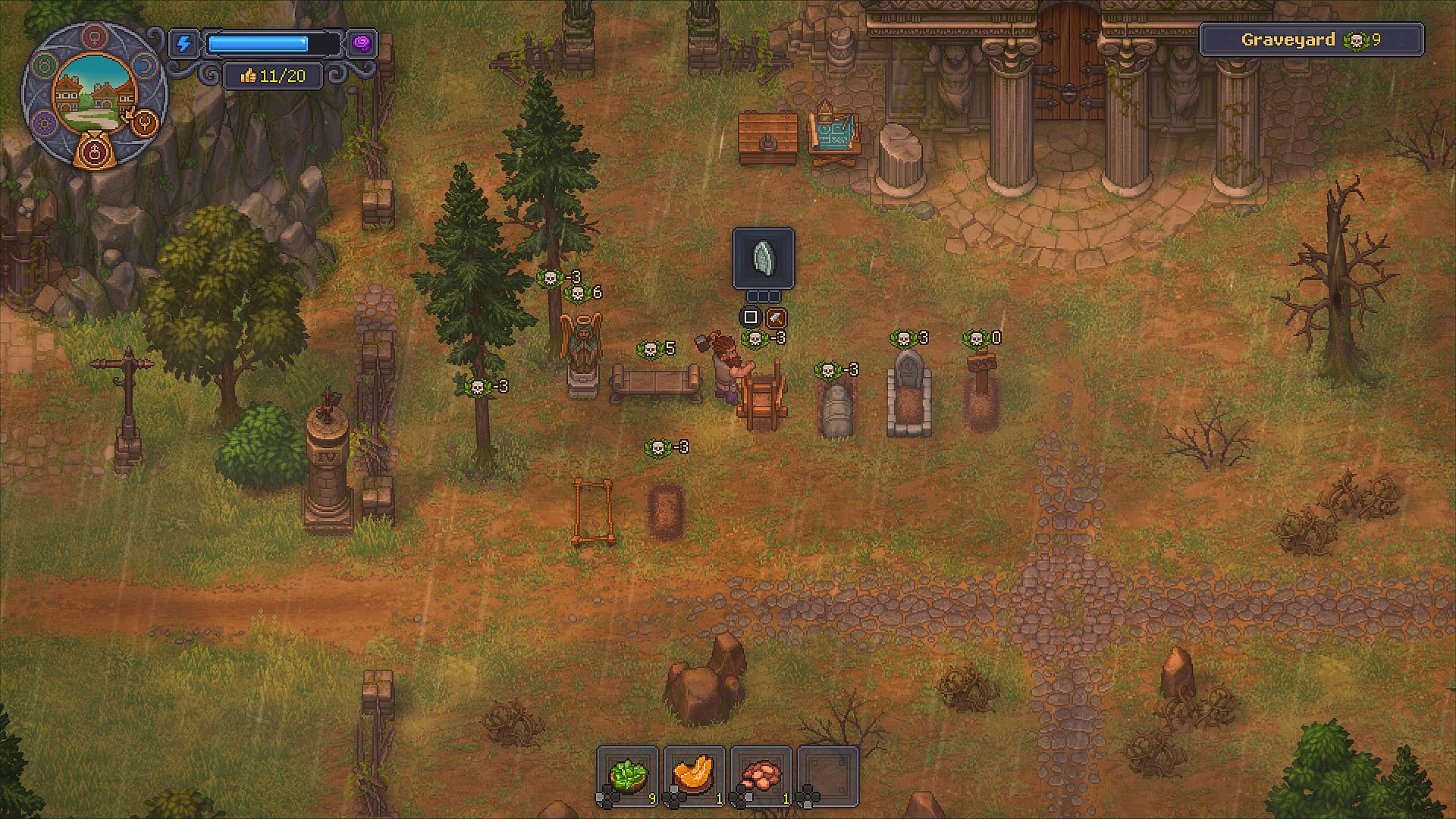
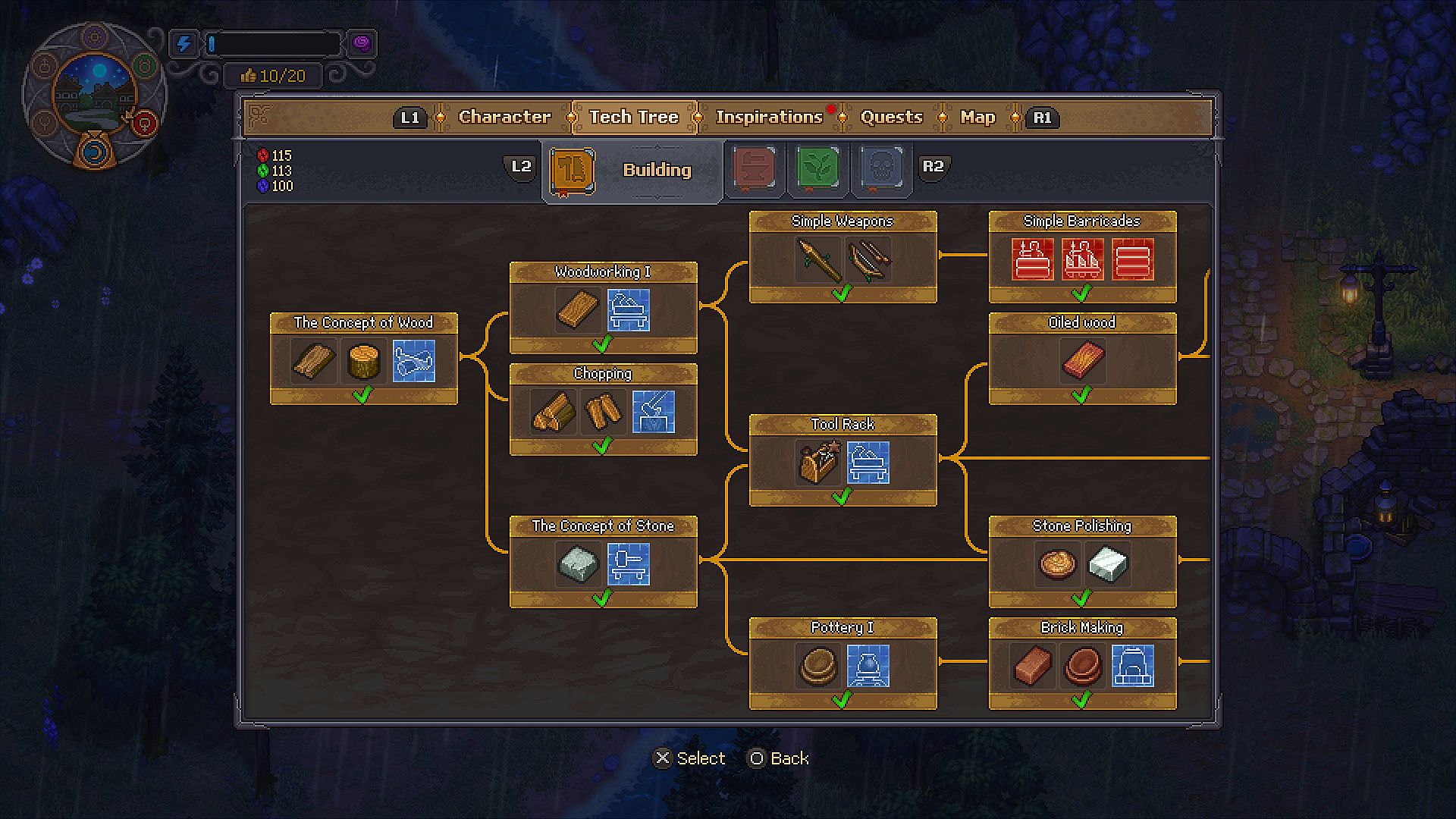
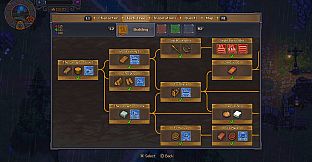
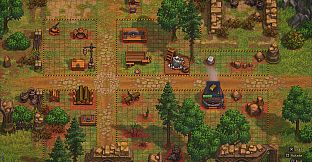
The core loop centers on graveyard management. Players harvest flora, fauna, and human remains to fuel production. These materials feed into machinery that automates output, allowing the graveyard to scale for greater revenue. A tech tree unlocks modules and upgrades that expand available structures, such as tombs, benches, columbaries, monuments, and additional graves.
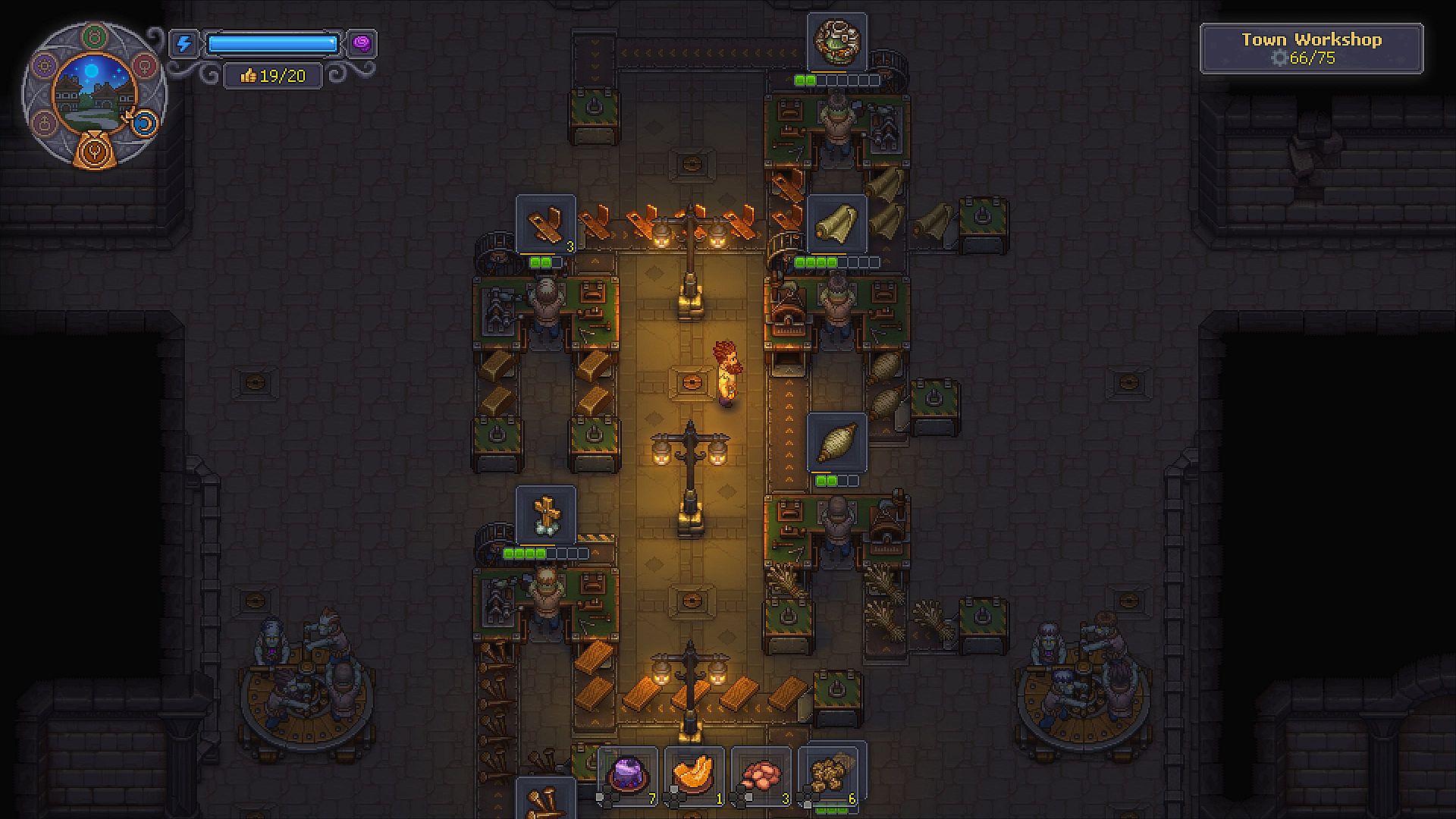
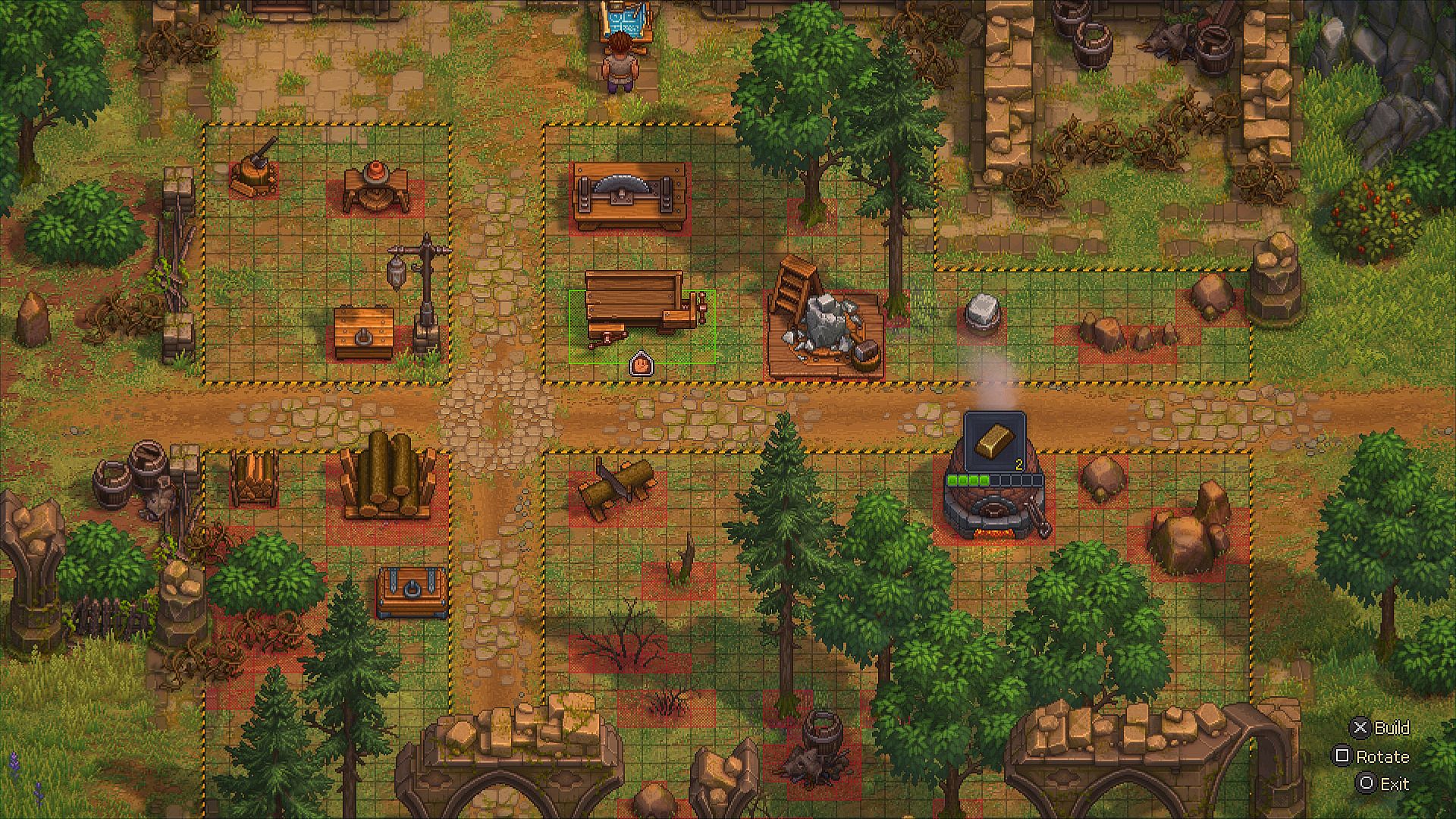
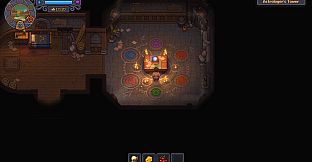
Zombies serve as the primary workforce. They operate workbenches and semi-automatic machines in underground factories once basic conditions are met. Progression involves selecting bodies with favorable traits to improve efficiency across farming, quarrying, alchemy, and assembly lines. Night and day cycles affect visibility and shadows in the 3D environment, adding a layer of timing to daily tasks.
Outside the graveyard, players restore the town by choosing which buildings and businesses to rebuild. Restored structures open new markets, provide resources, and generate more corpses for the graveyard. Quests from townsfolk tie into these efforts, converting local problems into revenue streams through zombie-assisted operations.
Game Modes
The game integrates several overlapping systems rather than offering separate selectable modes. Graveyard management forms the foundation, emphasizing automation and expansion through the tech tree. Town restoration adds a layer of decision-making around which infrastructure to prioritize for long-term economic gains.
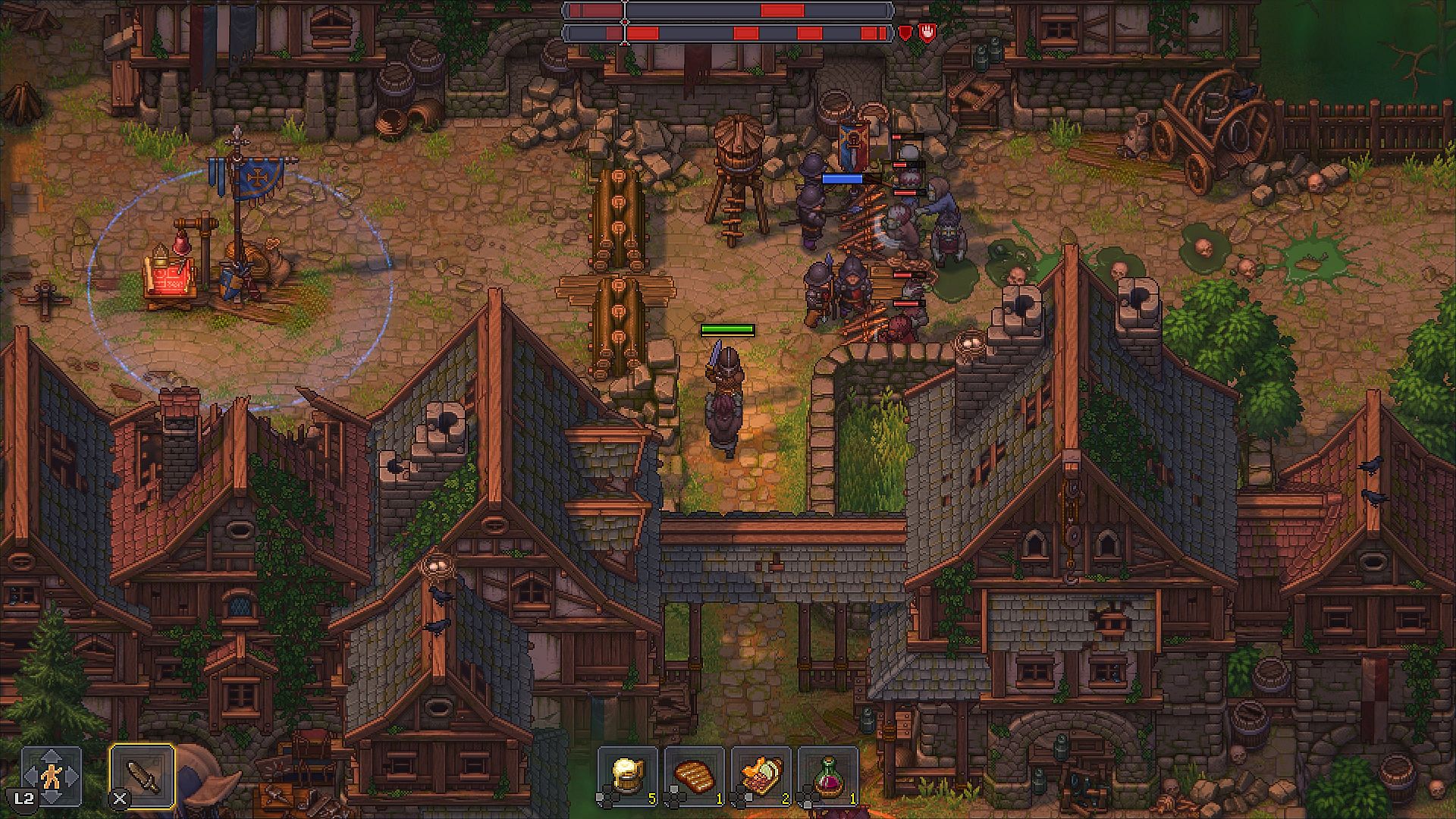
Combat appears in defensive sequences where players lead the undead army. This includes building towers and fortifications, crafting armor and weapons, and training troops to repel zombie waves. The approach mixes direct control with automated support from equipped undead units.
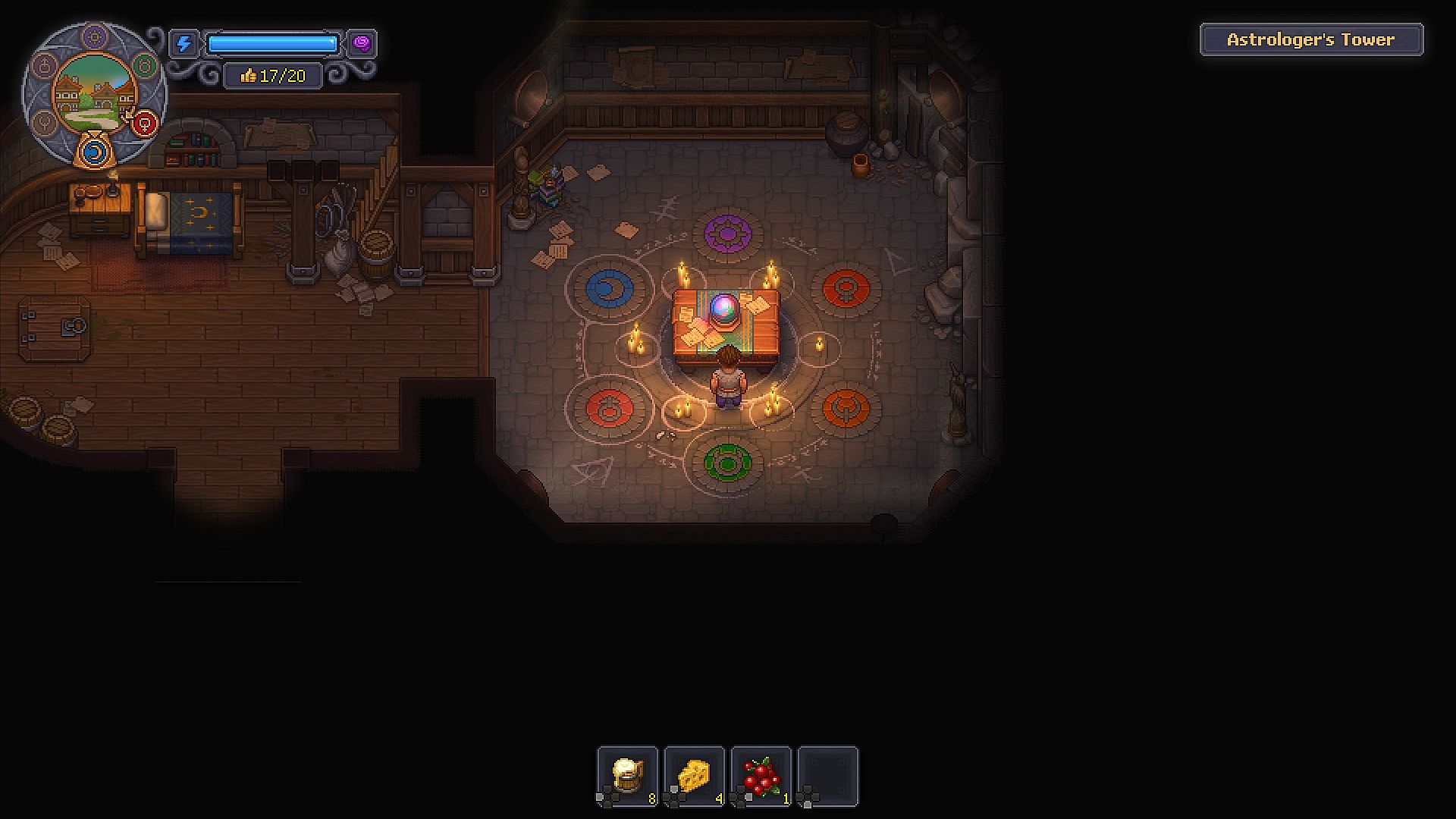
Exploration and story progression connect these systems. Players move between the graveyard, town, and surrounding areas using a city map, completing objectives that advance the narrative of saving the kingdom while turning the zombie threat into a business opportunity.
Key Mechanics and Features
Automation stands out as a major evolution. Zombies handle repetitive tasks at machines and factories, freeing the player to focus on higher-level decisions like tech unlocks and town planning. Corpses vary in quality, with better specimens offering more skulls that influence production and combat effectiveness.
Crafting supports both defense and profit. Players create armor, weapons, and other items to equip troops or sell through restored town businesses. The fixed camera angle in the 3D world allows for detailed customization of structures and environments without losing the overhead perspective familiar from similar simulations.
Character progression ties into the Inquisitor role. Upgrades improve abilities for combat and management, while storylines with grotesque characters add humor and twisted narrative beats throughout the kingdom-saving effort.
Is It Worth Playing?
Graveyard Keeper 2 targets players who enjoy management simulations with dark humor, automation depth, and light combat. The combination of graveyard expansion, town rebuilding, and undead army leadership creates a cohesive loop centered on turning chaos into scalable profit.
Those drawn to the original game's style of grotesque characters and unhinged medieval setting will find familiar elements expanded with new automation layers and defensive sequences. The single-player focus suits dedicated sessions of grinding resources and optimizing systems.
With a confirmed release on September 22, 2026, for PS5 and other platforms, the game arrives as a direct sequel built on the same foundation. Pre-order incentives include a personal sauna and an exclusive outfit, but the main draw remains the integrated management and battle systems described in official materials. Players seeking a blend of strategy, simulation, and RPG progression in a zombie-infested medieval world may find it aligns with their preferences once available.