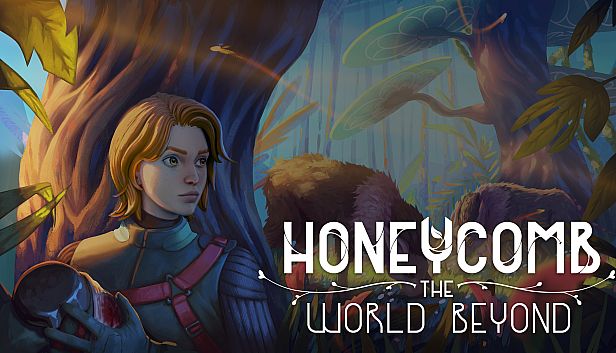


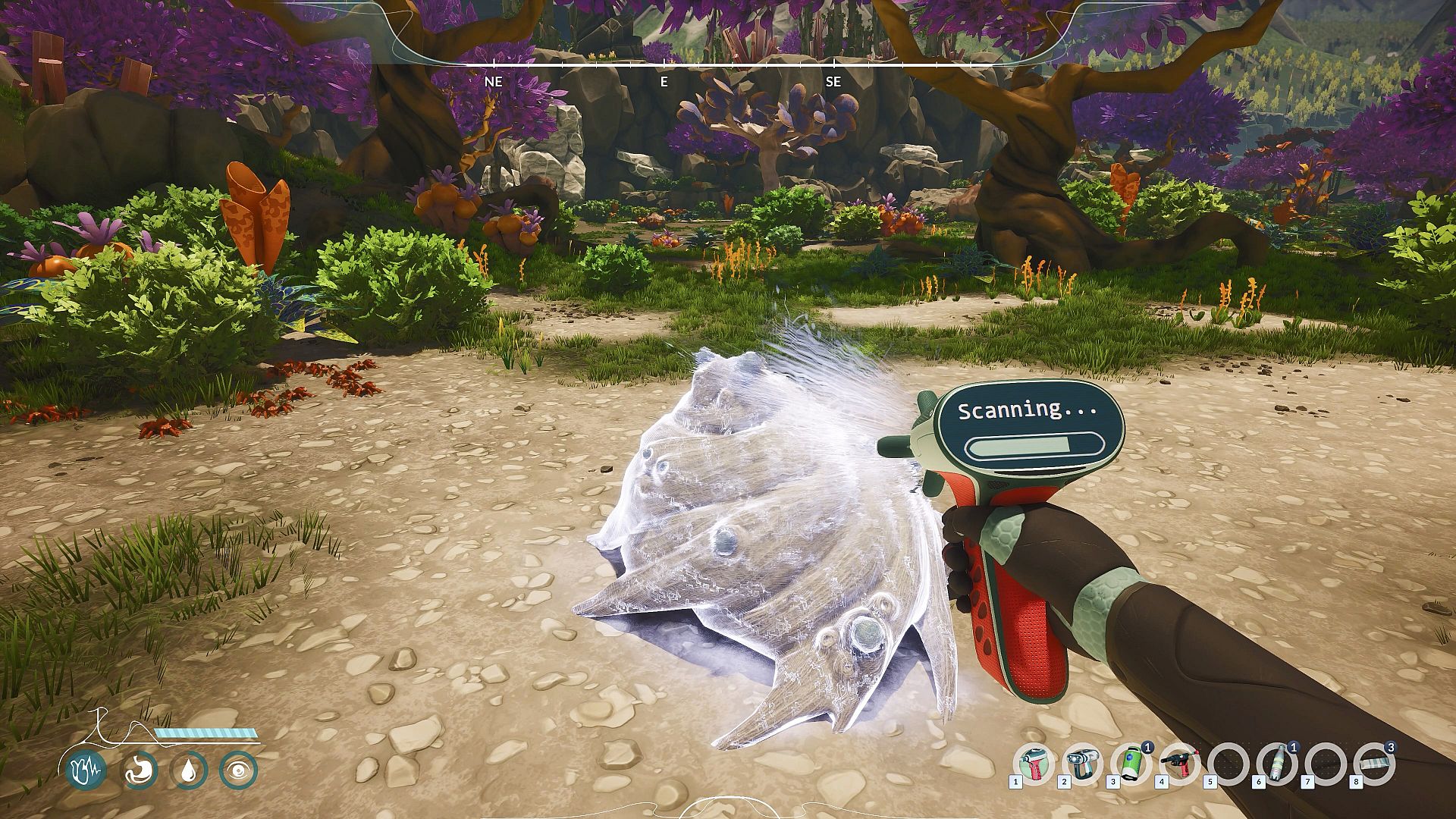
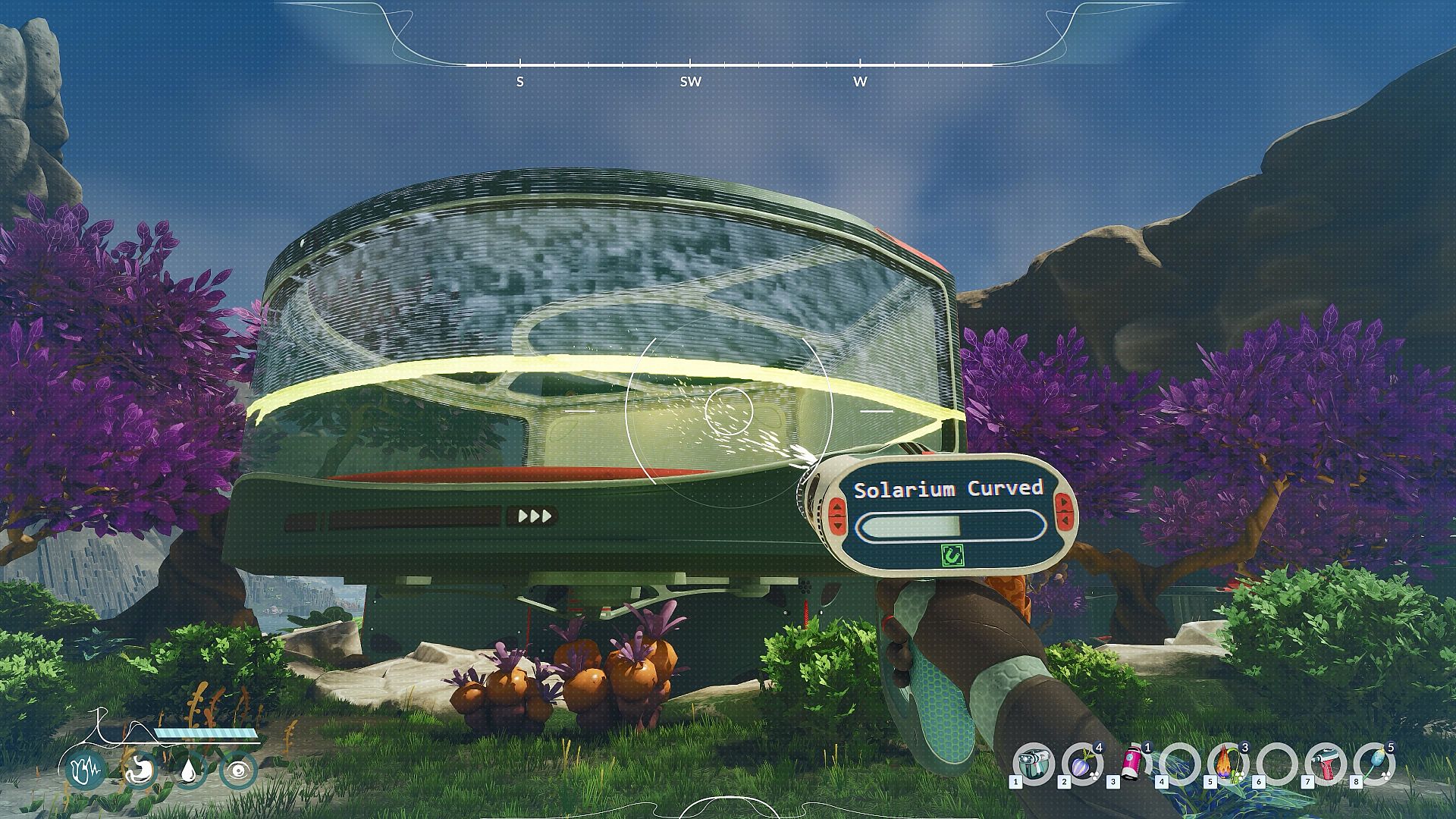
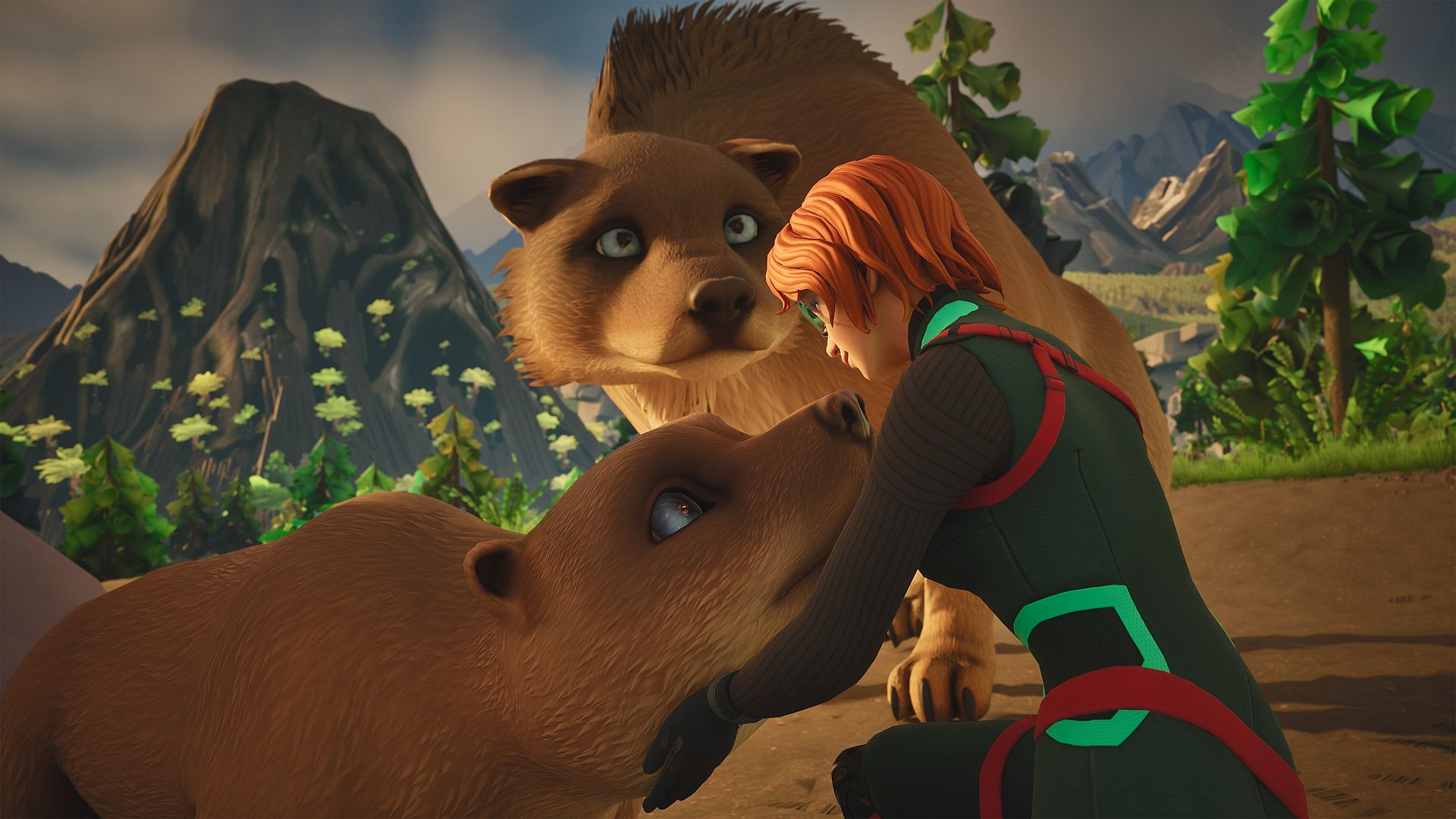
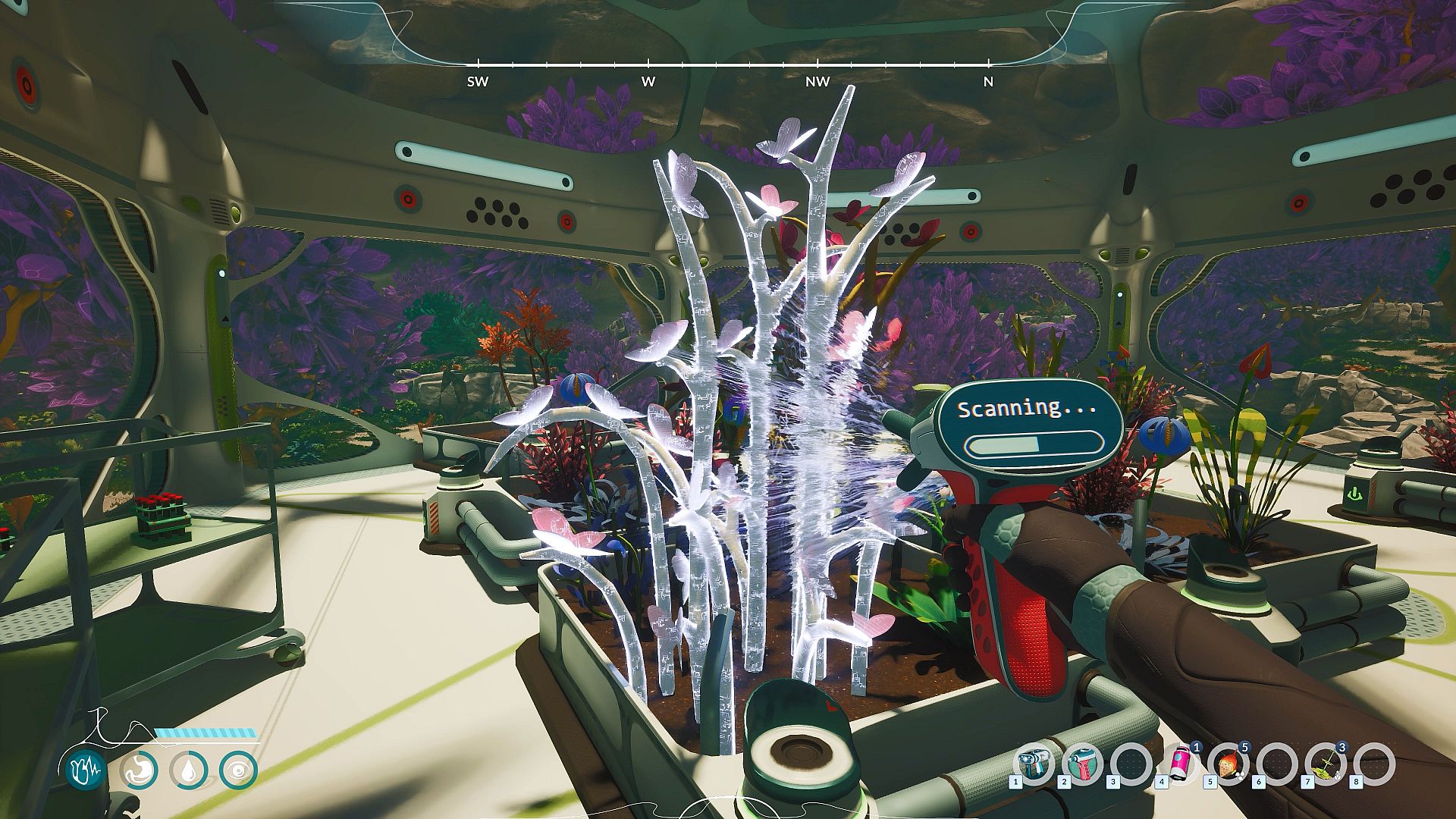
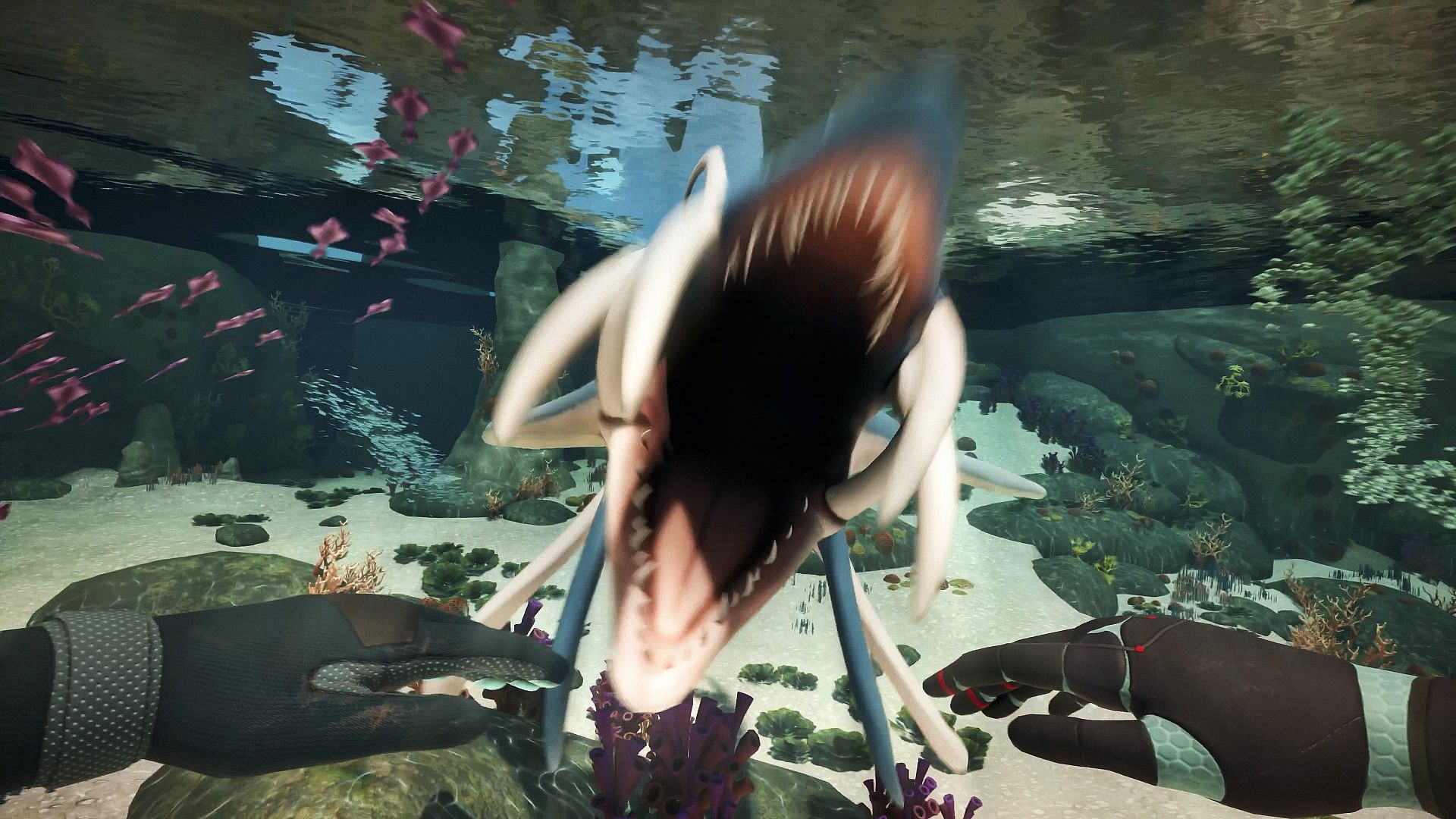
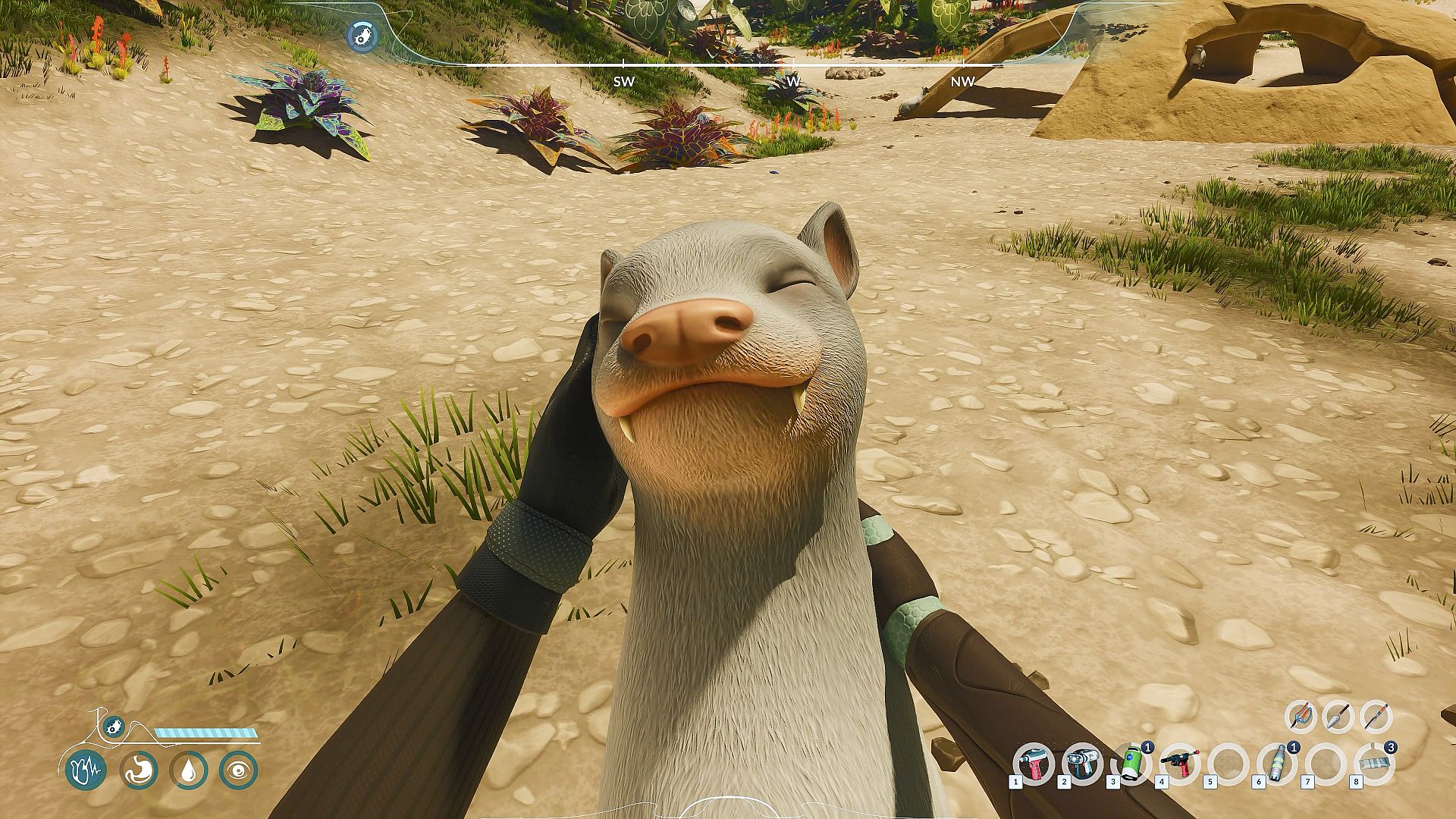
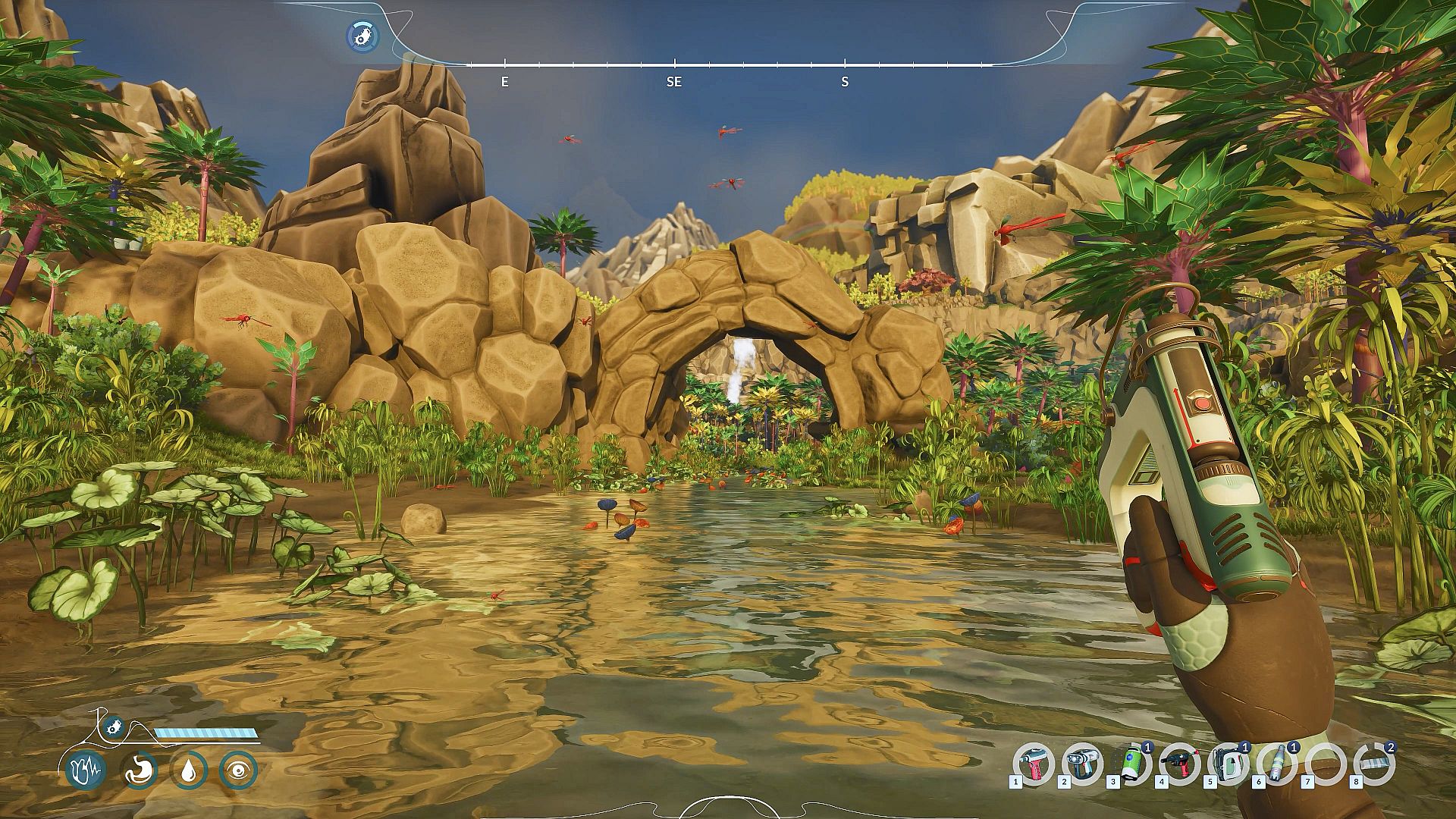
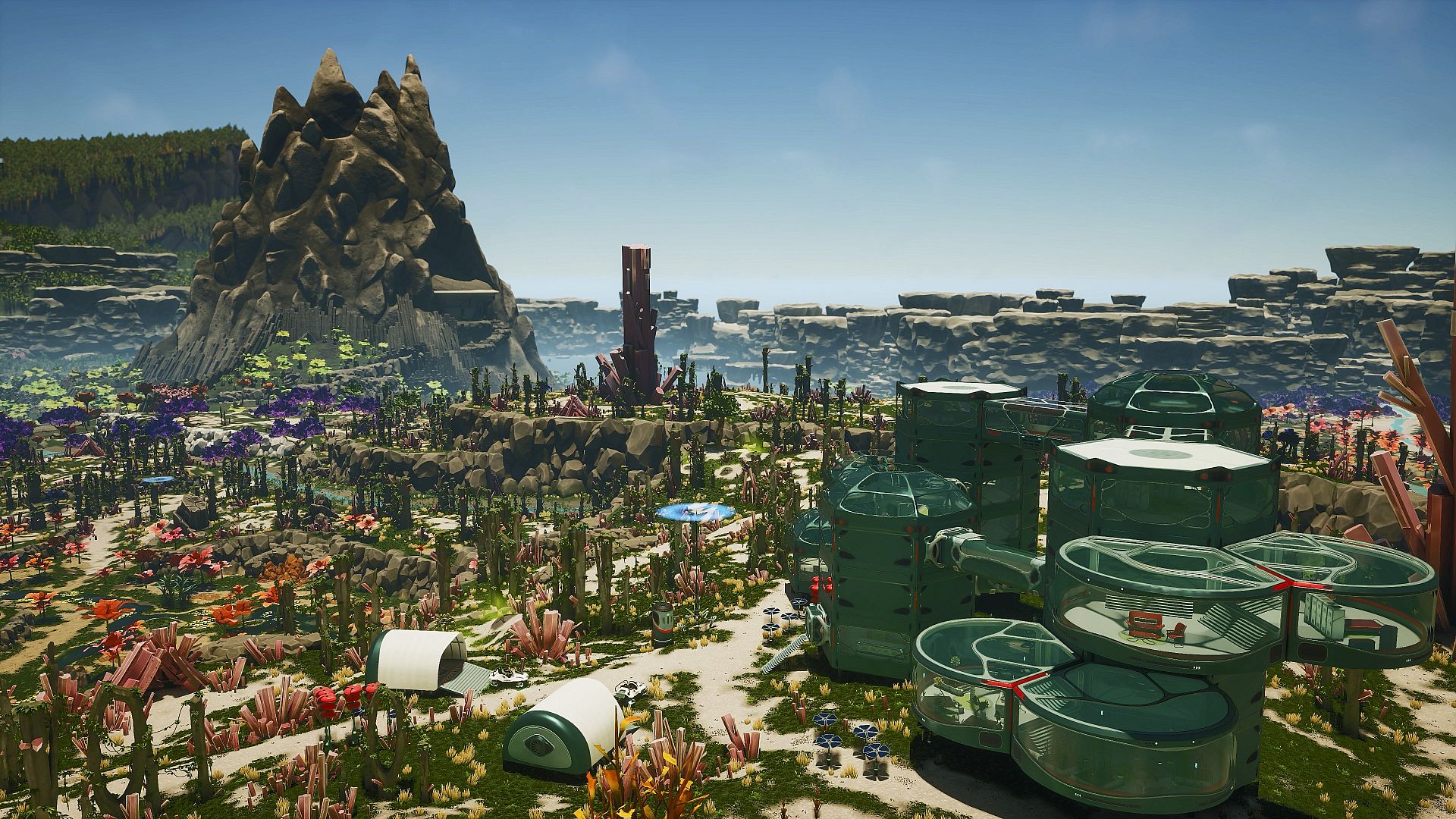
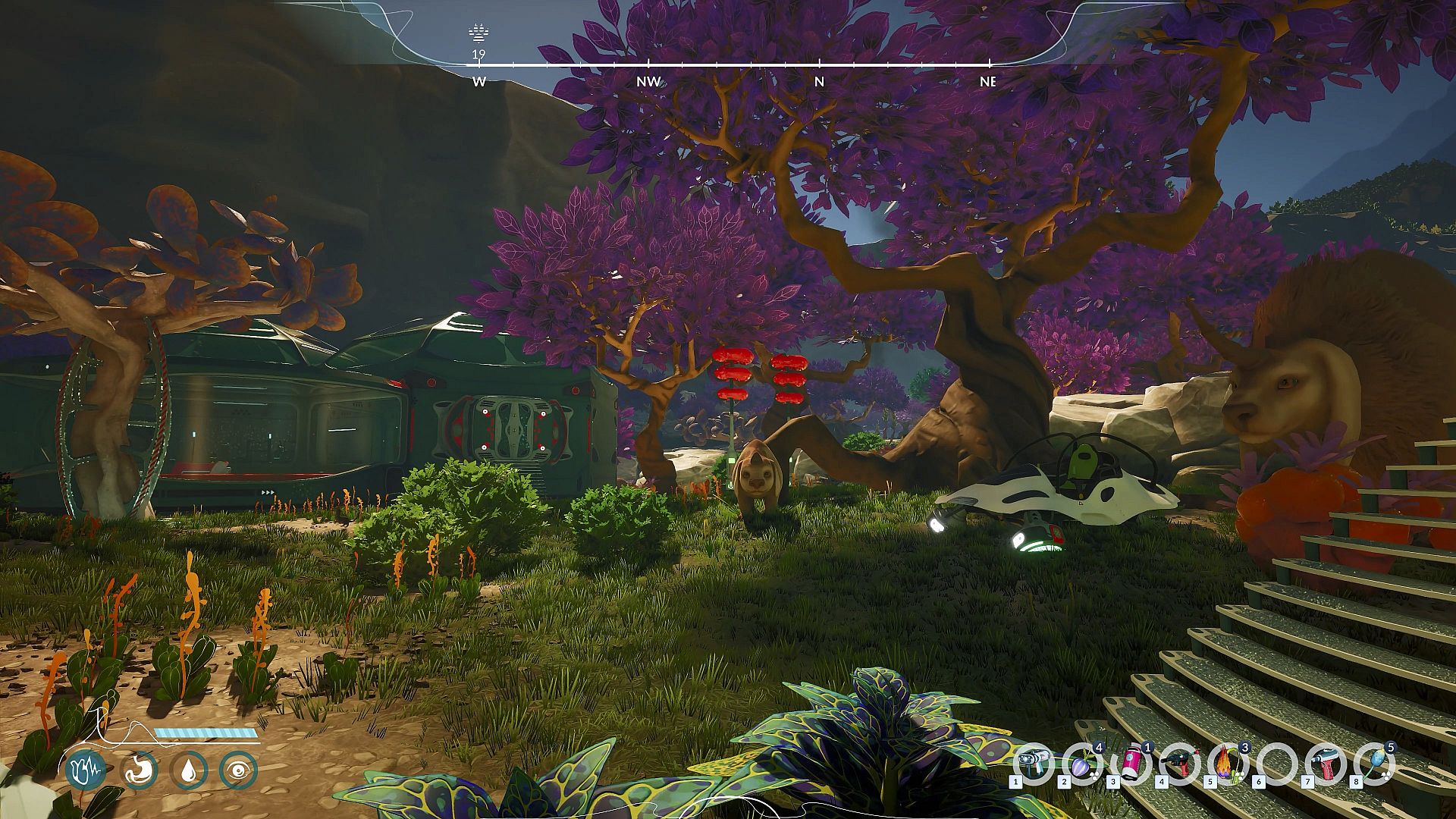
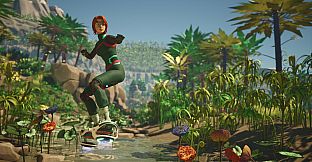
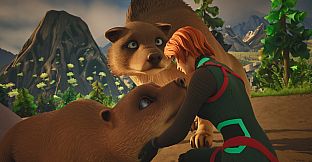
Honeycomb: The World Beyond is a first-person survival sandbox game that places players in the role of Hennessy, a bioengineer tasked with studying an alien planet called Sota7. The experience centers on exploration, scientific experimentation through bioengineering, base construction, and careful resource management to endure the challenges of an unfamiliar ecosystem. Developed by Frozen Way and released on September 8, 2026, for Xbox Series consoles and PC, the title blends elements of action, strategy, simulation, and adventure into a cohesive single-player loop that rewards observation and creativity over direct confrontation.
Gameplay
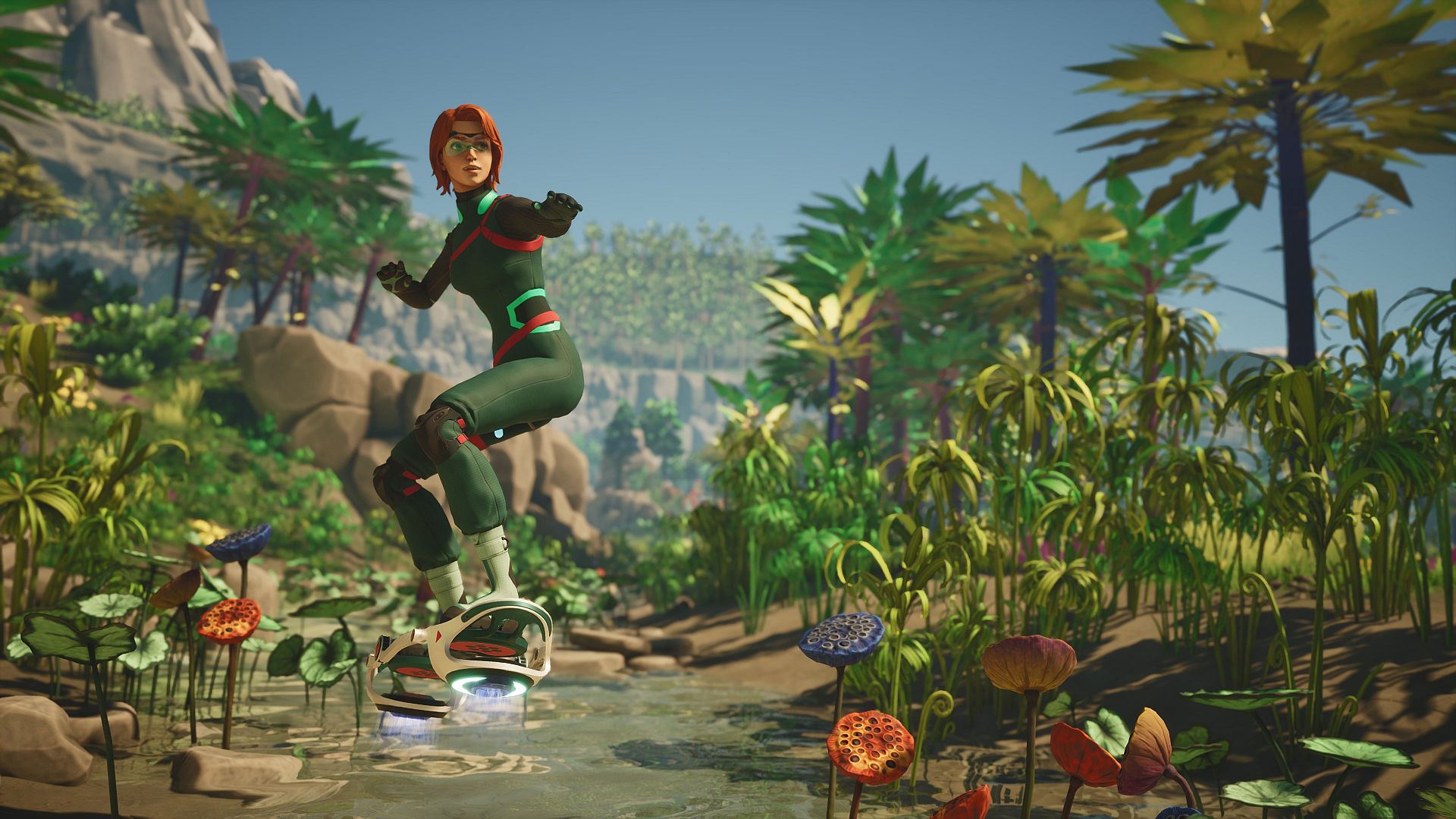
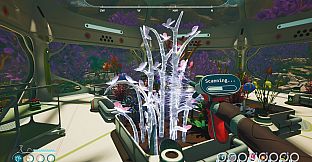
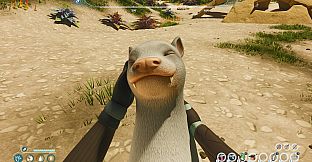
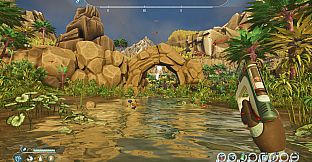
Core gameplay revolves around venturing across Sota7's varied landscapes, from open fields and dense jungles to underground caverns and volcanic regions. Players scan plants and animals to gather data, collect samples with specialized tools, and return findings to a growing laboratory setup. Bioengineering forms the central progression system, allowing experiments that combine plant properties or alter animal traits through techniques such as grafting and allogamy. These processes create new hybrids with useful characteristics that aid survival and research goals tied to Earth's ecological needs.
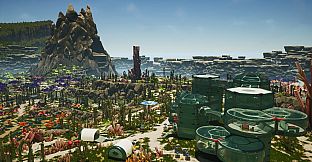
Base building supports long-term expeditions by providing a hub for crafting, storage, and further experiments. Resources gathered during outings enable modular expansions, with options for automated planning to streamline construction for those less focused on manual design. Survival demands attention to environmental hazards, creature behaviors, and inventory management, as some lifeforms react unpredictably to intrusion while others offer opportunities for study. The loop encourages repeated trips into new biomes as research unlocks deeper access and better equipment.
Game Modes
The game operates as a single-player experience without separate competitive or cooperative modes. All activities unfold in one continuous open-world session where progress stems from personal discovery and incremental base improvements. Players advance by completing research objectives, expanding facilities, and adapting to the planet's rules through trial and documented results. This structure keeps the focus on individual experimentation and exploration rather than shared or versus elements.
Exploration and Bioengineering Systems
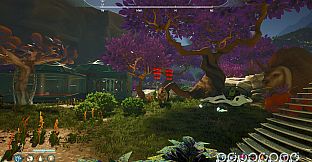
Sota7 features multiple distinct biomes, each populated with unique flora and fauna that players document to understand ecological interactions. Scanning reveals traits and behaviors, while sample collection feeds into laboratory work. Crossbreeding mechanics let players synthesize new variants by combining compatible species, producing organisms with enhanced properties for crafting or environmental adaptation. These systems integrate directly with survival needs, turning scientific output into practical tools for longer outings and safer operations.
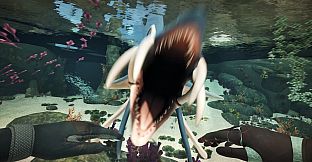
Resource gathering supports both immediate crafting and long-term base growth. Tools for harvesting differ by material type, promoting deliberate choices during expeditions. The absence of traditional combat shifts emphasis toward avoidance, understanding, and creative problem-solving when encountering aggressive creatures or harsh conditions.
Is It Worth Playing?
Early player feedback on the full release has been mostly positive, with reviewers highlighting the satisfying bioengineering loop and thoughtful integration of science into survival mechanics. The game suits those who enjoy methodical exploration, base customization, and experimenting with systems over fast-paced action or multiplayer competition. Its recent launch means ongoing support could expand features, though the core single-player campaign already delivers a complete journey focused on discovery and adaptation. Players interested in ecological themes and creative problem-solving will find the most value here, while those seeking combat-heavy or social experiences may want to try the available demo first to confirm the pace matches their preferences.