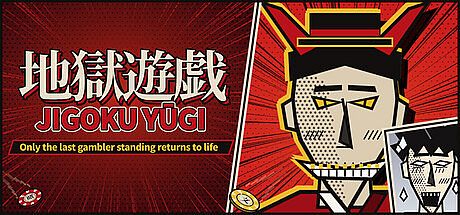


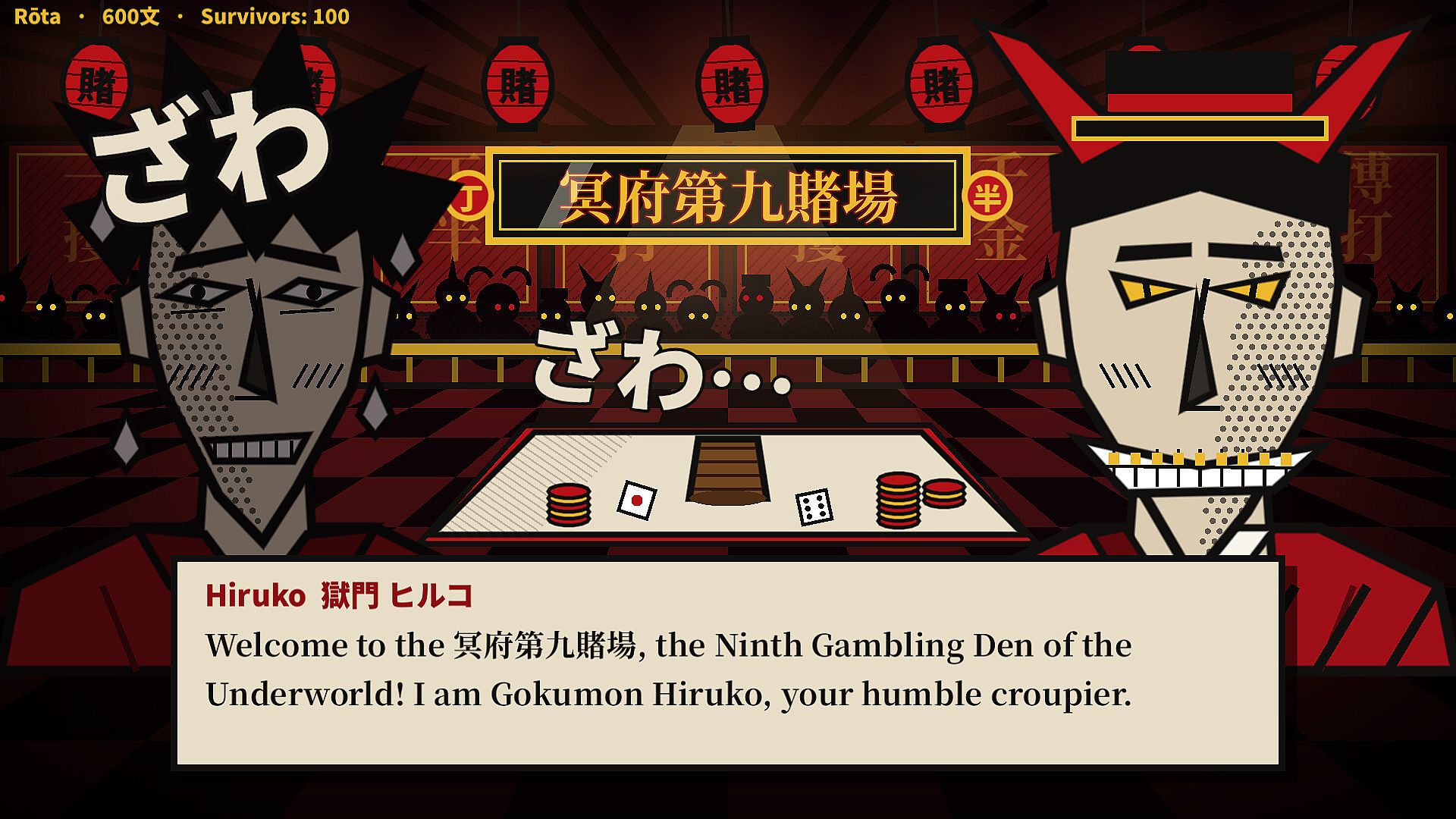
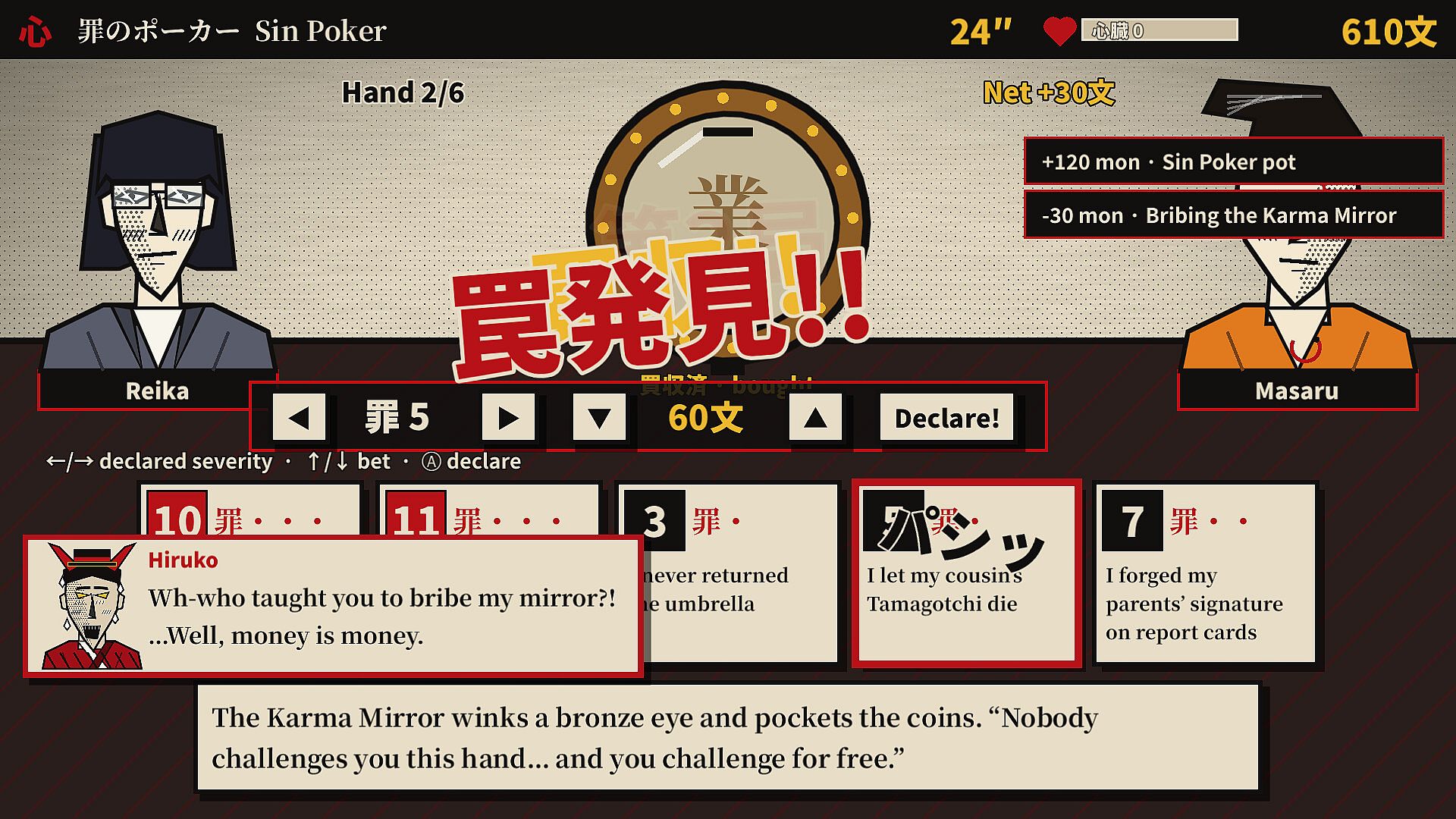
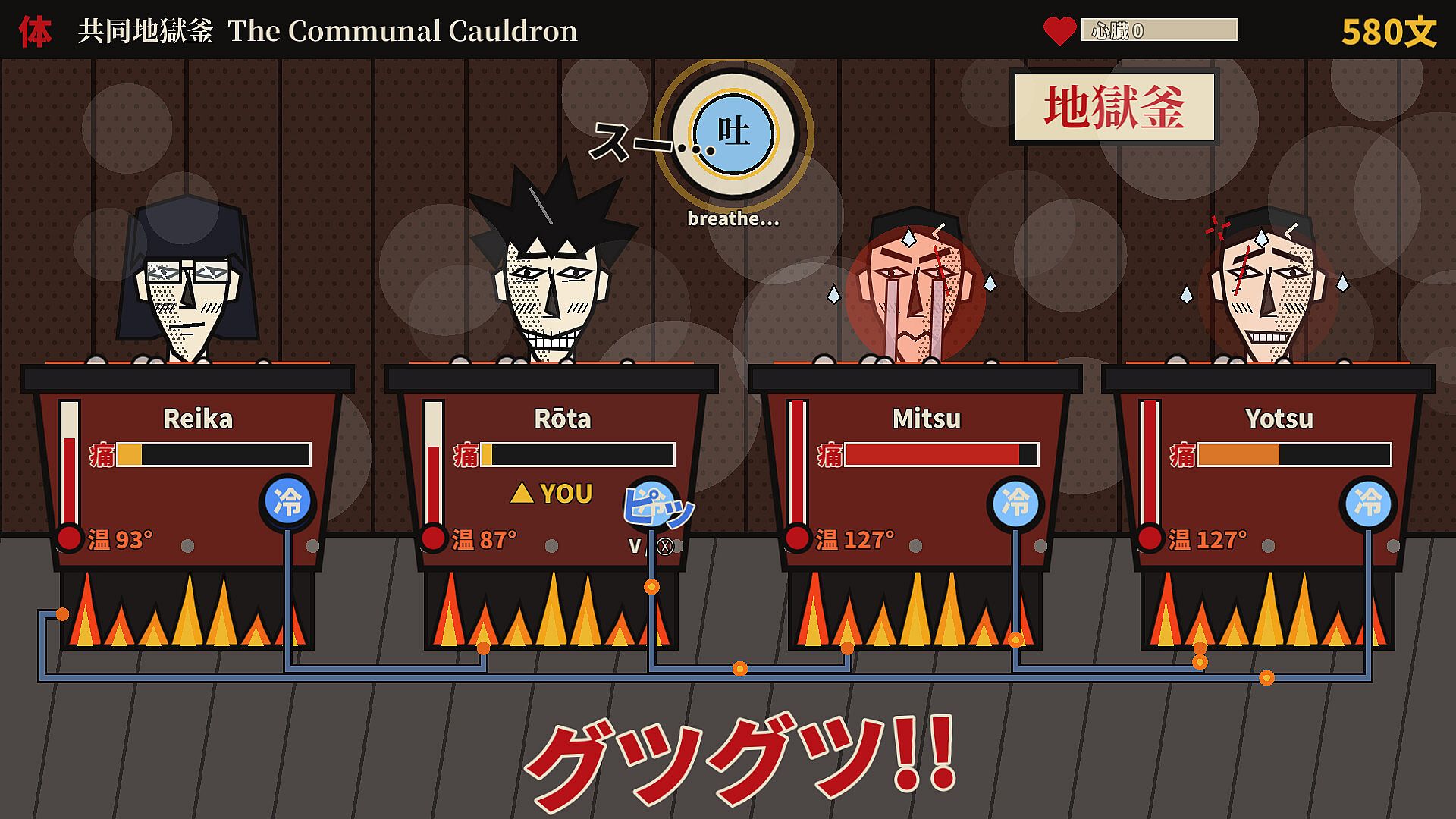
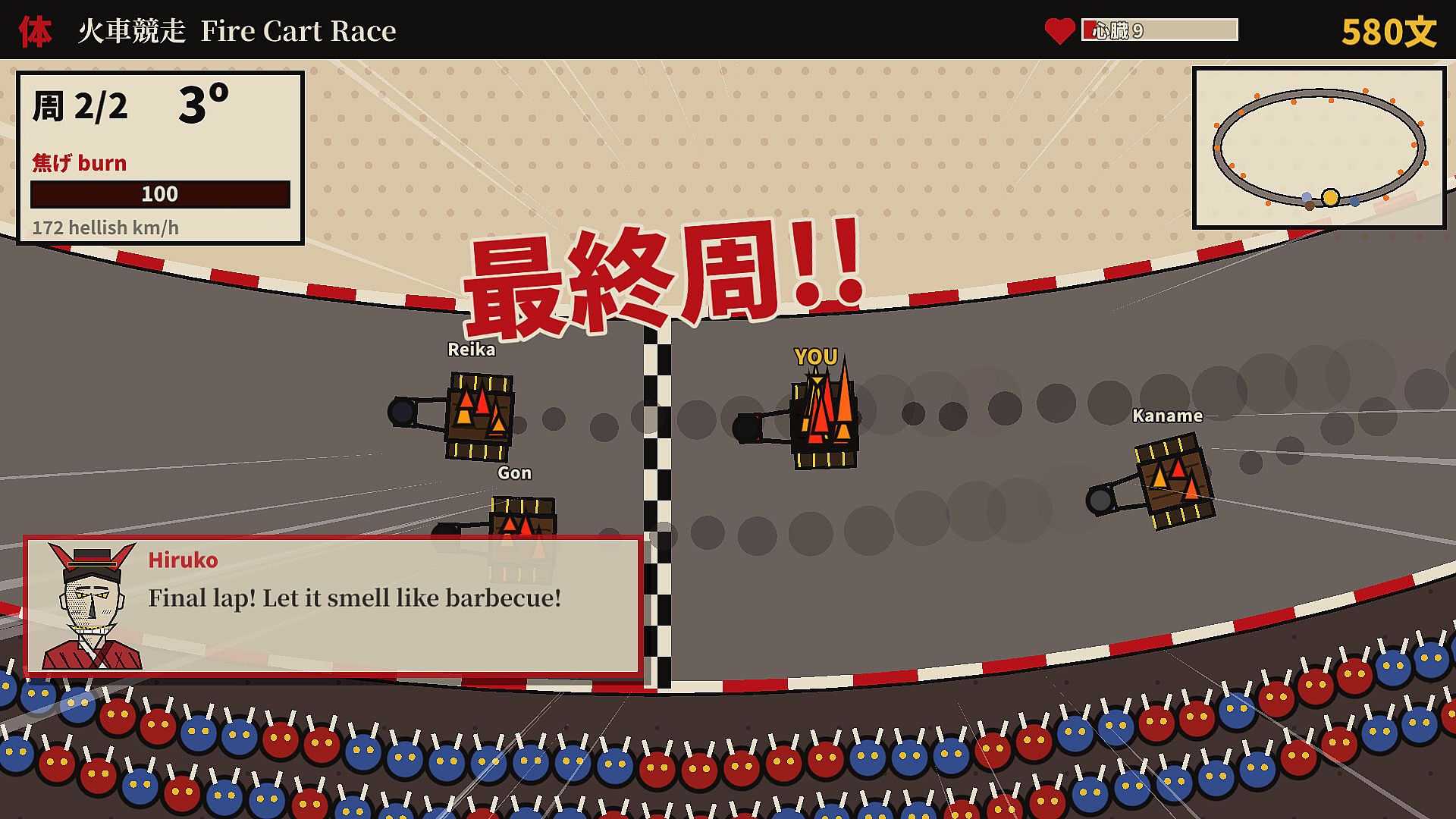
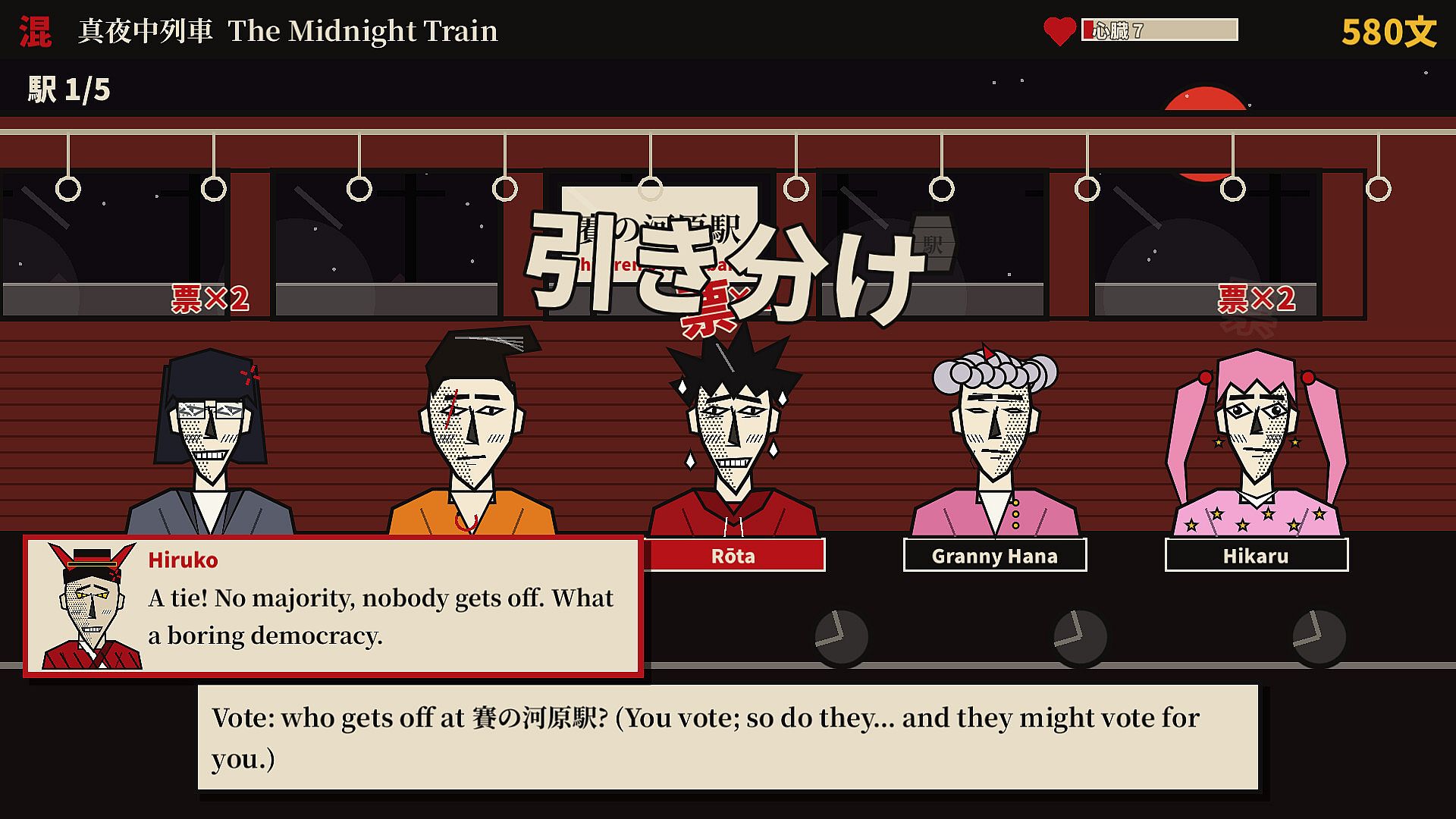
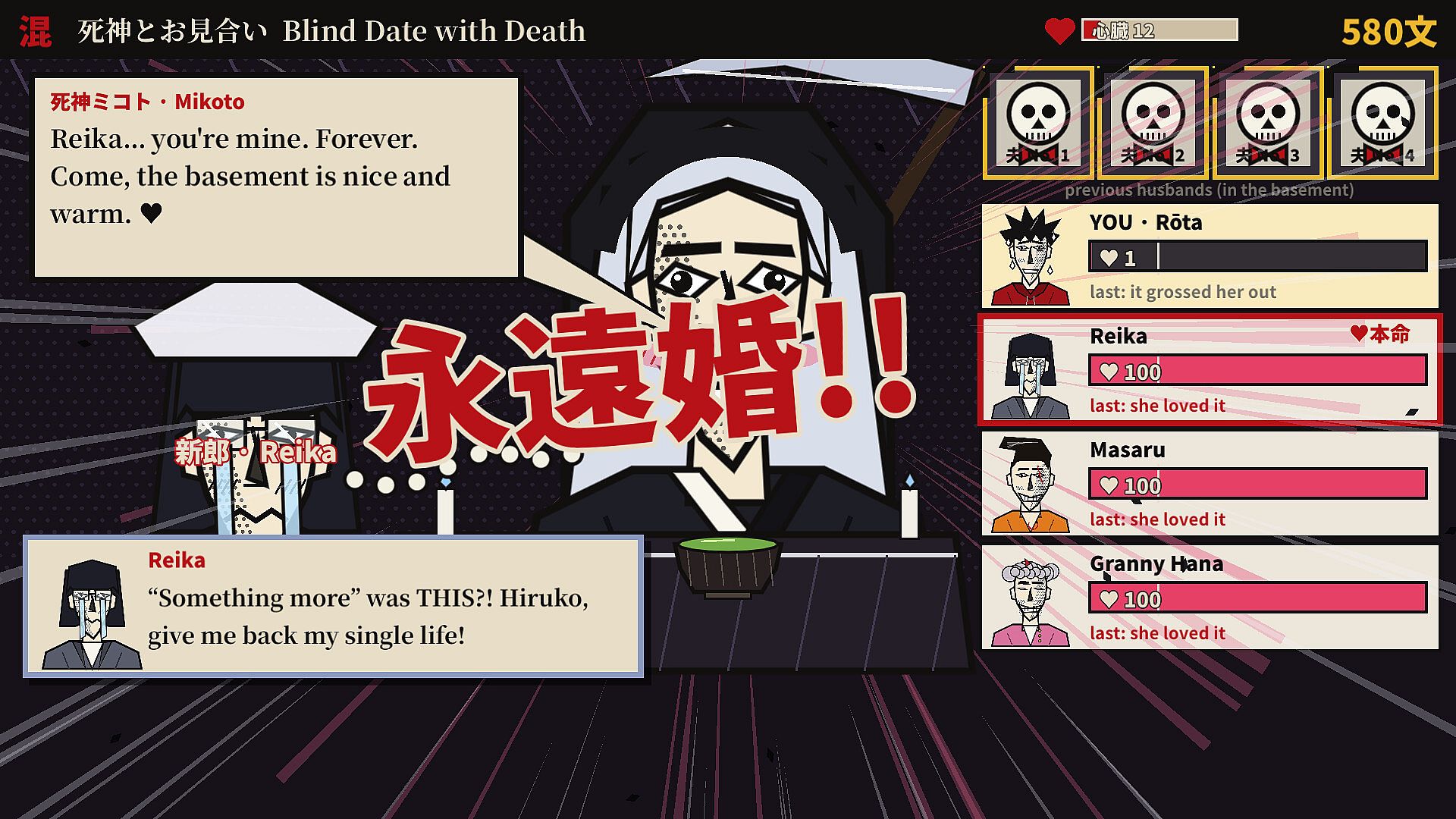
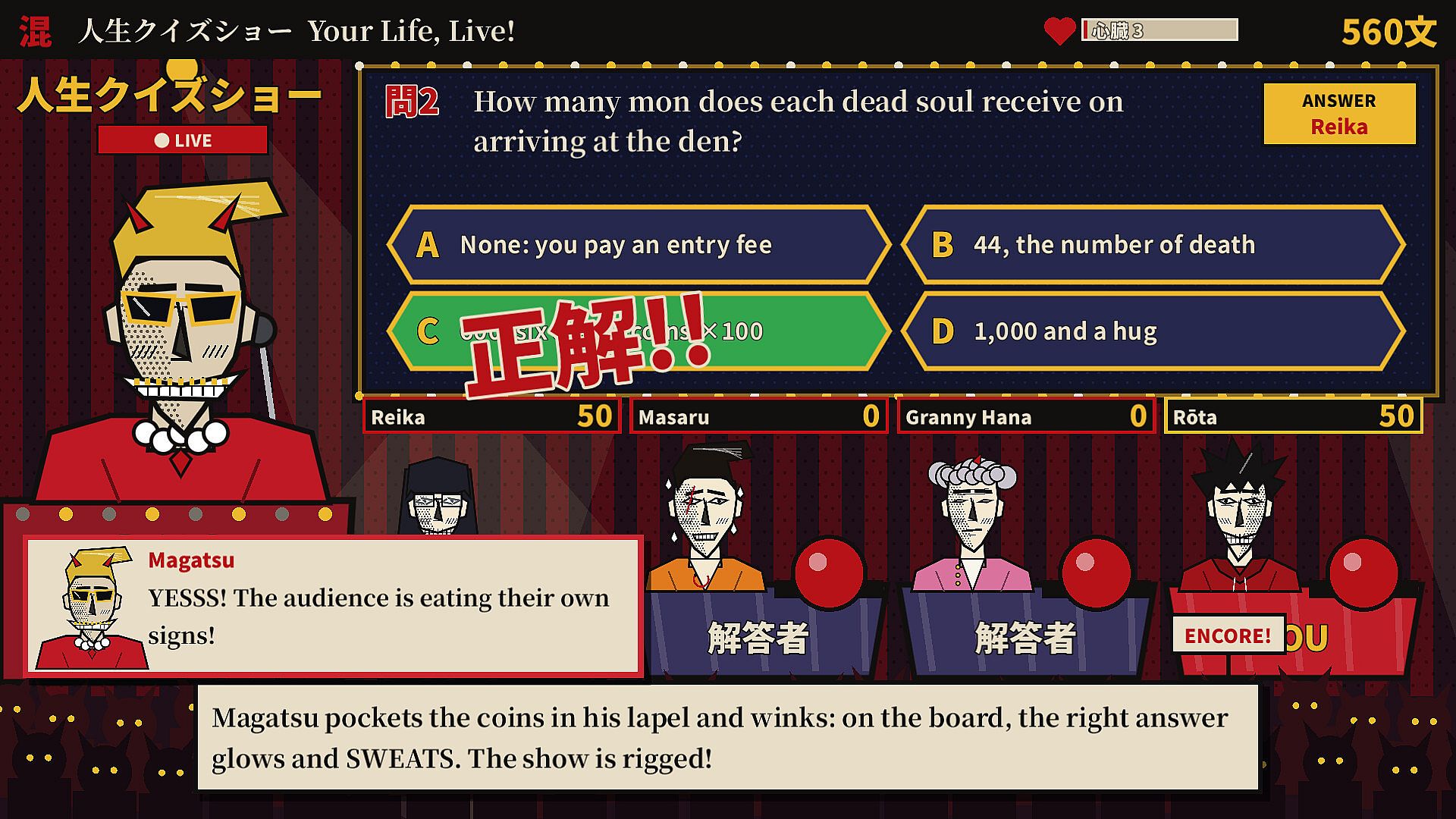
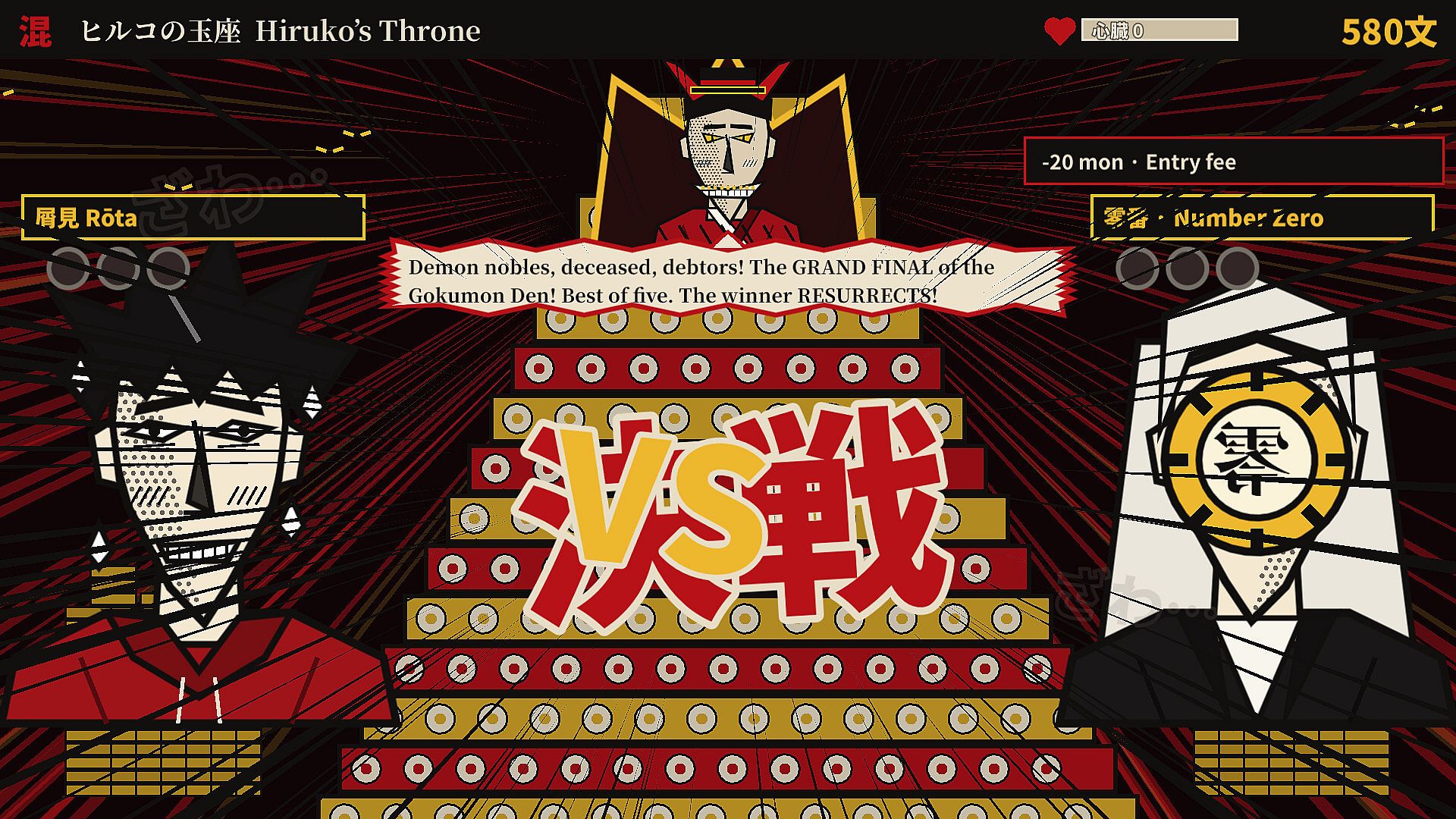
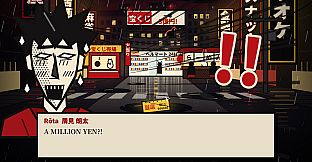
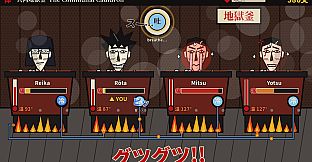
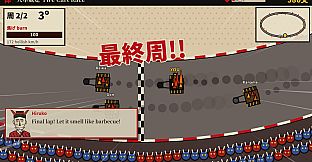
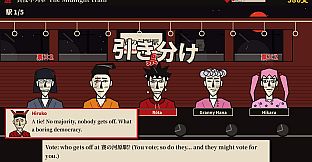
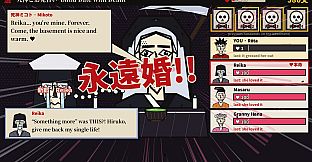
JIGOKU YUGI: Only The Last Gambler Standing Returns to Life is an action indie game set on PC that blends narrative-driven gambling challenges with trap detection and survival elements. Players control Kuzumi Rōta, a debt-ridden delivery worker who dies and enters a deadly tournament in the underworld's Ninth Gambling Den.
Gameplay
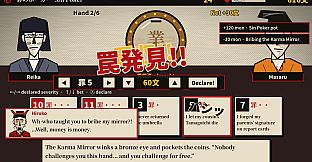
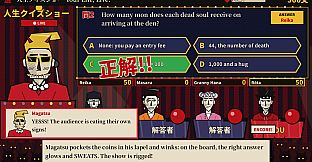
The core loop revolves around participating in 32 distinct games across eight acts. Each contest features announced rules that conceal a hidden trap. Players gather clues from rule cards, a narrator, inner thoughts, spectator comments and past losses to identify and expose the deception. Success flips the odds in the player's favor while failure leads to elimination.
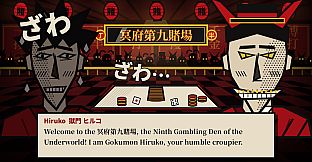
Mechanics include a hold-to-think system that pauses time for reflection at a cost of one mon per second. The demon croupier Gokumon Hiruko occasionally cheats, signaled by a blinking golden eye. Timely accusations yield rewards, but incorrect calls carry penalties. Panic raises heart rate, distorts the screen and rearranges controls. Body games incorporate falling onomatopoeia that physically obstruct the play area.
Story progression involves interactions with 16 named rivals whose alliances shift through 50 waiting-room conversations. Relationships influence eliminations and unlock additional scenes. An economy system starts players with 600 mon that serves as both currency and life total. Fees increase per act, commissions apply on strong performances and loans from Granny Tome carry steep interest with pursuit mechanics if unpaid.
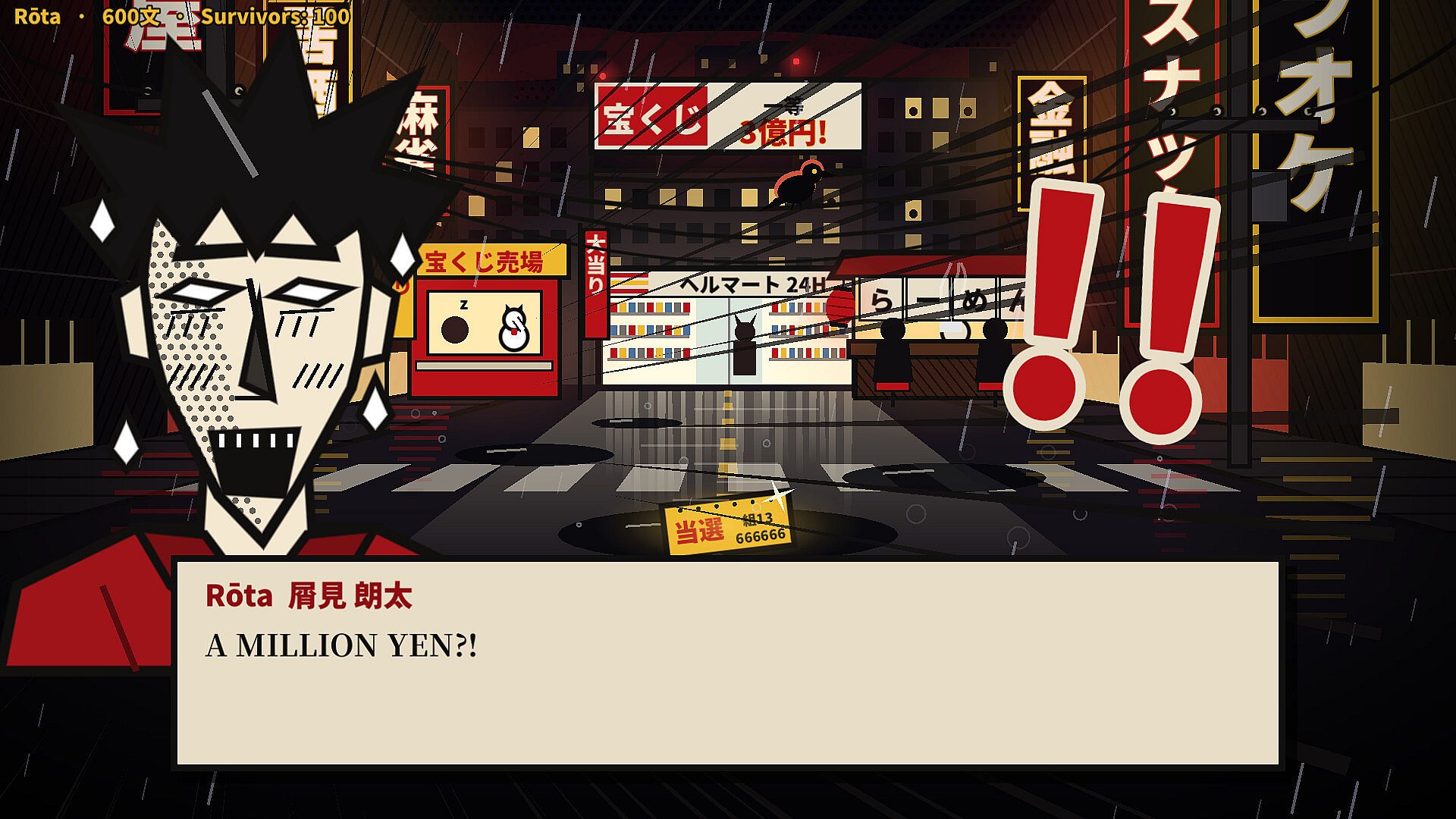
Visuals adopt a gekiga manga style with sharp lines, halftone dots and a limited palette of paper tones, blood red and gold. Sound design uses synthesized manga-style voices for characters alongside a narrator and crowd murmurs.
Game Modes
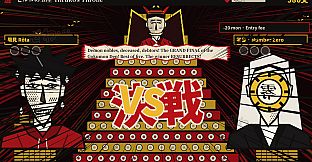
Two primary modes structure play. Free Play Den allows selection of any individual game for isolated practice or high-score attempts. Tournament of the Nobles requires completing all 32 games in sequence under escalating stakes with score tracking.
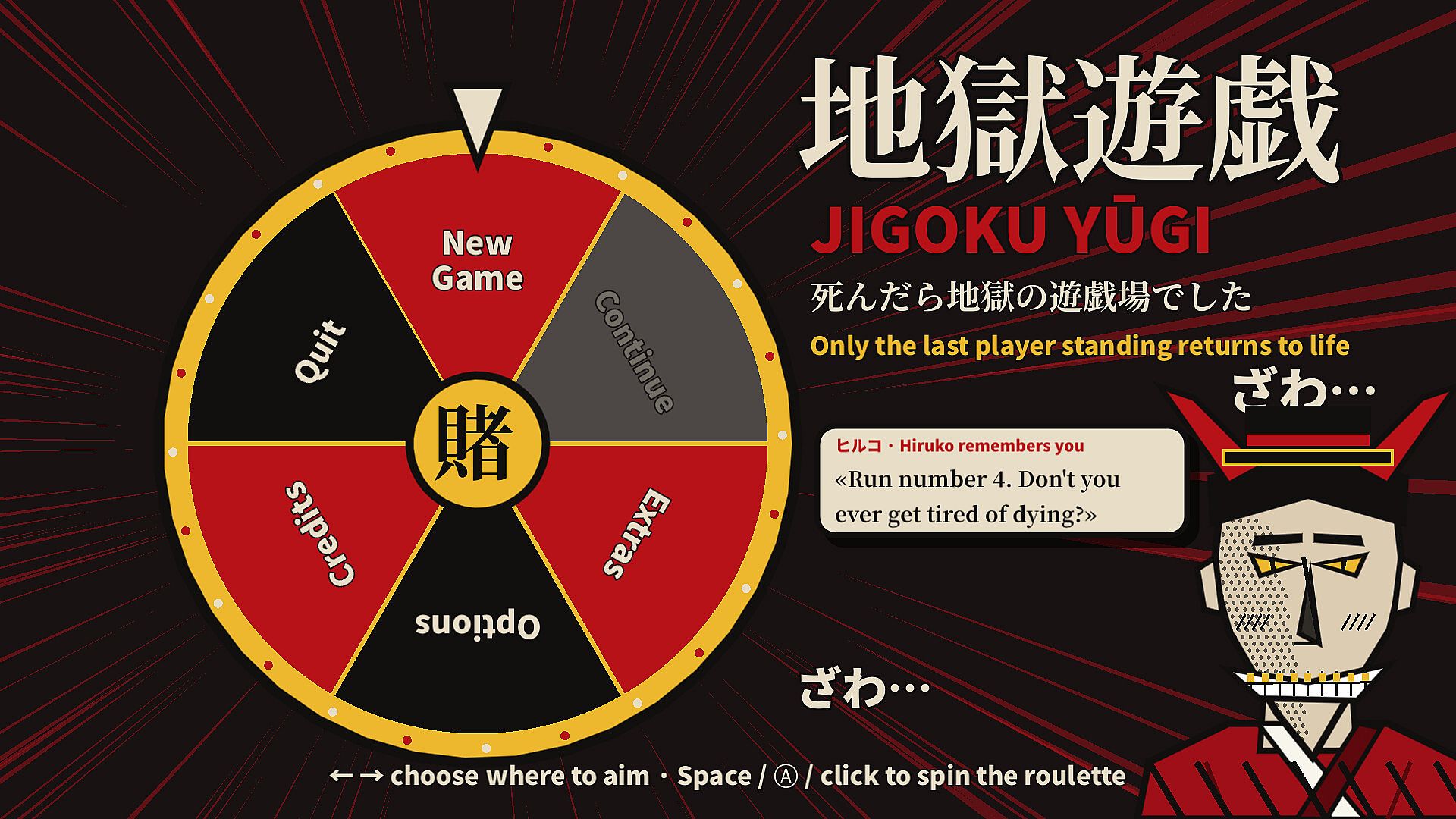
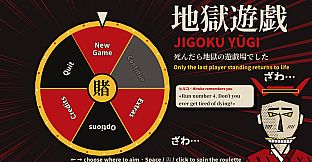
Progression tracks five endings, one of which unlocks after exposing 24 traps. A secret ending appears under specific conditions involving an unauthorized signature. Hiruko carries memory of prior attempts and references them in dialogue. The main menu functions as a roulette wheel that can select unintended options.
Achievements include 30 absurd deaths plus a gallery of rival chips and a suspicion notebook for tracking clues. Loading screens display 40 varied death animations. Accessibility options cover text scaling, color filters for common vision types, reduced flashing, toggleable screen effects and optional heartbeat or rumble feedback. Three difficulty tiers, extended time limits, button-mashing assistance and one-press thinking support broader access.
Story and Presentation
The narrative unfolds through blood pacts, betrayals and shifting loyalties among rivals such as a detail-oriented lawyer, a tattooed delinquent, a pachinko enthusiast and an idol seeking posthumous attention. Playable memories grant temporary skills yet remain sellable at auction. A live funeral broadcast calms nerves based on mourner turnout.
Sound and visuals emphasize the manga's raw aesthetic. Every element, from portraits to effects, uses thick ink work and speed lines. Controls support full gamepad, keyboard or mouse input across English, Spanish and Japanese text.
Is It Worth Playing?
The game suits players who enjoy single-player experiences centered on deduction, resource management and branching narratives within a gambling framework. Multiple endings, rival relationship systems and two dedicated modes encourage repeated runs. Accessibility features and adjustable difficulty lower barriers for varied skill levels. Those drawn to trap-spotting puzzles, dark humor and manga-inspired presentation will find consistent depth across the 32 games and supporting systems. The title remains in development with a planned October 2026 release, so final reception will depend on post-launch updates and community feedback once available.