

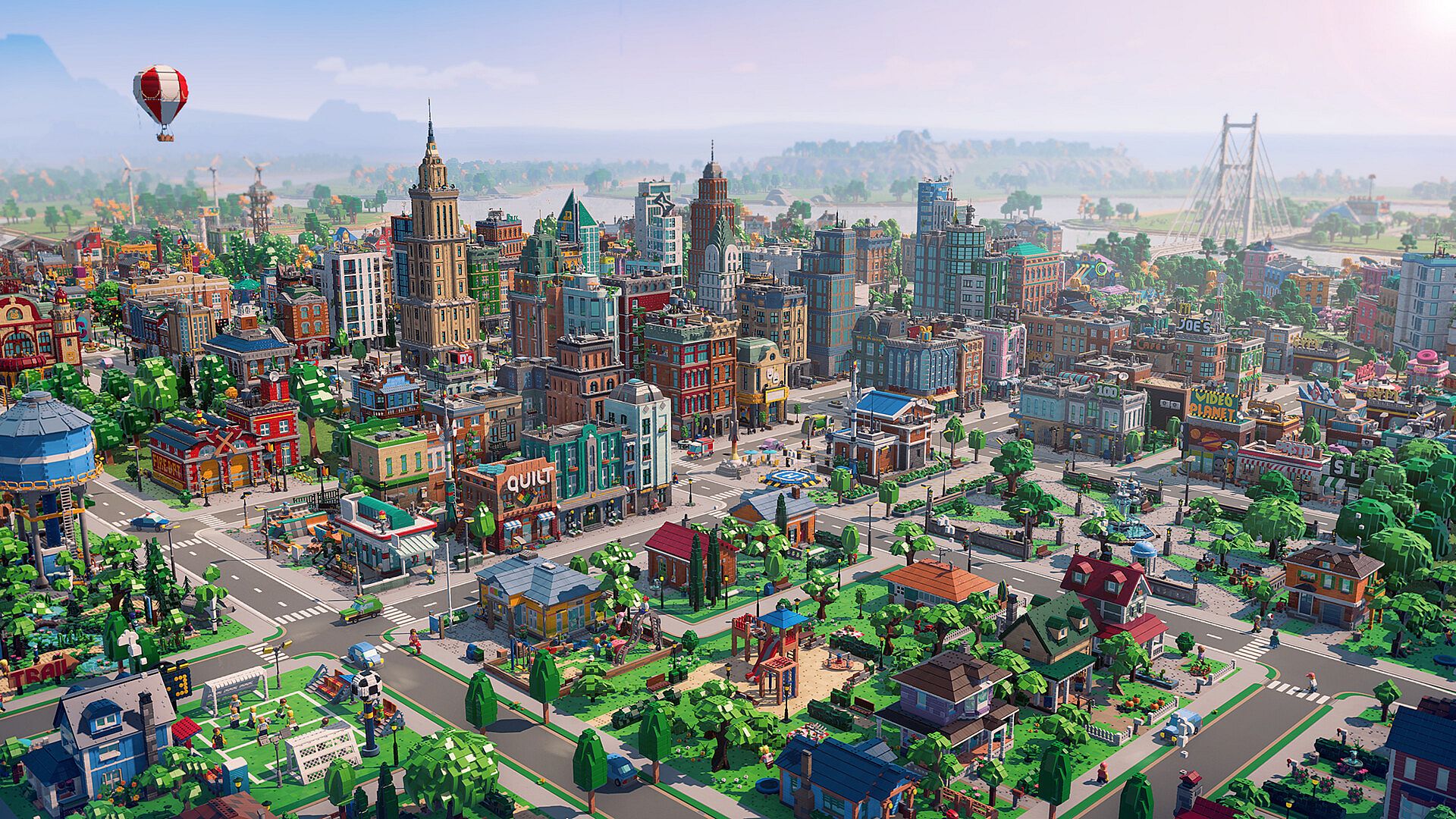
LEGO Skylines is a simulation city builder that places players in charge of constructing and managing a metropolis built entirely from LEGO bricks. Developed by Iceflake Studios and published by Paradox Interactive, the game combines core city management systems with an emphasis on creative freedom and personal expression. Players begin on a single plot of land and expand outward, shaping neighborhoods and eventually a full city through deliberate choices about layout, services, and aesthetics. The experience focuses on both practical infrastructure needs and whimsical details that reflect individual taste.
Gameplay
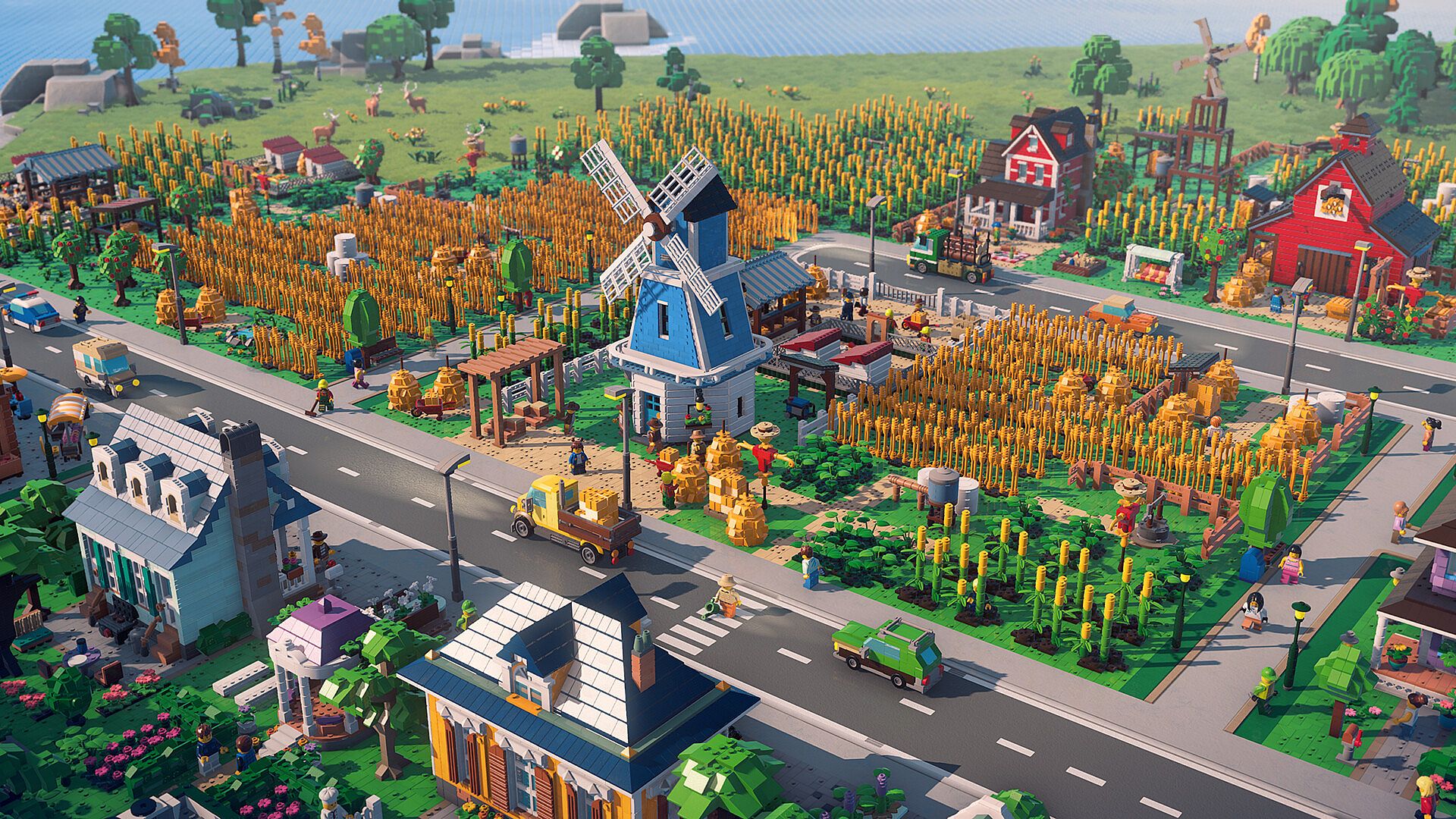
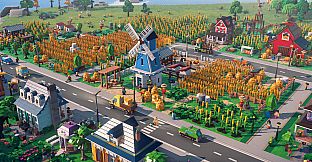
The core loop revolves around zoning and constructing residential, commercial, and industrial areas while ensuring essential services reach every district. Roads form the backbone of connectivity, followed by power grids, water supply lines, and food distribution networks that keep the population stable. As buildings go up, citizens move in and require jobs, healthcare, and recreational spaces to maintain satisfaction levels. Farms supply raw materials like wheat to support specialized structures such as bakeries, creating supply chains that players must balance across the growing map.
Progression happens organically through city expansion. Unlocking new structures occurs as overall ratings rise, which in turn depends on citizen happiness metrics tied to housing quality, employment access, and available amenities. Players can zoom in for fine adjustments or step back to plan large-scale districts. The LEGO theme influences every element, with bricks, minifigures, and modular pieces allowing for unconventional designs that blend function with visual flair.
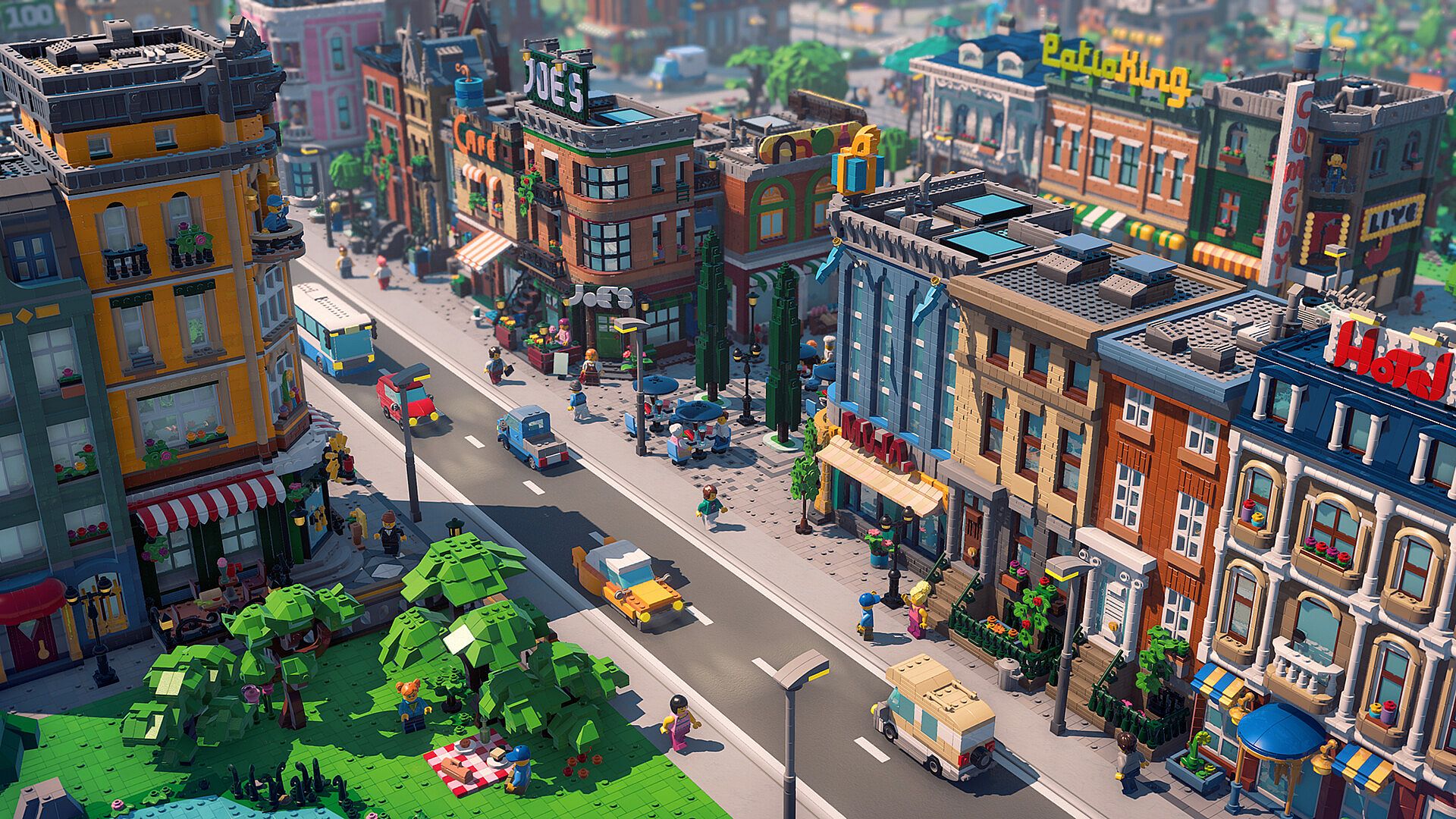
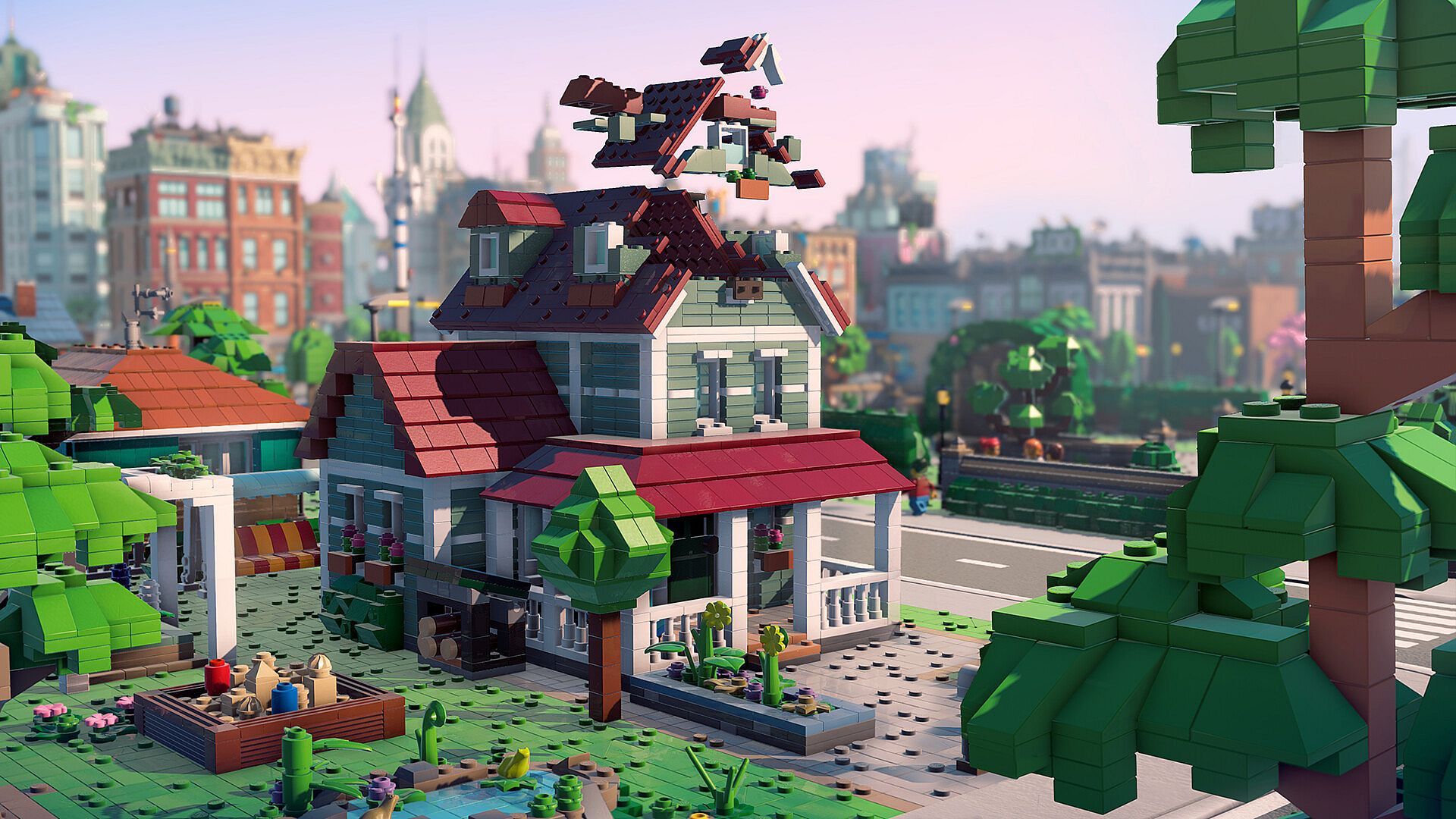
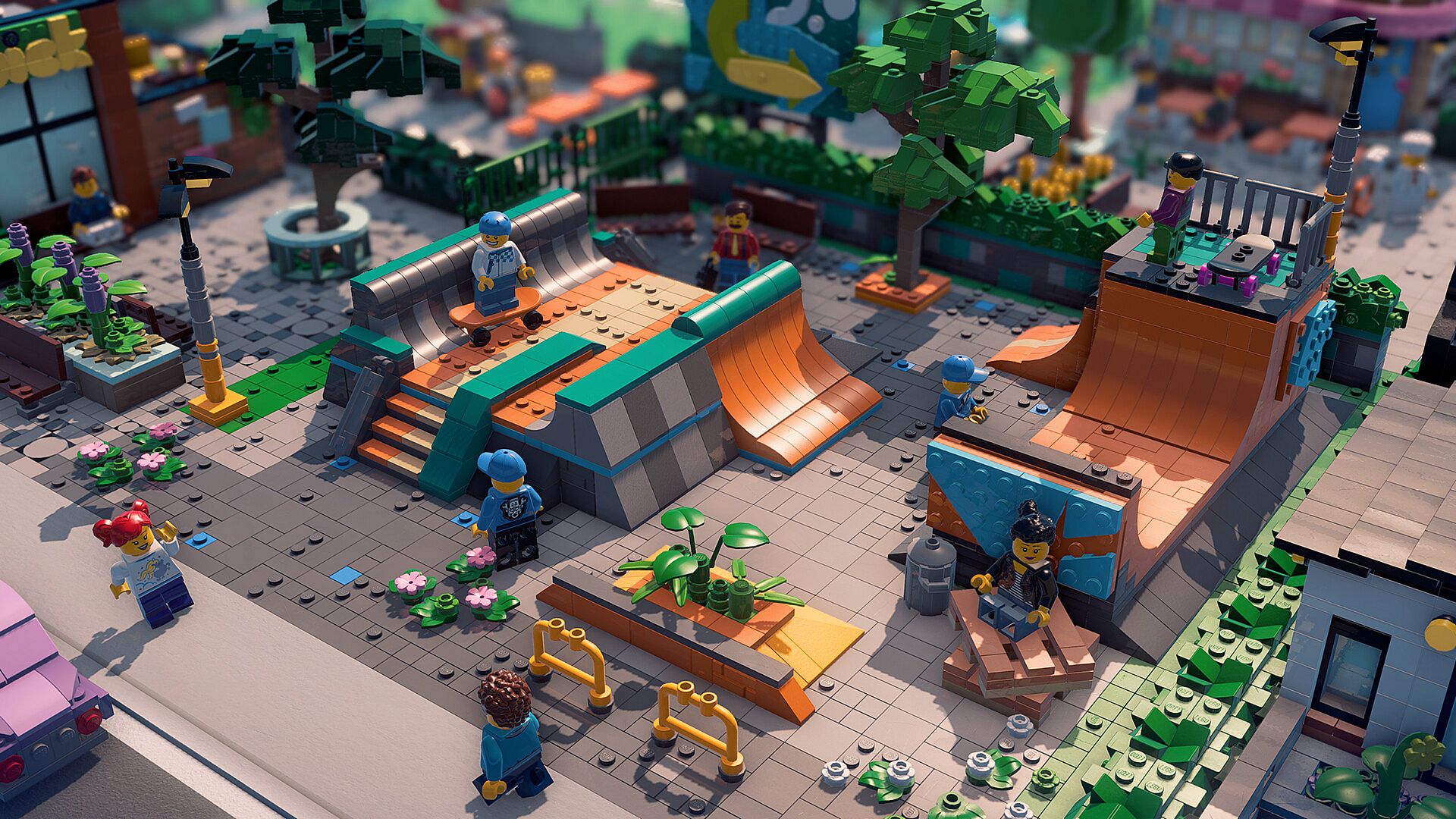
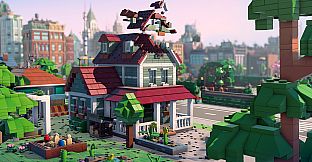
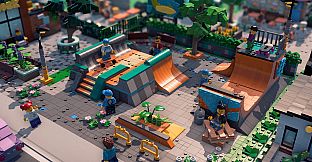
Customization extends to individual plots and decorative elements. Homes can feature unique rooflines or color schemes that stand out from neighboring builds. Parks, museums, sports arenas, and quirky storefronts add personality while contributing to the city's appeal. Garbage collection, sewage handling, and emergency services round out the management layer, ensuring the simulation remains responsive to player decisions.
Game Modes
LEGO Skylines centers on a single-player creative sandbox experience where the primary activity is freeform city construction and ongoing management. There are no separate competitive or story-driven modes confirmed at this stage. Instead, the game encourages open-ended play sessions that can last from short bursts of focused building to extended periods of iterative refinement. Players set their own goals, whether pursuing maximum efficiency, aesthetic harmony, or experimental layouts that prioritize unusual features like donut shops on every corner.
Progression elements integrate directly into the main building flow. City ratings improve with thoughtful additions, gradually revealing more options without rigid mission structures. This approach keeps the emphasis on personal creativity rather than prescribed objectives.
Building Your City
Construction starts small and scales naturally. A first house on an empty plot leads to surrounding development as demand grows. Players handle zoning for different building types while weaving in supporting infrastructure. The system rewards attention to both macro planning, such as efficient traffic flow, and micro details like placing specific services near residential zones.
LEGO elements provide extensive visual variety. Countless buildings, decorations, and modular pieces allow each city to develop a distinct identity. Farms connect to food production chains, hospitals address health needs, and cultural venues boost overall livability. The result is a living environment where every addition influences daily citizen routines in visible ways.
Is It Worth Playing?
LEGO Skylines targets fans of simulation city builders who value creative control and lighthearted presentation. The combination of standard management systems with LEGO customization creates opportunities for both practical planning and playful experimentation. Since the game remains in development following its recent announcement, no player reviews or performance data exist yet. When released on PC and other platforms, it should appeal to those seeking a relaxed yet deep building experience without strict time limits or competitive pressure.
Key strengths lie in the flexible progression and emphasis on personal style. Players who enjoy tweaking layouts repeatedly or exploring supply chain connections will find plenty to engage with. Those preferring high-stakes challenges or multiplayer elements may want to wait for more details on final features. Overall, the described systems suggest a solid fit for anyone drawn to thoughtful city simulation with a distinctive visual twist.