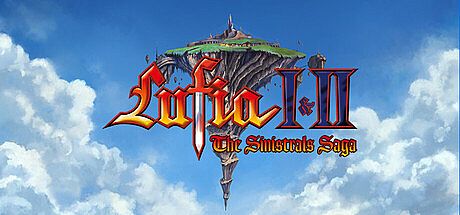


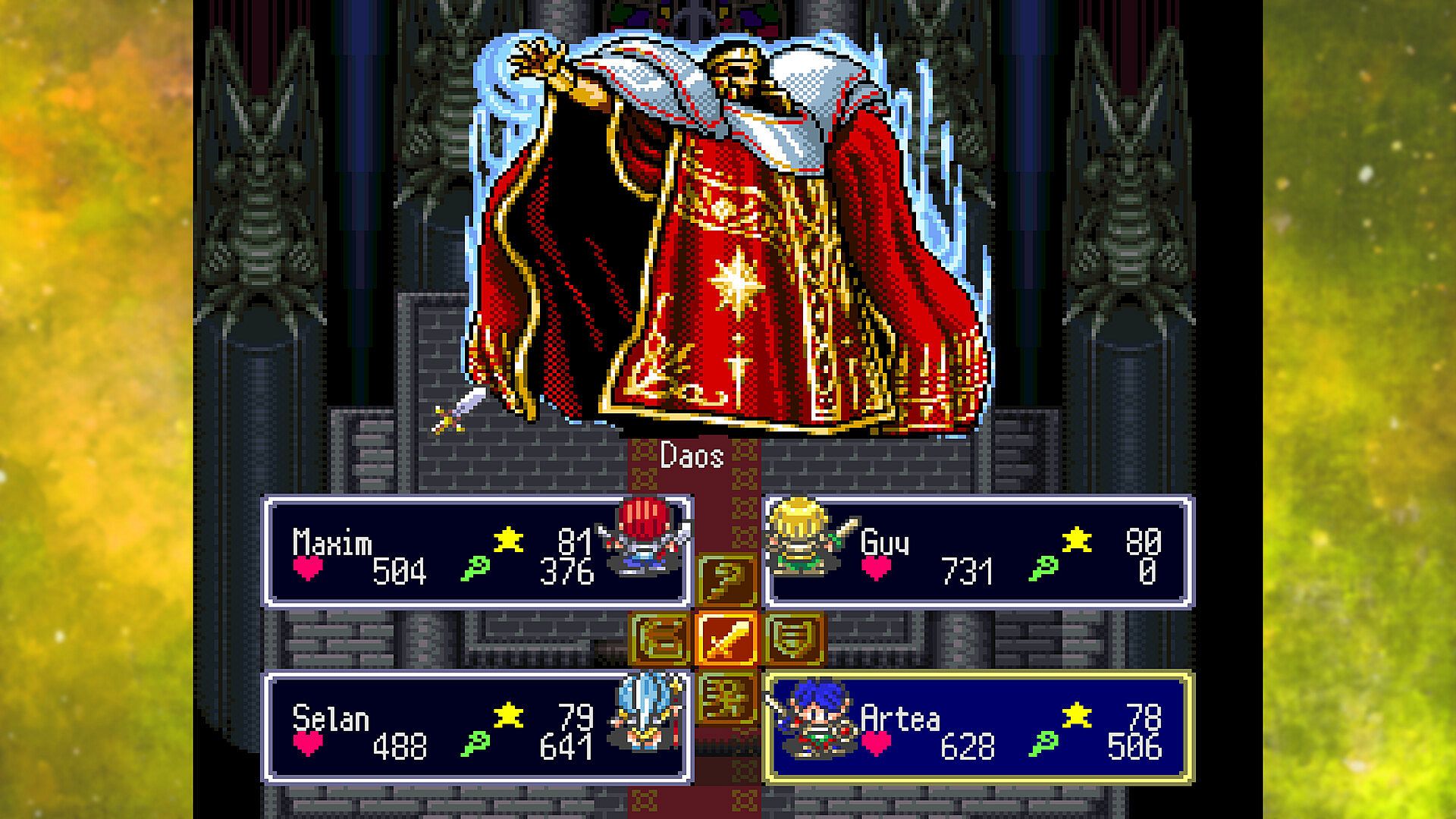
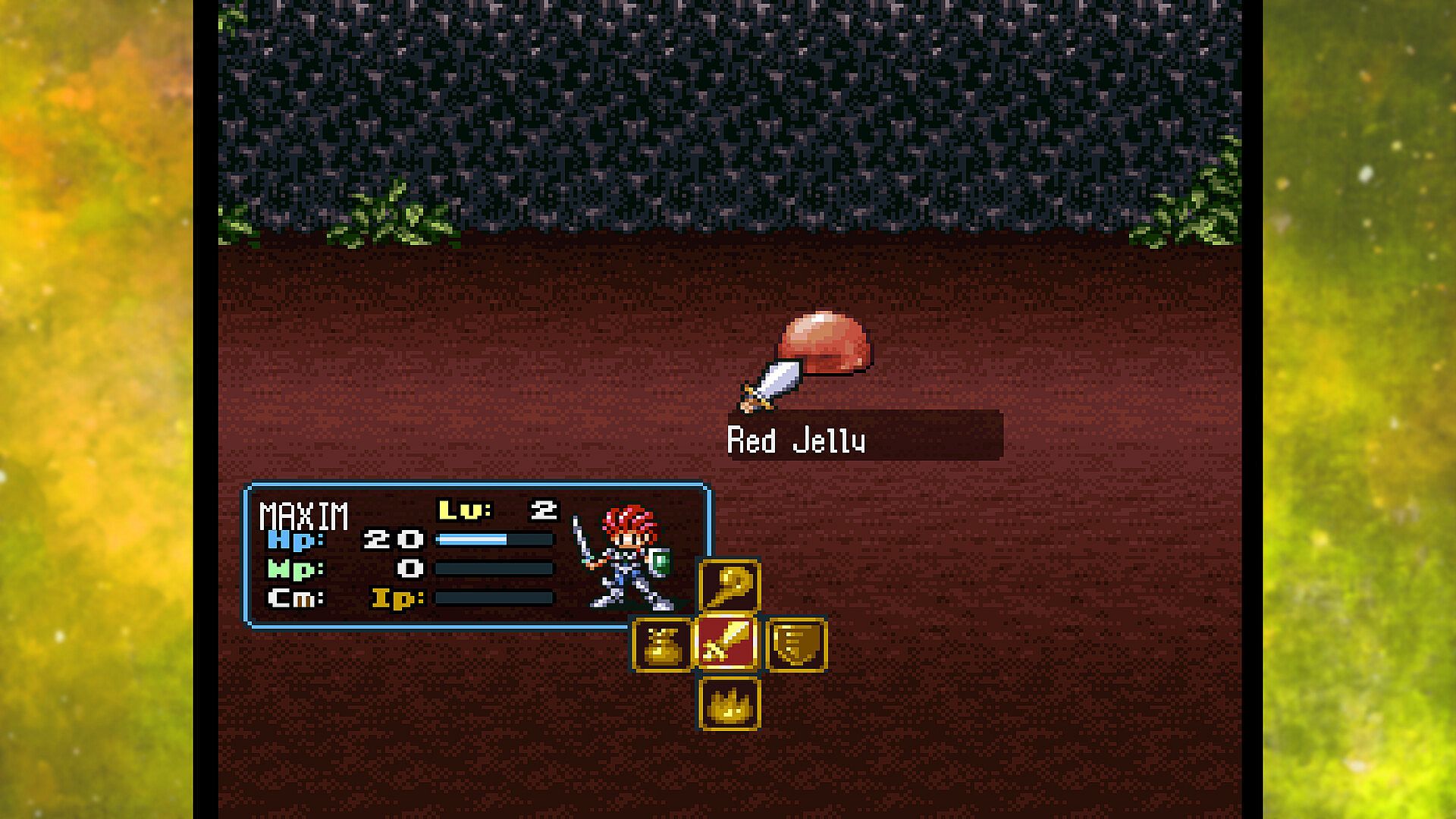
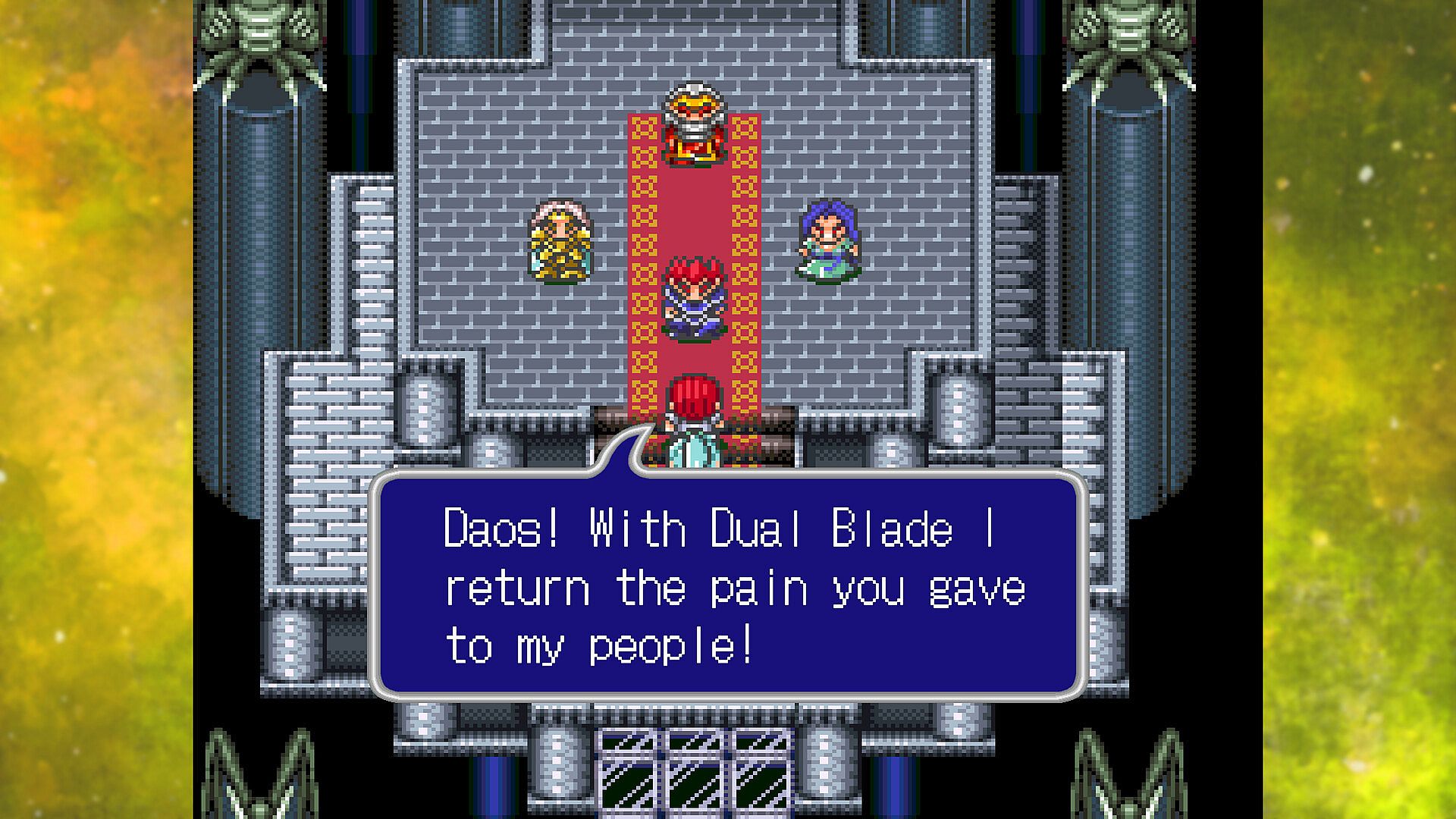
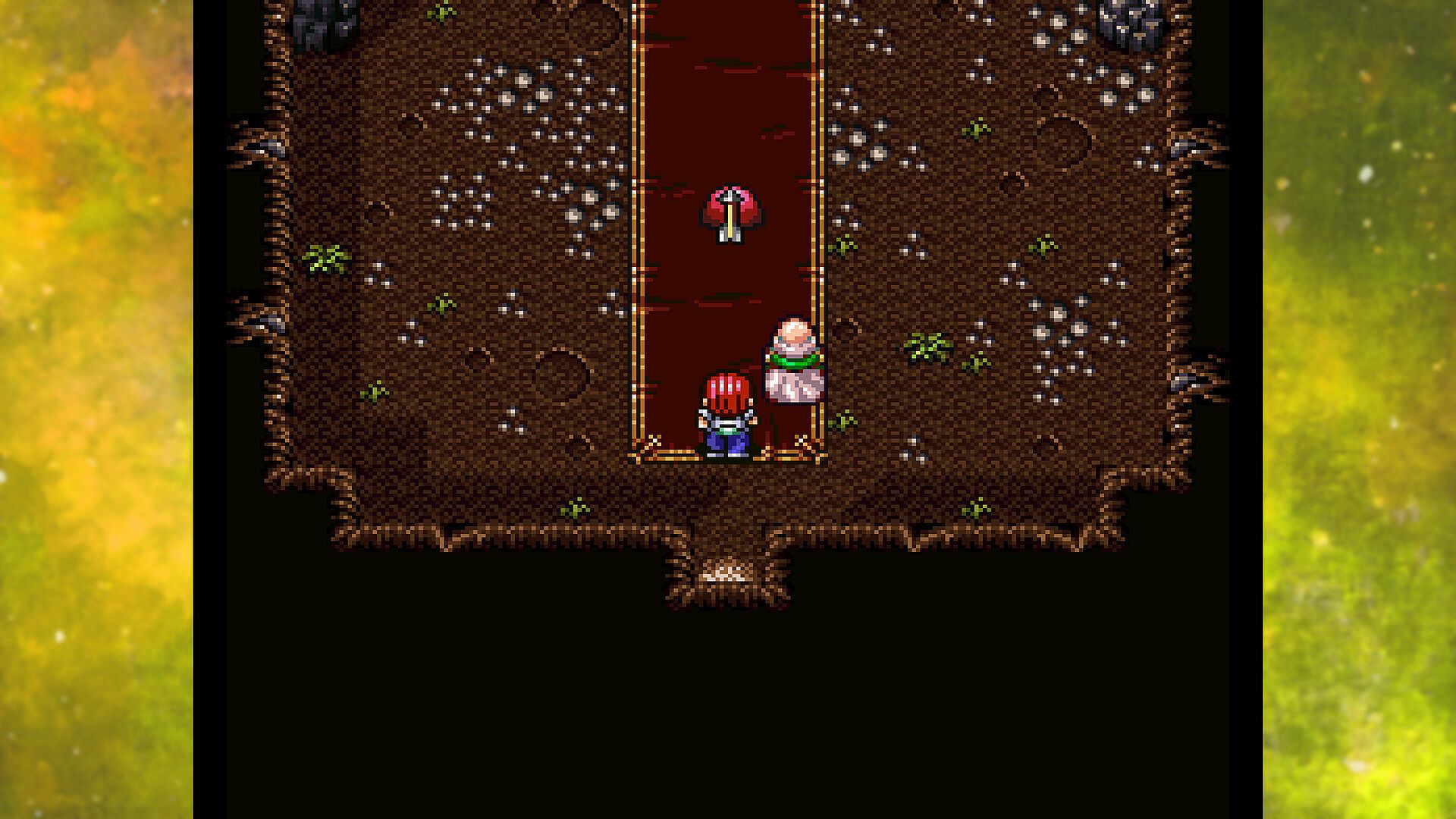
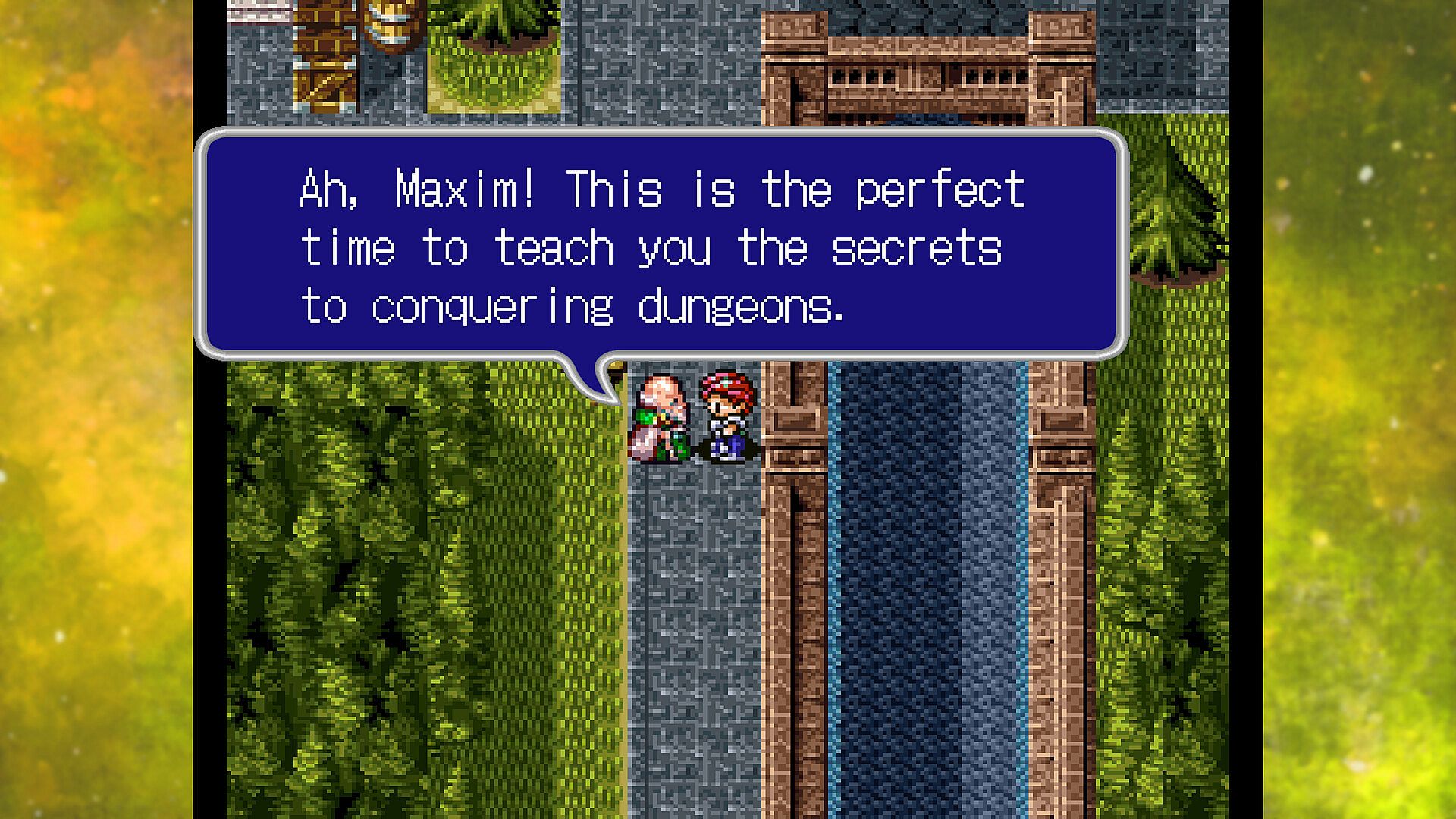
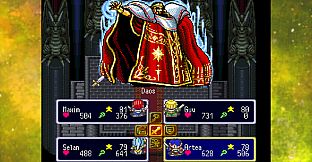
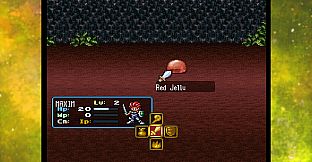
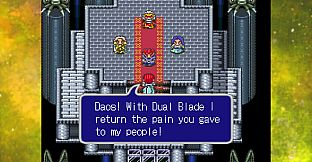
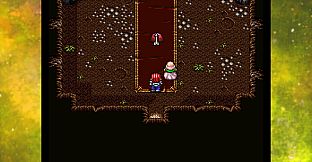
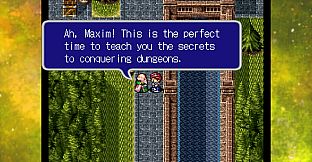
Lufia I & II The Sinistrals Saga is a single-player JRPG collection that brings two classic 1990s titles to modern PC hardware. The package pairs Lufia & the Fortress of Doom with its prequel Lufia II: Rise of the Sinistrals, both originally developed for the Super Nintendo Entertainment System. Players follow interconnected tales of destiny, legendary heroes, and the Sinistrals, supported by turn-based combat and exploration across overworld maps and dungeons.
Gameplay
The core loop centers on party-based exploration and combat. Characters move across an overworld, enter dungeons, and engage enemies in turn-based battles. Equipment and spells improve party capabilities while story progression reveals the weight of legacy and fate. Lufia & the Fortress of Doom follows a descendant of a legendary hero alongside a young woman tied to the same destiny. Combat follows traditional JRPG patterns with standard party management and magic systems.
Lufia II: Rise of the Sinistrals expands on these foundations. Dungeons display enemies on the map rather than relying solely on random encounters, allowing players to avoid or engage as desired. Motion in these areas is turn-based, with enemies moving only when the player does. Maxim and his companions use tools such as bows, bombs, and a hookshot to solve environmental puzzles and interact with foes outside of battle. An IP gauge fills during combat and unlocks special abilities tied to equipped items. Capsule Monsters join the party as additional allies. Overworld travel still features random battles, and faster transportation options like boats and airships become available later.
Both games preserve their original pixel art style. The collection adds modern enhancements such as updated functions for contemporary play while keeping the core design intact. Full controller support is included for the PC version.
Game Modes
The collection offers two distinct single-player campaigns. The first campaign presents Lufia & the Fortress of Doom in its original sequence. The second campaign delivers Lufia II: Rise of the Sinistrals as the prequel story centered on Maxim and his allies. Each campaign stands alone yet connects through shared lore about the Sinistrals and the Dual Blade. No additional modes such as multiplayer or competitive options exist. The structure encourages sequential play to experience the full narrative arc from prequel to sequel.
Story and Setting
The narratives revolve around cycles of heroism and sacrifice. Lufia & the Fortress of Doom opens with a glimpse of legendary events before shifting focus to descendants confronting the same threats nearly a century later. Lufia II: Rise of the Sinistrals details the earlier conflict involving Maxim, his companions, and the emergence of the Sinistrals. Memorable soundtracks accompany key moments, and emotional beats emphasize themes of love, loss, and destiny. The world features towns, dungeons, and transportation systems that support both story delivery and exploration.
Is It Worth Playing?
This collection suits players who enjoy classic turn-based JRPGs with strong emphasis on story and dungeon design. Lufia II in particular stands out for its visible enemy encounters, puzzle integration, and IP system that adds depth to combat. The first game provides a more straightforward entry point into the shared universe. Since the port targets emulation close to the originals, expectations should align with 1990s design choices including pacing and encounter rates. The package delivers both campaigns in one purchase for those seeking the complete Sinistrals saga on PC without prior access to the SNES versions. Availability on Steam positions it for easy access once released in 2027, with single-player focus throughout.