



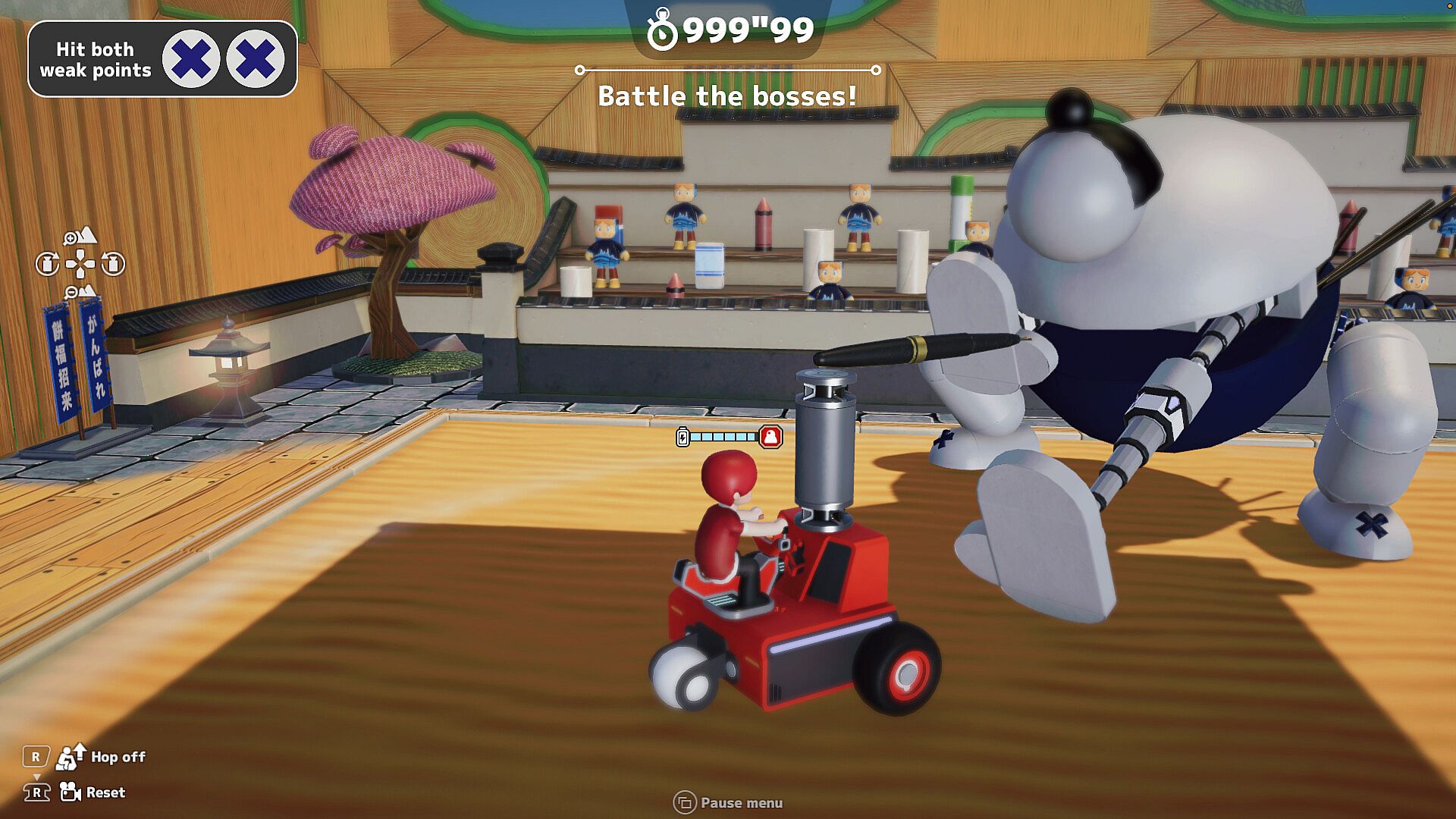
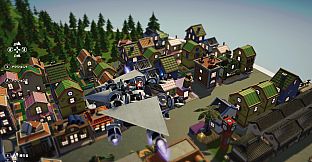



ʘmʘchim is a physics sandbox construction game that blends action, strategy, simulation, and racing elements on PC. Players build working contraptions from everyday objects to tackle straightforward goals like crossing rivers, winning races, or saving a city, where the challenge lies in finding creative solutions that leverage real-world physics.
Gameplay
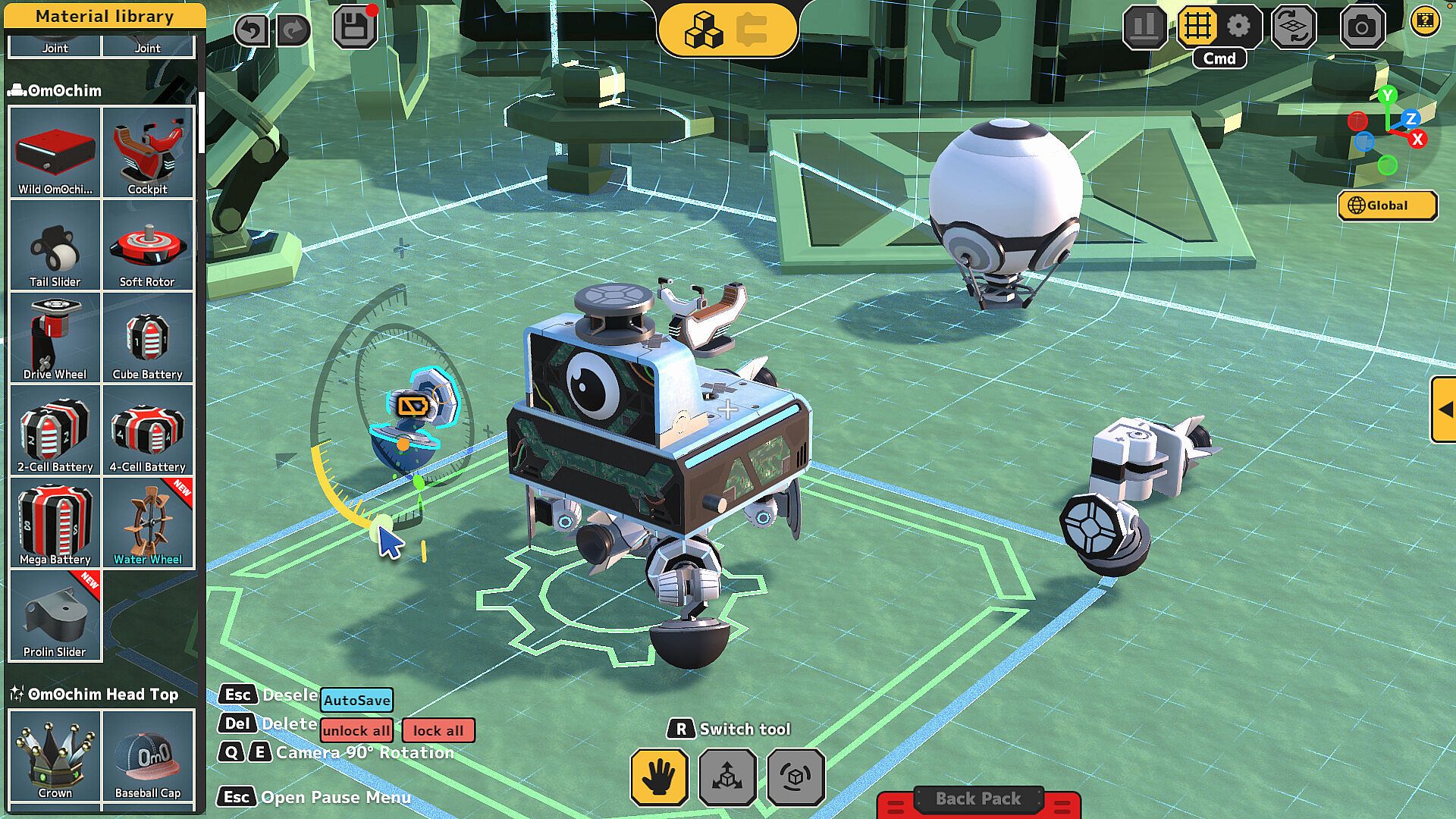
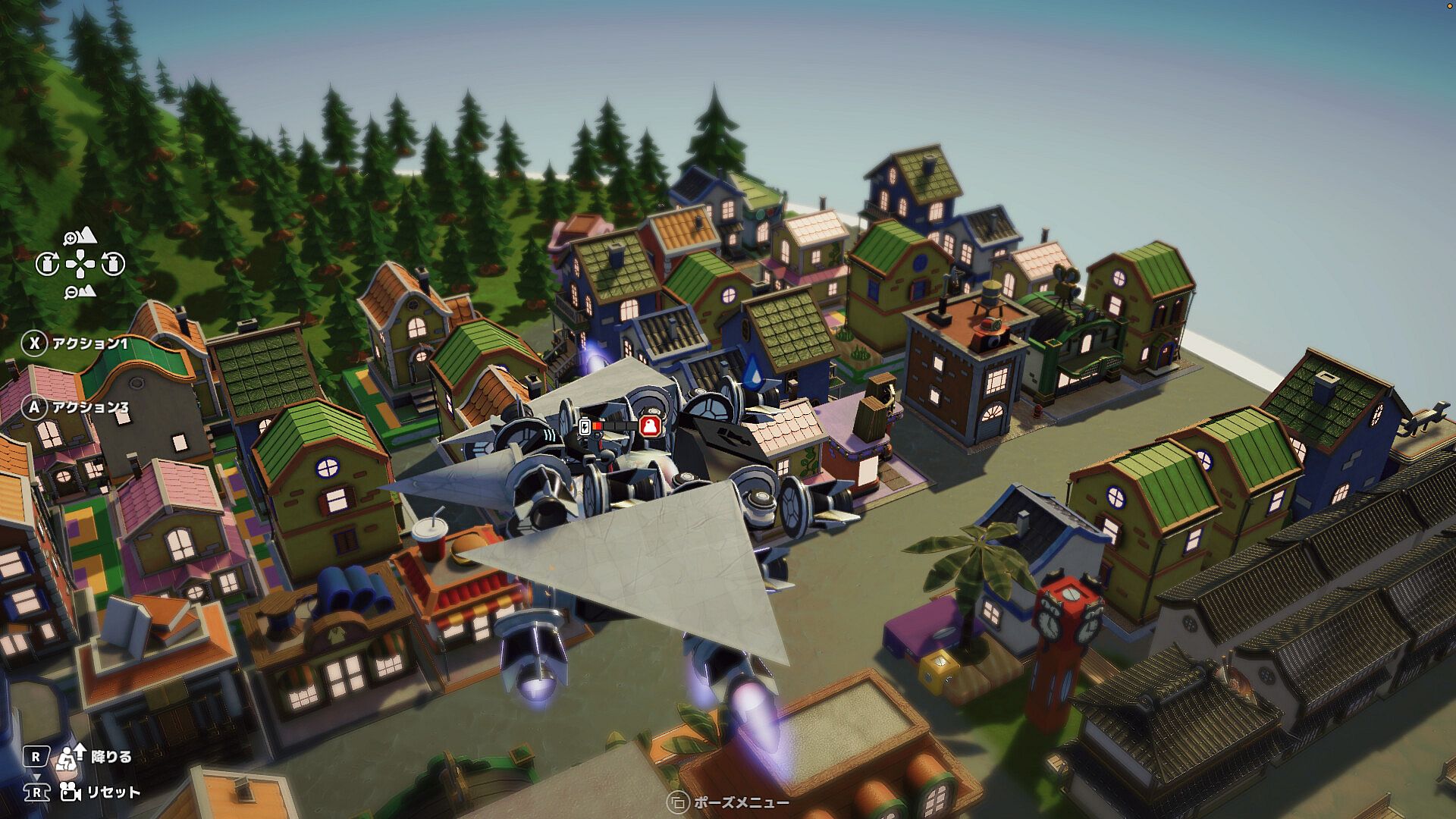
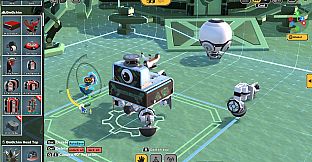
The core loop centers on assembling parts onto a small mech companion known as OmOchim. Everyday items such as steel balls, magnets, wheels, jets, levers, and bottles attach directly to the mech, creating vehicles or tools that interact with the environment through consistent physics rules. Experiments range from floating across water to moving heavy boulders or gathering resources, with every object responding to the same simulation. Failures like crashes or explosions simply reset the attempt, encouraging repeated trials with different configurations.
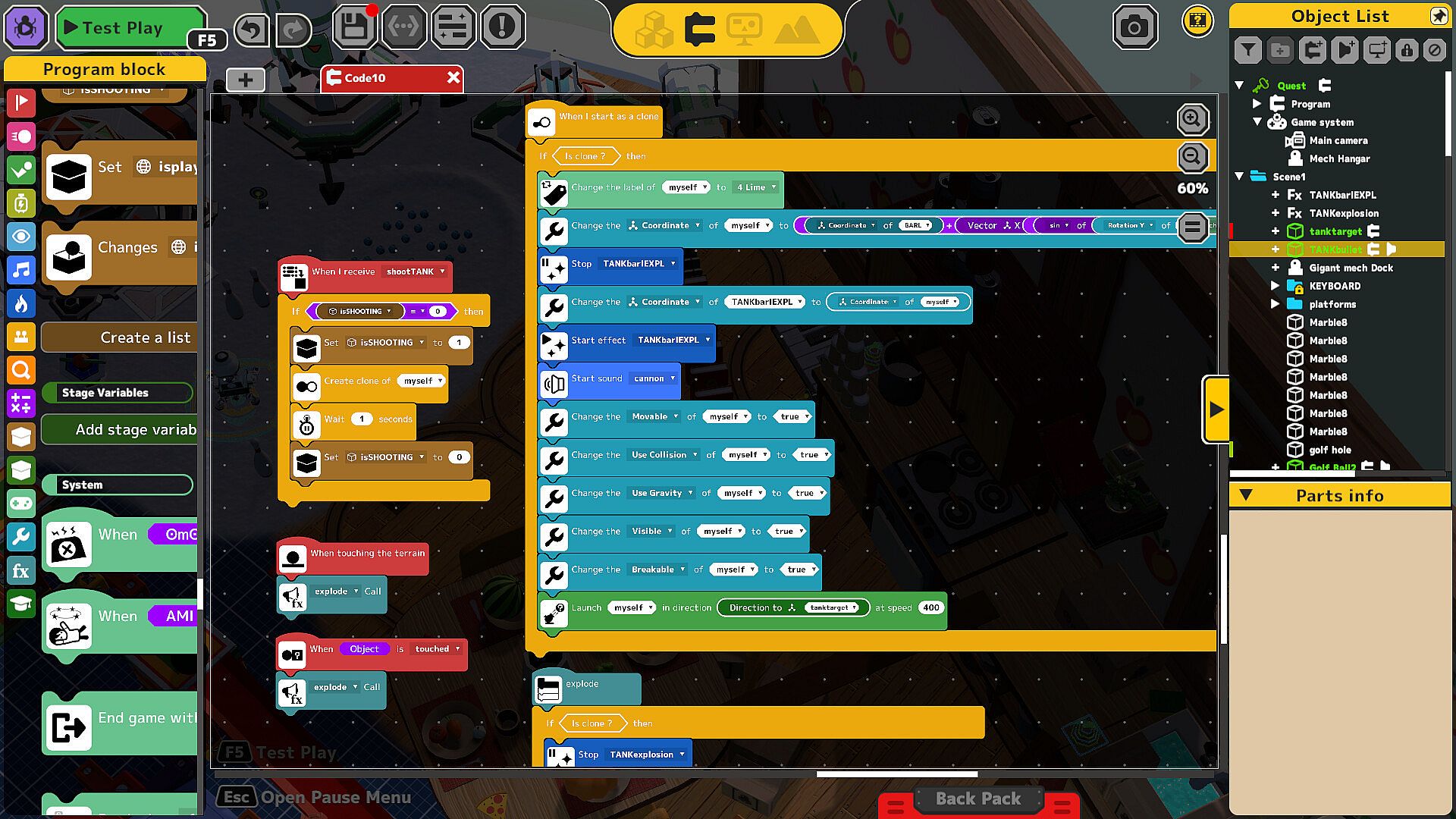
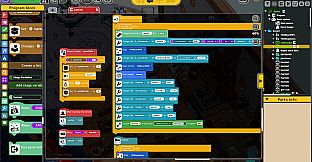
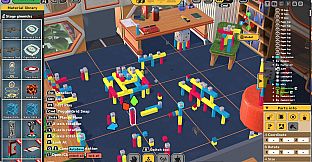
Visual programming extends the possibilities once basic assembly reaches its limits. Players snap together instruction blocks to create automated behaviors, such as drones following patrol routes, tanks that aim and fire independently, or even functional arcade cabinets. This system requires no coding knowledge and allows machines to execute custom orders, turning static builds into dynamic performers. Short films can feature multiple OmOchim units as actors following scripted sequences.
Game Modes
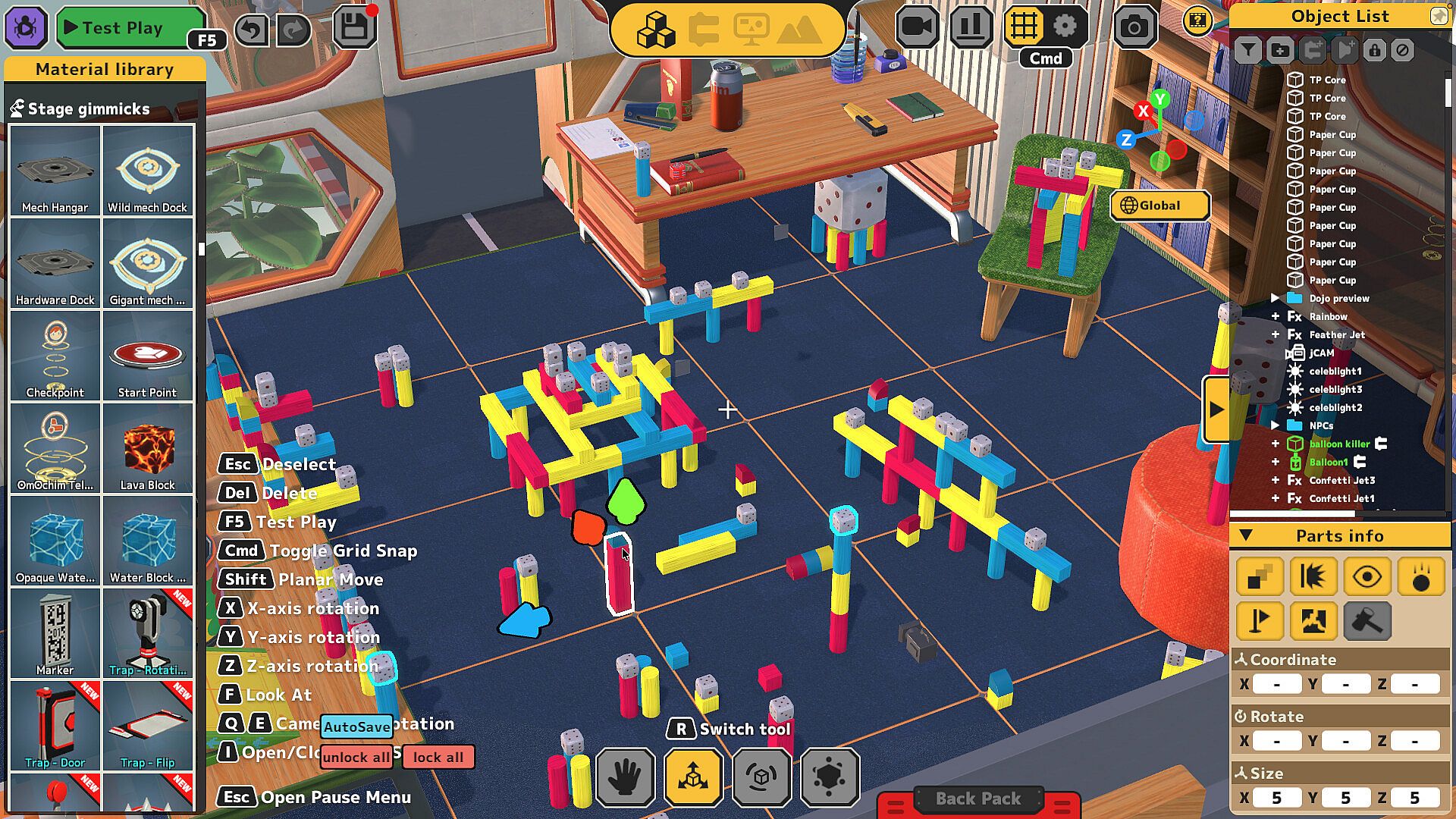
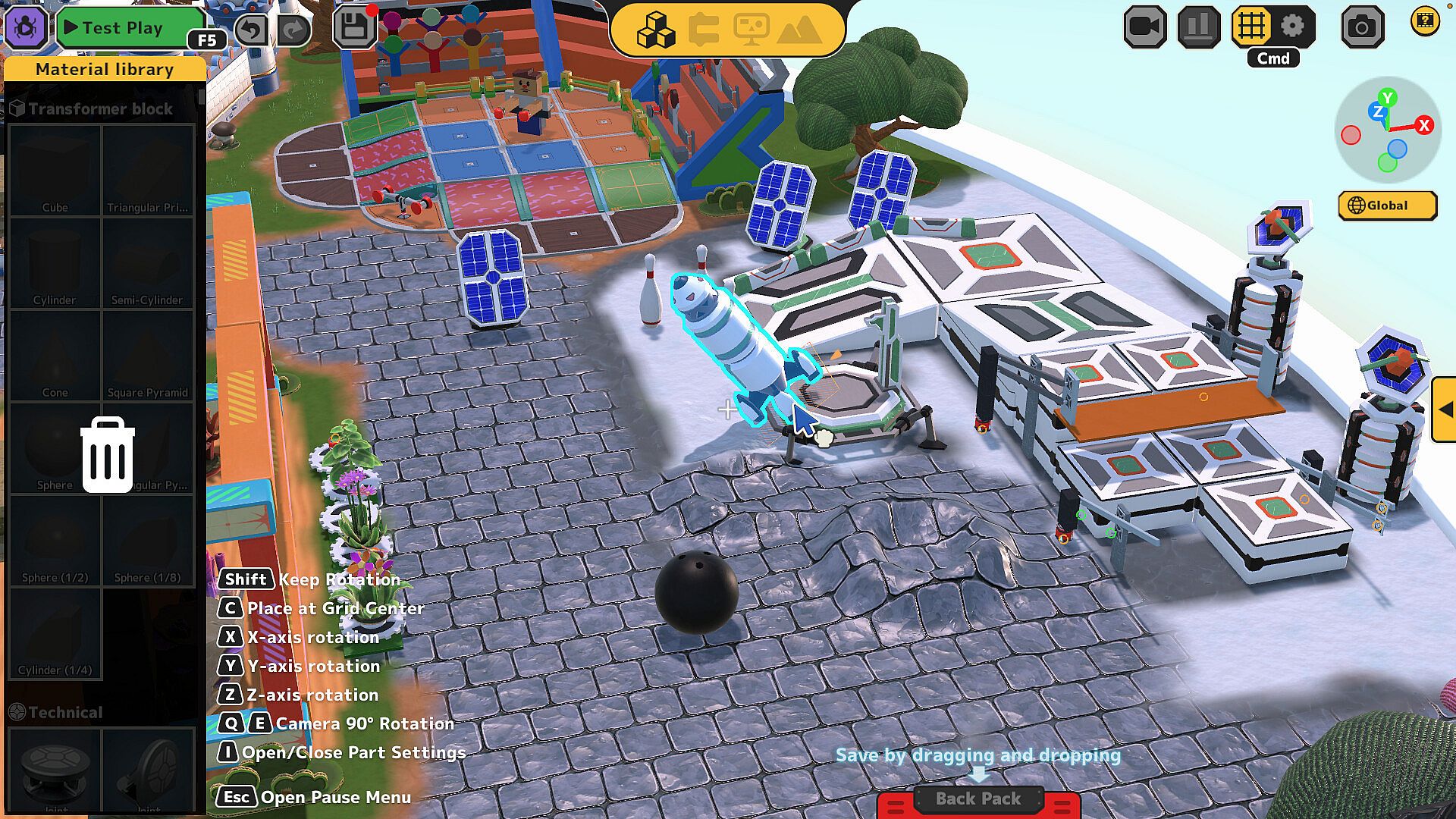
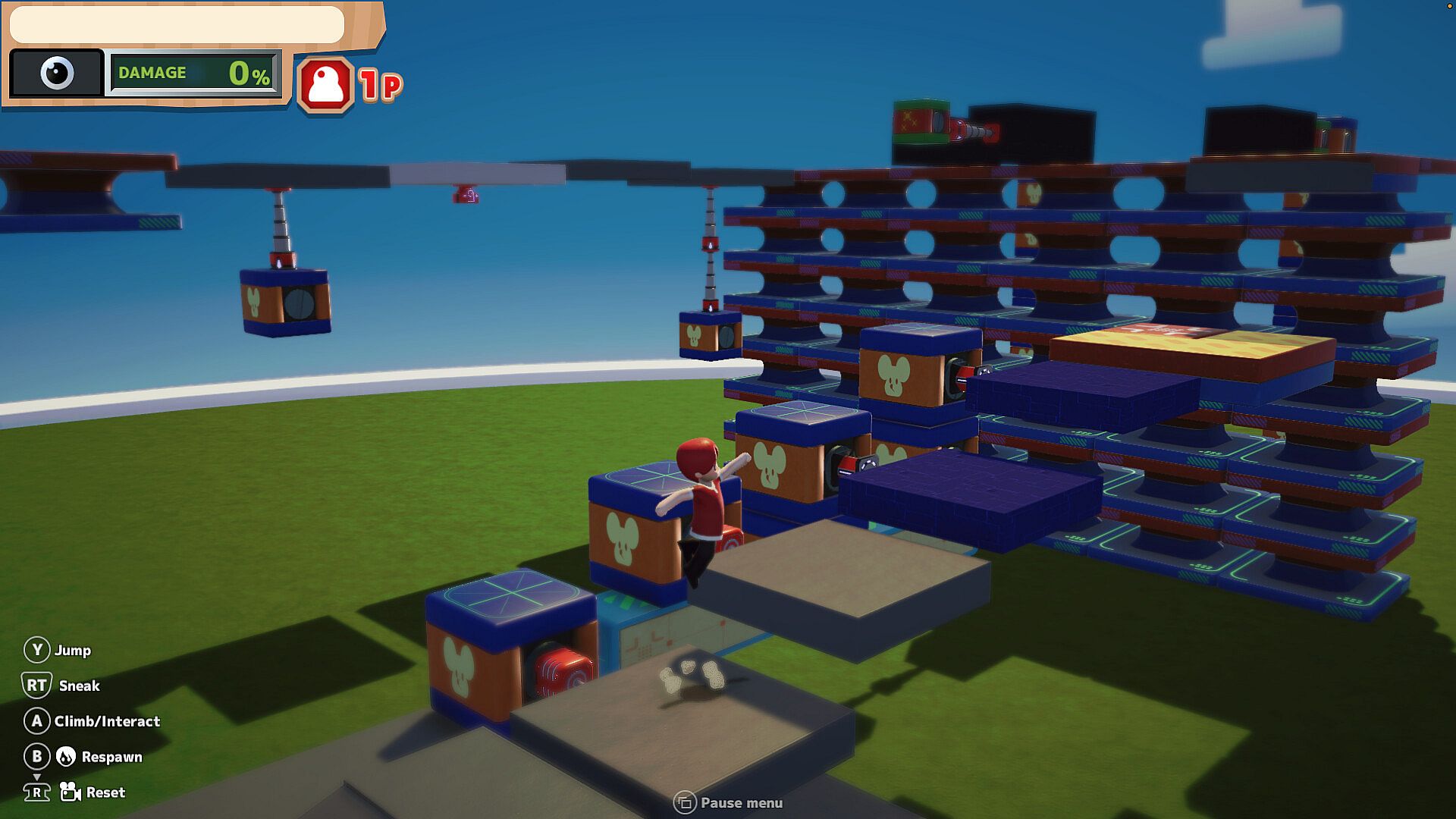
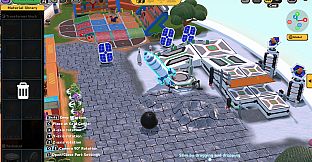
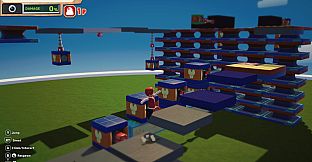
Single-player sessions focus on overcoming obstacles and completing objectives with custom contraptions. Shared and split-screen options support co-operative play or direct competition against others in the same session. The Park Builder tool lets creators design entire stages, including courses, traps, and finish lines, which can then be shared for others to attempt.
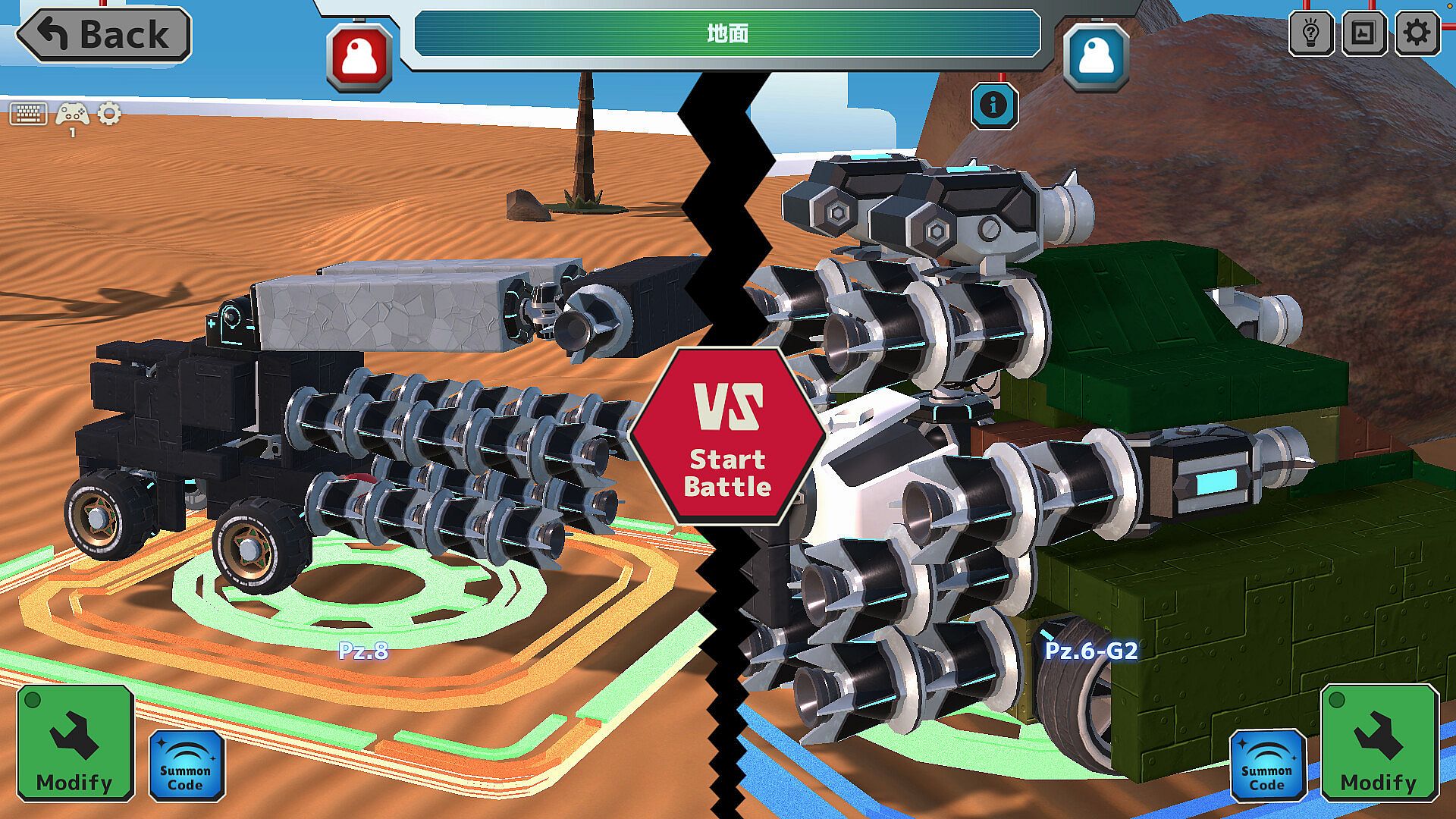
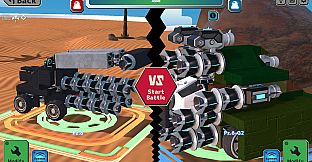
Competition takes place through direct matchups where participants bring their own OmOchim builds. Victories can come from speed, power, durability, or unconventional designs that disrupt opponents, such as pushing rivals off edges or deploying absurdly effective setups. These sessions emphasize experimentation over fixed rules.
Building and Experimentation
Level creation extends beyond racing to include structures meant to be knocked down or defensive setups that challenge other players. The shared world aspect allows global access to user-generated content, where one person's park becomes another's test. Physics consistency across all objects ensures that experiments translate reliably between solo testing and multiplayer encounters.
Programming adds layers of automation that keep builds relevant across multiple sessions. Patrol routes or firing sequences can handle repetitive tasks, freeing the player to focus on higher-level strategy or further modifications. This combination of assembly and code blocks supports both quick prototypes and elaborate machines.
Is It Worth Playing?
ʘmʘchim suits players who enjoy open-ended physics puzzles and creative construction without rigid win conditions. The emphasis on real simulation and visual programming appeals to those interested in engineering-style problem solving or automation experiments. Pre-release information highlights single-player depth alongside shared-screen multiplayer for local groups, with user-generated parks providing ongoing variety once the game launches on PC.
Its appeal lies in the freedom to iterate on ideas repeatedly, whether refining a river-crossing vehicle or programming a self-operating system. Those who value trial-and-error mechanics and the satisfaction of watching custom machines succeed will find the sandbox rewarding, while the absence of one correct solution keeps sessions fresh across different goals.