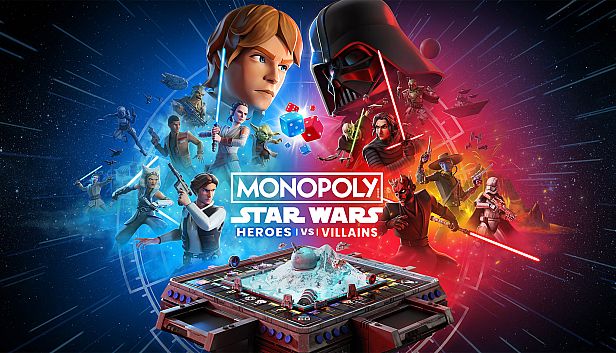




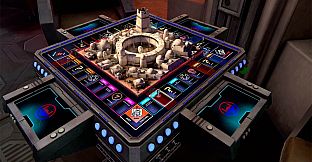
Monopoly: Star Wars Heroes vs. Villains is a digital board game that blends the classic property-trading formula with Star Wars characters and locations. Released for the Nintendo Switch in June 2026, it emphasizes team strategy over individual competition in a casual setting that suits family gatherings or quick sessions with friends.
Gameplay
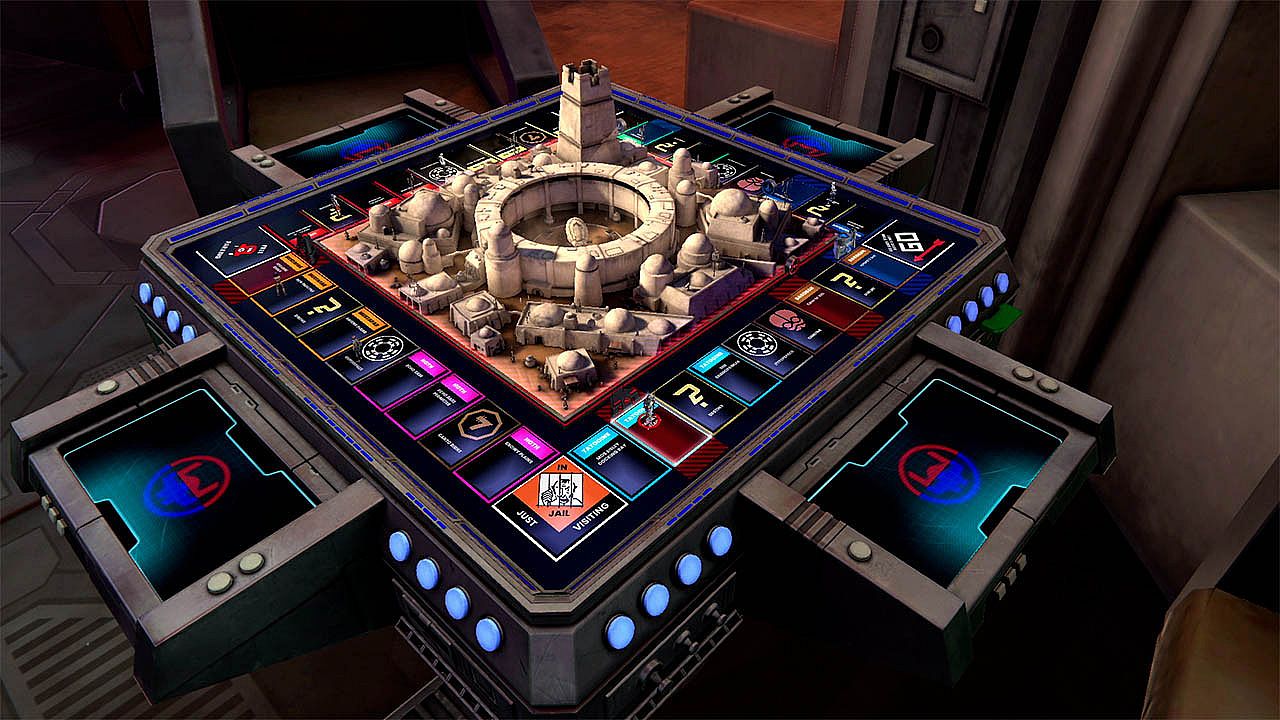
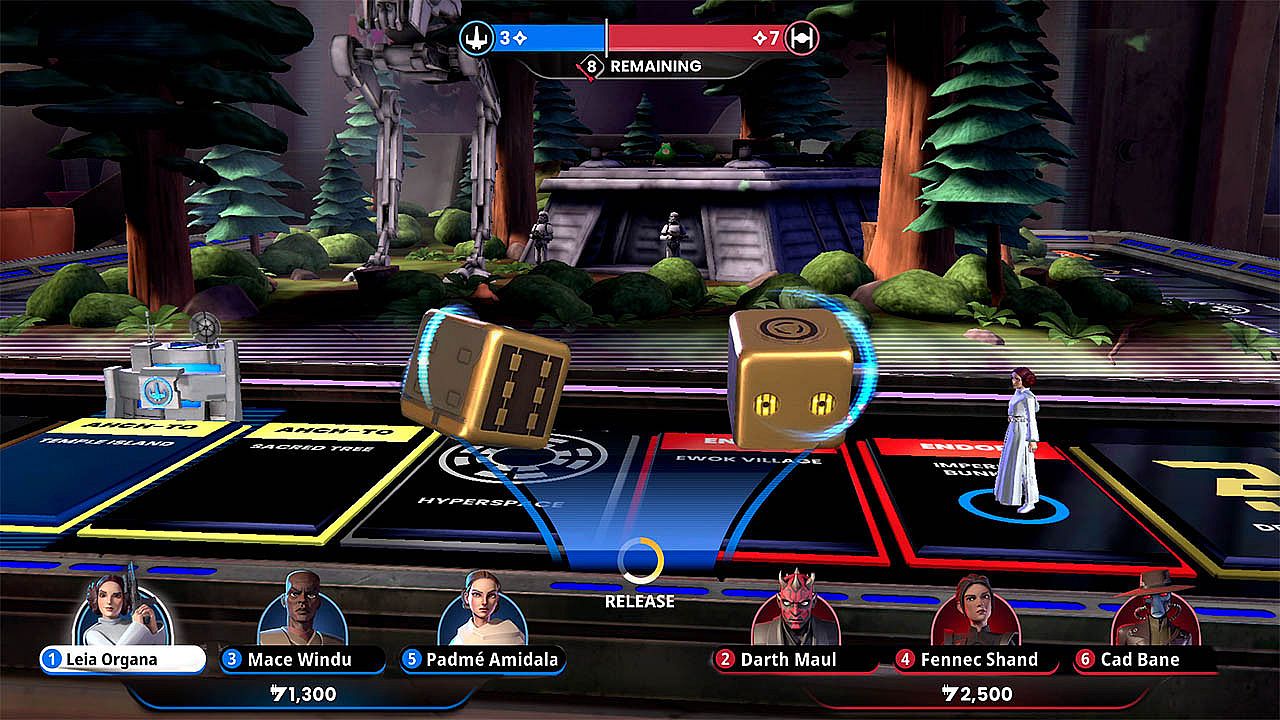
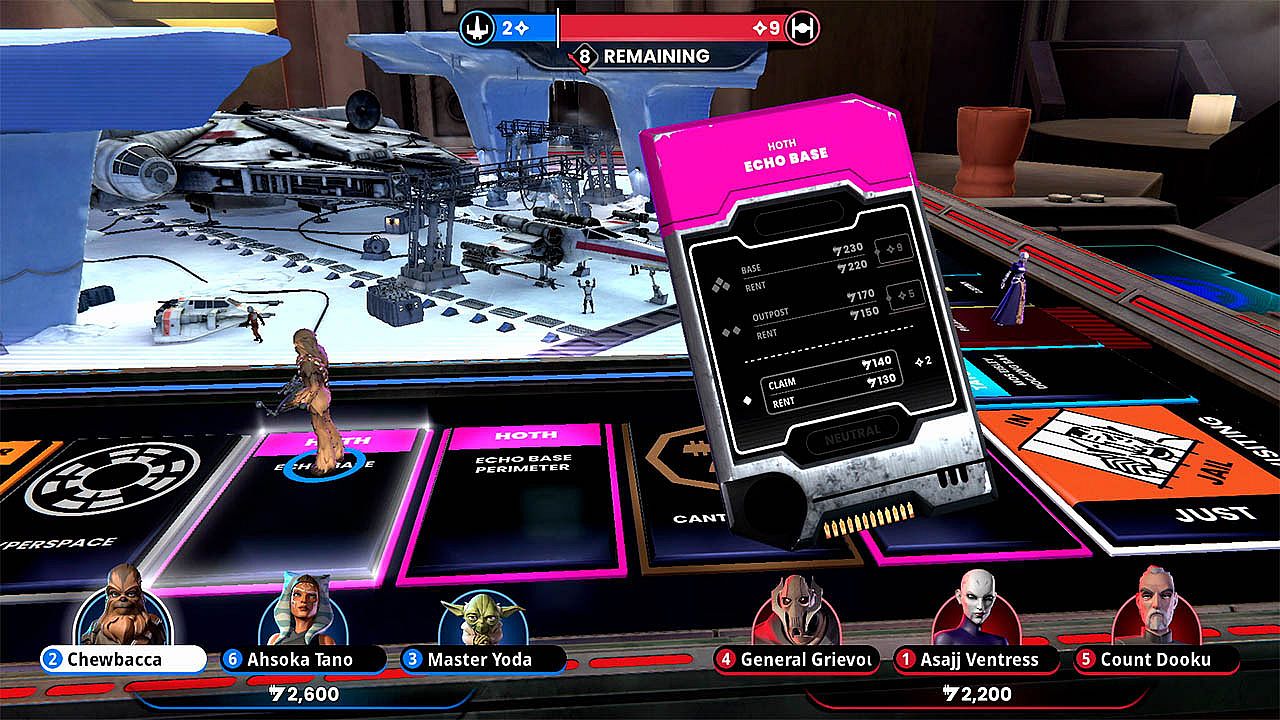
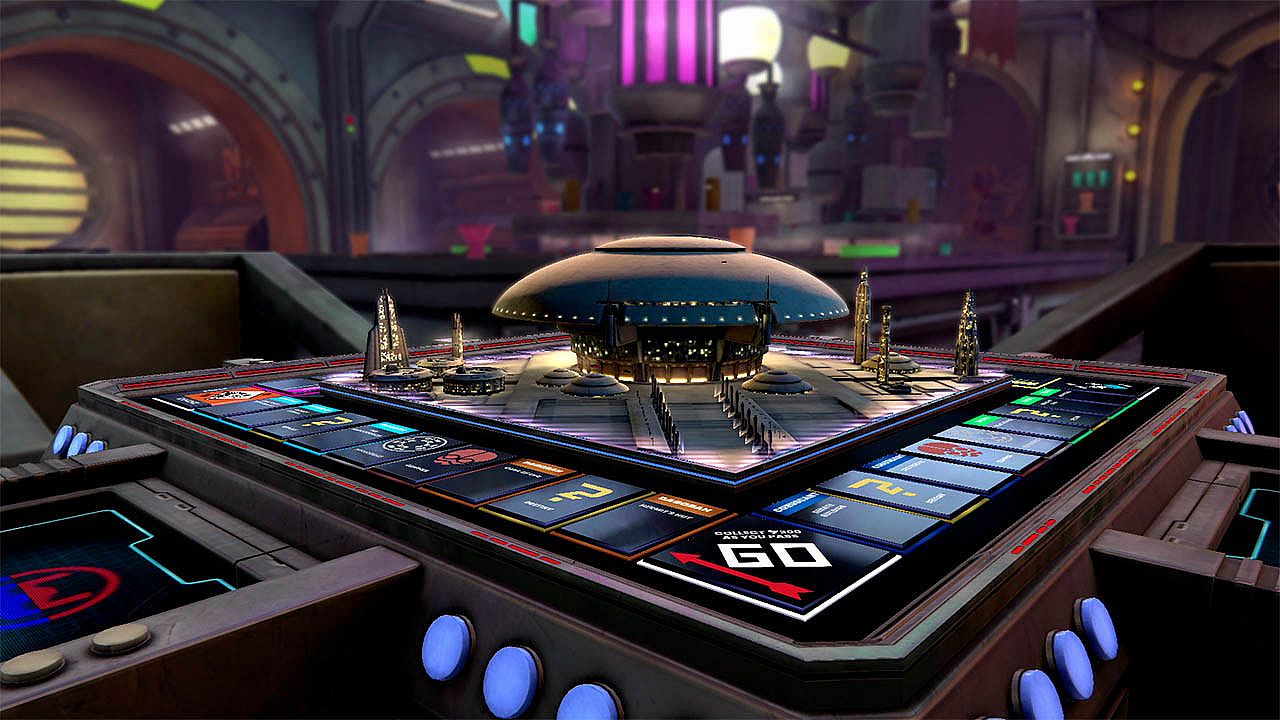
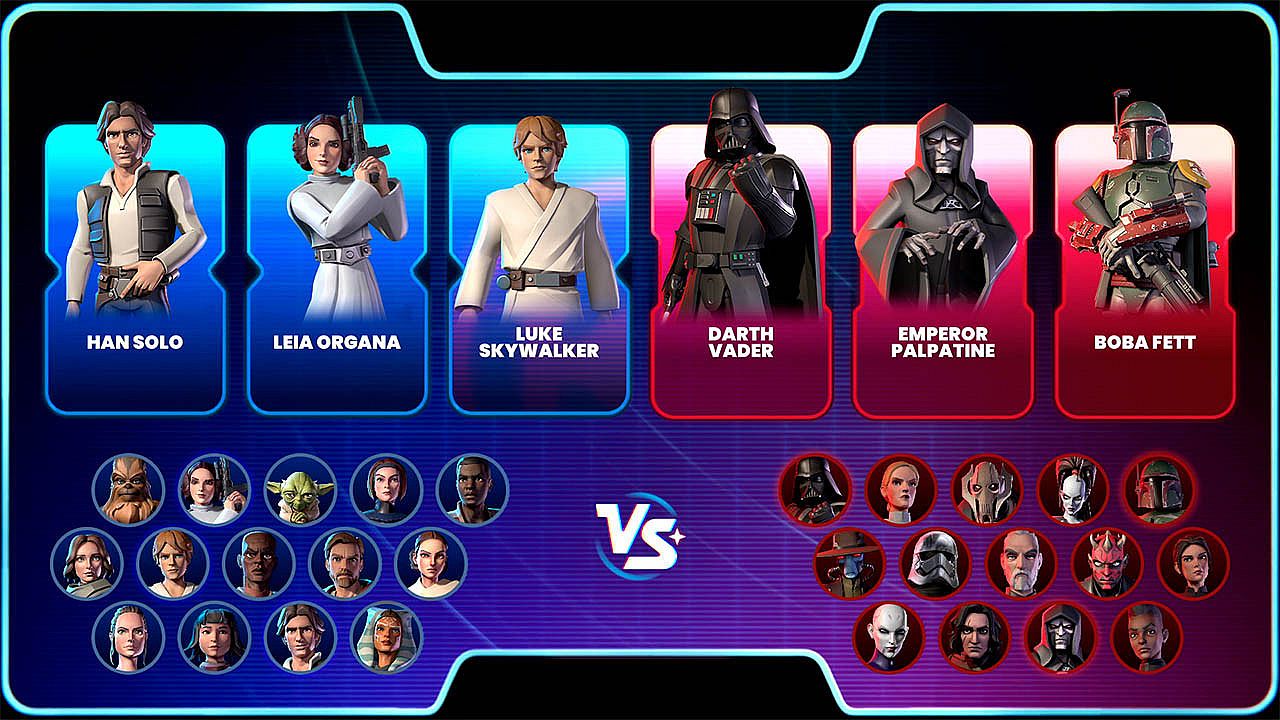
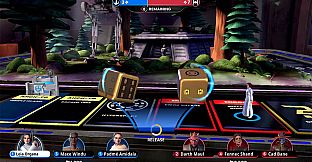
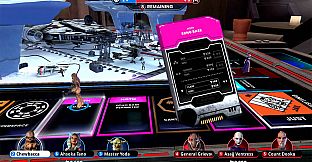
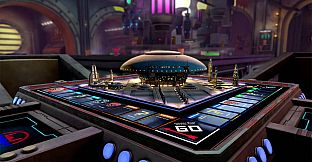
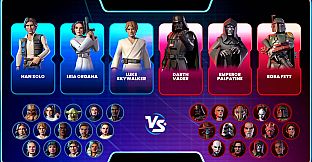
Players select from a roster of 28 Star Wars characters split evenly between heroes and villains. Each character carries a unique ability that influences movement, property control, or combat outcomes. The board features 22 locations drawn from across the Star Wars saga, presented as detailed 3D dioramas rather than simple squares. Movement follows standard dice rolls, yet ownership works differently: landing on an opponent-controlled space allows the visitor to pay a premium and seize the property outright. Upgrades on grouped locations within the same planet grant bonuses, while influence points accumulate through property control and successful actions. Battles occur when opposing players occupy the same tile. The defender rolls three dice first, after which the attacker rolls and may attempt to knock opposing dice to alter totals. The higher score claims the location and its associated points. Passing the starting space triggers GO events that present team-oriented dice challenges, such as hitting specific totals or avoiding penalties, which feed directly into the influence tally.
Game Modes
The game supports only team-based matches in 2v2 or 3v3 formats. Participants align with either the heroes or the villains faction and compete for overall influence after a set number of GO events conclude. Human players can fill teams through local couch co-op or online play, with AI handling any remaining slots. Solo sessions remain possible by relying entirely on AI teammates and opponents, though the design prioritizes coordinated human play. No free-for-all or single-player campaign options exist beyond these structured team encounters.
Core Mechanics and Features
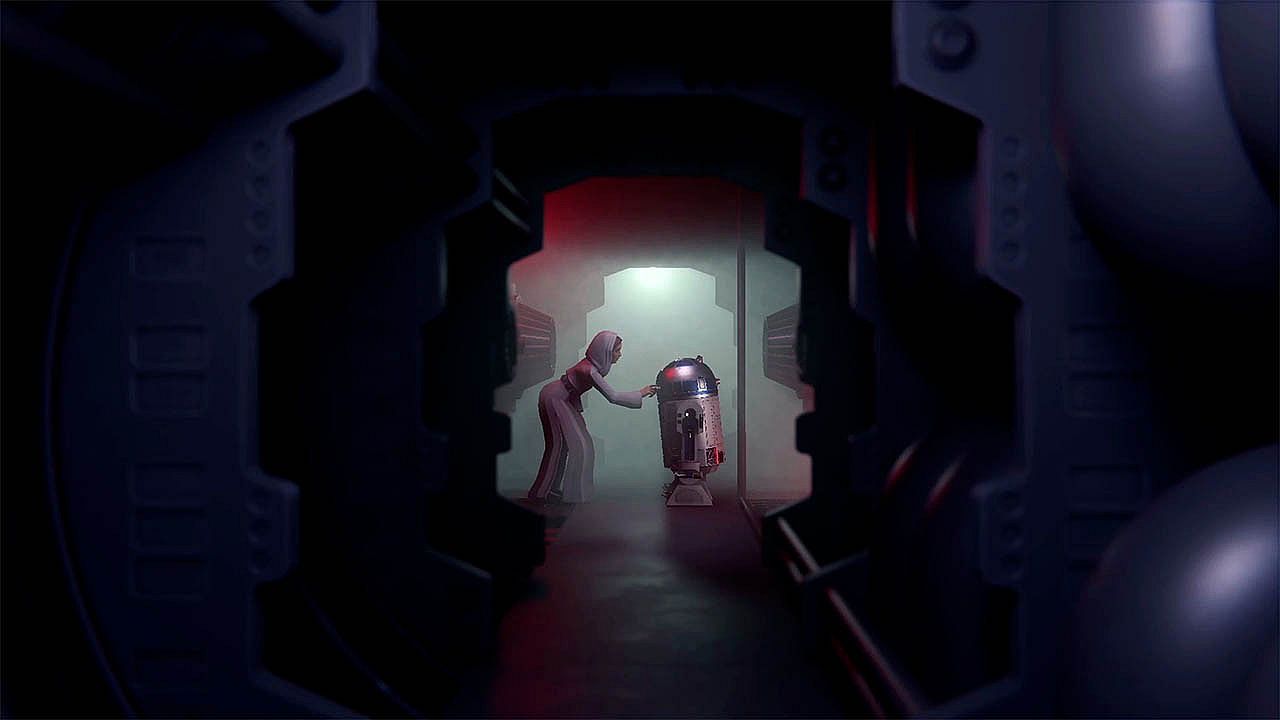
Character abilities introduce meaningful variety, allowing teams to customize strategies around movement advantages, combat edges, or property defense. Properties change hands more fluidly than in traditional Monopoly because opponents can buy them out mid-game. The influence system replaces pure cash accumulation as the victory condition, shifting focus toward consistent performance across multiple turns and events. Visual presentation includes animated character models that walk the board and react to events, alongside cinematic moments tied to Star Wars settings. Performance on the Nintendo Switch remains stable during core play, though some animations extend turn times.
Is It Worth Playing?
Reception has been mixed, with critics noting strong presentation and fresh twists alongside complaints about balance in certain character abilities and slower pacing from animations. The experience shines most during group sessions where teammates communicate and adapt on the fly. Star Wars fans appreciate the broad character selection and thematic locations, while casual players benefit from the streamlined rules and quicker resolution compared to classic Monopoly. Solo or AI-heavy matches feel less engaging due to limited interaction. It suits households that enjoy light strategy board games and already own the Nintendo Switch, particularly those seeking a themed alternative for regular game nights rather than a deep competitive title. Those seeking pure Monopoly rules or extensive single-player content may prefer other options.