

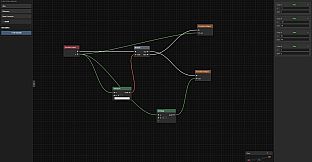
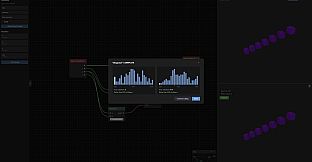
NodeVox: Game Programmer Simulator is a simulation game centered on visual node-based programming. Players drag and connect nodes on a canvas to build logic that generates 3D voxel objects instead of typing code. The experience draws from puzzle mechanics and creative modeling, placing it firmly in the simulation genre on PC.
Gameplay
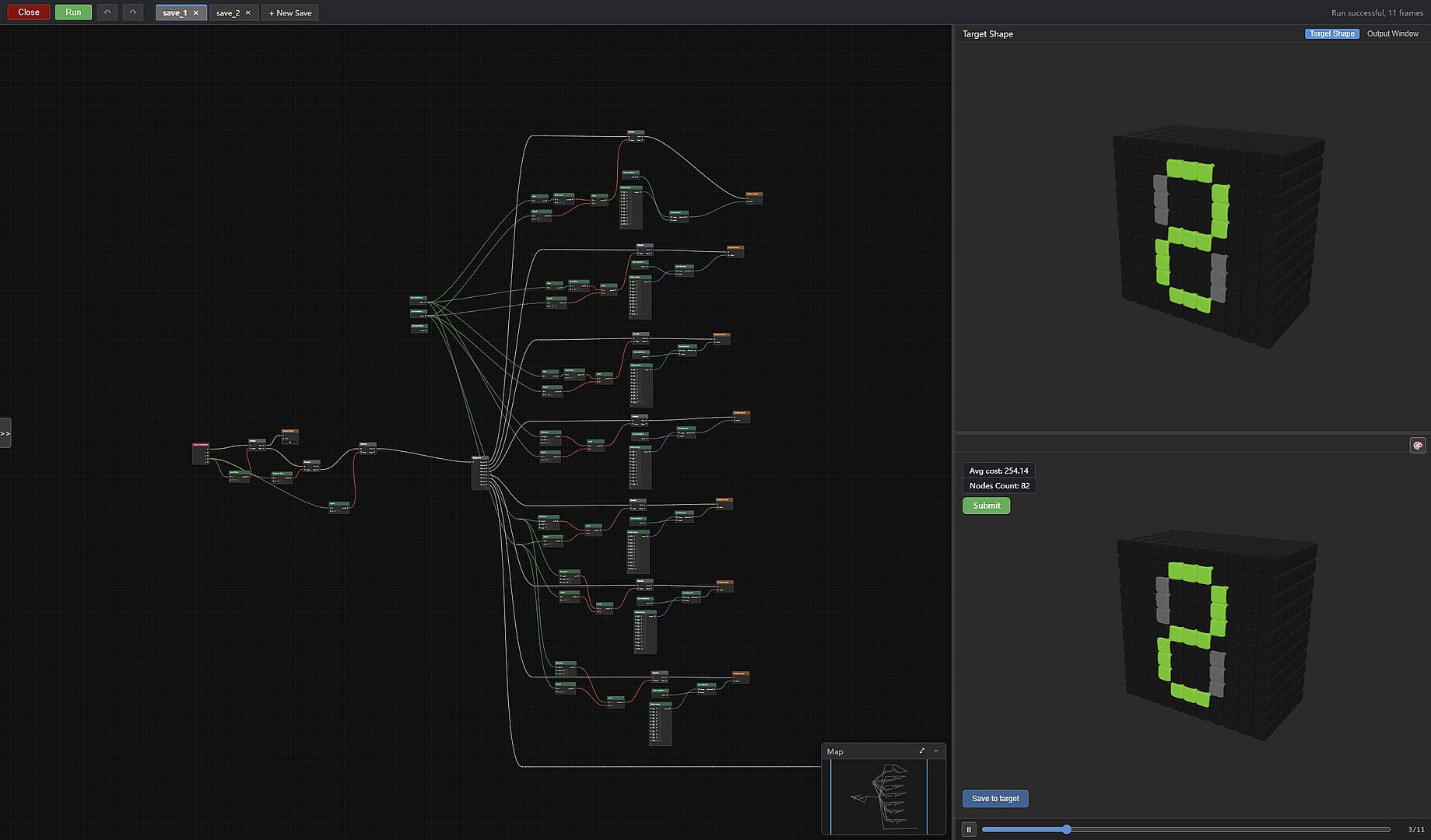
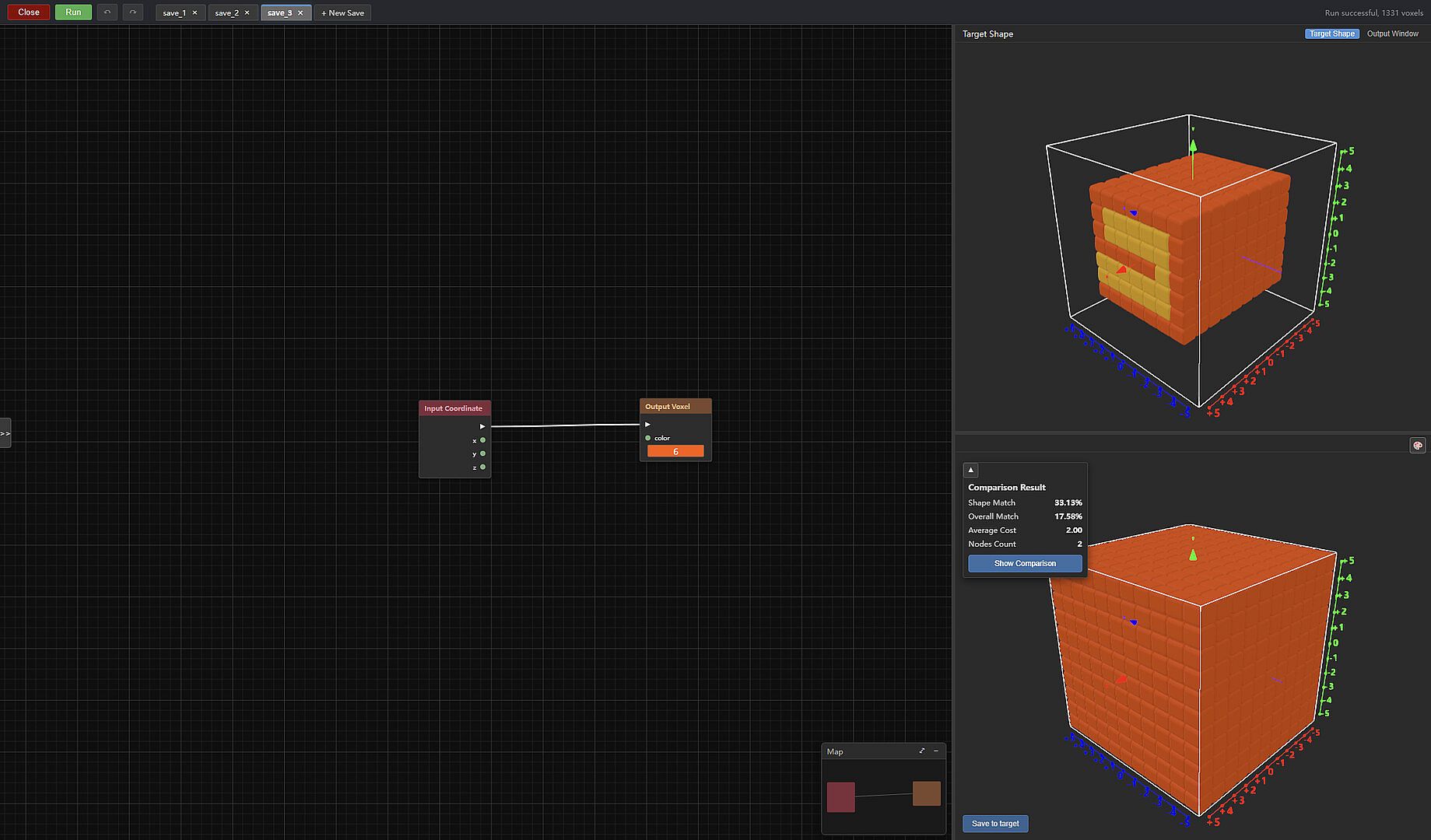
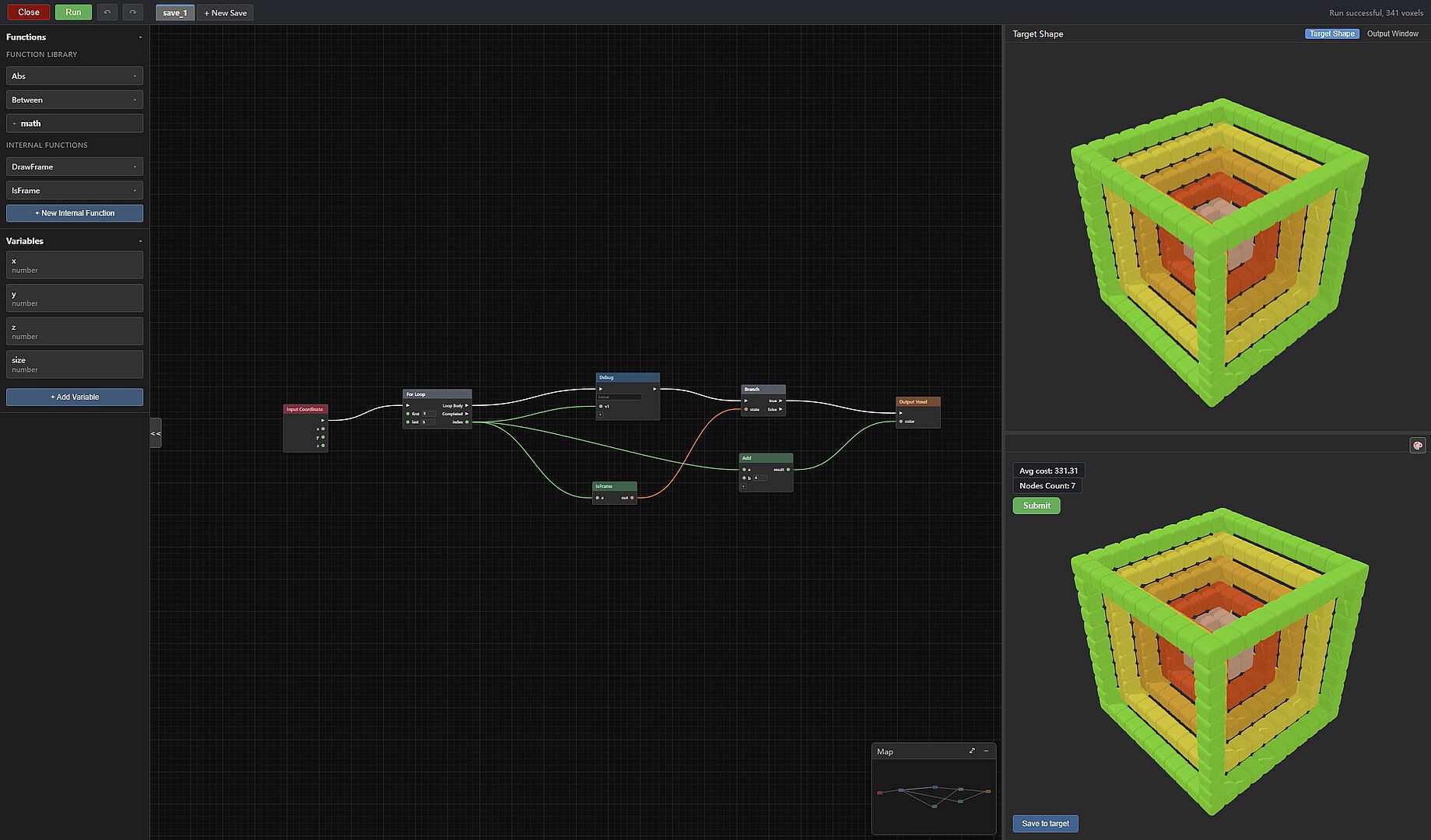
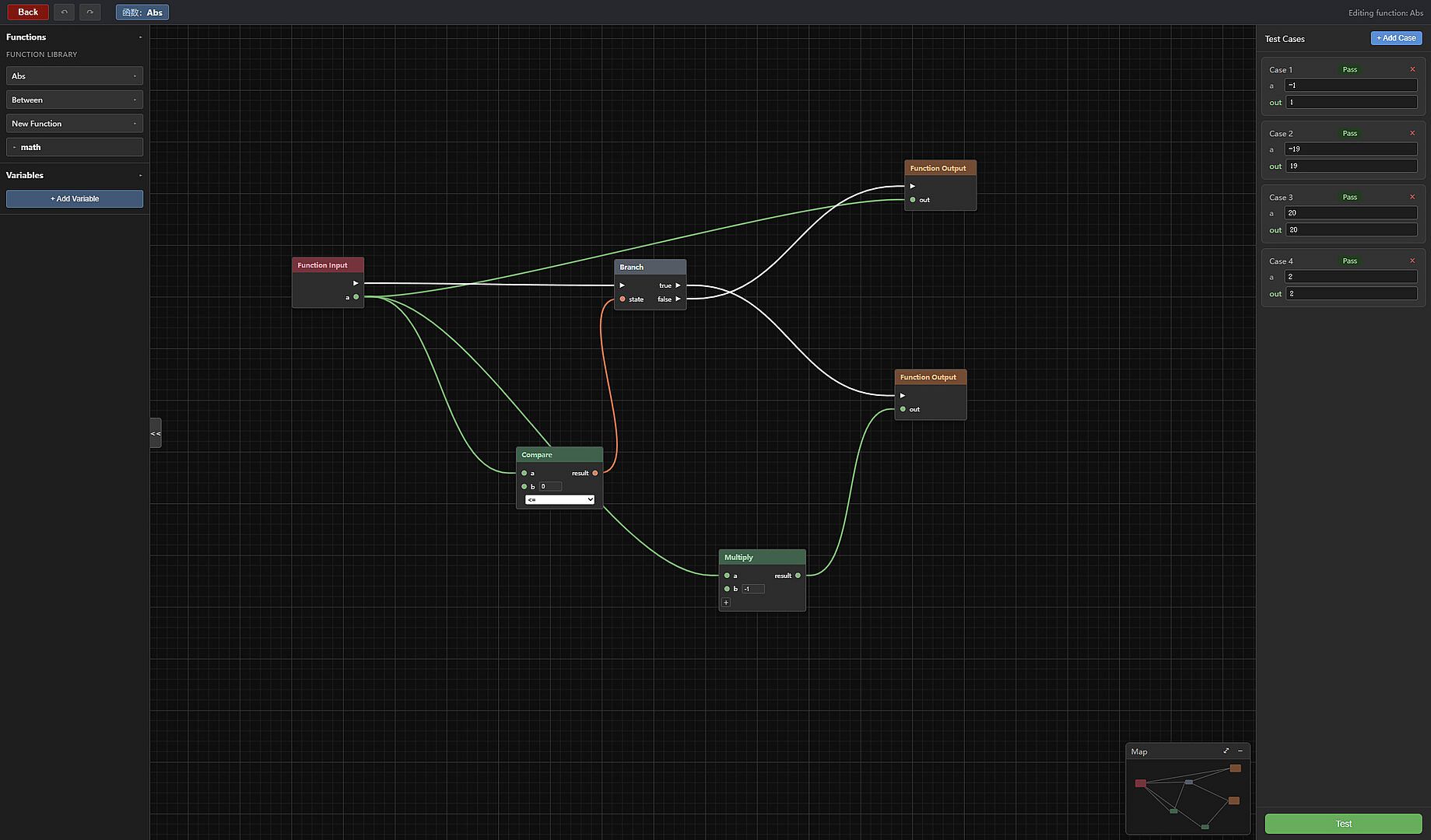
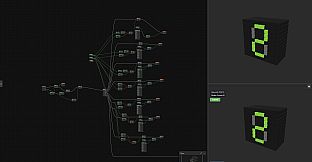
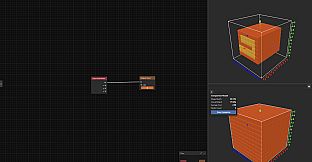
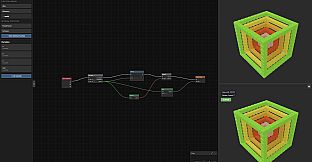
The core loop revolves around constructing functional programs through node connections. Ports link together on the canvas to form logic flows, and the resulting program must produce a specific 3D voxel output. This process replaces traditional text-based coding with a visual interface that emphasizes spatial arrangement and data flow.
Players work with 3D voxel modeling as the primary output medium. Nodes handle operations that shape, color, and position individual voxels into recognizable objects. Animation capabilities extend the system, allowing sequences of changes over time within the same node structure. Game programming elements appear through nodes that define behaviors or interactions, turning static models into dynamic elements.
The node canvas serves as the central workspace. Connections carry information between nodes, and the overall arrangement determines the final voxel result. Feedback comes directly from the generated object, guiding adjustments to ports and logic paths until the output matches the intended design.
Game Modes
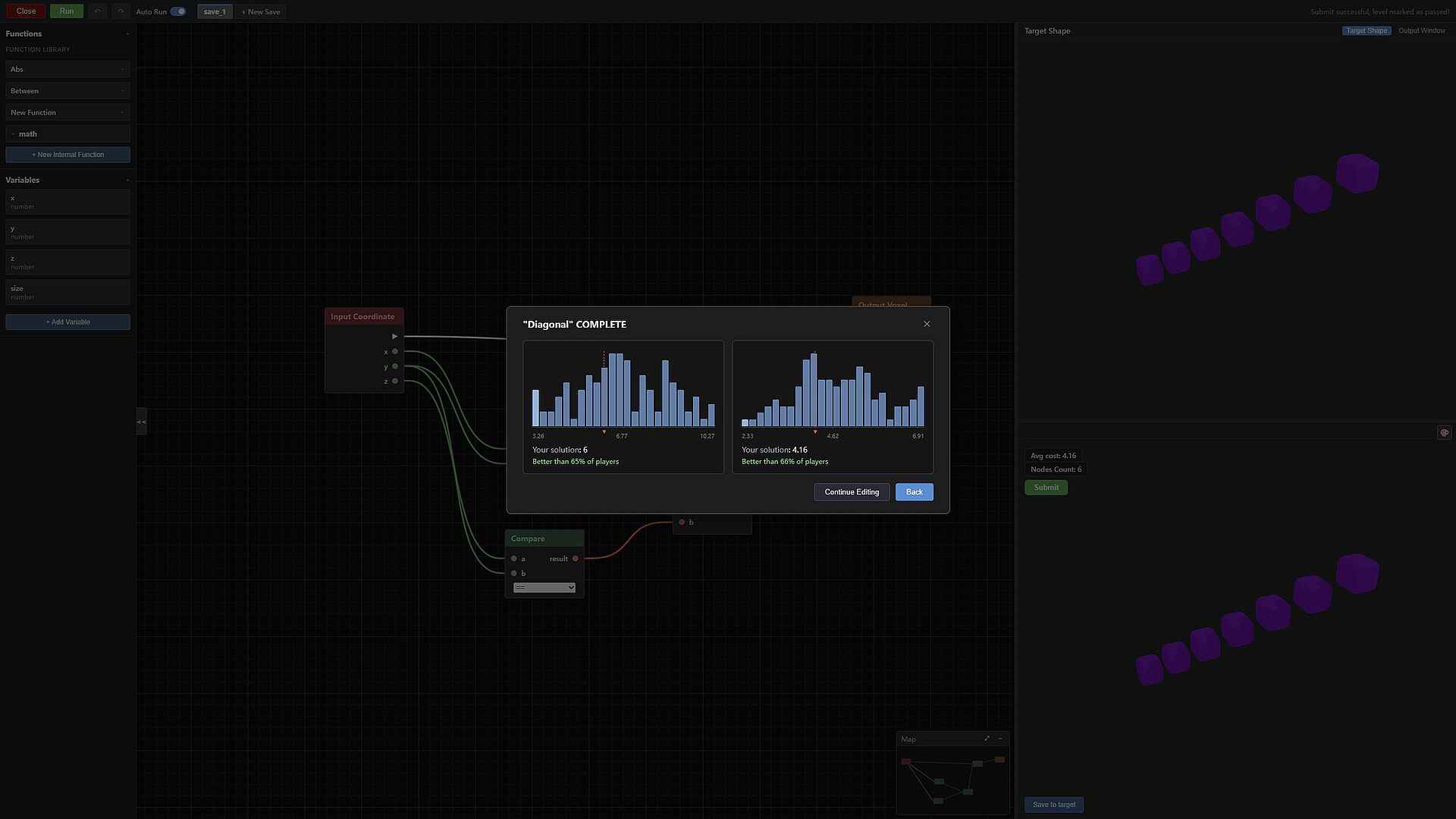
One approach focuses on solving structured challenges where the goal is to produce exact voxel objects through precise node arrangements. These puzzles test logical construction and iterative refinement on the canvas.
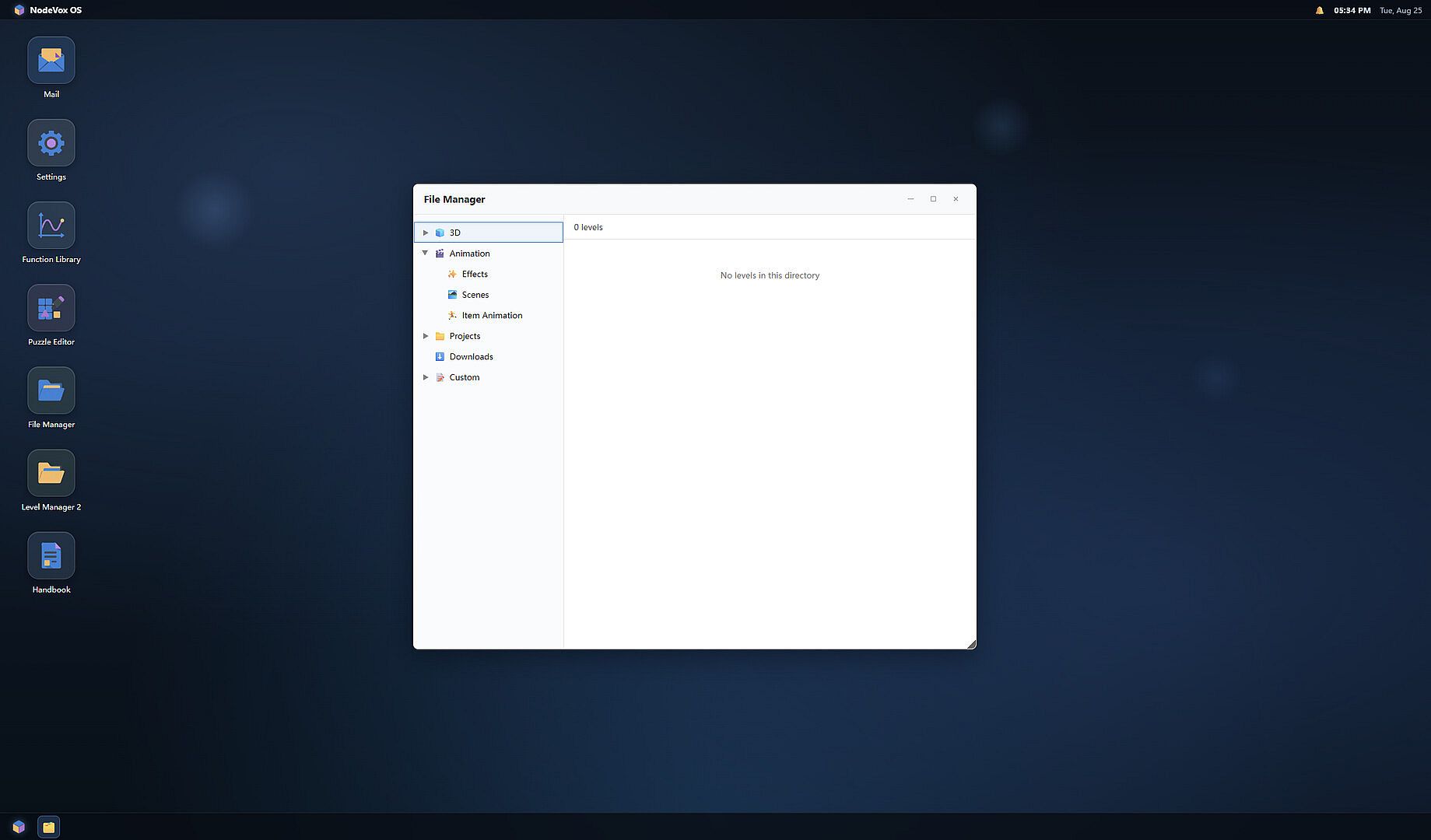
Another way to engage involves the built-in level editor. Players create custom puzzles by defining target voxel outputs and sharing those creations with others. This shifts the focus from solving to designing, expanding the range of available content through community contributions.
Additional play styles incorporate animation and behavioral programming within the same node framework. Users can extend basic modeling into timed sequences or interactive elements, blending puzzle solving with creative experimentation in a single session.
Creative Tools and Level Design
The level editor integrates directly with the node system, letting users define puzzles that others solve using the same visual programming tools. Custom targets range from simple shapes to complex animated scenes, all built from voxel primitives.
Sharing mechanisms allow completed puzzles to circulate among players. This creates an expanding library of challenges that rely on the core node canvas for both creation and solution. The editor supports multiple output types, including static models, animated sequences, and programmed behaviors.
Is It Worth Playing?
NodeVox suits players interested in logical problem solving combined with 3D creative construction. The visual node approach lowers the barrier for those curious about programming concepts while delivering tangible results in voxel form. Multiple ways to engage, from puzzle completion to original level creation, provide variety within the simulation framework.
The built-in editor adds ongoing value by enabling personal content generation and exchange. Those who enjoy iterative refinement and spatial logic will find consistent engagement through the node canvas and voxel outputs. Availability on PC keeps the focus on precise mouse-driven connections and visual feedback.