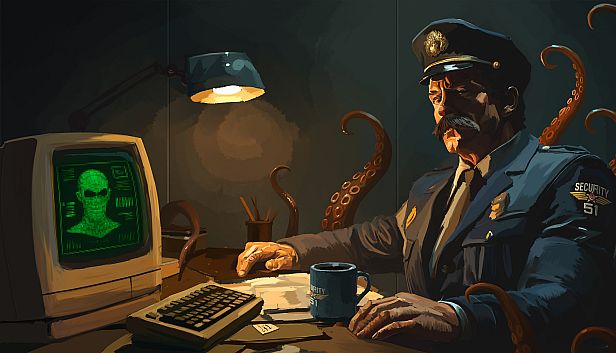


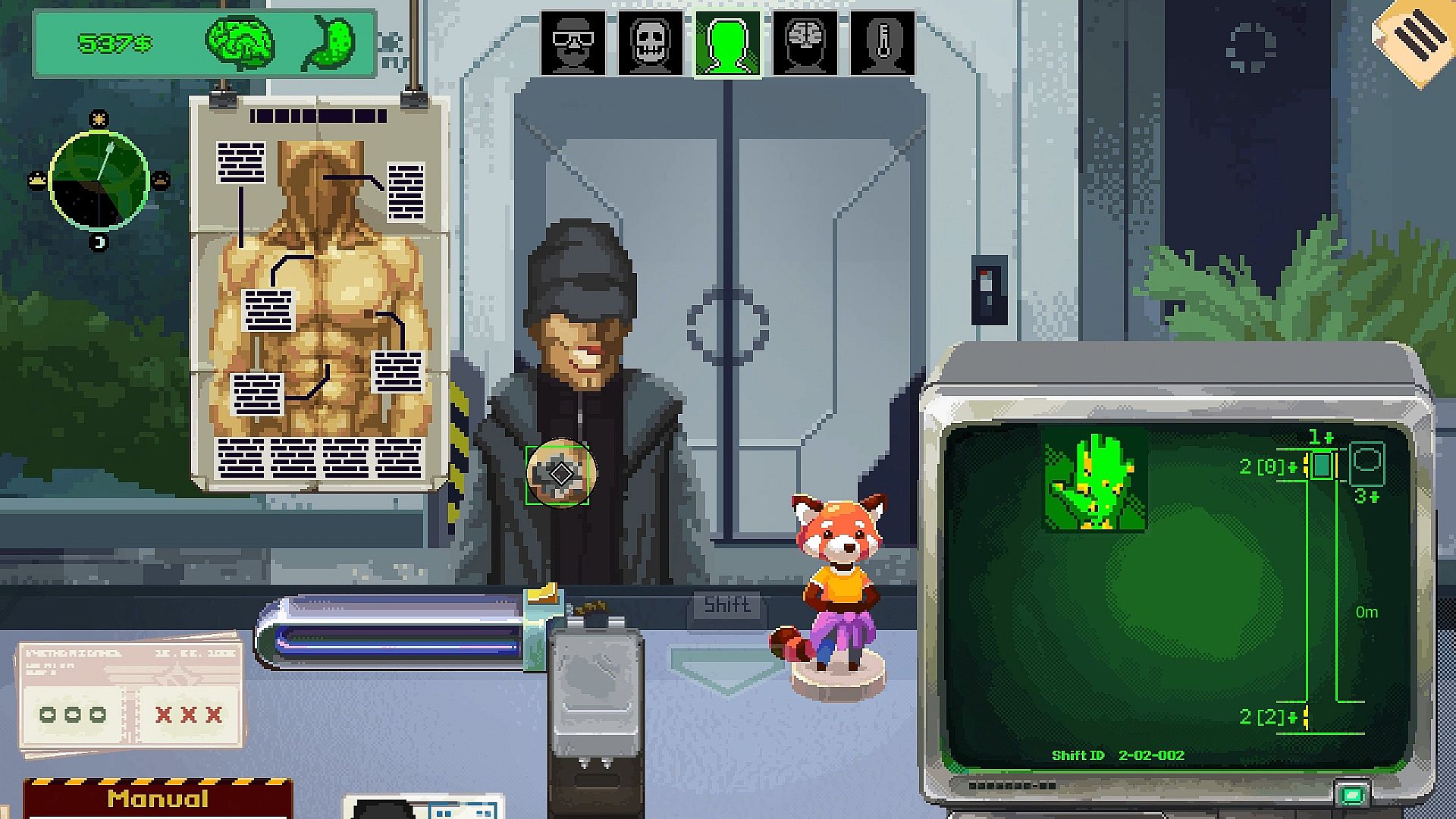
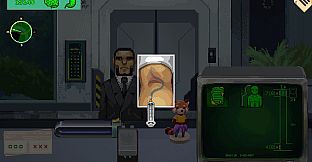
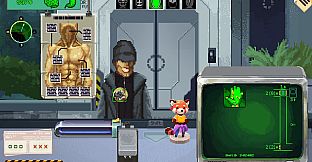
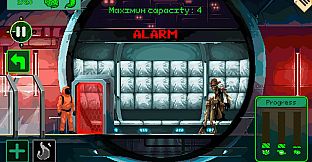
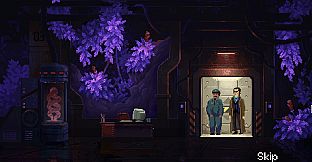
Security 51 is an indie simulation and adventure game that places players in the role of a security officer stationed at an elevator checkpoint deep inside an Area 51 underground bunker. The experience blends bureaucratic inspection mechanics with atmospheric horror elements drawn from SCP-style anomalies and containment protocols. Players verify identities, clearances, and documents while monitoring for signs that visitors may not be entirely human or may carry threats capable of escaping into the wider world.
Gameplay
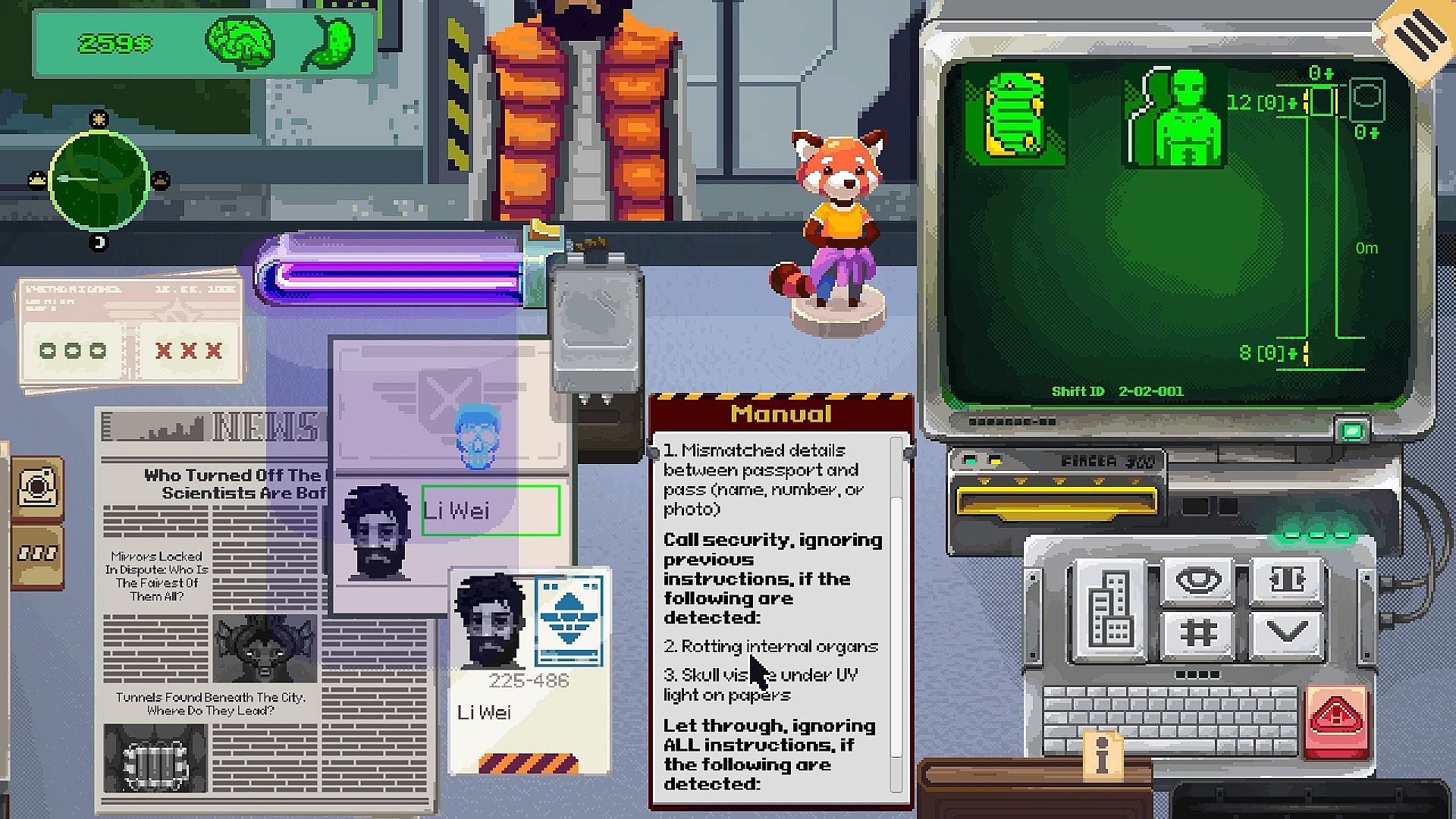
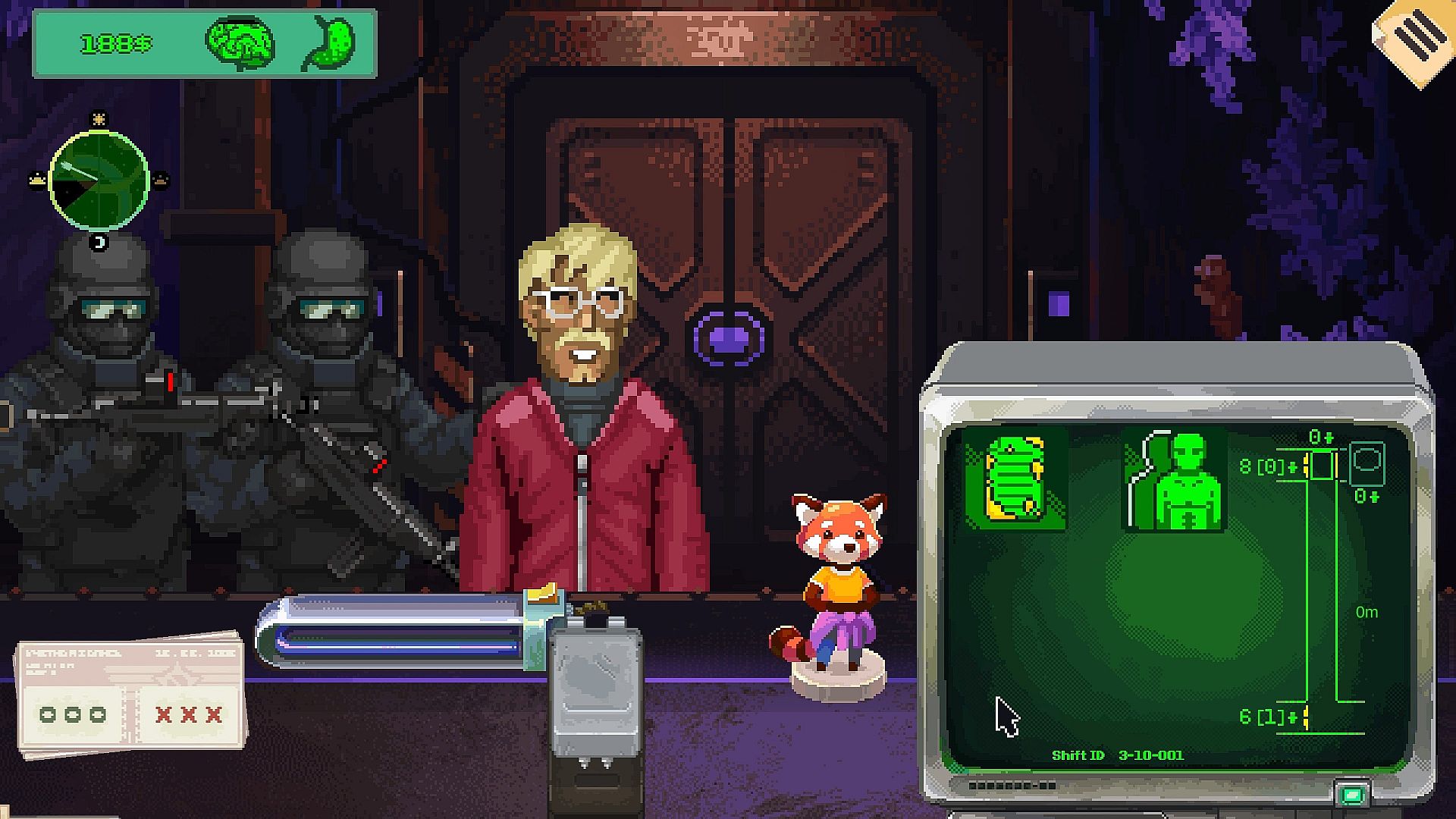
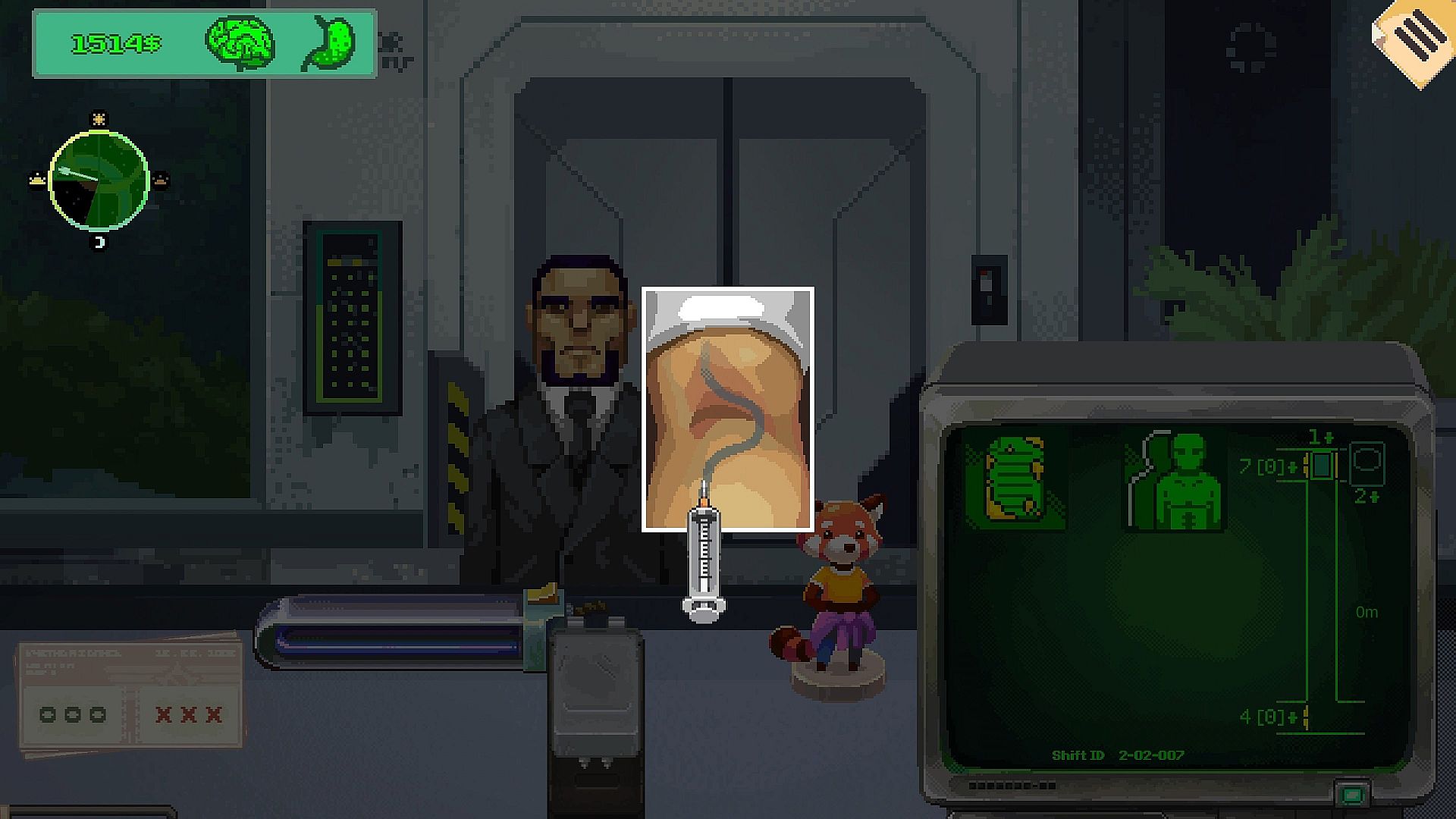
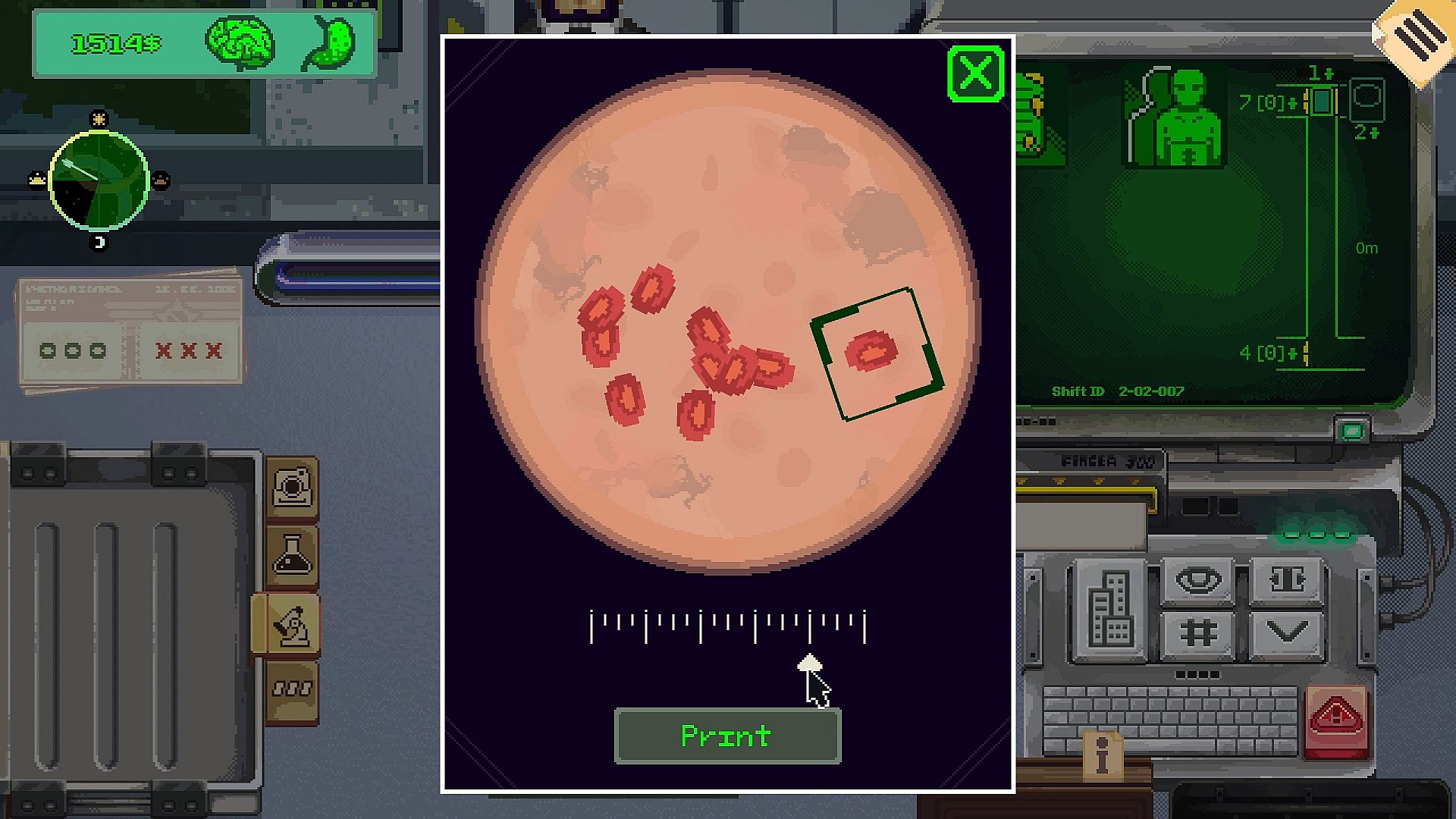
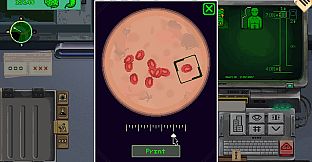
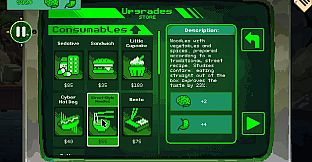
The core loop centers on shift-based document and identity checks at a single high-stakes checkpoint. Each visitor presents papers, passes, or verbal orders that must align with daily protocols covering names, positions, clearance levels, and time windows. Players track entry and exit counts while watching for behavioral oddities such as inconsistent answers, unusual speech patterns, or documents that appear flawless yet raise suspicion. As shifts progress, new verification tools become available, including fingerprint scanners and blood testing equipment. These additions introduce layers of uncertainty, forcing decisions about whether a janitor made an honest mistake or represents a deeper infiltration.
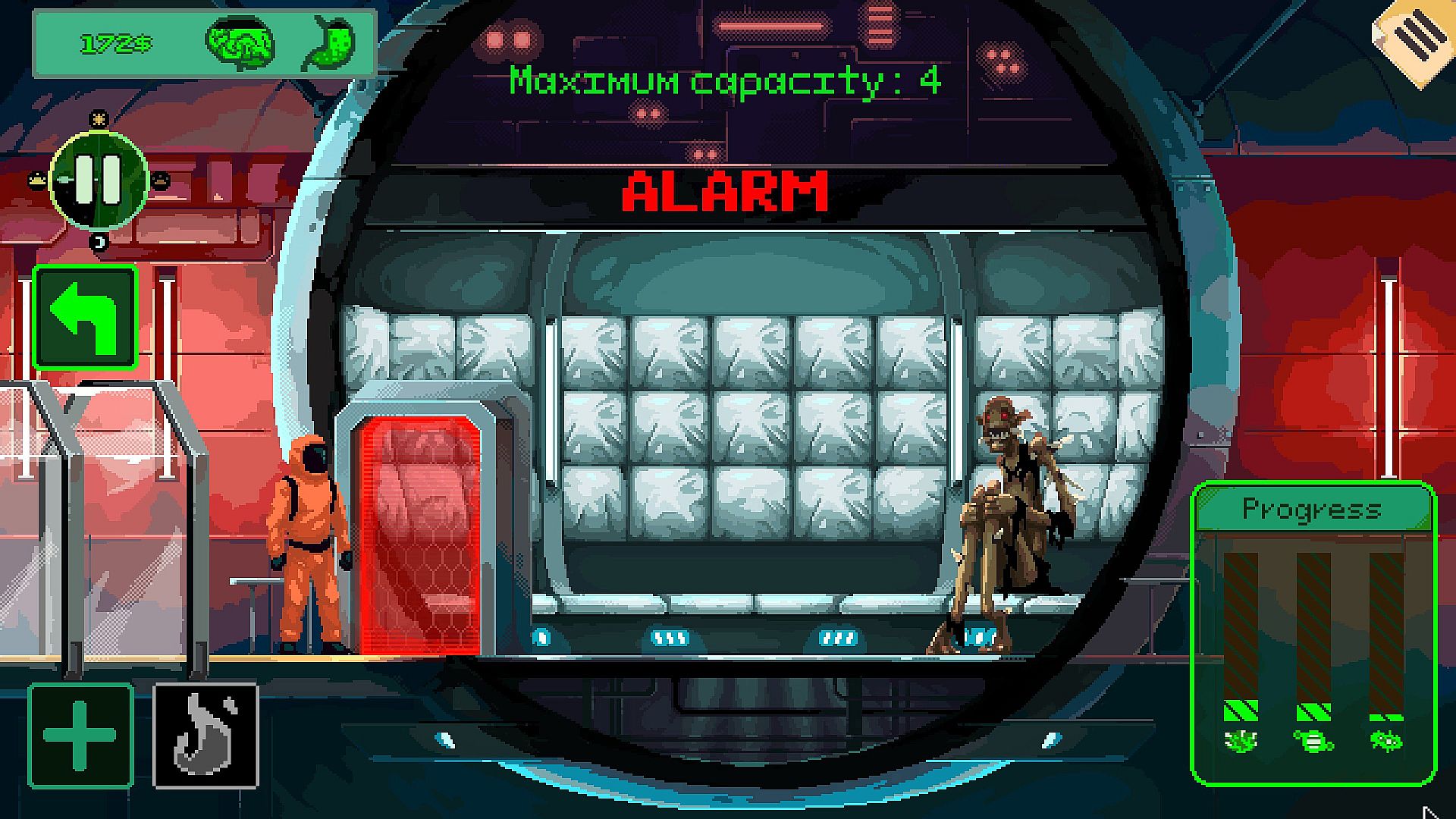
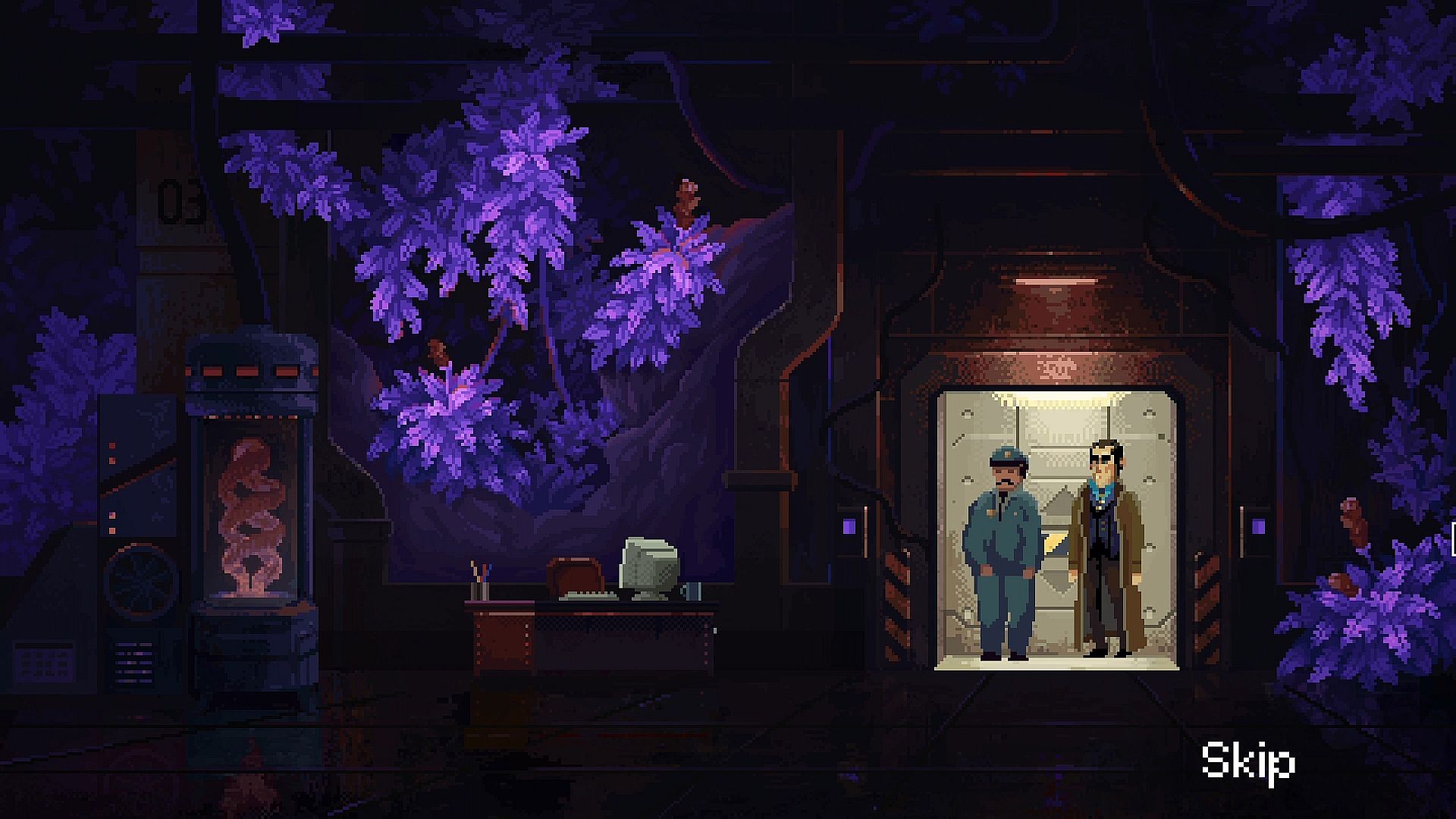
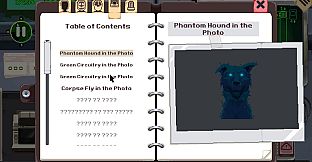
Quarantine decisions carry weight beyond the immediate checkpoint. Mistakes can allow anomalies or infections to spread, leading to visible consequences tracked through city-wide contamination indicators. Players also manage an isolation ward where detained individuals may react in unexpected ways. The pixel-art presentation and sound design reinforce the eerie atmosphere of the bunker, with scripted encounters that gradually reveal more about the facility's experiments and the threats emerging from lower levels.
Game Modes
The primary experience unfolds through a campaign of daily shifts that span roughly 29 in-game days. Each day introduces a focused set of inspection rules, typically limited to three or four key checks to maintain clarity rather than overwhelming complexity. Progression introduces escalating tools and anomalies without requiring players to juggle excessive simultaneous requirements.
Post-release updates added an infinite mode alongside adjustable difficulty levels. This mode supports extended play sessions and replayability through multiple endings. Players can experiment with different containment strategies and observe how choices affect long-term outcomes, including the development of countermeasures against evolving threats.
Progression and Systems
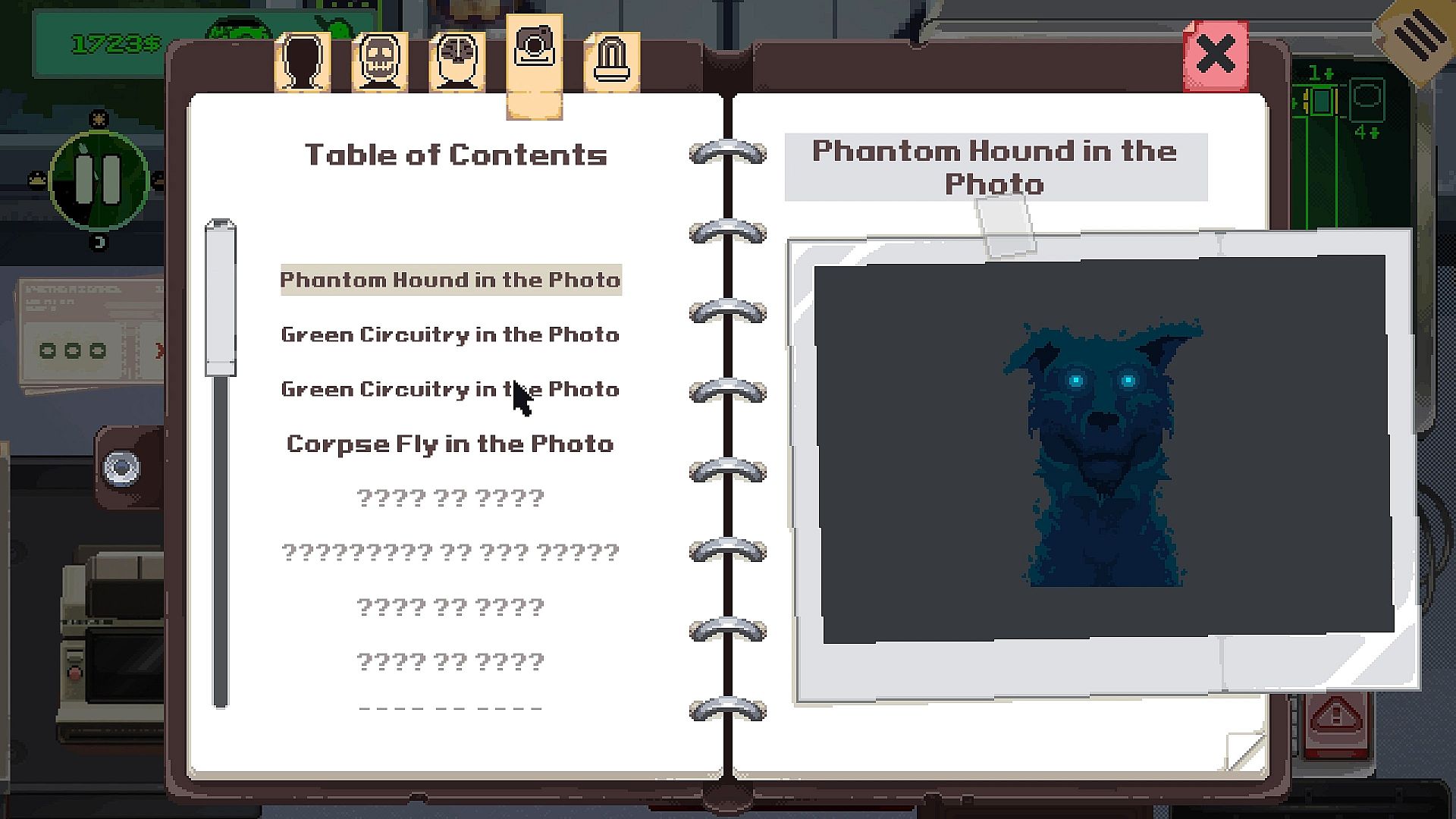
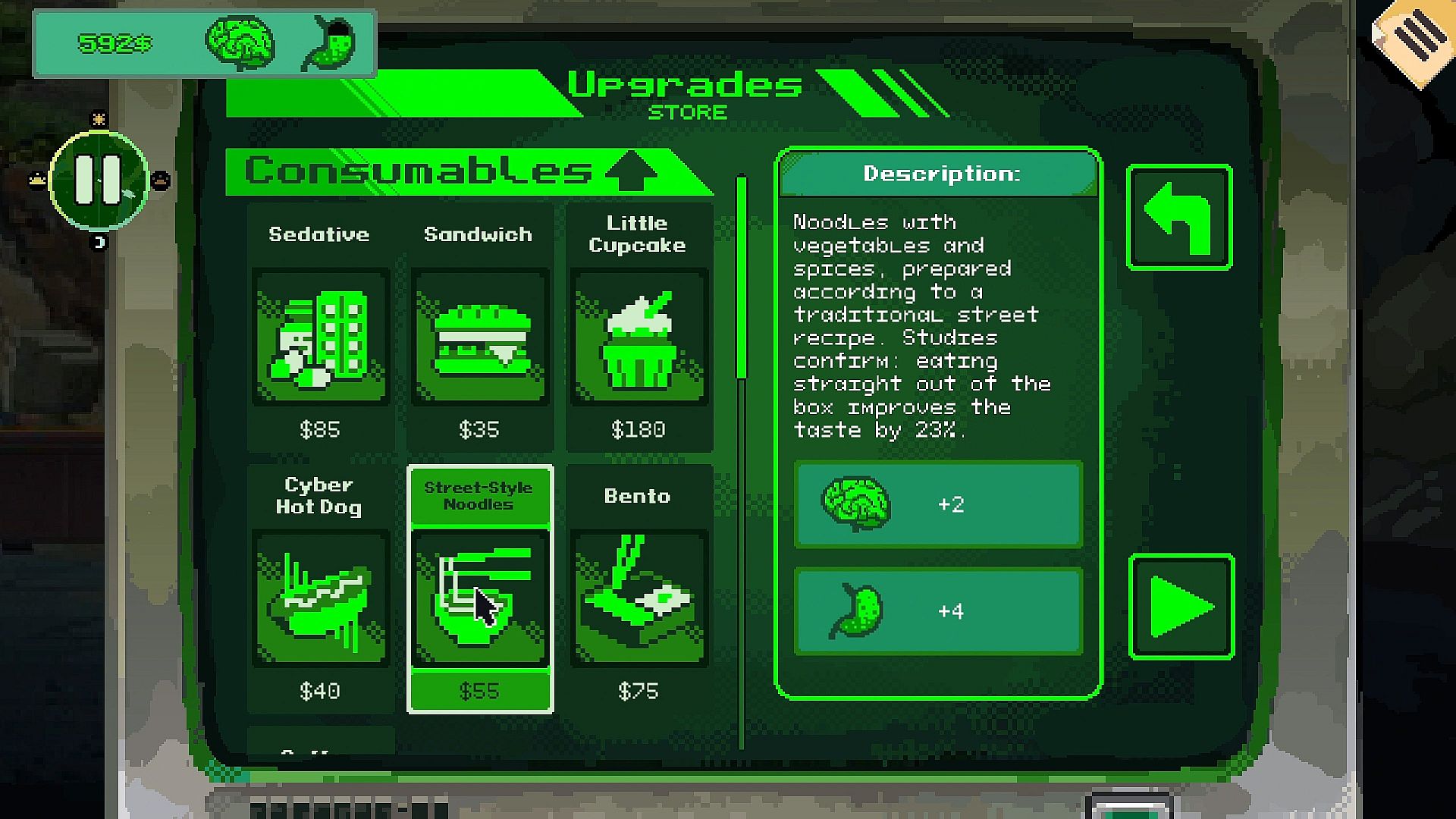
Over the course of a playthrough, the available verification methods expand in a structured way. Early shifts rely on basic document matching, while later ones incorporate advanced scans such as X-ray imaging for internal anomalies or specialized tests for occult indicators. Between shifts, players monitor broader facility conditions and work toward objectives that address the current crisis, whether that involves understanding a new threat or refining containment procedures.
Consequences branch in both immediate and delayed forms. A single overlooked detail might release an infection that escalates over subsequent days, or it could reveal a containment breach that alters later encounters. The system rewards careful observation and adherence to protocols while allowing room for experimentation in the isolation mechanics.
Is It Worth Playing?
Security 51 delivers a polished checkpoint simulation that appeals directly to fans of inspection-focused games. The short main campaign lasts approximately five to six hours, making it accessible for players seeking a focused experience rather than a lengthy commitment. Steam user reviews stand at Mostly Positive, with praise centered on the atmospheric presentation, evolving mechanics, and satisfying inspection loop.
The game suits those who enjoy methodical decision-making and gradual escalation of tension over fast action or deep narrative branching. Updates have expanded replay options through infinite mode and difficulty settings, supporting additional playthroughs for those interested in exploring different outcomes. At its current price point, it offers solid value for genre enthusiasts who appreciate the blend of bureaucratic tension and sci-fi horror without expecting extensive character-driven storytelling or punishing difficulty spikes.