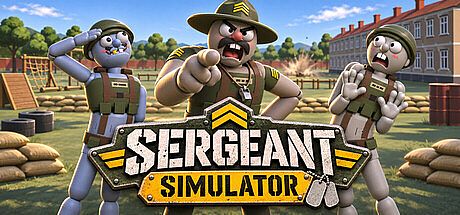


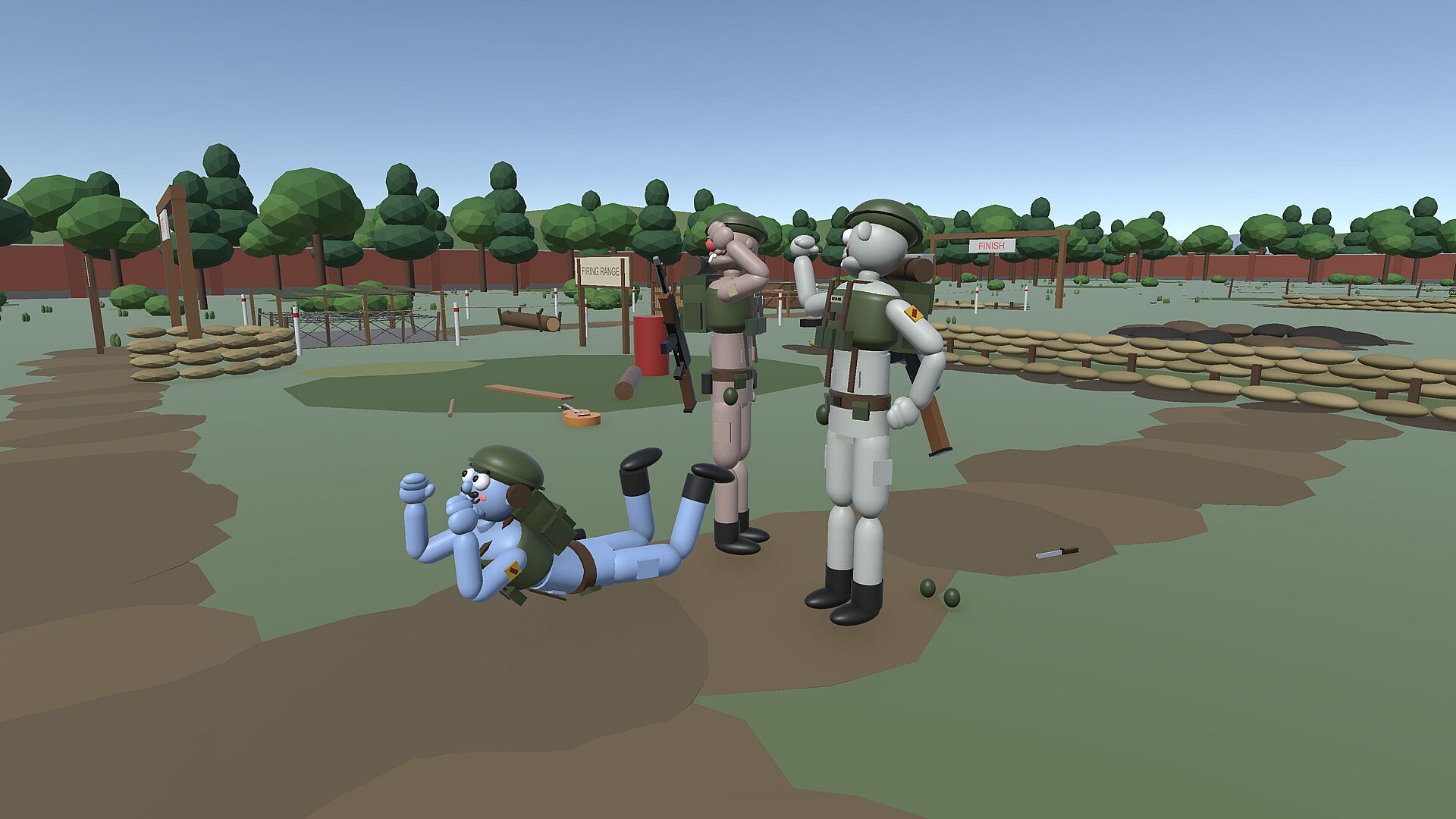
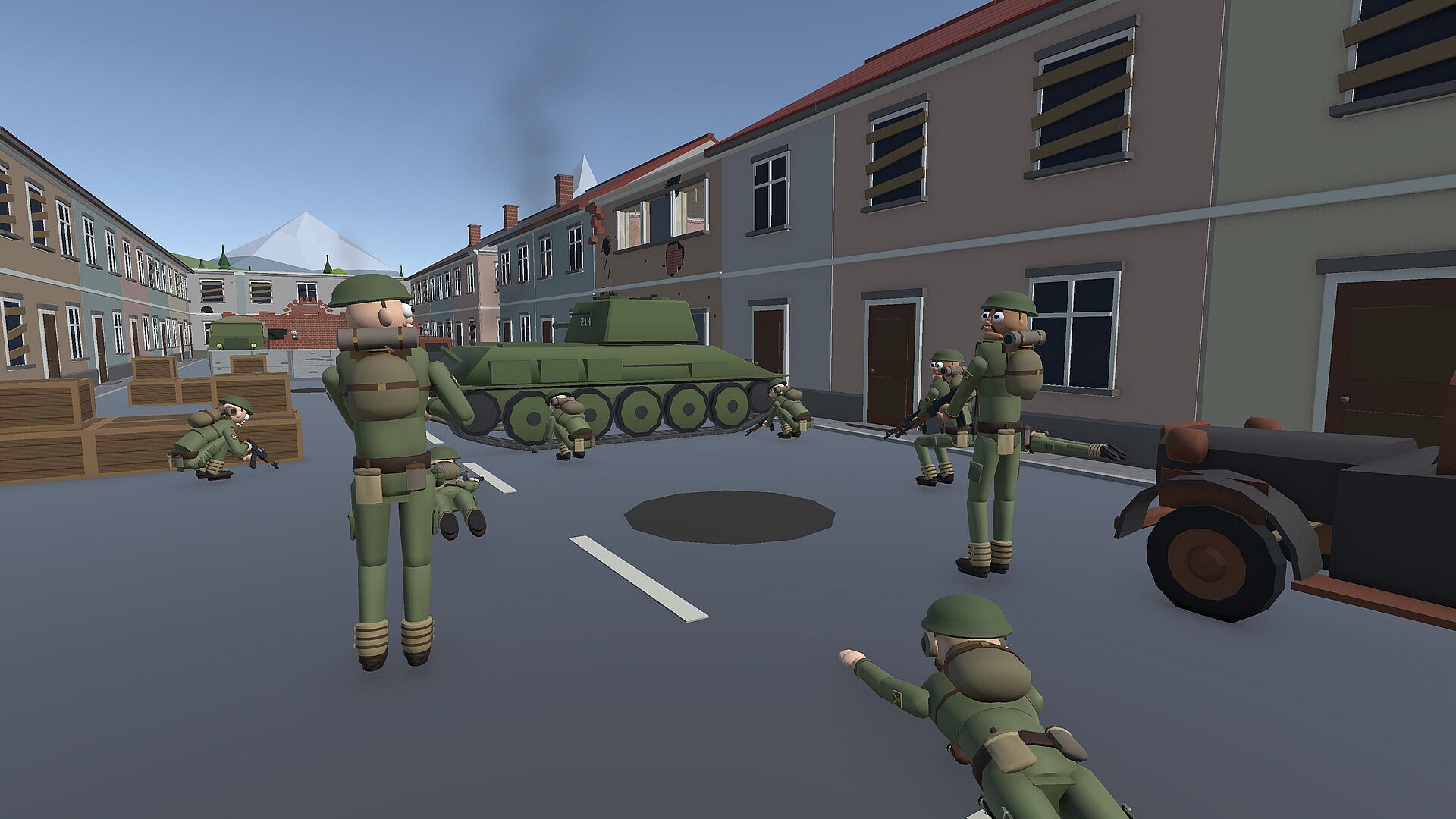
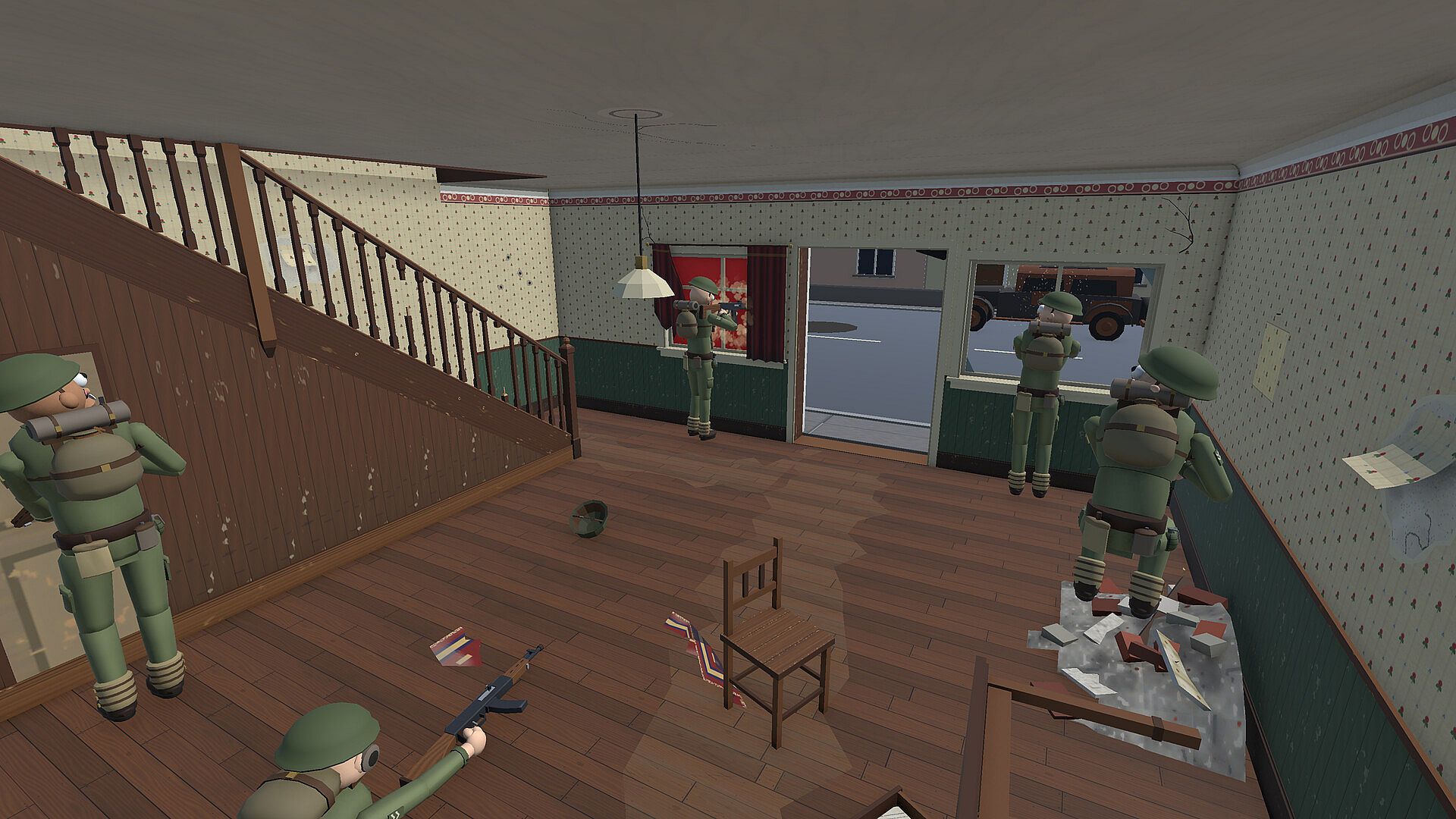
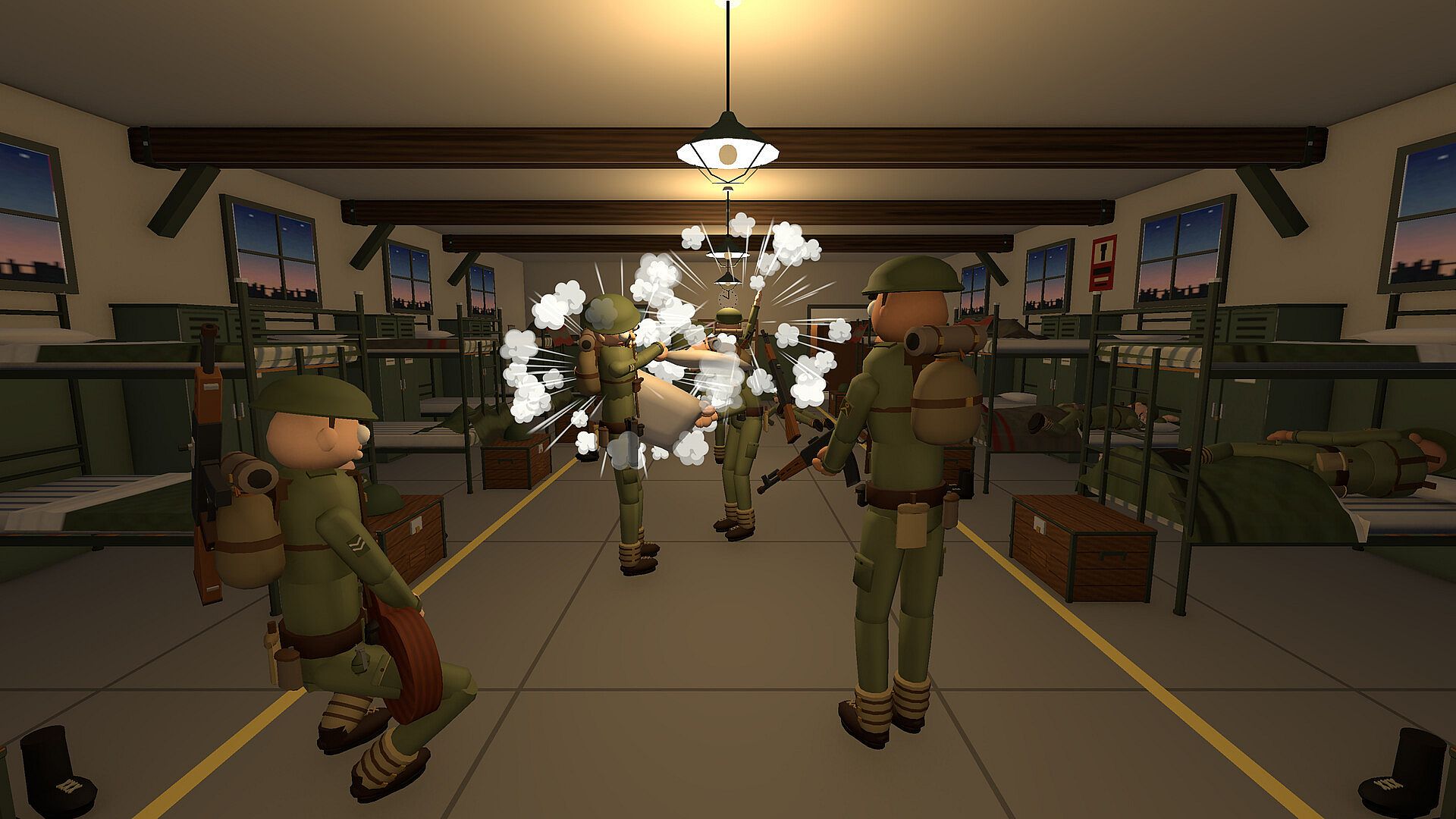
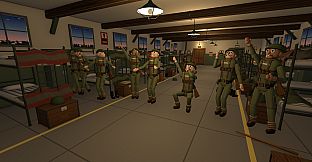
Sergeant Simulator is a simulation game built around voice commands as the primary way to direct a squad of soldiers. Players take on the role of a sergeant responsible for training troops in the barracks and training grounds before leading them into combat missions. The core appeal lies in speaking directly into a microphone to issue orders, with the game interpreting natural speech to control unit actions in a stylized, comedic military environment.
Gameplay
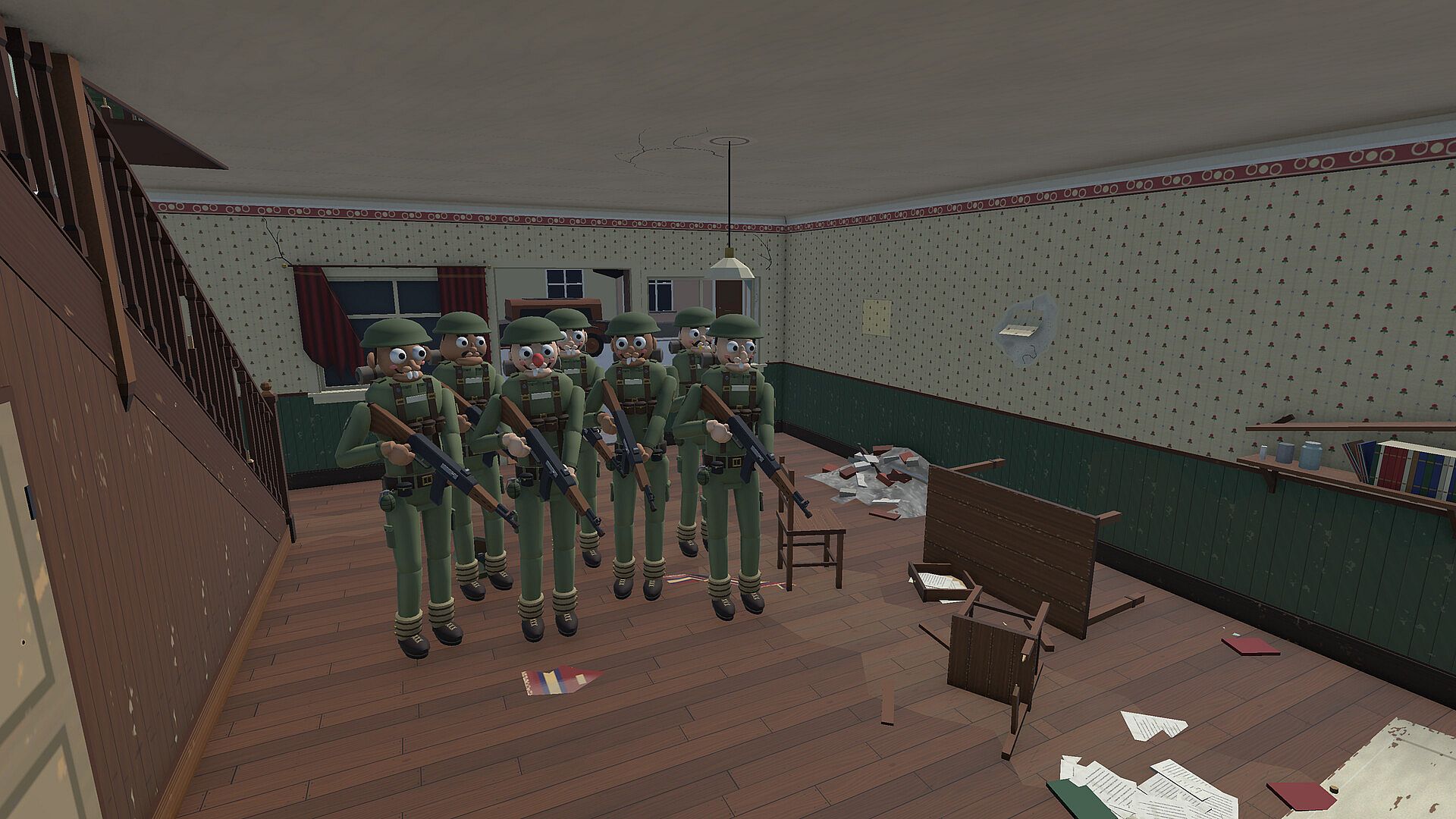
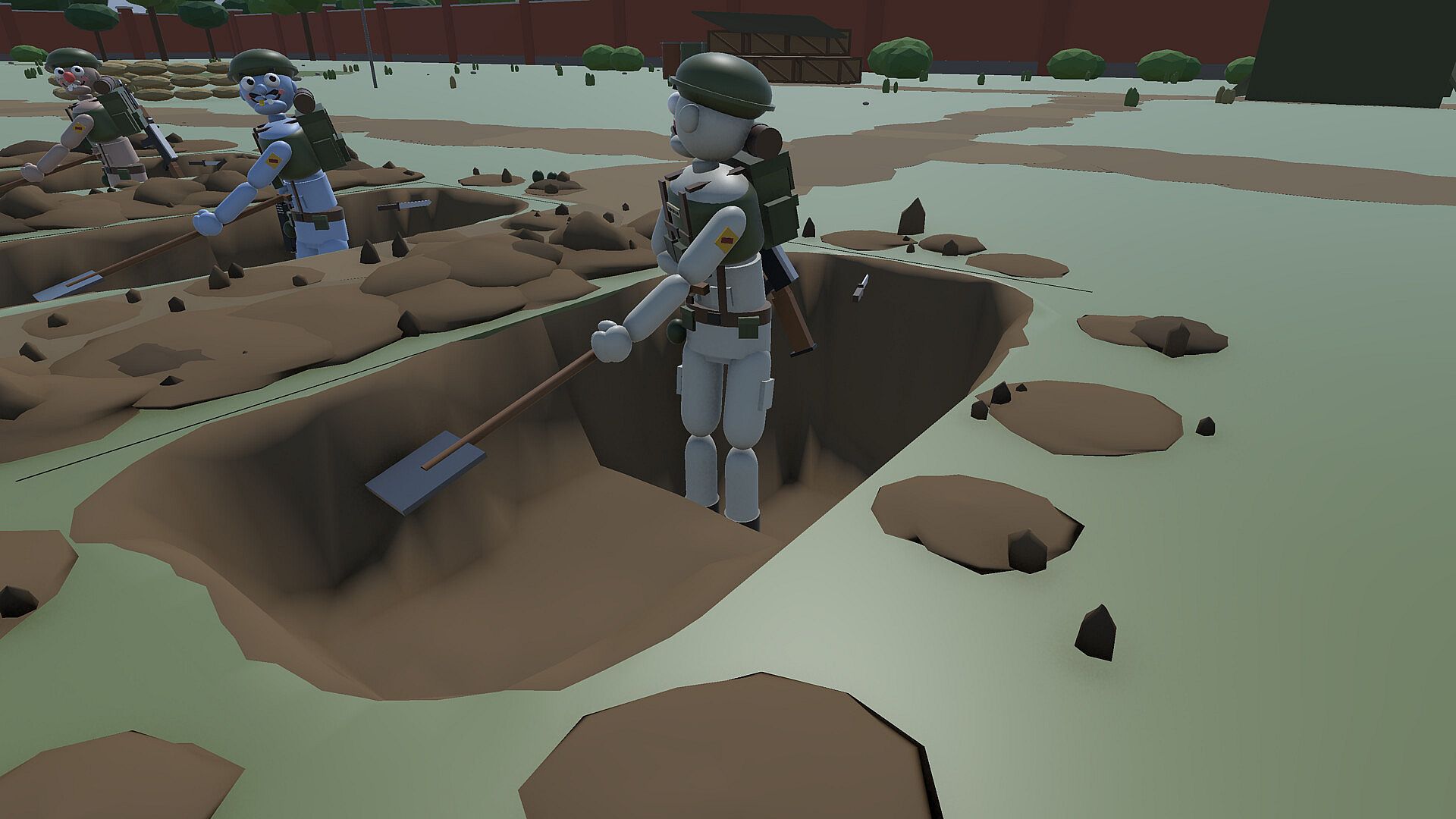
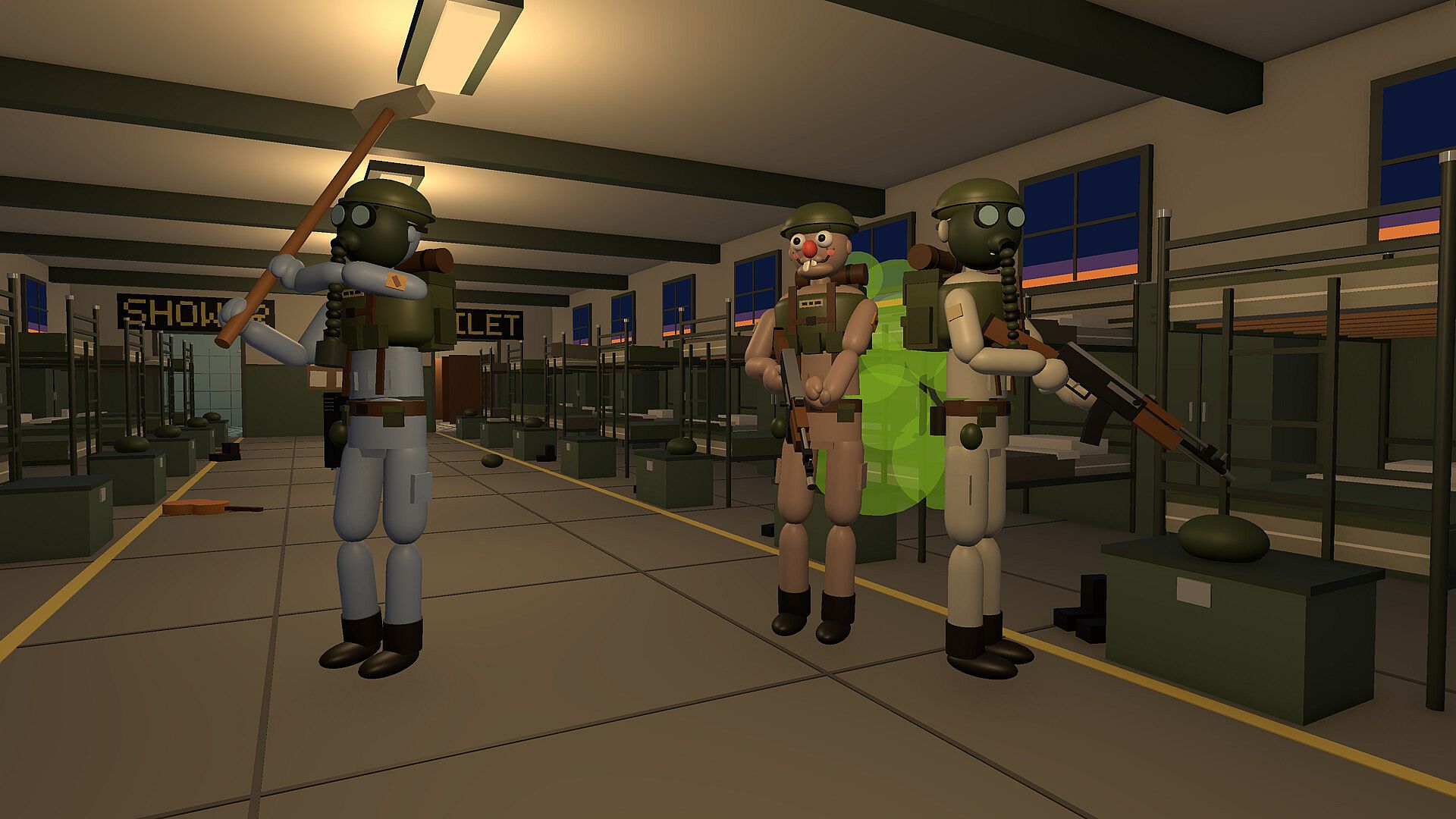
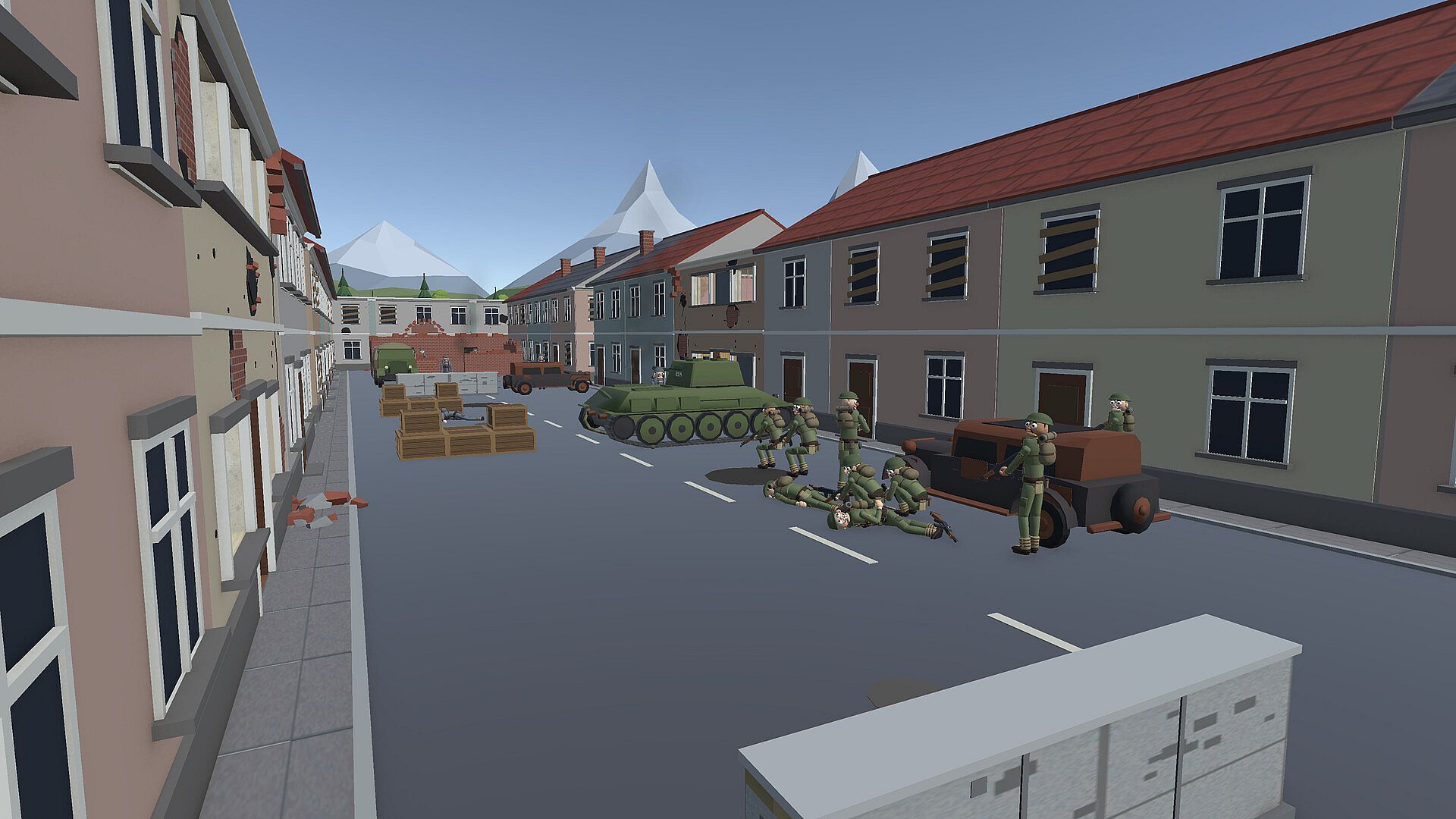
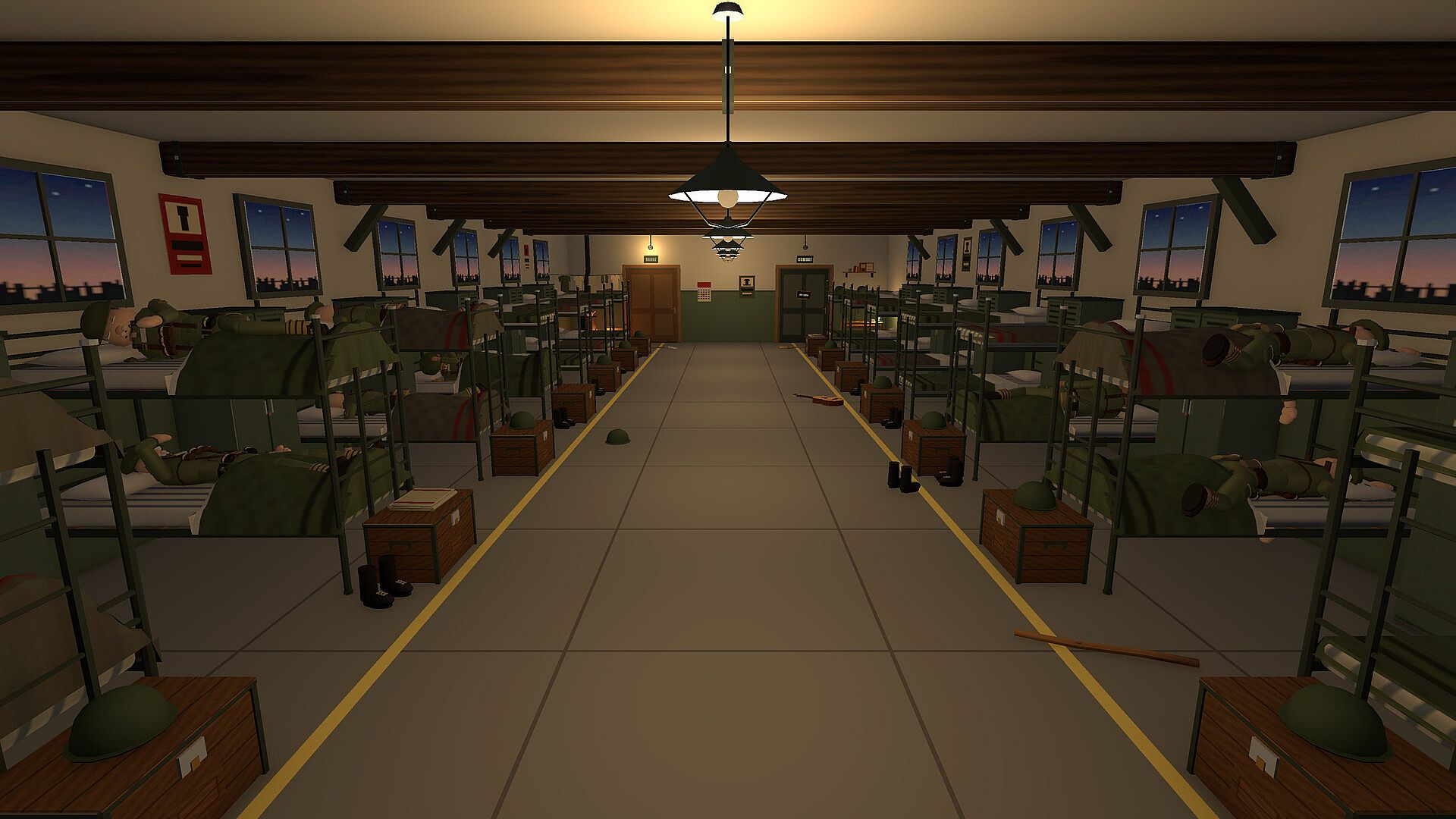
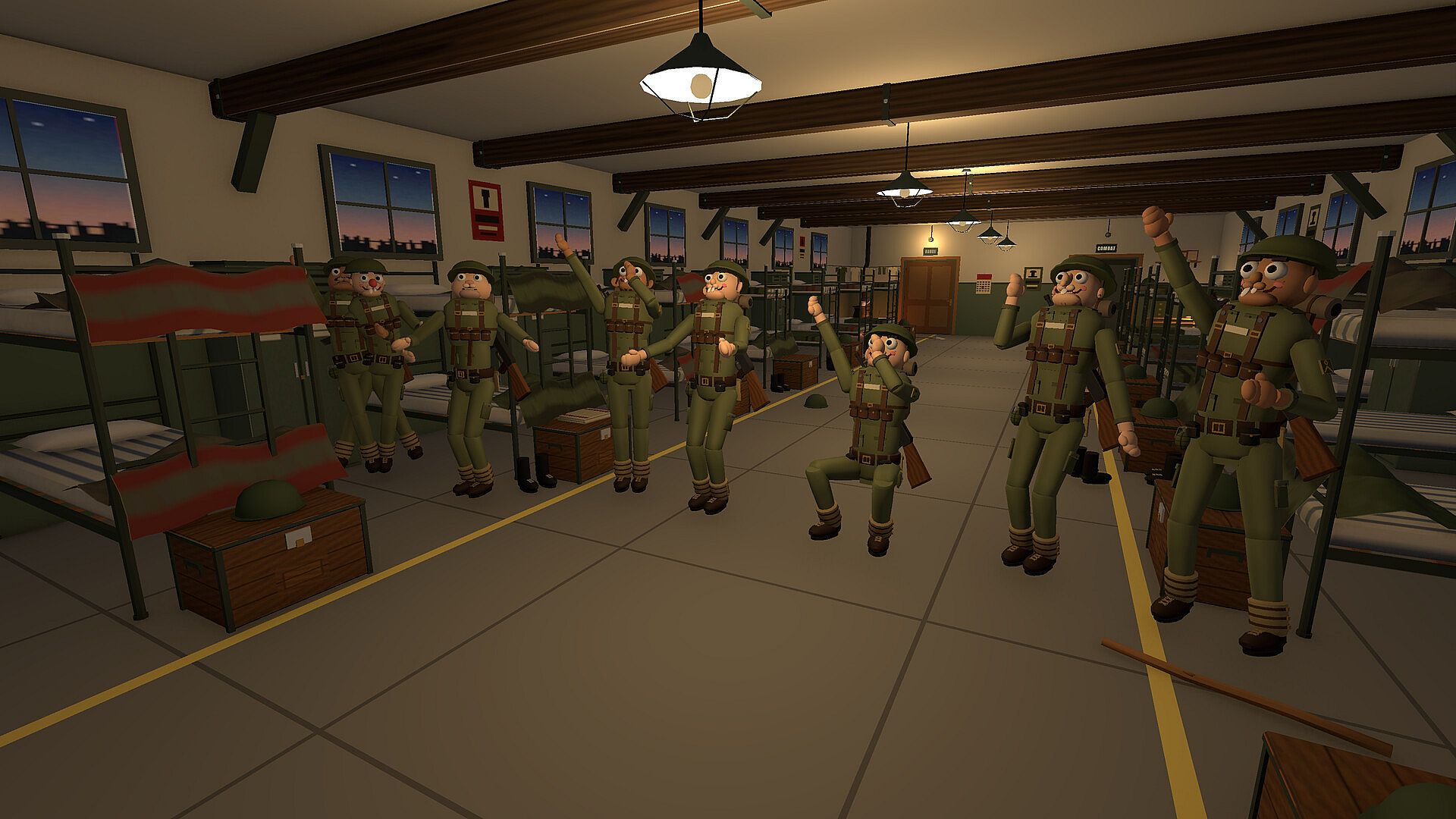
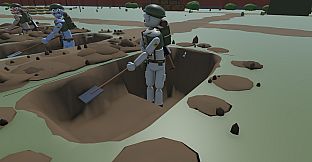
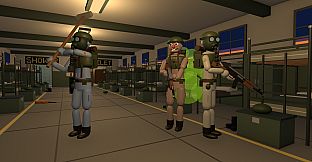
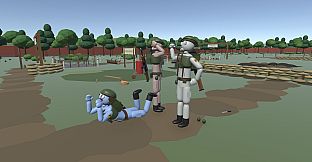
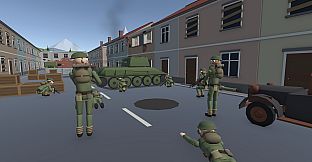
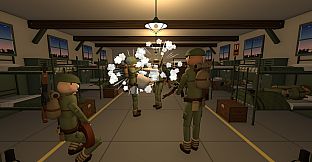
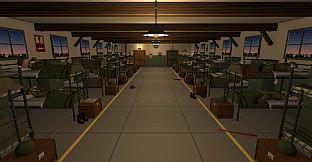
The gameplay centers on using voice input to manage a squad without relying on traditional menus or key bindings. Players issue spoken commands to make soldiers line up, perform push-ups, crawl, follow the sergeant, take specific positions, or throw grenades. This system encourages experimentation, as different phrasings and creative orders can lead to varied outcomes in both training and combat scenarios. Training begins in the barracks, where basic command skills are practiced, then moves to dedicated training grounds for more intensive drills. Once prepared, squads enter real combat missions that test leadership under pressure. The experience supports both strict discipline and chaotic improvisation, allowing players to push soldiers to extremes or create absurd situations for entertainment.
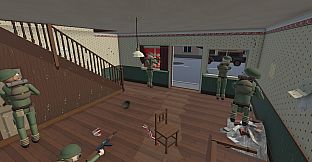
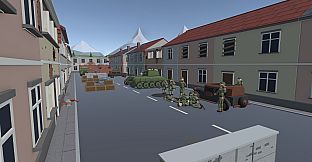
Additional mechanics include single-player campaigns focused on personal command style and online PvP options for shared military adventures with other participants. The game requires a microphone for voice recognition, which handles natural speech through AI technology. Character voices use AI-powered synthesis, and all actions remain within predefined gameplay rules. Visuals feature simplistic geometric 3D models rather than realistic depictions, emphasizing comedic tone over simulation realism.
Game Modes
Sergeant Simulator offers solo play for those who prefer independent command of their squad through training and missions. Multiplayer expands this to online PvP sessions where multiple players join military-style adventures together. Progression flows from barracks-based training to training grounds exercises and finally into combat missions, with voice commands serving as the consistent interaction method across all activities. No separate named modes beyond these core phases appear in the available details, keeping the focus on flexible voice-driven leadership in both individual and group contexts.
Key Features and Mechanics
Voice control forms the foundation, letting players experiment with orders that range from standard military drills to inventive or disruptive instructions. The barracks phase emphasizes learning basics and building squad cohesion through repeated commands. Training grounds add intensity with physical challenges and positioning tasks. Combat missions introduce live threats where quick verbal direction determines success. Players can choose a disciplined approach that maximizes soldier performance or lean into chaos by issuing ridiculous challenges that highlight the humorous side of poor leadership. The system supports both English and Russian languages for interface, audio, and subtitles.
System requirements specify Windows 10 or 11, a microphone for voice features, and an internet connection for multiplayer. Minimum hardware includes an Intel Core i5-4590 or equivalent processor, 8 GB RAM, and a GTX 1050 Ti graphics card, with recommended specs scaling up to a Ryzen 5 2600, 16 GB RAM, and GTX 1060 for smoother performance.
Is It Worth Playing?
Sergeant Simulator remains listed as coming soon on its Steam page, with no user reviews or completed release data available yet. The described mechanics center on a distinctive voice-command system that sets it apart from standard military simulations, appealing directly to players interested in hands-free squad control and creative experimentation. Those who enjoy simulation titles with strong emphasis on leadership decisions, humorous outcomes, and the option for both solo and multiplayer sessions may find the concept engaging once released. The stylized violence and crude humor elements suit audiences comfortable with comedic takes on military themes rather than serious tactical depth. Potential players should monitor the official page for the final release date and any post-launch updates that could expand on the core training-to-mission loop.