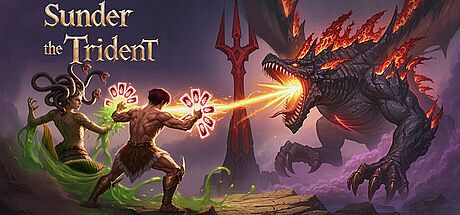


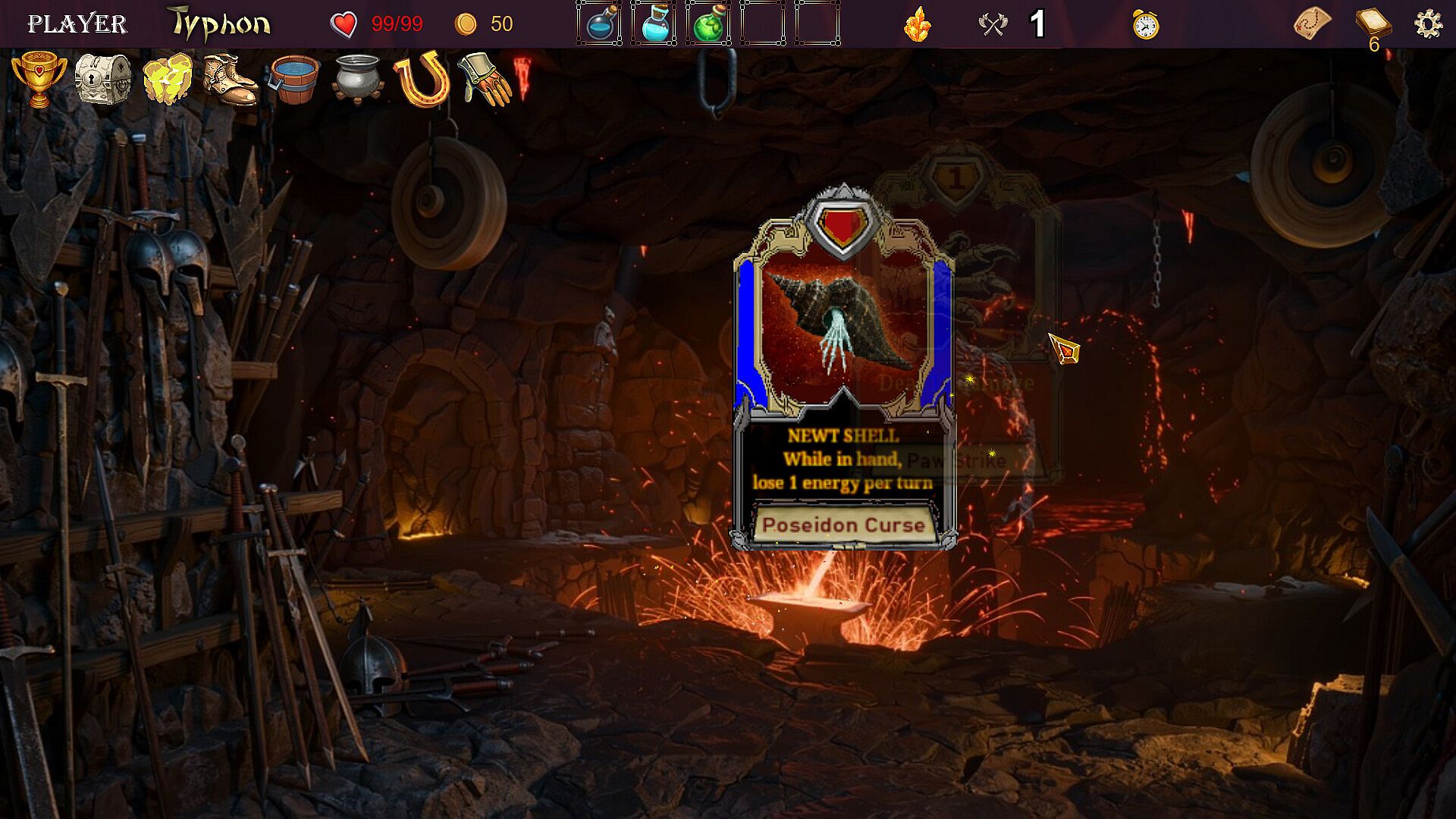
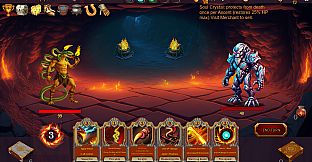
Sunder the Trident is an indie deckbuilding roguelike for PC in which players command imprisoned Titans rising from Tartarus to challenge Poseidon and break his Trident at the gates of Olympus. The experience centers on constructing and refining a battle deck while navigating an underworld ascent filled with combat, resource management, and strategic decisions that shape each run.
Gameplay
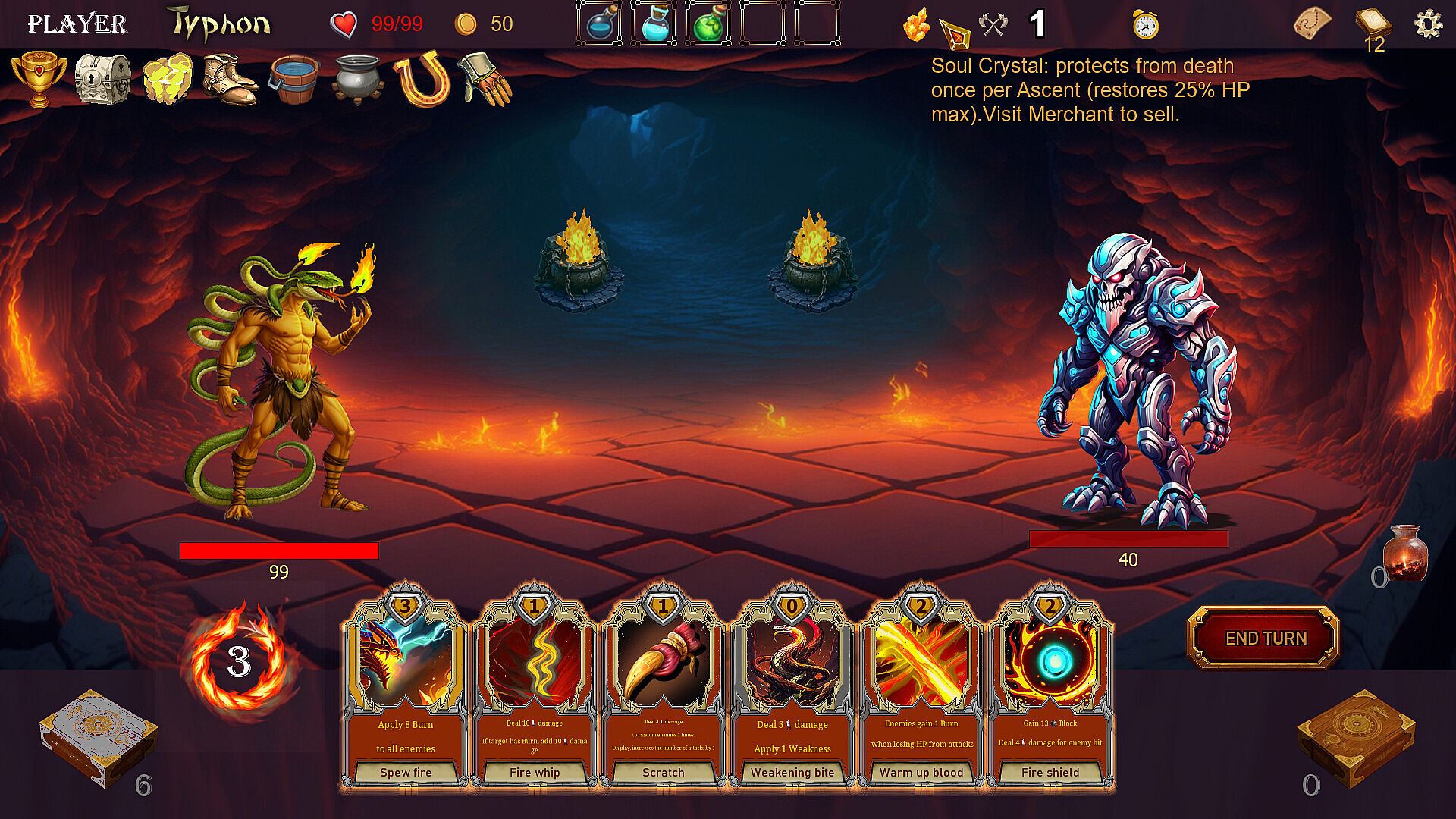
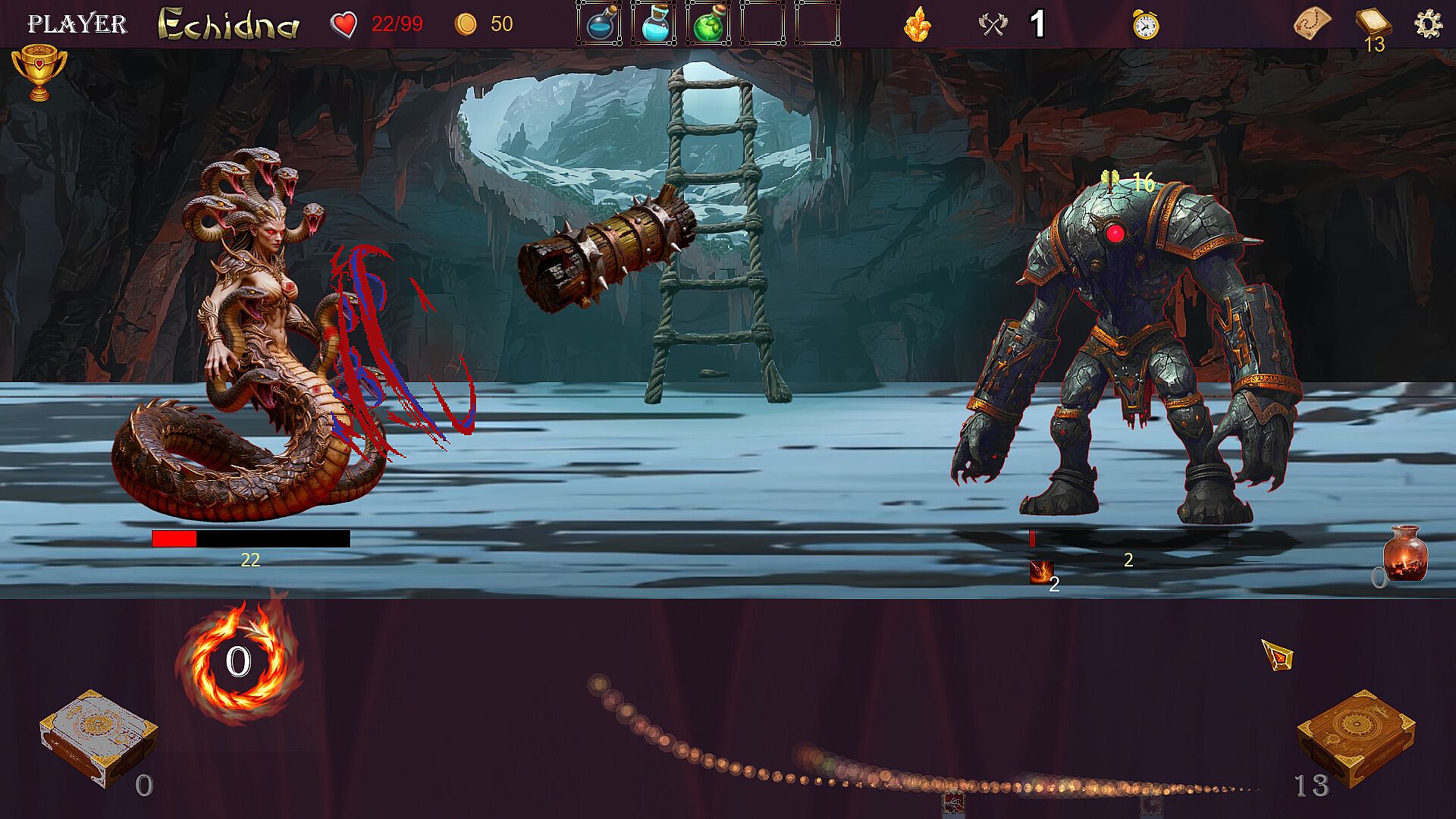
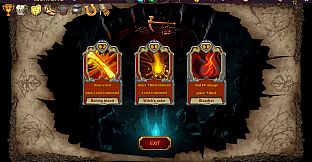
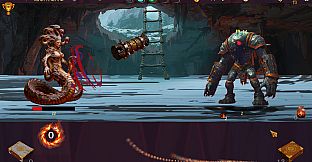
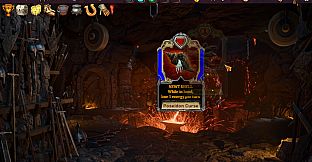
The core loop involves assembling a deck from dozens of cards and using their combined effects to defeat monstrous guardians. Players advance level by level through the underworld, where every encounter demands careful card play to overcome increasingly difficult foes. Relics, potions, and artifacts appear during runs and alter strategies by providing new synergies or permanent changes to how cards function.
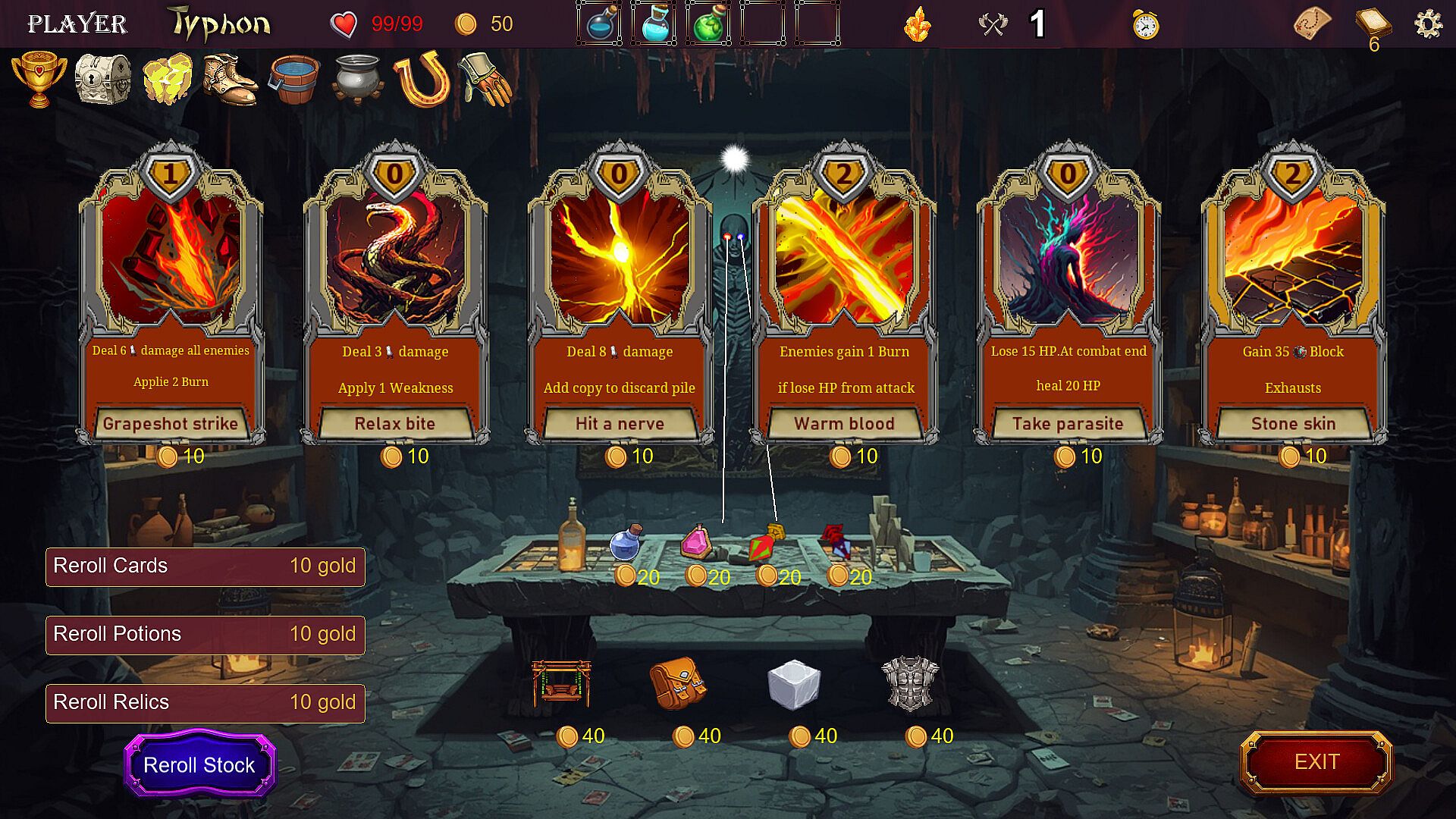
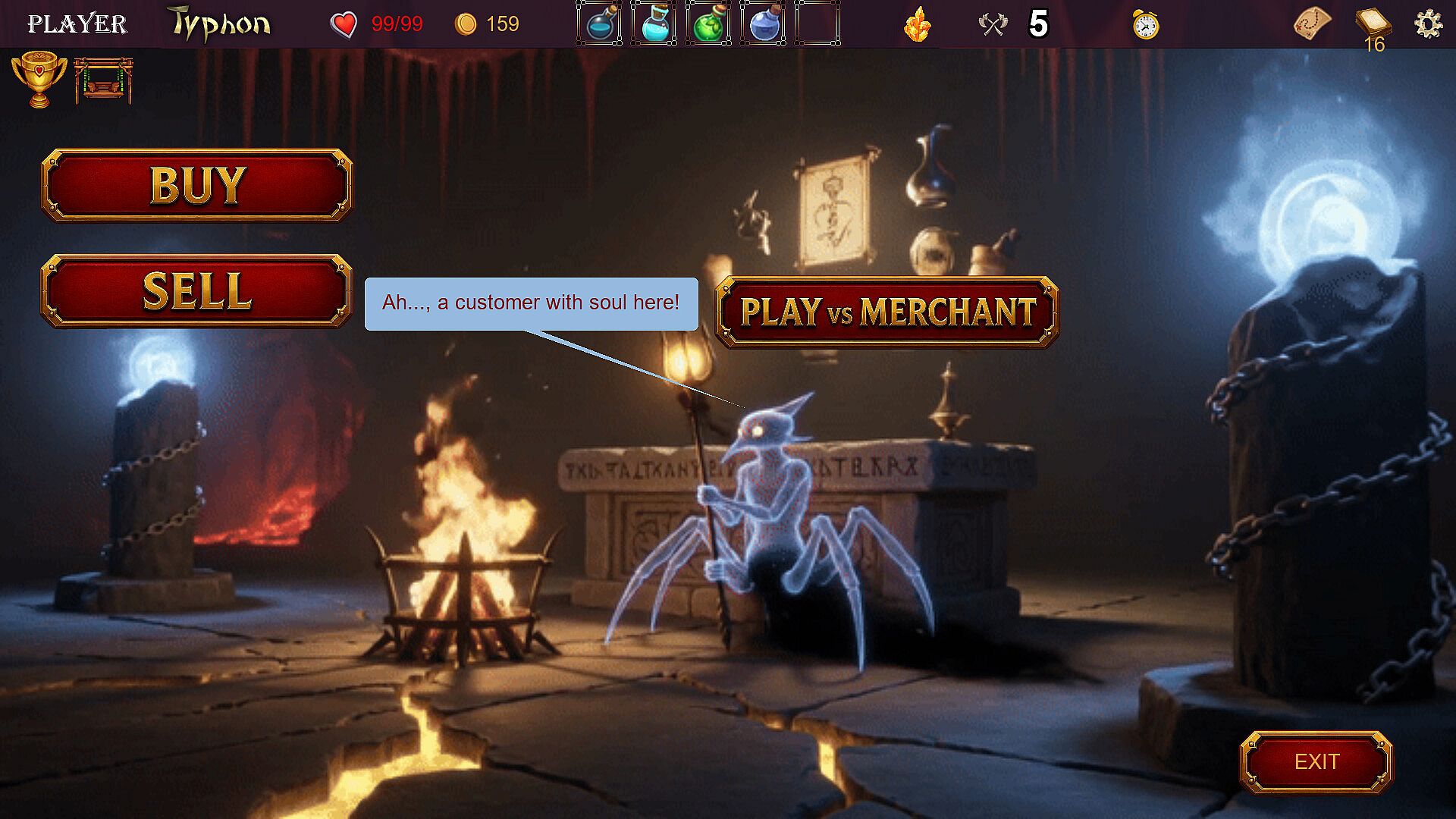
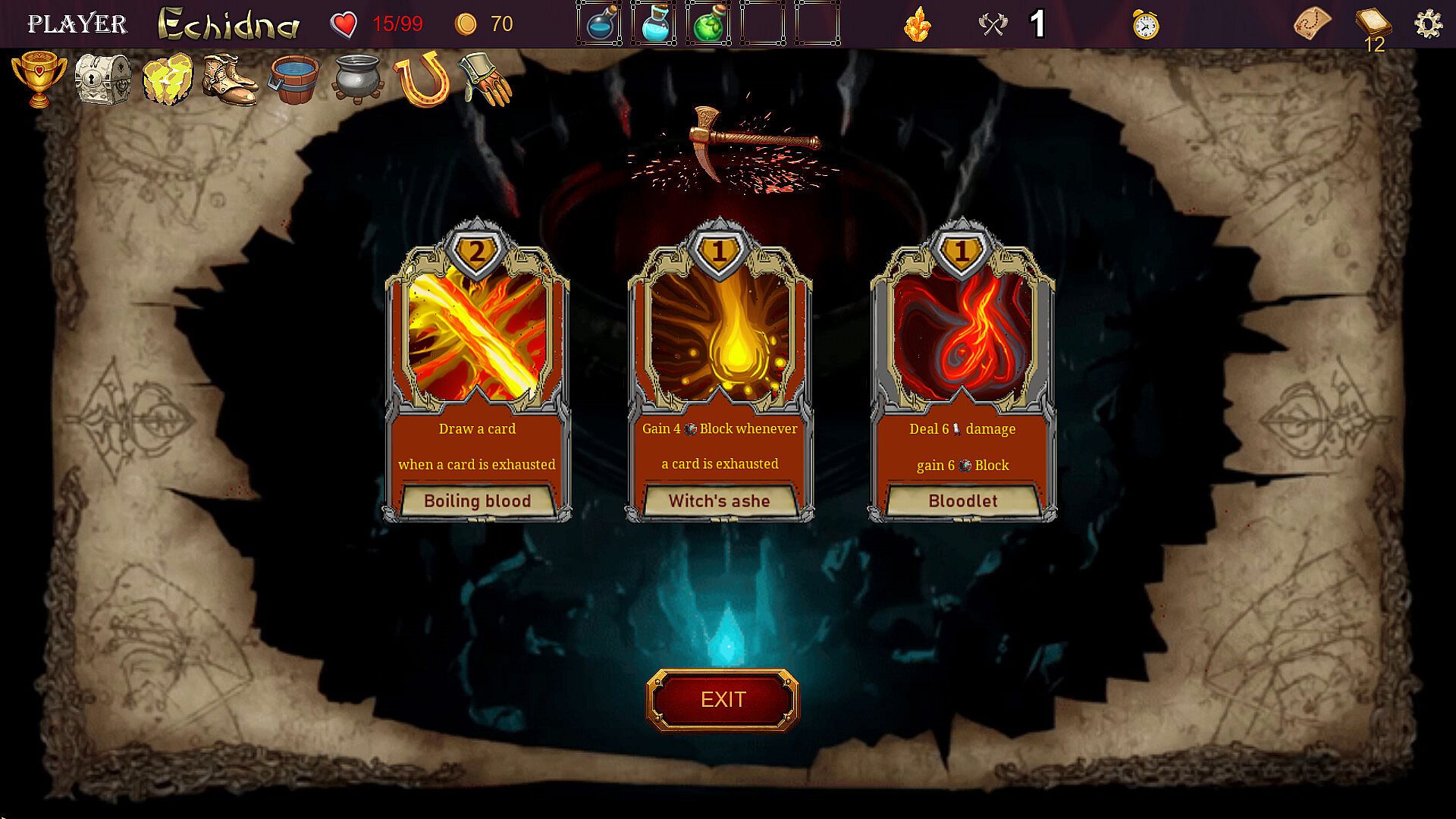
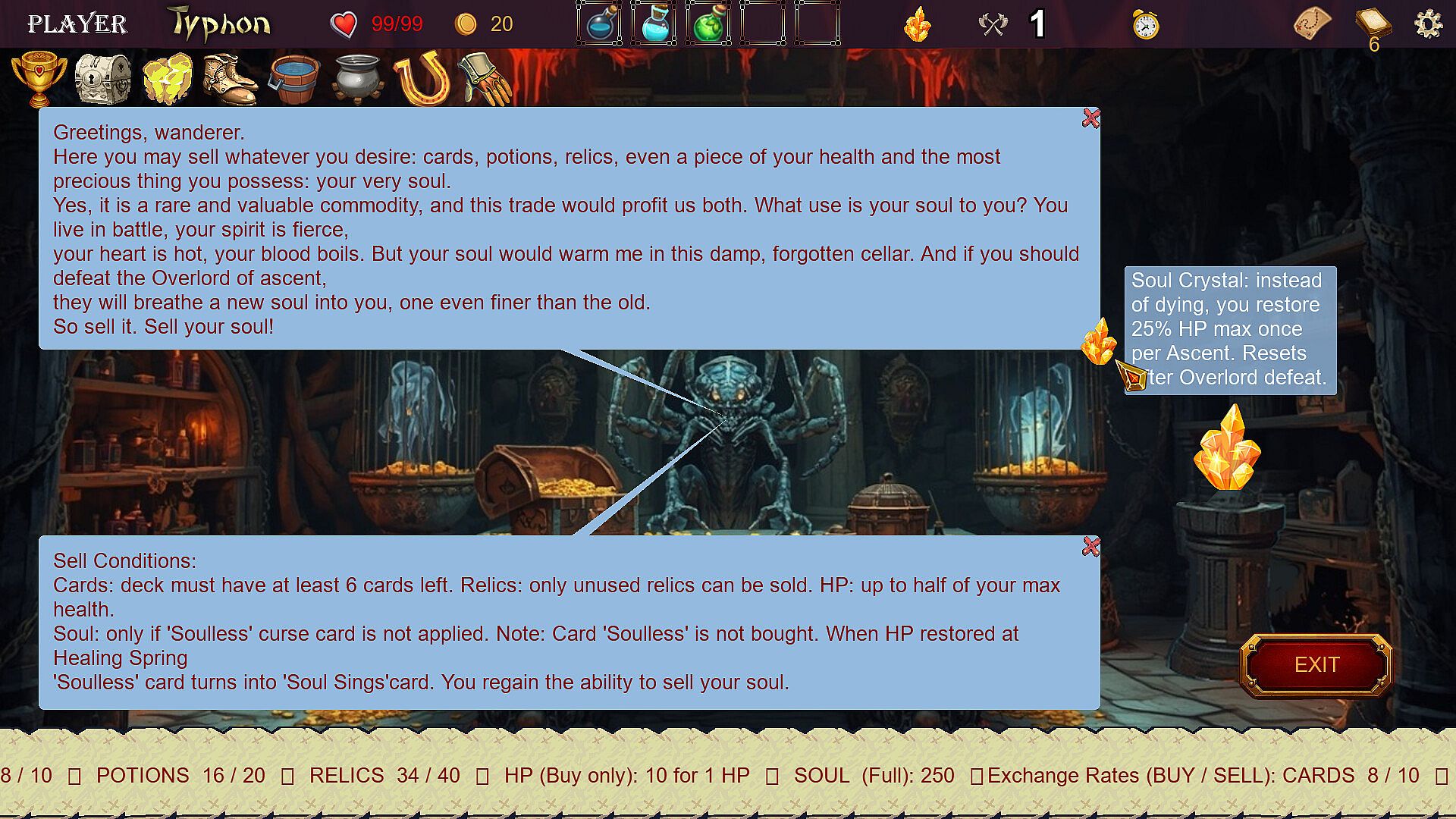
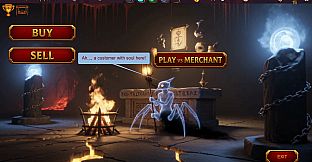
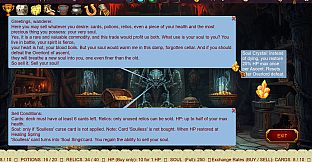
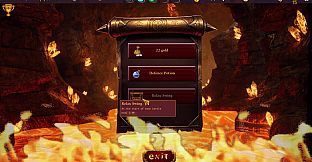
Economy plays a central role. The Dark Merchant offers opportunities to buy and sell cards, relics, potions, and even abstract items like a soul. Prices shift based on an exchange rate that changes with progress, so timing purchases and sales affects available options. Special items can grant coupons or bonuses that improve deals on future visits. Upgrades occur in a dedicated space where cards receive enhancements, relics and potions improve, curses burn away, and unwanted cards leave the deck entirely.
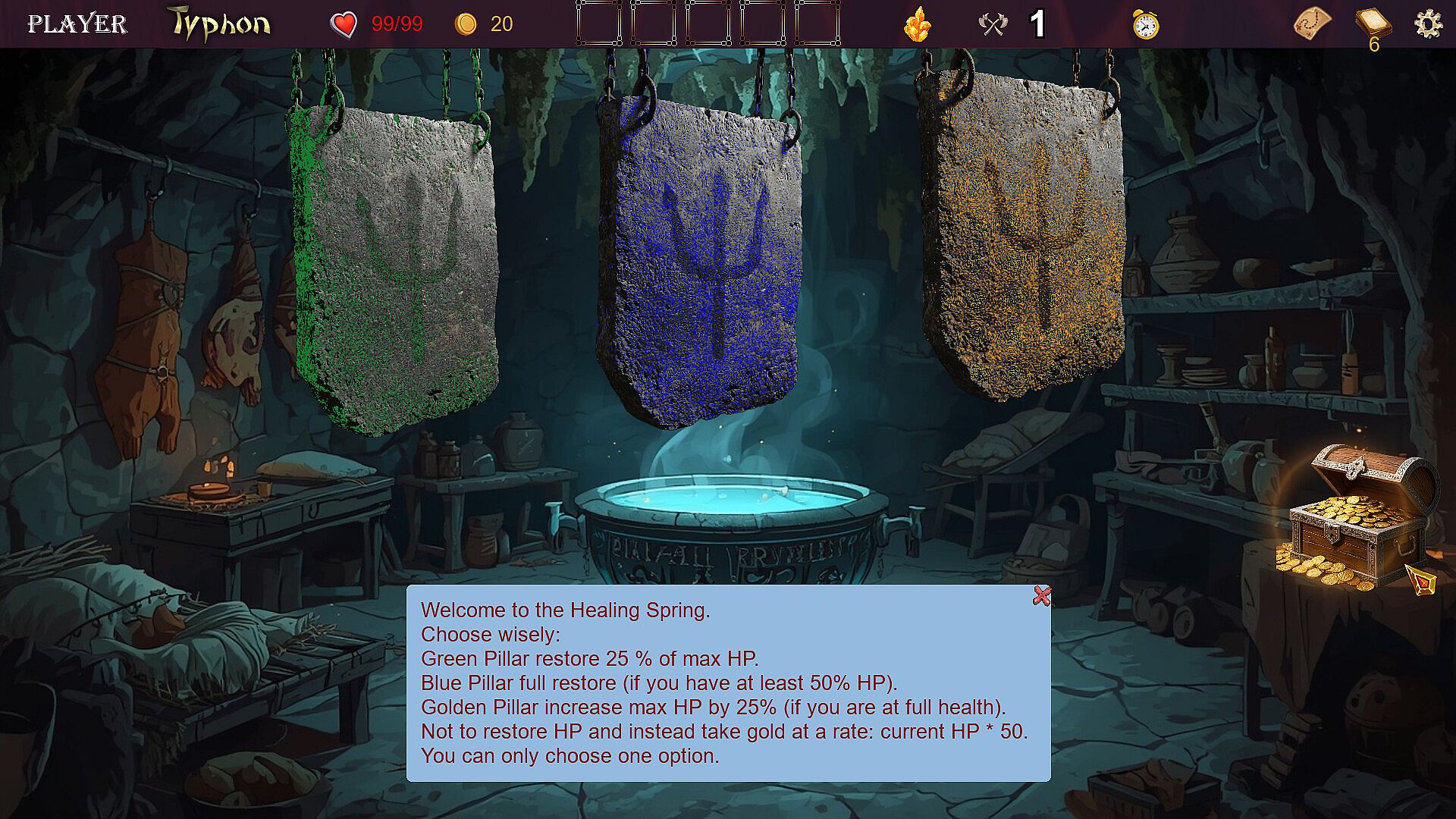
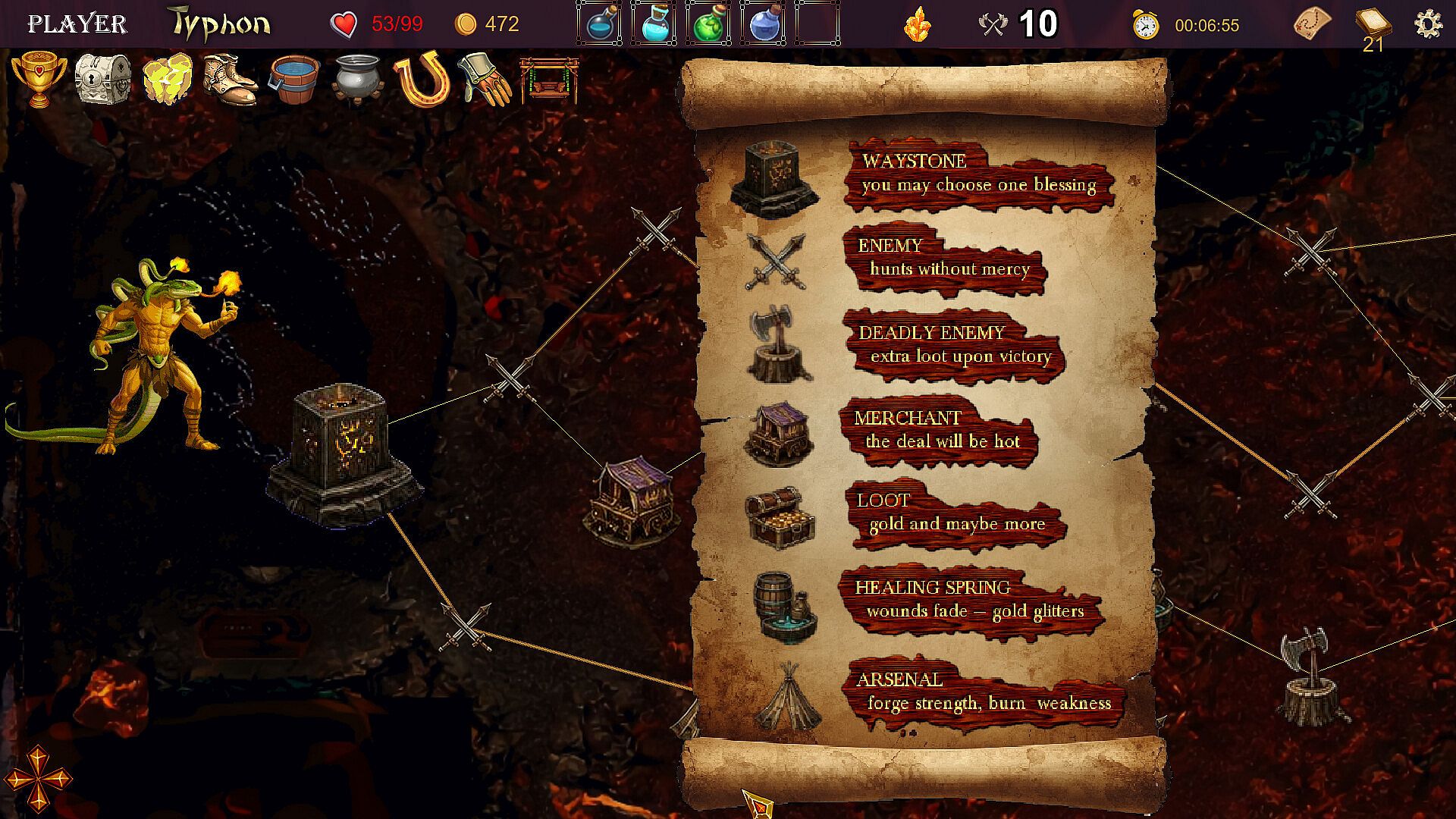
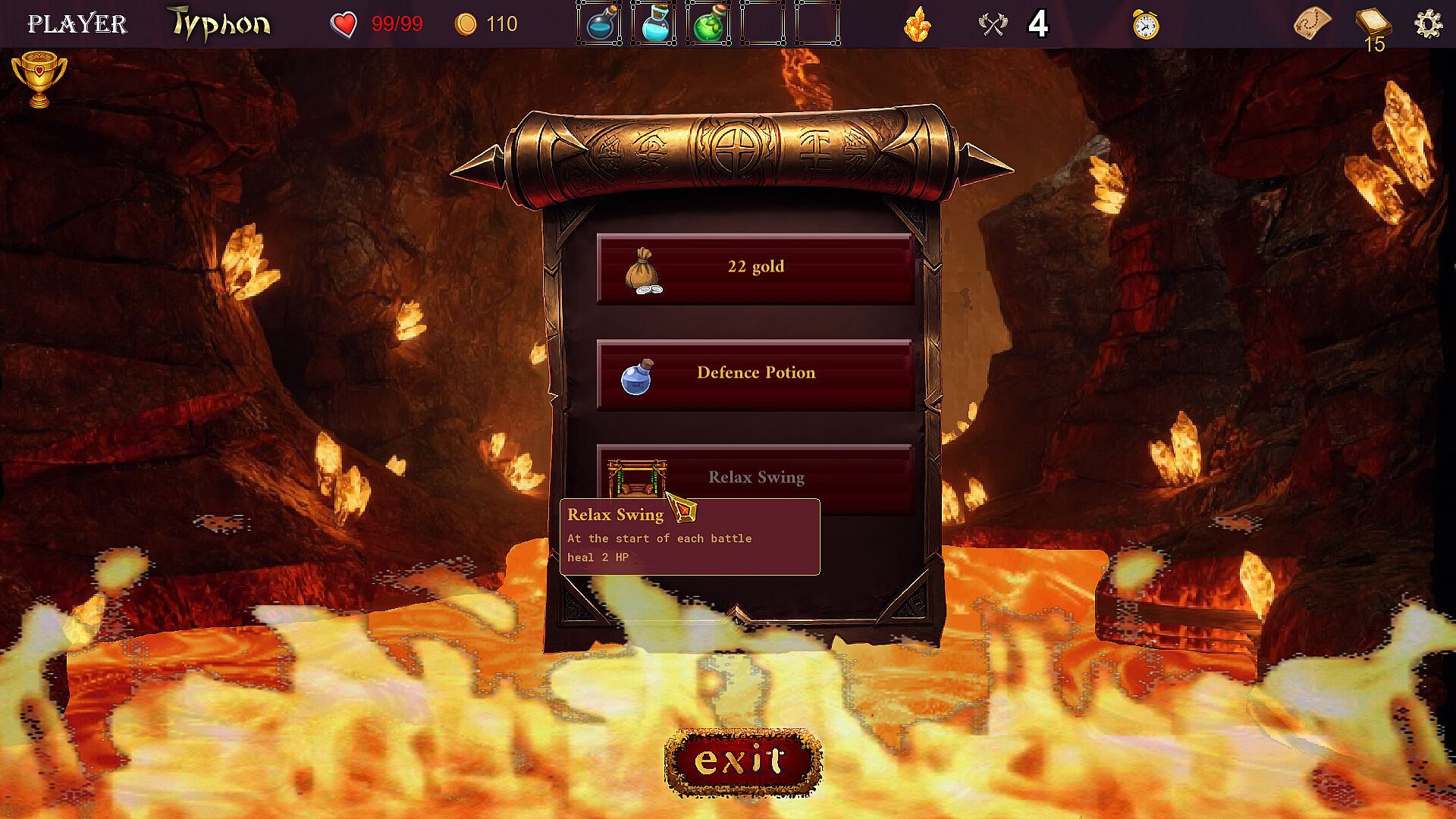
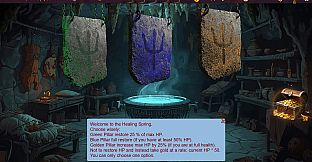
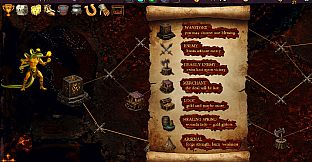
Exploration follows a visible map called The Path. At forks, players choose routes that lead to different room types or enemy encounters. Reaching merchant services, upgrade facilities, healing points, or extra loot requires balancing risk against reward. Health restoration happens in a healing area, and if health is already full, a gold bonus applies instead. Loot encounters guarantee a base amount of gold plus a chance at potions or relics, ensuring some return even on modest results.
Game Modes
The game operates as a single-player roguelike with runs structured around sequential room choices on the ascent map. The Merchant House serves as a hub for multiple interactions: a direct challenge where the merchant proposes a game with shifting rules, a purchase area with fixed prices, and a sales area where dynamic pricing rewards selling before buying. Winning the challenge yields gold or rewards, while losing transfers value to the merchant.
Additional rooms handle specific needs without branching into separate modes. The Arsenal focuses on deck refinement and item improvement. Loot and healing rooms provide immediate gains in resources or recovery. All elements tie into the single overarching structure of climbing toward the final confrontation with Poseidon.
Key Systems and Progression
Deckbuilding emphasizes combination and adaptation. Cards form the foundation of combat, while relics and potions expand options by modifying playstyles or granting temporary advantages. Each run presents fresh combinations because item availability and merchant stock vary. The economy system encourages repeated visits to the merchant, where decisions about what to keep, sell, or wager influence long-term deck strength.
Progression builds through the ascent itself. Deeper levels introduce tougher enemies and higher-stakes choices, with rewards scaling accordingly. The map system forces players to weigh direct paths against detours that might yield better upgrades or resources. This structure rewards planning around the merchant's fluctuating offers and the need to maintain a functional deck while managing health and gold.
Is It Worth Playing?
Sunder the Trident suits players who enjoy deckbuilding roguelikes that incorporate trading and economic decision-making alongside combat. The detailed room interactions with the merchant, upgrade options for multiple item types, and route choices on the ascent map create a focused single-player experience centered on run-to-run improvement and adaptation. Those drawn to mythology-themed card games with layered resource systems will find the mechanics align closely with the described features. Because the game remains in development with no released version or player feedback available yet, interest should center on the confirmed deckbuilding, trading, and ascent elements rather than unverified performance or reception details.