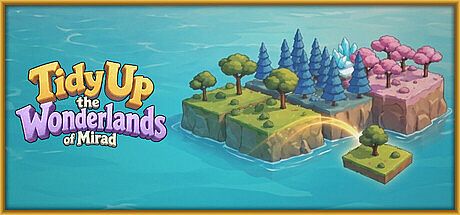


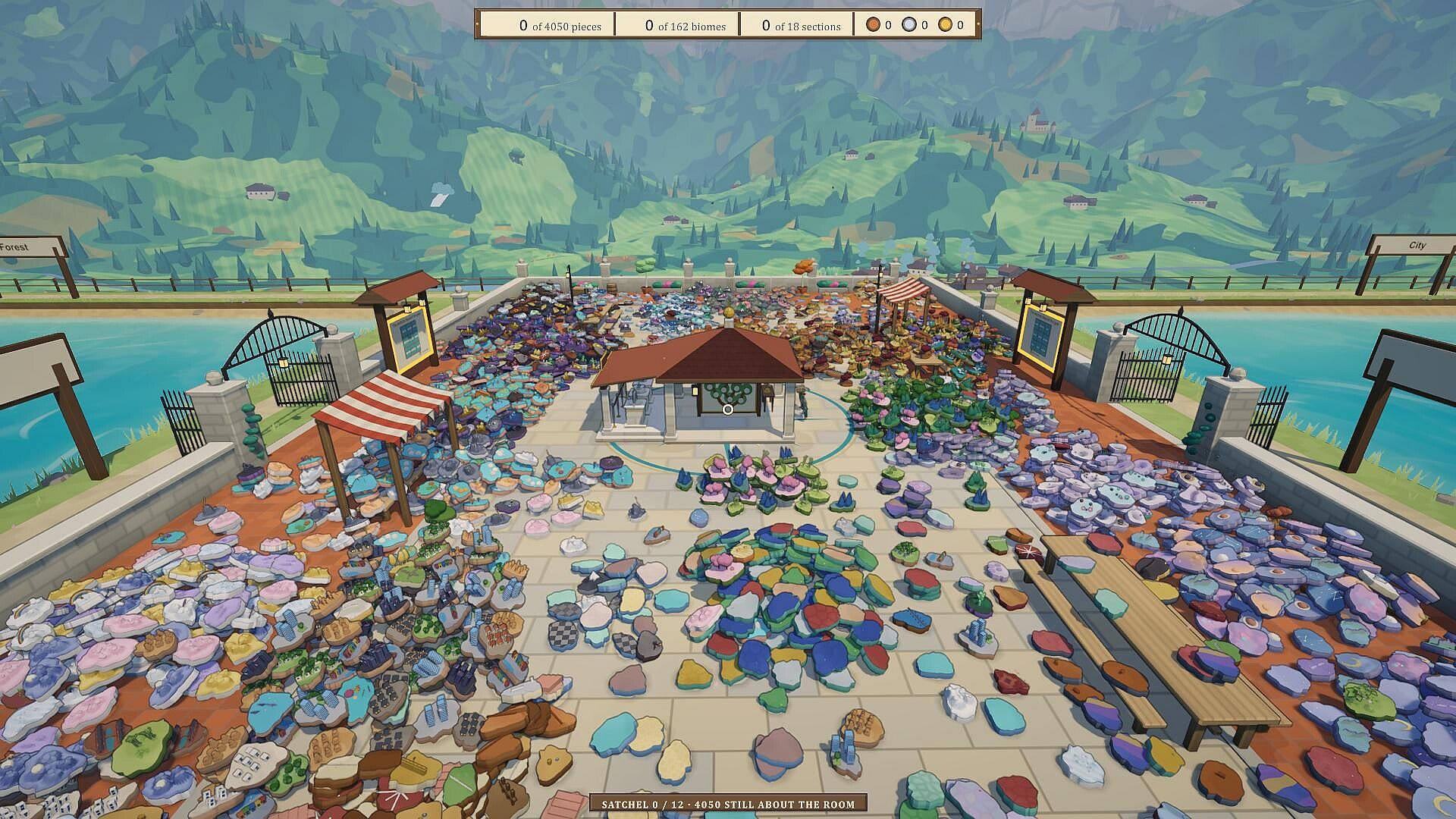
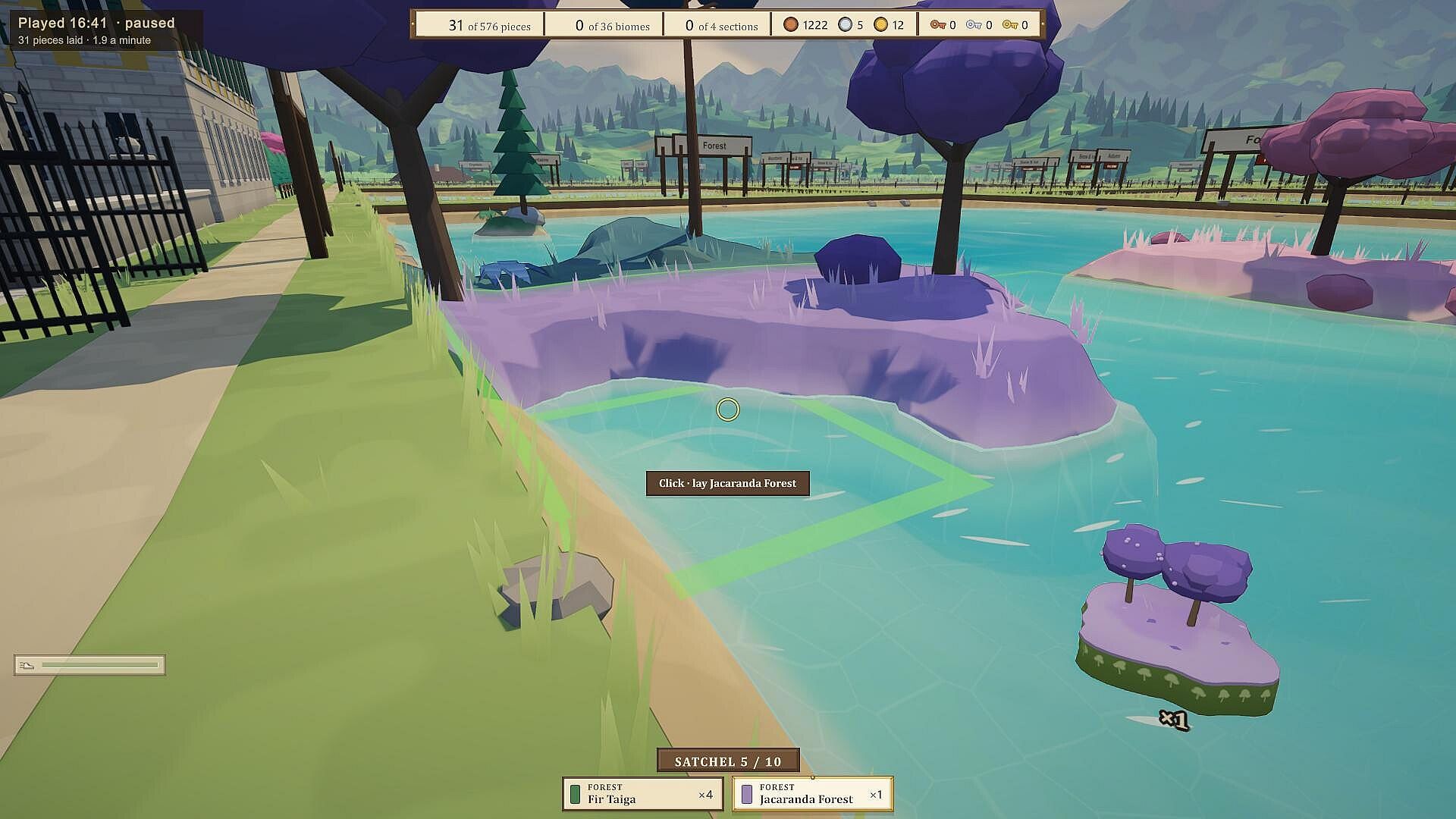
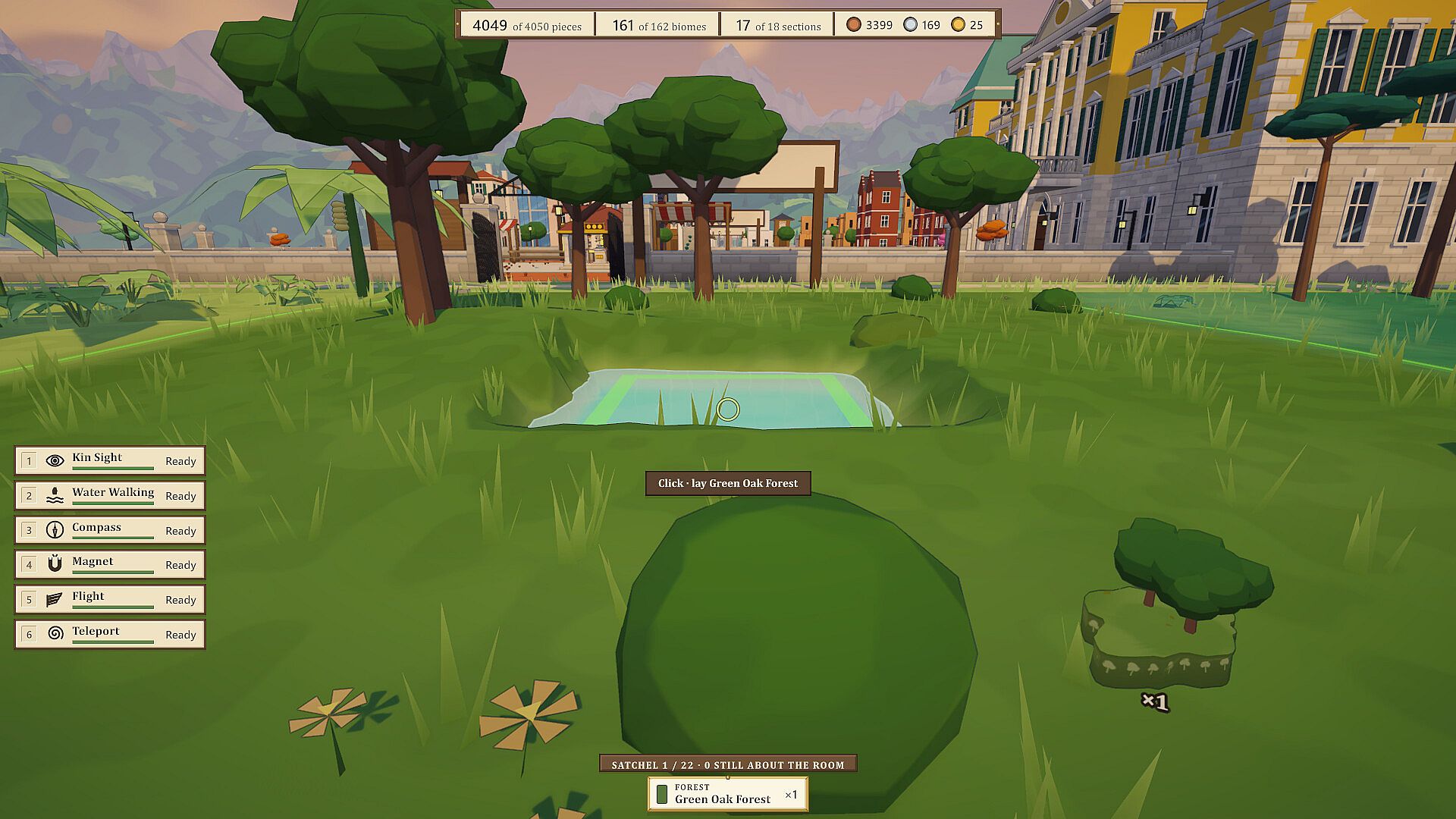
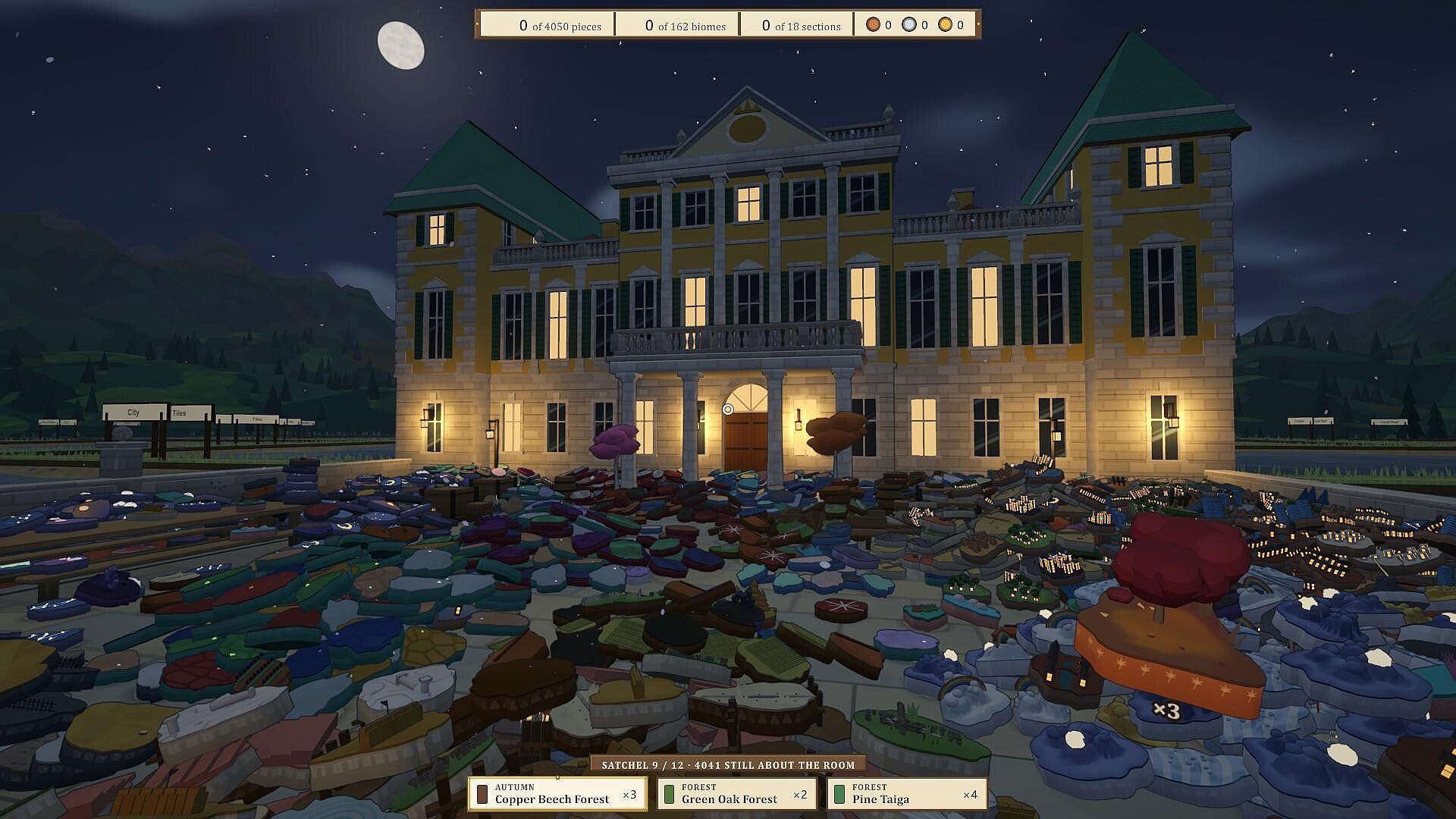
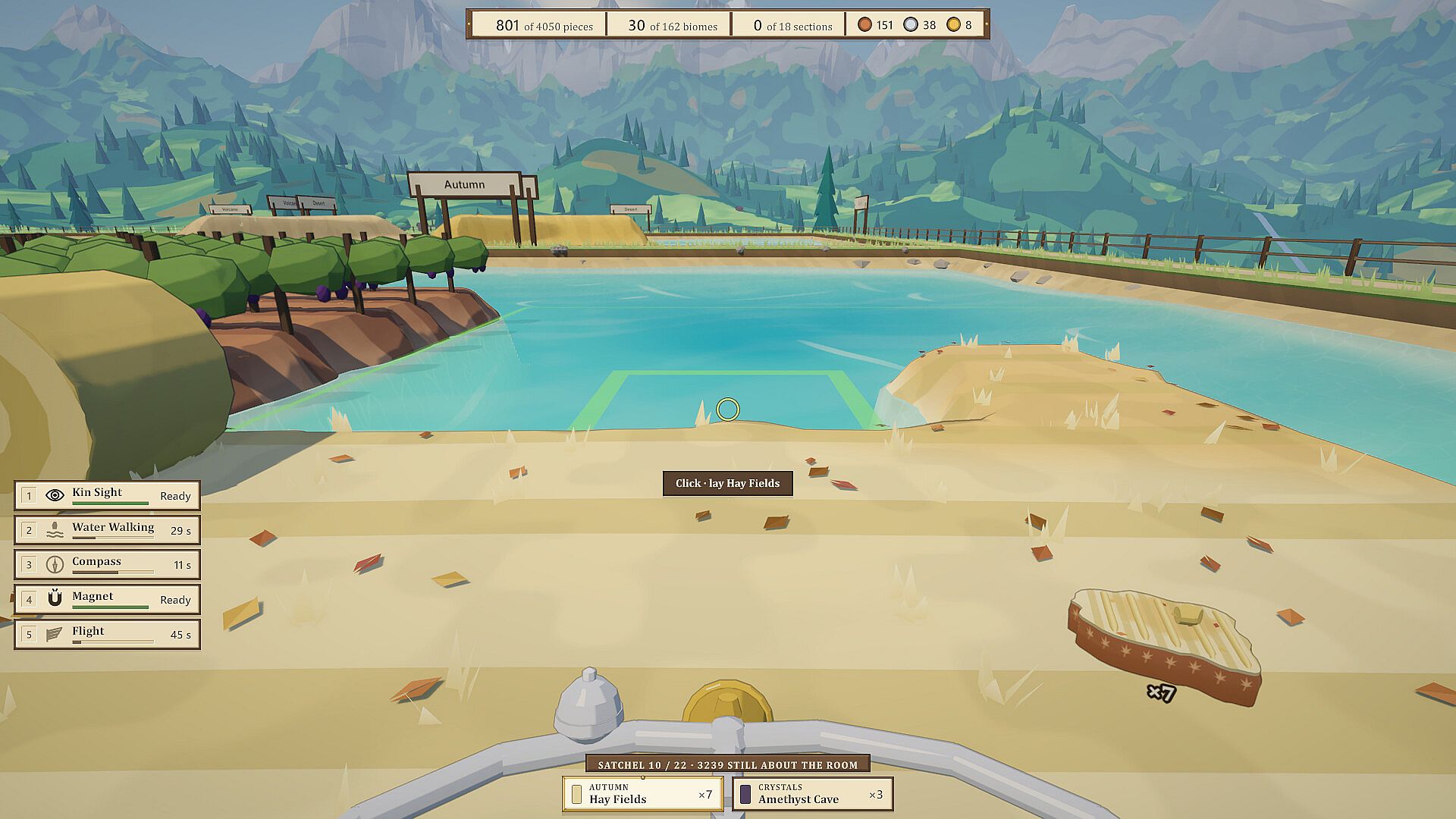
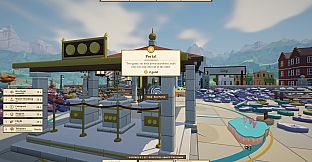
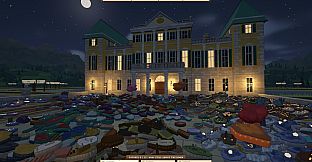
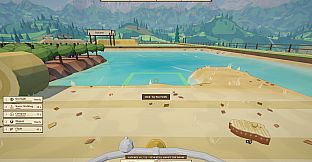
Tidy Up the Wonderlands of Mirad is an indie casual simulation game for PC that centers on organizing scattered pieces across a growing landscape. Players sort tiny land fragments into place without any time limits or pressure, allowing each placement to contribute to the expansion of biomes and wonderlands. The experience emphasizes steady progress through a peaceful alpine valley setting, where the focus remains on the satisfaction of completing orderly arrangements and observing the world take shape.
Gameplay
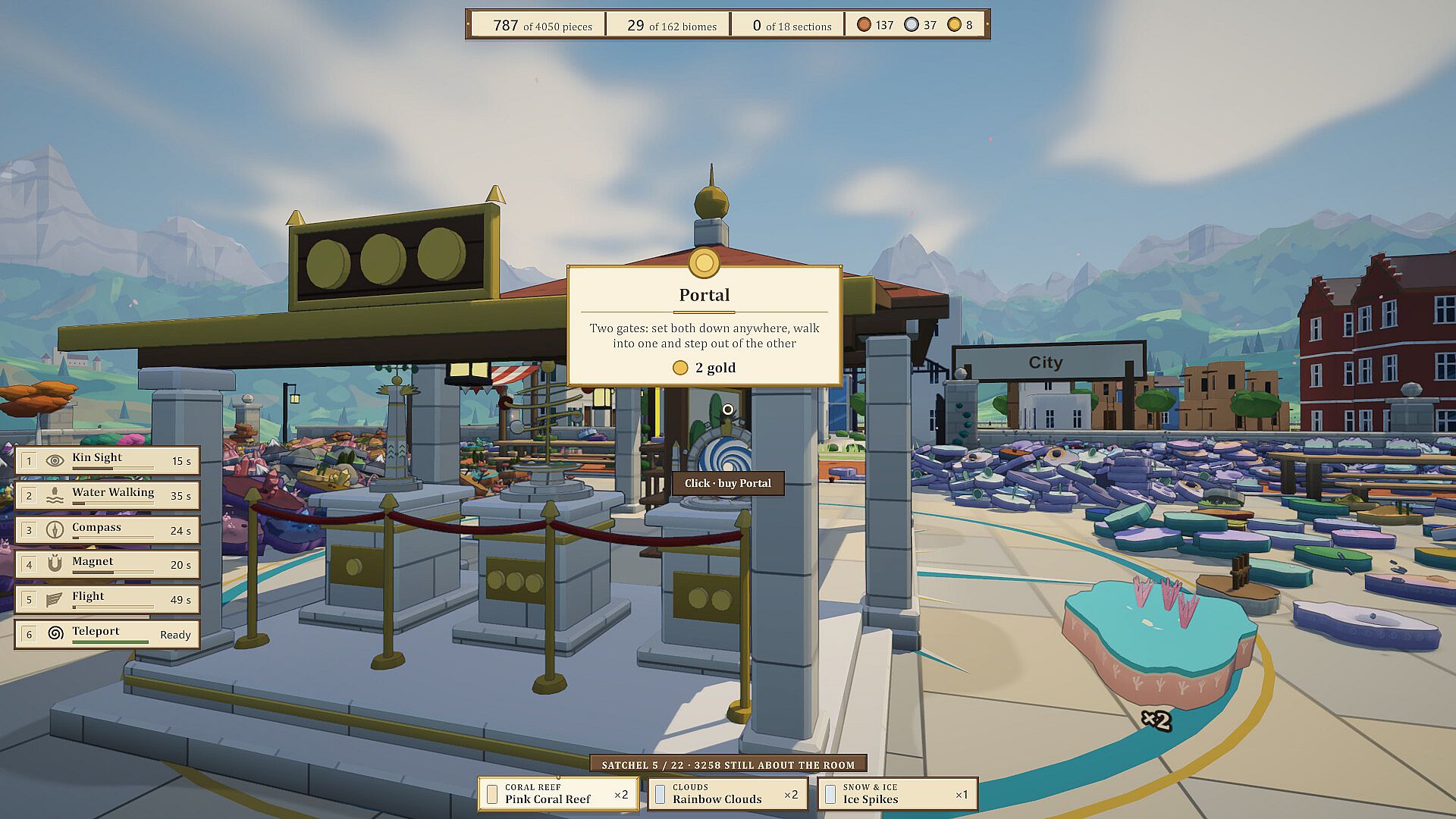
The core loop involves collecting and positioning land pieces to form coherent biomes. Each correctly placed fragment adds to the terrain, creating walkable areas that expand as more elements fall into position. With 162 biomes spread across 18 wonderlands, the process builds gradually from small clusters into larger, interconnected environments. Secrets appear throughout these areas, encouraging careful exploration once sections stabilize. Upgrades become available through continued play, including the ability to walk on water, fly across gaps, ride a bicycle for faster movement, and open portals for quicker travel between distant spots. These tools integrate directly into the tidying process, making later stages more efficient while preserving the relaxed pace.
Game Modes
Multiple game modes provide different approaches to the same tidy-up foundation. Each mode alters how players engage with the wonderlands, offering fresh structures for sorting and progression without introducing timers or competitive elements. The variety supports repeated visits to the alpine valley, letting individuals tailor sessions around personal preferences for pace and focus. All modes maintain the central emphasis on placing pieces accurately and watching the landscape develop underfoot.
Exploration and Progression
Secrets scattered across the land reward thorough organization by revealing additional details or bonuses once areas are tidied. Progression ties directly to biome completion, as each wonderland contributes to overall growth. The upgrades enhance mobility and access, turning early limitations into opportunities for broader coverage. This system keeps the simulation engaging over multiple sessions, as players return to refine arrangements or uncover remaining hidden elements in the 18 wonderlands.
Visual and Atmospheric Design
The game presents its biomes in a serene alpine valley environment that shifts from sparse to lush as pieces align. Visual feedback highlights the transformation from scattered fragments into cohesive terrain, reinforcing the sense of accomplishment with each placement. The absence of rush mechanics allows time to appreciate how individual biomes connect into the larger structure of 162 total areas.
Is It Worth Playing?
This title suits players seeking a low-pressure simulation focused on organization and gradual world-building. The single-player experience delivers consistent satisfaction through its no-timer approach and expanding biomes, supported by upgrades that evolve mobility without complicating the core task. With a November 2026 release approaching and no reviews available yet, those drawn to cozy indie titles in the casual simulation genre will find a straightforward match in its relaxing alpine setting and multiple modes for varied playstyles. The verified features align well with expectations for unhurried tidying sessions on PC.