

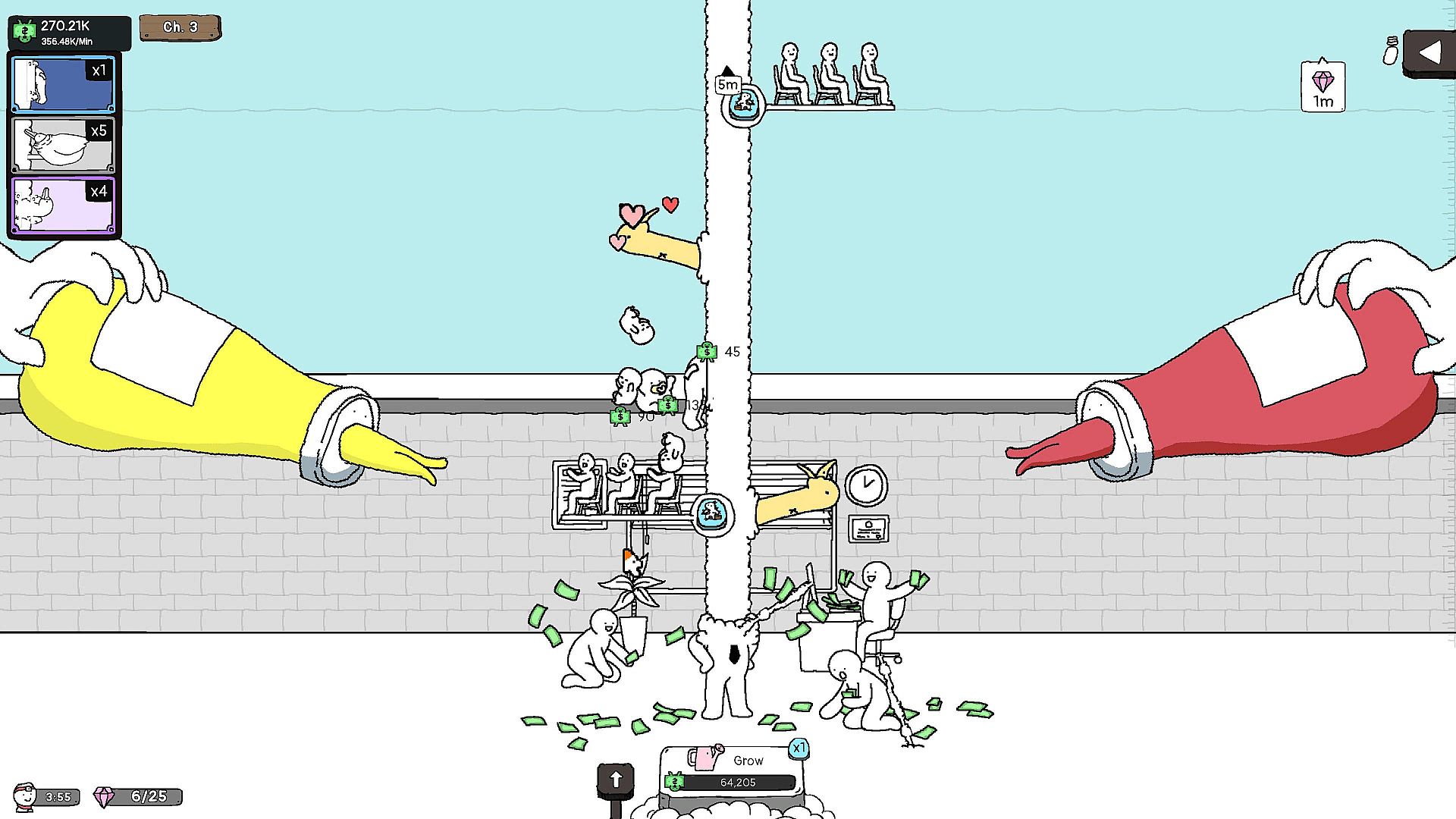
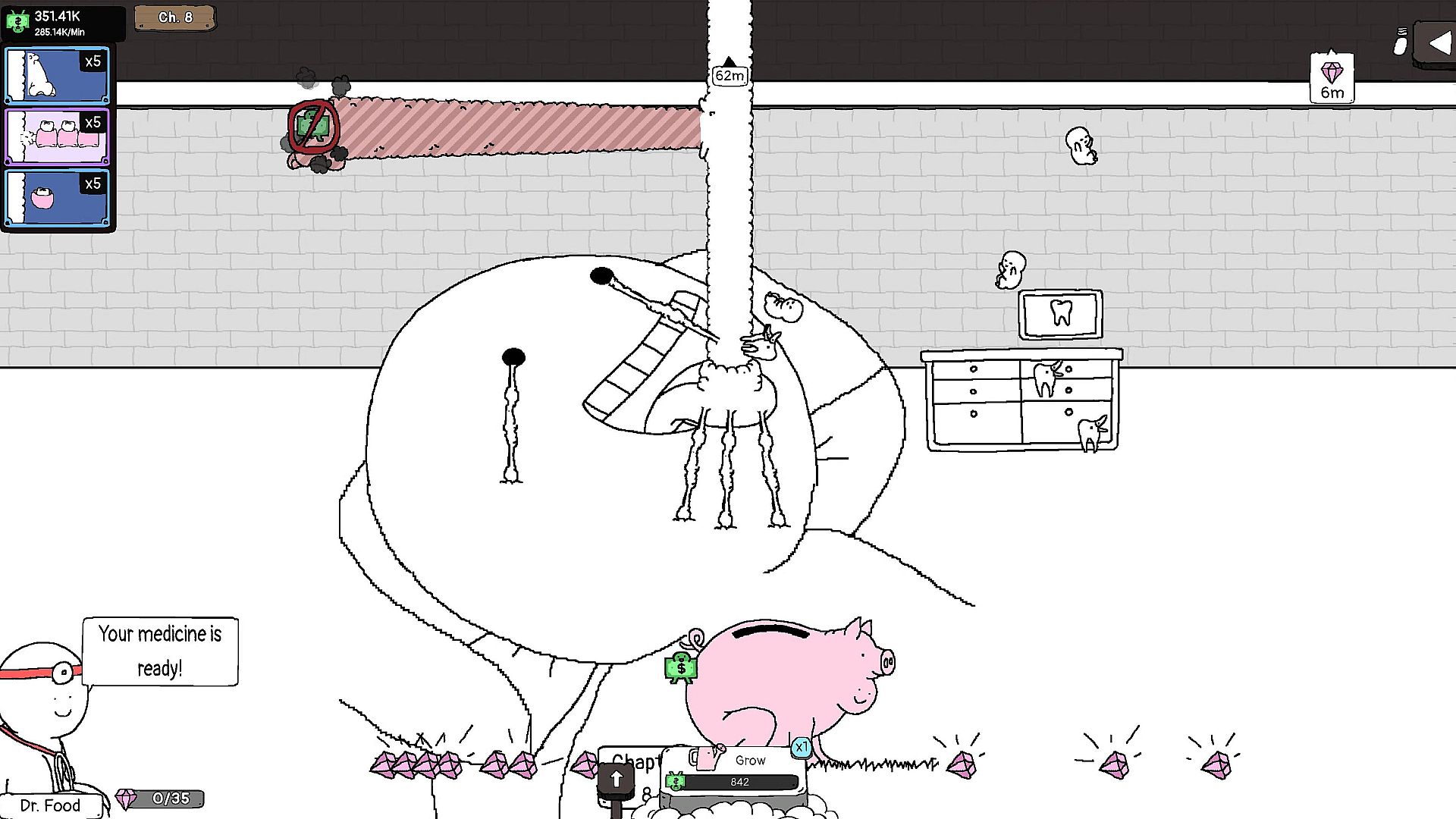
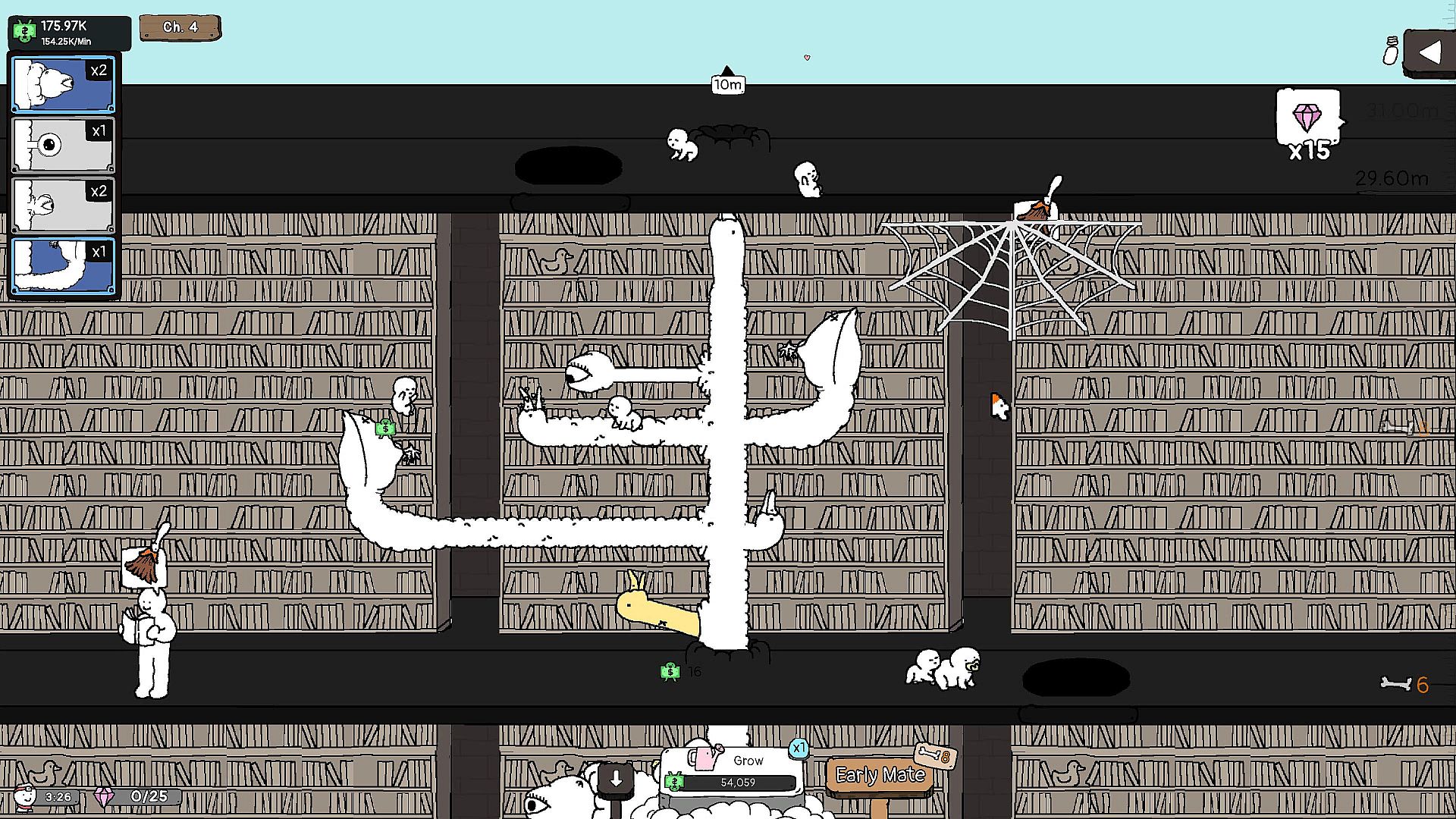
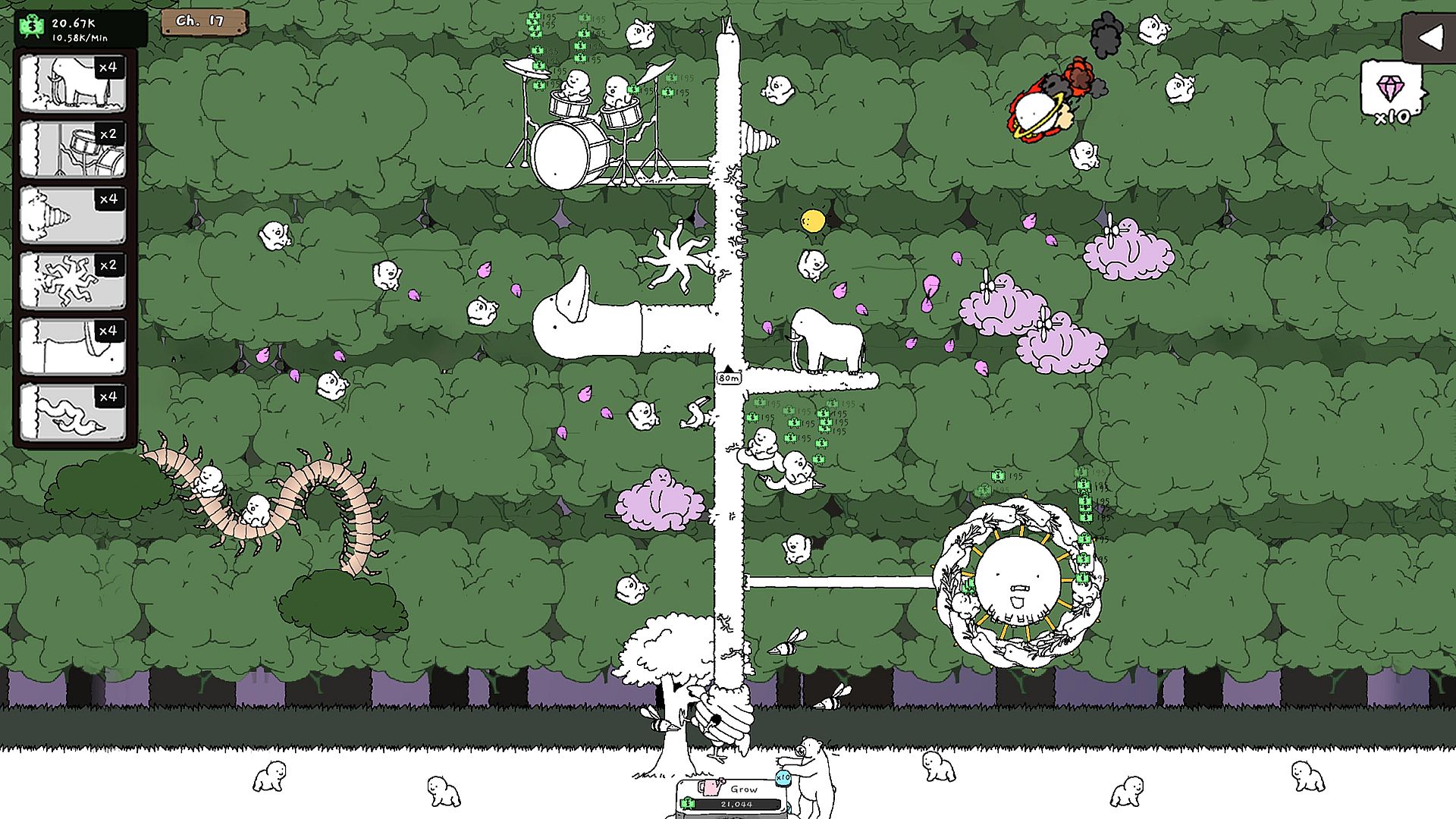
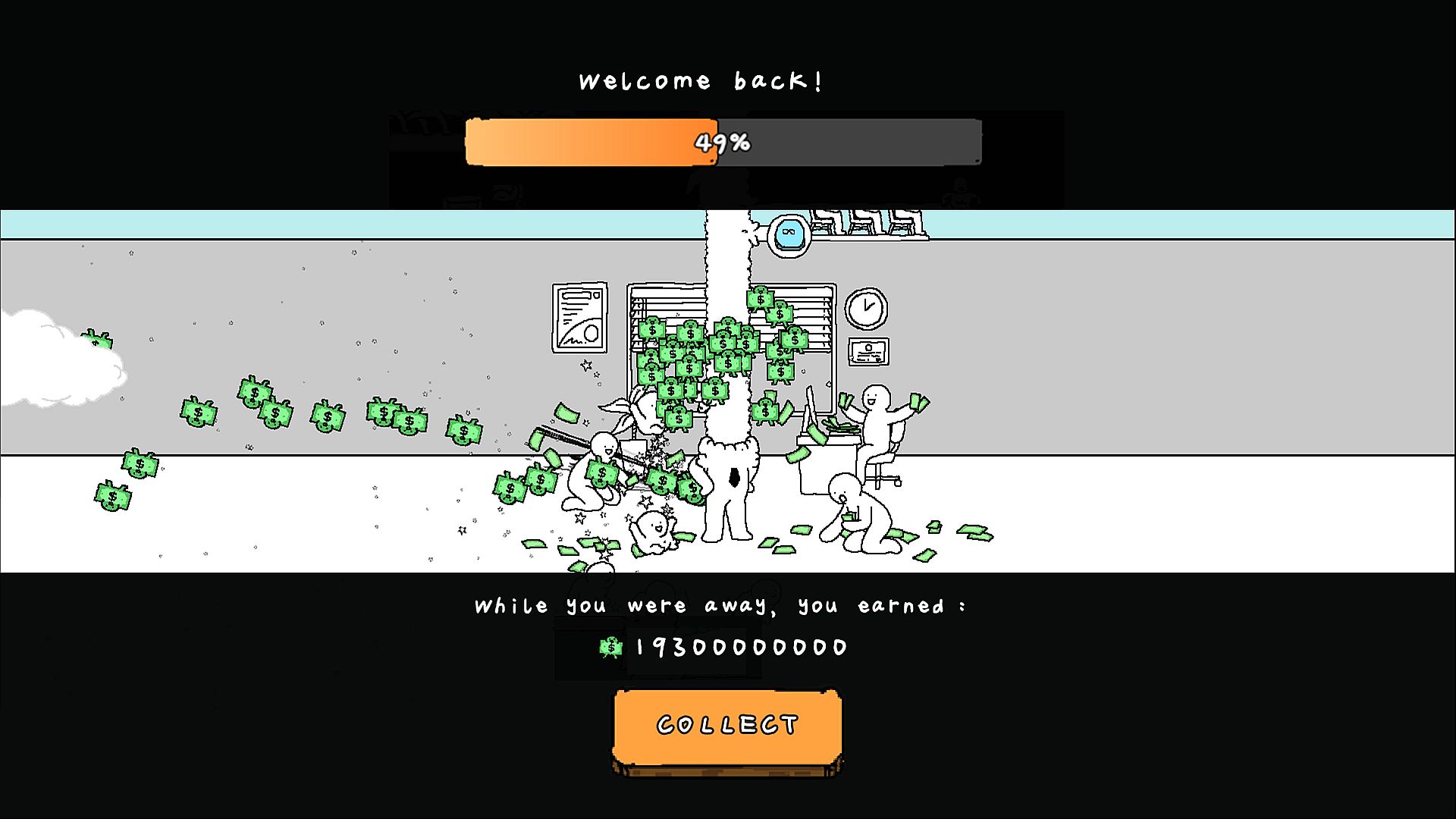
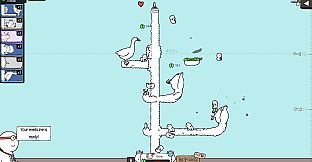
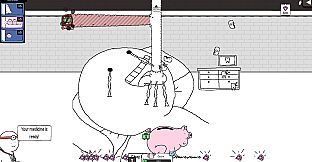
Tingus Goose is a surreal idle simulation game that blends strategy and casual mechanics into an absurd single-player experience on PS5. Players manage the growth of a bizarre goose tree emerging from a patient's torso, using cash generated by falling babies to water the structure and advance through increasingly strange scenarios. The title draws from strategy, indie, casual, simulation, adventure, and violent genres, emphasizing optimization and progression over direct combat.
Gameplay
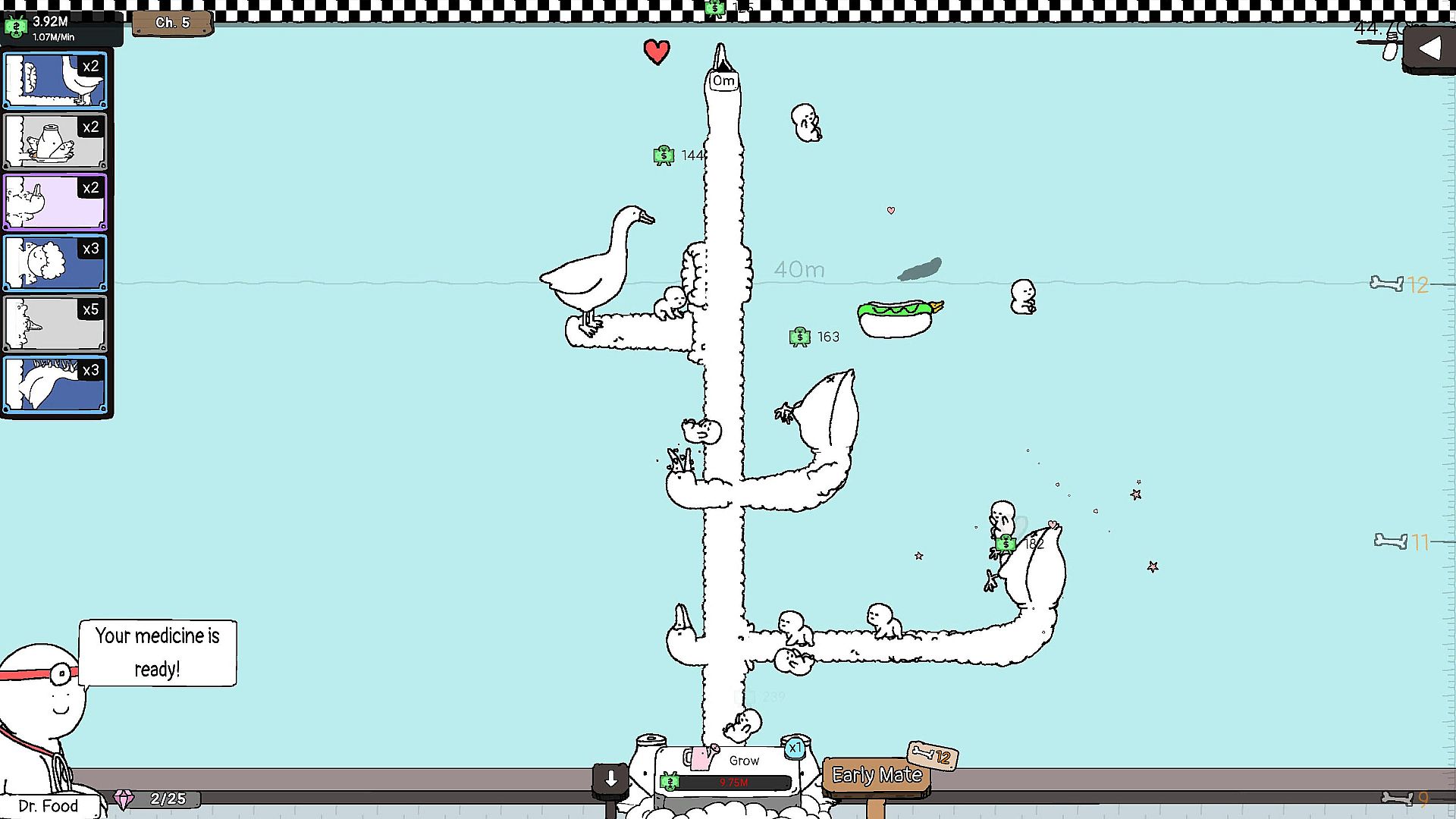
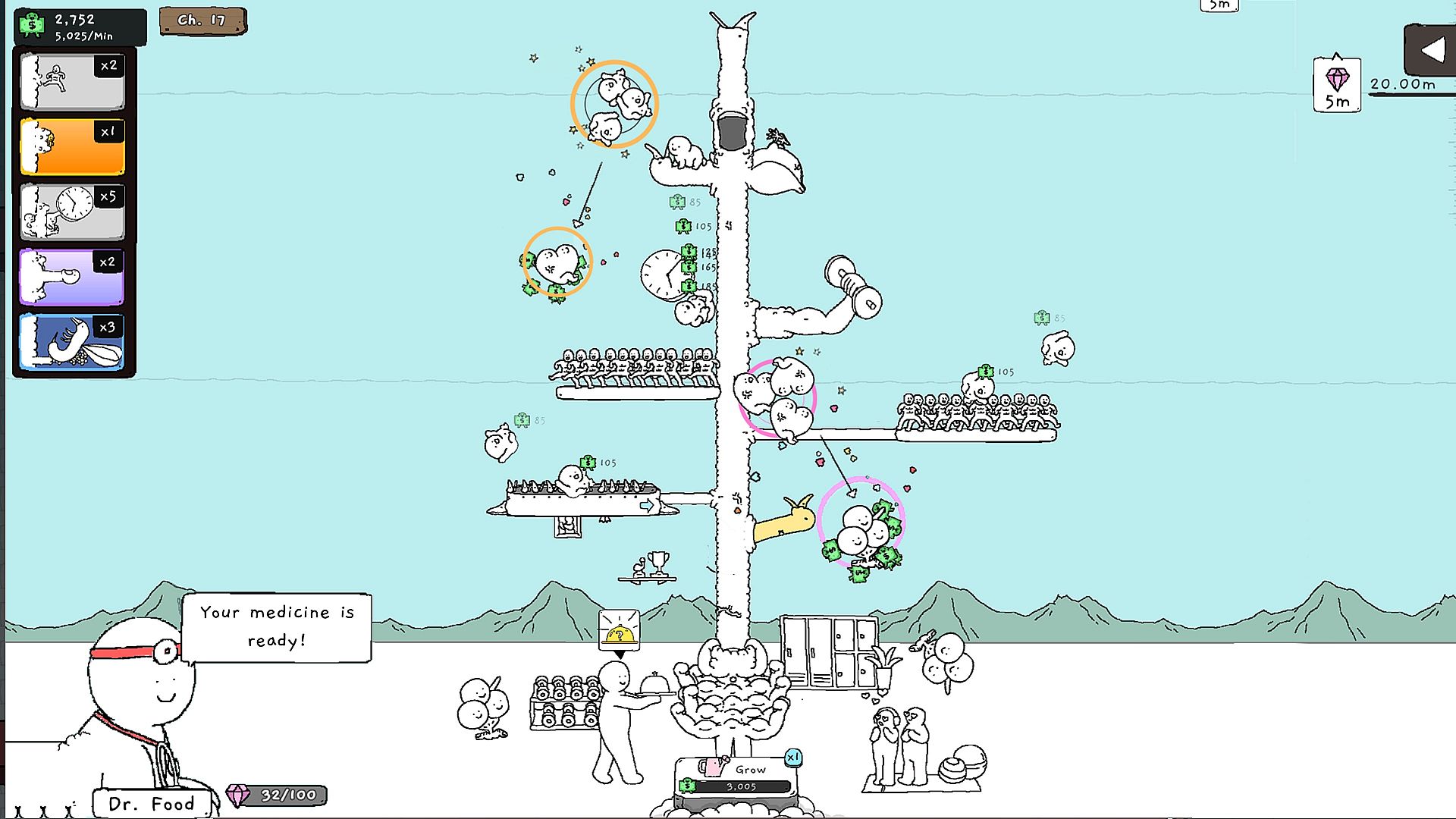
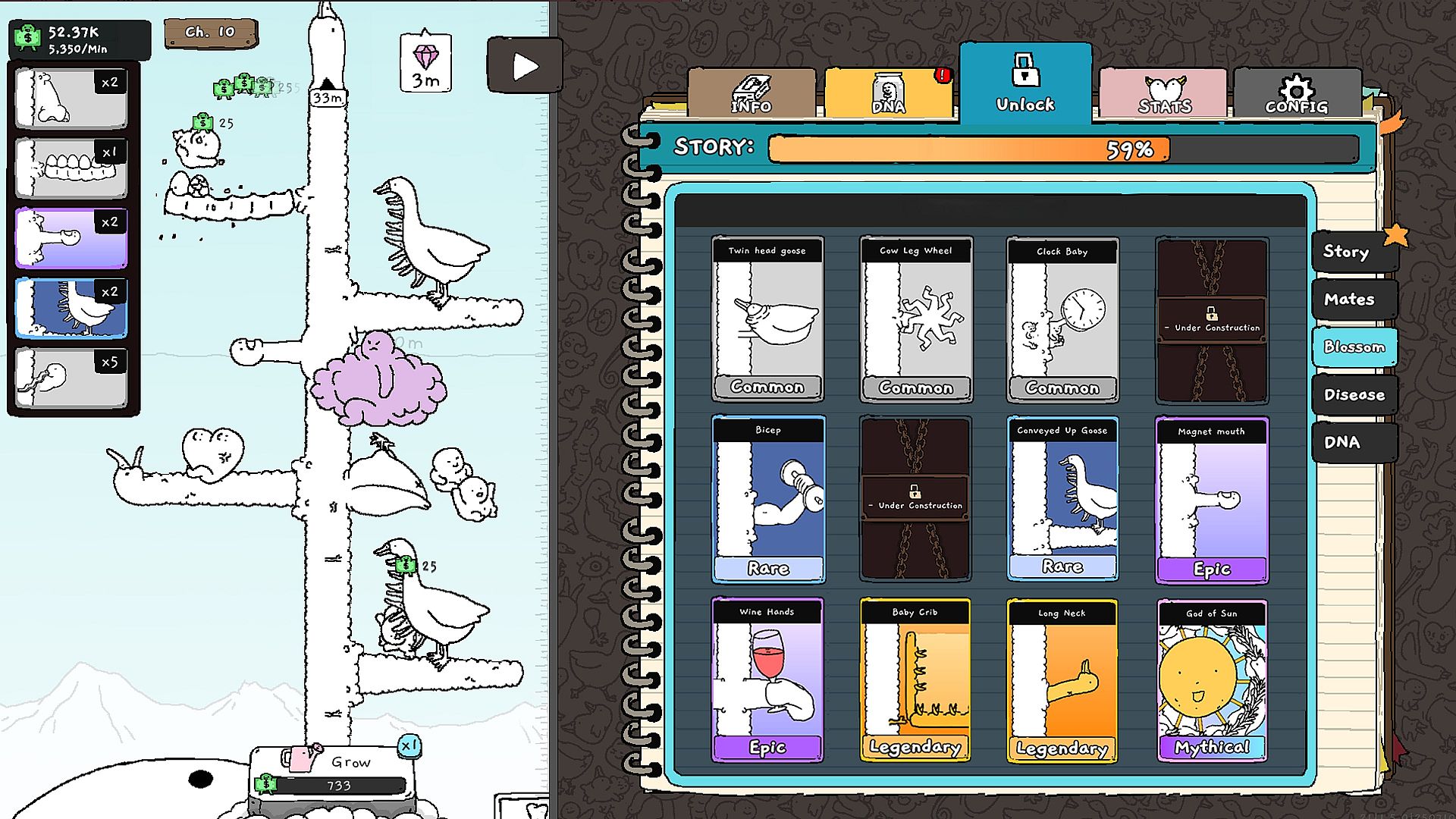
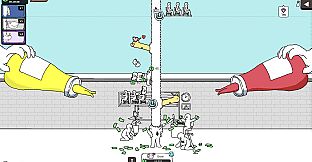
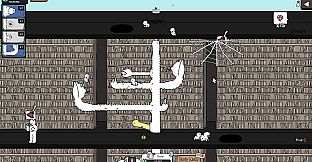
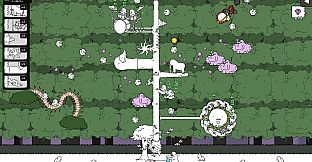
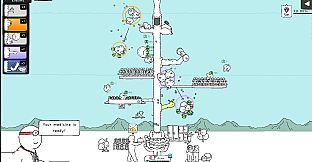
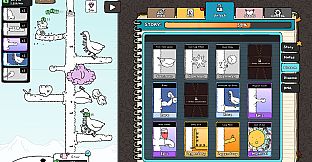
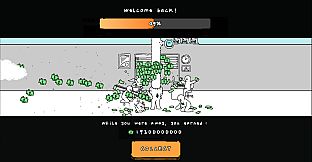
The core loop centers on planting a seed into a patient and watering it to grow a towering goose tree. As the neck extends, it produces babies known as Tingis that tumble downward. These babies bounce off strategically placed Blossoms, which function as branches or growths that multiply earnings through collisions and interactions. Cash from successful bounces funds further watering to reach greater heights.
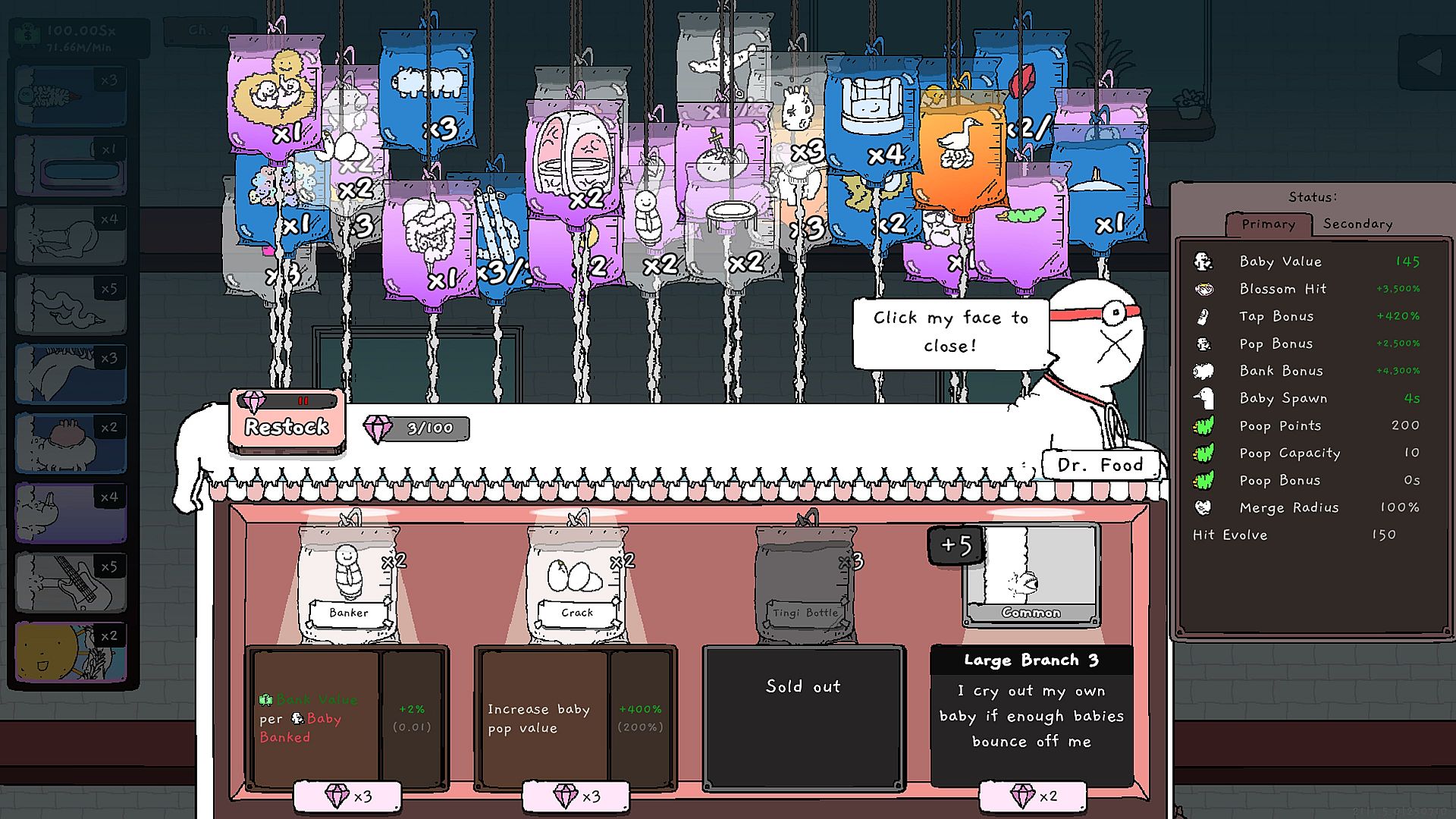
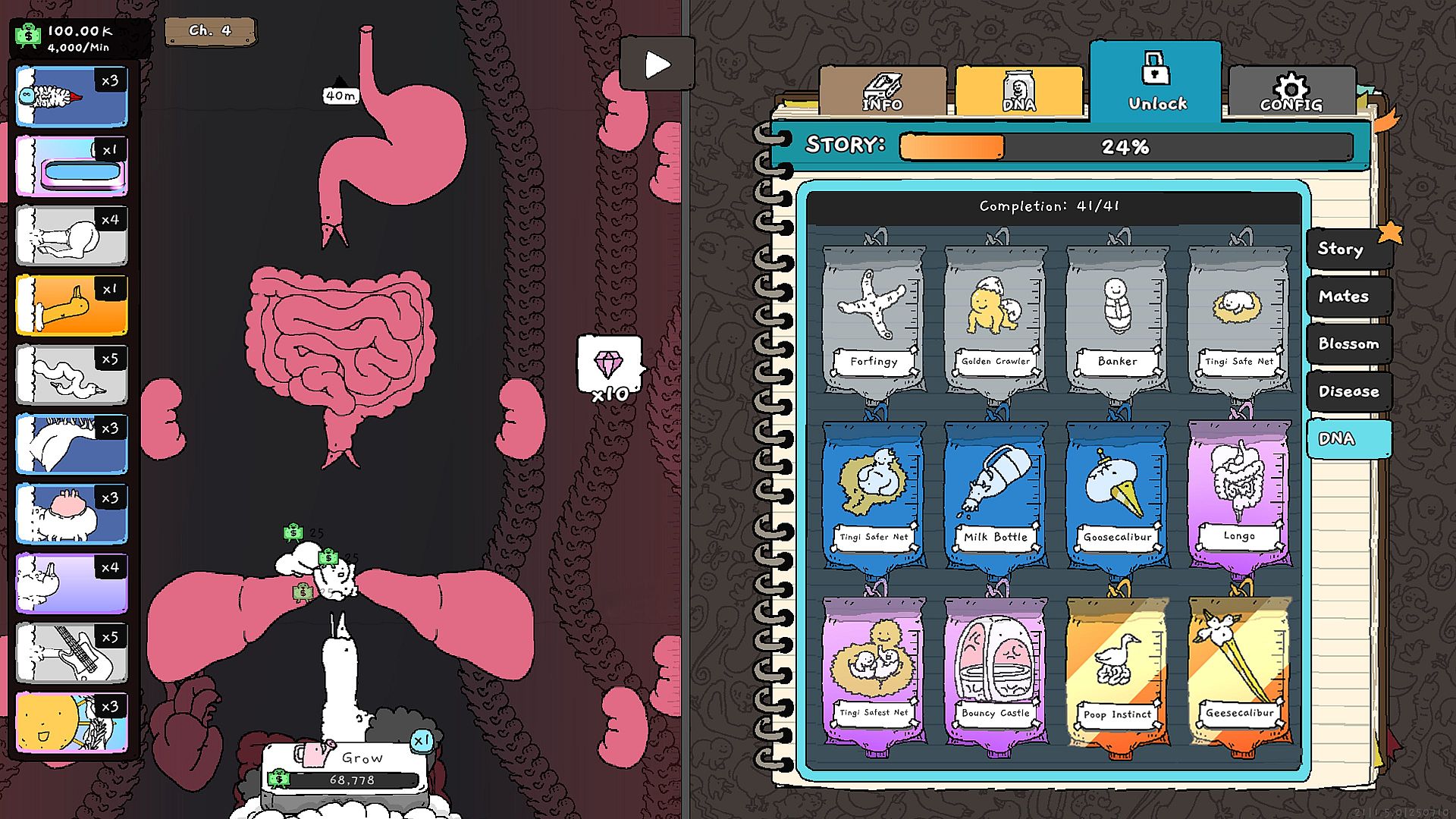
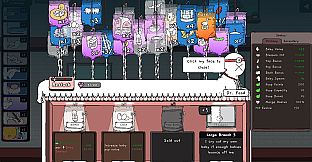
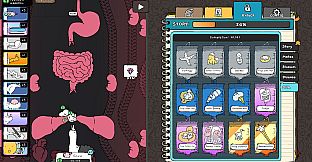
Specimens serve as equippable modifiers that create synergies, altering how babies behave or generate resources during their descent. Players arrange Blossoms to form elaborate chains of bounces and transformations, turning the falling path into an efficient system for profit. Additional resources like calcium support permanent upgrades between runs, while gems enable targeted improvements through in-game vendors. The process repeats across new patients, with each cycle introducing fresh challenges and opportunities for refinement.
Visuals feature hand-drawn animations that highlight the grotesque transformations and surreal body elements, reinforcing the game's focus on growth and reproduction themes without explicit content.
Game Modes
Tingus Goose operates as a single-player idle experience with no separate multiplayer or competitive modes. Progression unfolds through a series of 17 chapters, each tied to a new patient and world that alters the rules slightly while maintaining the central goose-growth loop. Every chapter presents unique modifiers that affect baby behavior, Blossom effectiveness, or resource gains.
Runs emphasize experimentation with Blossom placement and Specimen combinations to optimize income. The structure encourages repeated attempts at the same chapter to unlock additional content and refine strategies before advancing. This chapter-based format delivers the primary variety, with each stage building on prior unlocks to expand the available tools and synergies.
Progression and Features
Unlocks include over 150 pieces of goose-related content, such as new Blossoms, Specimens, and visual elements that expand customization options. Players collect these through consistent play and achievement milestones, gradually building a larger toolkit for future runs. The absence of microtransactions keeps the focus on organic growth and discovery within the enhanced version.
The game rewards thoughtful arrangement of elements to maximize baby interactions, creating satisfying feedback loops where small adjustments lead to exponential resource gains. Surreal storytelling elements appear between chapters, incorporating awkward romantic motifs and body-merging concepts that tie into the core simulation.
Is It Worth Playing?
Tingus Goose suits players who enjoy idle clicker mechanics combined with strategic placement and incremental upgrades. Its bizarre premise and Rube Goldberg-style baby bouncing provide a distinctive hook that sets it apart from standard simulation titles. The single-player campaign through 17 chapters offers substantial content for those drawn to optimization puzzles and surreal themes.
Reception highlights the game's memorable art and addictive progression systems, though some find the imagery unsettling. It appeals most to fans of casual strategy games willing to engage with unconventional subject matter. On PS5, the experience translates the core loop effectively for controller-based play, making it a solid choice for short sessions or longer optimization runs.
- Strategic Blossom placement drives the main challenge and reward.
- Specimen synergies add depth to each chapter's unique setup.
- Persistent upgrades encourage long-term engagement across multiple runs.