

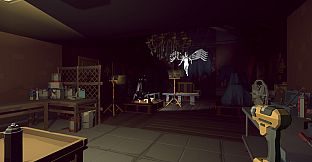
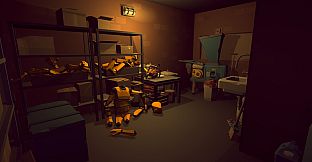
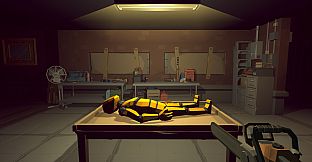
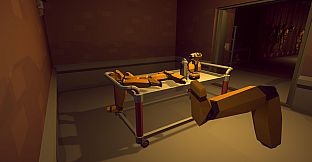
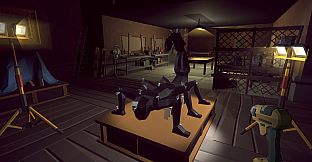
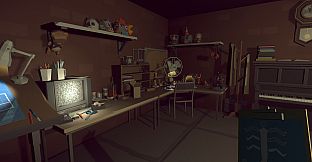
TOYCRAFTER is an indie psychological horror crafting simulation that places players in the role of a solitary artist whose routine work in a quiet workshop gradually unravels into something far more unsettling. The game blends hands-on doll assembly with a slow-building sense of isolation, where the core activity involves transforming ordinary doll parts into increasingly disturbing sculptures while subtle environmental shifts test the boundary between routine and unease.
Gameplay
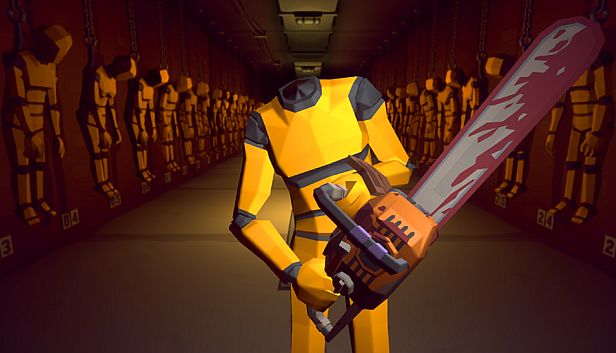
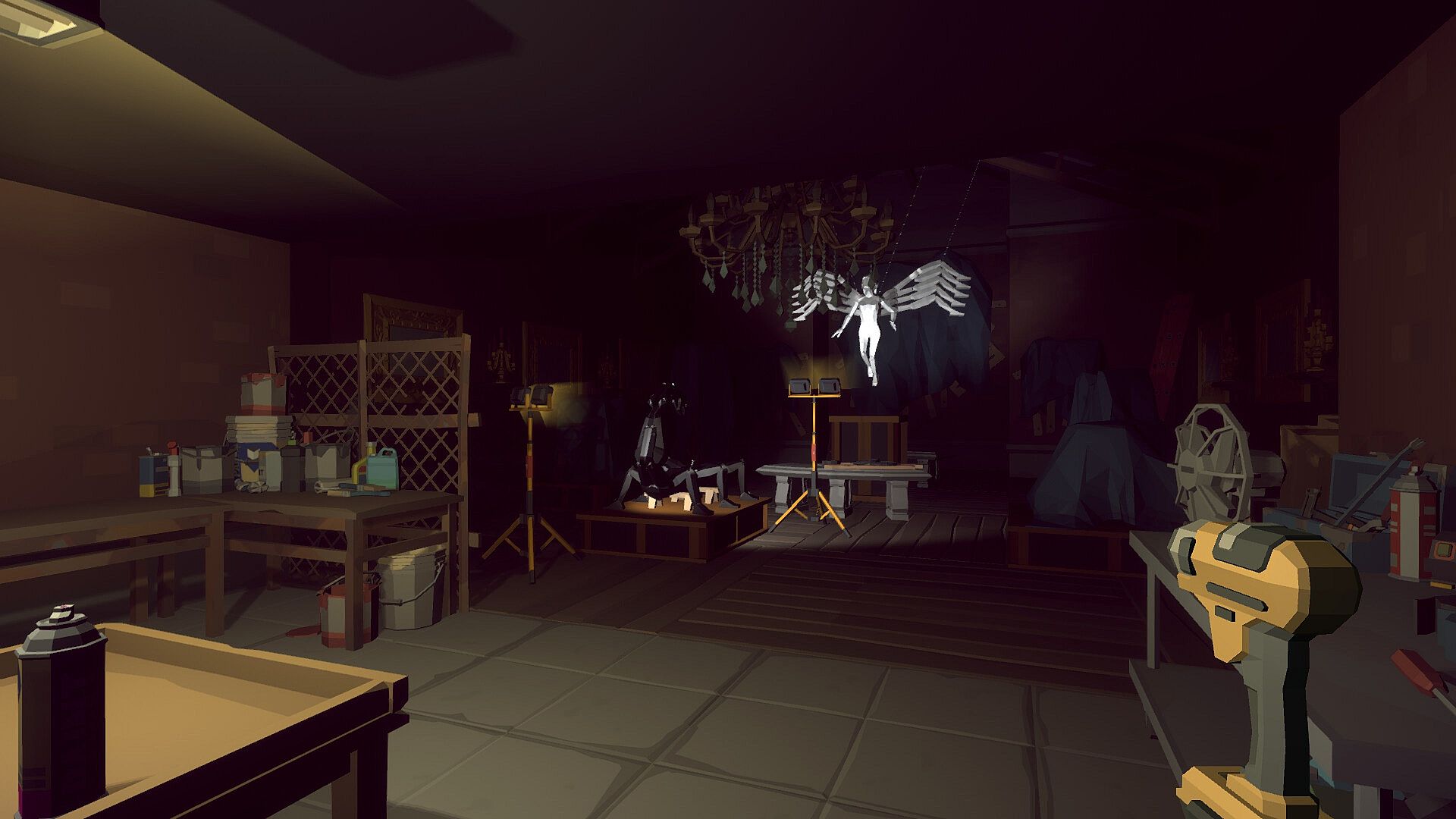
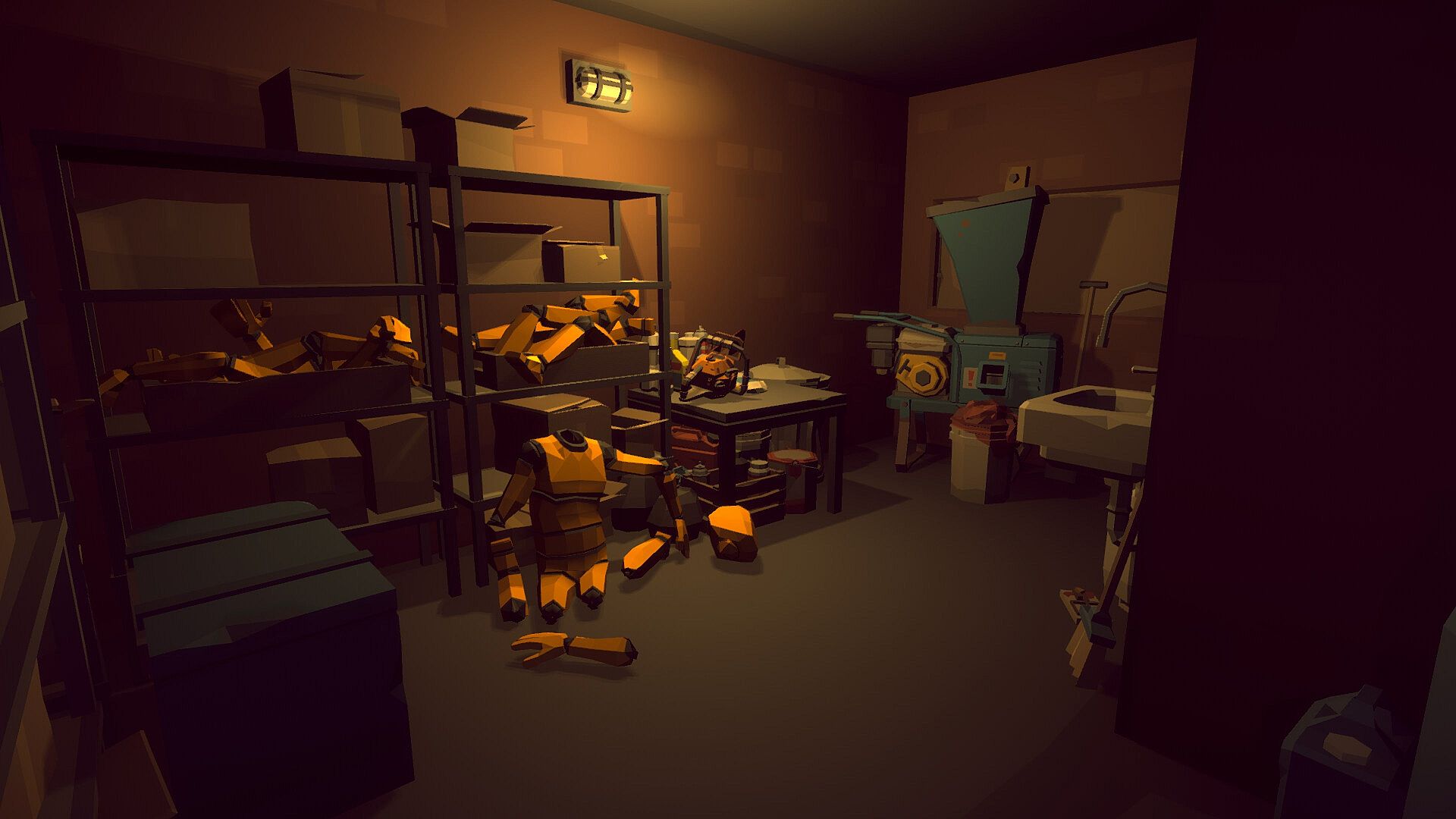
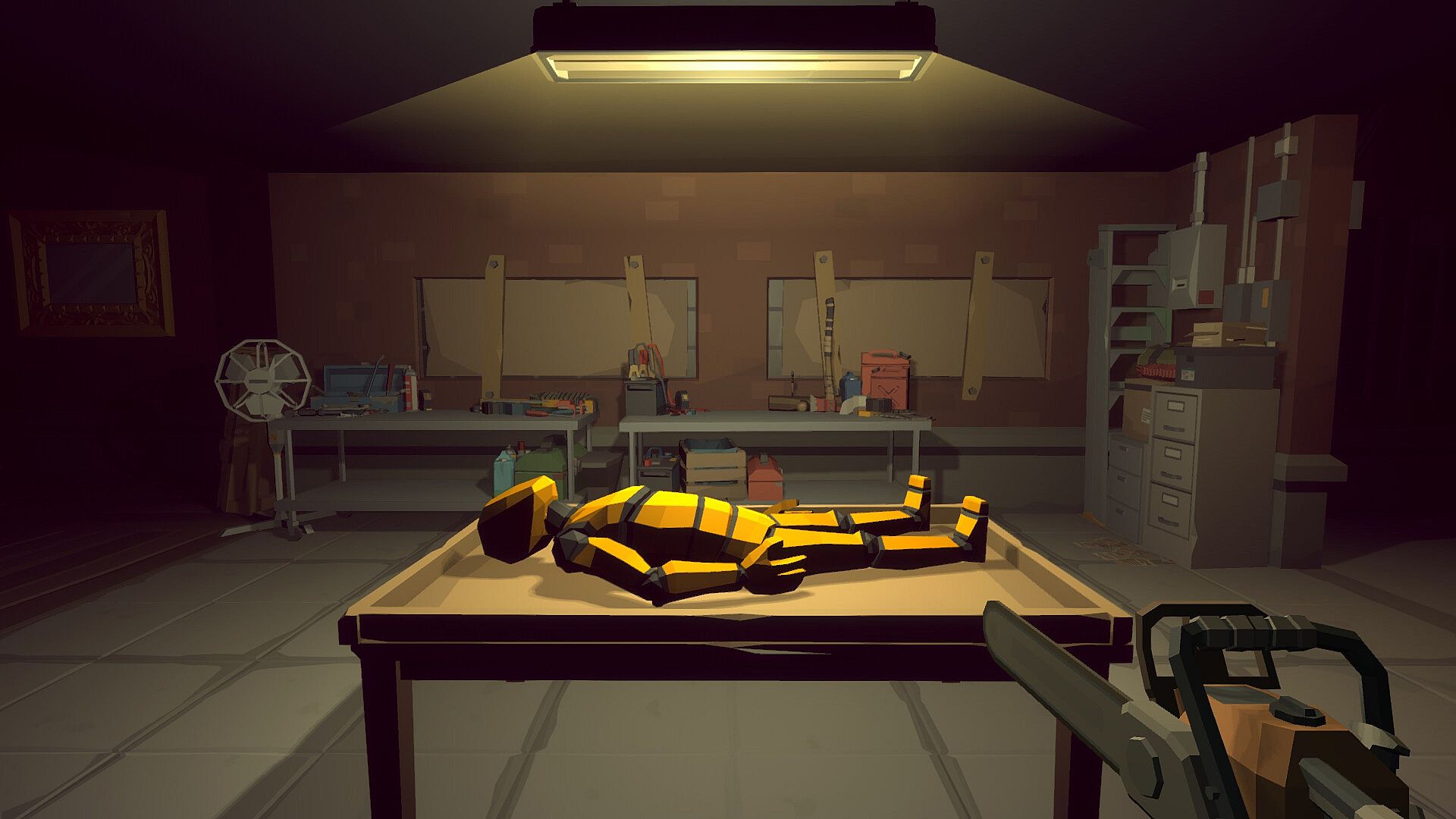
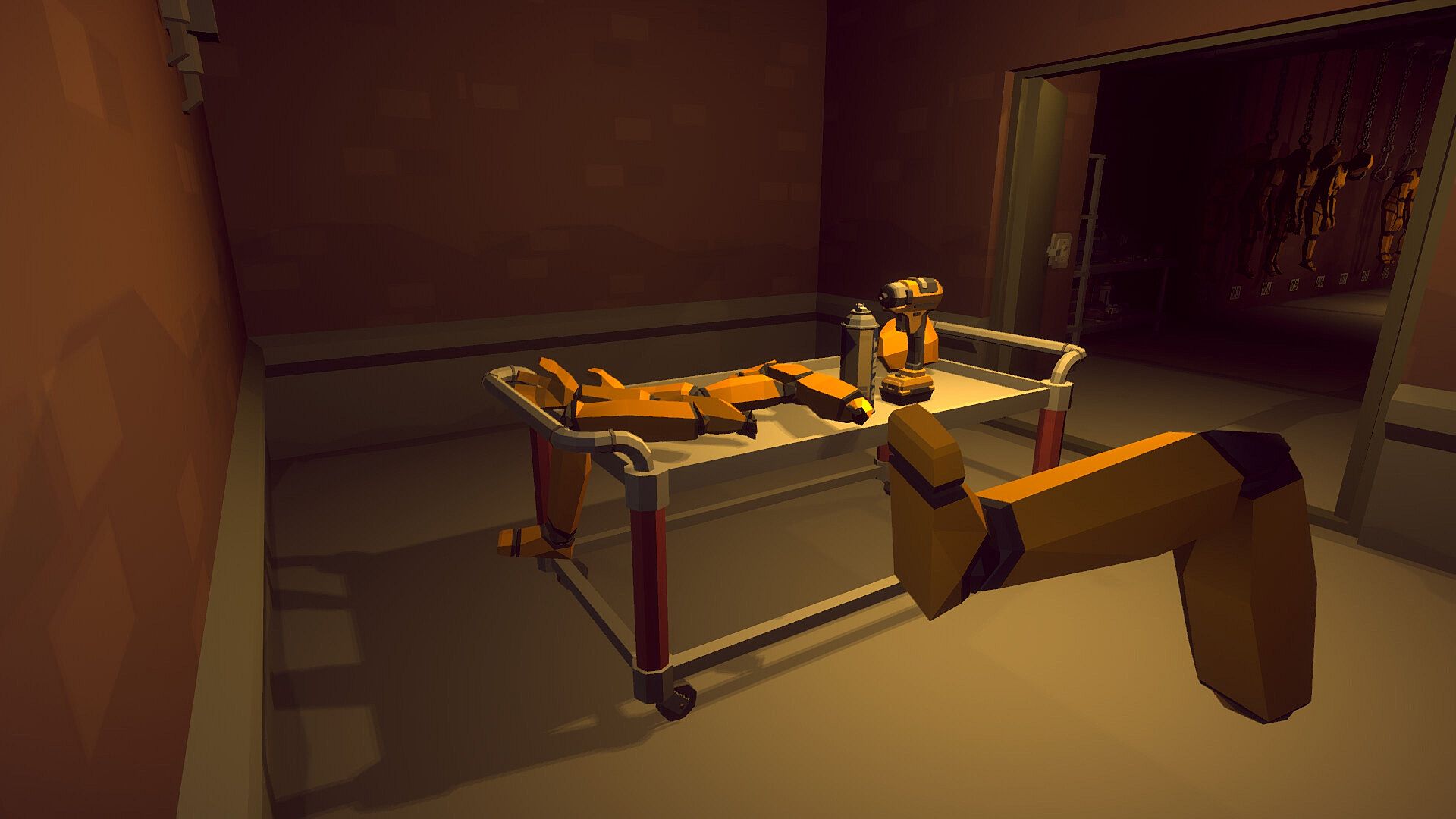
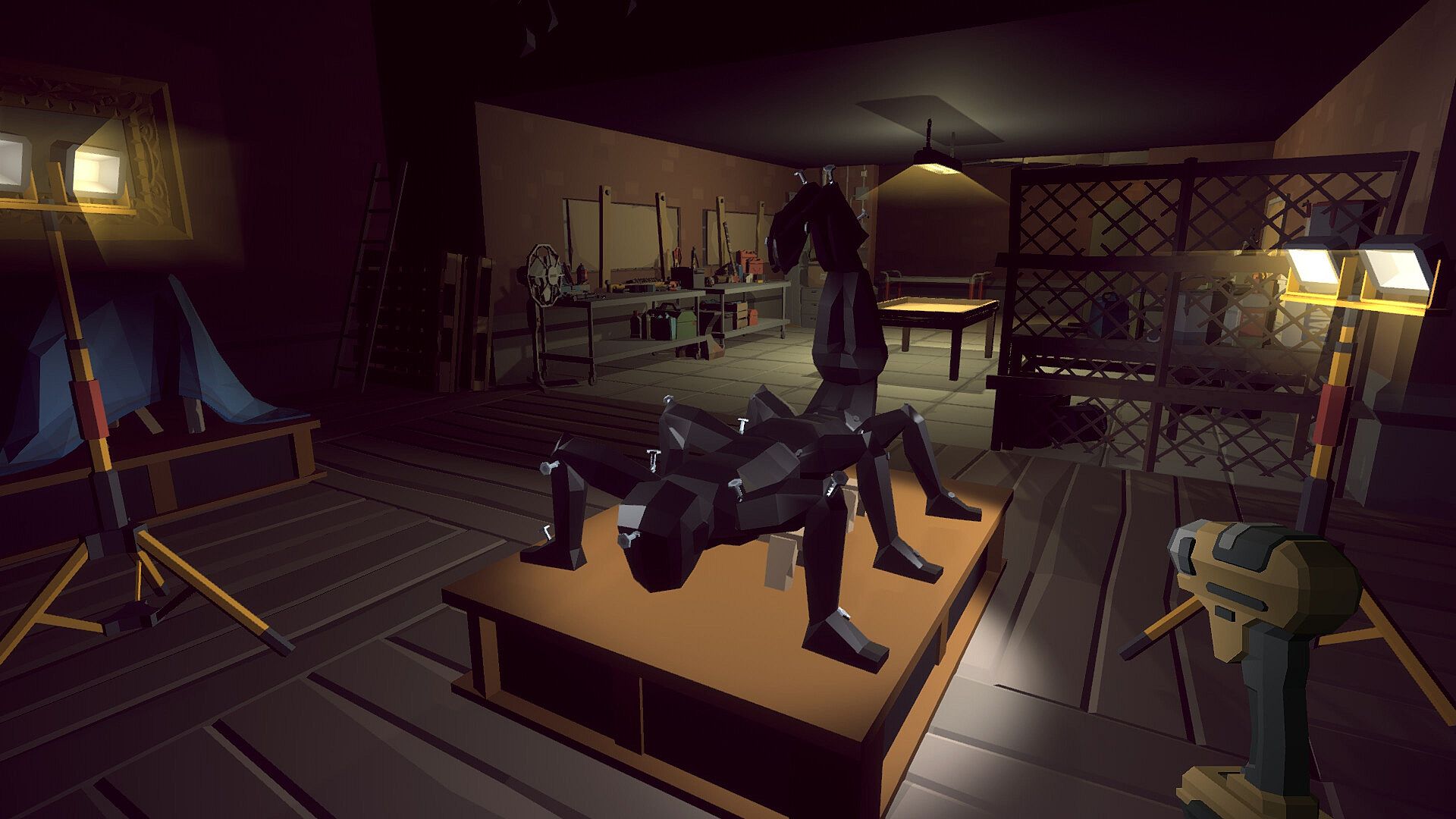
The central loop centers on physical interaction within a single workshop space. Players pick up tools to cut, paint, and attach doll parts on a workbench, creating unique and unsettling sculptures that form a growing collection. Movement feels deliberate, with objects responding to direct manipulation as players rearrange items, maintain order on shelves and surfaces, and handle each component with care. The process emphasizes repetition and focus, turning simple crafting actions into a meditative yet tense activity that fills the hours.
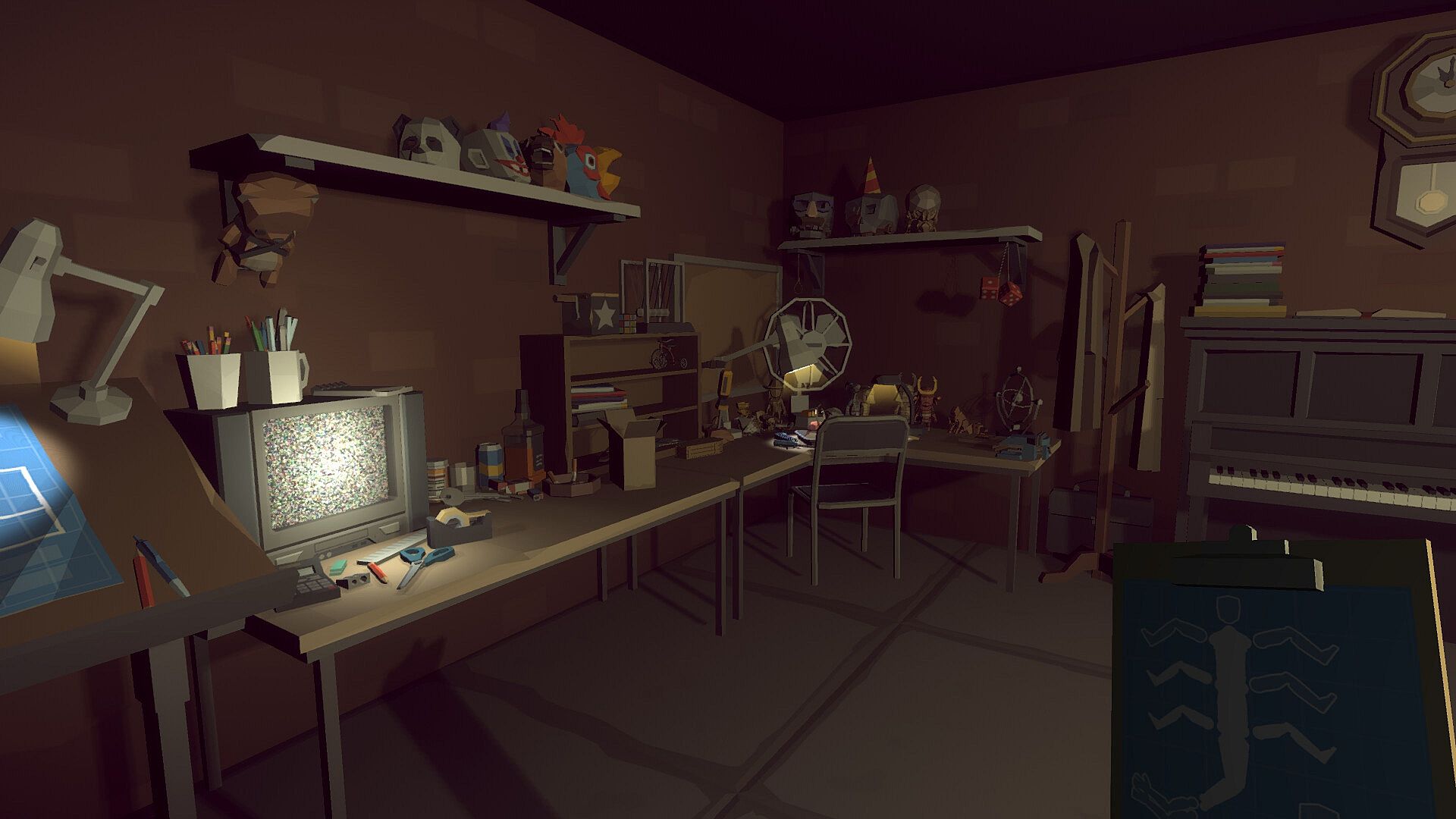
Environmental details matter throughout. Players keep the space tidy by returning tools and parts to their places, which reinforces the sense of a controlled workspace even as small changes appear over time. The first-person perspective keeps attention on the immediate task, encouraging observation of the room without any direct confrontation. Tools vary in function, allowing different approaches to shaping and assembling the figures, while the overall pace stays measured to highlight the growing disconnect from normal reality.
Game Modes
TOYCRAFTER offers a single-player experience structured around seven days in the workshop. Each day advances the narrative through continued crafting sessions, with the atmosphere shifting gradually as the routine deepens. There are no separate modes or branches; progression follows the daily work cycle, building tension through repetition and observation rather than varied objectives or competitive elements.
The structure keeps players engaged in the same core activities while the surrounding space and internal monologue evolve. This linear flow suits the theme of isolation, letting the experience unfold at its own deliberate speed without interruptions from external systems or multiplayer features.
Atmosphere and Themes
The game explores the mental state of an artist consumed by craft. Subtle anomalies appear in the environment, yet the instructions remain clear: continue working and disregard anything out of place. Sound design and lighting support this focus, creating unease through silence and small inconsistencies rather than sudden events. The workshop itself becomes a character, its familiar tools and surfaces taking on a different weight as the days pass.
Player actions stay grounded in the physical work. Collecting parts, experimenting with assemblies, and organizing the space form the backbone of each session. This approach creates a study of routine under pressure, where the satisfaction of completing a sculpture sits alongside the growing question of what exactly is being created.
Is It Worth Playing?
TOYCRAFTER delivers a focused psychological horror experience centered on crafting and isolation. Reviews describe it as atmospheric and honest, with strong emphasis on the tactile crafting mechanics and the slow erosion of the artist's grip on reality. The game runs short, typically completed in a couple of hours, which aligns with its design as a compact study rather than an extended campaign.
It appeals most to players who enjoy deliberate pacing, environmental storytelling, and crafting systems without combat or traditional horror set pieces. Reception has been very positive, with many noting the effective use of silence and routine to build tension. For those interested in indie simulation titles that prioritize mood and hands-on tasks over action, the game provides a distinctive session that lingers after the final sculpture is assembled.