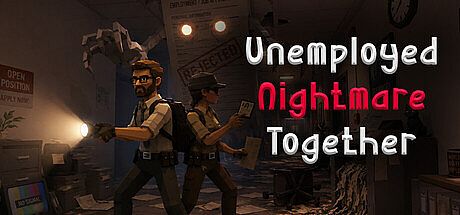



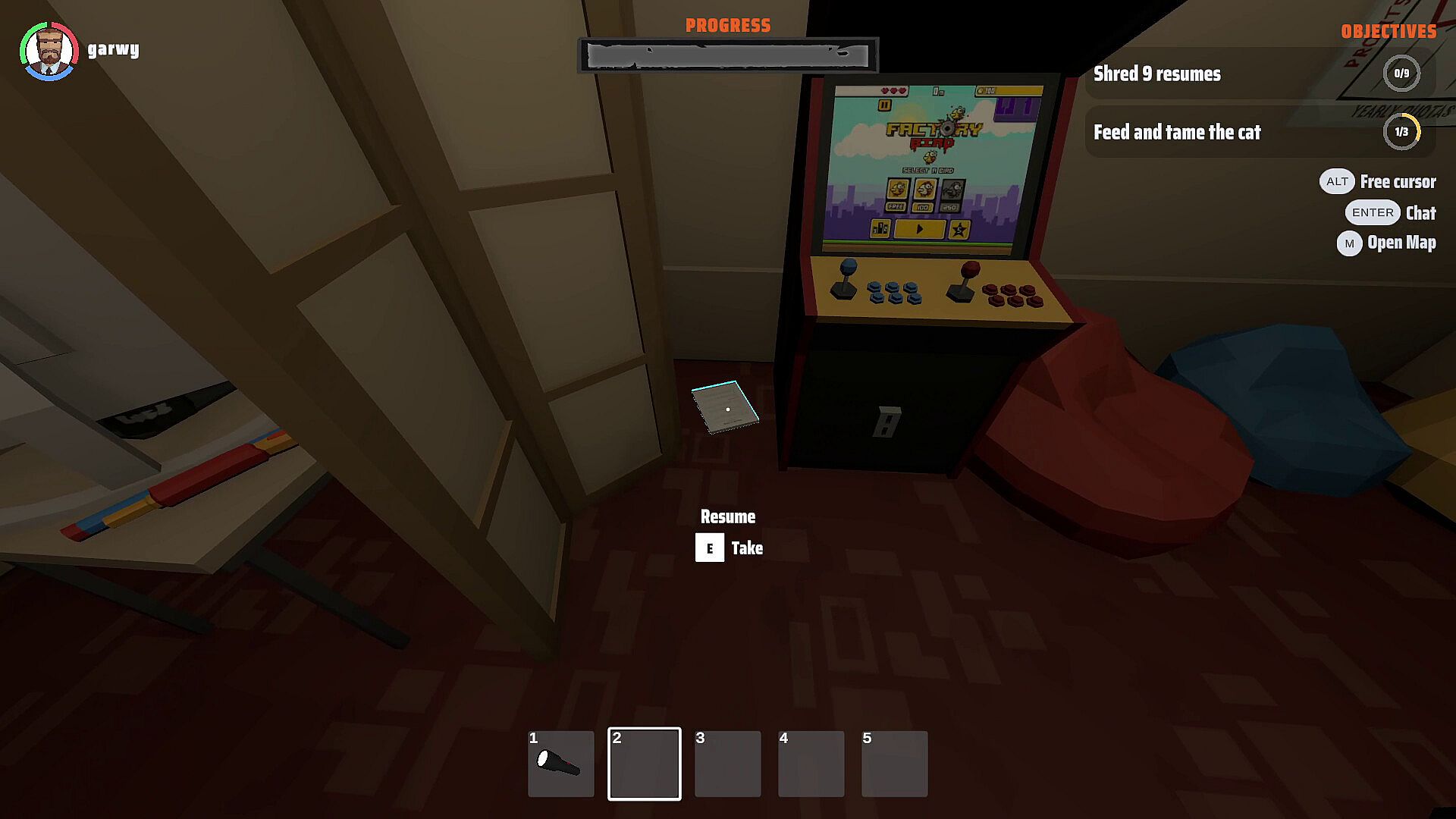
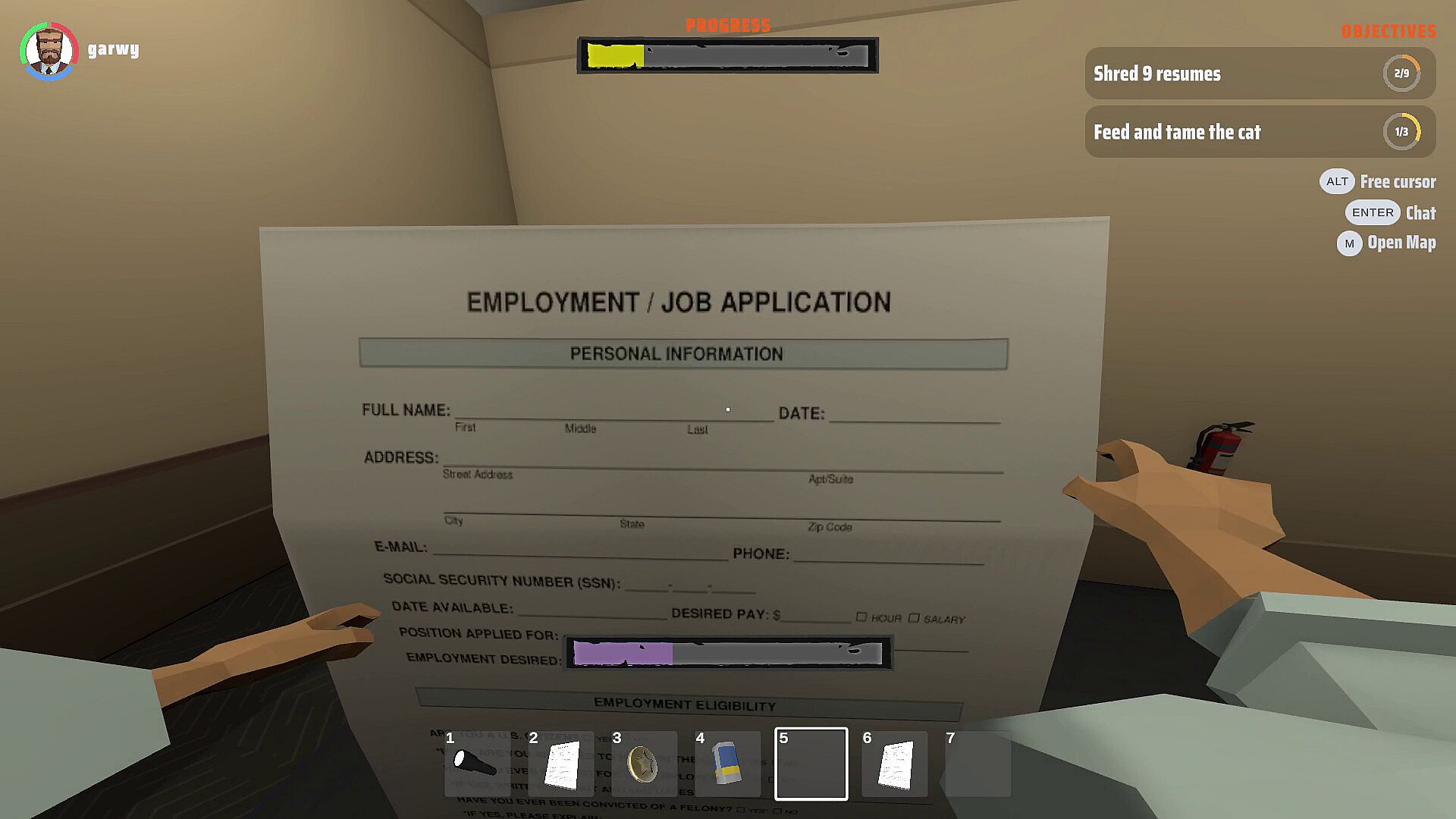
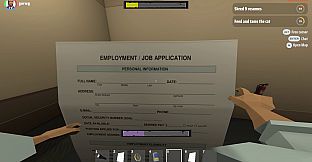
Unemployed Nightmare Together to kooperacyjna gra survival horror dla 1-4 graczy, stworzona z myślą o PC. Uczestnicy trafiają do losowo generowanego biurowca po rozmowie kwalifikacyjnej, która nigdy się nie kończy, a ściga ich nieustępliwa istota zwana podaniem o pracę. Główny nacisk położono na pracę zespołową - gracze przemierzają migoczące korytarze, wykonują zadania i muszą zdążyć do windy, zanim przeciwnik wyssie z nich resztki sił.
Rozgrywka
Centralnym zagrożeniem jest istota wyposażona w rzeczywiste zmysły: widzi w polu widzenia, słyszy dźwięki i buduje poziom podejrzeń. Patroluje korytarze, reaguje na zakłócenia i rusza w pościg, gdy wykryje graczy. Wyższe poziomy trudności zwiększają jej czujność, zmuszając drużynę do równoważenia ruchu i skradania się. Kluczowe stają się wtedy sygnały dźwiękowe oraz odpowiednie ustawienie postaci.
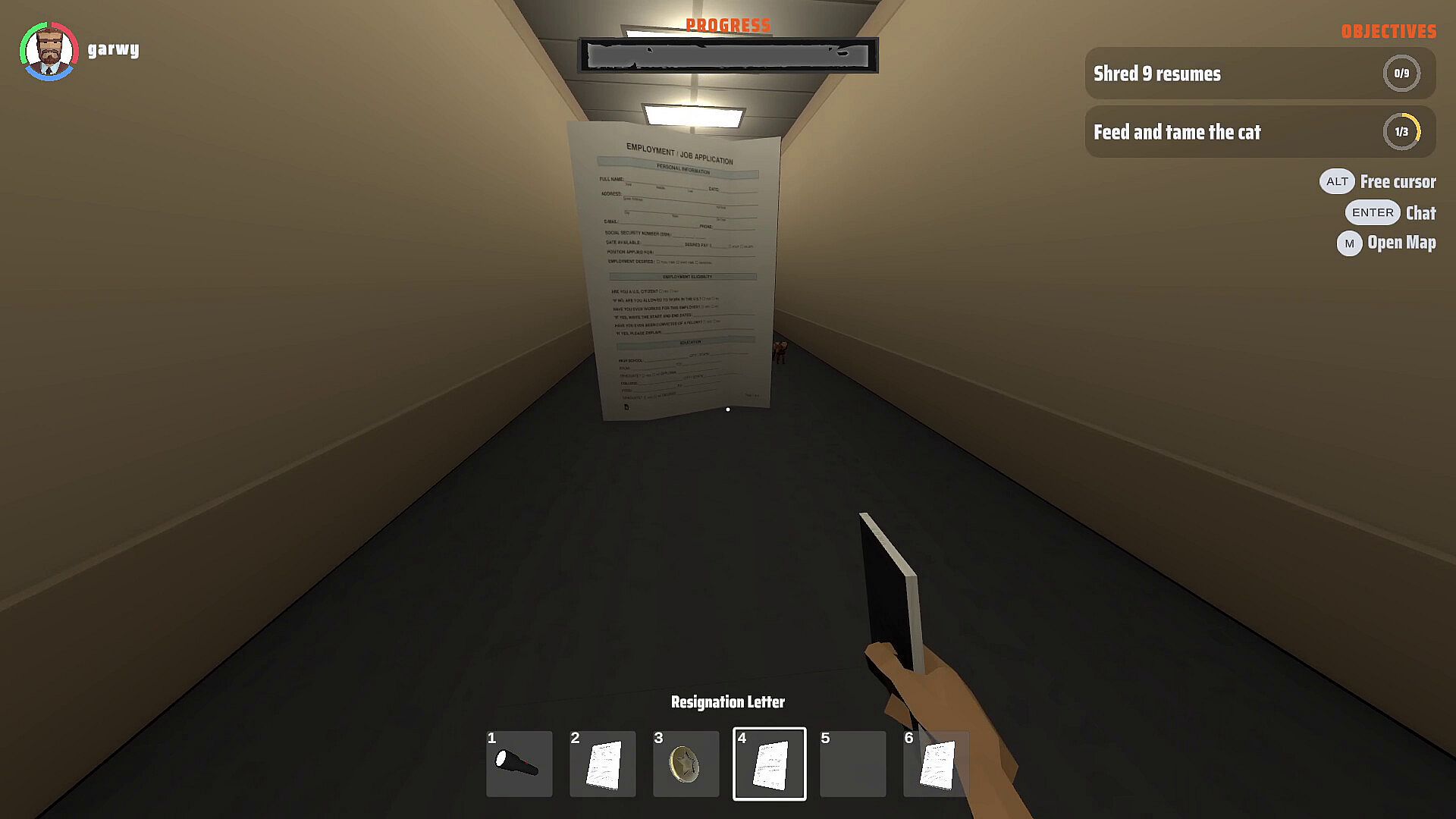
Mechanika odradzania podnosi stawkę każdej konfrontacji. Gdy gracz straci całą energię duszy, zostaje po nim ciało, które można uratować tylko za pomocą Listu Rezygnacyjnego dostarczonego przez kolegę z drużyny. W tym czasie istota nadal agresywnie poluje, często atakując ratownika przez ściany, dopóki ktoś inny nie odwróci jej uwagi. Bliskościowy czat głosowy z pozycyjnym dźwiękiem pozwala szeptać strategie lub wołać o pomoc, uwzględniając rzeczywistą odległość między graczami.
Systemy środowiskowe stale komplikują sytuację. Awaria sieci energetycznej może pogrążyć całe sekcje biura w ciemności - dokładnie tam, gdzie istota czuje się najlepiej. Drużyna musi znaleźć rozdzielnie i przywrócić zasilanie, by odzyskać widoczność. Jednocześnie gracze niszczą dokumenty i realizują zadania, wypełniając Pasek Wolności, podczas gdy zegar biurowy przesuwa się z rana ku wieczorowi. Jedyną pewną drogą ucieczki pozostaje winda, o ile dotrze się do niej w odpowiednim momencie.
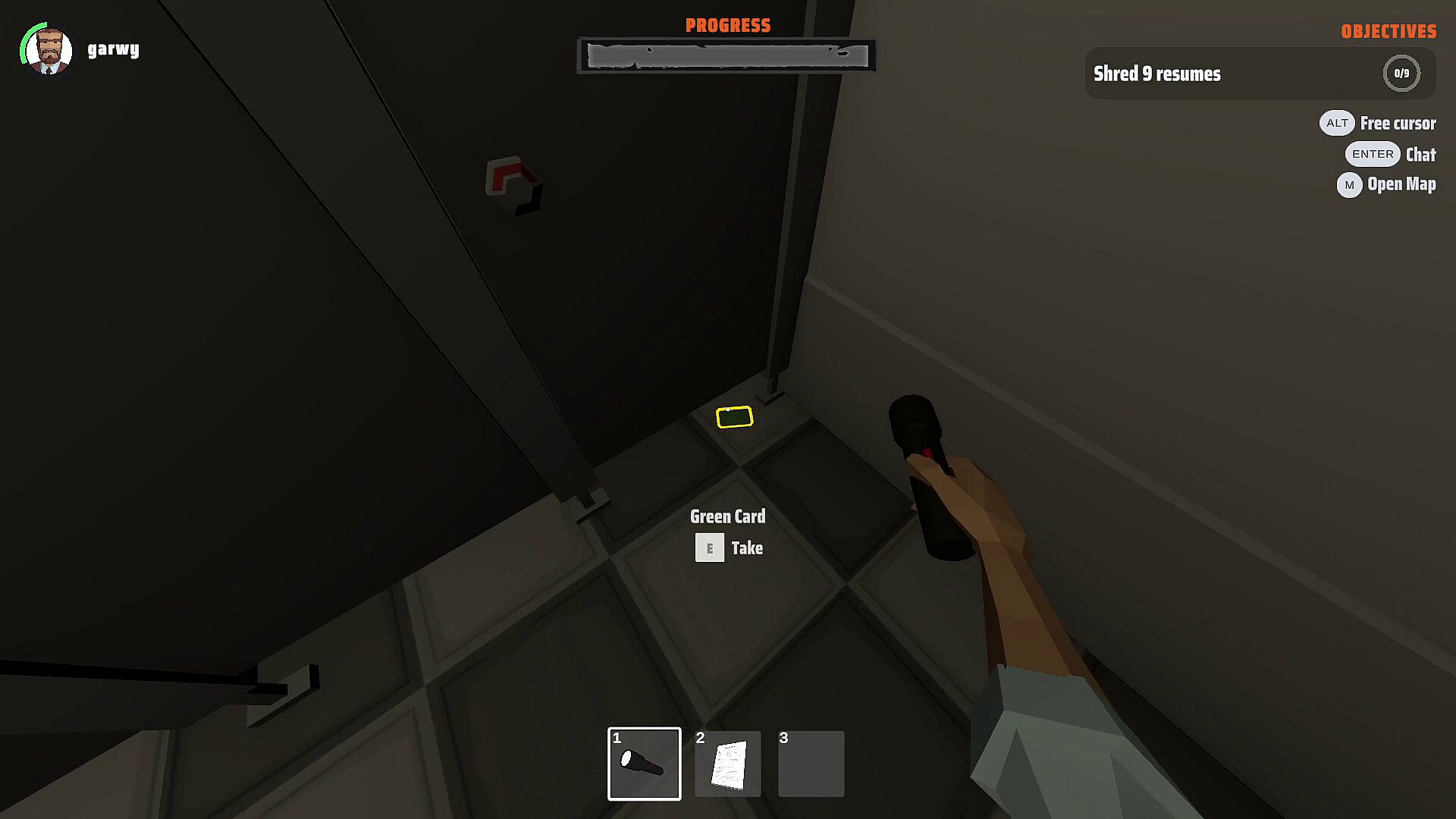
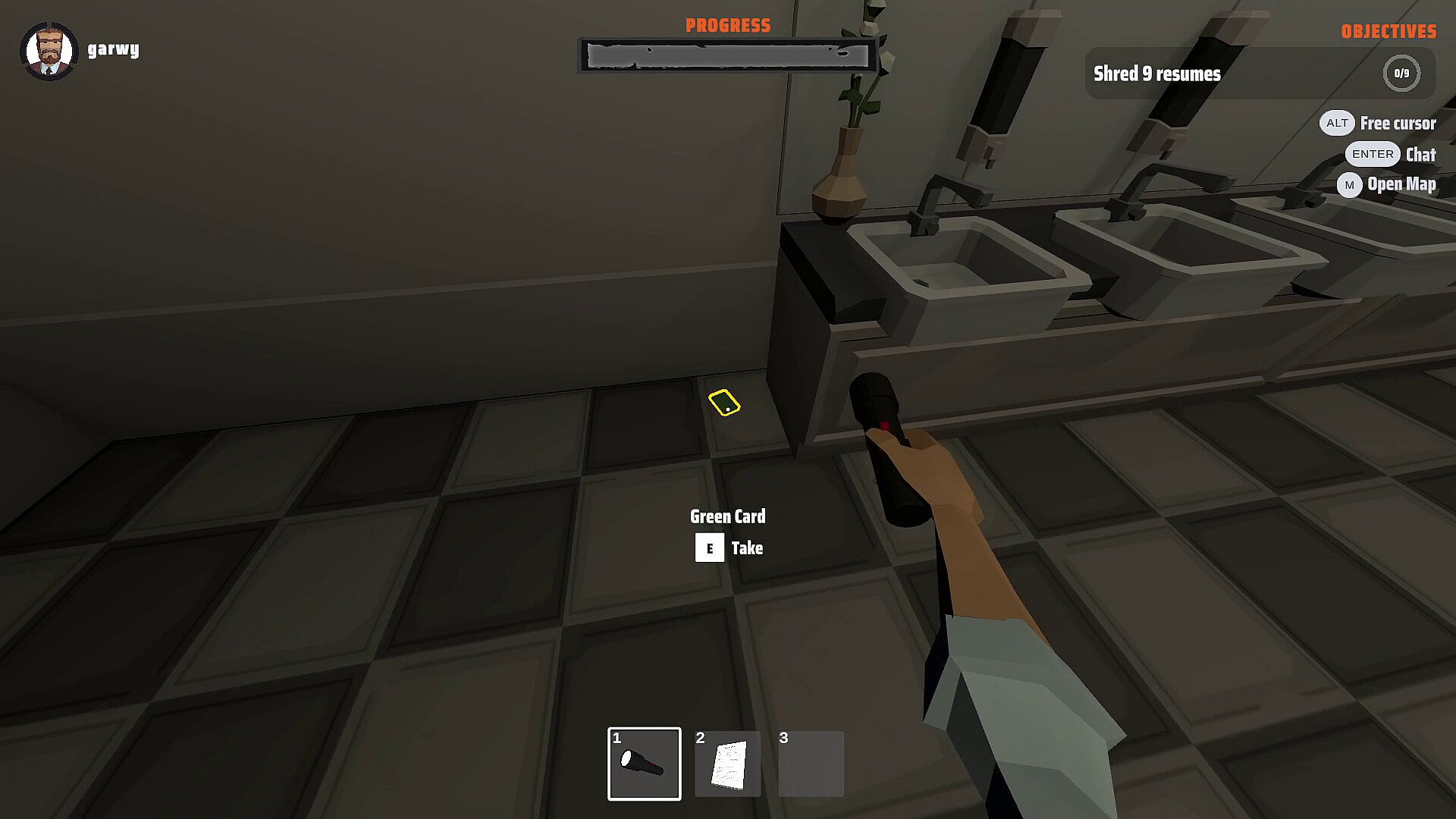
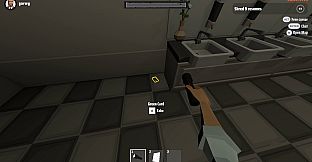
Proceduralna generacja gwarantuje różnorodność kolejnych podejść. Każda runda składa się z nowych układów pomieszczeń, korytarzy i stref o różnym poziomie dostępu, z kartami dostępu i unikalnymi detalami biurowymi. Żadna próba nie przebiega identycznie, co sprawia, że nawigacja i rozmieszczenie celów pozostają nieprzewidywalne.
Tryby gry
Gra działa wyłącznie w trybie online, skupiając się na przetrwaniu i ucieczce. Drużyny od jednego do czterech graczy wchodzą razem do biurowego koszmaru i dążą do wspólnych celów: przywrócenia prądu, wykonania zadań papierkowych oraz wydostania się windą. Gra solo jest możliwa, lecz pozostawia gracza bez wsparcia przy odradzaniu i odwracaniu uwagi przeciwnika.
Każdy mecz opiera się na narastającej pętli celów. Gracze muszą pilnować upływu czasu, reagować na awarie zasilania i śledzić ruchy istoty, jednocześnie przemieszczając się po budynku. Niezdążenie do wyjścia na czas oznacza, że grupa zostaje uwięziona z groźbą w pościgu. Struktura nagradza stałą komunikację i podział ról - jeden gracz może zajmować się oświetleniem, podczas gdy inni realizują zadania i wypatrują zagrożenia.
Postęp i atmosfera
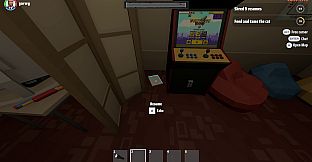
Personalizacja postaci pozwala zmieniać wygląd i odblokowywać kolejne opcje przez regularną grę. Kołowe menu emotek umożliwia szybkie wyrażanie emocji w spokojniejszych momentach, a drobne detale, takie jak nakarmienie kota w poczekalni, dają krótką chwilę wytchnienia przed rozpoczęciem sesji. Elementy te wpisują się w ogólny nastrój napięcia, nie zmieniając zasad przetrwania.
Świat łączy elementy codziennego korporacyjnego życia z horrorem. Migoczące świetlówki, opuszczone biurka i zamknięte drzwi ochrony tworzą znajome, lecz wrogie otoczenie. Obecność istoty zamienia rutynowe poruszanie się po biurze w ciągły test czujności i wyczucia czasu.
Czy warto zagrać?
Tytuł przypadnie do gustu osobom, które lubią kooperacyjny survival horror wymagający koordynacji i szybkich reakcji. Połączenie losowych układów, adaptacyjnego przeciwnika i mechaniki odradzania zapewnia powtarzalne napięcie w kolejnych sesjach. Gracze ceniący komunikację i wspólną odpowiedzialność za sukces powinni znaleźć tu angażujące doświadczenie.
Dostępność na PC umożliwia grę online z wbudowanym czatem głosowym, który zwiększa immersję. Nacisk na pracę zespołową sprawia, że grupy znające podobne tytuły najprawdopodobniej docenią specyficzne rozwiązania, takie jak uczenie się przez istotę zachowań graczy czy ścisła presja czasowa. Osoby nowe w gatunku mogą zacząć od niższych poziomów trudności, aby przyzwyczaić się do zmysłów przeciwnika i procesu odradzania.
- Silny nacisk na dźwięk pozycyjny i czat bliskościowy ułatwiający koordynację drużyny
- Proceduralne środowiska zmieniające układ pięter w każdej rundzie
- System odradzania, który zamienia powalone postacie w dodatkowe cele ratunkowe