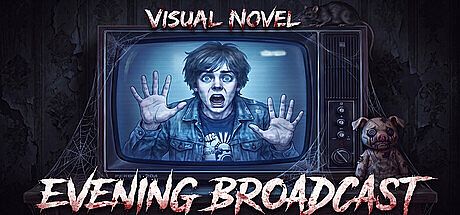



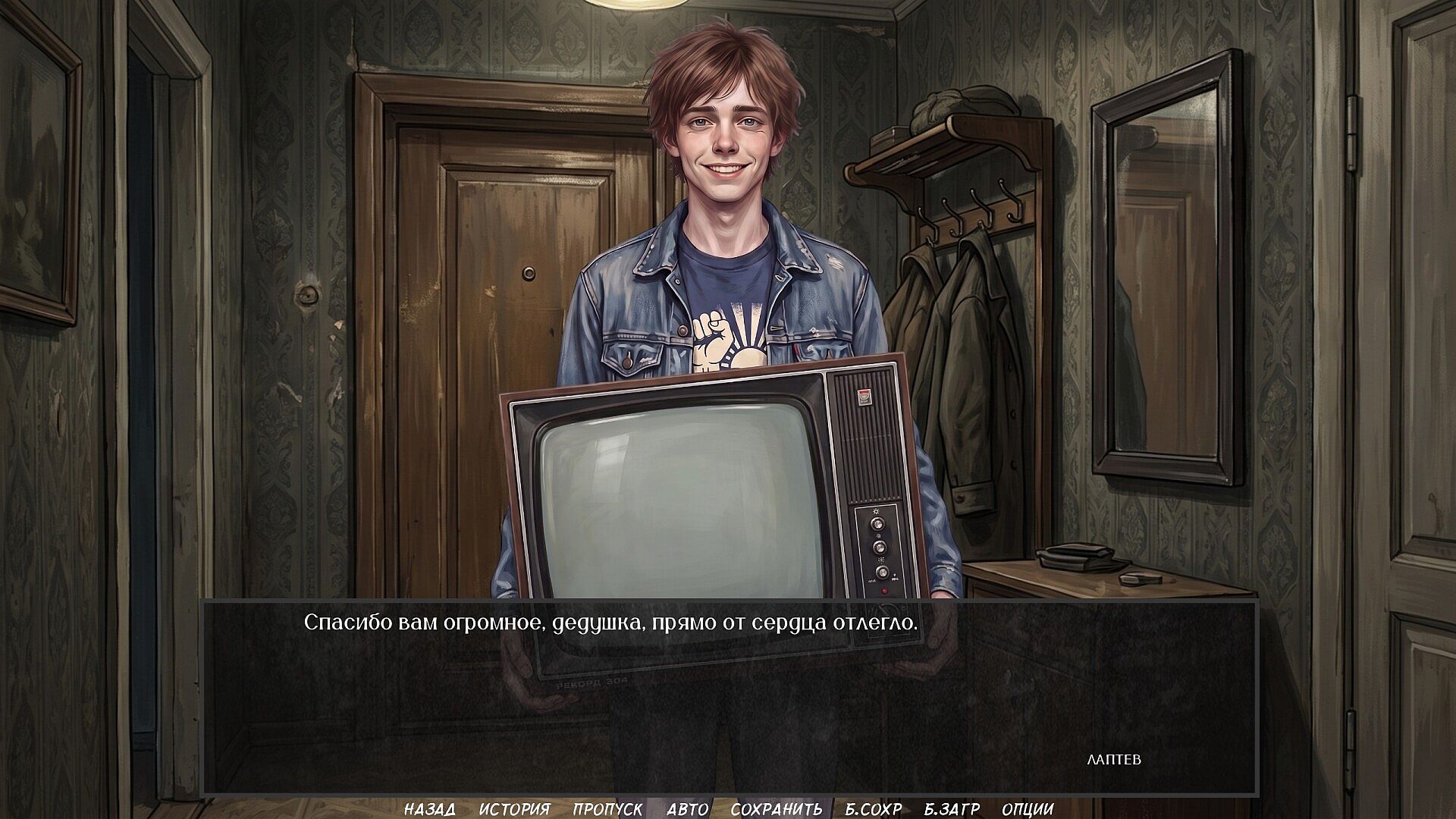
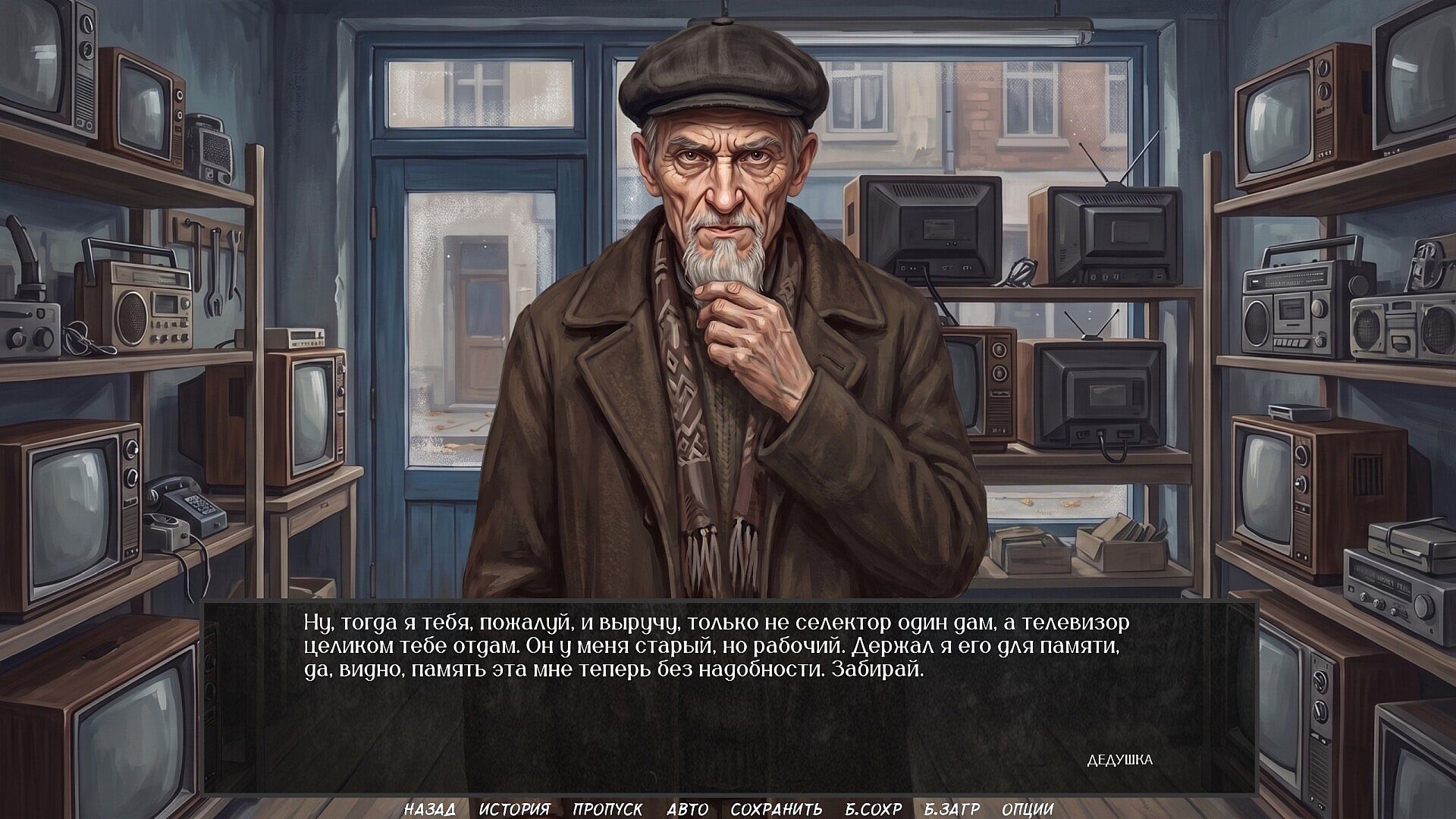
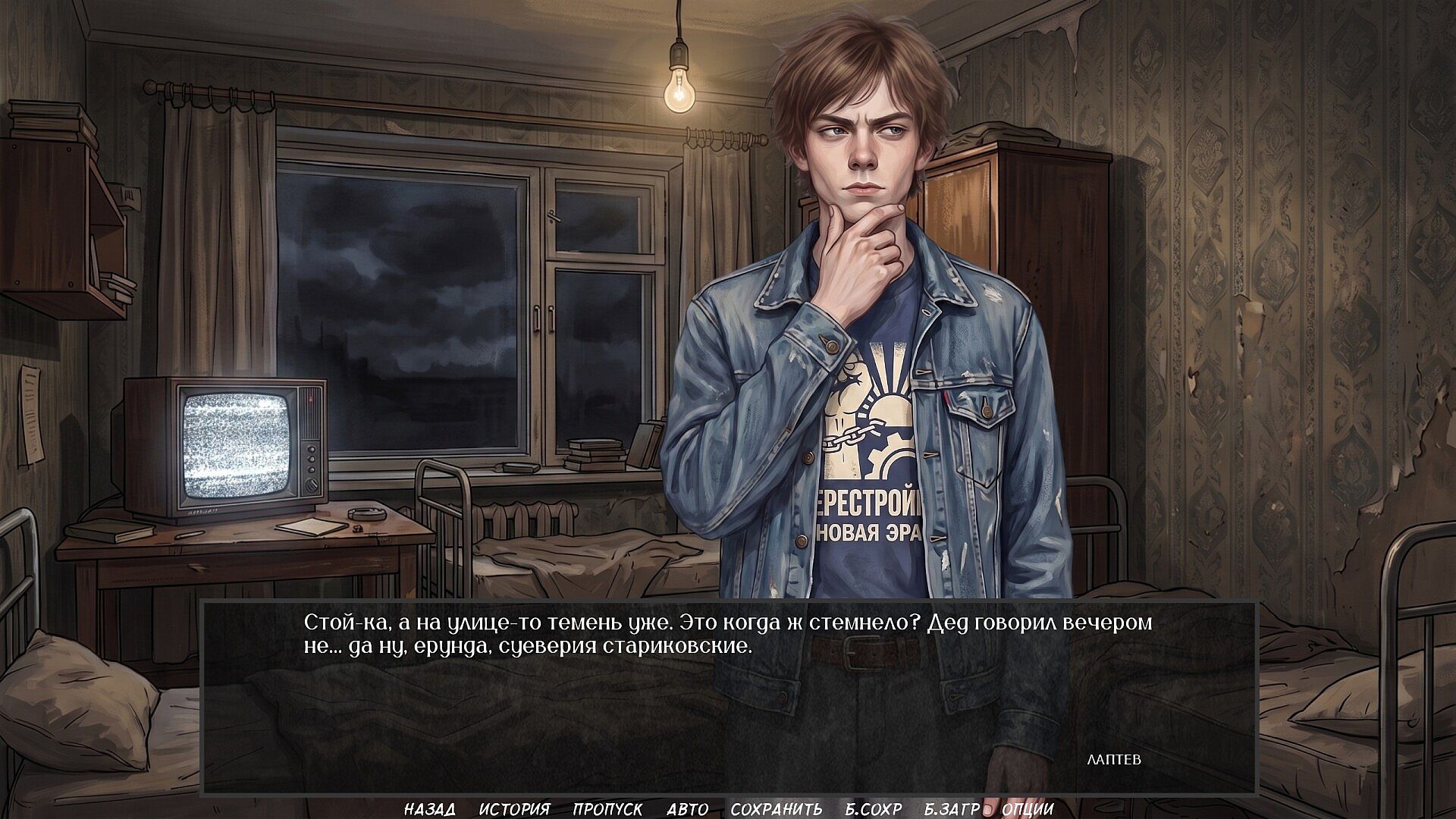
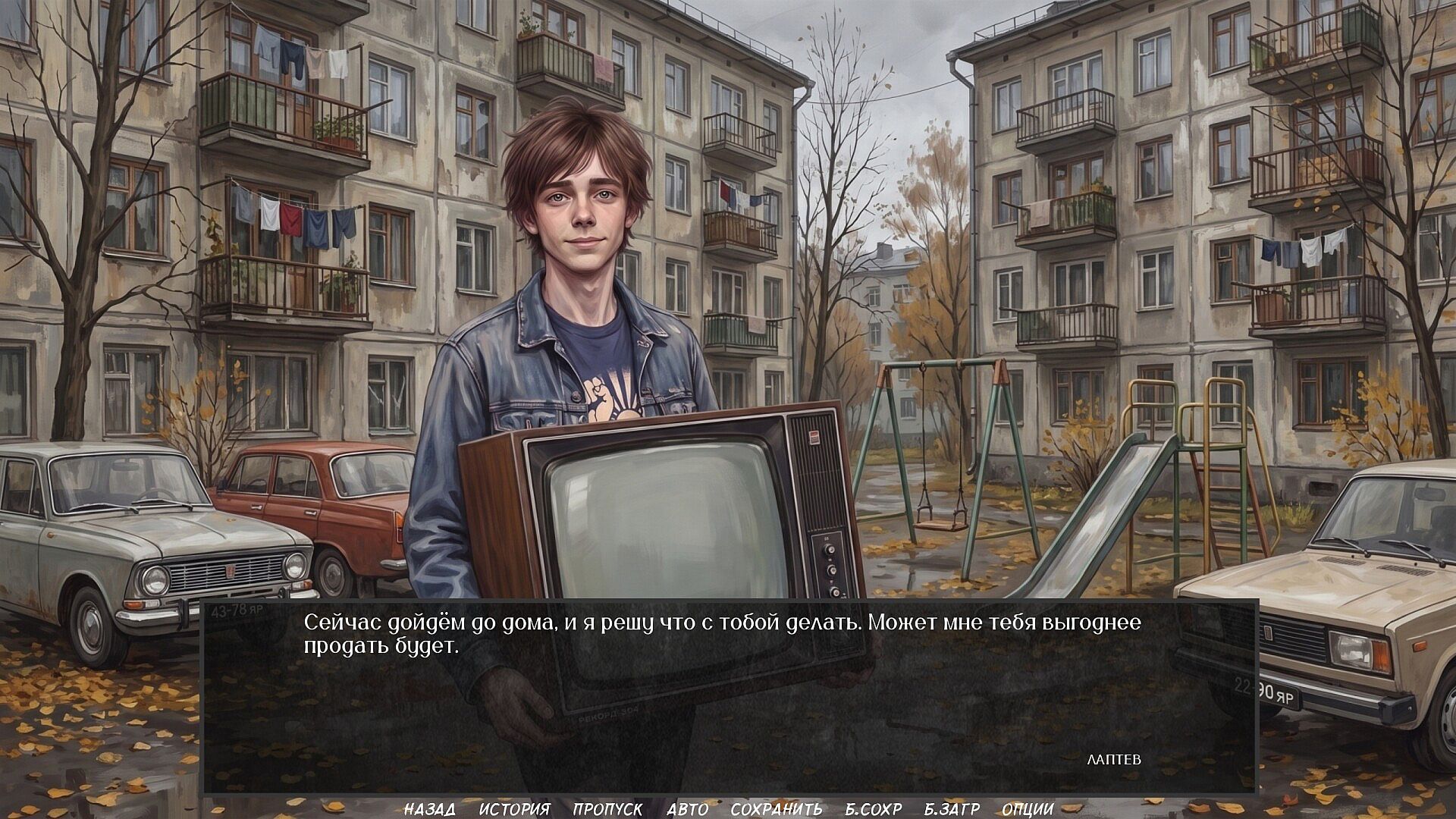
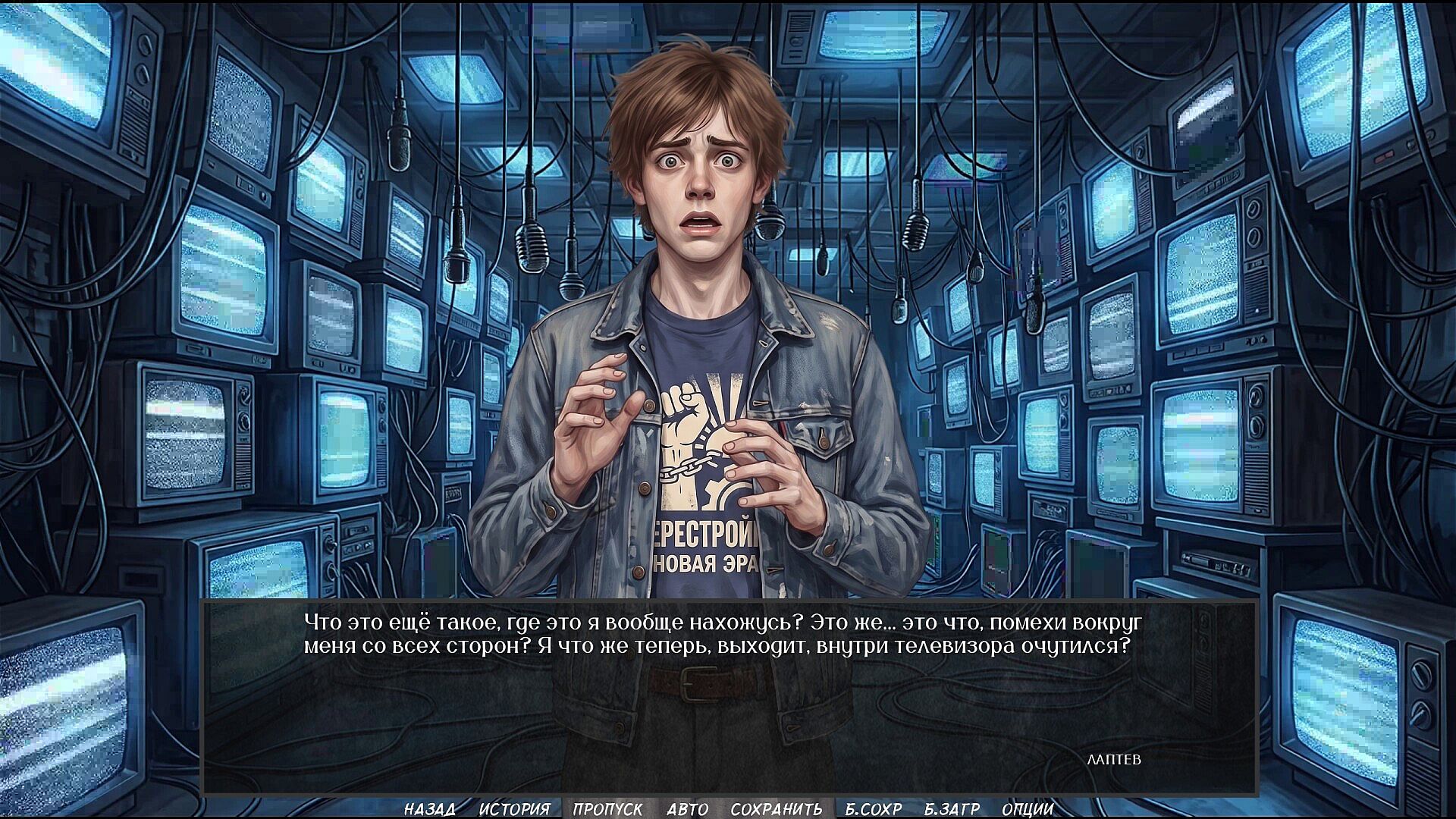
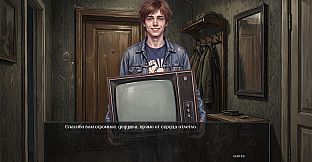
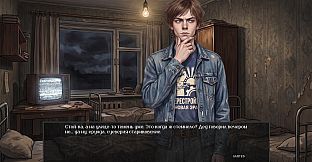
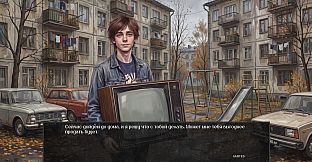
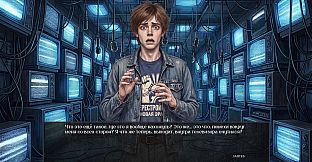
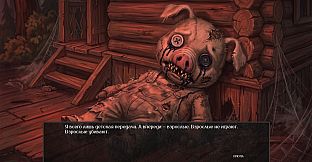
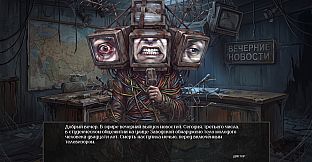
Visual Novel: EVENING BROADCAST is a single-player psychological horror title that blends visual novel storytelling with choice-driven progression across abandoned television studios. Set in 1989, the story follows student Yura Laptev after he receives an old television set and ignores a warning not to watch it in the evening. Turning it on pulls him inside the screen, where he must navigate a labyrinth of forgotten Soviet broadcast facilities filled with static, decaying sets, and presenters who test his resolve through conversation and decisions.
Gameplay
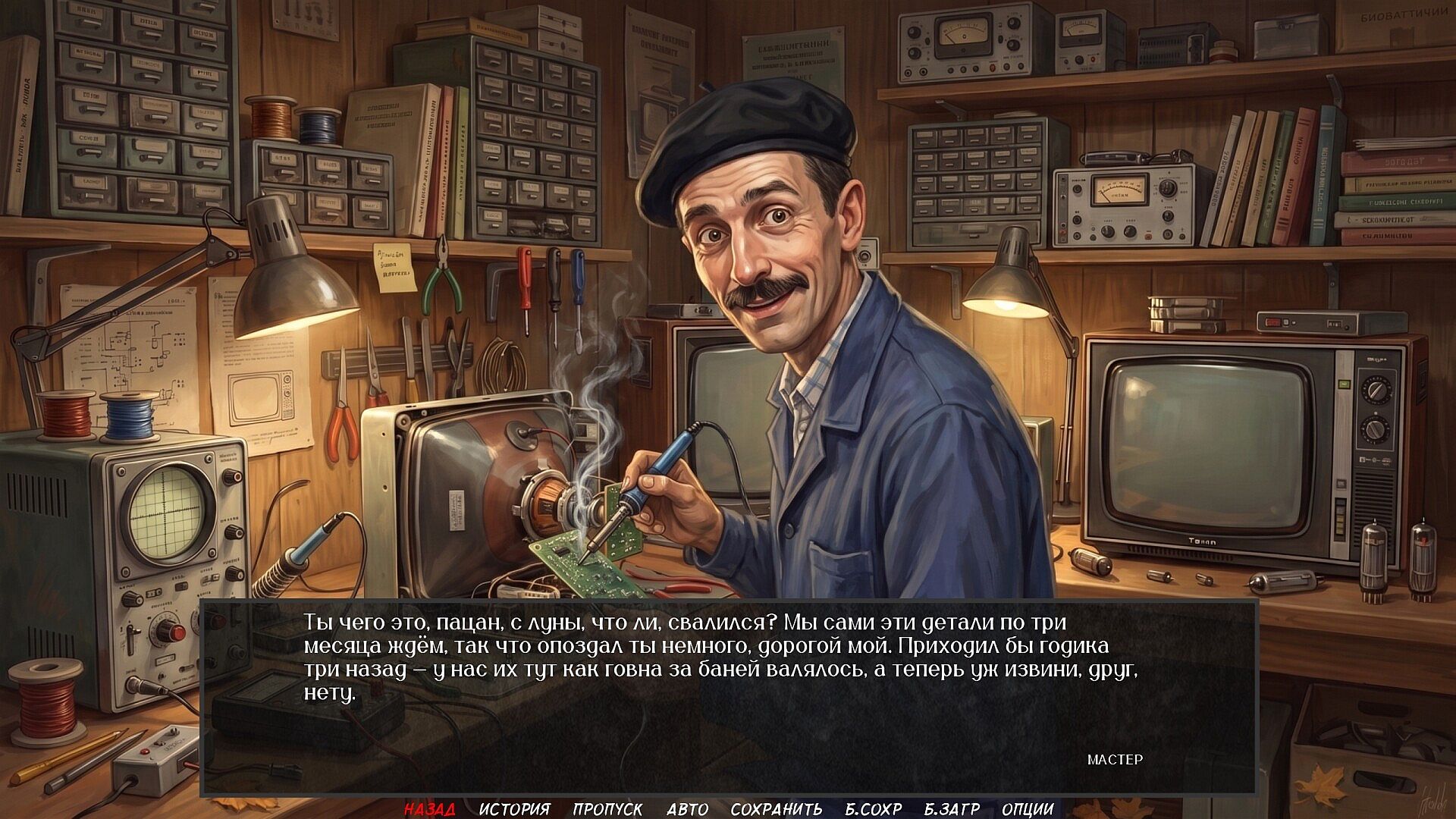
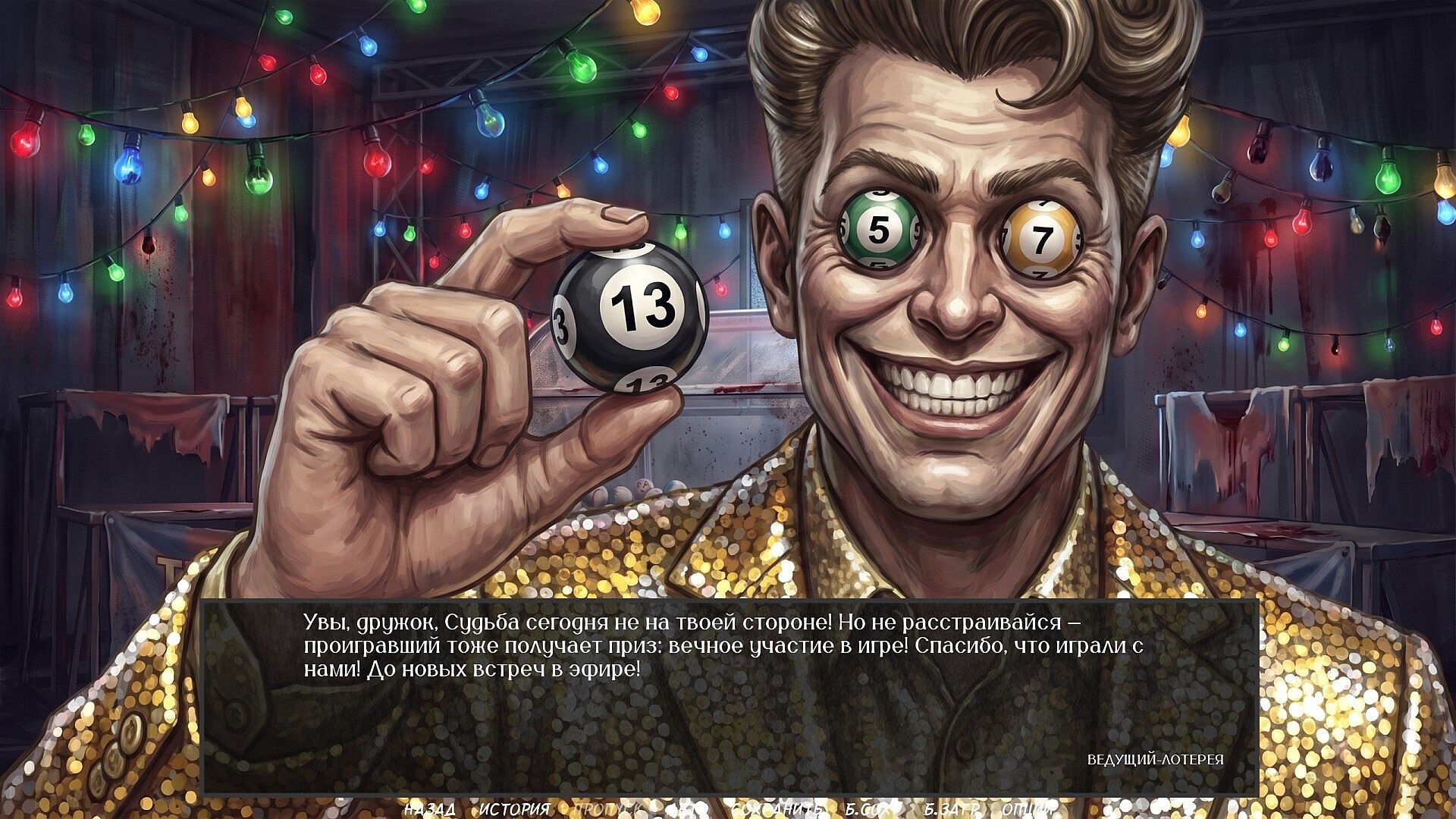
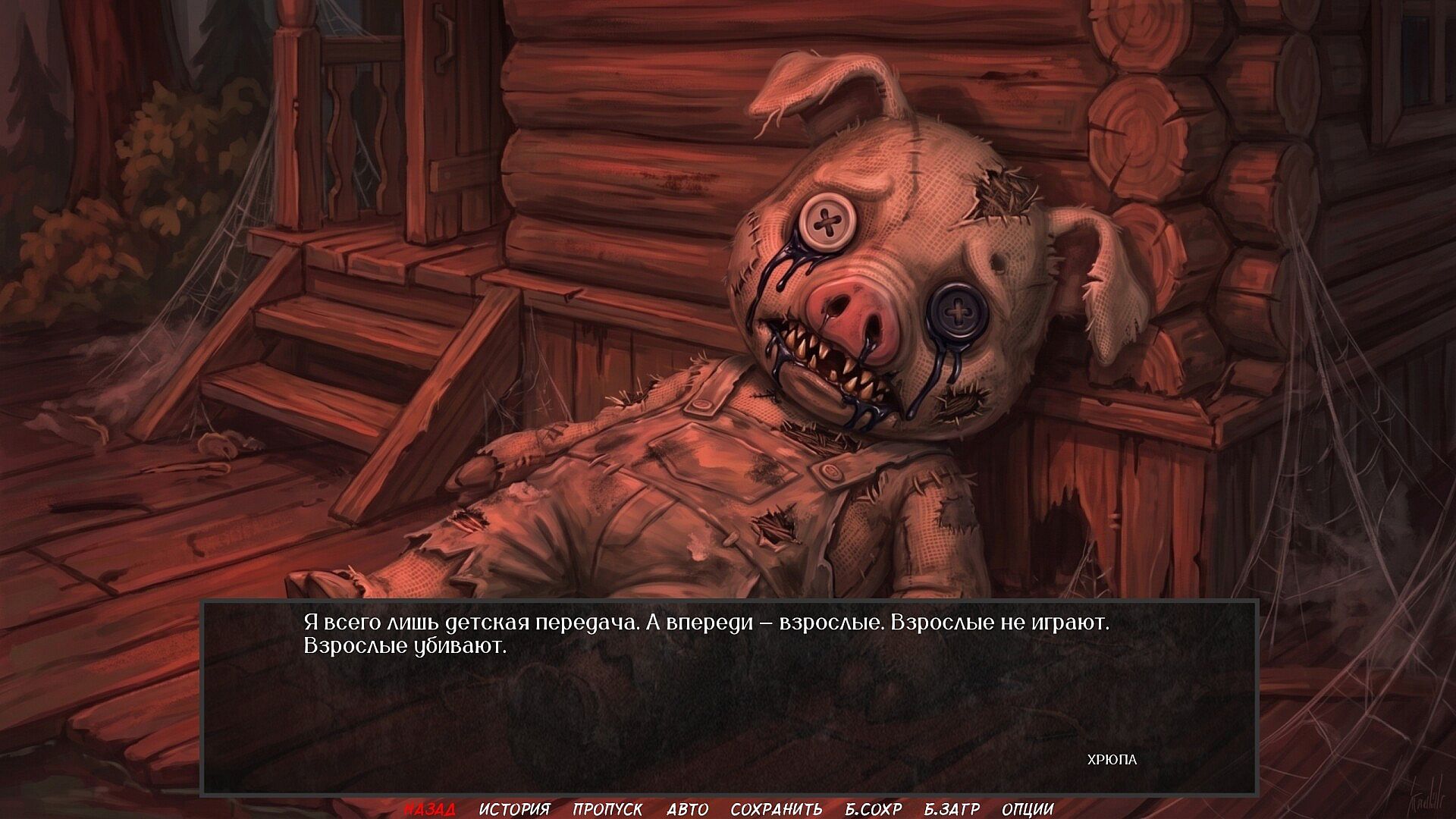
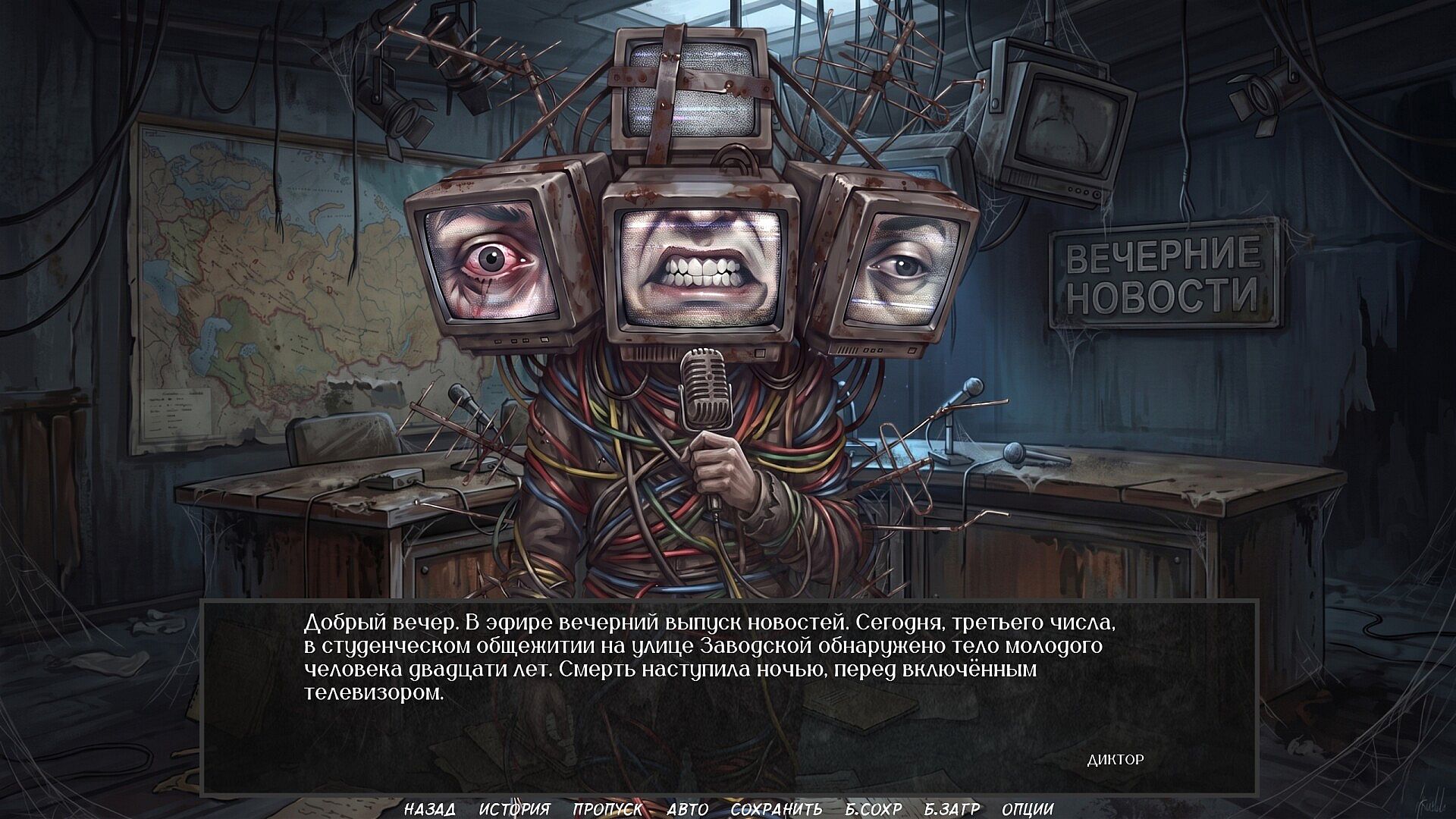
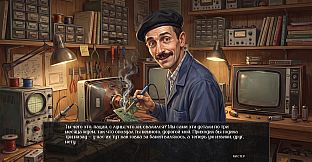
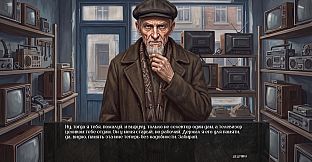
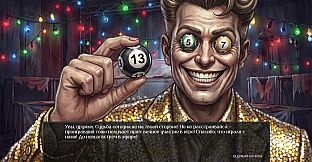
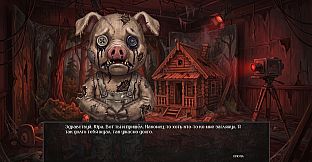
The core loop centers on exploration of individual studios followed by extended dialogue sequences. Yura encounters presenters who each operate under distinct personal rules and perspectives shaped by their past roles in broadcasting. These meetings unfold as interactive conversations where players select responses, observe reactions, and decide whether to engage, withdraw, or probe further. Success depends on reading motivations, identifying weaknesses, and weighing the immediate and long-term effects of each option rather than on reflexes or combat systems.
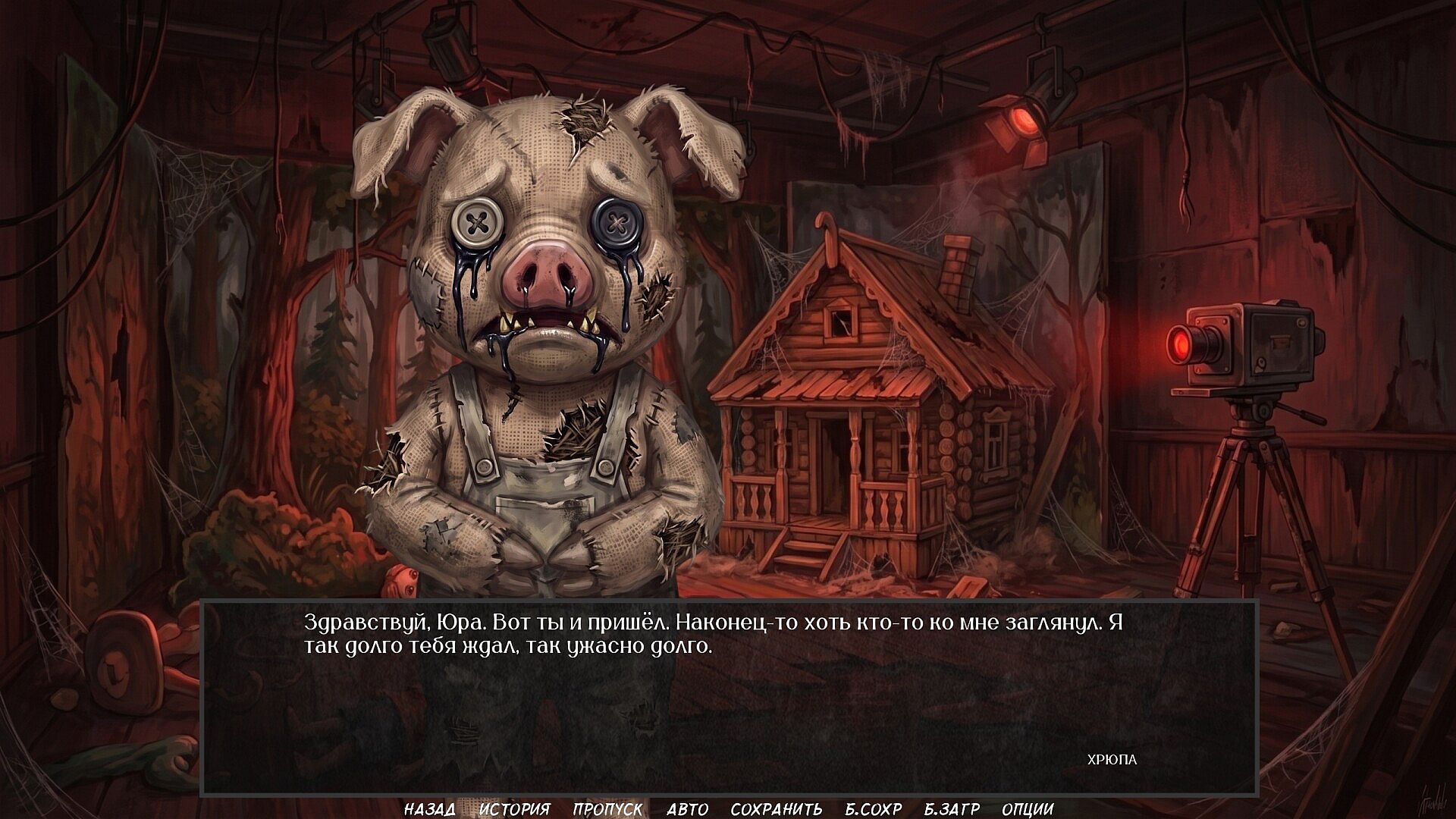
Atmospheres shift between locations, from silent static-filled voids to cluttered cardboard stages and mirrored chambers that reflect distorted versions of events. The narrative advances through ten primary encounters, each presenting a self-contained test that ties into the larger goal of escaping the broadcast world. Choices alter available paths, character behaviors, and the physical state of the environment in subsequent scenes, creating a branching structure where early decisions influence later options without resets in a single playthrough.
Visual and audio design reinforces the sense of confinement through static interference, faded program remnants, and the gradual transformation of familiar broadcast elements into something unsettling. The experience emphasizes reflection over action, with solutions often emerging from understanding why a presenter behaves as they do instead of forcing outcomes through confrontation.
Game Modes
The game operates as a linear yet highly variable single-player experience structured around sequential studio visits. There are no separate competitive or cooperative modes; progression relies entirely on the choice system that determines which paths open and which close. Each studio functions as a self-contained scenario with its own internal logic, allowing players to experiment with different approaches across replays while maintaining the same overarching timeline from the moment the television activates until resolution.
Multiple endings emerge directly from accumulated decisions, including numerous trap endings that illustrate the consequences of misreading a situation or committing to the wrong stance. These variants do not require separate game modes to access; they appear naturally based on the combination of actions taken throughout the ten encounters. The structure supports focused play sessions that can be completed in one sitting for the main story while encouraging additional runs to explore alternate outcomes and hidden consequences.
Narrative and Themes
The story examines themes of identity, manipulation, and the lingering presence of forgotten media through dialogue-heavy encounters. Presenters do not resort to physical threats in most cases; instead, they persuade, deceive, or reveal vulnerabilities that force Yura to confront his own assumptions. Body horror elements appear in specific transformations and deformations tied to failed choices, alongside motifs of suffocation, hypothermia, and surgical imagery that underscore the loss of autonomy once inside the screen.
Every studio preserves echoes of its original purpose, now twisted by isolation and hunger for new participants. The writing avoids overt exposition in favor of letting the logic of each presenter reveal itself through conversation, rewarding careful attention to phrasing and body language cues described in the text.
Is It Worth Playing?
Evening Broadcast suits players who prefer deliberate, text-focused experiences with irreversible consequences and multiple endings over fast-paced action or open-world exploration. Its strength lies in the weight given to each decision and the way the setting of derelict television studios creates a consistent atmosphere of melancholy and entrapment. Those drawn to psychological horror that unfolds through persuasion and reflection rather than jump scares or combat will find the structure rewarding on repeated playthroughs, as different choices produce distinct trap endings and altered final states. The complete journey fits within a single evening for the primary path while offering enough variation to justify additional sessions focused on understanding the presenters' individual logics.