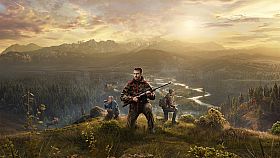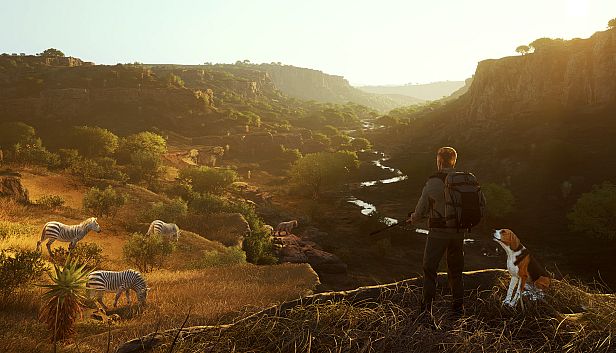


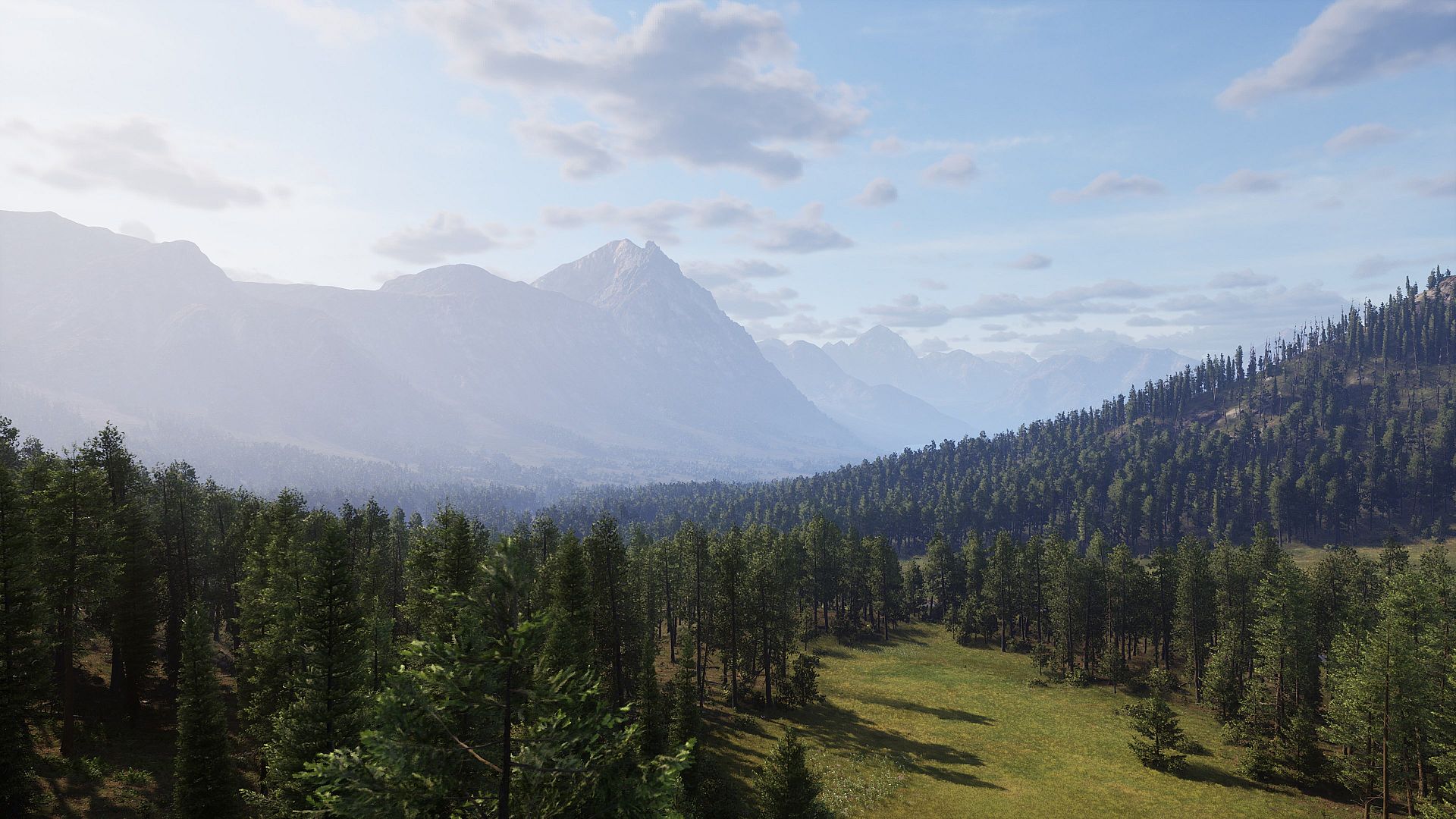
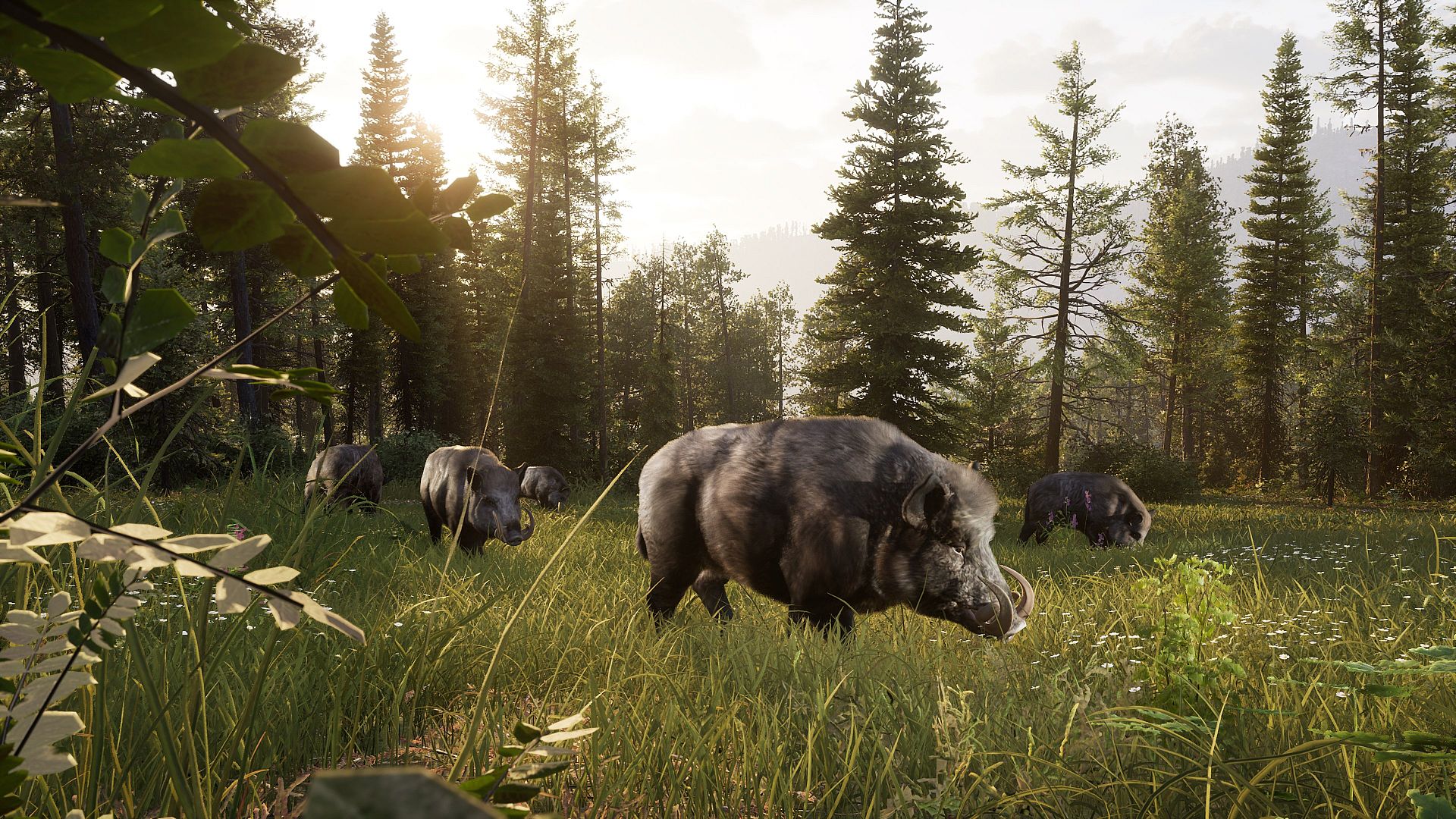
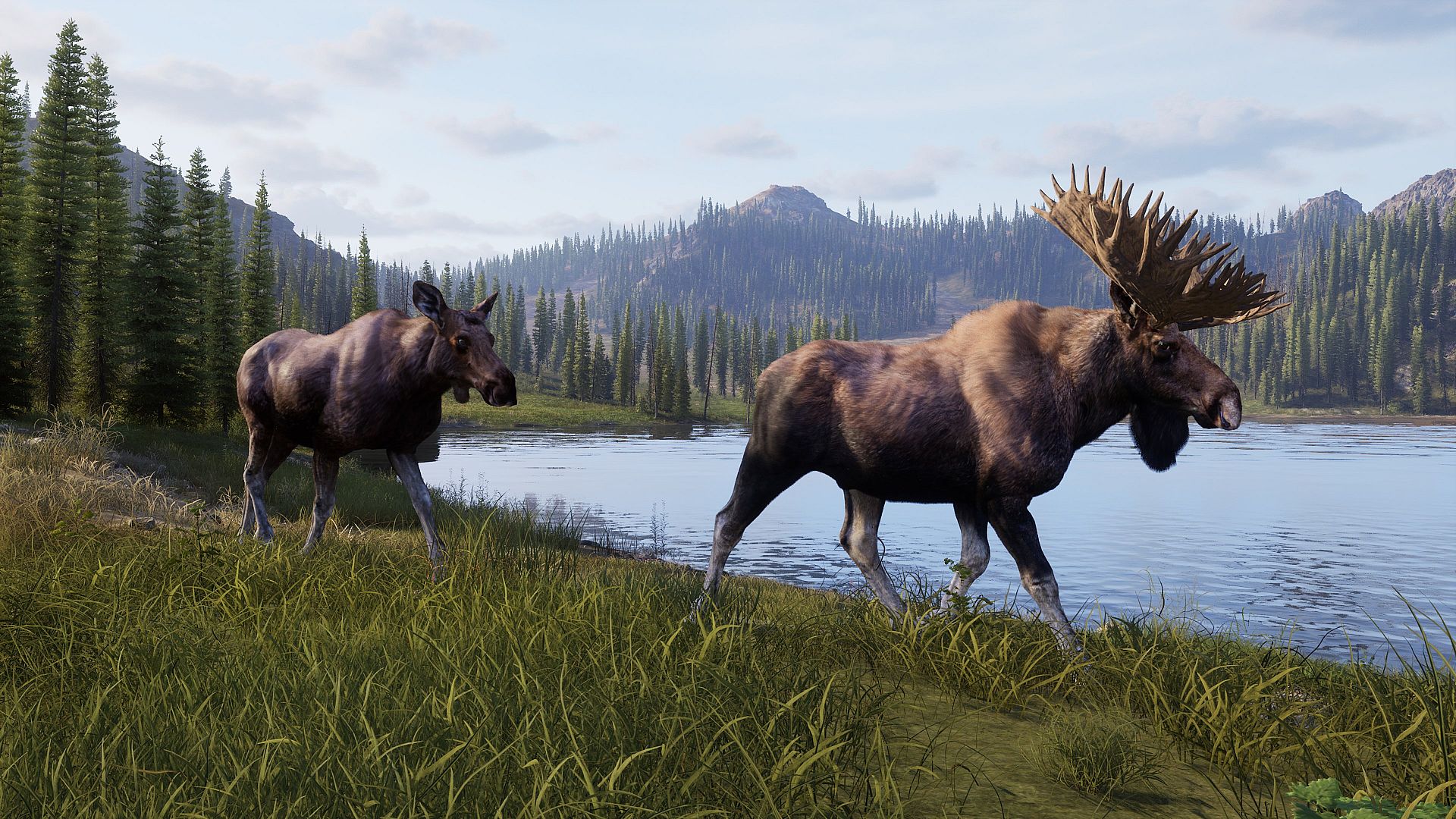
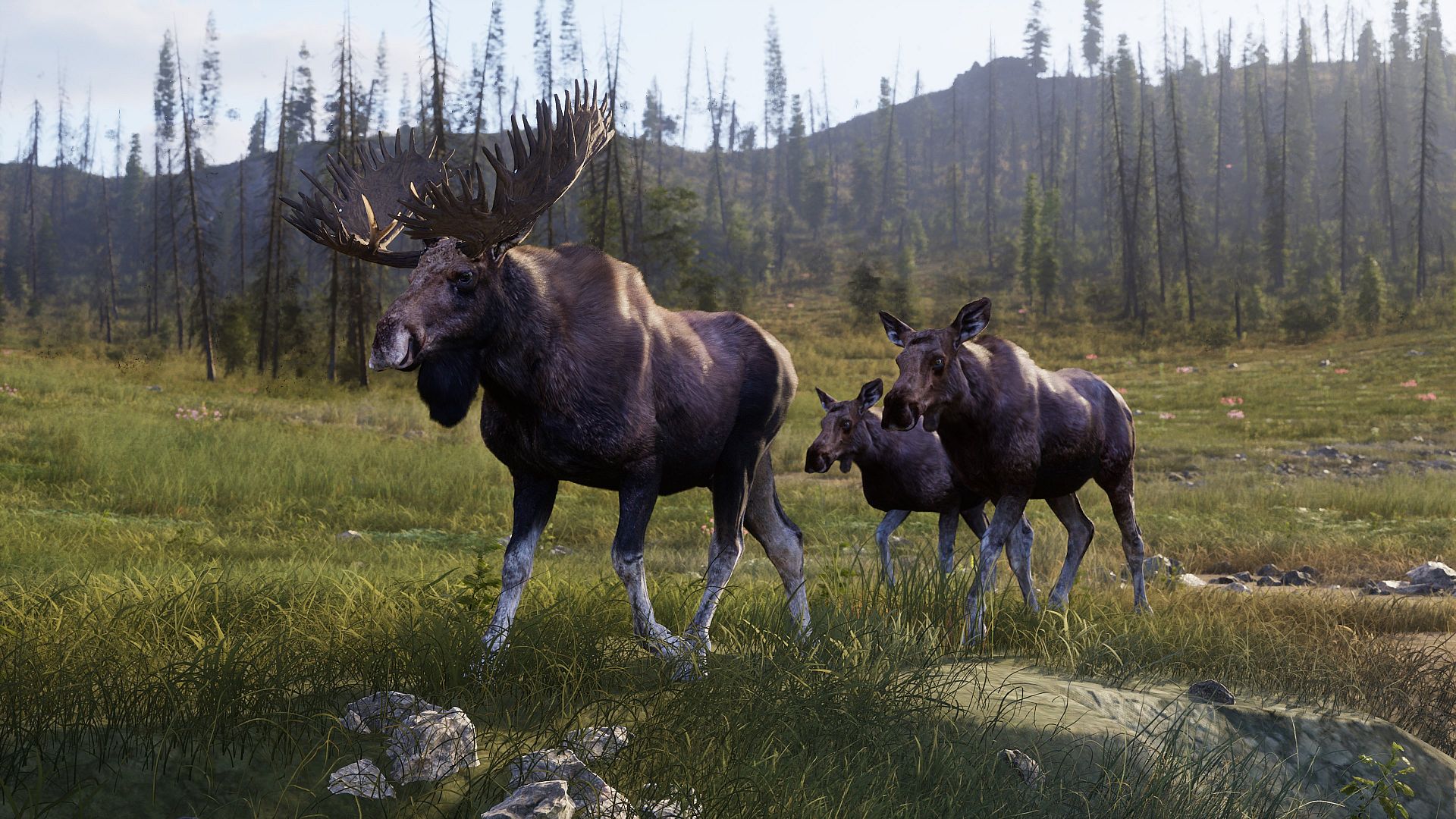
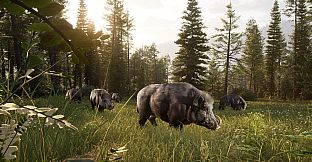
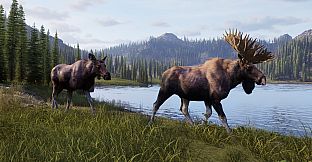
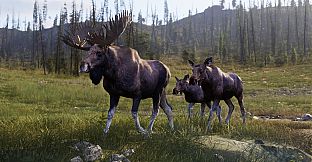
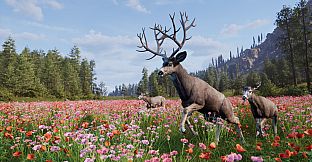
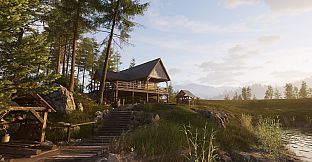
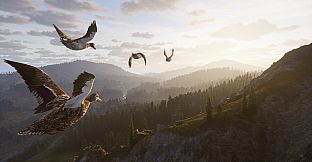
Way of the Hunter 2 is an open world hunting simulation game that places players in realistic wilderness settings across North America and Africa. Developed as a sequel to the original title, it emphasizes authentic tracking, ethical shot placement, and environmental awareness rather than arcade style action. The experience centers on single player progression through structured challenges and free exploration, with a focus on animal behavior, terrain navigation, and lodge based management systems.
Gameplay
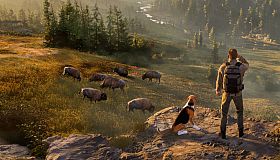
Core mechanics revolve around patient observation and precise execution during hunts. Players track animals using signs, calls, and a loyal hunting dog companion that locates trails, retrieves wounded game, and improves through training. The dog integrates directly into the loop by scouting ahead or assisting in dense cover where visibility is limited.
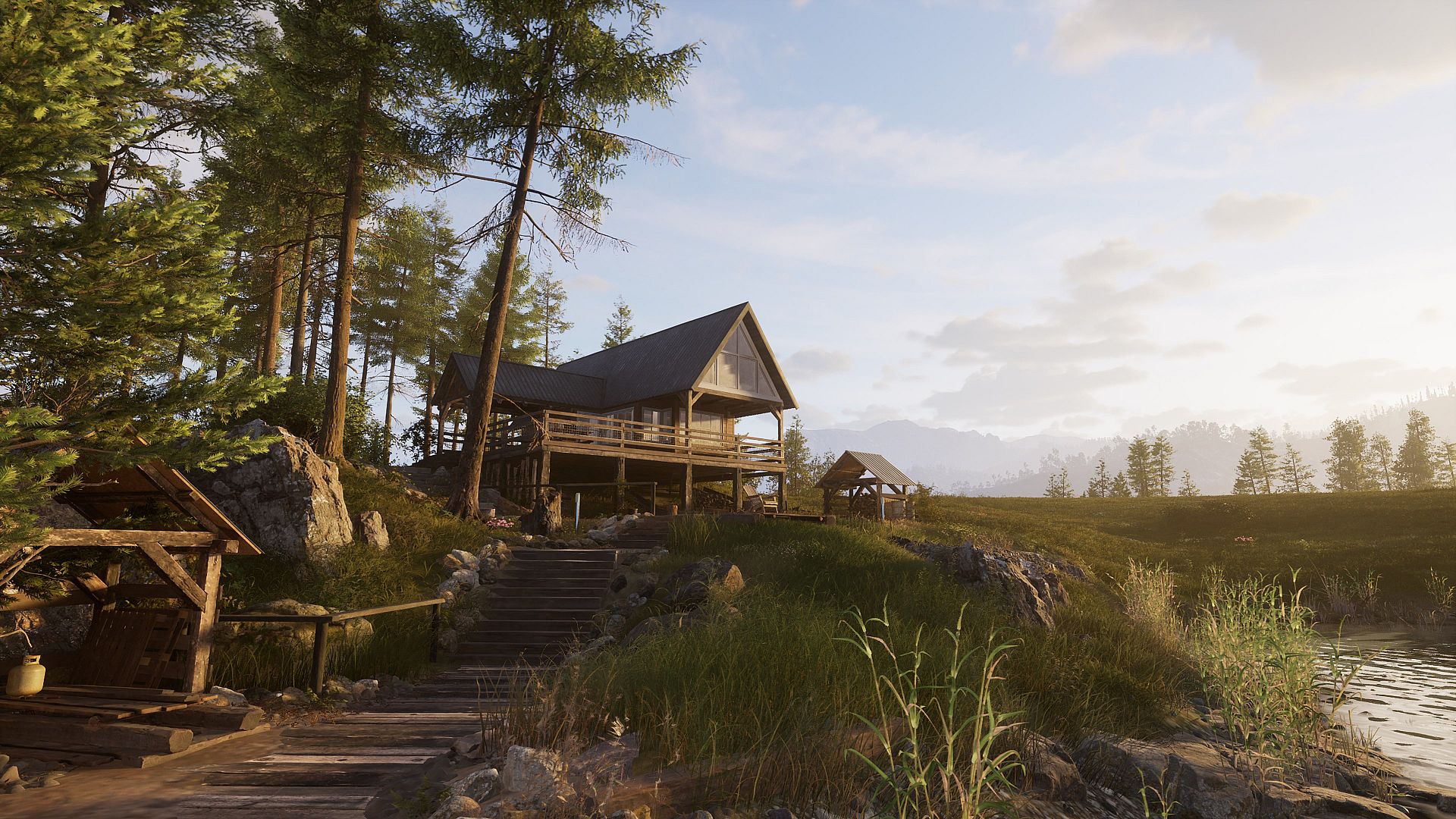
Exploration takes place in vast territories that include dense forests, river valleys, and savanna regions. Tents serve as portable hubs for fast travel, weather waiting, or time skipping, while blinds and decoys help lure birds and smaller species into range. A central hunting lodge acts as the main base where players plan outings, display trophies, and unlock upgrades that enhance gear handling and personal skills over time.
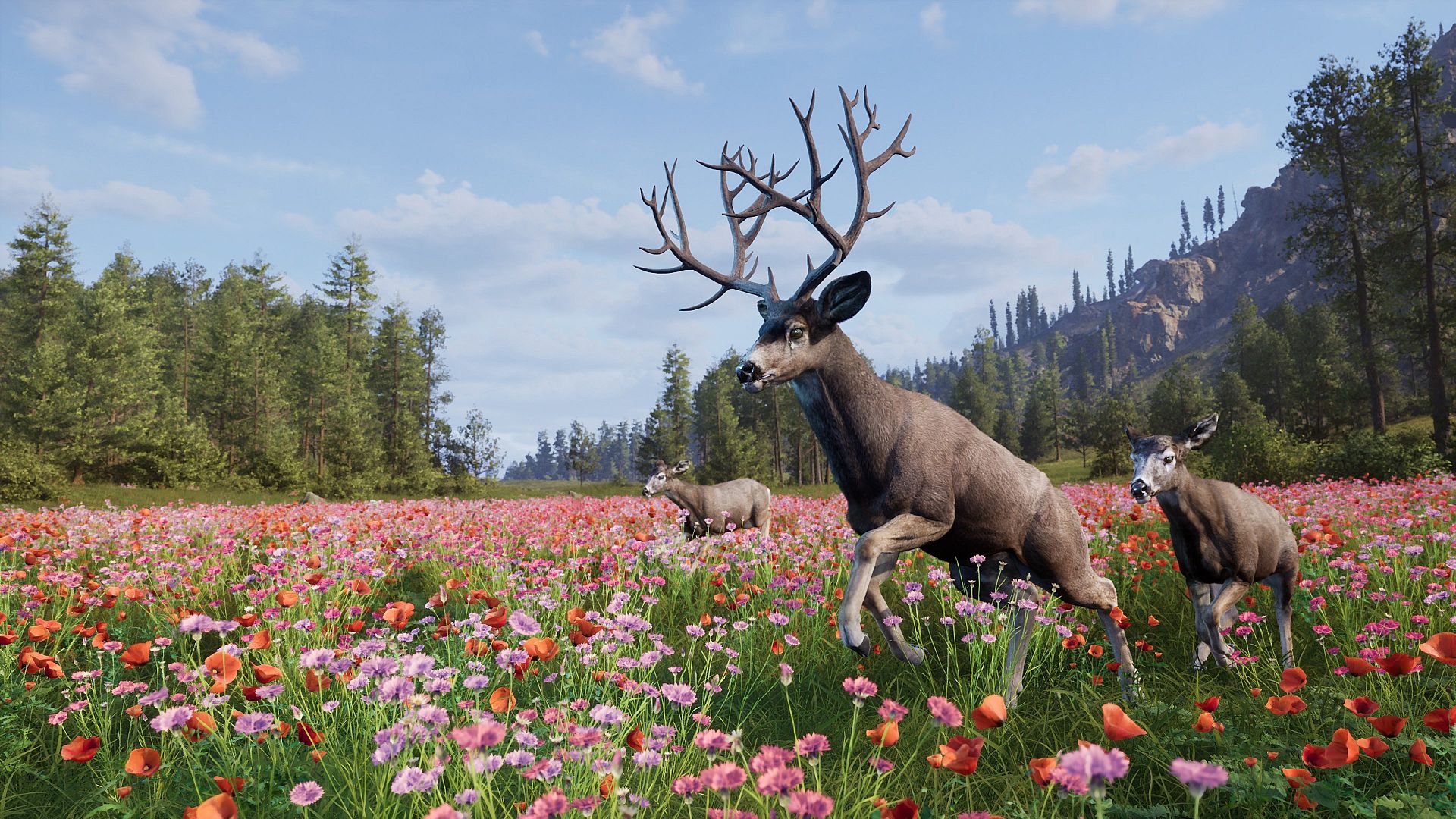
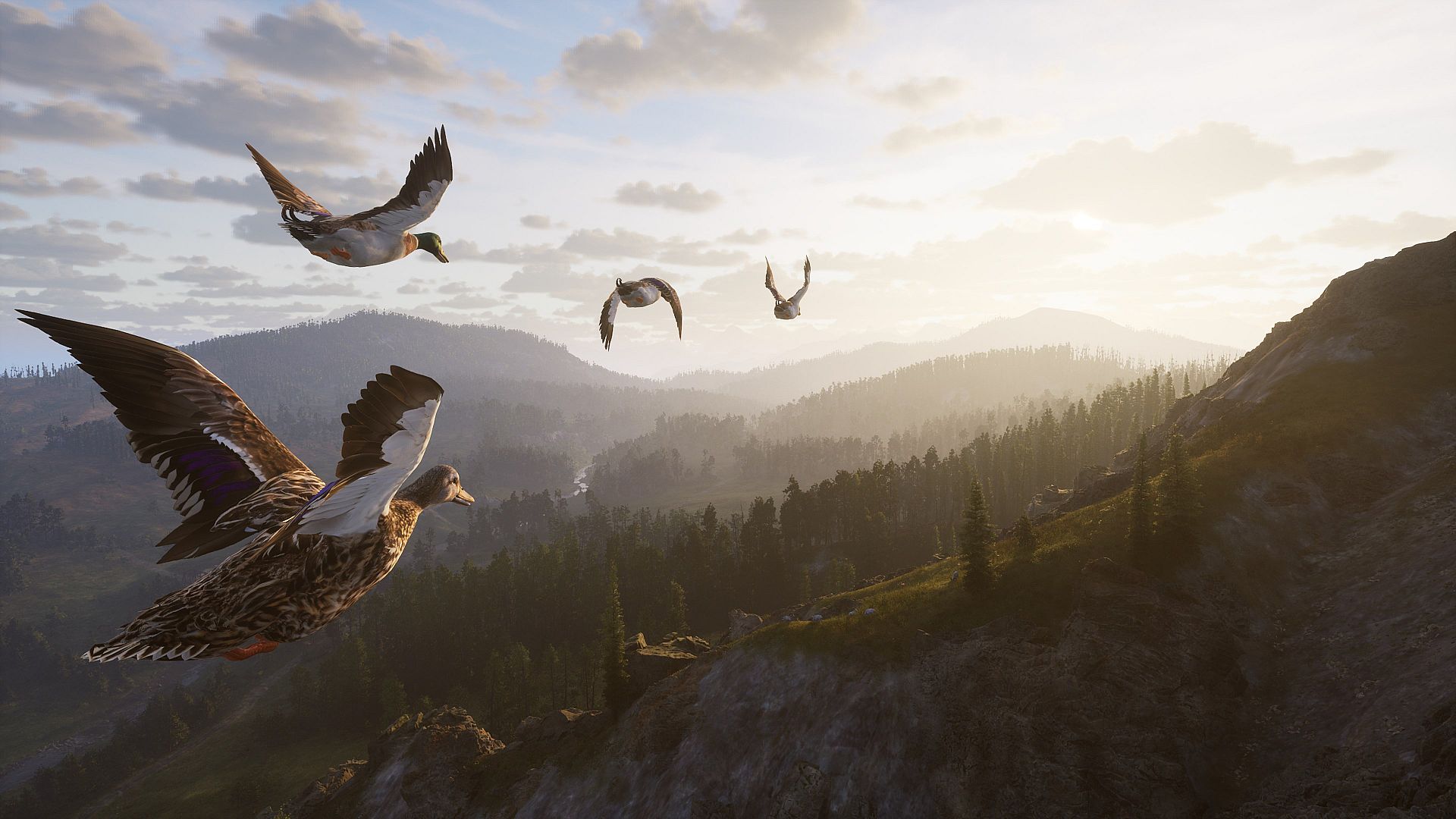
Weapon handling requires attention to ballistics, with options ranging from classic engraved rifles to modern frames suited for different distances and game sizes. Shot analysis tools provide feedback on placement and animal reaction, encouraging refinement of technique across repeated sessions. North American species such as moose, elk, bears, bison, rabbits, turkeys, and various birds populate one set of maps, while African regions feature hippos, buffalo, lions, and Nile crocodiles that demand different approaches due to size and aggression levels.
Game Modes
The primary experience splits between structured single player missions and open world free hunt sessions. Missions introduce narrative context through interactions with local NPCs, such as a dog trainer and former warden in New Laurentia who task players with investigating unusual moose behavior. In the Kilimaya Reserve, objectives involve supporting a safari guide, training with an archery specialist, and engaging a retired huntress figure.
Free hunt mode allows unrestricted roaming across the full maps at any time, with animal populations managed through realistic need zones and respawn patterns. Multiplayer modes are planned as separate persistent worlds that do not overlap with single player instances, though they remain unavailable during the current early access phase and are scheduled for later updates.
Progression and Features
Character development occurs through repeated hunts that build familiarity with specific weapons and environments. Lodge upgrades provide tangible benefits like improved storage, new equipment access, and aesthetic customizations that reflect personal achievements. The system rewards consistent play by expanding options for both casual outings and targeted trophy pursuits without introducing artificial timers or paywalled elements in the base experience.
Weather, time of day, and animal AI influence every outing, creating natural variety that prevents repetition across sessions. Players manage inventory and loadouts at the lodge before heading out, with emphasis on preparation matching the intended quarry and terrain.
Is It Worth Playing?
Player reception on Steam stands at mostly positive, with 74 percent overall approval from more than 1,200 reviews and 78 percent in recent feedback. The game remains in early access with active updates that refine animal behavior, add equipment, and expand map features ahead of the full release targeted for September 2026 on Xbox Series X|S and other platforms.
This title suits players who enjoy methodical simulation gameplay over fast paced action. Those seeking realistic hunting loops with companion mechanics and lodge progression will find consistent depth, while anyone preferring immediate multiplayer or story heavy campaigns may want to wait for post launch additions. The current state supports substantial solo playtime through the two main regions and mission structure already available.