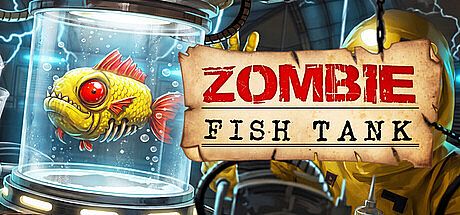


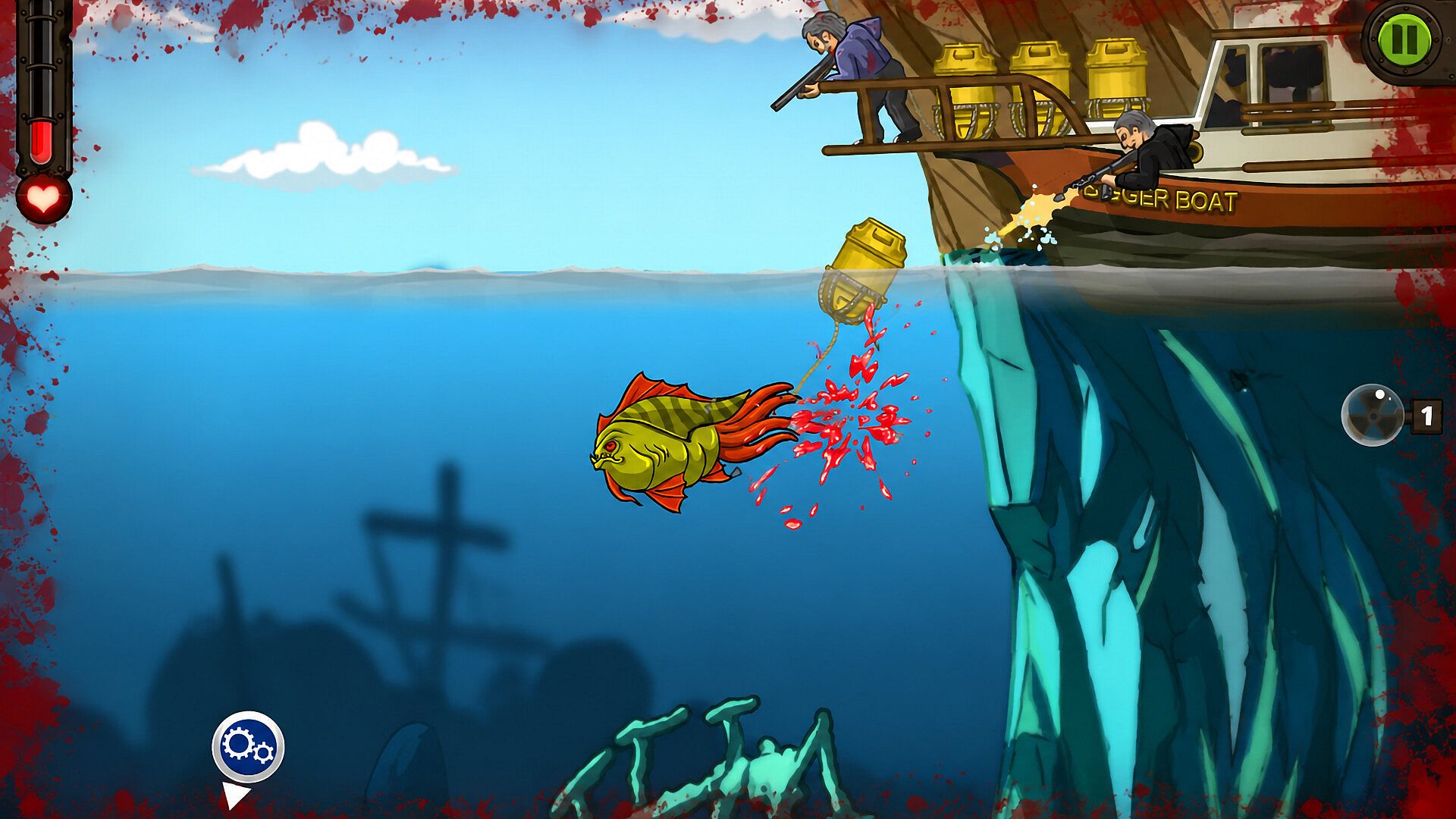
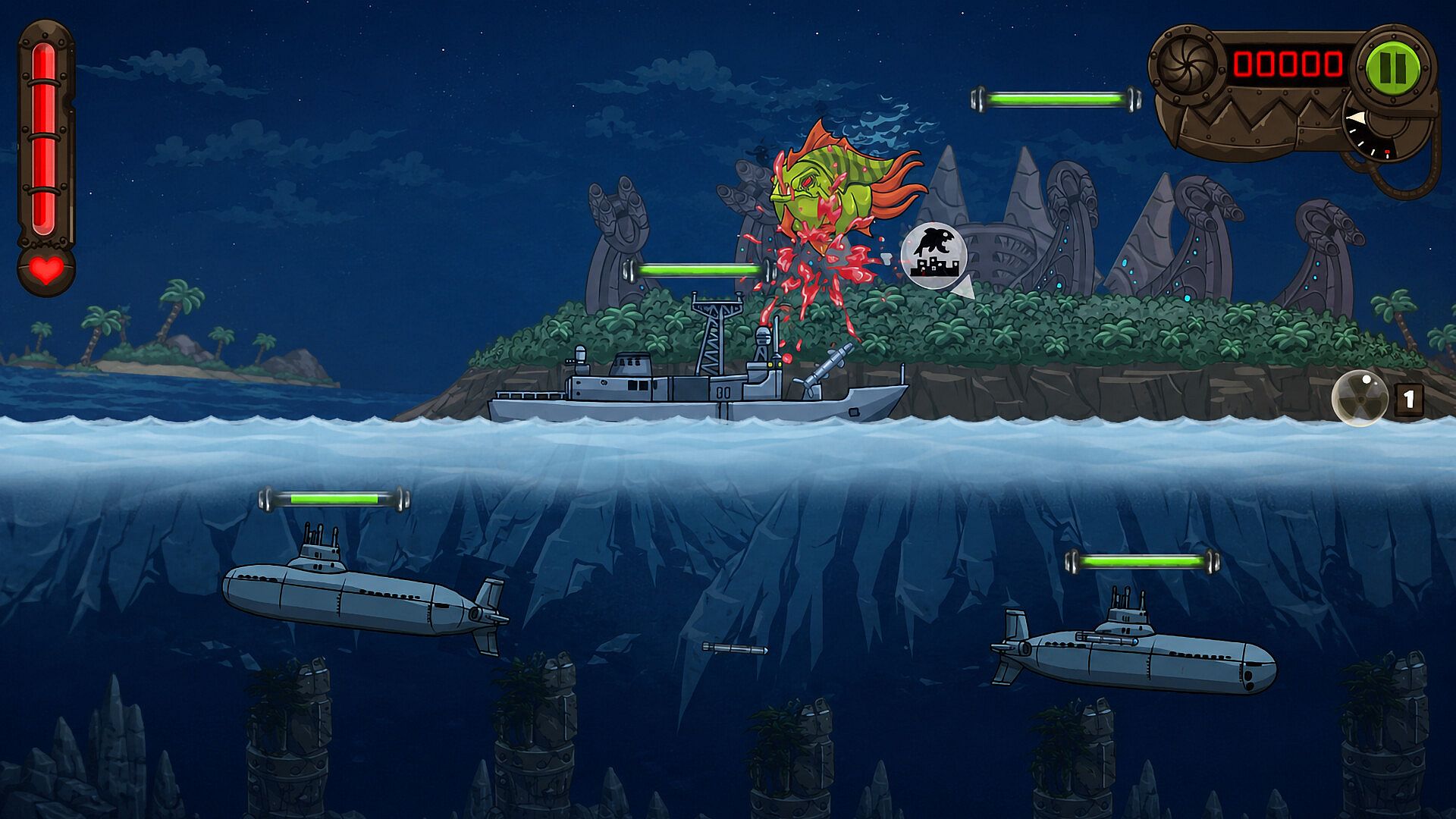
Zombie Fish Tank is an action casual game for PC centered on controlling a reanimated fish that eats smaller prey to grow larger while navigating laboratory-inspired environments. The core loop revolves around survival and progression through a revenge-driven story that begins with the fish losing its freedom and life to cruel experiments before returning as an undead force.
Gameplay
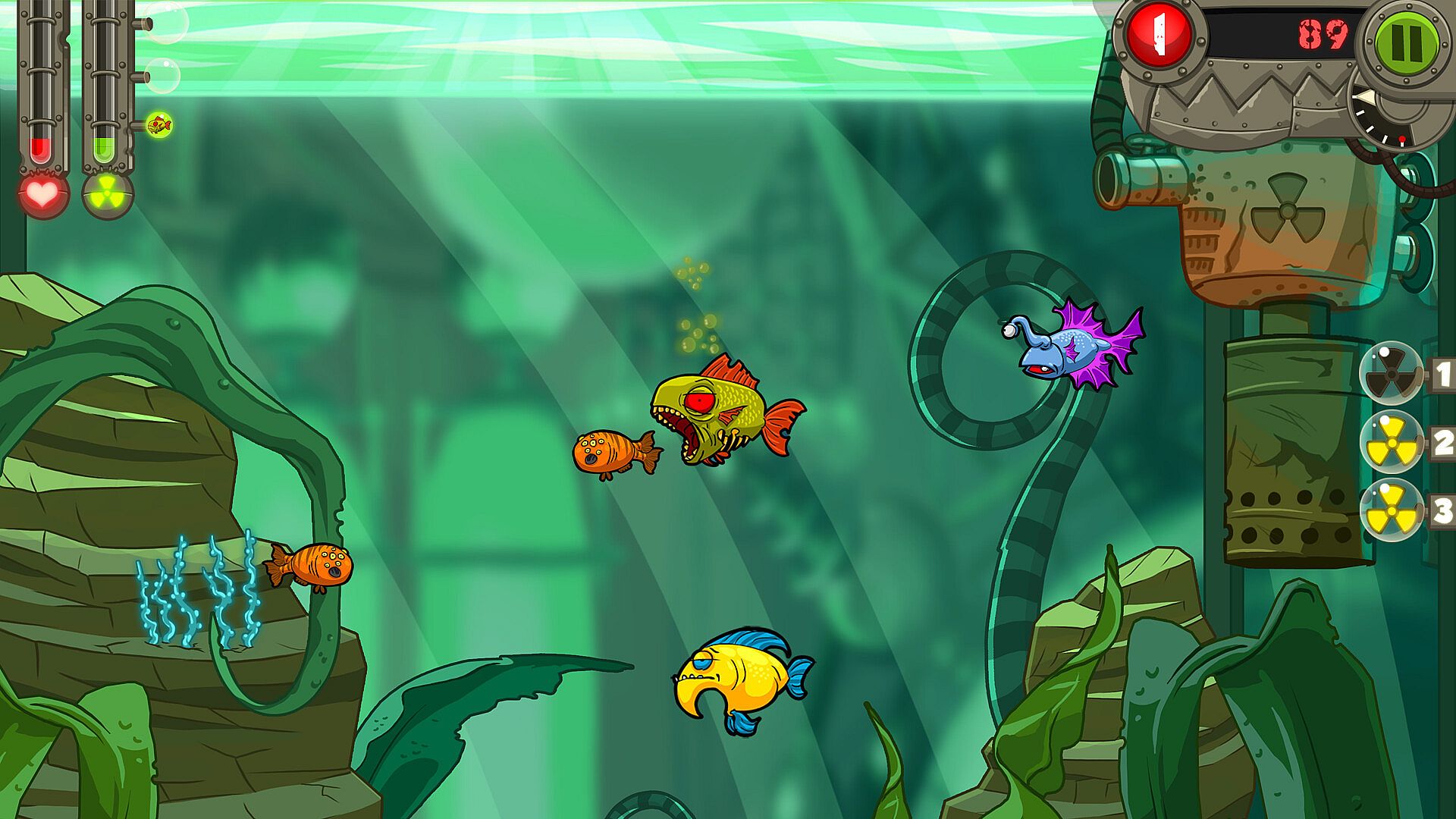
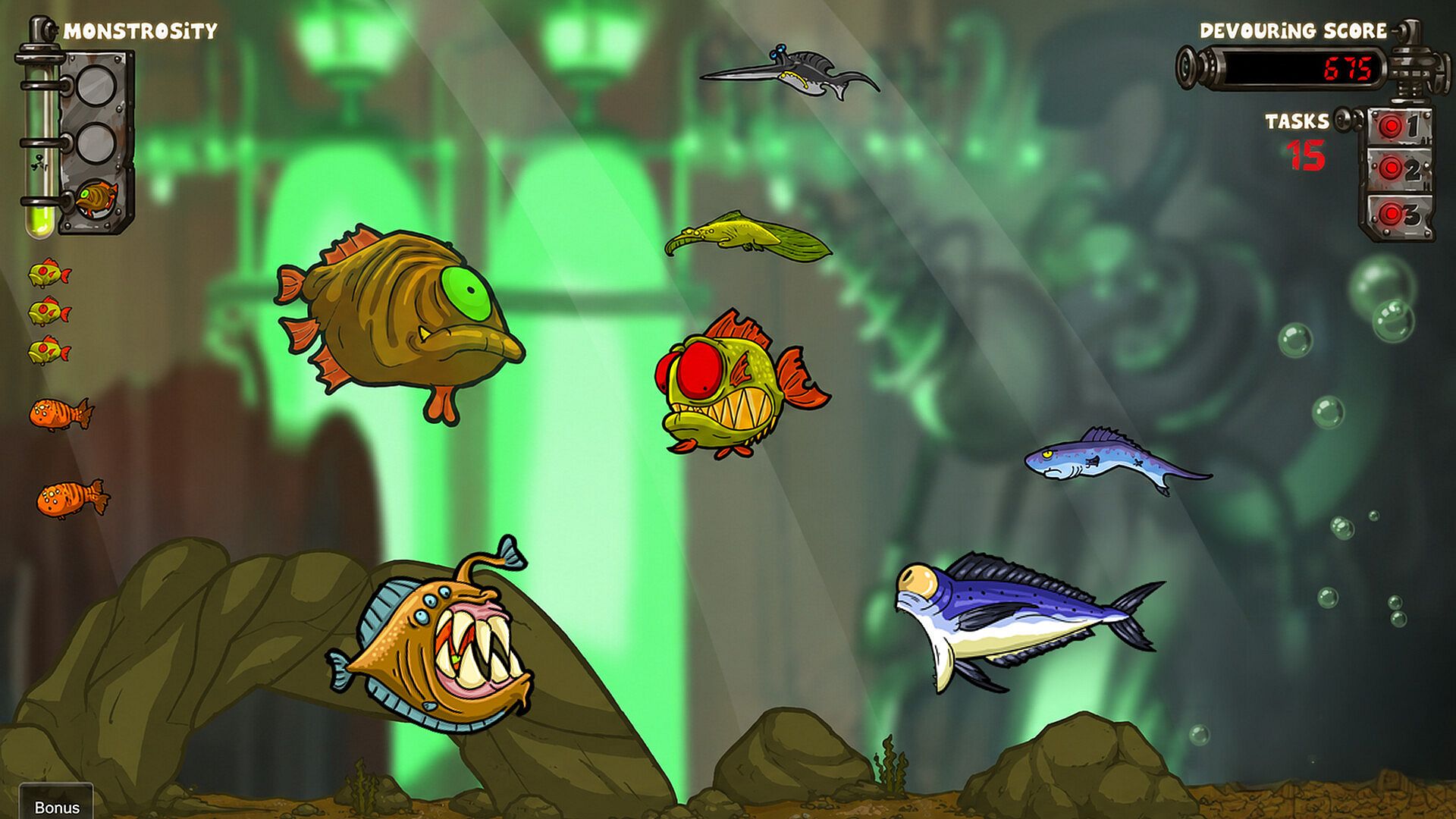
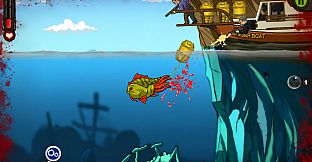
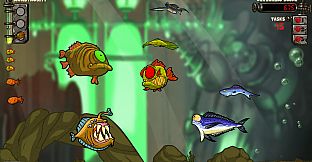
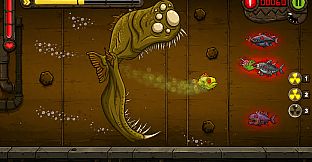
Players guide the zombie fish through stages by directing its movement to consume smaller fish and avoid becoming prey themselves. Growth occurs naturally after sufficient meals, unlocking access to larger targets and altering the balance of encounters. Over 80 distinct fish species appear across the experience, each occupying a specific position in the chain and featuring unique visual designs.
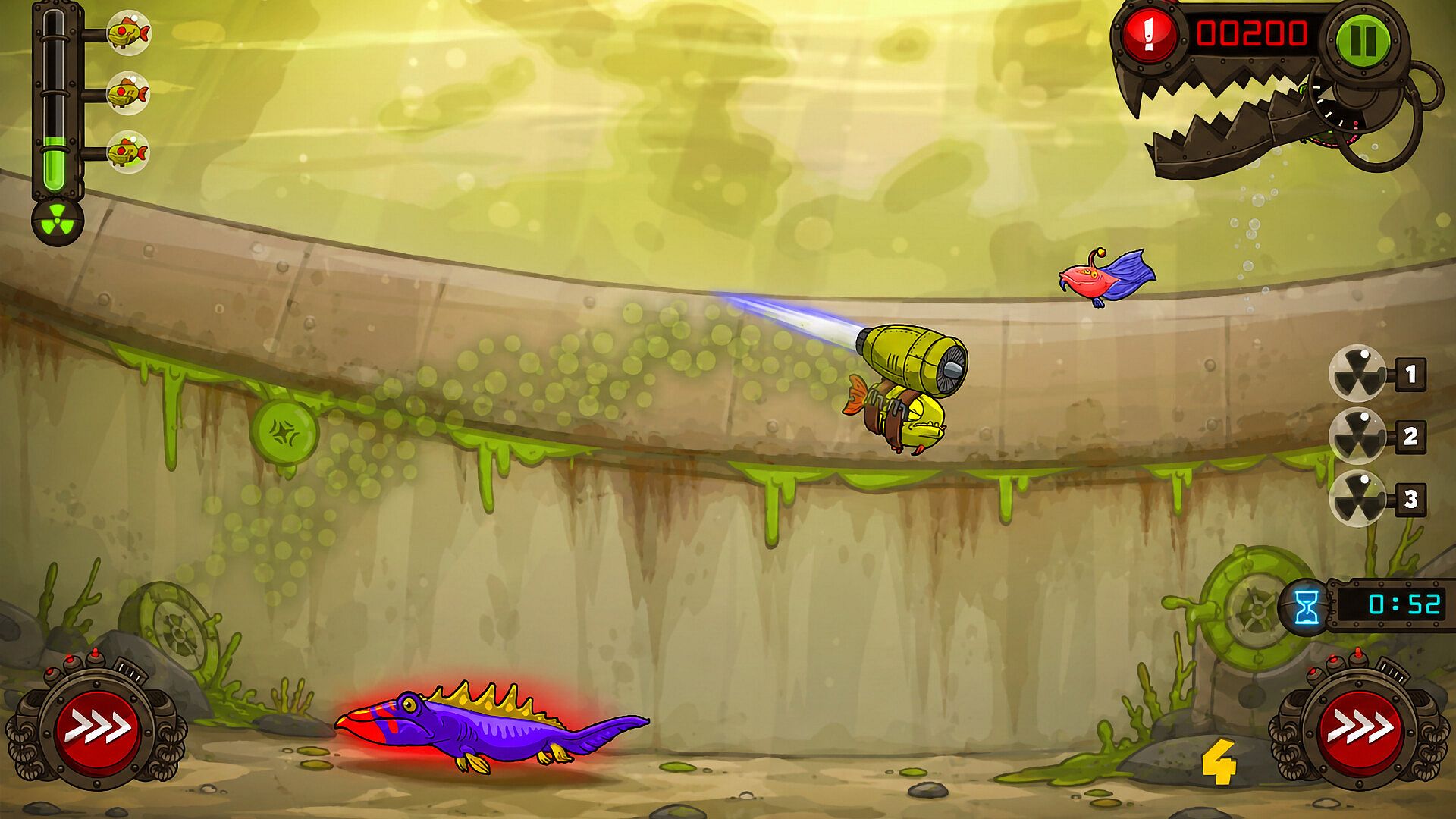
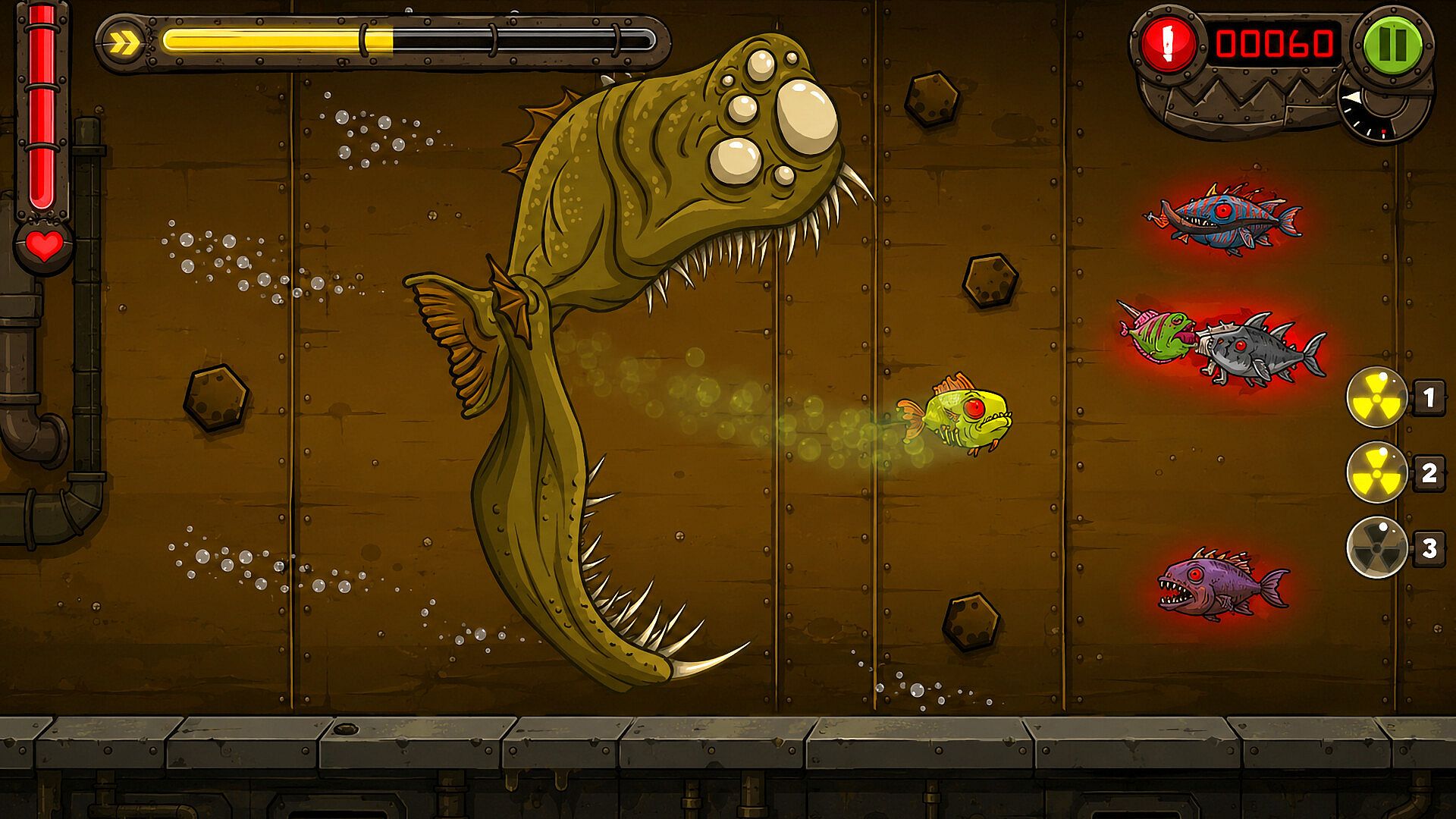
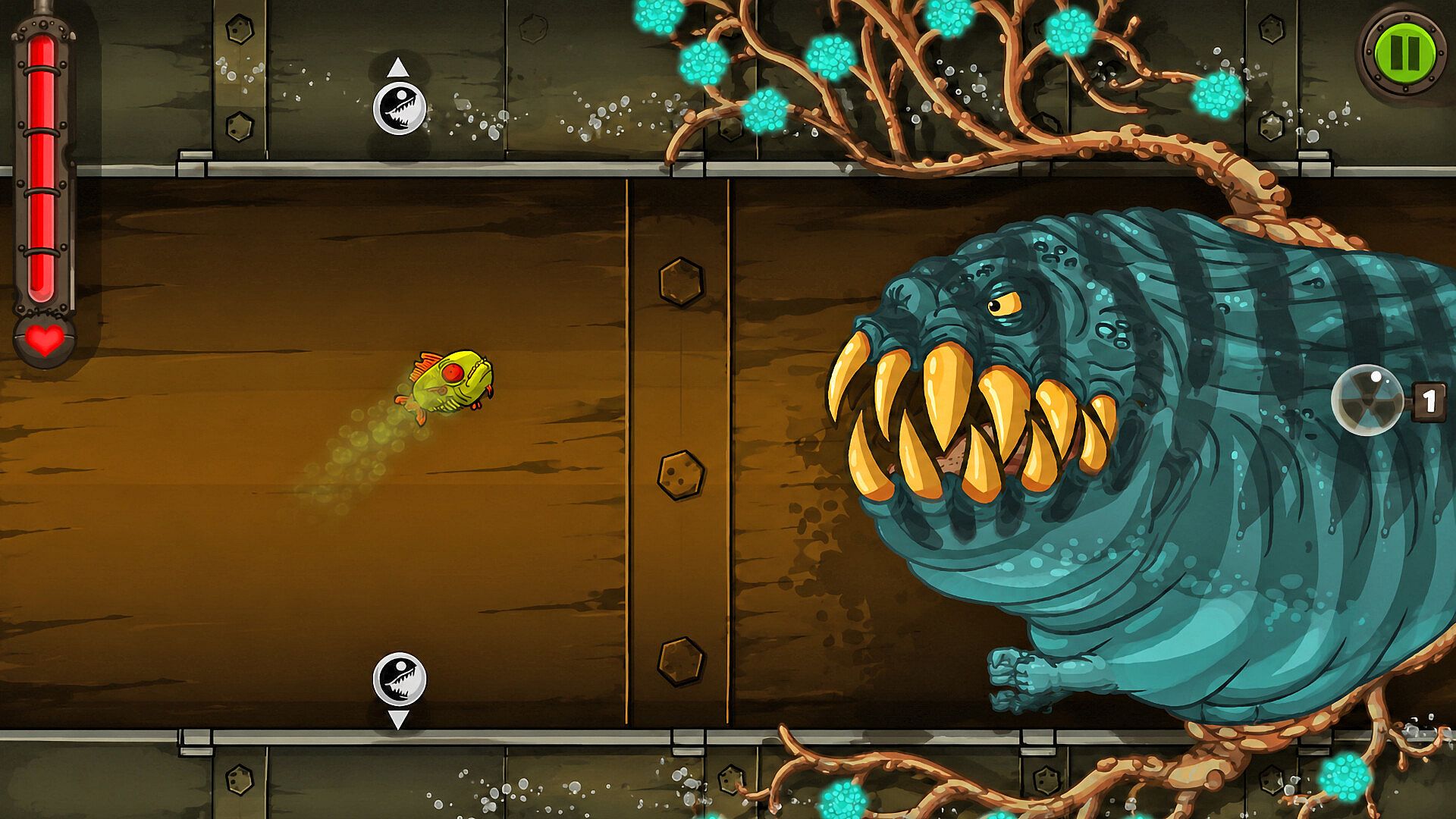
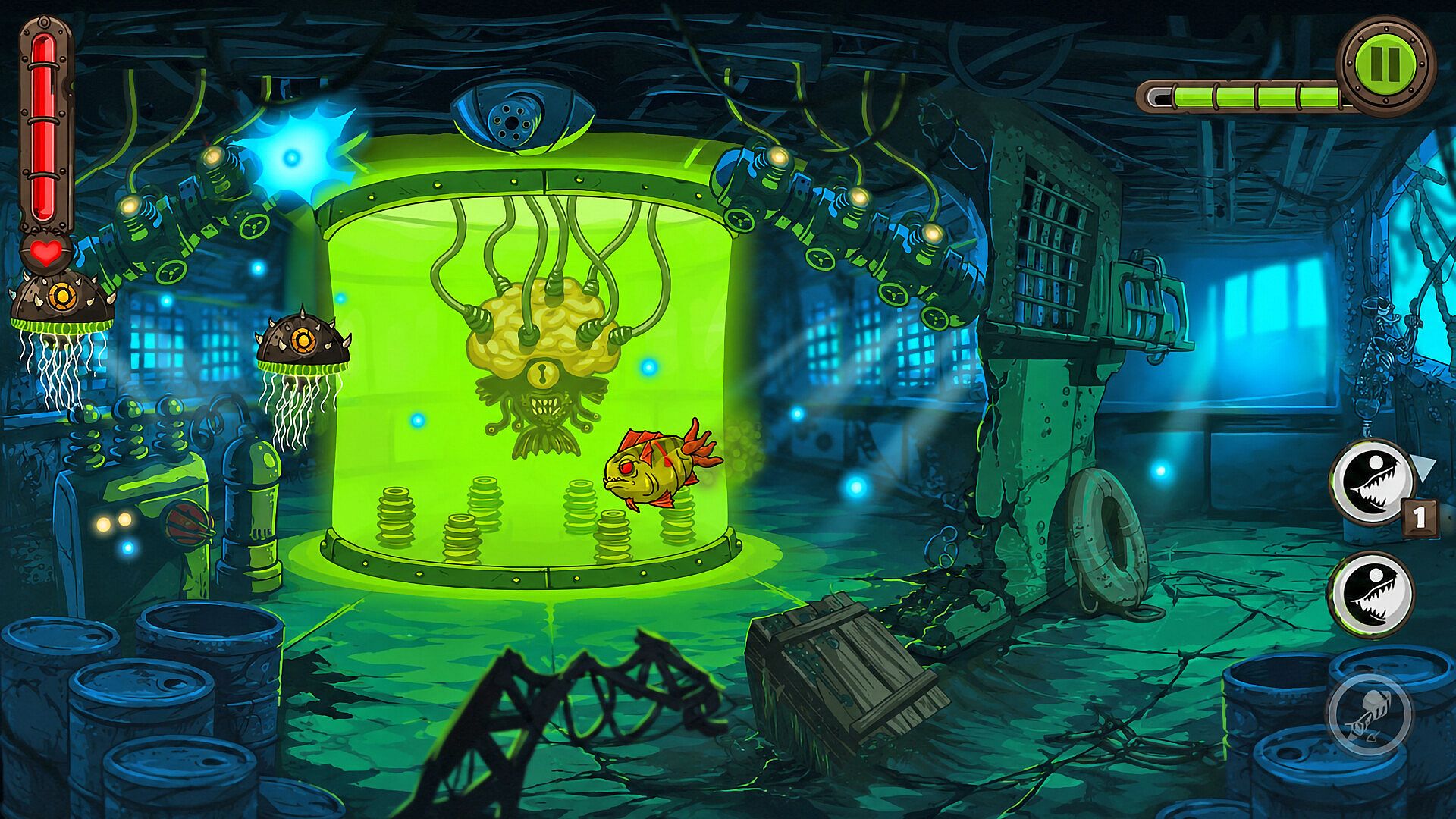
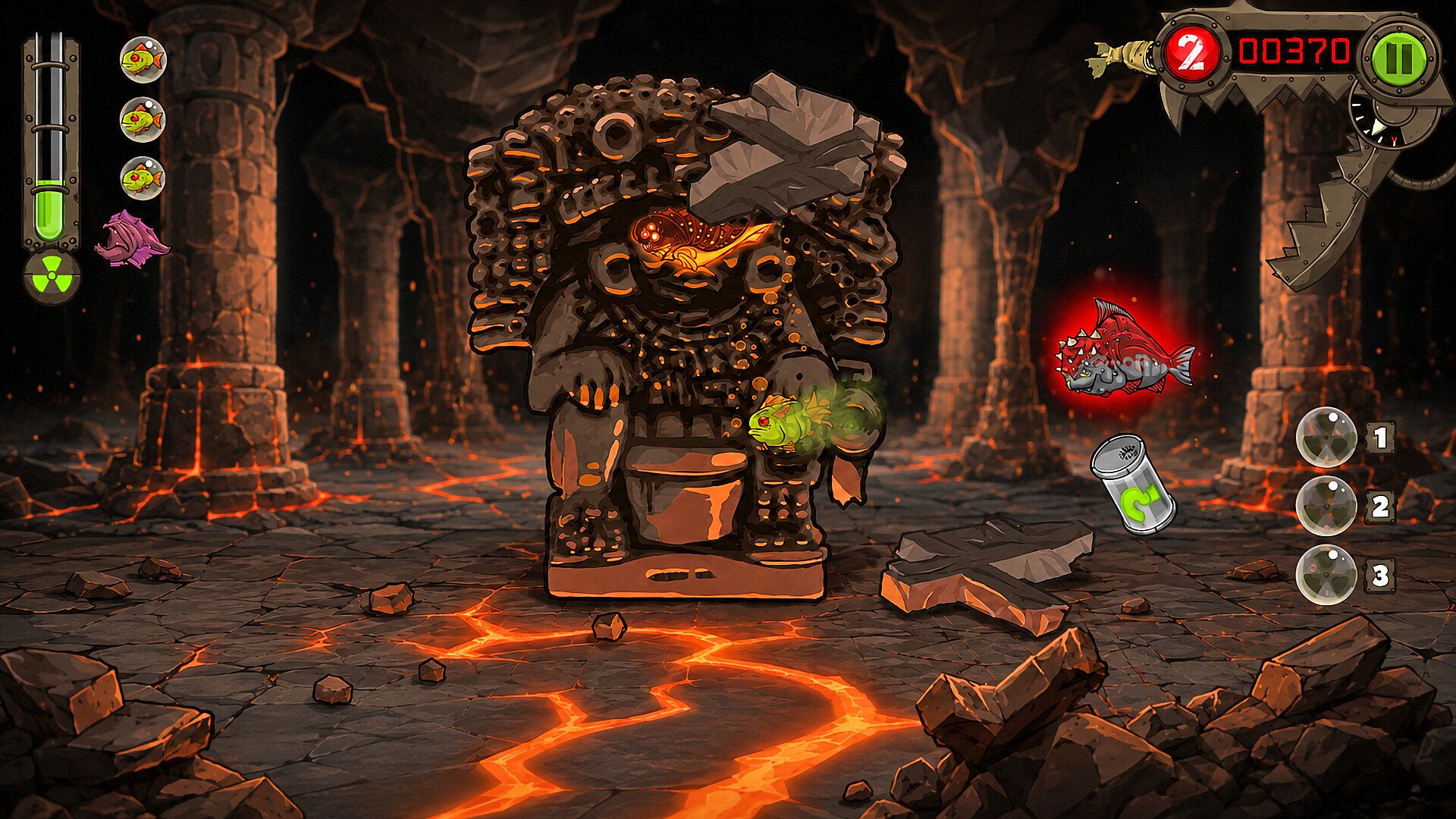
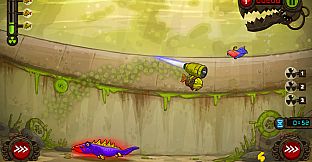
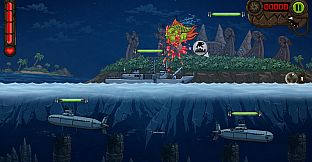
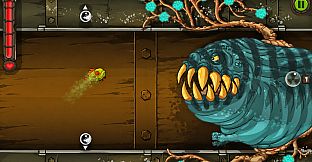
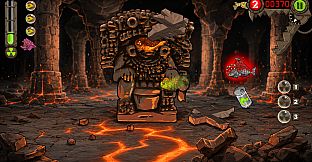
Levels incorporate environmental hazards, hidden collectibles that grant temporary abilities, and unexpected events that break up the routine of eating and avoiding. Boss encounters punctuate the progression with distinct patterns and threats that demand adjusted tactics. The entire world uses hand-drawn art and animation that pairs dark themes with exaggerated, colorful characters and scattered visual jokes.
Supporting systems include a personal aquarium where earned resources purchase additional fish for stat boosts such as improved speed or extended power-up duration. Only a limited number of these supporters can be active at once, encouraging strategic selection. Power-ups and occasional debuffs drop during play to influence movement, attraction of prey, or other short-term effects.
Game Modes
The game operates as a singleplayer campaign structured around 40 distinct levels divided into themed sections. Each section builds toward a boss confrontation that serves as a climax with unique mechanics. Progression follows a linear path focused on completing size-based objectives while managing threats from larger creatures and environmental dangers.
No separate competitive or cooperative modes exist. The experience stays contained within the story campaign, where players revisit levels optionally for collectibles or improved performance. The structure emphasizes repeated playthroughs to refine movement and resource management rather than branching paths or alternative rulesets.
Story and World
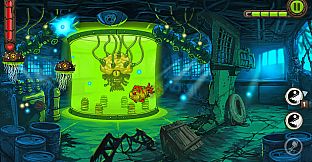
A compact narrative frames the action as the zombie fish pursues those responsible for its transformation. The tale unfolds through level design and occasional encounters rather than lengthy cutscenes, culminating in an ending that ties back to the initial premise of experimentation and loss. Environments range from contained tanks to more open or hazardous zones filled with pipes, waste, and mutated life.
Hand-crafted details populate every area with background gags and varied enemy placements. The combination of undead motifs, aquatic predation, and laboratory elements creates a consistent tone that mixes grim motivation with lighter visual humor throughout the journey.
Is It Worth Playing?
The straightforward eat-and-grow loop delivers consistent satisfaction for players who enjoy arcade-style progression and incremental power increases. Forty levels provide a reasonable length for a focused campaign, supported by boss variety and the optional depth of the aquarium upgrade system. Hand-drawn presentation and hidden details add personality that distinguishes the title from similar fish-eating concepts.
Reception from its original release highlighted the responsive core mechanics alongside some control calibration quirks typical of tilt-based input on mobile devices. A dedicated following emerged around the unusual premise and humorous touches. The return on PC preserves these elements for new audiences interested in simple, self-contained action without ongoing seasonal content or multiplayer layers.
This game suits those seeking a direct, story-tinged arcade experience with clear goals and visual charm. Its limited scope means it rewards completionists who hunt collectibles and optimize tank setups more than players expecting expansive systems or frequent updates. The revenge premise and satisfying growth cycle remain the primary draws for repeated sessions.