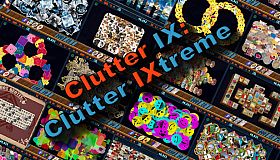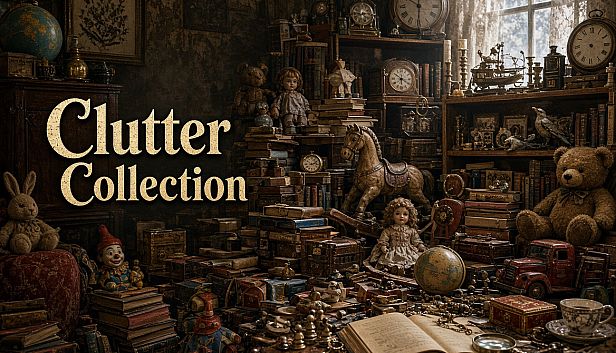




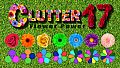


Clutter Collection brings together a series of casual indie puzzle games centered on matching identical objects scattered across densely packed screens. These single-player experiences on PC emphasize visual matching and pattern recognition rather than traditional hidden object searches, with objects displayed openly but in overwhelming arrangements that require careful scanning.
Gameplay
The core loop involves locating and selecting pairs of matching items to clear them from the board. Levels present cluttered collections of everyday objects, symbols, or themed items, and success depends on spotting duplicates amid the visual noise. Timers appear in some setups for added pressure, though options allow players to disable them for a more relaxed pace. Random generation ensures that no two playthroughs of the same puzzle type feel identical, supporting repeated sessions without repetition.
Additional mechanics introduce variety through specialized formats. Some levels require assembling or manipulating pieces like sliders or jigsaws, while others incorporate box quotes or picture-based challenges. Mahjong-style tile matching and stacking variations appear in later entries, along with movement elements such as pinwheels or portals that add dynamic layers. Players can skip difficult stages to maintain progress, and favorites systems let users bookmark preferred puzzles for quick return visits. Adjustable settings cover sensitivity, sound, and display preferences to suit individual comfort.
Game Modes
Gameplay expands across multiple puzzle formats that rotate throughout the collections. Standard matching forms the foundation, supplemented by sliders for repositioning elements, square jigsaws for reassembly tasks, and box quotes that blend text with visual pairing. Pop-up boxes demand single-click matches but penalize excessive guessing with temporary screen disruptions. Newer variations include petal puzzles focused on floral themes, block puzzles, and split-take mechanics that divide objects into groups.
Quest structures organize content into progressive challenges. Main quests span dozens or hundreds of levels with increasing complexity, while hyper quests accelerate the pace with faster object movement. Bonus areas offer old-school no-motion options or mega-mix compilations. Randomly generated instances within these modes provide ongoing replay value beyond the fixed quest paths.
Player Experience and Accessibility
The games suit short or extended sessions, with clear visuals and straightforward controls that require only a mouse. Soundtracks vary per title, often featuring cinematic or upbeat tracks that complement the puzzle flow without distraction. Difficulty scales through object density and added mechanics rather than complex rules, making the experience approachable for casual players while offering enough challenge for those seeking focus exercises.
Progression feels steady because skips prevent frustration, and options for untimed play remove any competitive edge. The overall presentation remains consistent across the bundled titles, with each adding fresh object sets or twists to the established matching foundation.
Is It Worth Playing?
Clutter Collection appeals to players who enjoy deliberate, visual puzzle solving in a low-pressure environment. The emphasis on matching and variety keeps sessions engaging without requiring long commitments or prior series knowledge. Recent entries continue to introduce new puzzle types while preserving the addictive quality noted in player feedback, and the bundle format delivers substantial content volume through its included titles.
Those who prefer relaxing brain teasers or occasional casual gaming will find the format rewarding, especially when customizing timers and difficulty. The series maintains active development with fresh releases, ensuring ongoing support for the style. If matching puzzles and incremental challenges align with personal preferences, the collection offers reliable entertainment value through its focused design.