




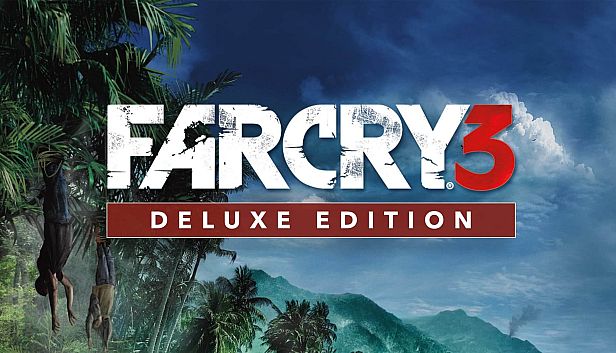








Far Cry 3 to strzelanka FPP osadzona na tropikalnym archipelagu. W kampanii jednoosobowej wcielamy się w Jasona Brody'ego i łączymy fabularne zadania z swobodną eksploracją dwóch połączonych wysp. Głównym celem jest wyzwalanie posterunków wroga, walka z uzbrojonymi grupami oraz korzystanie z otoczenia poprzez polowania i zbieranie surowców.
Rozgrywka
Podstawę stanowi mieszanka skradania, bezpośrednich starć i wykorzystania pojazdów. Do dyspozycji są pistolety, karabiny szturmowe, snajperki, materiały wybuchowe oraz przedmioty do rzucania. Przed akcją można oznaczyć przeciwników kamerą, co ułatwia planowanie i pokazuje ich pozycje. Spotkania ze zwierzętami dodają kolejną warstwę - polując na nie, zdobywamy materiały potrzebne do craftingu większej liczby broni i ulepszania ekwipunku.
Postęp postaci opiera się na trzech drzewkach umiejętności. Drzewko Pająka skupia się na skradaniu i eliminacjach z zaskoczenia. Drzewko Czapli rozwija mobilność i narzędzia przetrwania. Drzewko Rekina poprawia wytrzymałość, pancerz i skuteczność w walce wręcz. Punkty doświadczenia zdobywane za misje i pokonywanie wrogów odblokowują kolejne zdolności, pozwalając dopasować rozwój do własnego stylu gry.
Przemieszczanie się po wyspach ułatwiają mechaniki jazdy, pływania i lotni. Po zdobyciu posterunków stają się one punktami szybkiej podróży i zmniejszają aktywność wroga w okolicy. System zachęca do powracania w różne rejony w miarę zdobywania lepszego sprzętu i umiejętności.
Tryby gry
Główna kampania łączy liniową fabułę z otwartym światem. Cele można realizować w dowolnej kolejności, a aktywności poboczne - takie jak polowania czy eksploracja ruin - wydłużają rozgrywkę poza główne zadania.
Tryb kooperacji obsługuje od dwóch do czterech graczy. Akcja dzieje się sześć miesięcy przed wydarzeniami kampanii głównej i opowiada historię innej grupy bohaterów.
W trybie wieloosobowym dostępne są różne rodzaje meczów na mapach gotowych i tworzonych przez graczy. Wbudowany edytor pozwala projektować własne plansze, rozmieszczać AI, pojazdy i zwierzęta, tworząc zróżnicowane scenariusze.
Postęp i personalizacja
Punkty umiejętności trafiają do trzech drzew, z których każde wpływa na styl walki. Przykłady ulepszeń to lepsze eliminacje, większa pojemność ekwipunku czy szybsze poruszanie się. Rozwój łączy się z systemem craftingu - skóry zwierząt służą do powiększania miejsca na broń i amunicję.
Obsługa broni pozostaje spójna niezależnie od sytuacji, a dodatki i zestawy uzbrojenia można dopasowywać do aktualnych potrzeb. System nagradza eksperymentowanie, ponieważ nowe zdolności otwierają alternatywne sposoby na pokonywanie posterunków i misji.
Czy warto zagrać?
Kampania jednoosobowa nadal stanowi najmocniejszy argument za grą. Połączenie wyzwalania posterunków, rozwoju postaci i eksploracji wysp tworzy zamknięte doświadczenie, które nie wymaga dalszych aktualizacji. Misje kooperacyjne dodają treści dla osób preferujących grę z innymi.
Aktywność w trybie wieloosobowym zależy od serwerów społecznościowych, które od czasu do czasu odnotowują wzrost liczby graczy. Osoby zainteresowane głównie trybem PvP powinny sprawdzić aktualną liczbę graczy przed zakupem. Edycja Deluxe na PC zawiera podstawową wersję gry oraz dodatkowe misje i przedmioty do kampanii, rozszerzając ją bez zmian w mechanikach.
Fani metodycznych strzelanek w otwartym świecie z wyraźnym postępem nadal znajdą tu satysfakcjonującą rozgrywkę. Tytuł najlepiej sprawdza się w trybie solo, choć opcja kooperacji daje dodatkową różnorodność. Dostępność na PC ułatwia rozpoczęcie przygody nowym graczom szukającym klasycznej części serii.


