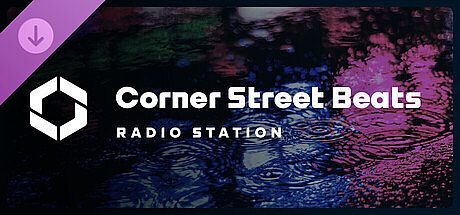




Cities: Skylines II - Corner Street Beats is a simulation title that adds a dedicated radio station to the core city-building experience on PC. The content centers on Midnight Metro FM, which delivers 43 minutes of music across 16 tracks designed specifically for extended planning sessions after dark.
Gameplay
Players construct and manage urban environments through detailed zoning, infrastructure placement, and service balancing. The addition of Corner Street Beats layers smooth late-night audio over these activities, supporting focus during tasks such as transit network design or neighborhood layout adjustments. The station plays continuously in the background without interrupting simulation speed or camera controls, allowing seamless transitions between daytime management and evening observation of city lights and traffic patterns.
Core systems remain centered on resource allocation, citizen movement, and long-term growth metrics. The music pack integrates directly into the existing audio options, letting users select it alongside other stations for varied session moods. No new mechanical layers appear in this release; instead, it enhances immersion during prolonged single-player campaigns where attention to detail drives progress.
Game Modes
The title operates entirely in a single-player sandbox format. Users begin with an empty map and develop it freely, adjusting parameters such as starting funds, map size, and difficulty through standard options. There are no separate competitive or story-driven modes tied to Corner Street Beats. The radio station functions uniformly across all map types and progression stages, providing consistent background audio whether the city is in early growth or advanced expansion phases.
Session length and pace stay under full player control. Builders can pause at any point to review statistics or adjust plans while the station continues playback, supporting both short focused edits and extended overnight-style building marathons.
Audio Integration and Atmosphere
Midnight Metro FM emphasizes relaxed, atmospheric tracks that align with nighttime city visuals. The 16 songs create a cohesive loop suited to repetitive yet precise tasks like road alignment or utility routing. Volume and playback controls remain accessible through the standard in-game menu, allowing quick adjustments without leaving the simulation view.
This audio layer pairs naturally with existing environmental sounds such as traffic hum or construction activity. Players report improved concentration during late sessions when the station fills quieter moments without overpowering critical audio cues from alerts or notifications.
Current State and Support
Corner Street Beats is scheduled for release in Q1 2027 as part of Expansion Pass 2. The base game continues to receive patches focused on simulation stability, visual refinements, and interface adjustments. Recent updates have addressed citizen pathfinding, service vehicle routing, and demand calculations to support larger cities more reliably.
Availability requires ownership of Cities: Skylines II. The station adds no new assets, maps, or mechanics beyond the audio content, keeping the focus on enhancing existing play loops.
Is It Worth Playing?
This content suits players who already enjoy extended city-building sessions and value atmospheric audio to maintain engagement during detailed work. Those seeking new mechanical systems or multiplayer features will find none here, as the pack remains strictly supplementary. With no user reviews available prior to launch, reception will depend on how well the late-night tracks match individual preferences for background music during planning.
Owners of the base simulation who frequently build into the evening hours may appreciate the dedicated station for its thematic fit. Others can evaluate the full Expansion Pass 2 bundle for broader additions such as park systems or tourism mechanics that arrive alongside this audio release. The decision ultimately rests on whether additional soundtrack variety justifies the cost within an already established single-player workflow.