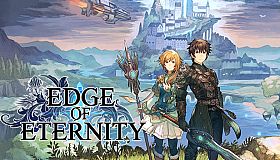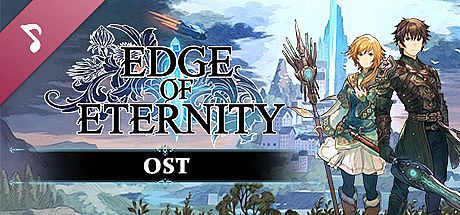








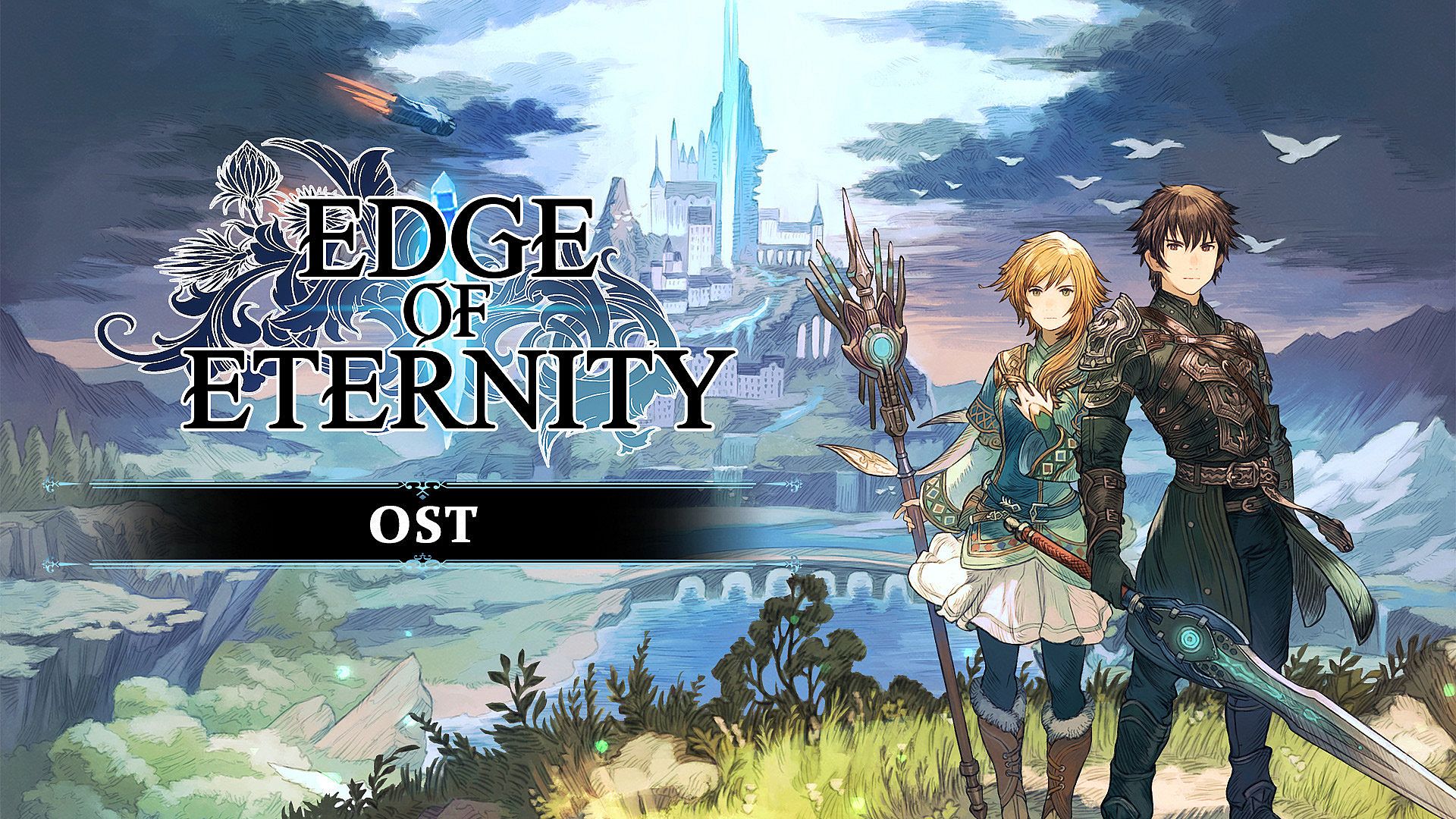
Edge of Eternity to jednoosobowa gra JRPG, łącząca eksplorację otwartego świata ze strategicznymi, turowymi walkami na heksagonalnej siatce. Za produkcję odpowiada studio Midgar, a gracze wcielają się w Daryona i Selene, przemierzając planetę zagrożoną rozprzestrzeniającą się korozją. Fabuła rozwija się podczas podróży po rozległym świecie pełnym zadań, rozmów z bohaterami niezależnymi oraz wyzwań środowiskowych, a całość uzupełnia orkiestrowa ścieżka dźwiękowa autorstwa Cédrika Menendeza i Yasunoriego Mitsudy.
Rozgrywka
Podstawą rozgrywki jest przemierzanie rozległych terenów, rozmowy z NPC-ami oraz walka z napotykanymi przeciwnikami. Eksploracja nagradza dokładne przeszukiwanie okolicy i odkrywanie ukrytych miejsc oraz surowców. Starcia zaczynają się na mapie świata, a następnie przenoszą na heksagonalną arenę, gdzie liczy się zarówno pozycjonowanie, jak i wybór poleceń. System aktywnego czasu walki decyduje o kolejności tur, pozwalając przesuwać postacie po polach, zadawać obrażenia w zwarciu, korzystać z magii dystansowej lub przedmiotów, jednocześnie uwzględniając ustawienie wrogów i przeszkody terenowe, takie jak wieżyczki.
Zarządzanie drużyną polega na dobieraniu ekwipunku i umiejętności zapewniających premie lub dodatkowe możliwości, co wymusza taktyczne decyzje w trakcie walki. Zdrowie regeneruje się automatycznie między potyczkami, dzięki czemu gracze mogą skupić się na tempie rozgrywki. System nagradza planowanie ruchów i uwzględnianie wzorców zachowań przeciwników oraz czynników środowiskowych, oferując głębię bez nadmiernej złożoności dla fanów klasycznych JRPG. Oprawa graficzna wyróżnia się dopracowanymi lokacjami i modelami postaci, choć sterowanie kamerą w walce może wymagać przyzwyczajenia.
Tryby gry
Gra oferuje ciągłą kampanię dla jednego gracza skupioną na głównej fabule i zadaniach pobocznych. Postęp odbywa się przez kolejne rozdziały, wprowadzające nowe regiony i nasilające centralny konflikt, z możliwością powrotu do wcześniej odwiedzonych obszarów. Nie ma trybów wieloosobowych ani rywalizacyjnych, co pozwala w pełni skupić się na indywidualnym tempie i immersji fabularnej. Po premierze dodano nowe misje oraz losowo generowane lochy, zwiększające różnorodność dostępnych aktywności i umożliwiające dłuższe sesje skupione na walce lub alternatywnych wątkach fabularnych.
Rozwój postaci opiera się na doborze ekwipunku i umiejętności wpływających zarówno na przebieg historii, jak i skuteczność w boju. Struktura gry wspiera różne style gry - od agresywnego pozycjonowania w walce po dokładne mapowanie świata - w ramach jednej, spójnej kampanii.
Fabuła i świat
Akcja toczy się na planecie Heryon, gdzie bohaterowie starają się powstrzymać rozprzestrzenianie się Korozji i odkrywają tajemnice otaczającego ich świata. Dialogi i interakcje między postaciami stanowią główny element angażujący gracza, a motywami przewodnimi są nadzieja, poświęcenie i wytrwałość. Otwarte lokacje zachęcają do zbaczania z głównego szlaku, odsłaniając dodatkowe informacje o świecie poprzez opcjonalne spotkania i charakterystyczne punkty na mapie.
Zadania poboczne łączą się naturalnie z głównym wątkiem, dając okazję do zacieśniania więzi w drużynie oraz zdobywania materiałów ulepszających możliwości bojowe. Świat gry łączy naturalne krajobrazy ze śladami konfliktu, tworząc tło, które zmienia się wraz z postępami gracza.
Czy warto zagrać?
Edge of Eternity przypadnie do gustu przede wszystkim fanom taktycznych systemów walki JRPG połączonych z otwartą eksploracją i naciskiem na fabułę. Recenzenci najczęściej chwalą mechanikę walki za połączenie timing'u i pozycjonowania oraz ścieżkę dźwiękową za emocjonalny wydźwięk i jakość orkiestrową. Niektórzy gracze zwracają uwagę na wolniejsze tempo we wczesnych godzinach gry oraz sporadyczne problemy techniczne, które zostały częściowo naprawione w aktualizacjach.
Po okresie wczesnego dostępu gra nadal otrzymuje nowe treści, w tym usprawnienia jakości życia oraz dodatkowe obszary wydłużające czas rozgrywki. Osoby szukające samodzielnej, jednoosobowej przygody z elementami strategii, bez mechanik wieloosobowych czy sezonowych aktualizacji, znajdą tu najwięcej wartości. Dostępność na PC sprawia, że tytuł jest atrakcyjny dla graczy chcących przeżyć spójną historię z możliwością powtórek poprzez różne podejście taktyczne w walce.