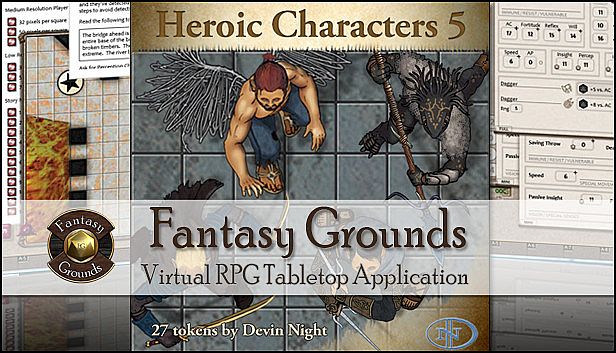



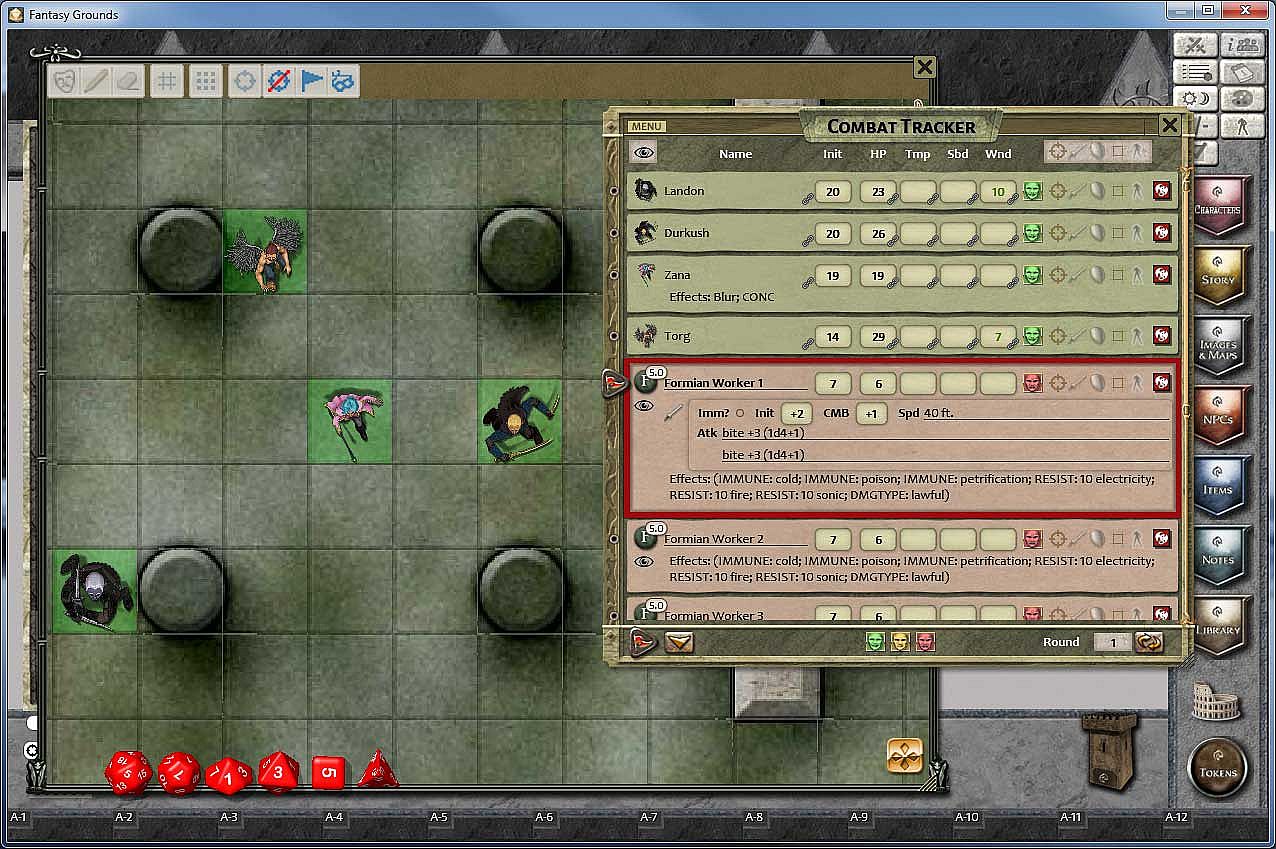
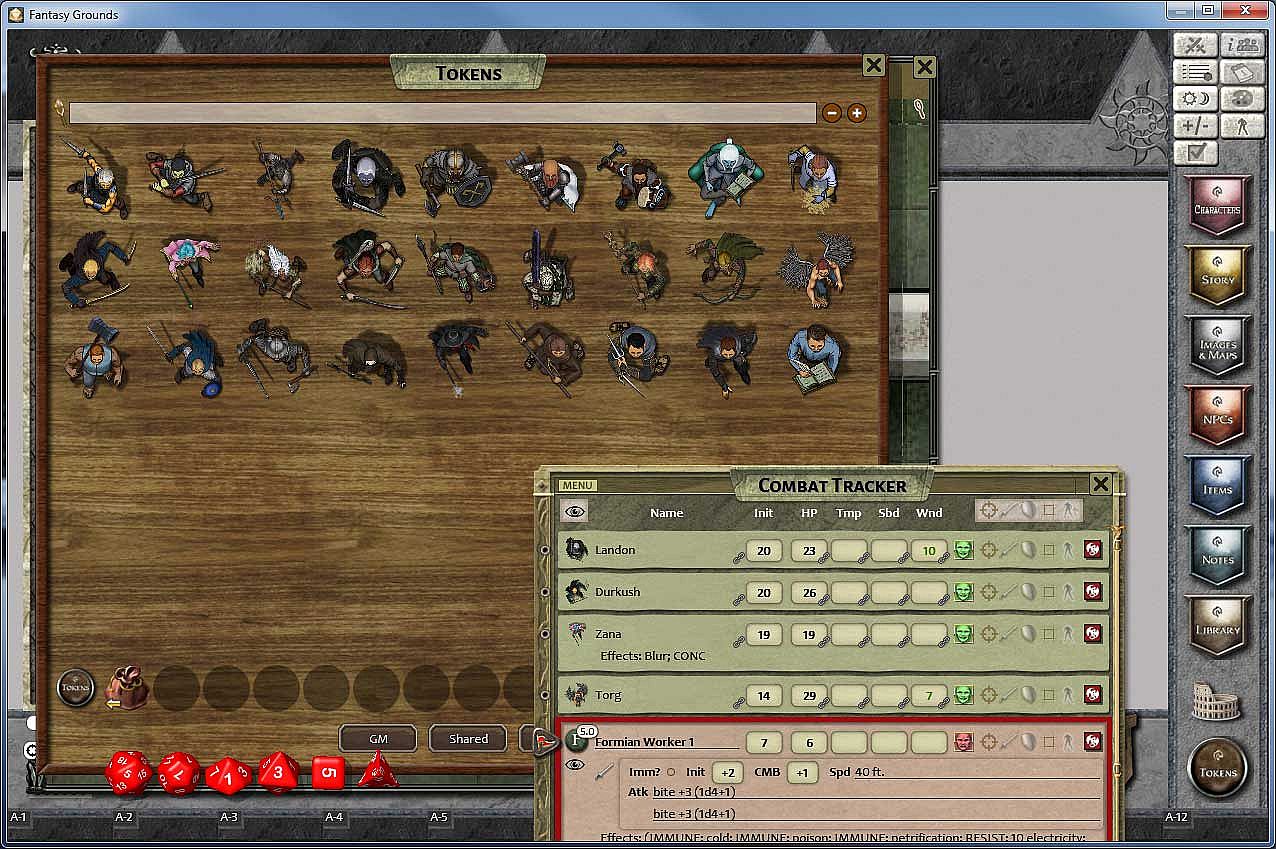
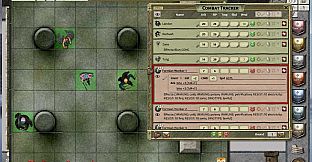
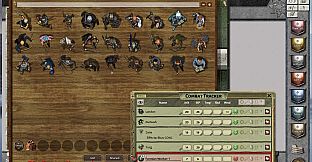
Fantasy Grounds Classic is a virtual tabletop application designed for playing pen and paper style role playing games online. It functions as a digital replacement for physical gaming tables, allowing a Game Master to host sessions while players connect remotely to manage characters and interact with shared maps and rules. The software supports multiple established RPG systems out of the box and provides tools for character sheets, dice rolls, token movement, and text chat without requiring any computer controlled opponents.
Gameplay
Core play revolves around a Game Master preparing or improvising a campaign and inviting players to join live sessions. The GM loads a chosen ruleset, which handles automation for actions such as attacks, saves, damage, and initiative in supported systems. Players create or import characters, then connect to the hosted game to update sheets, move tokens on maps, and roll dice that resolve according to the active rules. All actions appear in a shared chat window visible to the group, and character progress saves to the GM's campaign file for continuity across multiple sessions. Sessions can last a few hours or extend over weeks and months depending on the group's schedule, which is arranged outside the application.
Rulesets included with the base application cover Advanced Dungeons and Dragons 2E, Dungeons and Dragons 3.5, Dungeons and Dragons 4E, Dungeons and Dragons fifth edition, and the Pathfinder Roleplaying Game. These come with basic library content drawn from open gaming material, including spells, monsters, and items. Additional licensed content for other systems can be added through optional modules, though the Classic version stopped receiving new releases after its final update window.
Game Modes
The application centers on three primary ways to use it. Game Masters can create and run full campaigns, hosting for any number of connected players and managing all story elements, maps, and non player characters. Players join existing hosted games to control one or more characters, performing actions during their turns and communicating through integrated chat. A demonstration mode allows a single unregistered player to connect for testing purposes, though it prevents saving progress. GMs can also build multiple separate campaigns, each with its own ruleset, maps, and player roster, and switch between them as needed.
Character creation and management occur locally before sessions or during play, with drag and drop support for abilities and items from loaded libraries in compatible rulesets. Custom rulesets and modifications are possible through XML and LUA scripting for users who want to extend the base functionality.
Supported Systems and Tools
Fantasy Grounds Classic emphasizes compatibility with traditional tabletop RPGs rather than video game style progression. The included rulesets provide varying levels of automation, with deeper support for common mechanics in the fifth edition and Pathfinder options. Maps support token placement and line of sight tools, while story entries let GMs link descriptions, handouts, and encounters directly to locations. Voice communication is handled externally through separate applications, as the software focuses on visual and rules elements during play.
Library modules expand available content for monsters, items, and adventures, and players can reference these during sessions when the GM shares access. The system saves all campaign data on the host machine, so groups rely on the GM to maintain backups and schedule returns to the same campaign file.
Is It Worth Playing?
Fantasy Grounds Classic received mostly positive feedback from users who valued its rules automation and campaign management features for groups already familiar with supported systems. Reviews highlight reliable token and map handling along with solid character sheet support, though some note limitations compared to newer virtual tabletops. The application remains downloadable for existing license holders, allowing continuation of ongoing campaigns without new purchases.
Because the Classic version has received no updates or additional content since June 2021, groups seeking ongoing support or expanded features may prefer the successor application that carries forward existing licenses. For players and GMs who already own compatible modules and run established groups using the included rulesets, the software still delivers functional online sessions centered on narrative play and shared rules resolution. Those new to virtual tabletops or looking for active development should evaluate current alternatives before committing to the legacy version.