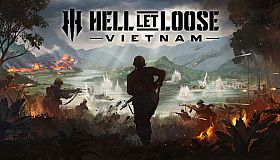







Hell Let Loose: Vietnam is a tactical multiplayer first-person shooter set during the Vietnam War. Players engage in large-scale 50 versus 50 battles on PC, taking control of either the US Armed Forces or the North Vietnamese Army across expansive maps drawn from real locations. The experience centers on coordinated team play, resource management, and asymmetric faction design rather than individual heroics.
Gameplay
Core gameplay revolves around a strict chain of command that directs every engagement. A single commander oversees the entire force while squad leaders manage smaller groups of up to six players. These leaders place spawn points and coordinate movements, making clear voice communication essential for success. Engineers construct supply nodes and fortifications that determine how quickly teams can reinforce positions.
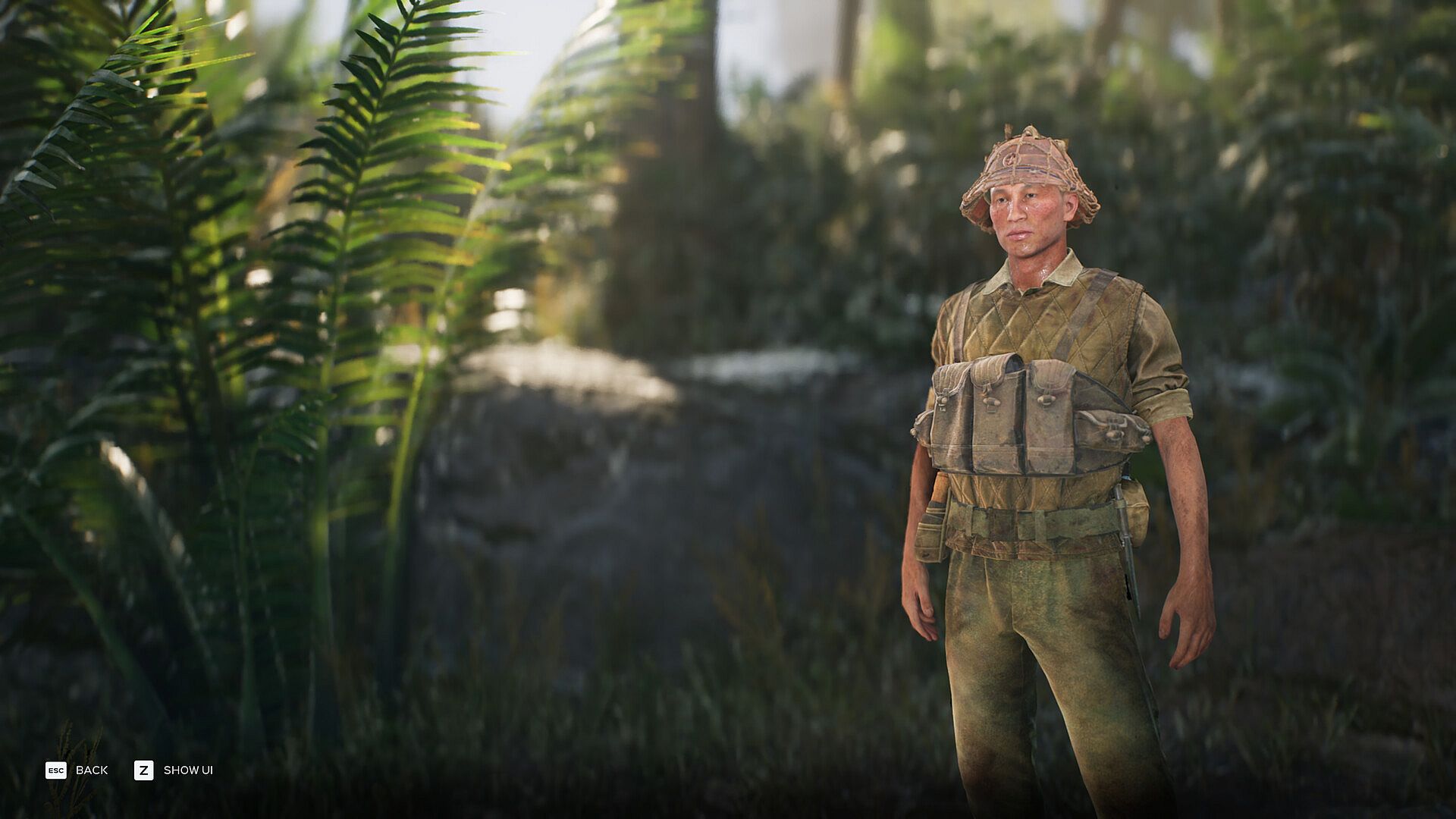
Faction asymmetry shapes every match. US forces rely on helicopters for rapid transport, fire support, and supply drops. North Vietnamese Army troops counter with extensive tunnel networks that allow stealthy movement and surprise attacks from unexpected directions. Both sides operate patrol boats on rivers and use tanks or other armored vehicles where terrain permits. Movement options include swimming, climbing, and fast crawling, while medics and support roles enable players to drag wounded teammates to safety.
Seventeen specialized roles span six unit types. These include the commander, various infantry positions such as rifleman, machine gunner, and engineer, recon elements like sniper and spotter, armor crews, US-exclusive helicopter pilots and crew, and mortar teams. Each role carries distinct equipment and responsibilities that contribute to the larger battle plan. Historically accurate weapons and vehicles reinforce the period setting.
Game Modes
Four primary modes deliver different tactical challenges. Warfare functions as a back-and-forth contest over five sectors where teams push the front line forward. Offensive assigns clear attacker and defender roles, requiring the attacking side to capture a sequence of objectives within time limits before assaulting the enemy headquarters.
Conquest expands the battlefield with multiple active sectors and introduces a morale system. Teams lose morale with each death and redeployment, and holding fewer sectors accelerates the drain. Domination removes a fixed frontline entirely, tasking players with securing dynamic points across the map. Capturing enough points unlocks the enemy headquarters for an immediate victory attempt, or the team controlling more points wins when the timer expires.
These modes encourage constant adaptation. Commanders must balance resources across several fronts while squads exploit tunnels or helicopter mobility to outmaneuver opponents. Weather and lighting variations on each of the six launch maps further alter visibility and movement options during matches.
Current State and Updates
The game launched on August 13, 2026, and continues to receive patches focused on balance, performance, and quality-of-life improvements. A 2026 roadmap outlines additional weapons, two new maps, and the expansion of the US side to include ANZAC forces in a later update. A new Battalions system is also planned to support organized player groups with shared statistics and server coordination tools.
Player counts remain healthy on PC servers, though the experience demands patience and coordination. Matches reward teams that maintain structure over lone wolves who ignore the command hierarchy.
Is It Worth Playing?
Steam user reviews currently sit in the mixed range, reflecting divided opinions on launch polish and content volume compared with the original Hell Let Loose. Critics have generally responded more favorably, highlighting the atmospheric maps, satisfying gunplay, and depth of the command system when teams communicate effectively.
The title suits players who enjoy deliberate, team-oriented tactical shooters. Those who prefer fast respawns, minimal coordination, or solo play will likely find the pace and structure frustrating. Ongoing developer support through the 2026 roadmap provides a clear path for future content, making the game a stronger prospect for groups already invested in the series formula or seeking realistic large-scale Vietnam War combat.
Prospective buyers should test their tolerance for communication-heavy gameplay before committing. Matches can last significant lengths and hinge on small squad decisions, delivering high satisfaction when the system clicks but punishing disorganization. For the right audience, it offers a distinctive alternative to more arcade-style multiplayer shooters.