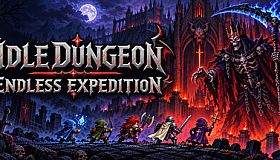


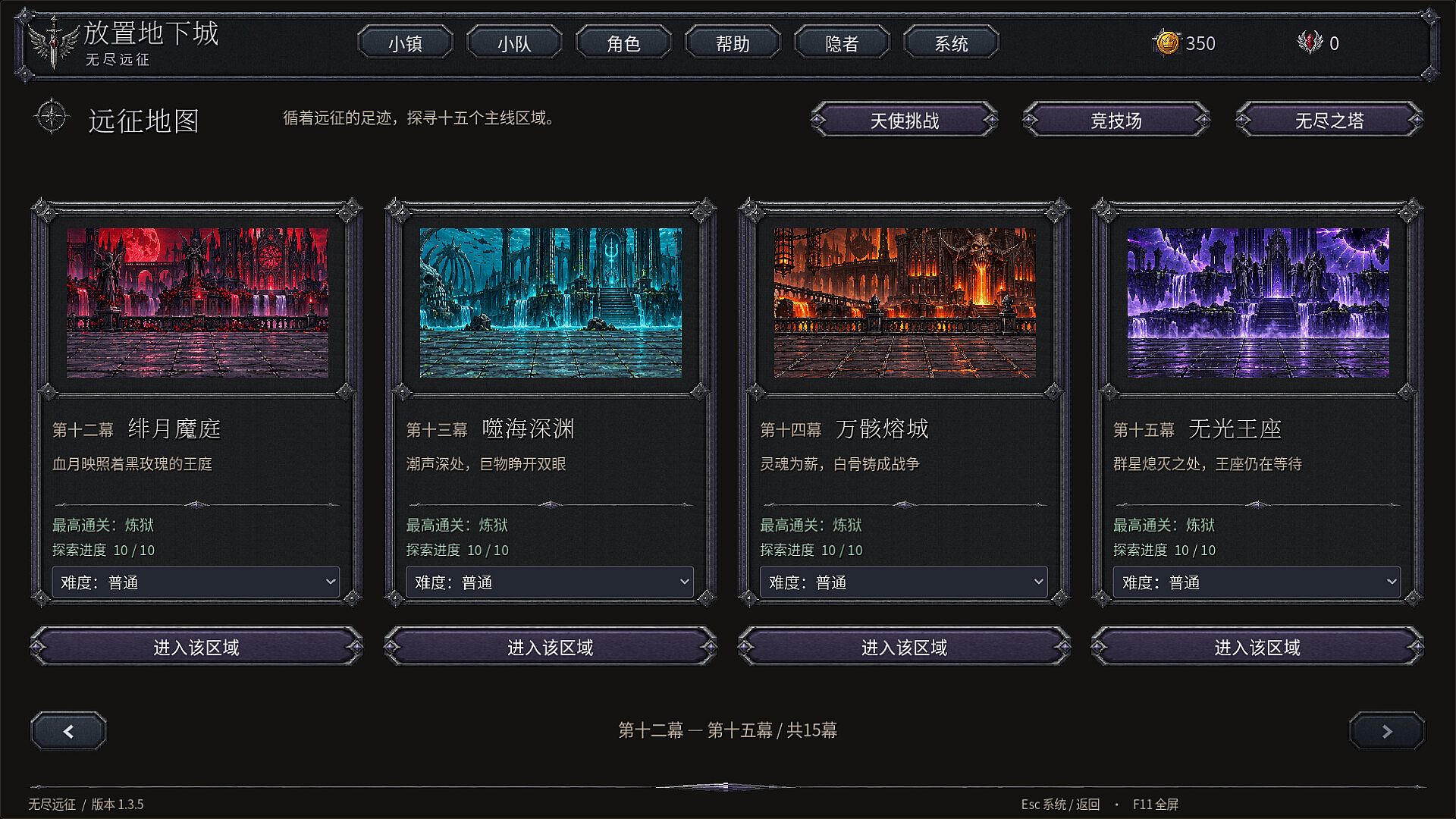


Idle Dungeon: Abyssal Court serves as a substantial expansion to the core idle RPG experience on PC. Players continue their expeditions beyond the initial acts by recruiting new classes, tackling additional story stages, and engaging with specialized challenge content in a dark fantasy setting built around party management and automated progression.
Gameplay
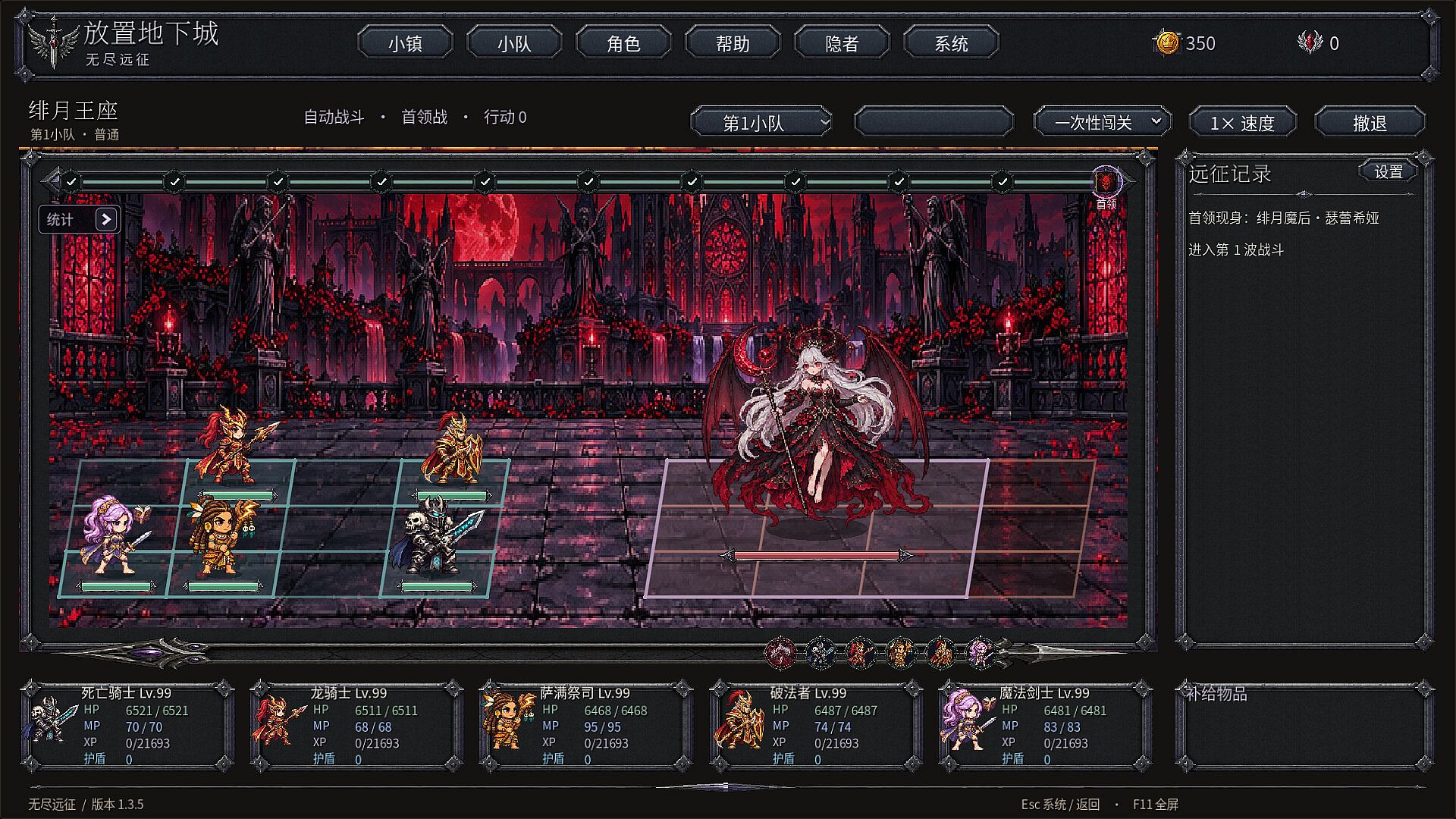
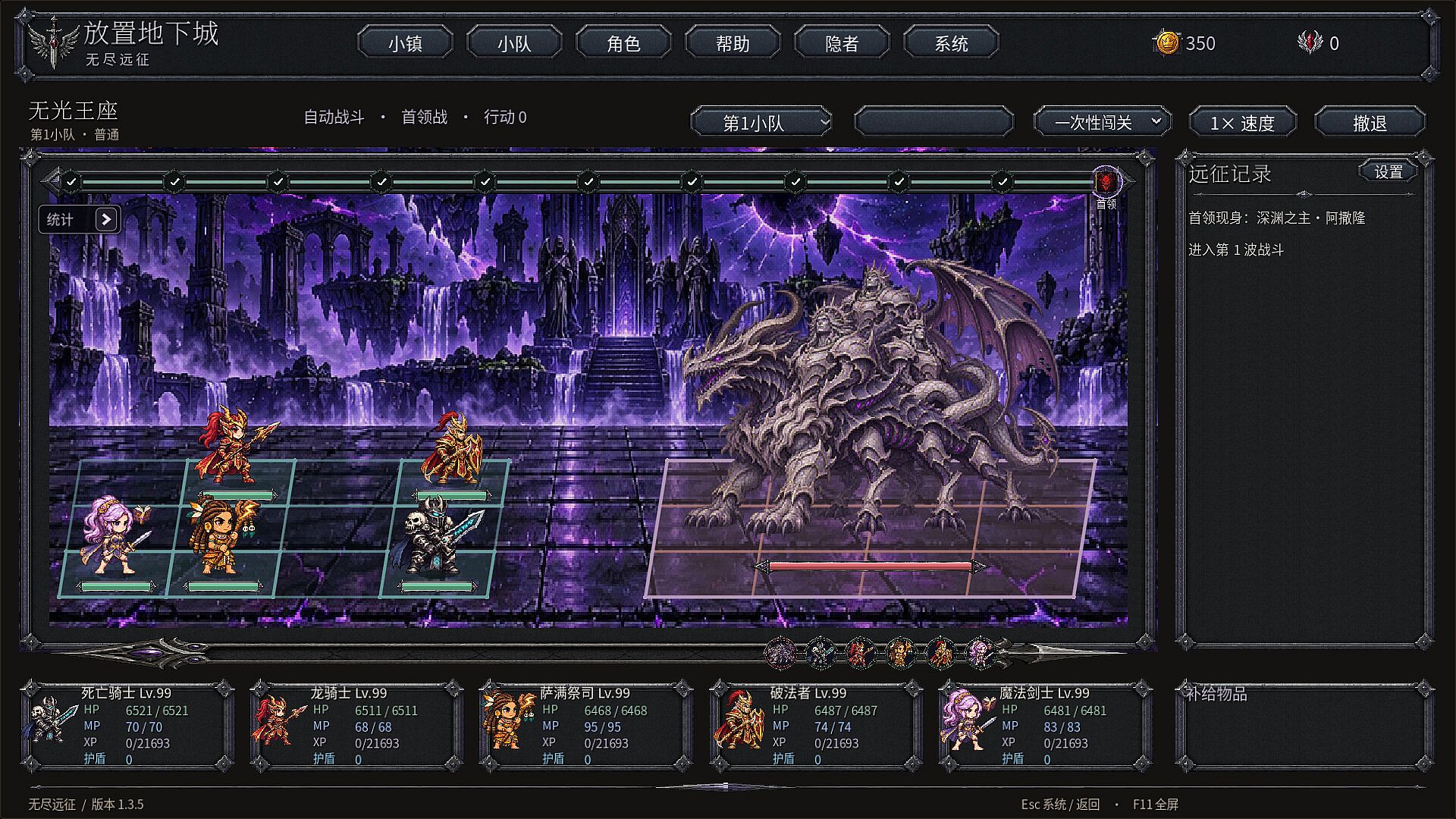
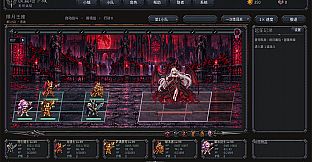
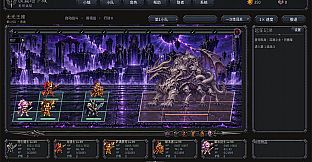
The core loop centers on assembling squads from available classes, equipping them with loot gathered from stages, and advancing through sequences of enemy encounters that culminate in boss fights. Combat supports both automatic and manual modes, allowing squads to handle waves while players focus on upgrades and team composition. New acts introduce distinct environments such as desert ruins, demonic courts, and ocean depths, each with ten main stages plus branching paths for Outer God and Holy Spirit encounters. These branches feature unique monsters and larger bosses with multiple combat phases that shift during the fight.
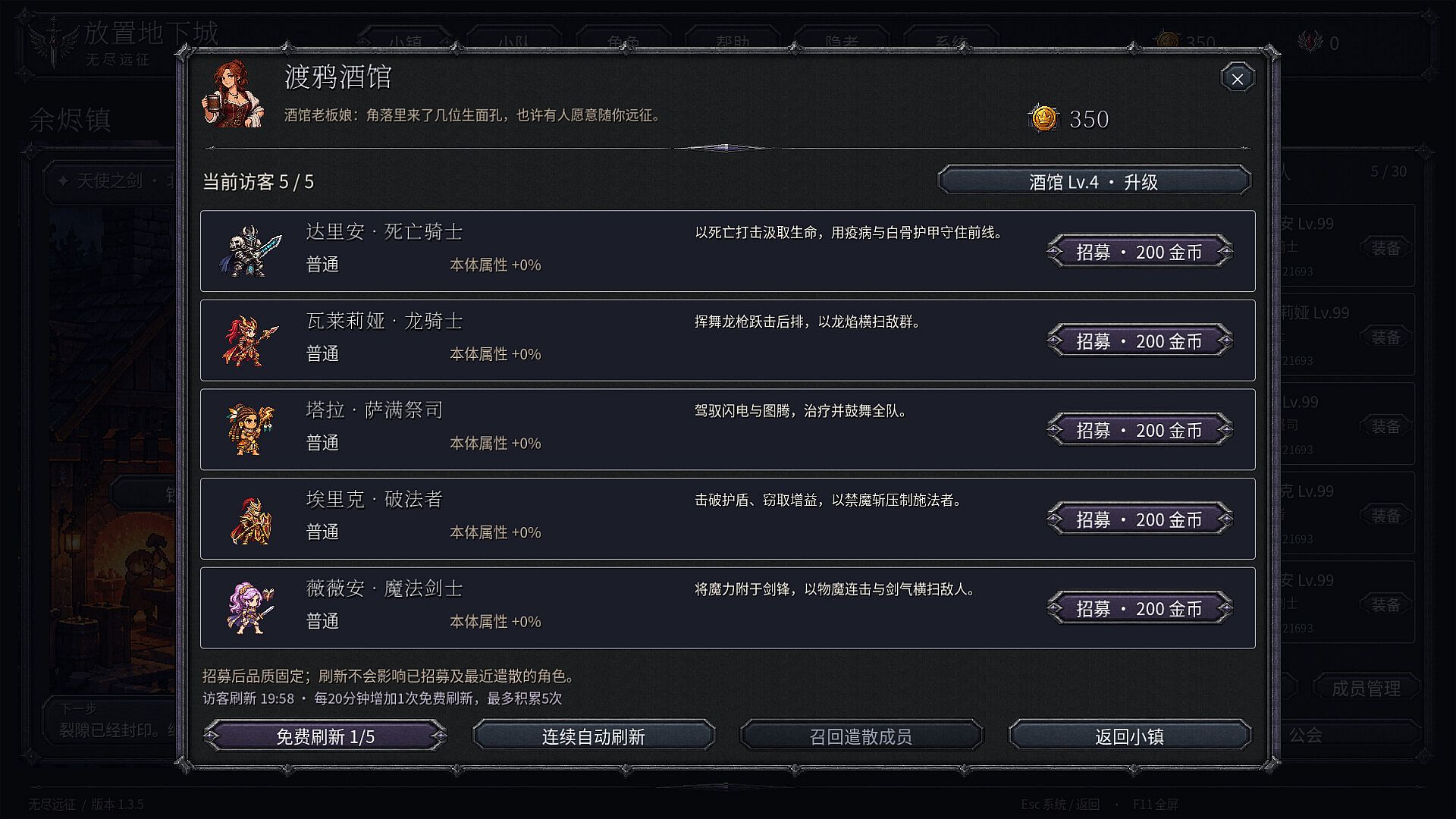
Five recruitable classes expand build options. The Death Knight uses Death Strike for health restoration, disease effects to weaken foes, and Bone Armor for defense. The Dragon Knight performs aerial thrusts, spreads dragonfire, and applies dragon scale buffs. The Shaman chains lightning attacks, places Healing Totems, and grants Ancestral Blessing to the party. The Spellbreaker focuses on shield breaking, effect stealing, and spell disruption. The Magic Swordswoman blends physical and magical damage on her blade while unleashing area blade storms. Each class includes three upgradeable skills that integrate with the existing roster for varied squad synergies. New two-handed polearm weapons, numbering fifteen across the regions, provide fresh equipment choices particularly suited to the Death Knight and Dragon Knight.
Offline expeditions extend to the new areas, generating rewards based on prior progress. Gear collection emphasizes experimentation with combinations from the expanded loot pools, while permanent blessings from challenge content further strengthen all squads over time.
Game Modes
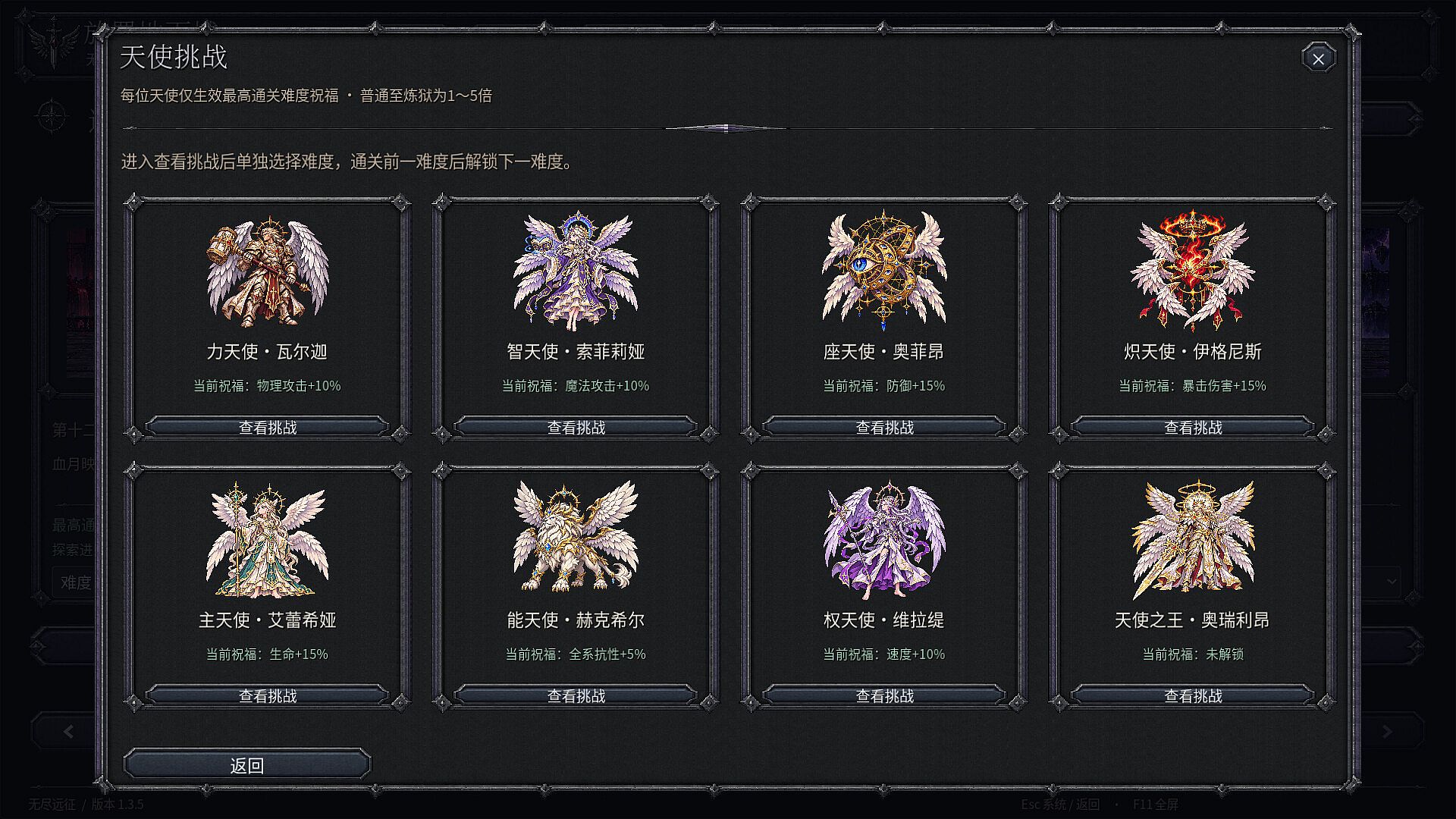
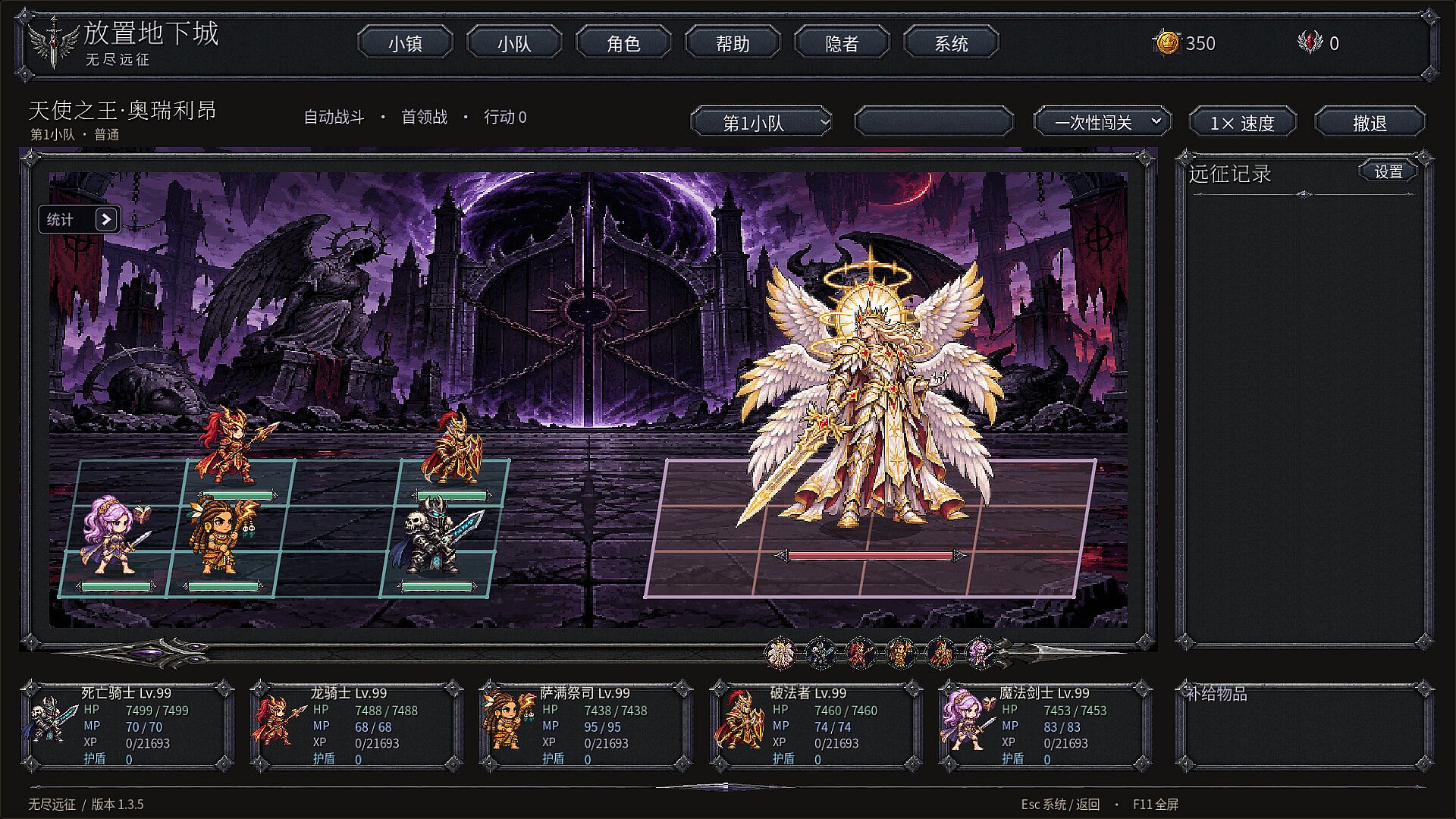
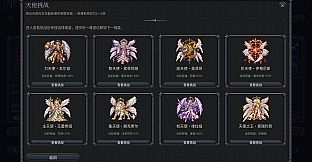
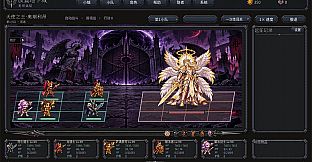
Progression follows a linear act structure with ten stages per act leading to major bosses. Branching paths within each act offer alternative encounters tied to Outer God and Holy Spirit themes. After completing Act X on Normal difficulty, players access dedicated Angel Challenges that pit squads against seven distinct archangels. Each archangel offers selectable difficulty tiers unlocked sequentially, with victories providing non-stacking permanent blessings that scale with the highest difficulty cleared. Clearing all seven on the same difficulty unlocks the Angel King encounter at that tier.
Additional systems include the Arena mode unlocked after early acts, featuring floors with randomly selected enemy classes. Offline expeditions run automatically to accumulate gold, experience, equipment, and materials. The expansion also updates the main menu with a new twilight background and title design while preserving access to the original theme through settings.
Is It Worth Playing?
Player reception for the base game stands at Mostly Positive based on available reviews. The expansion integrates directly with existing saves, unlocking Act XI immediately after Act X on Normal difficulty, which supports continued progression without starting over. Ongoing updates have added features such as Paragon systems, auto-reforge tools, new gear sets, and arena content, indicating active development support.
This content suits players who enjoy idle RPG mechanics combined with party building and incremental upgrades. Those seeking deeper customization through new classes, weapons, and challenge bosses will find meaningful additions that extend the expedition loop. The blend of automated farming and strategic squad assembly appeals to fans of casual yet layered progression systems in the indie RPG space.