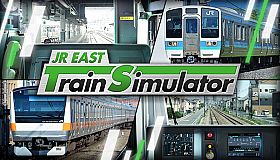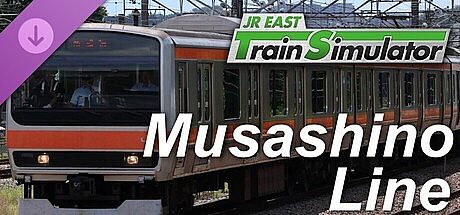



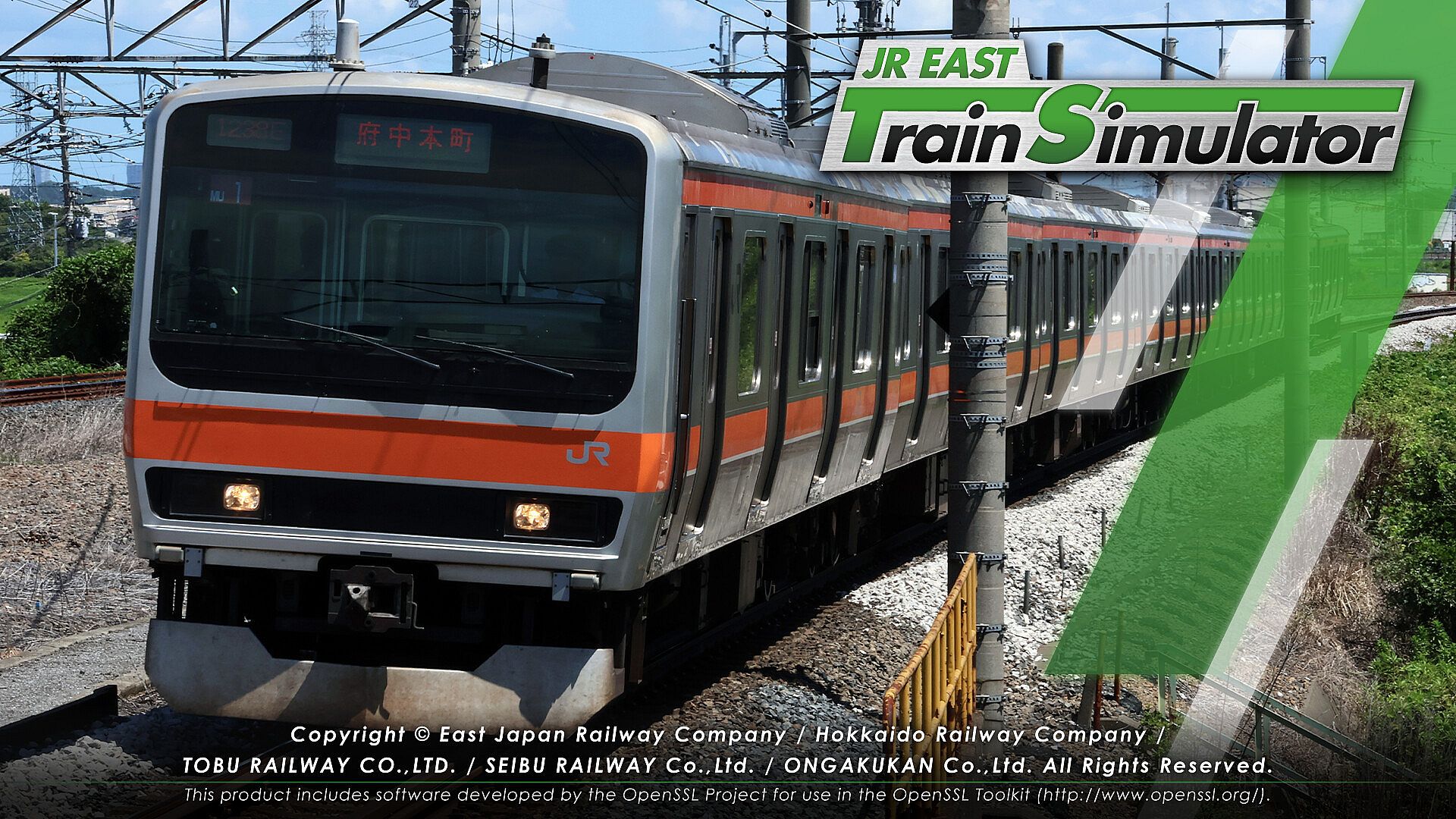
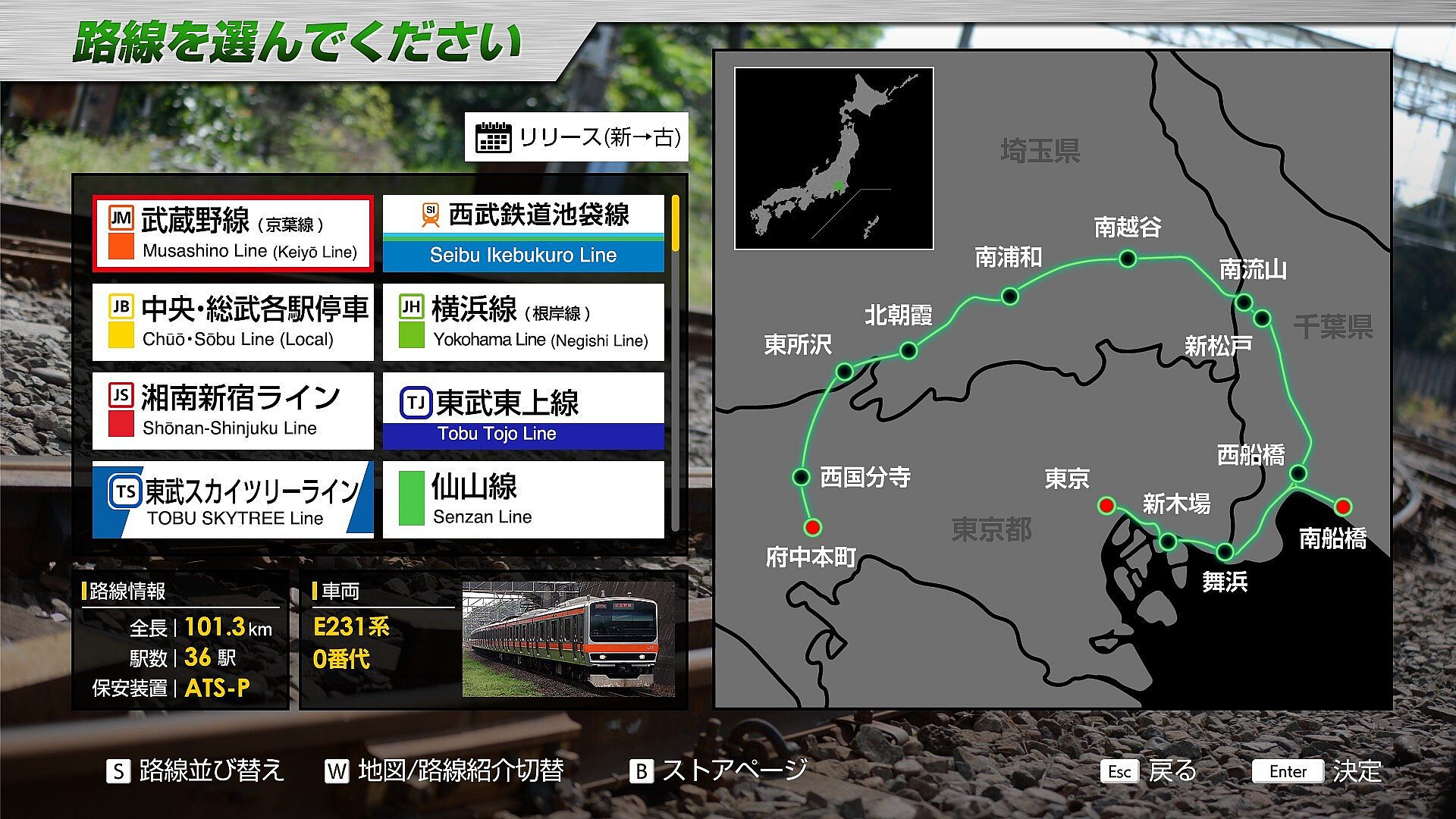
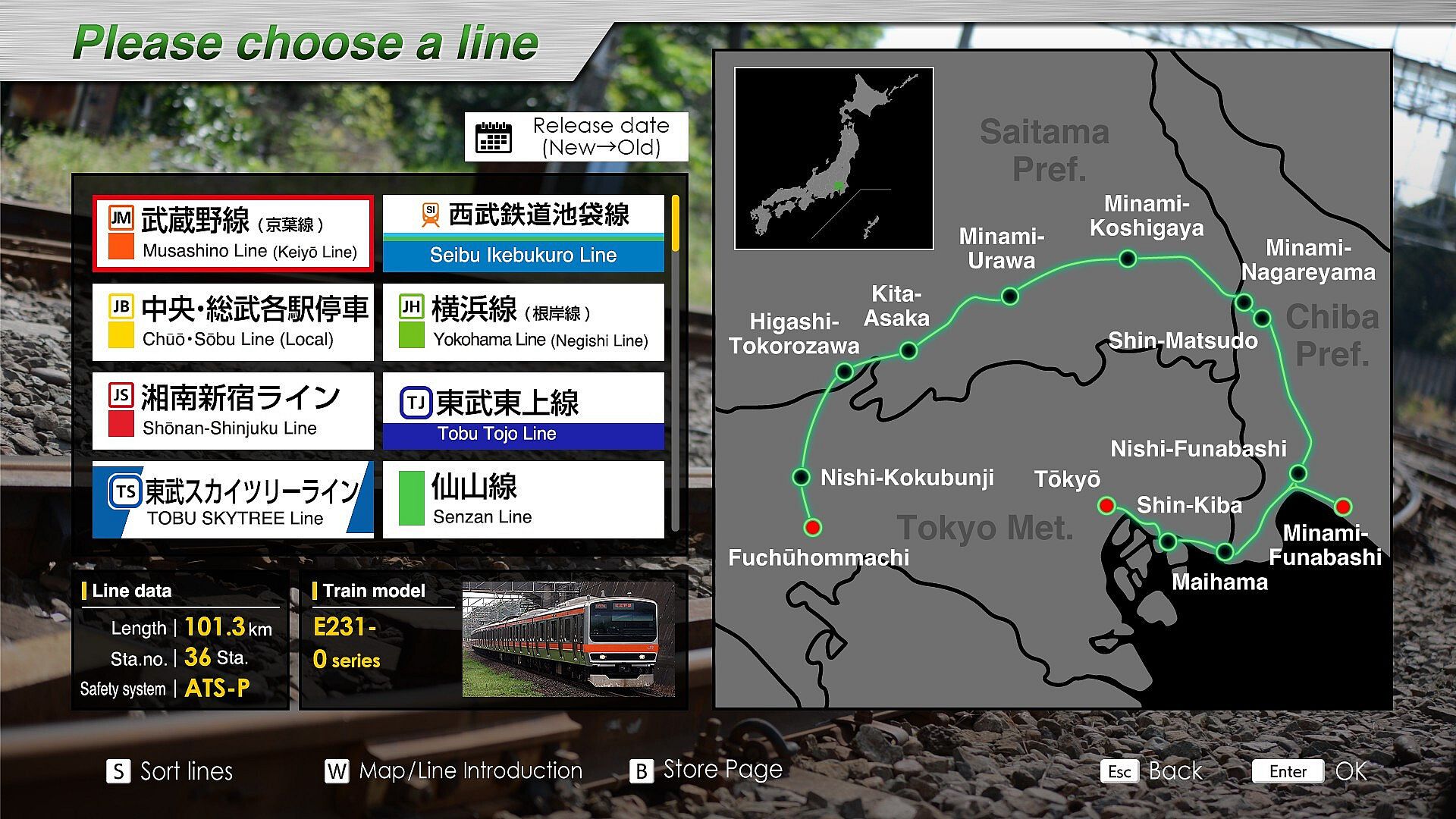
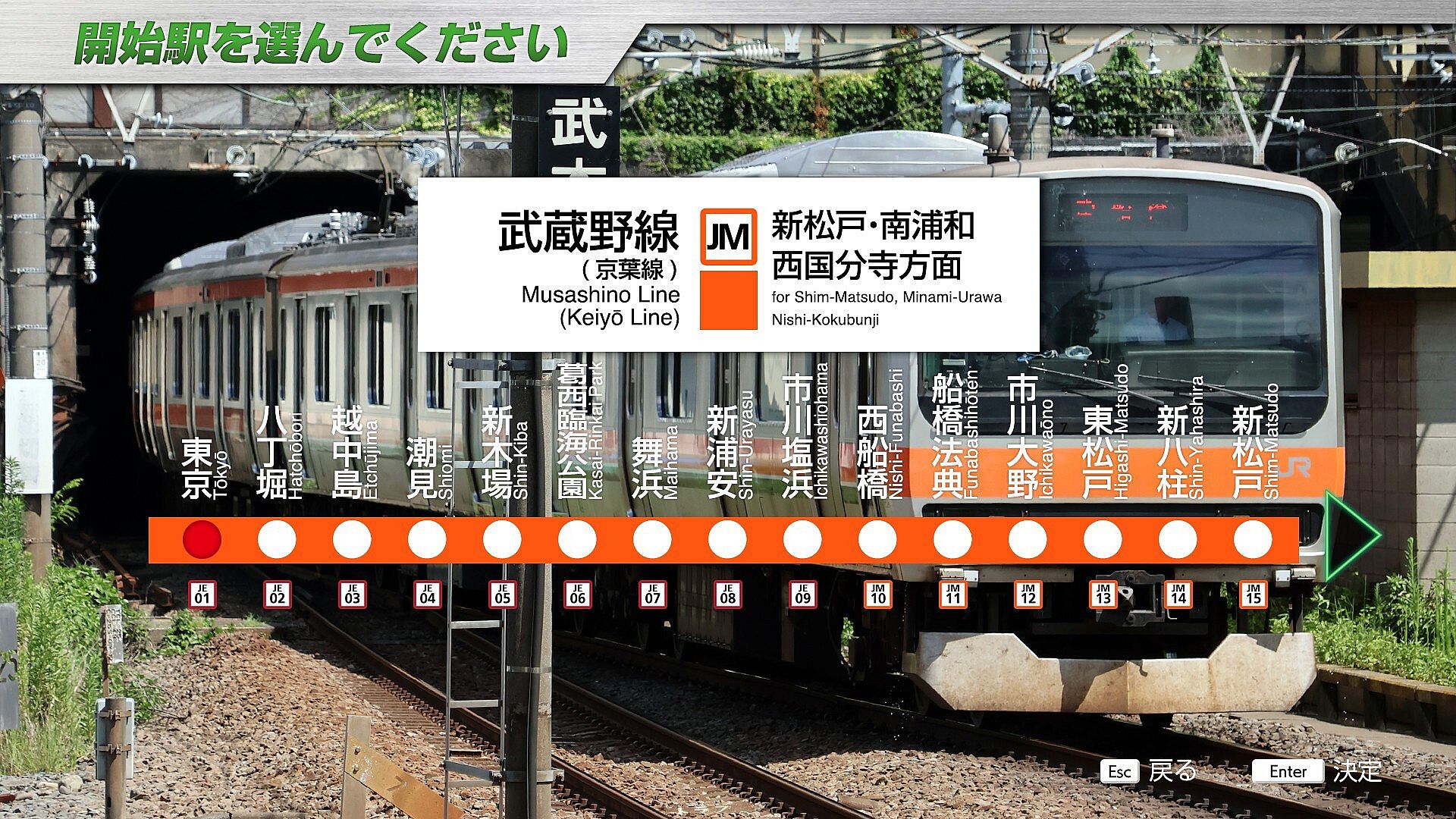
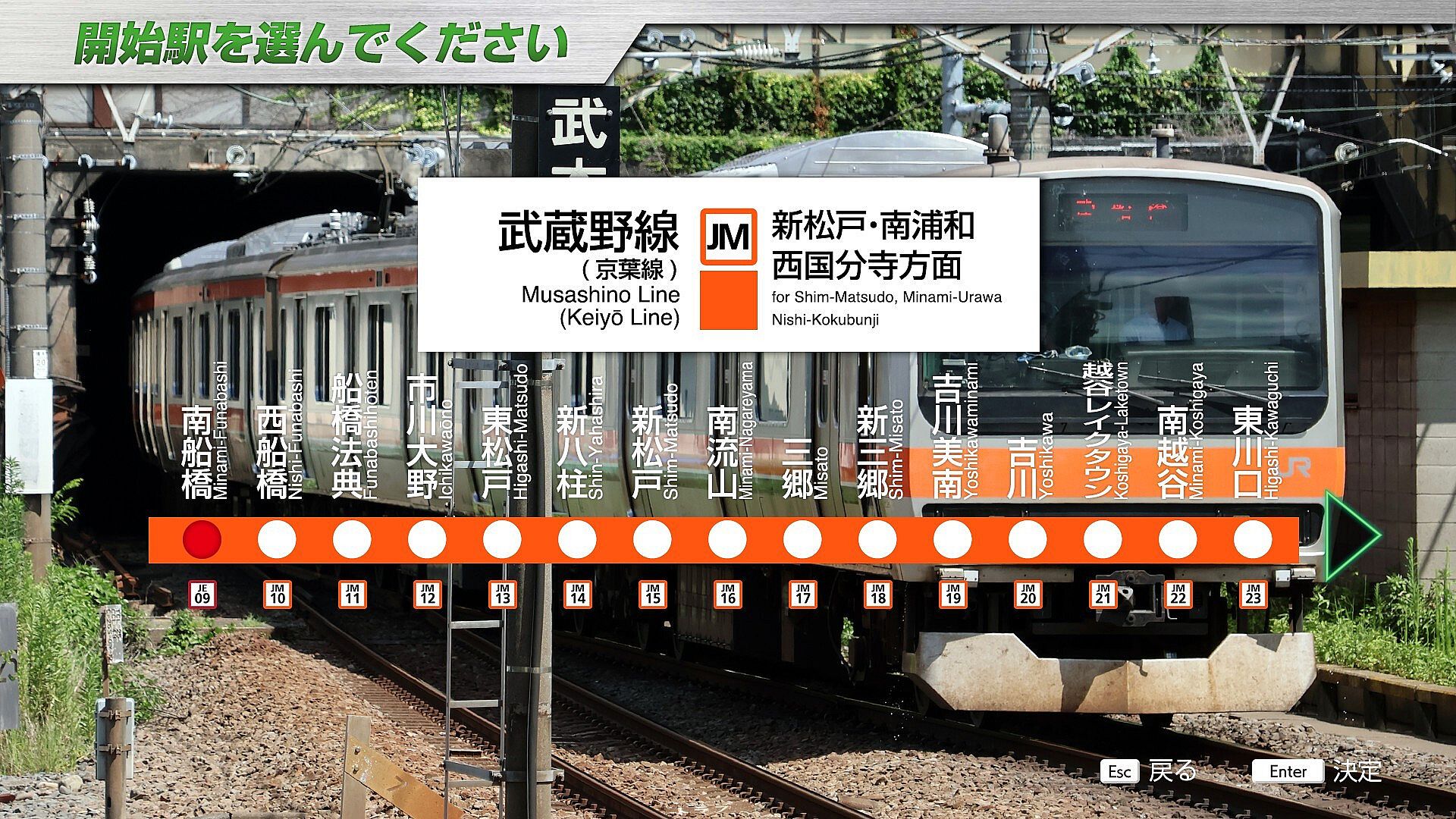
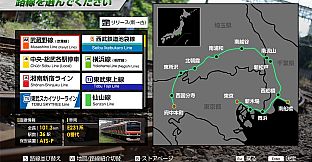
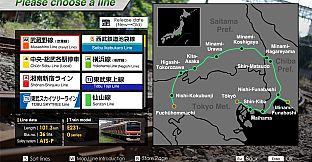
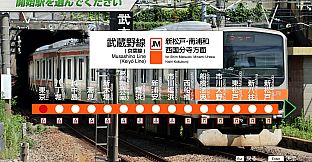
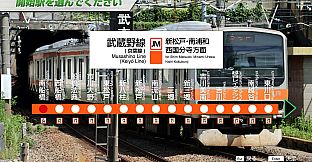
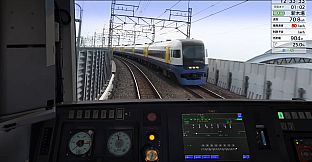
JR EAST Train Simulator: Musashino Line places players in the cab of the E231 Series 0 Subseries for a focused train simulation experience on PC. This single-player title recreates authentic operations along a 101.3 km route that combines sections of the Keiyo Line and the full Musashino Line, running from Tokyo and Minami-Funabashi stations to Fuchuhommachi Station across 36 stops.
Gameplay
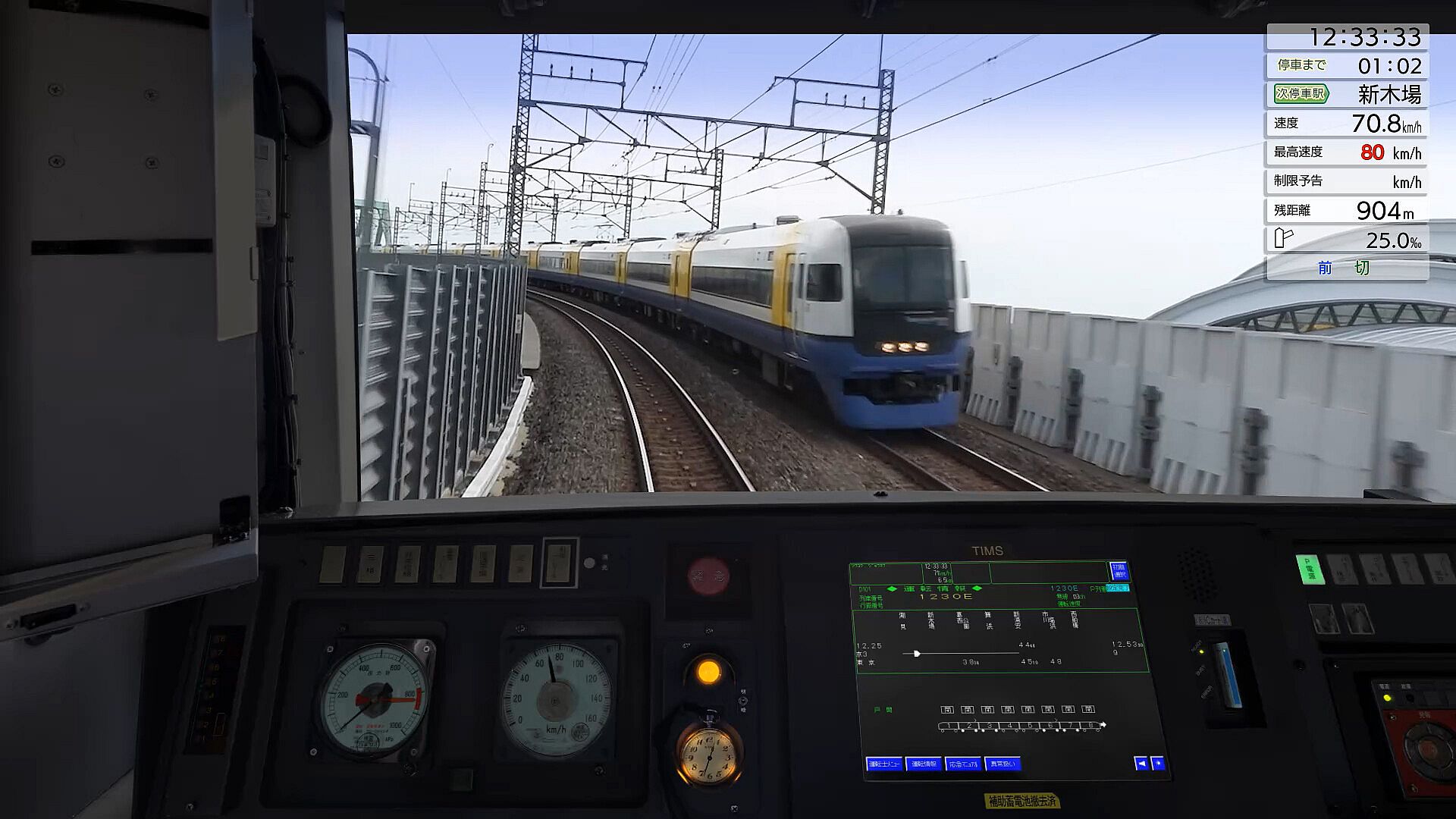
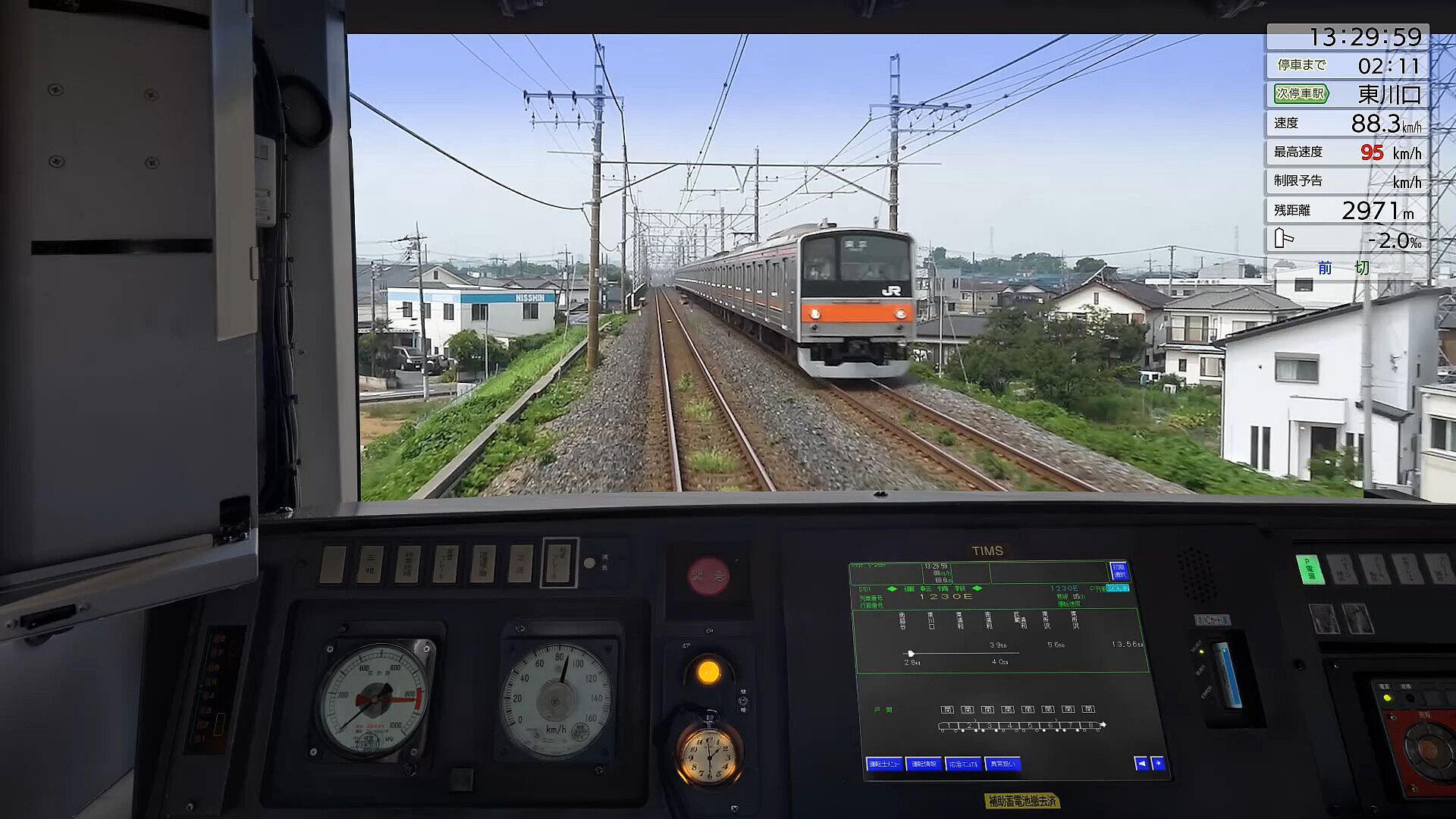
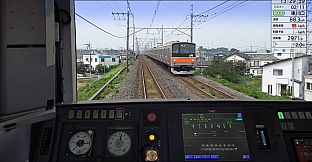
The core loop centers on operating an eight-car E231 Series 0 Subseries train according to real timetables. Drivers must maintain precise speed limits, apply braking with care on gradients and sloped platforms, and arrive at stations on schedule while respecting the ATS-P train protection system. The route includes long underground sections on the Keiyo Line that transition to elevated tracks offering views of Tokyo Bay, urban skylines, rivers such as the Edogawa and Arakawa, and residential areas that shift toward greener Musashino landscapes.
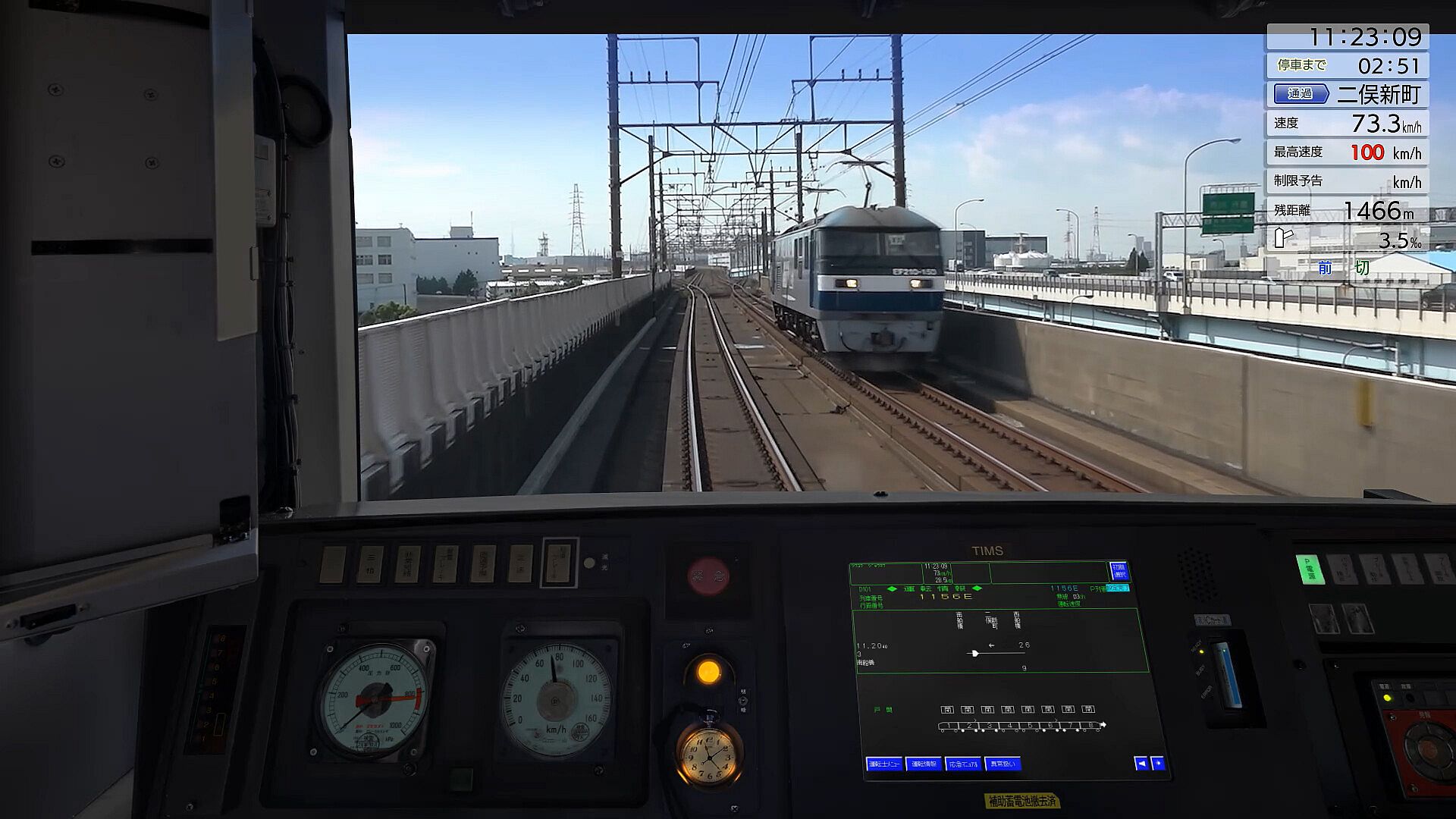
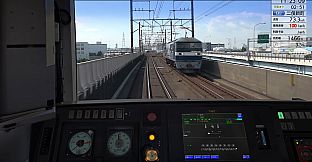
Freight terminals and shared tracks with cargo trains add operational variety, as players encounter passing freight movements and facilities like the Koshigaya Freight Terminal. Long tunnels, such as the one between Shin-Akitsu and Shin-Kodaira stations, require steady handling, while scenic elements include potential glimpses of Mt. Fuji on clear mornings near Higashi-Urawa and autumn foliage or cherry blossoms in season. In-cab announcements come from Funabashi Crew Depot recordings, and signal aspects randomize to reflect realistic conditions.
Control focuses on throttle, brake, and vigilance for speed restrictions. Platforms on inclines demand measured stopping techniques to avoid overshooting or abrupt halts. The simulation emphasizes the line's freight heritage alongside modern commuter service, with elevated sections providing broad vistas of waterfront and city environments.
Game Modes
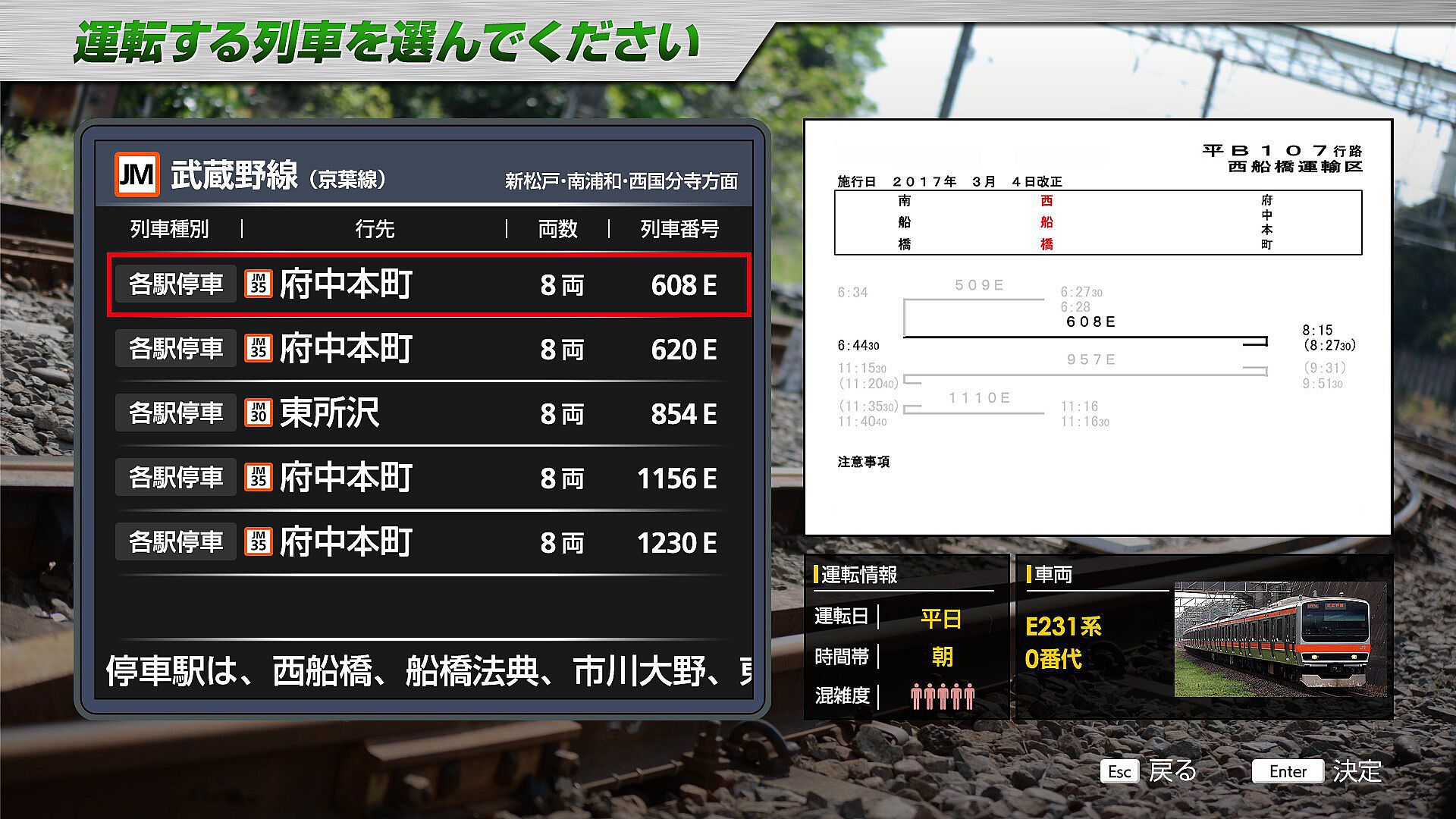
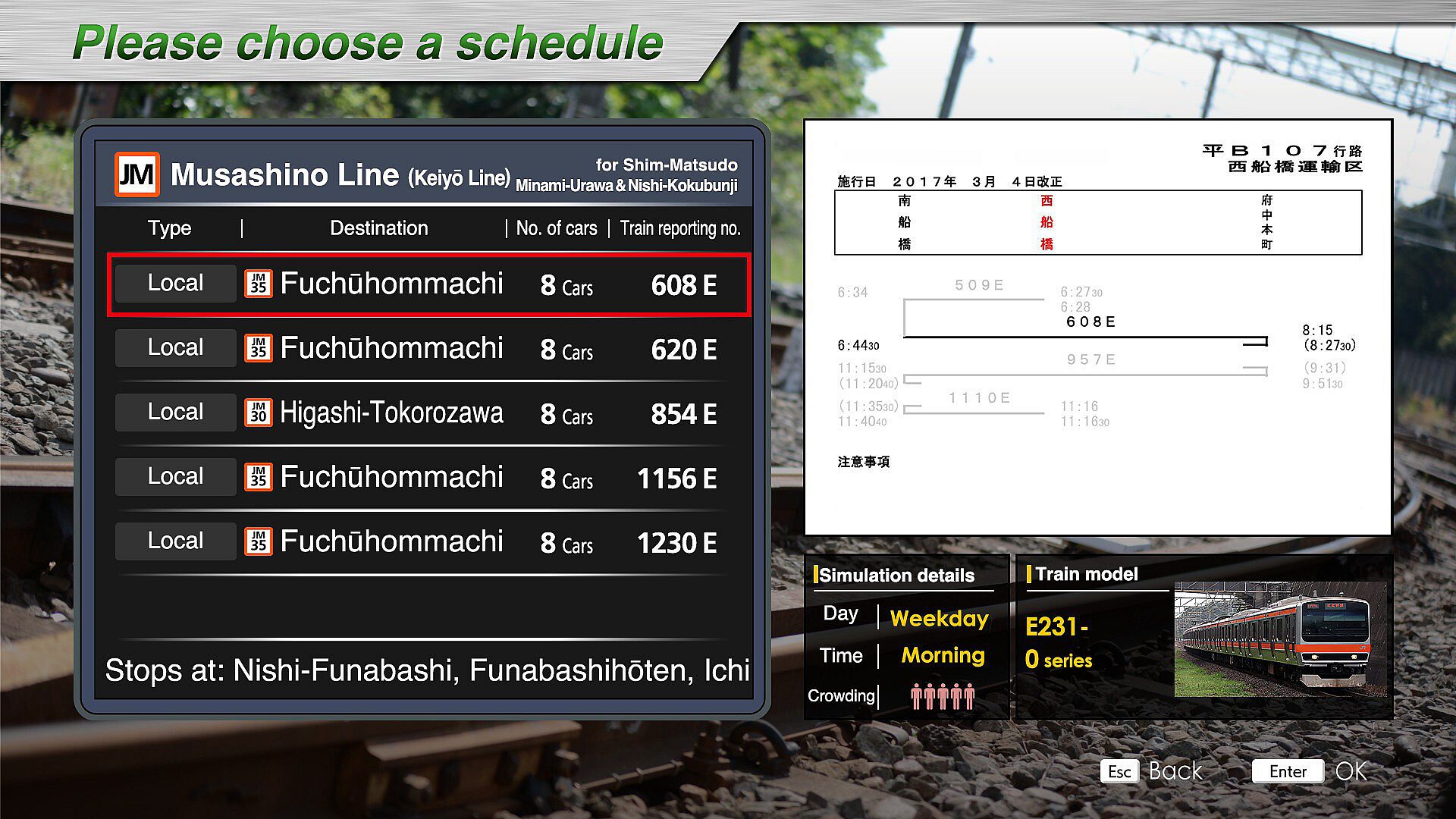
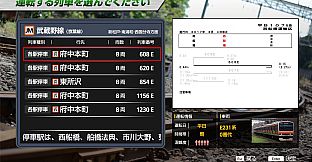
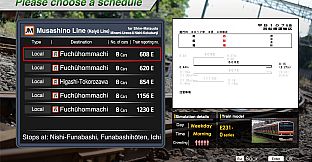
Operation occurs through five specific timetables that recreate 2017 schedules from the E231 Series introduction to the Musashino Line. Weekday services include local trains numbered 608E from Minami-Funabashi at 06:44 to Fuchuhommachi at 08:15, 620E from Tokyo at 06:26 to Fuchuhommachi at 08:19, 854E from Tokyo at 08:39 to Higashi-Tokorozawa at 10:11, and 1156E from Minami-Funabashi at 11:20 to Fuchuhommachi at 12:44. A weekend and holiday timetable covers 1230E from Tokyo at 12:25 to Higashi-Tokorozawa at 14:13. Each run uses the E231 Series 0 Subseries with eight cars.
Owners of the 209 Series 500 Subseries vehicle pack can substitute that rolling stock on the same timetables. Sessions run as individual driving shifts without additional modes or branching scenarios. The emphasis stays on accurate execution of these real-world patterns rather than free roaming or custom schedules.
Route and Scenery Details
The full path covers the Musashino Line passenger service plus through-running onto the Keiyo Line. Key transitions occur at Nishi-Funabashi Station, where the route shifts from Keiyo Line tracks. Elevated sections near Shin-Kiba Station reveal central Tokyo skylines, while areas around Kasai-Rinkai Park Station feature views of the Ferris wheel and possible nighttime illuminations. Near Maihama Station, theme park surroundings and occasional fireworks appear depending on the time of day.
Further along, Minami-Funabashi Station sits near large shopping complexes and a racecourse that draws crowds on event days. The line passes freight facilities near Niiza Station and crosses major roads and expressways, including the Tohoku Expressway. Stations such as Funabashi-Hoten and Koshigaya-Laketown provide additional landmarks tied to local activity and commerce. The terminal at Fuchuhommachi Station also connects to a nearby racecourse.
Is It Worth Playing?
This DLC suits players who seek realistic Japanese train operation with emphasis on timetable adherence, braking precision, and route-specific challenges. The base JR EAST Train Simulator holds a Mostly Positive rating on Steam from over 1,200 reviews, with praise for authentic footage, sound design, and the satisfaction of accurate stops. The Musashino Line content adds a lengthy cross-metropolitan corridor with mixed passenger and freight traffic, delivering extended runs that test consistent performance over more than an hour per timetable.
Those who enjoy methodical driving and appreciate the line's industrial-to-residential scenery transitions will find value in the verified timetables and crew-recorded audio. The simulation demands focus on gradients and shared tracks, which rewards repeated practice. Newcomers to the series benefit from starting with shorter segments before tackling full services. Current support includes compatibility with existing vehicle packs, and the recent October 2026 release aligns with ongoing route expansions in the title.