


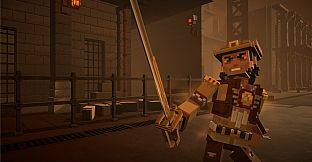
Esports Godfather is a deck-building strategy game that simulates the role of an esports coach in a MOBA setting. Players recruit and train athletes, assemble hero lineups through ban and pick phases, and issue tactical commands via cards during simulated matches. The Hero Expansion 3 adds six new heroes along with fresh equipment options and fifteen version rules that alter healing, shields, objectives, and combat pacing.
Gameplay
The core loop centers on team management outside matches and precise card play during them. Athletes gain stats through training and matches, while heroes provide unique abilities and Hero Cards that shape team synergy. Version rules shift each season, forcing adjustments to builds, resource allocation, and engagement timing. Ban and pick phases set the stage for every contest, with opponents adapting to the current meta.
Matches unfold in rounds where strategy points regenerate for card deployment. Players direct actions such as lane pushes, ambushes, or objective contests without direct unit control. Hero Cards enable effects like repositioning, damage amplification, or forced fights. New equipment expands build variety, while the added version rules introduce mechanics such as overheal shields that convert excess healing into protection and heavy strikes that scale damage with maximum health.
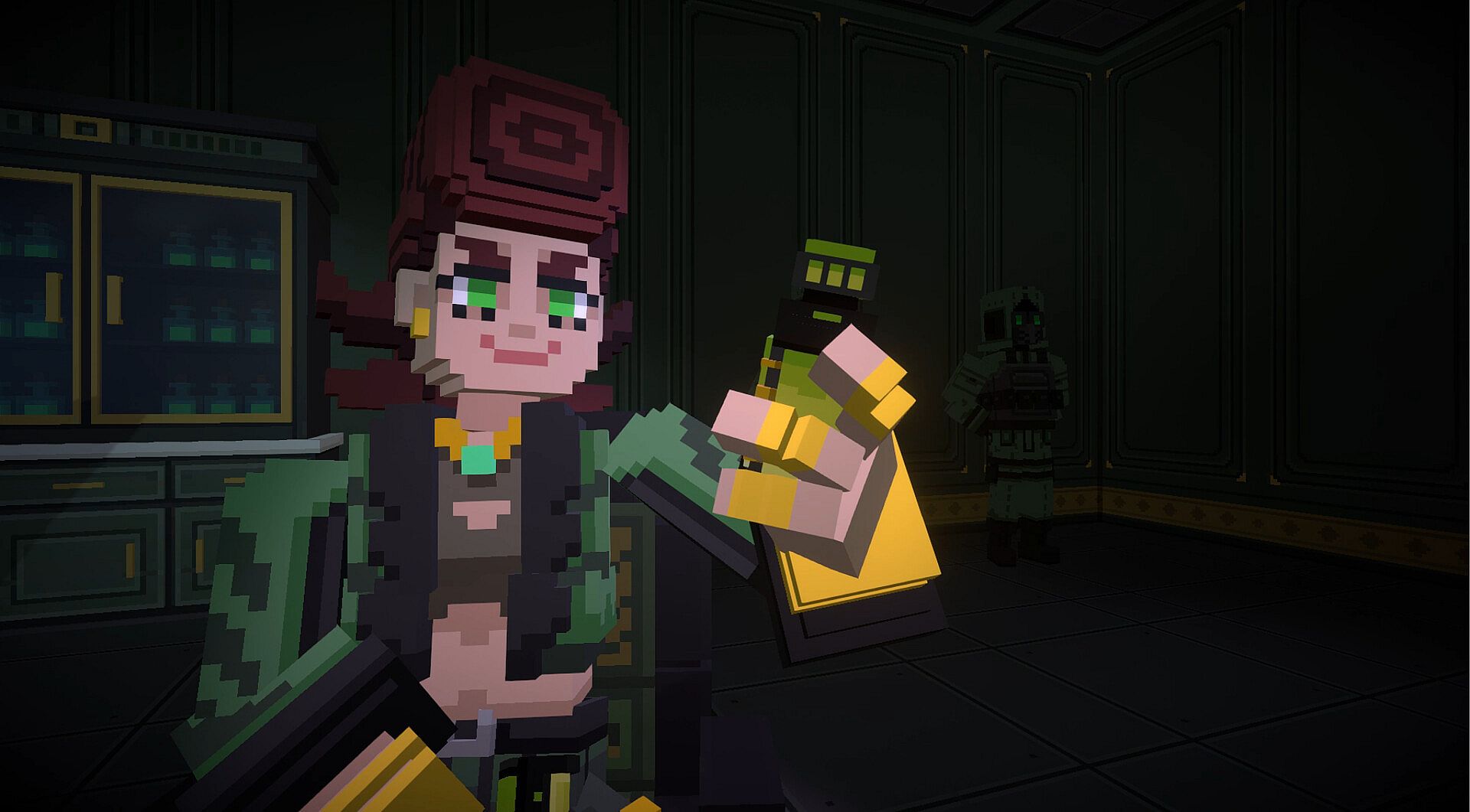
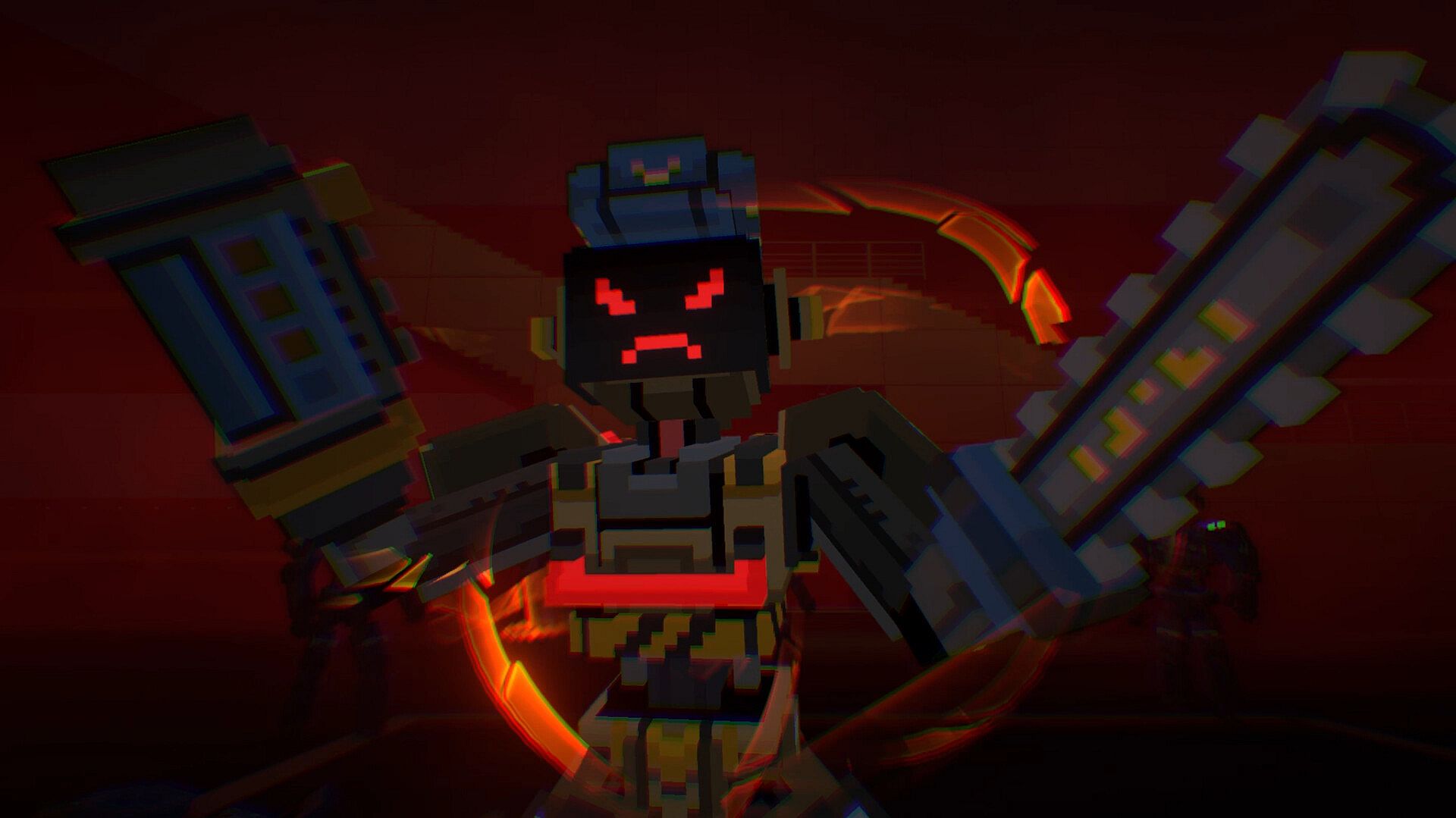
The six new heroes integrate directly into existing drafts. Ares accumulates Fearless stacks to boost damage based on enemy maximum health and chains attacks through specific card sequences. Chacha builds Alert Levels from ally actions to reduce card costs and converts damage into gold while preparing counters. Salvi excels at isolating low-health targets through concealment and delivers guaranteed critical strikes when alone with an enemy. Nomark marks prey with Death Warrant and escalates Execution damage through preparation stacks that also yield gold and energy on kills. Mara applies Frenzy to heighten aggression on both sides and accelerates Final Fight timers via discards. Bill attacks twice per round, builds Rage on repeated strikes, and unleashes multi-target flurries once One-Man Show activates.
Game Modes
The game operates through a single-player campaign structure focused on league progression. Coaches start with a new team and advance through seasons by winning matches, qualifying via playoffs, or securing consistent victories. Each season features evolving version rules that change tactical priorities and reward adaptation. Training plans, hero pool management, and card deck construction occur between matches to prepare for opponents.
Matches emphasize draft strategy and in-game card timing rather than separate competitive ladders or versus modes. The experience remains consistent across playthroughs while version shifts and hero additions create variety in lineups and approaches. No distinct multiplayer or co-op formats appear in the core design.
Strategic Depth and Team Building
Success depends on aligning athlete traits with hero synergies and current version rules. Drafting around the new heroes opens options for sustained fights with Ares, gold generation with Chacha, or early decisive clashes with Mara. Equipment choices further customize roles, allowing HP-focused builds to gain offensive value or cost-efficient gear to emphasize special effects. Resource decisions during matches, such as when to contest objectives or extend engagements, directly influence outcomes.
The expansion encourages revisiting familiar lineups with the added tools. New version rules on objective control and hero growth reward experimentation with jungle resource distribution and shield interactions. Coaches who sequence cards effectively can turn brief exchanges into prolonged advantages or force premature conclusions through targeted disruptions.
Is It Worth Playing?
Player feedback highlights the addictive combination of management simulation and card-based tactics, with strong praise for strategic depth and replayability through shifting versions. Reviews note a steep learning curve and occasional repetition in match pacing, yet many describe the experience as rewarding for those who enjoy theorycrafting and long-term team development. The base game maintains Very Positive reception, and the expansion integrates seamlessly by expanding hero pools and tactical options without requiring new campaigns.
This content suits players drawn to MOBA strategy without real-time execution demands or those seeking card-driven management systems. The six heroes and rule changes provide meaningful variety for existing owners, supporting continued engagement through updated drafts and builds. Those comfortable with complex systems and iterative adaptation will find the most value in the ongoing updates and expansions.