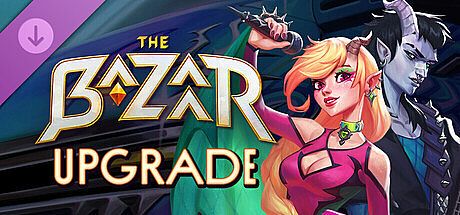


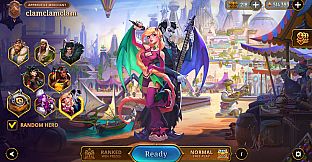
The Bazaar is a strategy auto-battler where players select from a roster of heroes and construct boards of items and skills that fight automatically. Each run unfolds over a series of in-game days on PC, blending resource management, item synergies, and tactical decisions into a loop that rewards experimentation with different hero abilities and build paths.
Gameplay
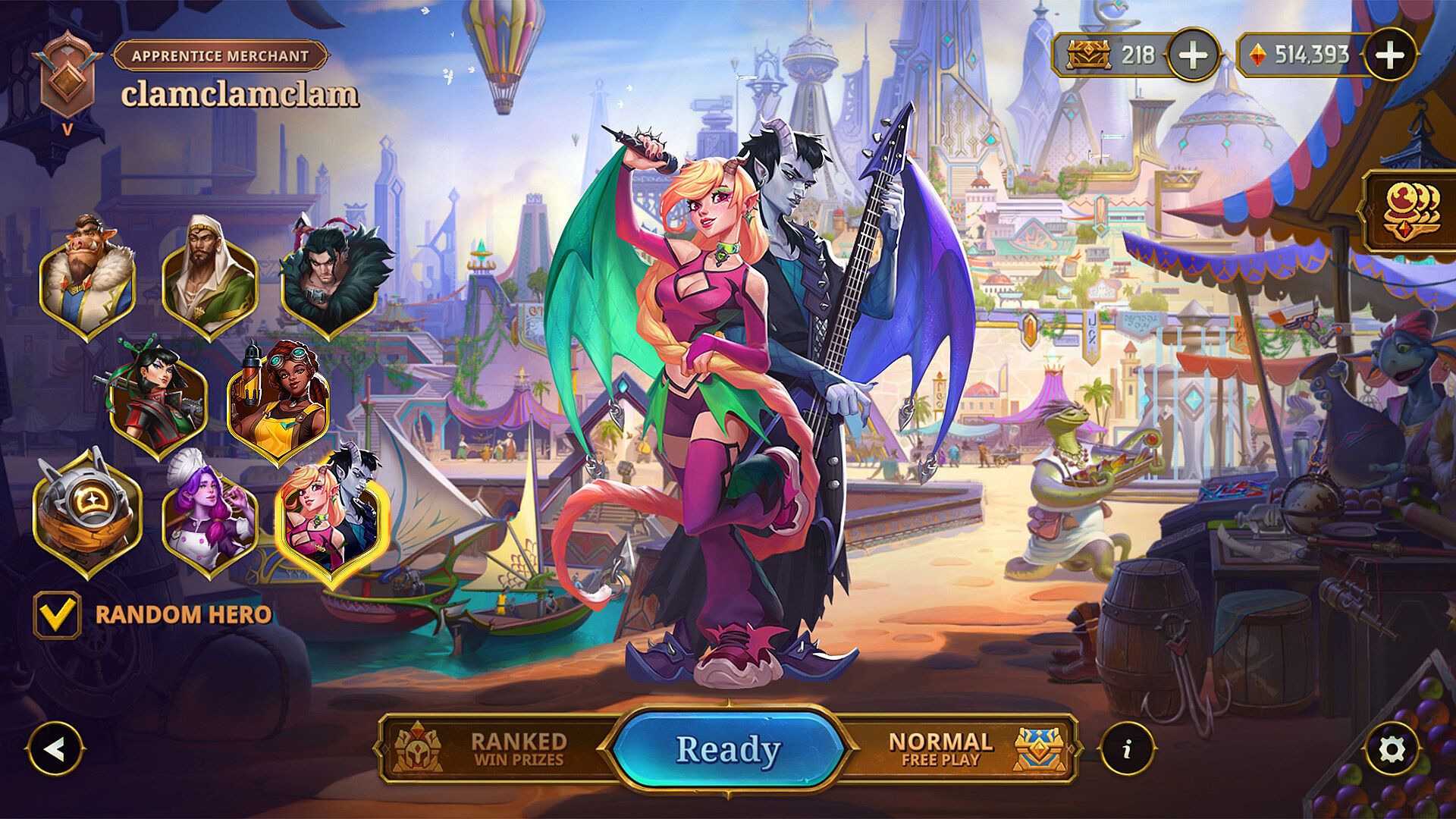
Core play centers on drafting items from merchants, completing encounters, and upgrading equipment through purchases or events. Items come in small, medium, and large sizes with tier progression from Bronze to Diamond, where higher tiers deliver stronger effects and scaling. Heroes bring distinct mechanics that shape viable strategies. Mak focuses on potions and reagent transformation to convert materials into powerful tools. Stelle emphasizes steampunk gadgets, aerial machines, and a fly effect that lifts items out of reach. Jules incorporates heating and cooling elements into a restaurant-themed kitchen that applies beneficial effects to cards. Karnok builds rage in combat to unleash or restrain an inner creature for aggressive or controlled plays. The Dragons use a tempo system where one item accumulates value and another expends it for coordinated musical attacks. Pygmalien and Dooley round out the roster with their own specialized item interactions and board setups. Leveling provides consistent rewards such as item upgrades, skills, and hero-specific options that help stabilize runs amid randomization.
Game Modes
Normal mode allows unrestricted play with full chest rewards at the end of successful runs. Ranked mode features monthly seasons with soft rank resets and leaderboards that track performance across wins. Tournament mode remains in public testing on a separate branch for players seeking structured competition. Every run targets ten PvP wins against ghosts of other players' boards while managing prestige that depletes on losses. Monster encounters provide PvE practice and rewards without prestige cost. The structure supports both quick sessions and deeper build refinement across multiple days per attempt.
Heroes and Mechanics
Each hero alters the item pool and introduces unique triggers that encourage specialized builds. Mak's transform ability turns reagents into upgraded items, supporting potion-heavy strategies. Stelle's family encounters and fly mechanic add vertical positioning options to evade enemy interference. Jules expands kitchen sockets for heating and cooling that enhance food-related cards in a cozy yet competitive framework. Karnok's rage accumulation and creature release create high-risk, high-reward paths augmented by new items. The Dragons sync instruments through tempo to chain musical effects into burst damage. These systems layer onto shared mechanics like item size management and encounter choices, creating distinct playstyles without overlapping heavily.
Current State and Updates
The game receives regular monthly patches that introduce new items, balance adjustments, and seasonal content. Season 20 launched in early November 2026 with expanded accessibility, making all heroes available without separate purchases. Ongoing development includes mobile support in testing and continued refinement of economy and ranking systems. Runs reward consistent play through escalating chest tiers at four, seven, and ten wins, while prestige tracking adds tension to longer attempts.
Is It Worth Playing?
Players who enjoy strategic item crafting and asynchronous competition will find a polished loop with meaningful hero variety and frequent updates. Recent changes have broadened access and shifted focus toward cosmetics, supporting long-term engagement through seasons and balance patches. Those seeking fast-paced real-time action or purely single-player experiences may prefer other titles, but the auto-battler format delivers satisfying depth for fans of deliberate build optimization and ghost-based PvP. The current version supports both casual experimentation and competitive climbing without artificial barriers to core content.