


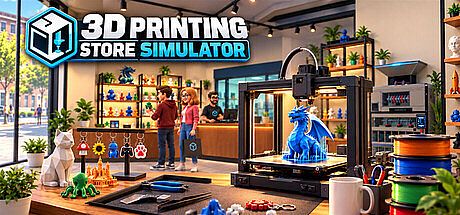


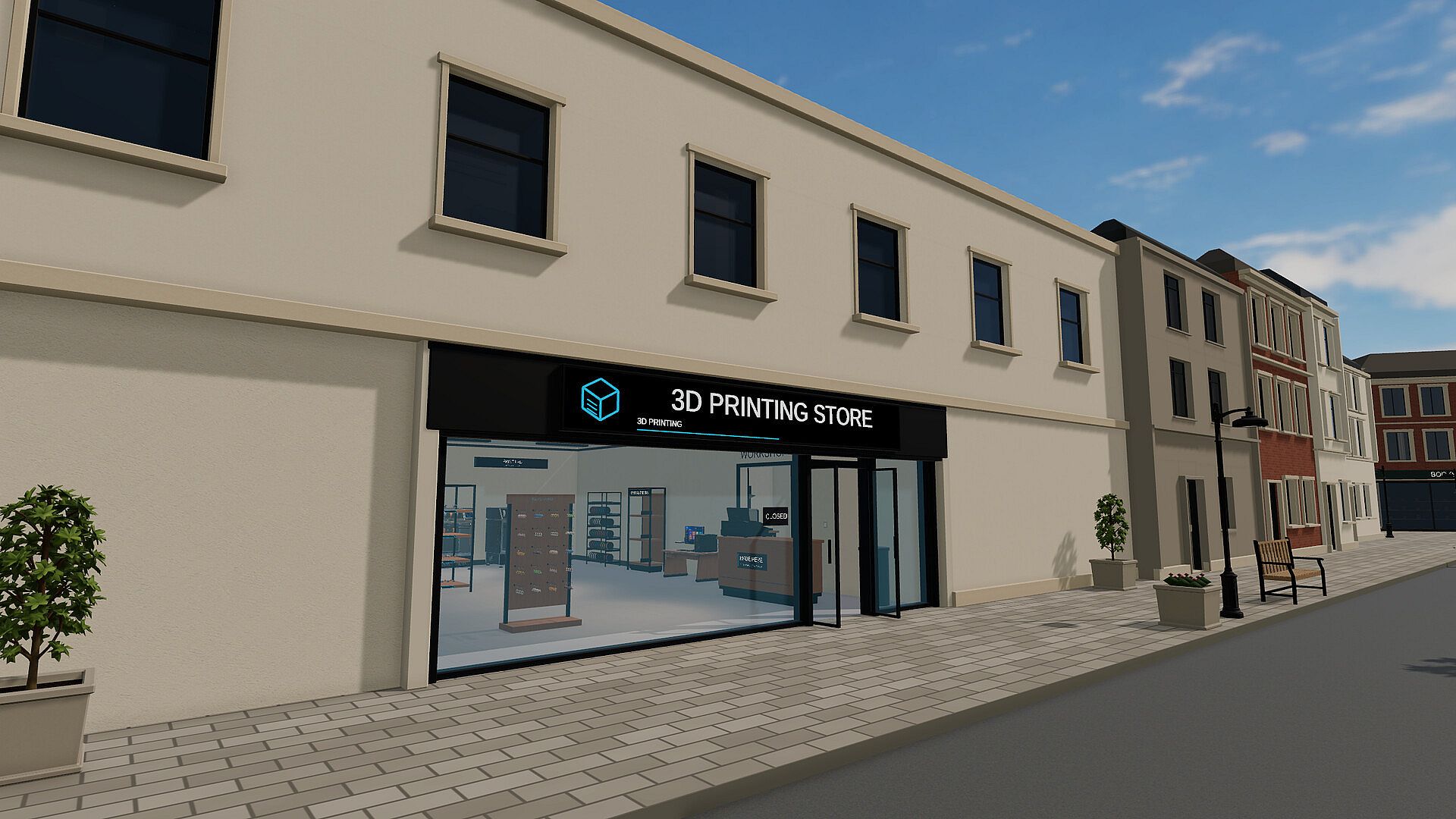
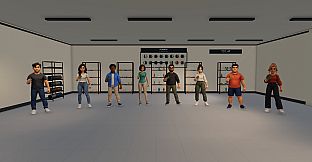
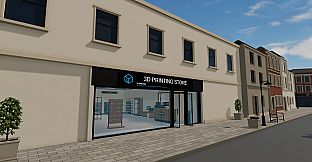
3D Printing Store Simulator is an indie simulation game for PC that puts players in charge of building and running a 3D printing business from the ground up. The experience centers on turning an empty shop into a thriving operation through hands-on production, inventory management, and customer service.
Gameplay
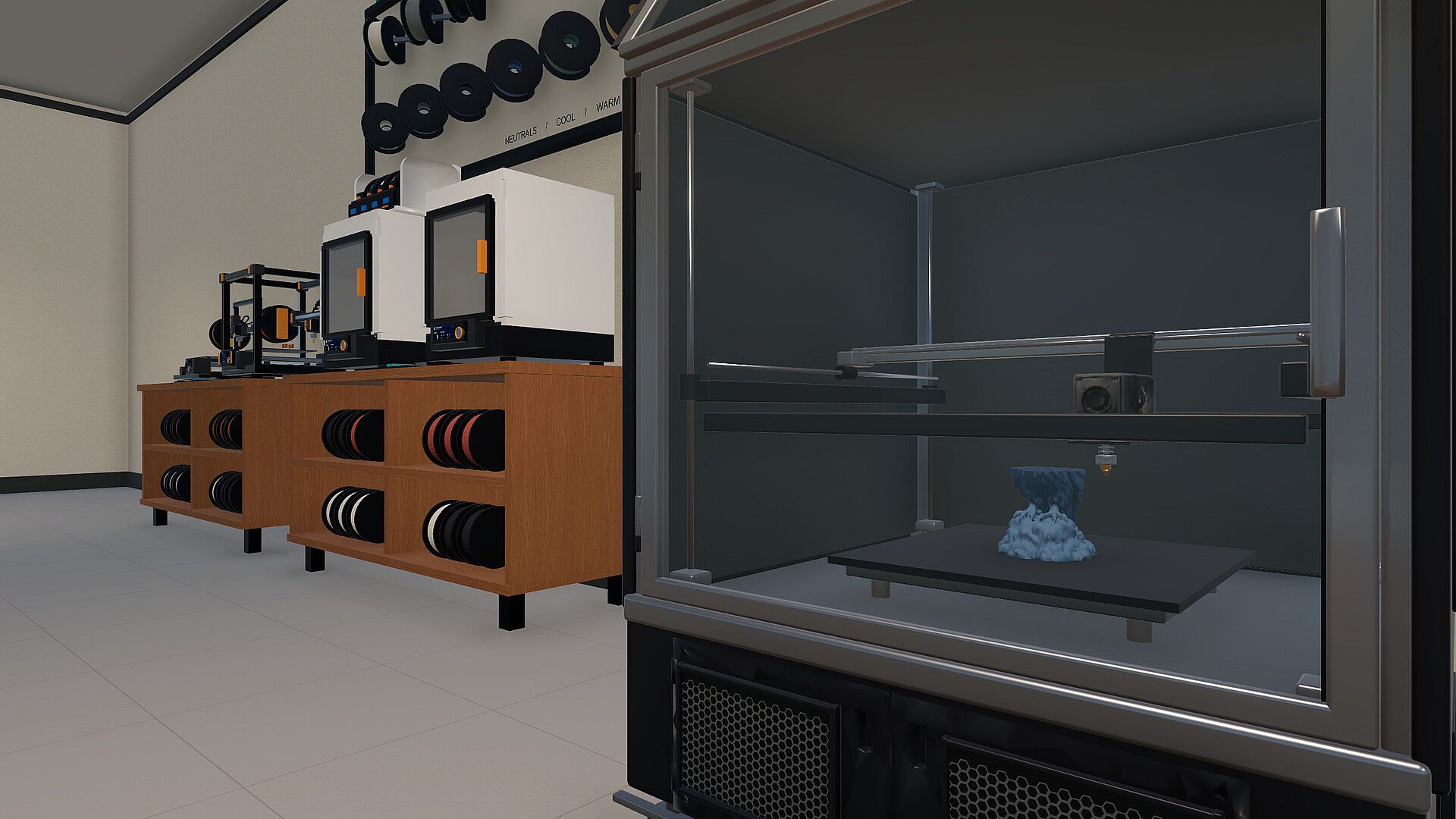
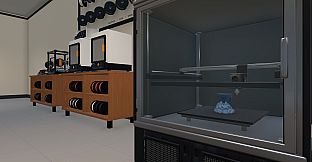
The core loop involves every stage of the production process. Players start by ordering filament supplies and loading spools into 3D printers. They then select models, quantities, and begin printing jobs. Each product consumes filament based on its size and geometry, creating real material costs that must be tracked carefully.
Advanced printers support multicolor output using multiple spools. Some items require two, three, or four colors, so correct filament must be loaded with enough material on each spool. Every color used draws from its own supply, turning filament selection into a key management task.
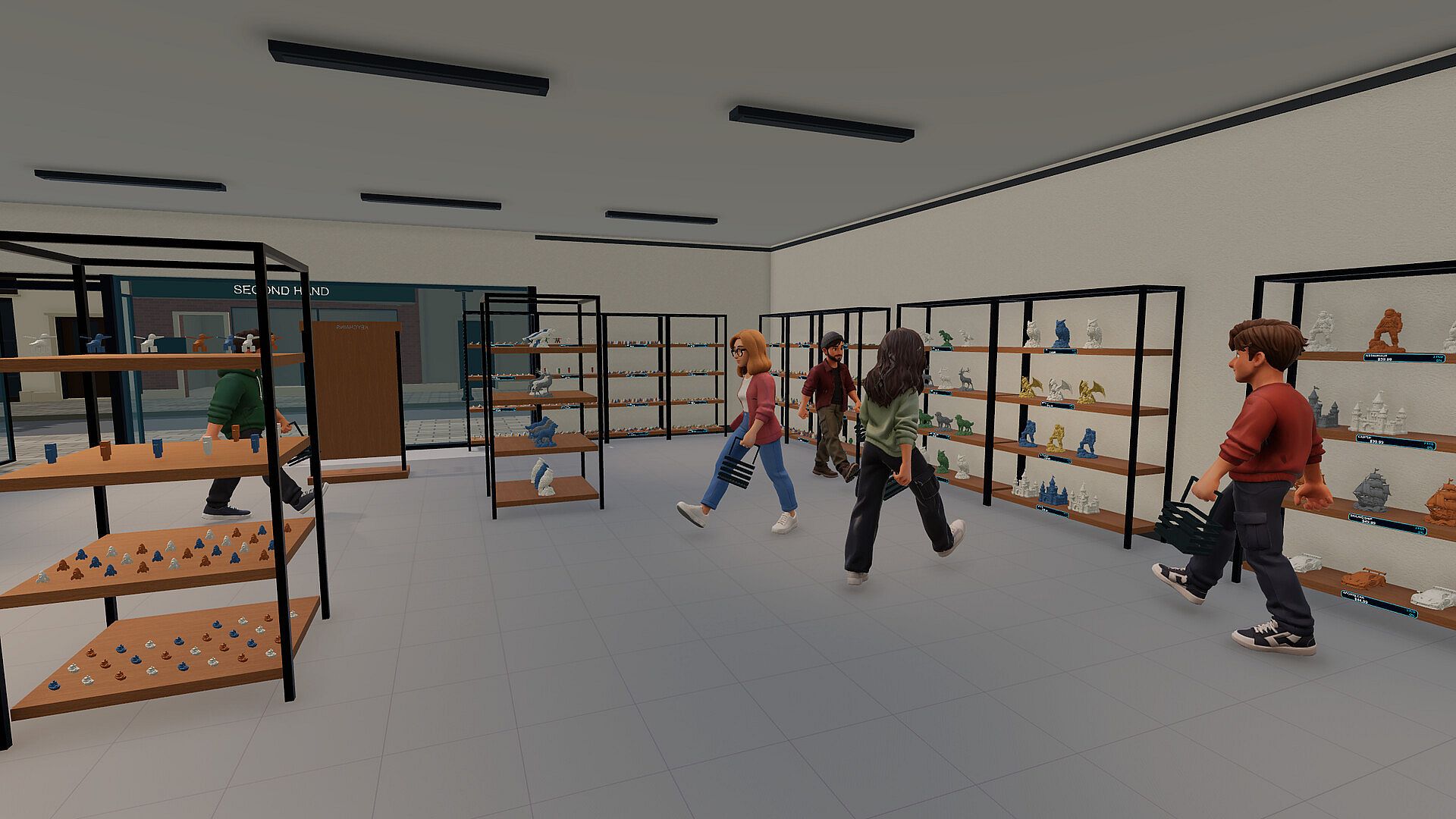
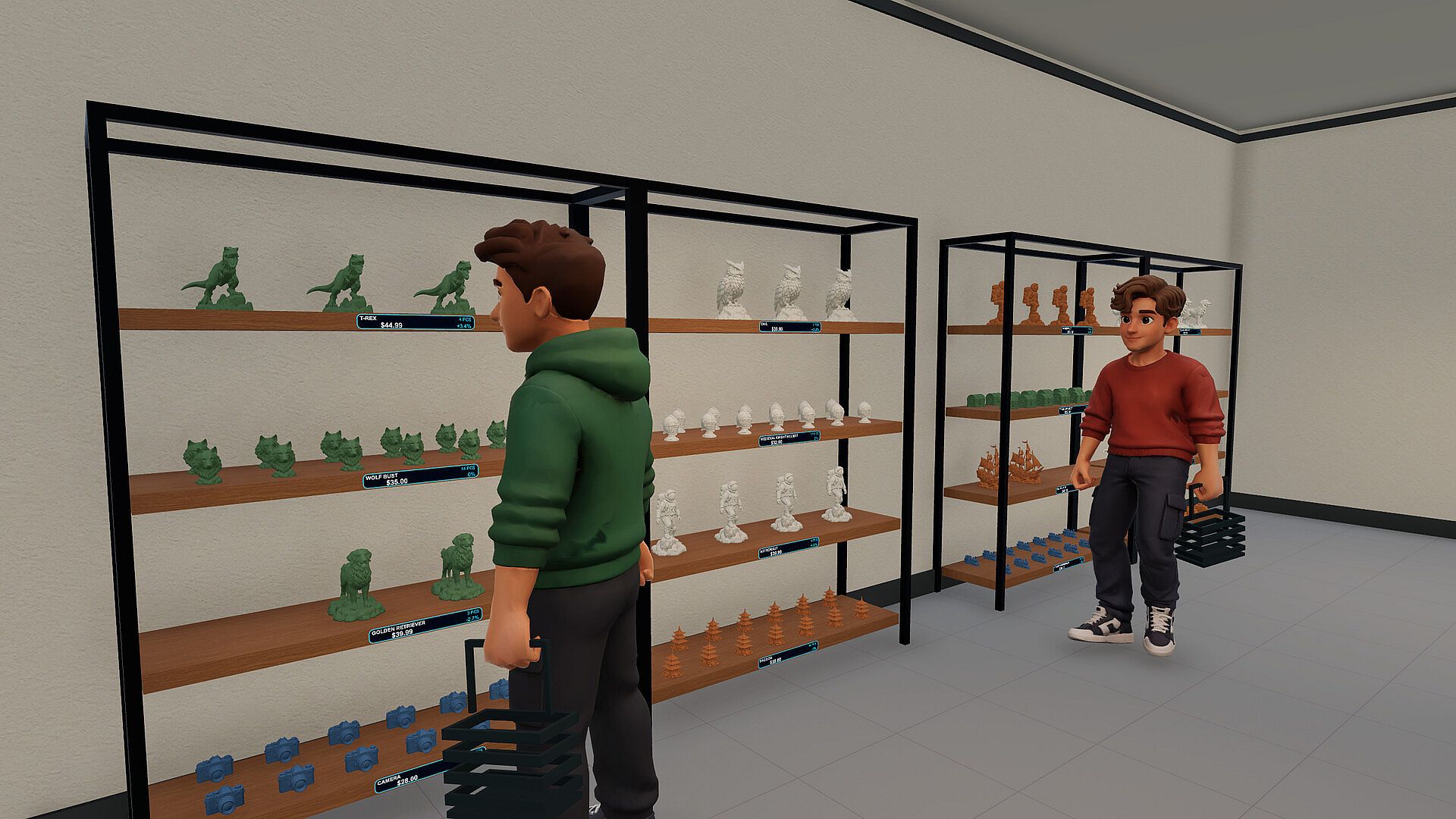
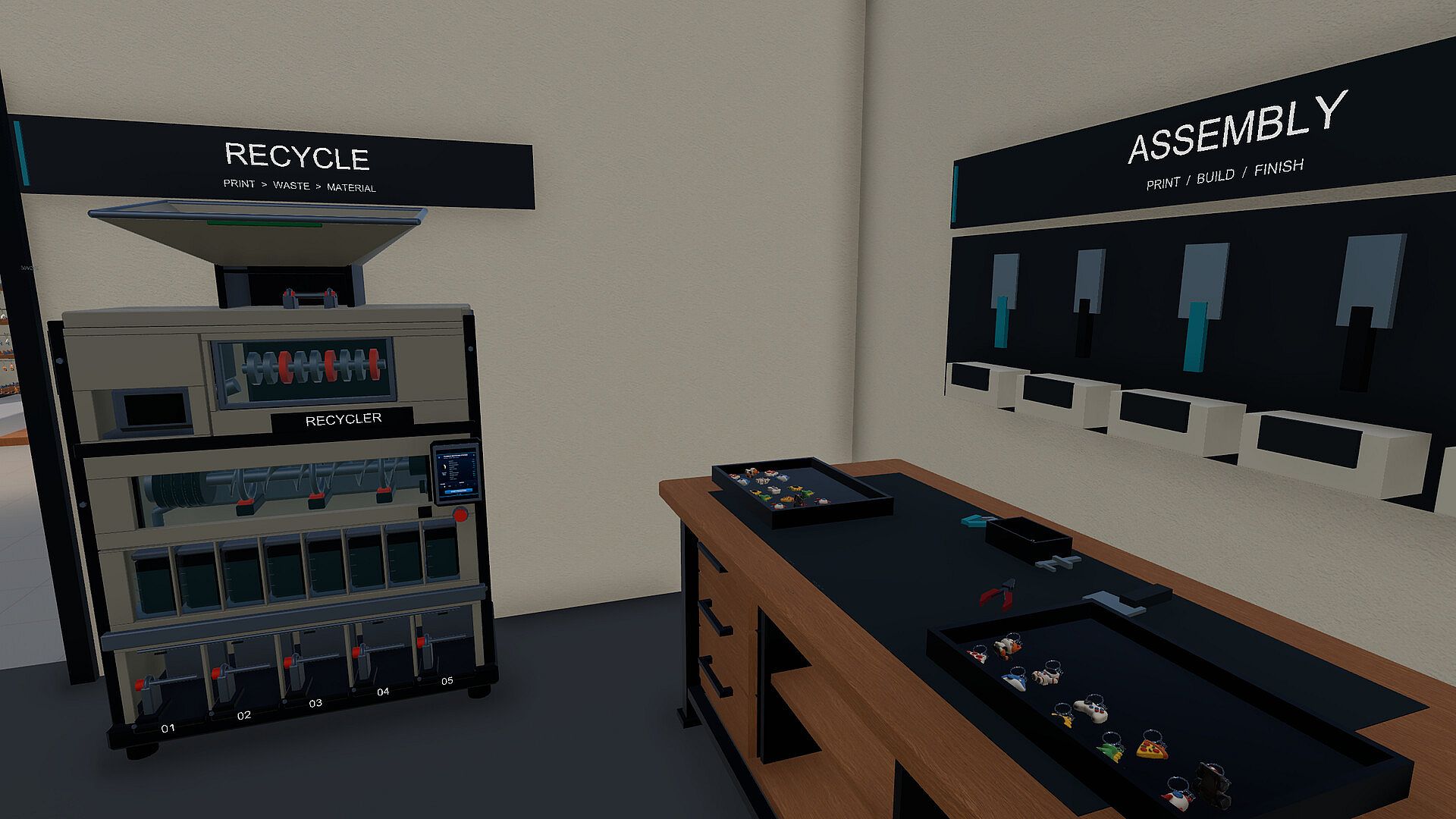
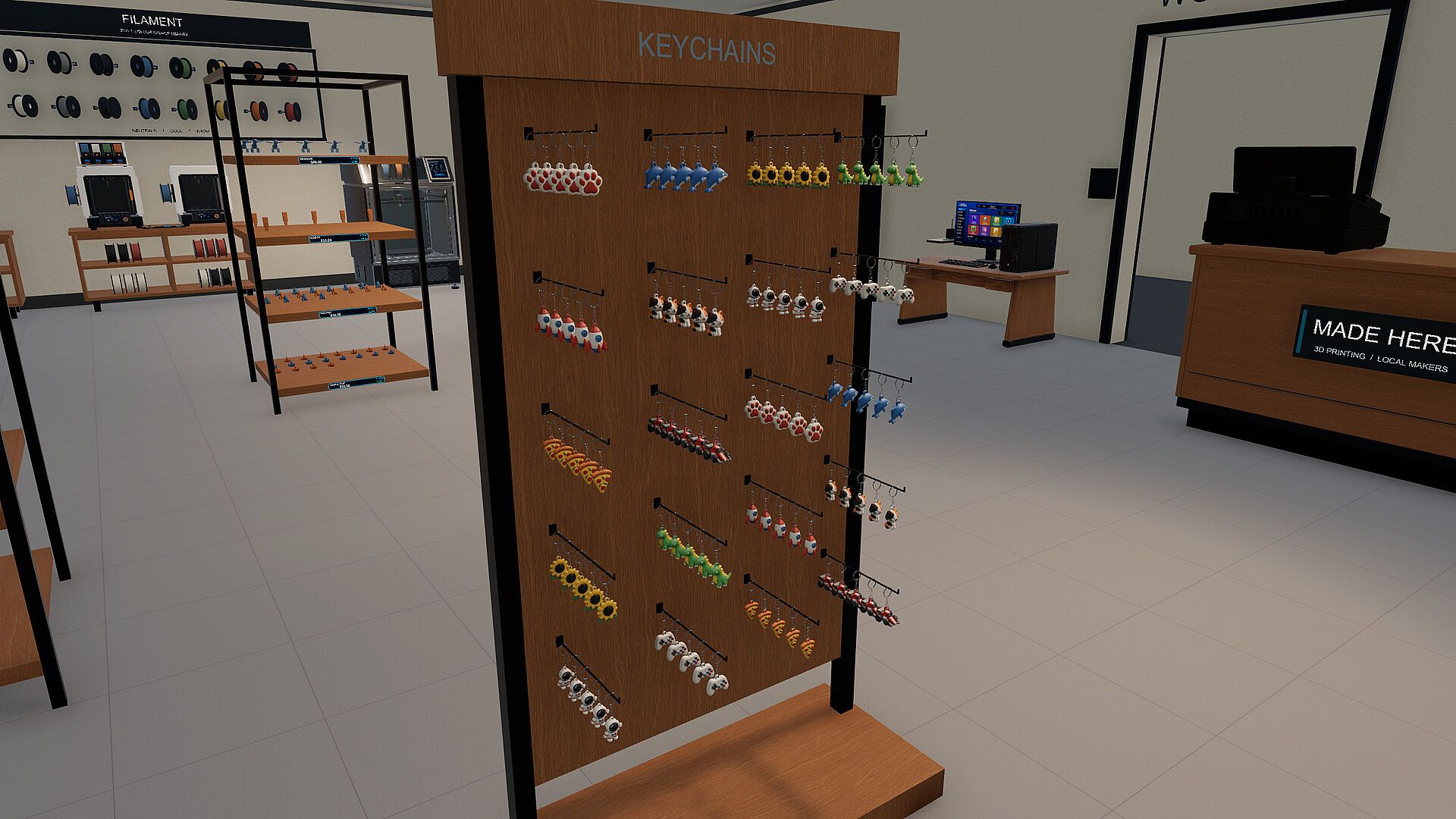
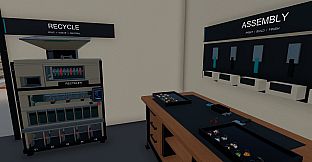
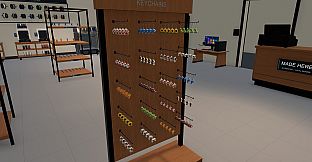
Not all prints are ready to sell immediately. Items like keychains move to an assembly workbench where hardware is added and finishing tools complete the process. Finished goods are then organized on display stands and priced for sale. Customers arrive with varying preferences for products, colors, and budgets, rewarding stores that maintain variety and stock levels.
Special orders add another layer. These requests require producing specific items on demand while balancing regular inventory needs. Waste from printing, failed jobs, or discards collects in a system that feeds into recycling equipment, recovering material for reuse and integrating waste handling into the overall strategy.
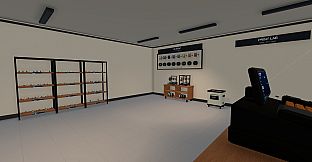
Expansion comes through upgrades. Better equipment, larger production areas, additional storage, and more advanced printers allow the shop to scale from basic single-color work to complex multicolor and assembly workflows.
Game Modes
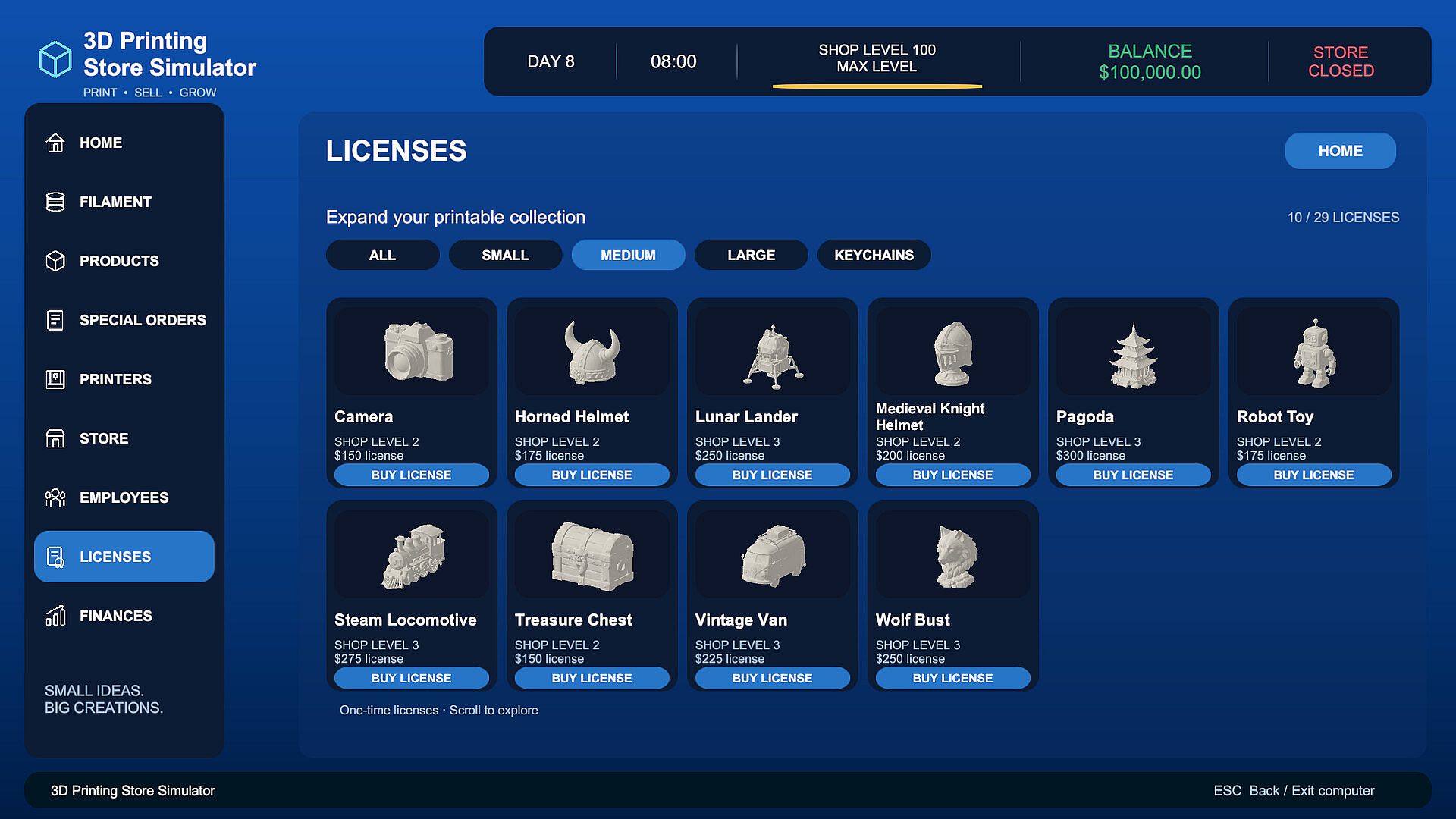
3D Printing Store Simulator focuses on a single-player career-style progression where the player builds the business step by step. There are no separate competitive or multiplayer modes described. The entire experience revolves around the continuous cycle of ordering supplies, printing, assembling, stocking, pricing, selling, recycling, and expanding the workshop.
Core Mechanics and Progression
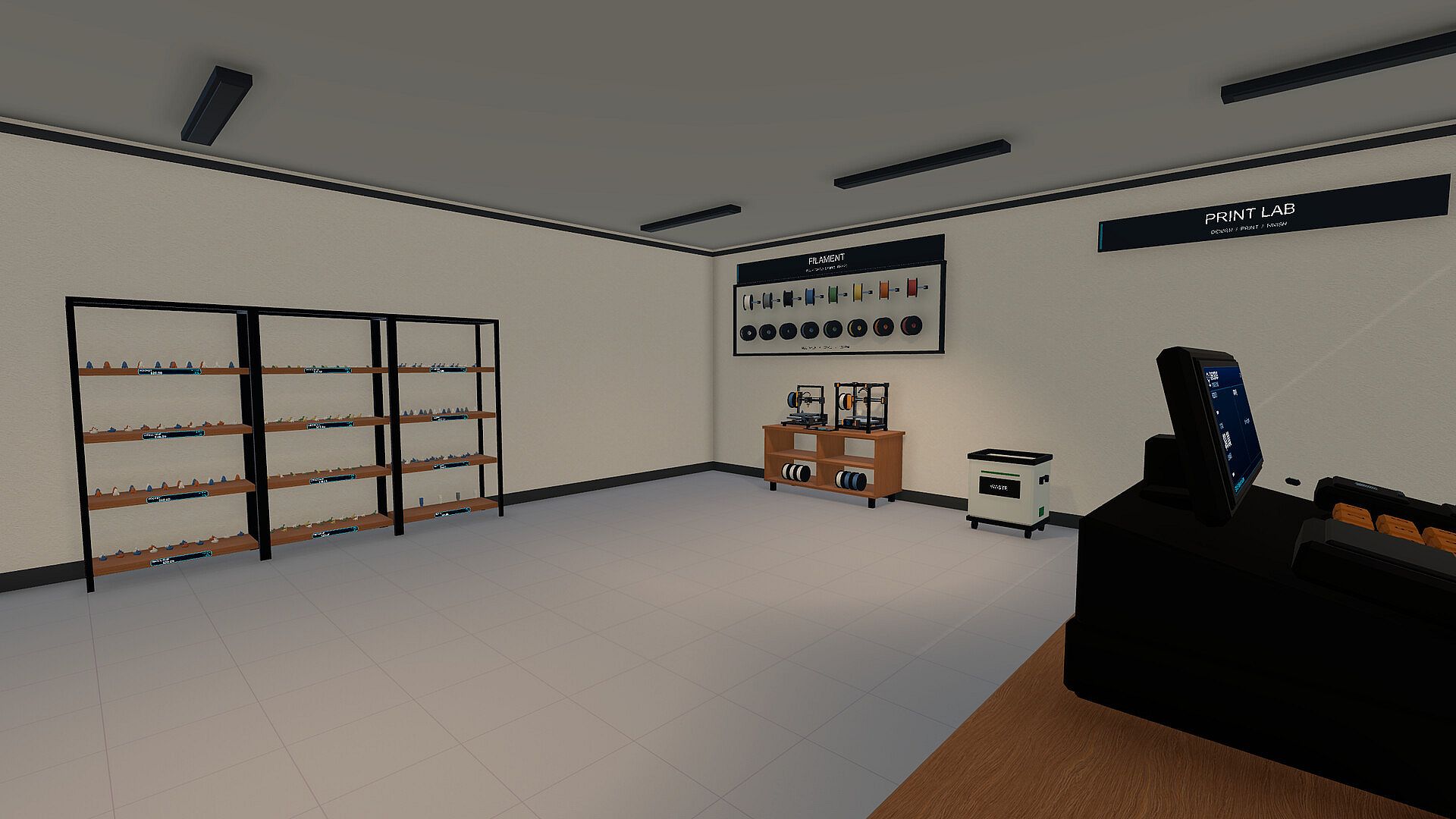
Inventory and pricing decisions sit at the center of daily operations. Shelves and equipment can be arranged freely, products organized for visibility, and selling prices set independently. Production capacity must be balanced against both walk-in sales and special orders to avoid shortages or idle machines.
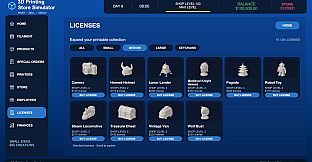
Filament management grows more involved as the range of products expands. Small decorative items use less material than large, high-value prints, and multicolor jobs multiply the variables. Keeping popular items in stock while experimenting with new models supports steady growth.
Recycling turns a potential loss into an asset. Collecting and processing waste reduces the need for new filament purchases and adds a strategic element to production planning. As the business expands, new equipment and areas open opportunities for higher-volume or more complex work.
Is It Worth Playing?
3D Printing Store Simulator appeals to players who enjoy detailed shop and management simulations. The game delivers a complete production chain from filament to finished product, with meaningful choices around material use, assembly, pricing, and store layout. Those who like methodical progression and resource optimization will find satisfaction in scaling the operation and handling customer demands efficiently.
The simulation rewards careful planning over speed, making it suitable for relaxed sessions focused on building a sustainable business. If the idea of managing every aspect of a specialized 3D printing retail operation sounds engaging, the game provides a focused and self-contained experience centered on that theme.












