

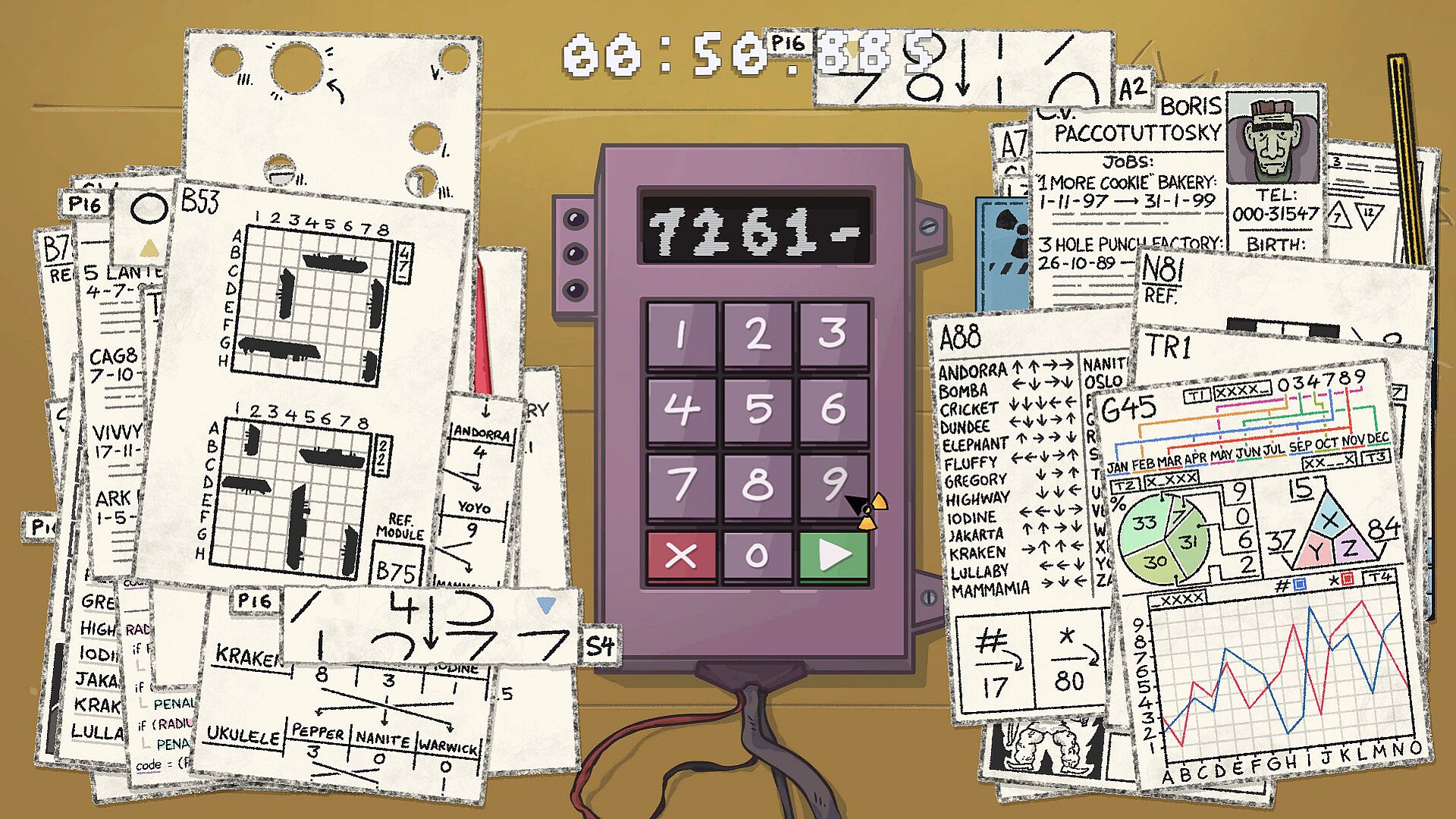
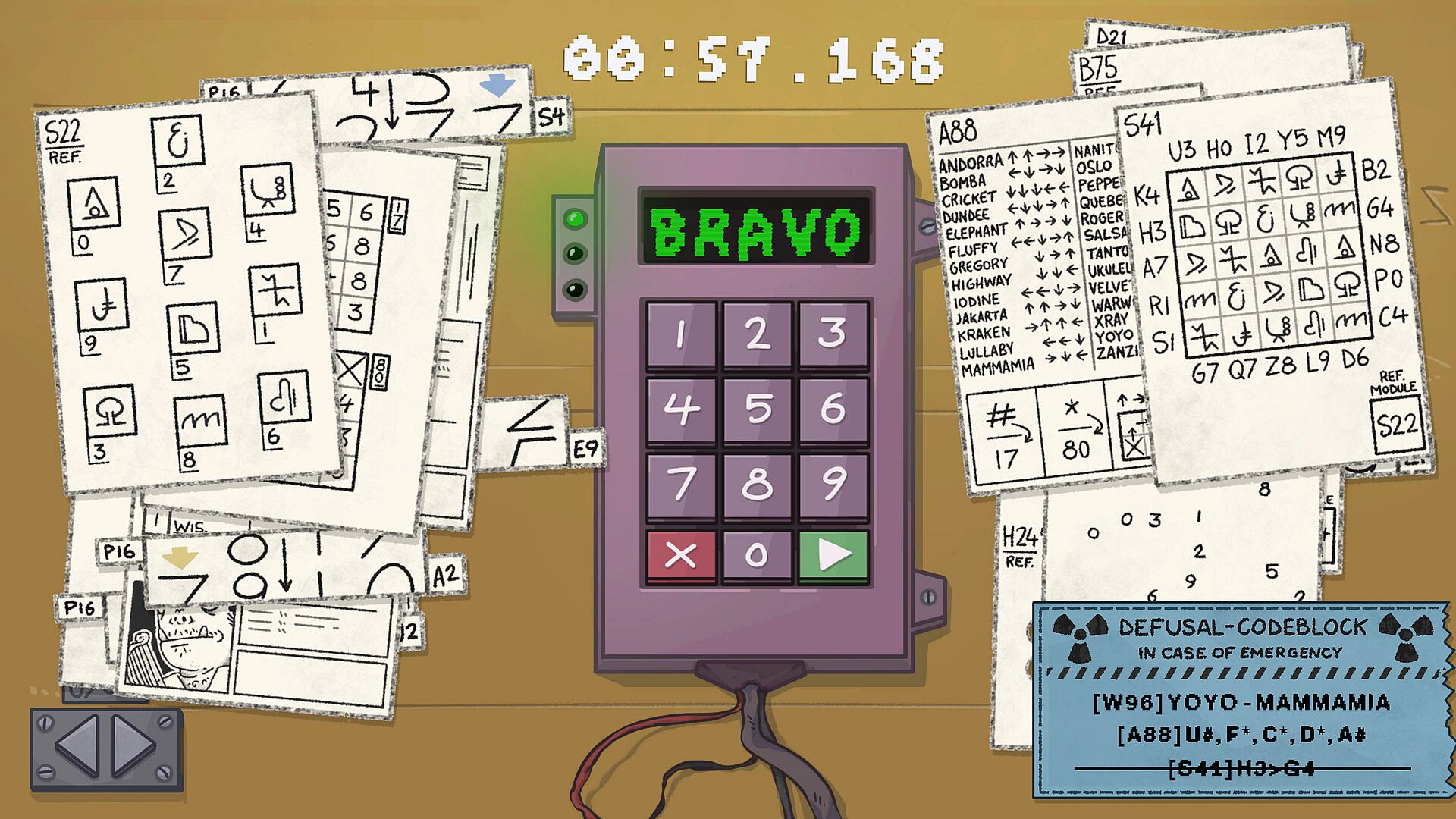
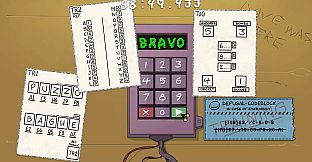
Abort Sequence is an indie casual puzzle game for PC that puts players in the role of an office worker racing against the clock to prevent a nuclear missile launch. The premise centers on an accidental activation triggered by spilled coffee on the control panel, leaving only minutes to locate and input the correct abort codes before disaster strikes.
Gameplay
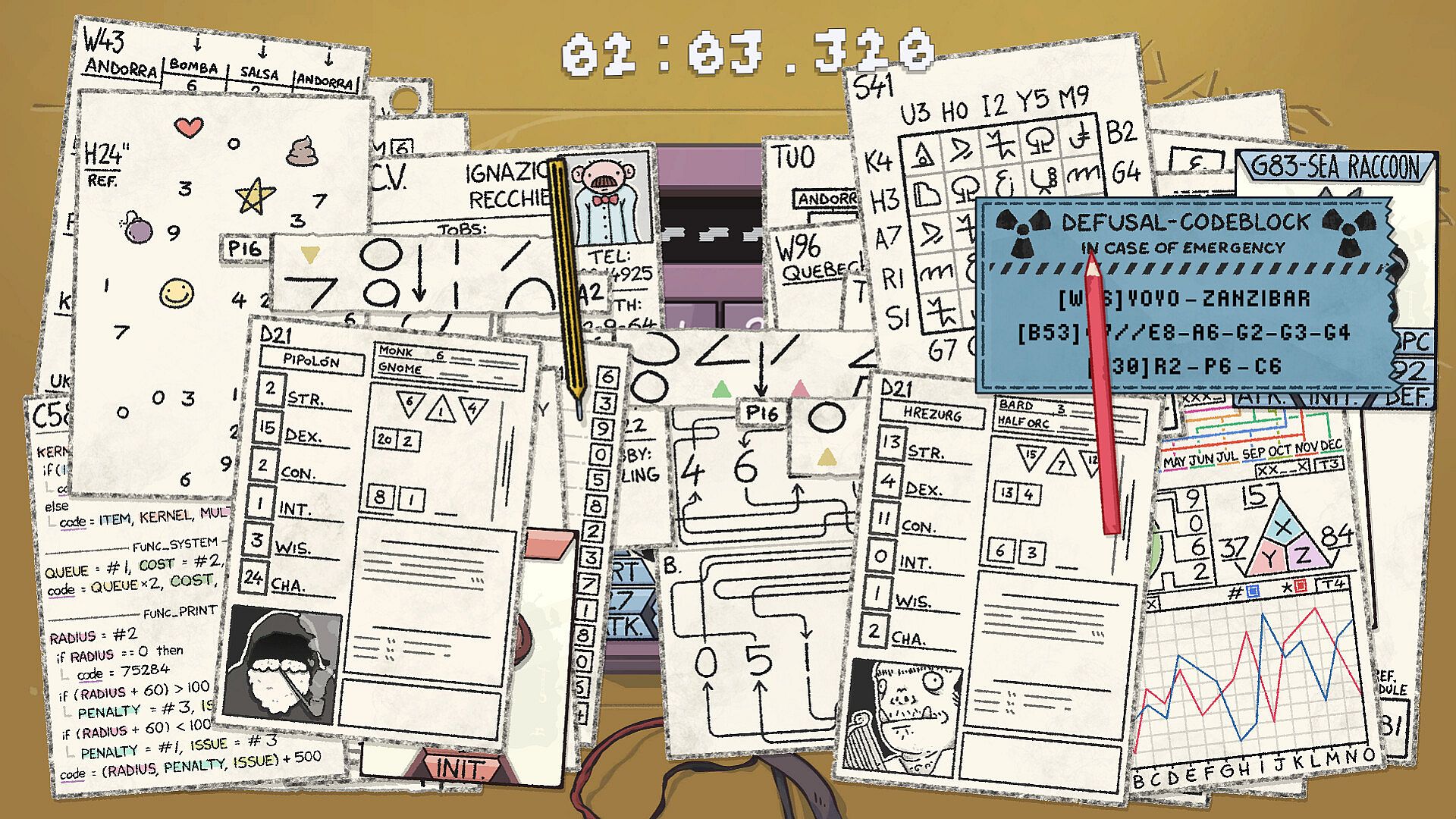
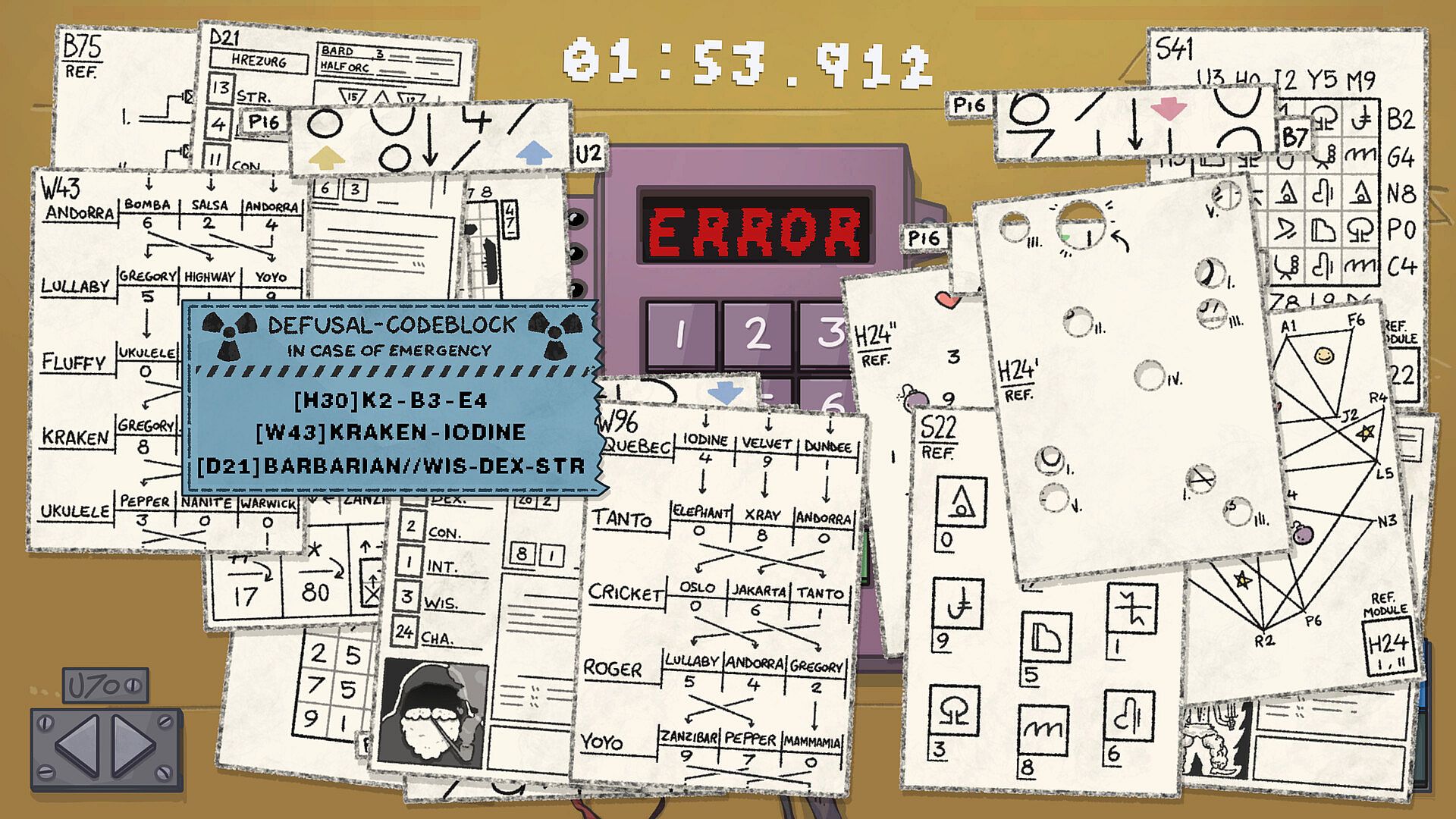
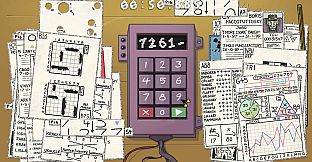
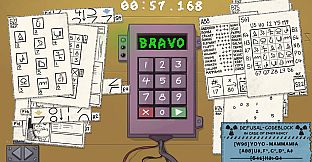
The core loop revolves around examining a cluttered desk filled with scattered papers and objects. Players must locate specific documents referenced in the emergency codeblock, interpret the clues provided, and apply them to unlock a series of logic-based puzzles. Each solved puzzle reveals one digit of the required five-digit abort code. The workspace starts disorganized, forcing careful observation and organization of visual elements to progress efficiently.
Time pressure defines every session, with a countdown timer that ends the attempt if the full code is not entered in time. Failure resets the entire setup, generating a fresh randomized set of codes and puzzle configurations for the next attempt. This randomization ensures no two playthroughs follow identical patterns, emphasizing pattern recognition and quick adaptation over rote memorization.
Visual clutter serves as both obstacle and tool. Papers overlap, items shift positions slightly between rounds, and indications within the codeblock guide attention to particular desk areas. Solving requires cross-referencing written hints with physical desk items, turning the environment itself into the primary interface for puzzle interaction.
Game Modes
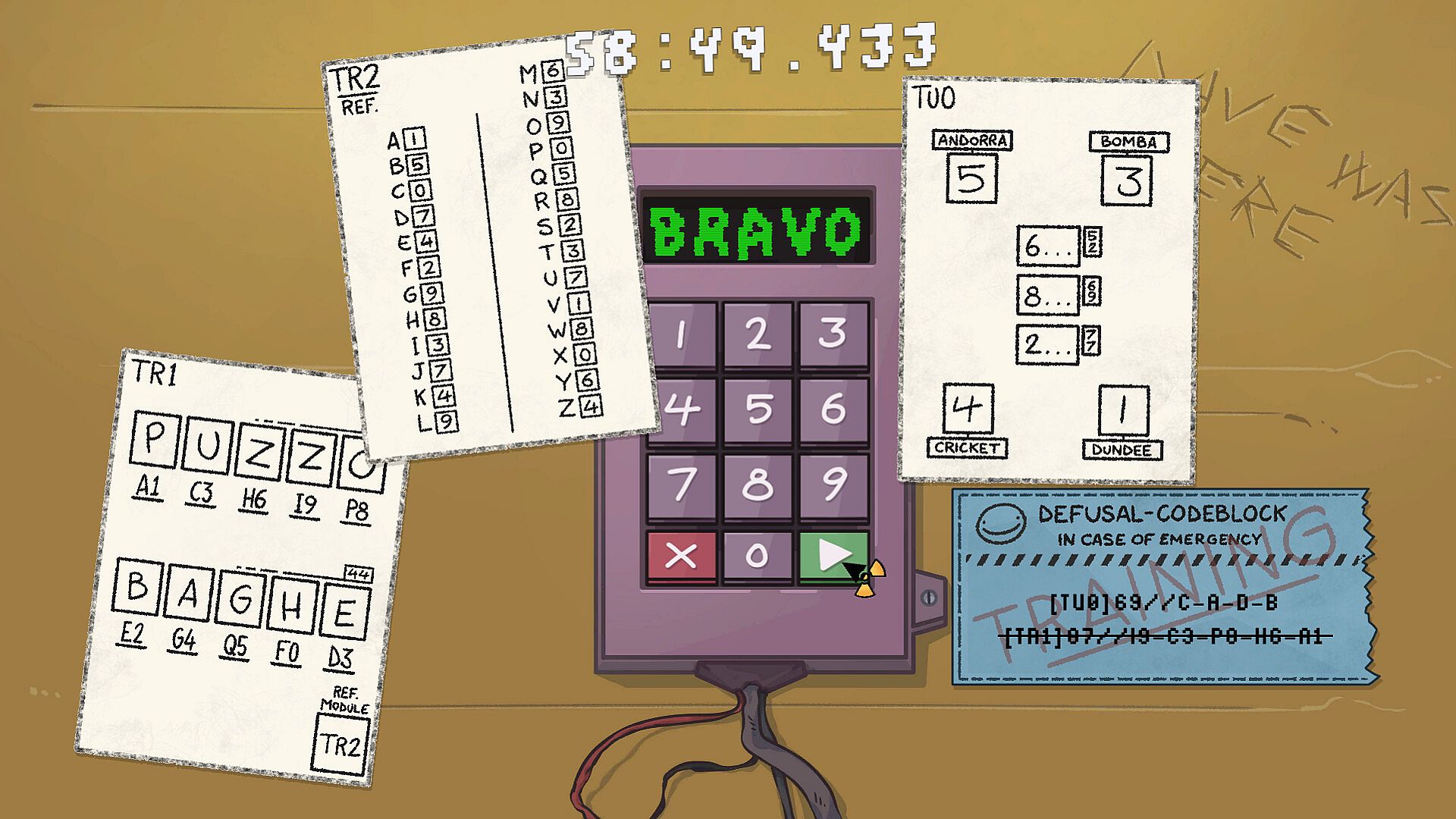
Multiple difficulty settings adjust the available time and puzzle complexity. A dedicated training scenario introduces the mechanics at a relaxed pace, allowing players to practice locating documents and interpreting clues without the full intensity of a live countdown. Standard modes increase the challenge through tighter timers and more intricate codeblock references.
The highest difficulty option demands precise execution and rapid desk scanning, suitable only for players who have mastered the lower settings. All modes share the same randomized code system, which draws from nearly 100,000 possible five-digit combinations while maintaining the core requirement of uncovering exactly five digits per successful run.
Over thirty distinct puzzles appear across sessions, each tied to different desk elements and codeblock instructions. The variety keeps the experience fresh even after repeated attempts, as the same puzzle type rarely repeats in identical form due to the randomization layer.
Core Mechanics and Features
Randomization extends beyond codes to the placement and visibility of desk items, ensuring each new game presents unique visual layouts. Players develop strategies for systematic desk sweeps rather than relying on fixed positions. The five-digit code requirement remains constant, but the path to each digit changes with every reset.
Progression feels tied to personal skill improvement. Early attempts focus on basic document location, while later ones involve faster clue interpretation and efficient multi-puzzle solving within shrinking time windows. No external tools or additional systems complicate the direct desk-to-code workflow.
Is It Worth Playing?
Abort Sequence suits players who enjoy short, high-stakes puzzle sessions with strong time-management elements. Its casual indie nature makes it accessible for quick play sessions, yet the hardest settings provide meaningful challenge for those seeking repeated attempts at mastery. The randomized structure supports many replays without repetition of exact solutions.
Those who appreciate logic puzzles that incorporate environmental observation rather than abstract grids will find the desk-based approach distinctive. The game delivers focused, self-contained experiences centered on preventing the launch, with no extraneous layers. For fans of the genre looking for a compact title built around code cracking under pressure, it offers a direct match to that interest.