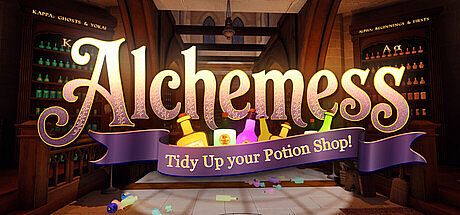





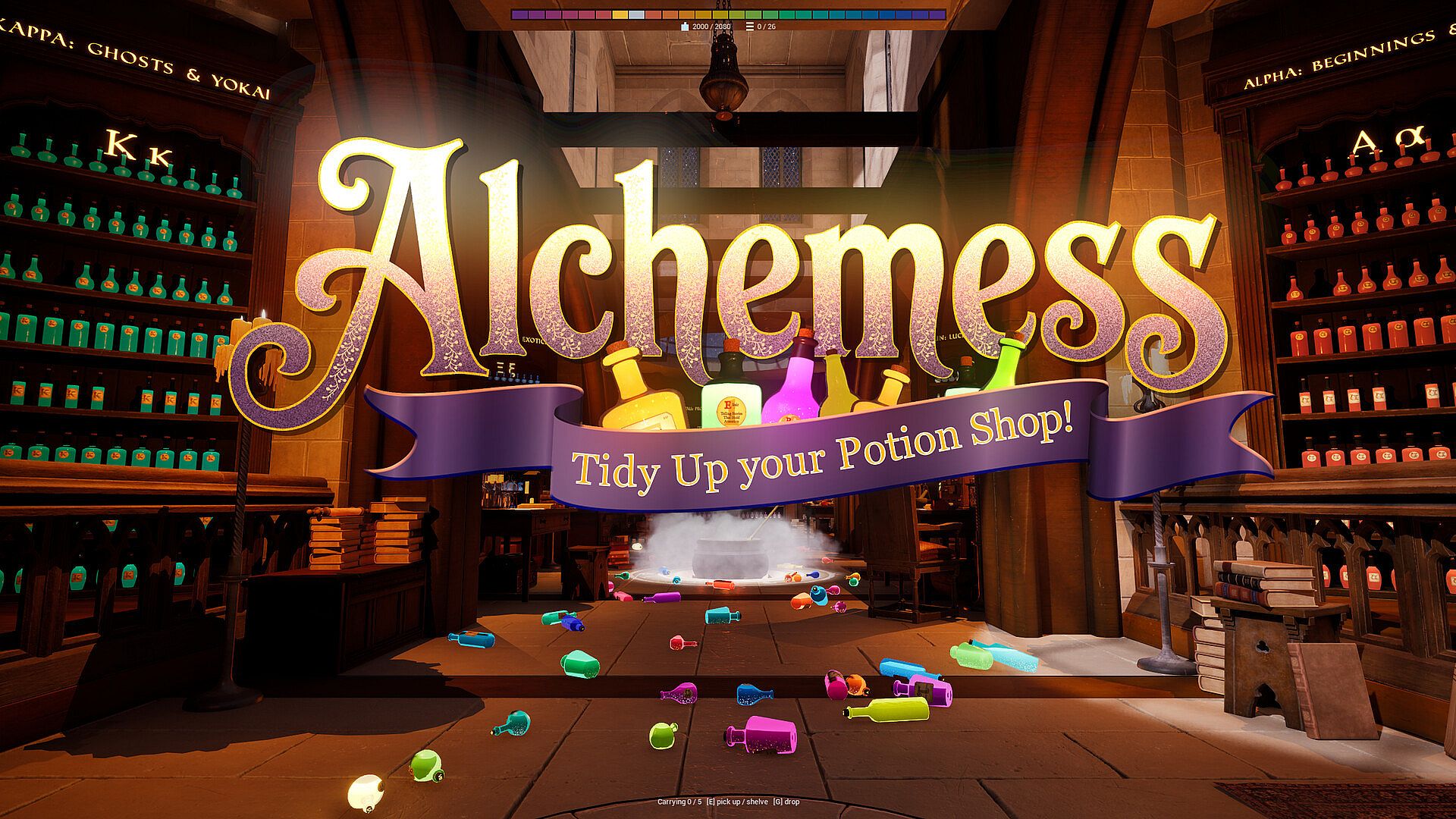
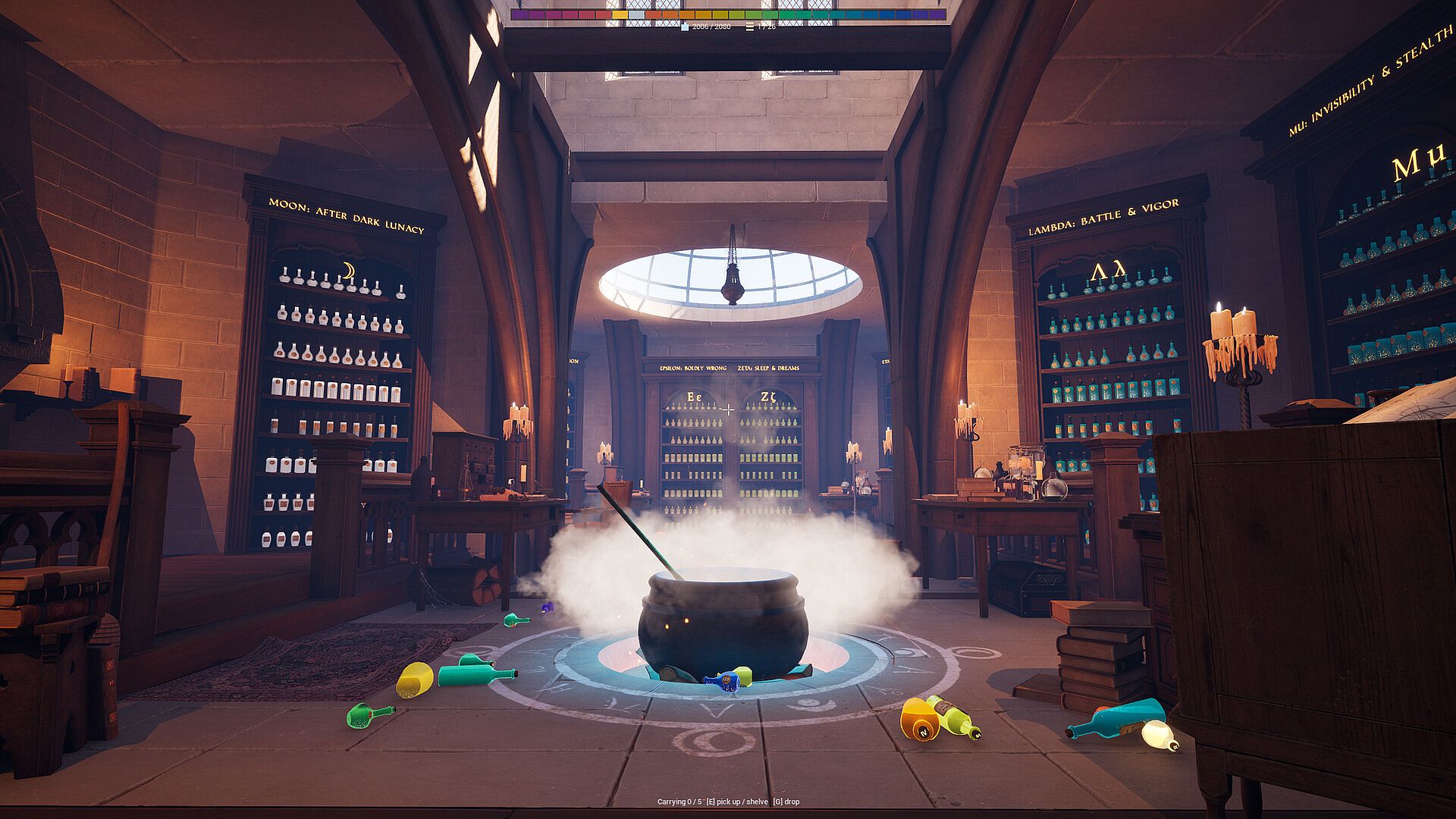

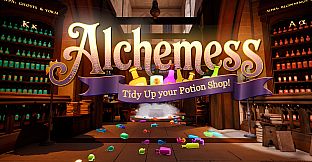

Alchemess: Tidy Up Your Potion Shop! is a cozy first-person sorting simulation game developed for PC. Players restore order to a potion shop after 2,080 bottles tumble to the floor overnight. The experience centers on careful organization in a peaceful setting with no timers or penalties for mistakes.
Gameplay
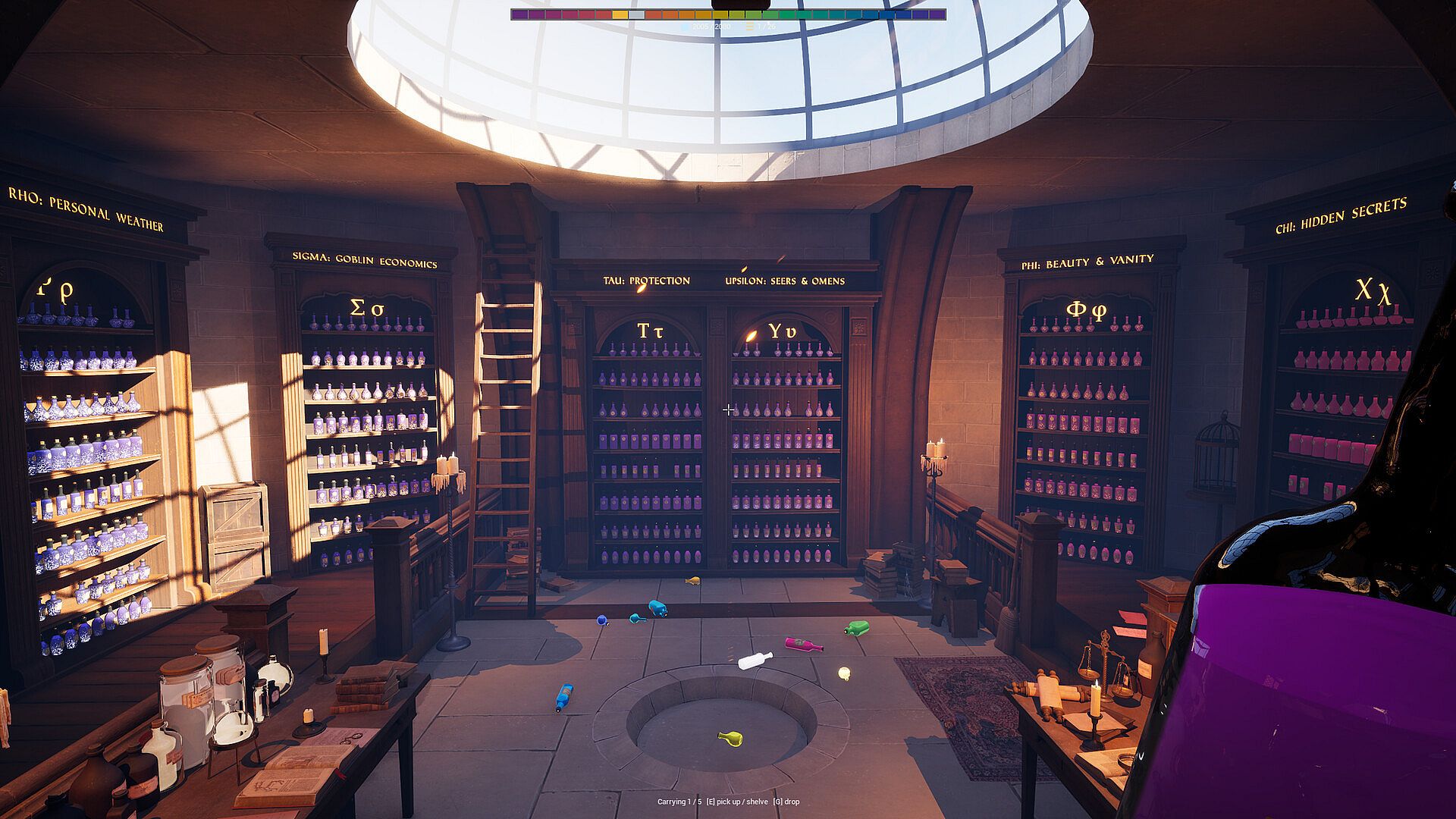
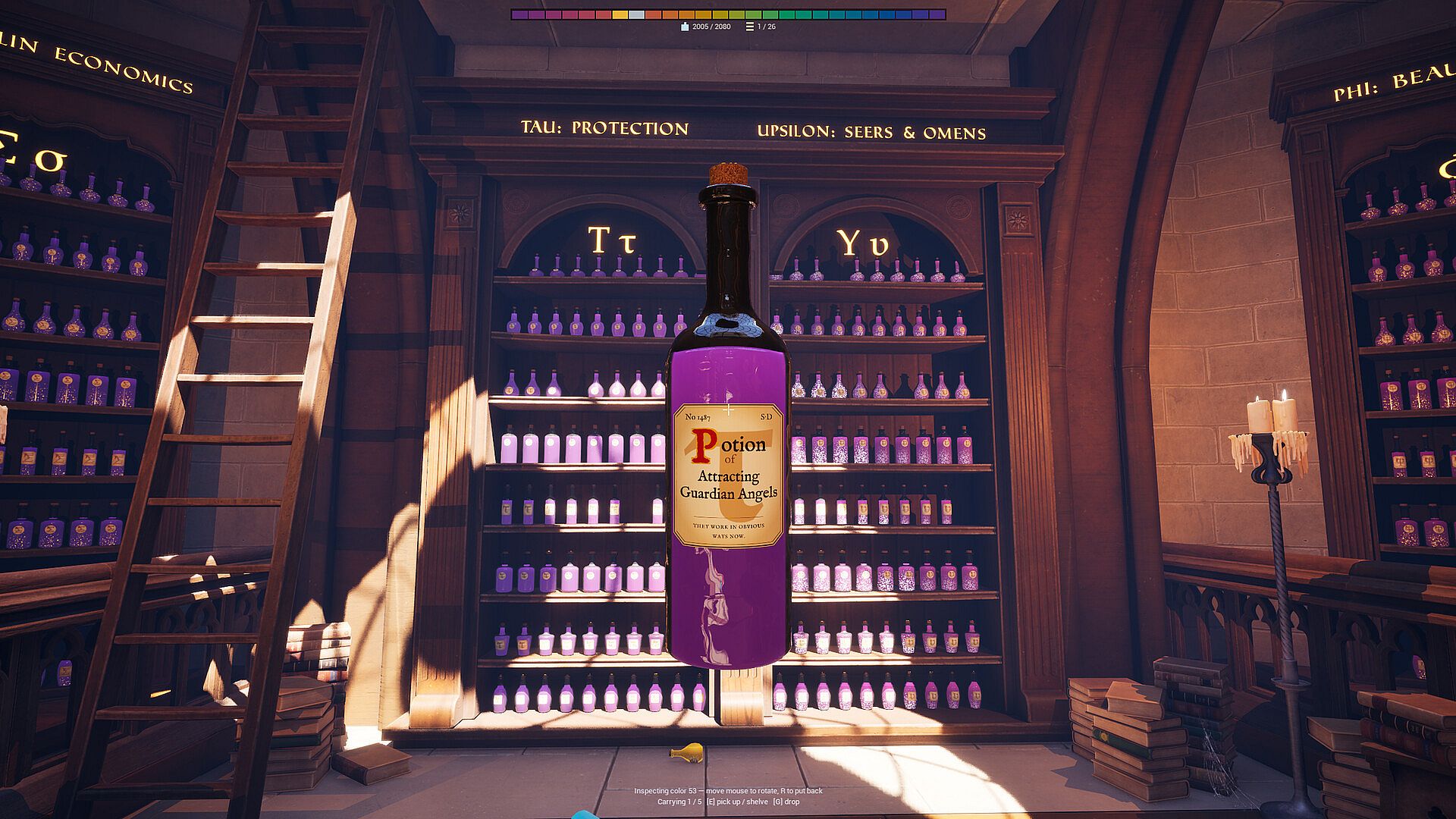
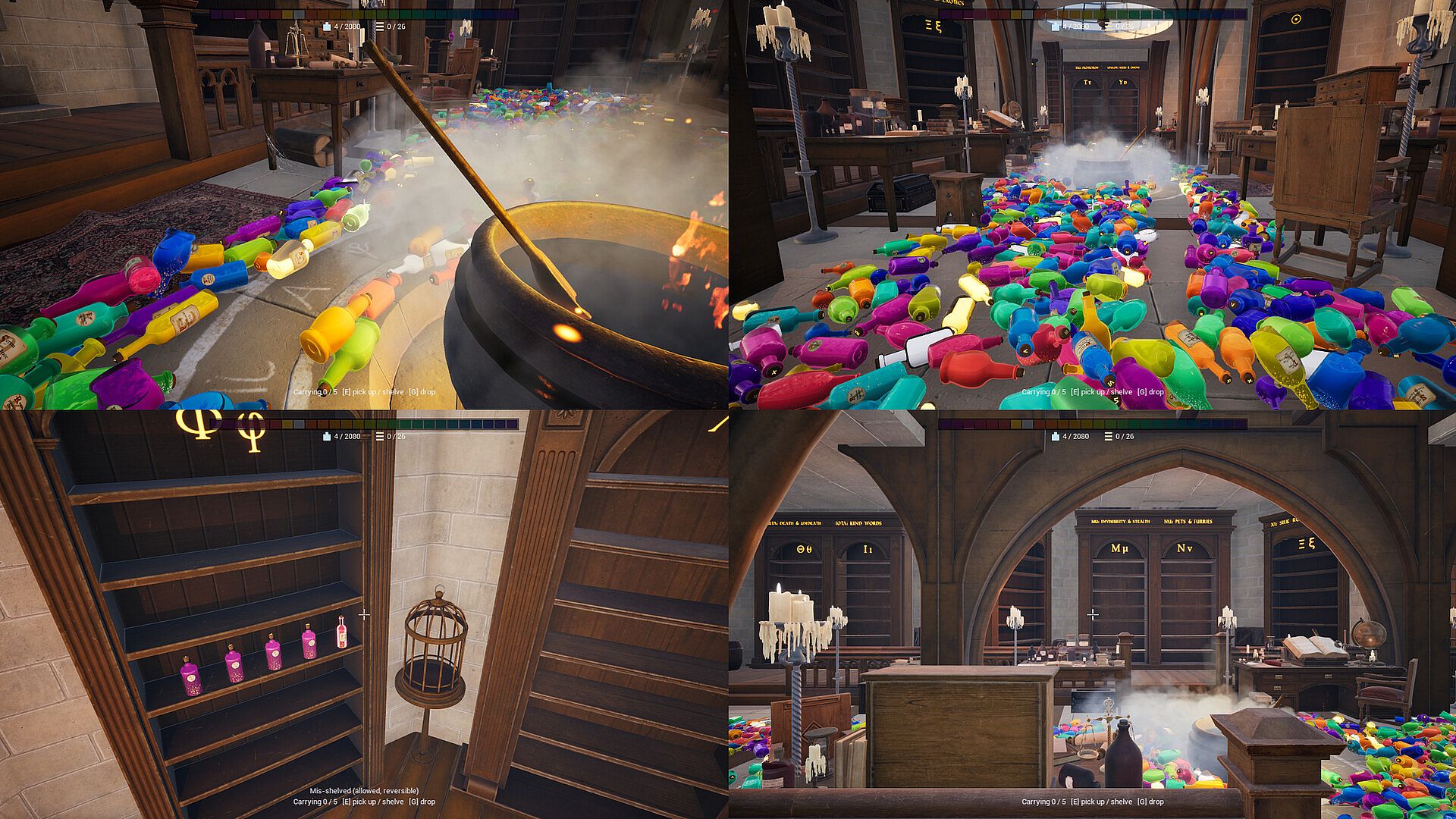
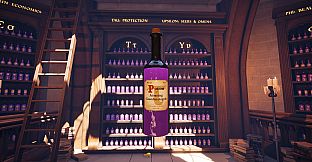
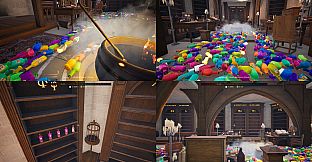
The core loop involves picking up individual bottles from a large heap on the floor, examining their labels, and placing each one on the correct shelf. Bottles feature real physics, so they roll, knock into one another, and settle naturally when disturbed. Carrying a bottle reveals sloshing liquid inside reflective glass that mirrors the surrounding room, candlelight, and other objects. Placing a bottle in the right slot locks it permanently with a soft green effect, while incorrect placements allow simple removal and retry with no consequences beyond the extra steps.
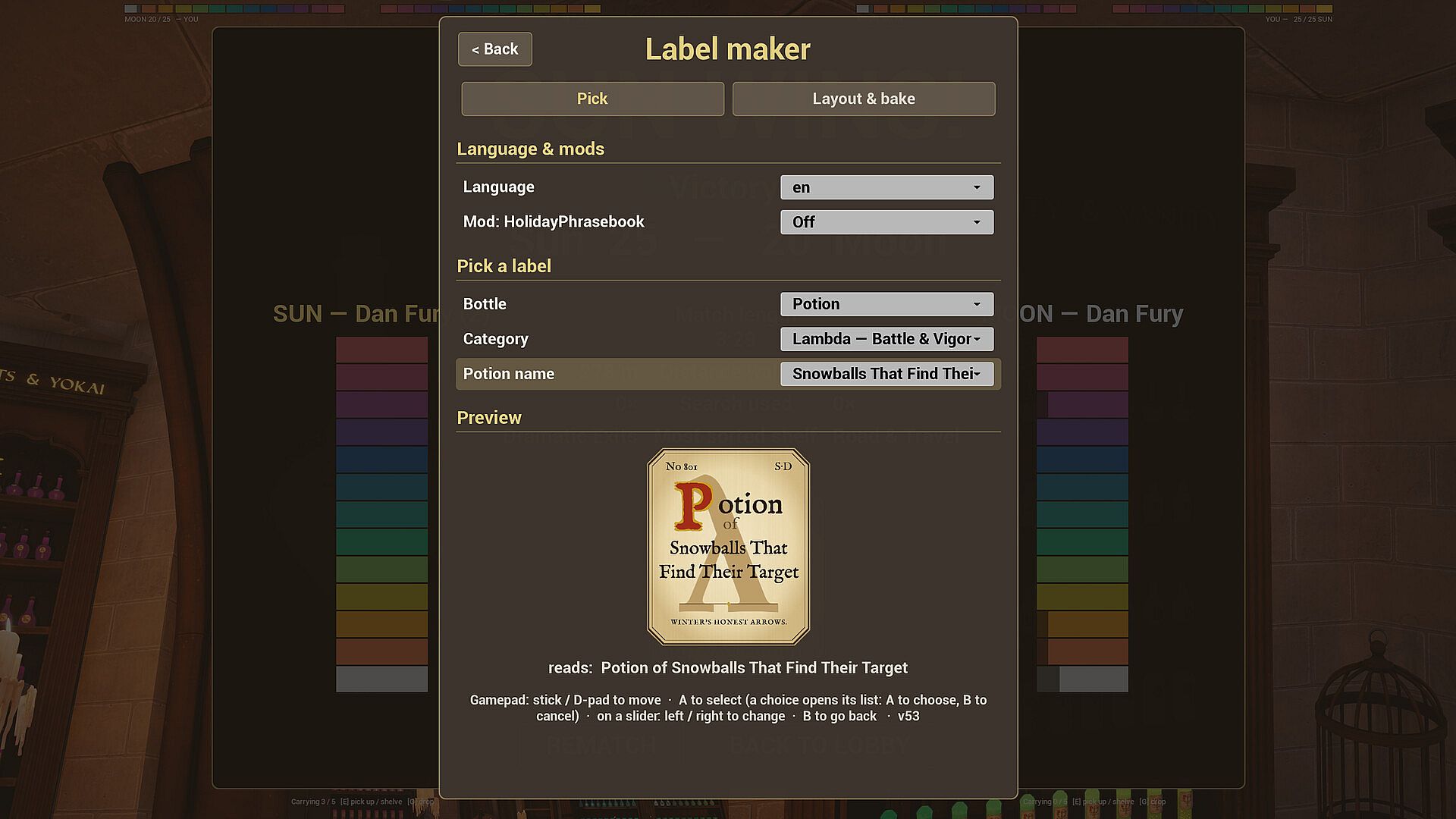
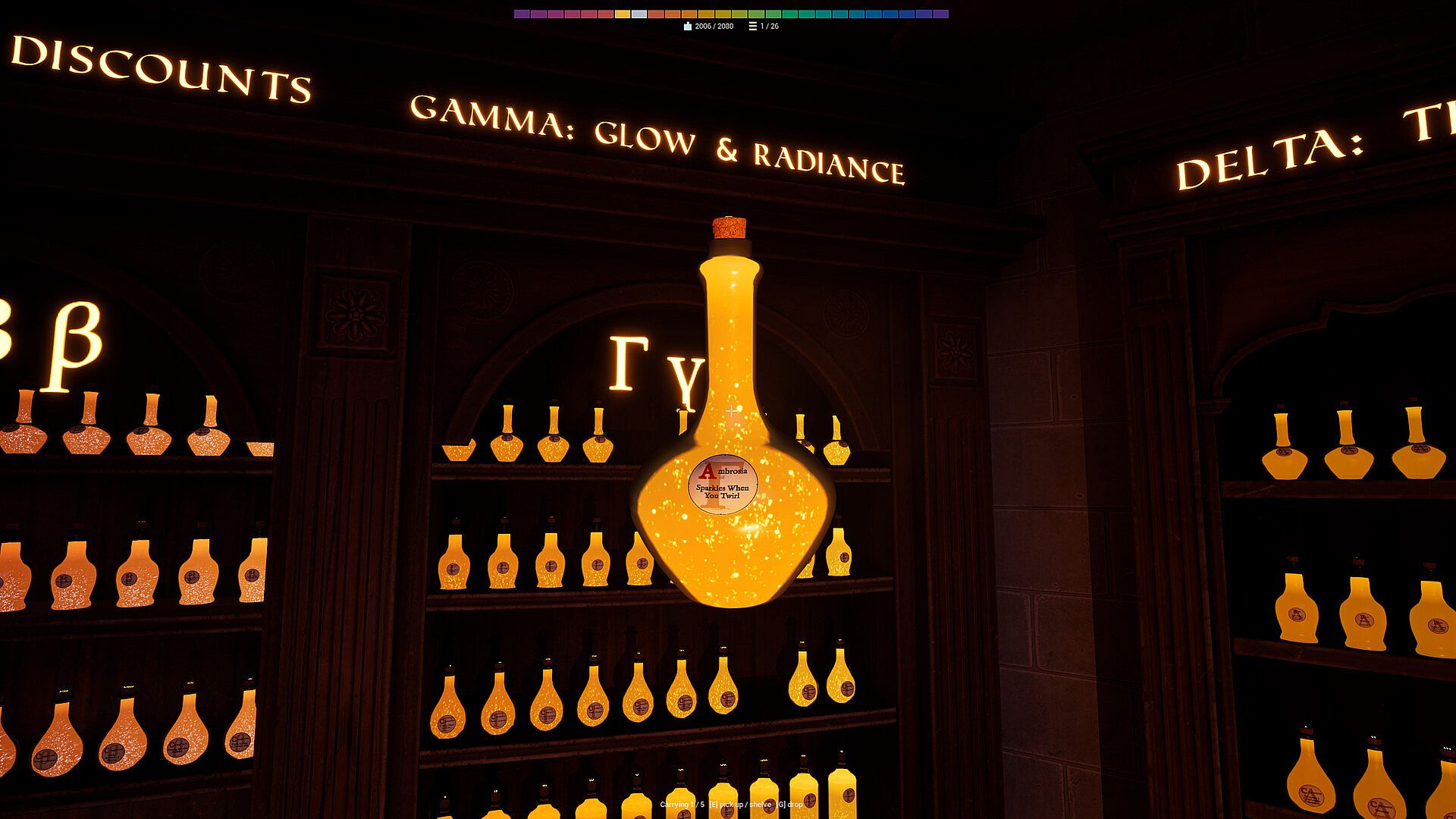
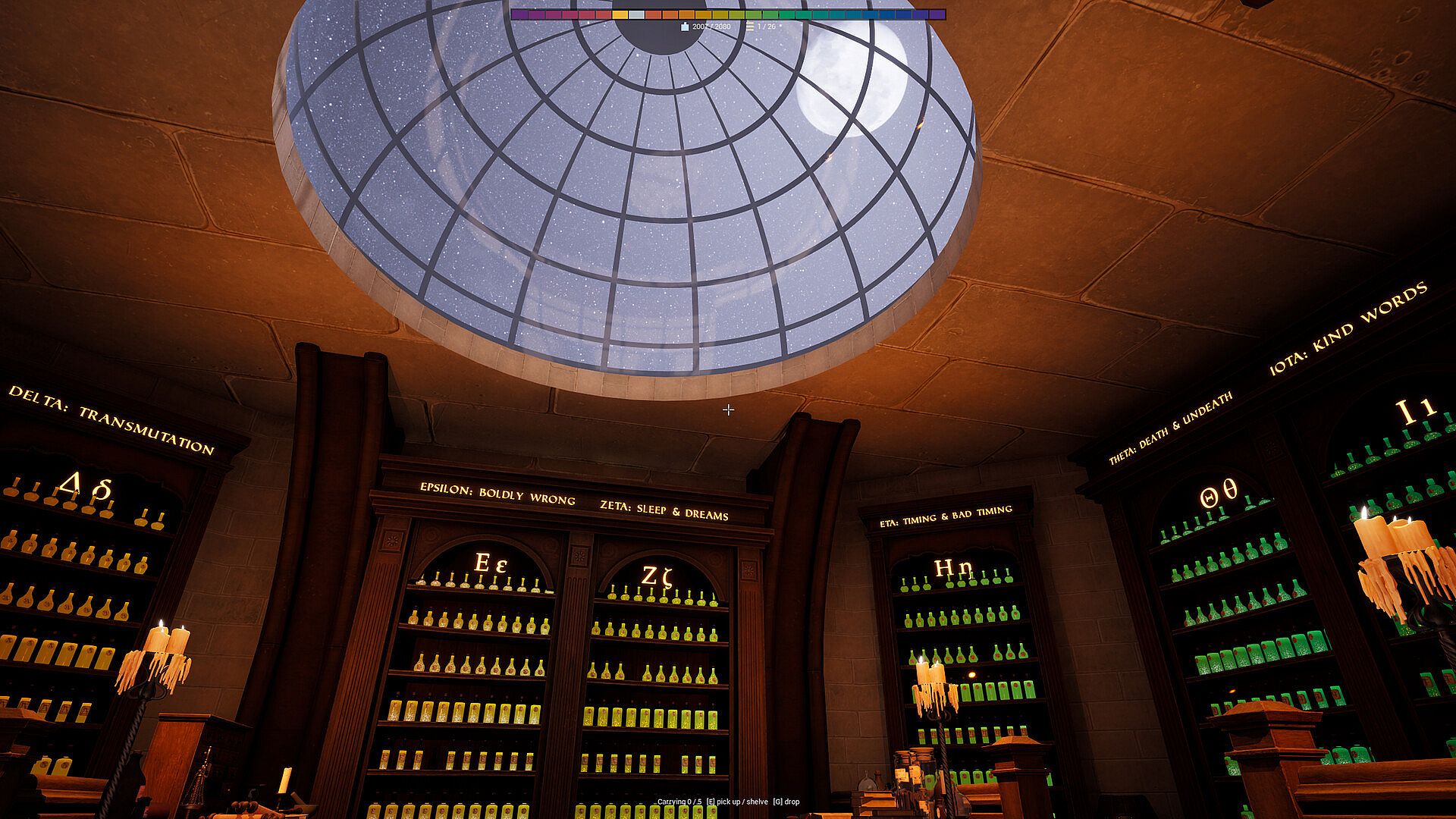
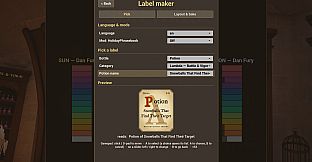
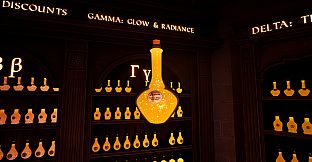
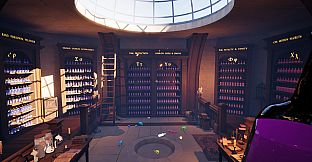
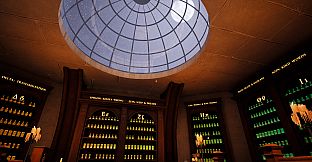
The shop includes a full day and night cycle with shifting sunlight and moonlight that affects bottle appearances. Sunbeams and moonbeams cause potions to glow brighter temporarily. The environment features 26 themed shelves lettered Alpha through Omega, plus dedicated Sun and Moon shelves. Each of the 260 unique hand-written potion names fits one of eight vessel shapes and carries a specific number from 1 to 2,080. Themes range from beginnings and dreams to ghosts, economics, and dramatic exits, turning the sorting process into an opportunity to read the creative labels.
Progress saves automatically every ten seconds, preserving the exact state of the shop including any misplaced bottles. This allows sessions to pause and resume later without loss. Difficulty options include three standard modes that provide varying levels of guidance on shelf slots, along with a Purist mode that offers no visual aids at all.
Game Modes
Single-player serves as the main way to experience the full sorting task at a relaxed pace. Online co-op lets a second player join by entering a six-character room code, with no additional accounts or setup required. Both players work in the same shop space, handling the same heap of bottles. Couch co-op supports a second local player on the same screen through split-view options.
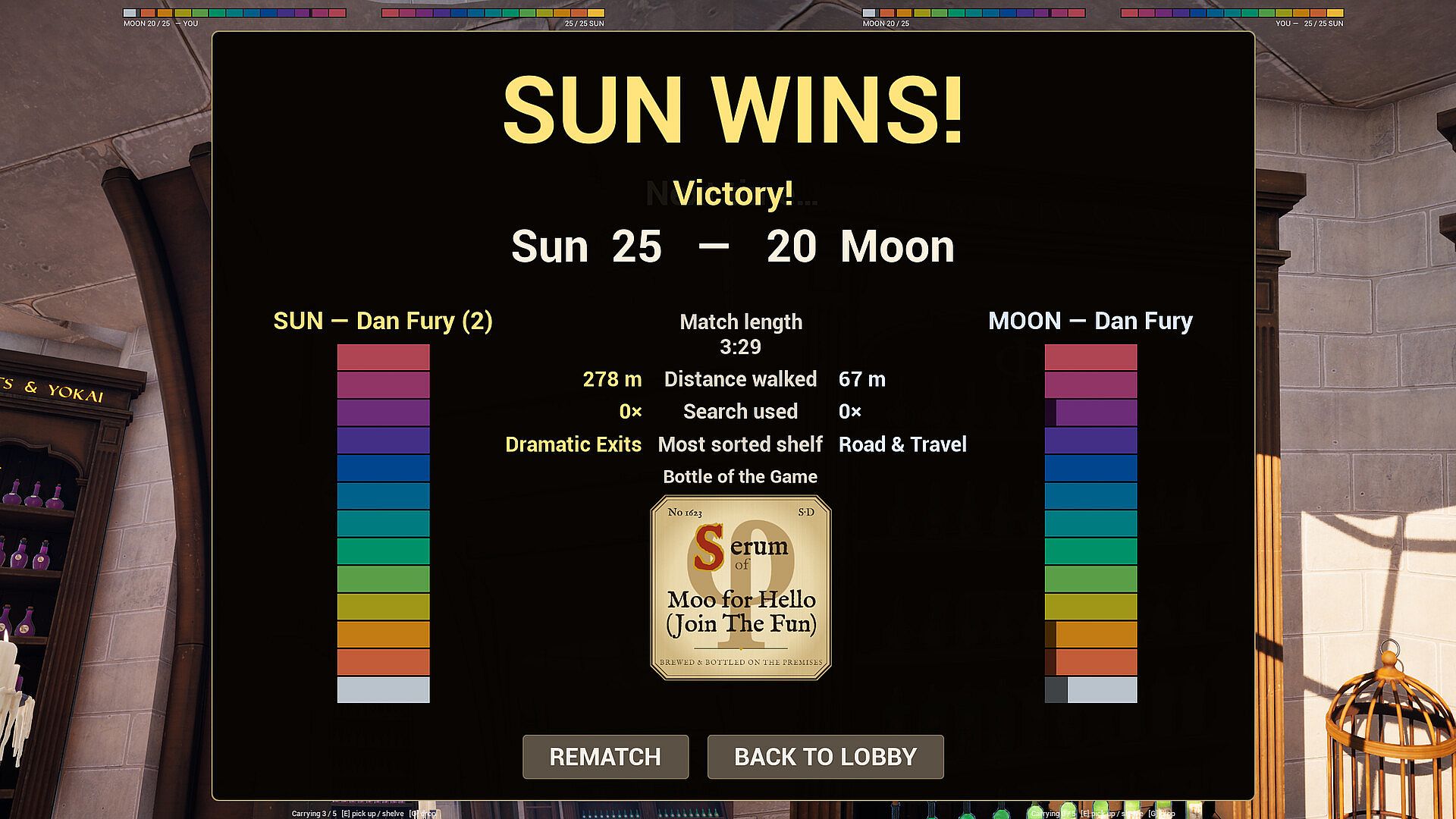
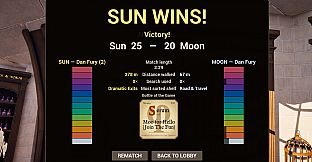
Versus mode divides the shop into Sun and Moon sides for competitive play. Each side receives 13 shelves and 1,040 slots with mirrored heaps containing only the relevant bottles. Players race to reach a target score or complete their half first, with options to win based on time, bottle count, or full completion. A countdown timer and racing scoreboard track progress until a winner is declared.
The Shop Environment and Details
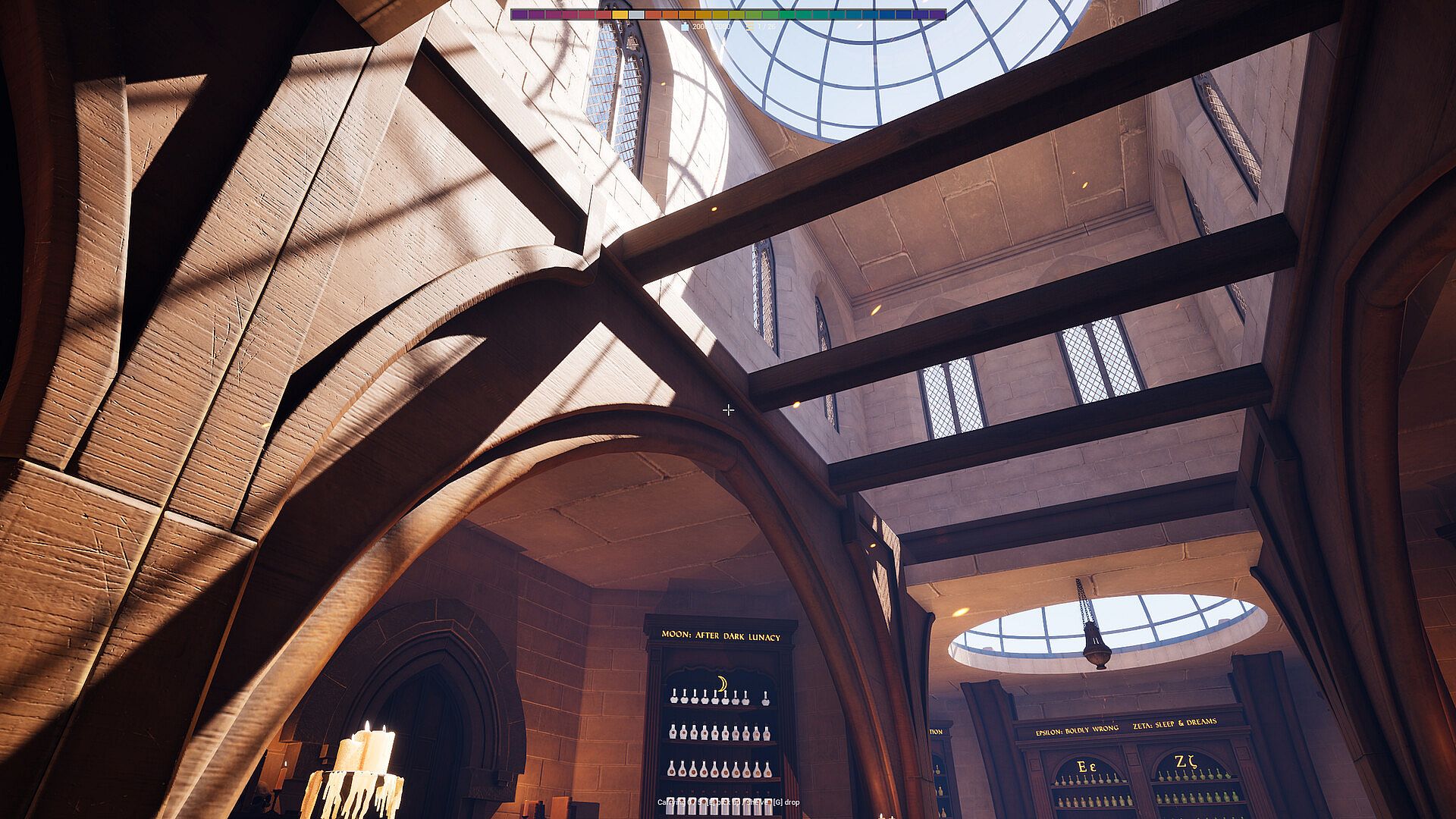
Lighting plays a central role, with real-time sun movement across glass domes, drifting stars, moon phases, and candlelight that never leaves the space completely dark. Bottles respond to light sources by glowing when illuminated. The 20-track soundtrack begins with several pieces locked and unlocks additional songs as shelves are completed, accessible through an in-game music player.
Carrying capacity starts at five bottles and increases gradually to fifteen as more shelves are finished. Full controller support includes in-game rebinding options. Every potion name, shelf title, and symbol exists in plain text files that players can edit to rename items, retitle shelves, or translate the entire experience.
Is It Worth Playing?
This title suits players who enjoy methodical, low-pressure organization tasks in a visually appealing setting. The absence of fail states or time limits makes it accessible for relaxed sessions, while the physics and detailed bottle interactions add tangible satisfaction to each correct placement. Multiplayer options extend the appeal to those who prefer shared or competitive sorting with friends.
As an upcoming release with no player reviews available yet, the game stands out for its focused design around one room and a large but finite number of items. Those drawn to indie casual simulation experiences centered on tidying and discovery will find the permanent progress and customizable elements particularly appealing. The emphasis on hand-crafted labels and lighting effects supports repeated play without added stress.